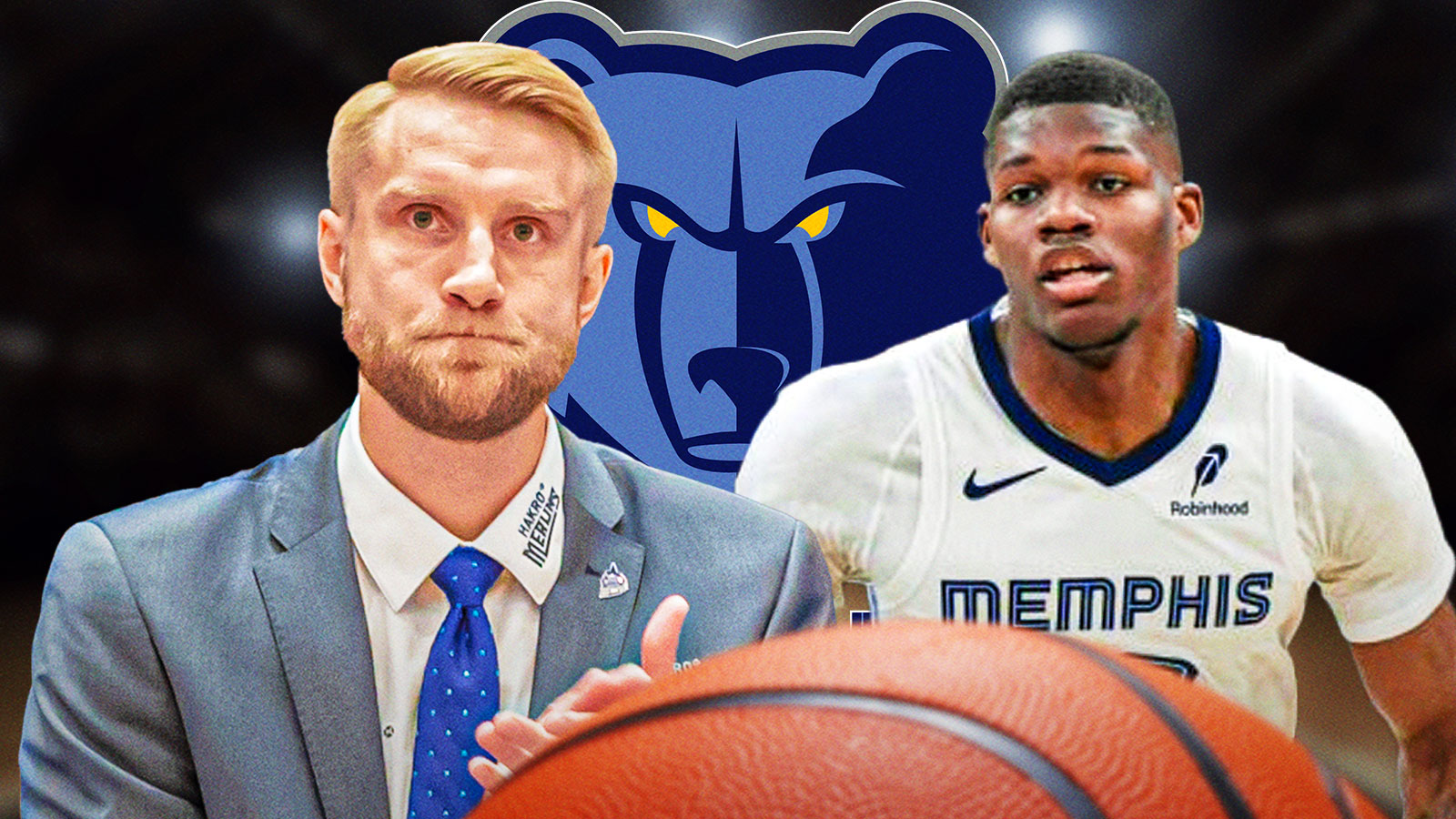

Tuomas Iisalo has never been one to shy away from discussing the nuances of basketball, but his latest critique touches on a trend that has increasingly frustrated NBA coaches. The Memphis Grizzlies are currently getting hit the hardest, however, since they are effectively working without a frontcourt. Their small-ball lineups without Ja Morant available have been easy targets for the opponents and officials who have increasingly punished overzealous, overmatched defenders.
Extensive practice on proper technique is one thing. Getting NBA refs to see things your way requires a bit more finesse. Unfortunately, Iisalo cannot point to the jumbotron without getting the Grizzlies into technical foul trouble. Those folks wearing stripes hate being shown up, but Memphis has been mostly throwing their hands up in exasperation after 50-50 calls lately.
“One of the things we've been good at this year, and we have practiced a lot, is showing our hands when there's contact,” Iisalo stressed. “I thought like (against the Clippers), every time I look up to the video board where they show the replays, there's a foul on the drive.”
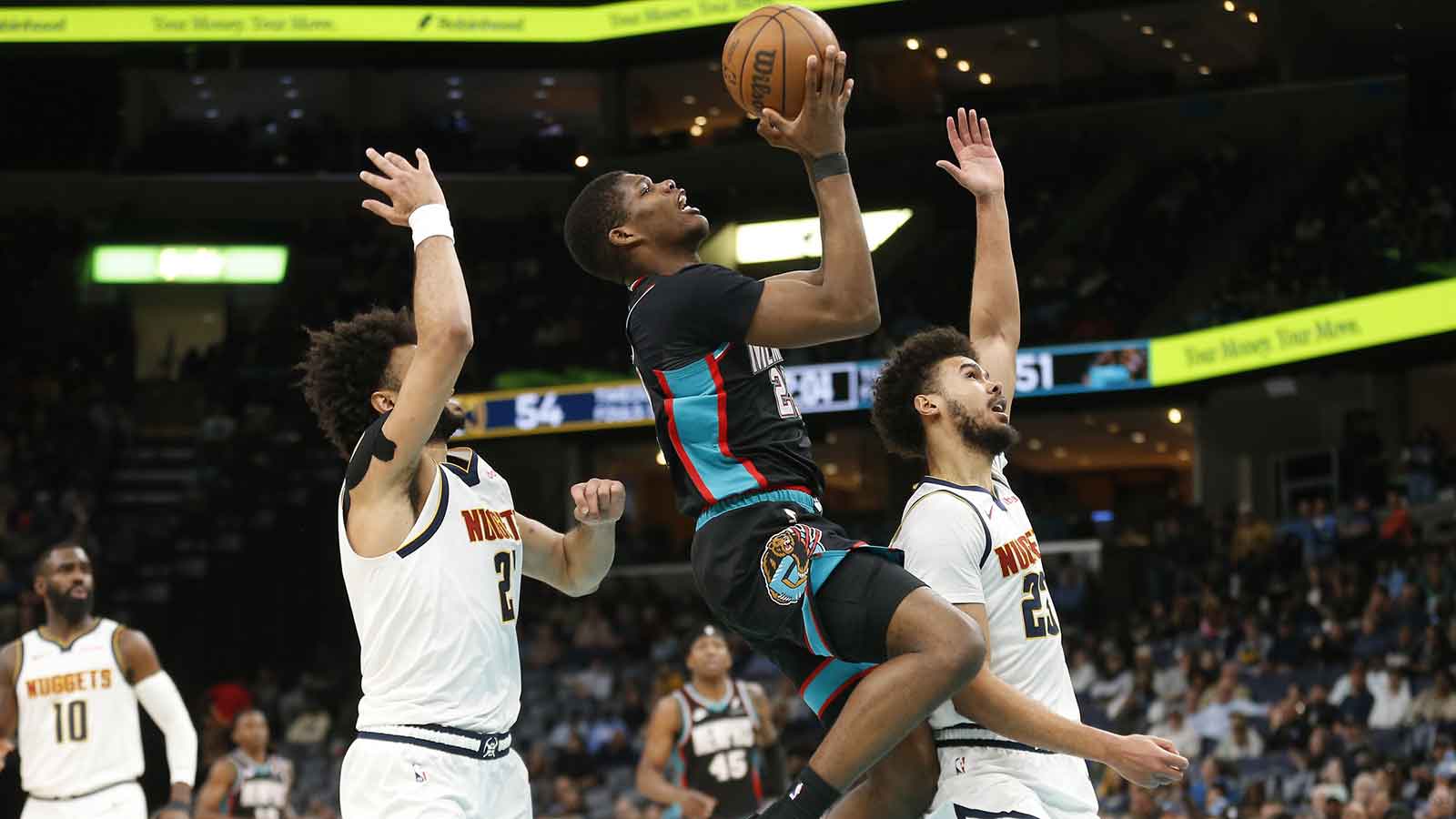
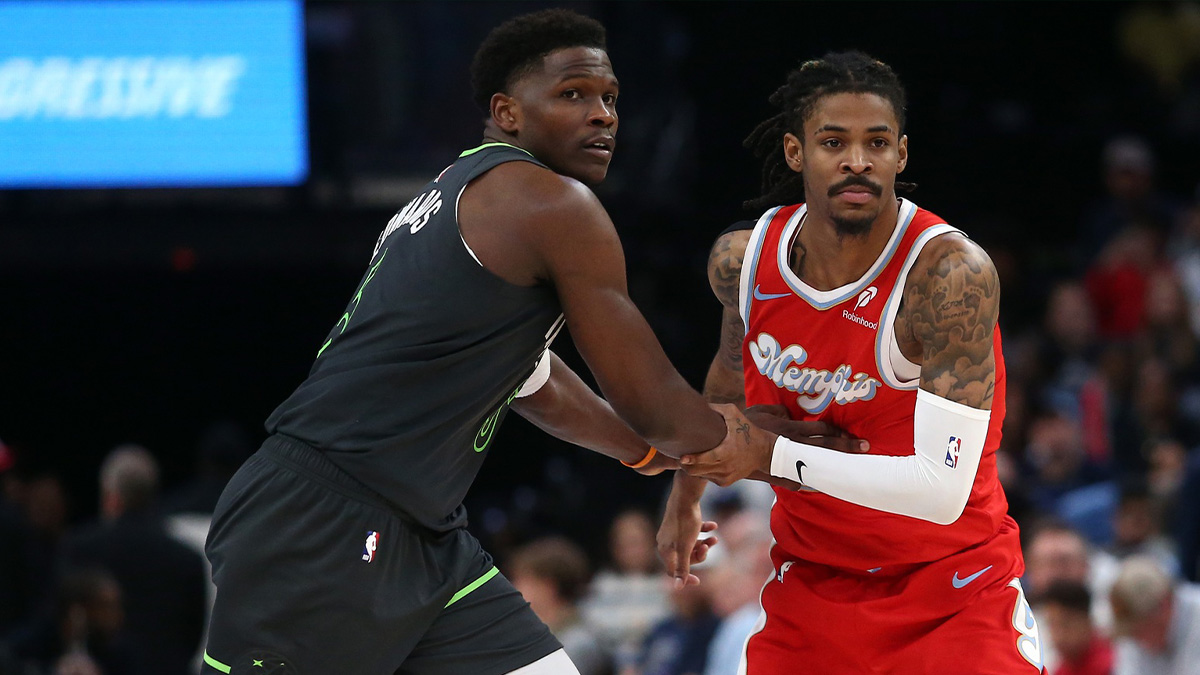
In two recent home losses, the Grizzlies were called for more fouls than the Portland Trail Blazers (23-22) and the LA Clippers (29-20). It's been even worse in road defeats versus the Minnesota Timberwolves (26-24) and Philadelphia 76ers (31-25). Even a recent win over the Dallas Mavericks (26-13) was a maddening whistle-fest for Iisalo. Getting called for twice as many infractions despite having a drive-heavy game plan is almost unheard of in today's NBA.
It's tough to watch, even if the fans are rooting for the tank job to succeed. Deliberately engineering contact to draw fouls rather than executing basketball plays is either an art form or just ugly, unethical basketball. It depends on who you ask and when about a particular play. It's undeniable that finding ways to manufacture contact and get the whistle is what smart players do to produce within the current framework.
That's why those ‘skills' have trickled down the bench at this point.
“Our hands were outside the cylinder on the hands, and they were in the cookie jar, so to speak,” added Iisalo. “Players have gotten so skilled in this league to kind of realize that situation and use it. And it's not only the best offensive players. It's guys one through 15 that are able to read that if you have your hand on the body, they will create that contact.”
Iisalo stopped short of accusing officials of poor judgment, noting that the calls are being made consistently across the league. Still, the pattern troubles him from a purist standpoint. But what can be done?
Grizzlies get NBA's attention
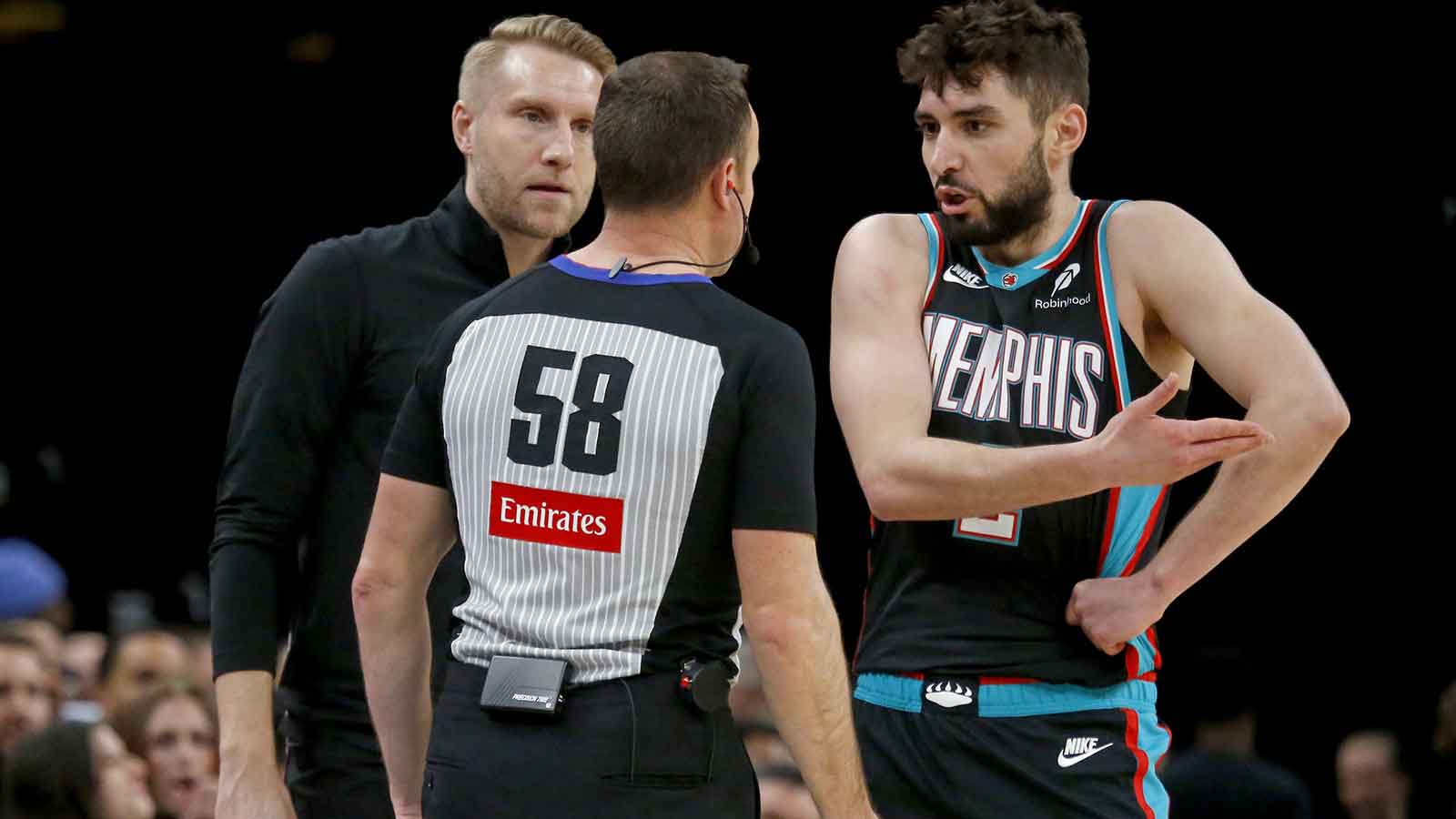
The NBA has attempted to address foul-baiting before. Before the 2021-22 season, the league announced an interpretive change in the officiating of “overt, abrupt, or abnormal non-basketball moves by offensive players” with the ball in an effort to draw fouls. Before the 2023-24 season, they introduced a technical foul for flopping on a one-year trial basis, later making it permanent.
That's why Iisalo was careful to note that the issue lies not with the consistency of the whistles or the officials personally, but with the rule interpretation itself.
“It's consistently called. I'm not a huge fan of some of the interpretations because it seems like the guys are just reaching for the foul instead of making a basketball play. But it is extremely consistent in how it is called. We have got to do a better job as a team of doing it and as a coaching staff in coaching it.”
Iisalo's comments reflect a broader tension across the NBA, where offensive players have increasingly mastered the art of using body contortions, sudden stops, and subtle arm hooks to bait defenders into contact. Critics argue the tactic slows the game and rewards manipulation over skill, while others contend it is simply smart, within-the-rules play. After months of feedback, the answer is not to lobby for rule changes midseason but to adapt.
It's perhaps the last useful test to find a silver lining to the season. These Grizzlies must become better at playing within and exploiting the same system that is currently working against them. Figuring out those nuanced incentive structures on both ends of the court is perhaps the last bit of wisdom Jaylen Wells and Cedric Coward need to truly run the wings.