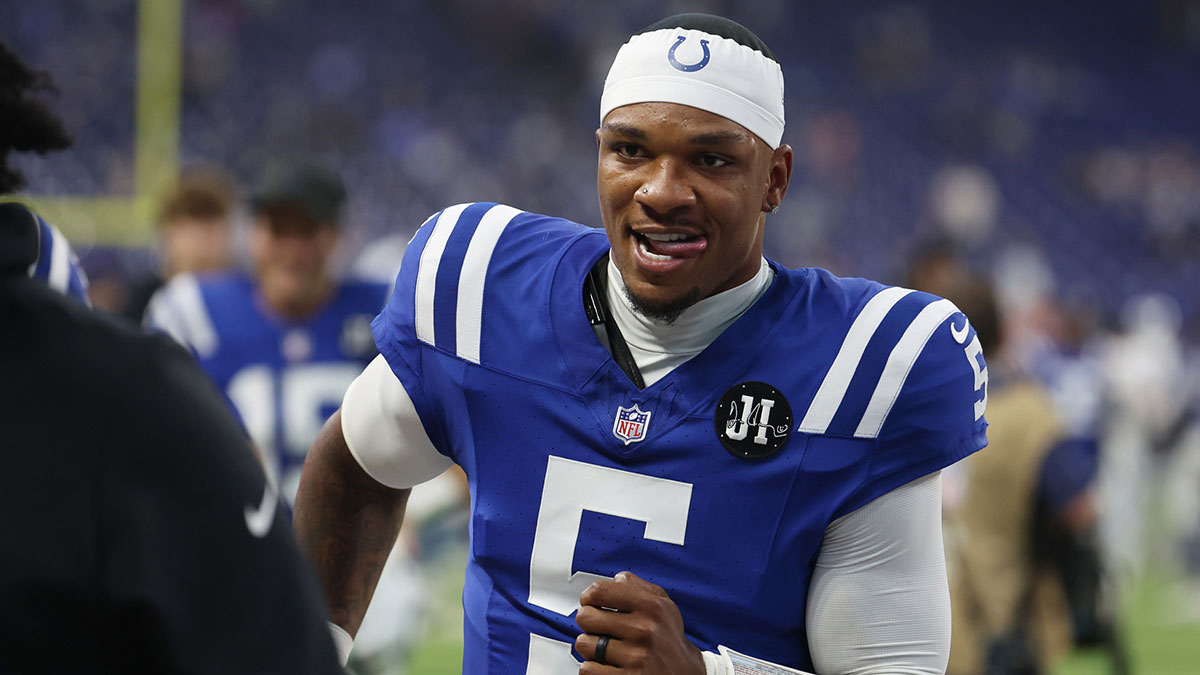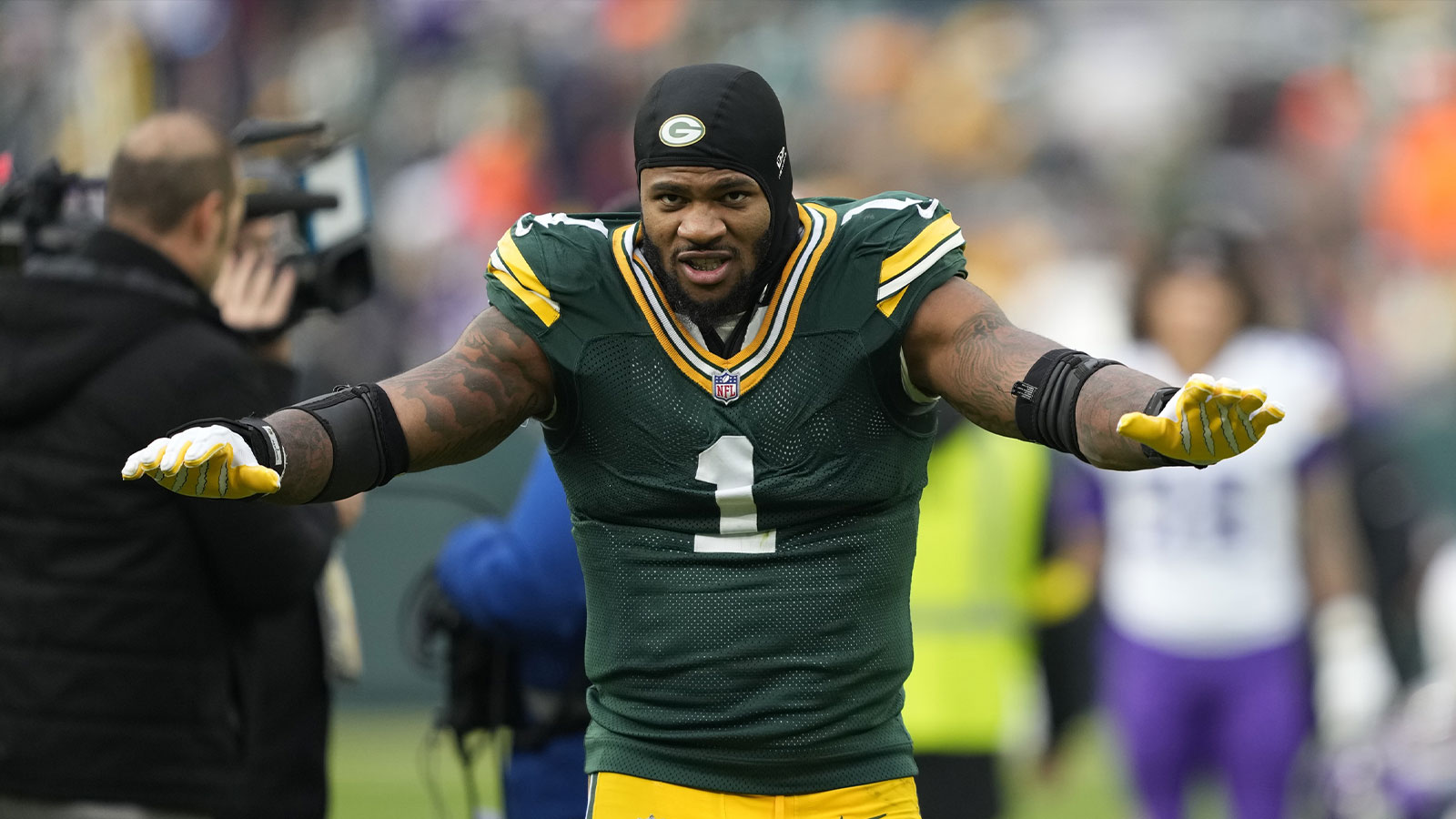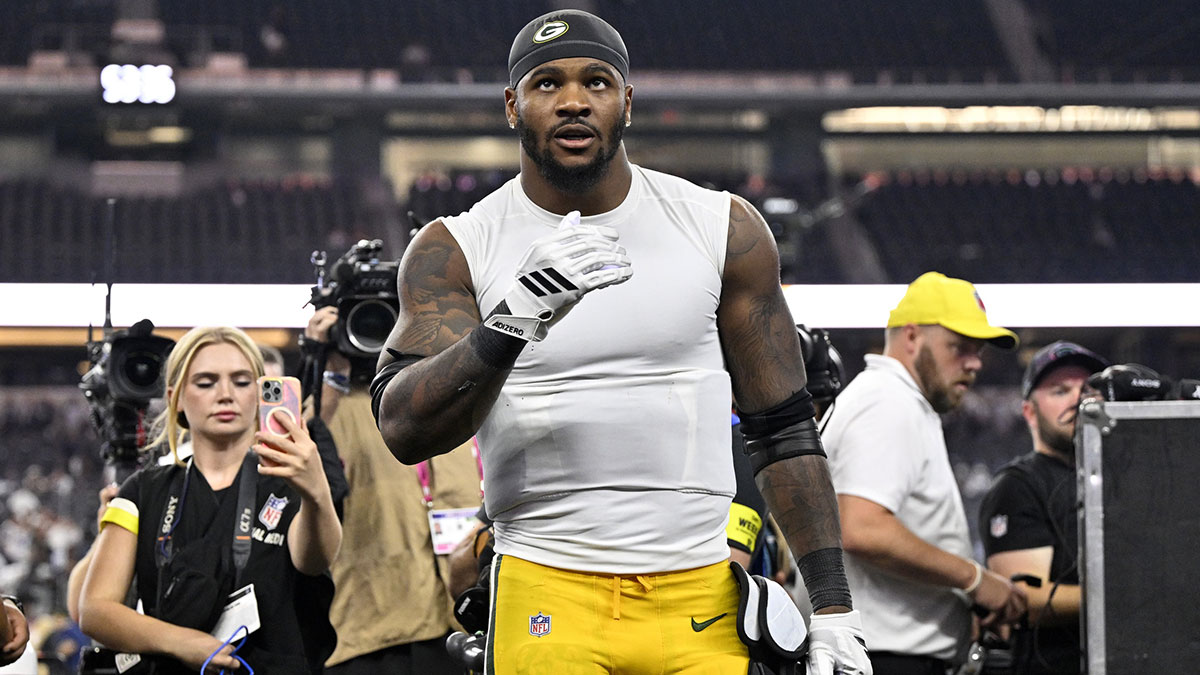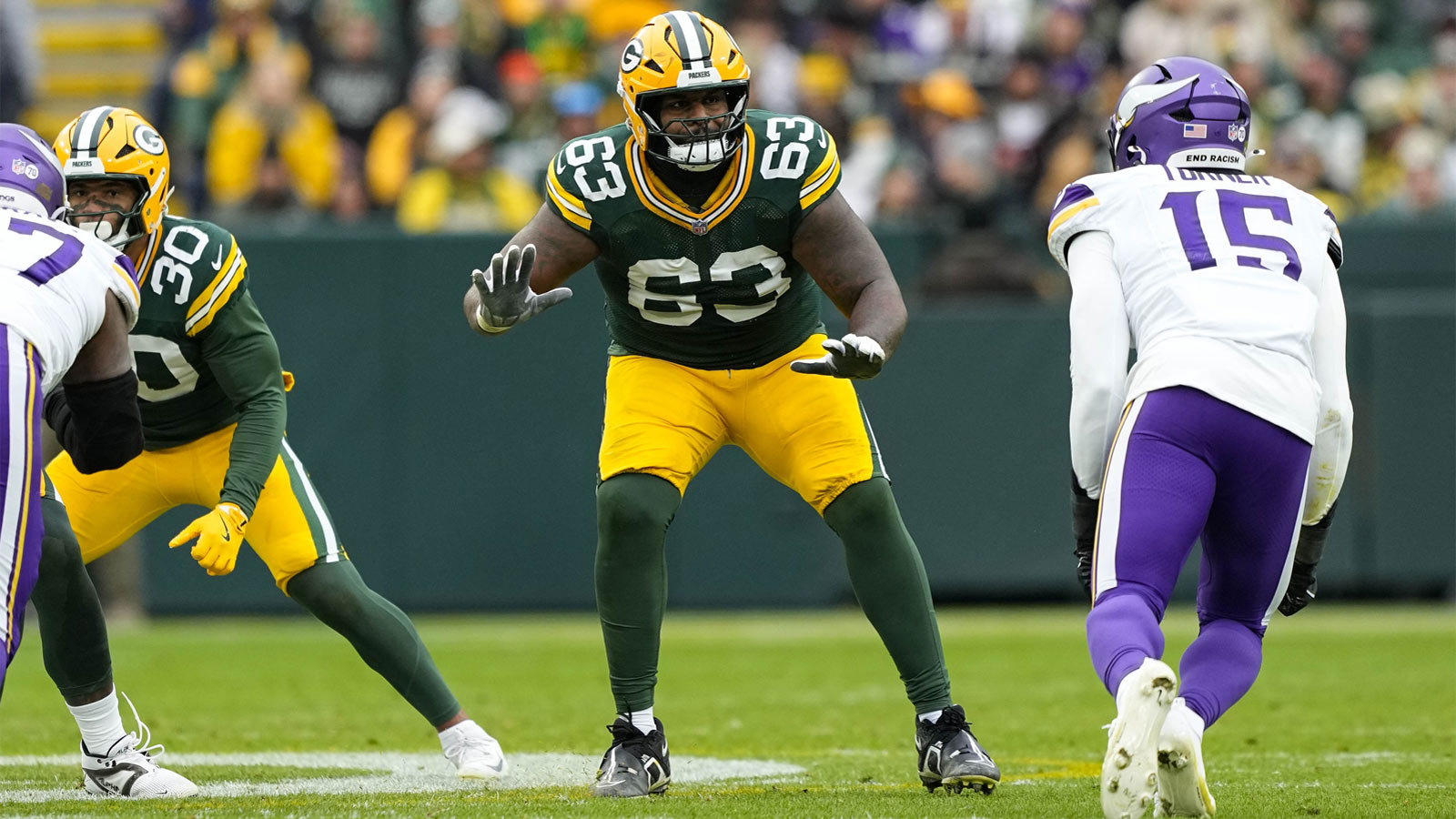
The Packers’ post-free-agency draft picture begins with two distinct storylines. Green Bay has emerged as a team to watch in a potential Anthony Richardson trade after losing Malik Willis, while also making a significant defensive addition by signing Javon Hargrave to a two-year, $23 million deal.
They are still searching for a better backup quarterback situation behind Jordan Love, but the most substantial reshaping is occurring on defense, where cornerback and the defensive front are the most urgent areas in need of young talent, and the trade involving Micah Parsons cost the Packers their 2026 first-round pick, so their real draft begins at No. 52.
This change alters the entire tone of the mock draft season, and now, it’s about figuring out what kind of starter or high-leverage rotational player makes sense in the 50-to-90 range.
After the initial wave of free agency, mock drafts have become more consistent in identifying Green Bay's needs. Cornerback continues to appear frequently, alongside defensive line and linebacker, while there is also a smaller yet valid call for offensive line help, as the roster is still built to keep Love upright and functional.
One notable aspect of these projections is that the Packers are recognized as a team that lost enough contributors in free agency, indicating that the second and third rounds could take several reasonable directions. This is compelling because different analysts are landing on various players while consistently addressing the same structural issues.
Here we will show a few names from the NFL Mock Draft.
Davison Igbinosun, CB, Ohio State
In his two-round mock draft, Jordan Reid predicts that Green Bay will select Ohio State cornerback Davison Igbinosun at No. 52, and this feels like one of the cleanest fits in the group. Reid reasons that Igbinosun aligns with the Packers’ physical preferences at cornerback, possessing the size, explosiveness, and play style that Green Bay typically seeks.
However, as Reid points out, he can be overly handsy and requires refinement, which adds a developmental element to the selection. This is precisely the type of risk Green Bay usually takes when it believes the player's traits are worth coaching.
What reinforces this post-free-agency pick is that the cornerback position remains incomplete, and even after adding outside help, the situation doesn’t feel stable enough to overlook it in the second round. Igbinosun would provide the Packers with a player who has the necessary physical dimensions and competitiveness to succeed early while the technical aspects of his game improve.
This projection is not solely based on need, as it also reflects Green Bay’s ongoing value for corners with length, confidence, and recovery ability, even if they lack polish on draft day.
Gennings Dunker, OT, Iowa
Conversely, Josh Edwards anticipates that the Packers will select Iowa tackle Gennings Dunker at No. 52, followed by Texas corner Malik Muhammad at No. 84 in his three-round mock draft. Dunker stands out because it suggests that Green Bay is still considered a team that might invest in the offensive line, despite having recently reinforced that position.
This perspective makes sense, and while the offensive line is better than it was a couple of years ago, “better” does not equate to future-proofed. Adding Dunker could bring tackle depth now, and potential starting value later, and teams that lose their first-round pick often use the second round to address positions where starter-level players typically become scarce quickly.
Although the Packers don’t necessarily need an emergency starter at this moment, they do need another player to maintain line stability if someone gets injured or if a contract decision alters the roster next year.
D’Angelo Ponds, CB, Indiana
In his three-round mock draft, Gordon McGuinness predicts that Green Bay will select Indiana corner D’Angelo Ponds at No. 52 and Alabama edge rusher LT Overton at No. 84. Ponds represents a different kind of cornerback projection than Igbinosun.
He may not fit the longer, prototype mold, but he possesses agility, coverage skills, and the potential to add another defensive back who excels with instincts and quickness rather than just size and recovery traits.
This pick is telling not only about the player but also about the state of the Packers' roster post-free agency. McGuinness clearly views Green Bay as a team that still requires more than just one player in various critical areas, and that they can change the game for them with the right plays.
Jake Golday, LB, Cincinnati
In his Packers-specific seven-round mock draft, Tim Crean predicts that Cincinnati linebacker Jake Golday will be selected by Green Bay at No. 52. Among all the players mentioned, Golday’s inclusion reflects how some envision the future of Jeff Hafley’s defense.
Crean describes Golday as a linebacker-edge hybrid, an adaptable player with both size and athleticism, who could evolve into more than just a conventional off-ball linebacker, and he even suggests a development path similar to that of Micah Parsons, which is a bold comparison but illustrates the potential reward of this selection.
The depth is the best thing in this article because it’s not a lazy choice. It would have been easy for Crean to simply suggest another cornerback for Green Bay, but instead, opting for Golday presents a more layered strategy.
And if the Packers believe their defense needs additional speed and aggression at the second level, and if they desire a player who can pressure quarterbacks in sub-packages without being strictly labeled as an edge rusher, this type of pick becomes increasingly plausible.
It is an ambitious yet reasonable choice.
Christen Miller, DT, Georgia
Justin Melo, Sports Illustrated / NFL Draft on SI
In Justin Melo’s post-free-agency mock, he projects that Georgia defensive tackle Christen Miller will join the Packers, and this also aligns well with the implications of Hargrave’s signing.
While Hargrave provides immediate assistance, he is also a temporary veteran solution, and Melo argues that the Packers still need additional depth at defensive tackle, and Miller possesses the frame and agility to become part of that long-term rotation.
He is portrayed not as a finished product but as an ascending player whose build is trusted by NFL teams when reinforcing the defensive front.
This assessment is an honest reflection of Green Bay’s needs following free agency. Although Hargrave raises the floor for the defensive line, it does not eliminate the need to draft a player at this position. In fact, it makes it easier to do so since the rookie would not be expected to take on a significant role immediately.
Miller could develop alongside a veteran while still adding a youthful presence to a position that quickly becomes expensive and thin, and the Packers have learned the hard way in recent years what happens when the defensive line becomes too light or ordinary, and Melo’s projection appears to be a response to that lesson.
What makes the Packers’ post-free-agency mock intriguing is that it looks beyond just one obvious need and considers which kind of roster insurance is most valuable.
Some analysts believe the secondary requires another strong addition, while others argue that the defensive front still needs more young talent despite the Hargrave signing.
Additionally, some view the selection of a tackle as a quieter, more strategic move, emphasizing the importance of keeping the offensive structure stable around Jordan Love.
None of these perspectives feels out of place, and without a first-round pick to simplify their options, the Packers should focus on finding the player who can offer the best path forward rather than relying on the assumption that there's one easy solution.