The Colts have focused on strengthening their middle class in free agency rather than pursuing one major splash, and they started signing Nick Westbrook-Ikhine after a one-year stint in Miami and added linebacker Akeem Davis-Gaither, who recorded 117 tackles last season with Arizona.
Westbrook-Ikhine provides additional experience in the receiver room following the trade of Michael Pittman Jr., while Davis-Gaither brings familiarity with Lou Anarumo’s system from their time together in Cincinnati. Both moves seem more like practical roster maintenance ahead of the draft than just noise.
This approach is important because the Colts are entering the draft from a unique position, as they do not have a first-round pick, with their board starting at No. 47 overall, and they hold a total of seven selections after the league finalized the order.
The trajectory of past trades explains this situation: their first-rounder was lost in the Sauce Gardner deal, and Pittman was subsequently traded to Pittsburgh for a sixth-round pick. As a result, Indianapolis' draft strategy begins on Day 2 and poses different questions compared to teams at the top of the board.
Rather than chasing one star player, the Colts need to find players in the second and third rounds who can make the rest of the offseason feel coherent.
Recent mock drafts have started to align in a revealing way, and while the names vary, they all point to the same general concerns: Indianapolis still needs more certainty at the middle of the defense, additional pressure on the edge, and perhaps one more reliable target after reshaping the receiver corps around Alec Pierce and Josh Downs. Consequently, most serious projections for the Colts now focus on linebackers, edge rushers, corners, and receivers.
Free agency did not eliminate these concerns; it merely provided Chris Ballard with enough flexibility to address them without being forced into a specific draft strategy.
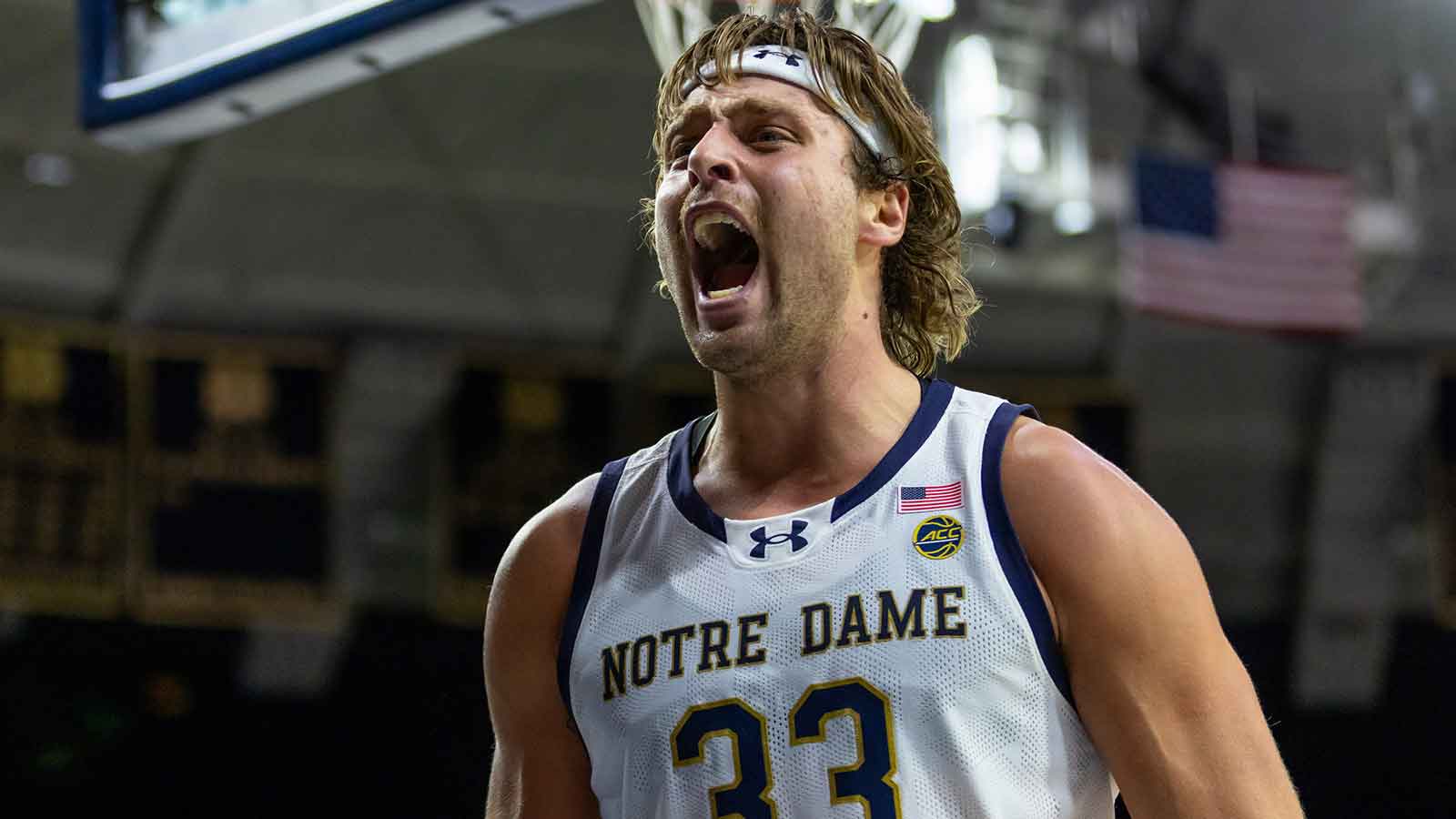
LB Jacob Rodriguez, Texas Tech
Chad Reuter’s four-round mock from NFL.com offers a clear insight into how Indianapolis is being perceived currently.
He has the Colts selecting linebacker Jacob Rodriguez at No. 47 and pairing him with Elijah Sarratt later on, highlighting what he believes the roster still lacks. Rodriguez is seen not as a versatile linebacker who can cover, blitz, flow to the ball, and bring energy to a group that lost Zaire Franklin.
A recent breakdown of Reuter’s mock on Colts-on-SI further supports this choice, noting Rodriguez’s impressive stats: 255 tackles, 21.5 tackles for loss, 6.0 sacks, five interceptions, and 10 forced fumbles over his final two seasons in college. Such production is not coincidental, which helps explain his frequent mention in Colts discussions despite not having a first-round pick.
Stylistically, Rodriguez fits the Colts' needs, and although they’ve added Davis-Gaither, his arrival serves more as a sensible bridge rather than a reason to stop seeking improvements.
Last season, the Colts struggled with pass coverage from the linebacker position and needed more reliability in the middle of the field, and he addresses both of these concerns. As a Day 2 prospect, he has the potential to start quickly without the pressure of being viewed as a savior. On a roster that can no longer afford to ignore linebacker depth, his profile carries significant weight.
LB Anthony Hill Jr., Texas
In his post-free-agency mock draft for CBS Sports, Josh Edwards projects LB Anthony Hill Jr. to the Colts at No. 47, linking this selection directly to the trade of Franklin and the existing weaknesses at the linebacker position.
This explanation is effective and grounded in the team's roster reality, as Hill differs from Rodriguez as a prospect, and he appears more explosive and is better suited for chasing down plays and causing disruption, offering a different approach to addressing the same issue.
Edwards’ projection indicates that Indianapolis might prefer a linebacker with more immediate range and greater athletic ability if a suitable option is available when the Colts are on the clock.
This selection would be a pragmatic choice for the team, and throughout March, the Colts have focused on strengthening their roster by adding receivers, linebackers, cornerbacks, and depth pieces that make sense individually.
However, the real test of whether these moves are effective will be seen in the second round. If the Colts draft a linebacker like Hill, it will clearly signal that the front office believes the problems in the middle of the defense remain unresolved and is willing to invest one of its most valuable remaining picks to ensure these issues aren't still present in October.
WR Elijah Sarratt, Indiana
Nate Davis and Ayrton Ostly, USA Today
The Colts are also eyeing the receiver position, as indicated by Nate Davis and Ayrton Ostly from USA Today, who projected Elijah Sarratt to Indianapolis at No. 47 in their March 16 mock draft, which was featured in the Colts' own roundup.
Reuter later paired Sarratt with the Colts in his four-round projection, making him one of the more frequently mentioned skill-position players for this team.
The interest in Sarratt is easy to understand because he is a local product from Indiana and had a standout season, showcasing his size, finishing ability, and a playing style that might resemble what Michael Pittman Jr. used to provide, and Sarratt could be seen as a potential replacement for Pittman, especially given his impressive stats of 65 catches for 830 receiving yards and 15 touchdown receptions during Indiana’s championship run.
The possibility of drafting Sarratt has become more plausible following free agency rather than less, and while Westbrook-Ikhine adds competency to the receiver room, it doesn’t signify finality.
Pierce has received a contract extension and is set to take on a larger role, but adding another receiver still makes sense. Sarratt could line up outside and help diversify the passing game, preventing it from becoming too predictable, and he wouldn’t need to come in as the primary target because he should serve as a player who prevents defenses from simplifying the Colts’ offensive scheme, aligning perfectly with how the Colts need to approach the No. 47 pick, especially when they no longer have the luxury of a first-round draft choice.
EDGE R Mason Thomas, Oklahoma
Max Chadwick’s projection of R Mason Thomas to the Colts provides the most promising edge-rushing solution in the current draft analysis.
This makes sense, considering that the Colts' situation at defensive end still appears incomplete, and in Chadwick’s mock draft on March 9, he had the Colts selecting Thomas at No. 47. Even after the first wave of free agency reshaped the roster, this connection was reinforced in the Colts’ March 16 roundup.
The rationale for targeting Thomas is that, despite recent additions like Arden Key and Micheal Clemons, the Colts can still justify seeking another pass rusher, and those signings improved the roster but did not significantly elevate it.
Unlike linebacker or receiver options, Thomas's appeal is based on his potential to generate pressure rather than simply performing cleanup work.
Players like Thomas are valuable for teams in the Colts’ draft position, and Day 2 of the draft is often when teams search for front-seven defenders who can develop into more than just rotational players.
Scouting reports describe Thomas as a twitchy edge rusher with notable speed-to-power traits and the tenacity to become a productive threat on passing downs. For Indianapolis, the goal is to enhance the edge rotation, which can dramatically transform the entire defense.
It provides defensive coordinator Lou Anarumo with more flexibility, helps the secondary by putting pressure on opposing quarterbacks, and prevents the defensive line from relying too heavily on a single solution each week. This is why Thomas remains a strong candidate for the Colts, even after their significant investments in free agency.
What’s intriguing about the Colts' draft strategy is that all the possibilities seem plausible without being redundant.
All this represents a healthier draft conversation compared to what typically unfolds for struggling teams because the Colts are seeking to leverage the flexibility that free agency has provided, leading to clearer and more strategic decisions rather than knee-jerk reactions.