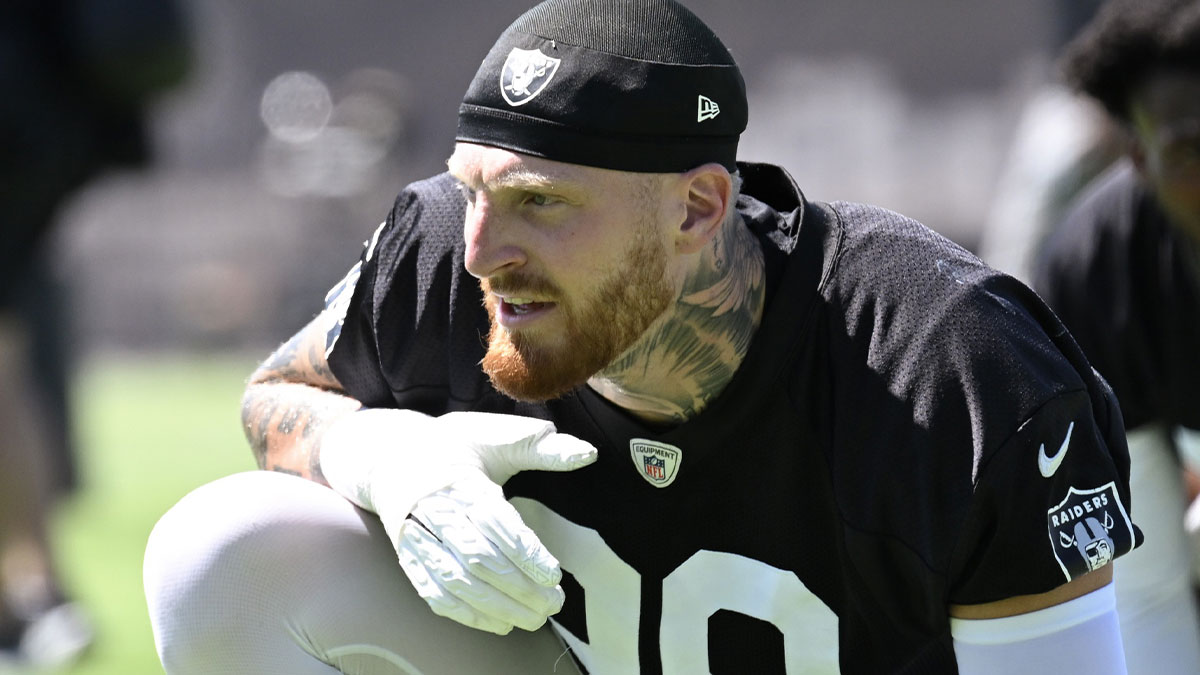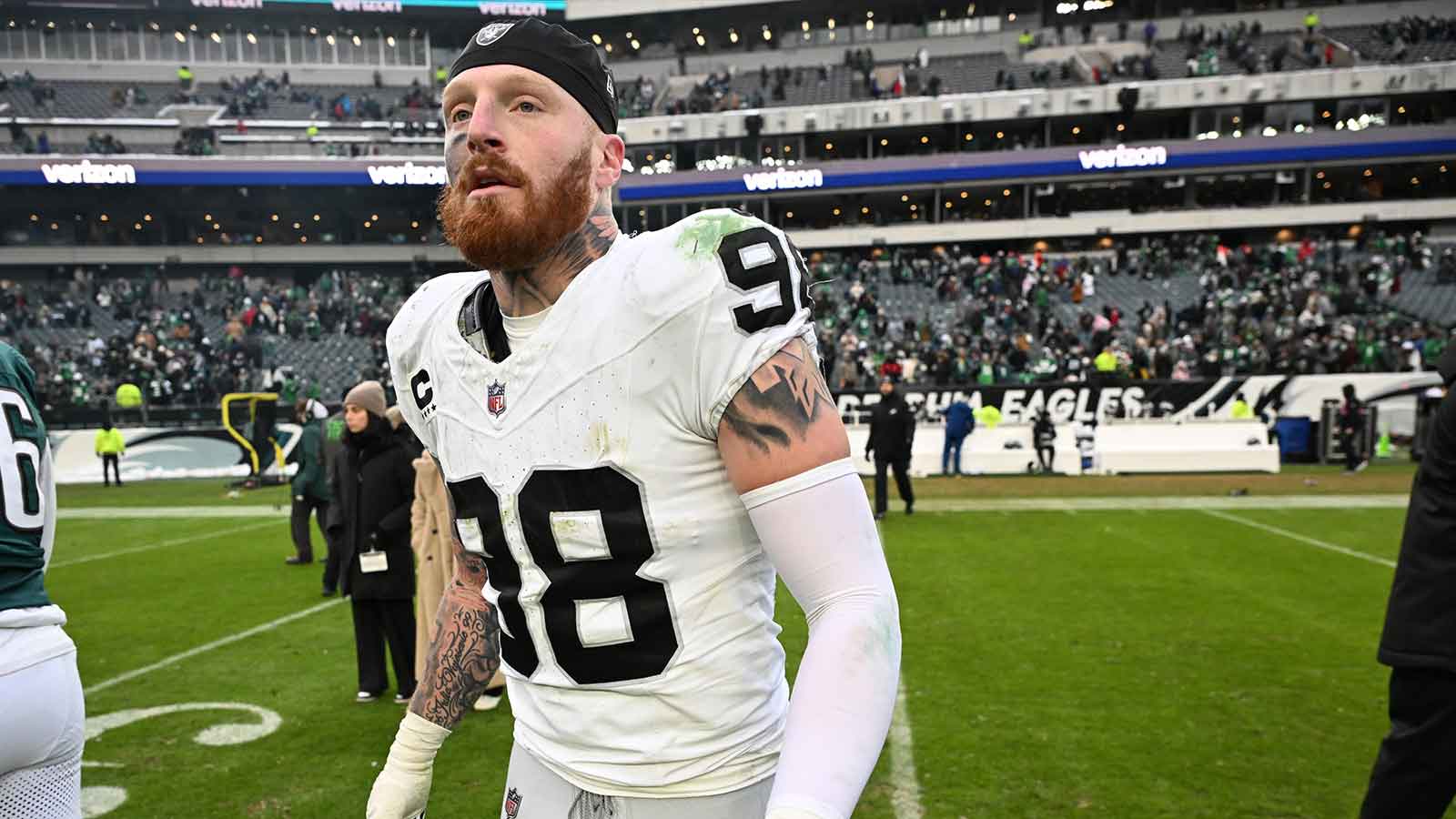

Las Vegas has been active in strengthening its offensive line during free agency, recently signing former 49ers guard Spencer Burford to a one-year deal.
This follows their significant investment in Tyler Linderbaum, indicating the Raiders' commitment to reshaping their roster after last season's struggles. Simply adding one quality lineman would not suffice, given the issues they faced on the field.
While Burford may not have star status, he brings valuable experience and familiarity with Klint Kubiak from his time in San Francisco. He adds another versatile option to an interior line that desperately needed solid leadership, and meanwhile, the Maxx Crosby situation has settled down following a failed trade with the Ravens.
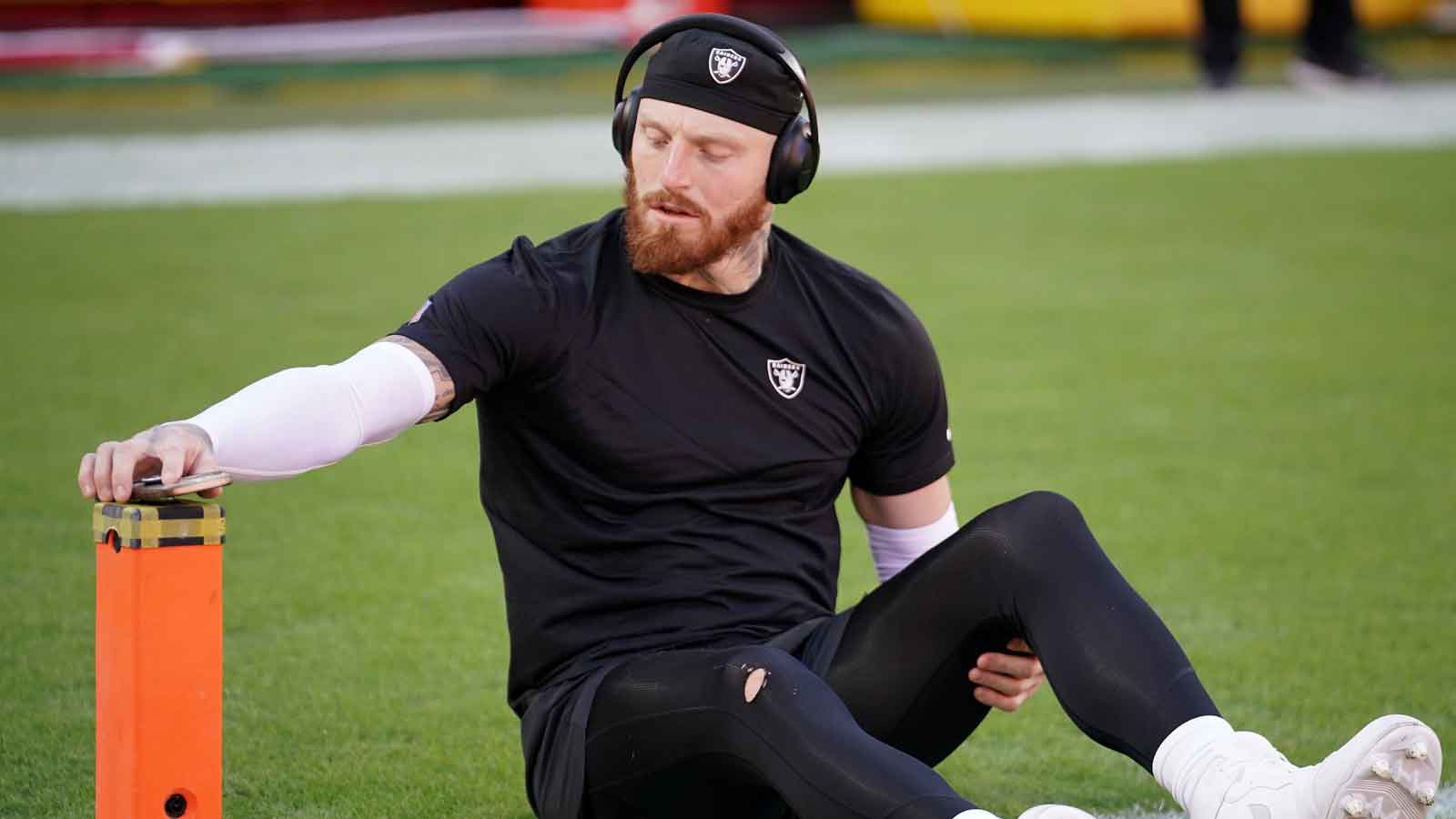
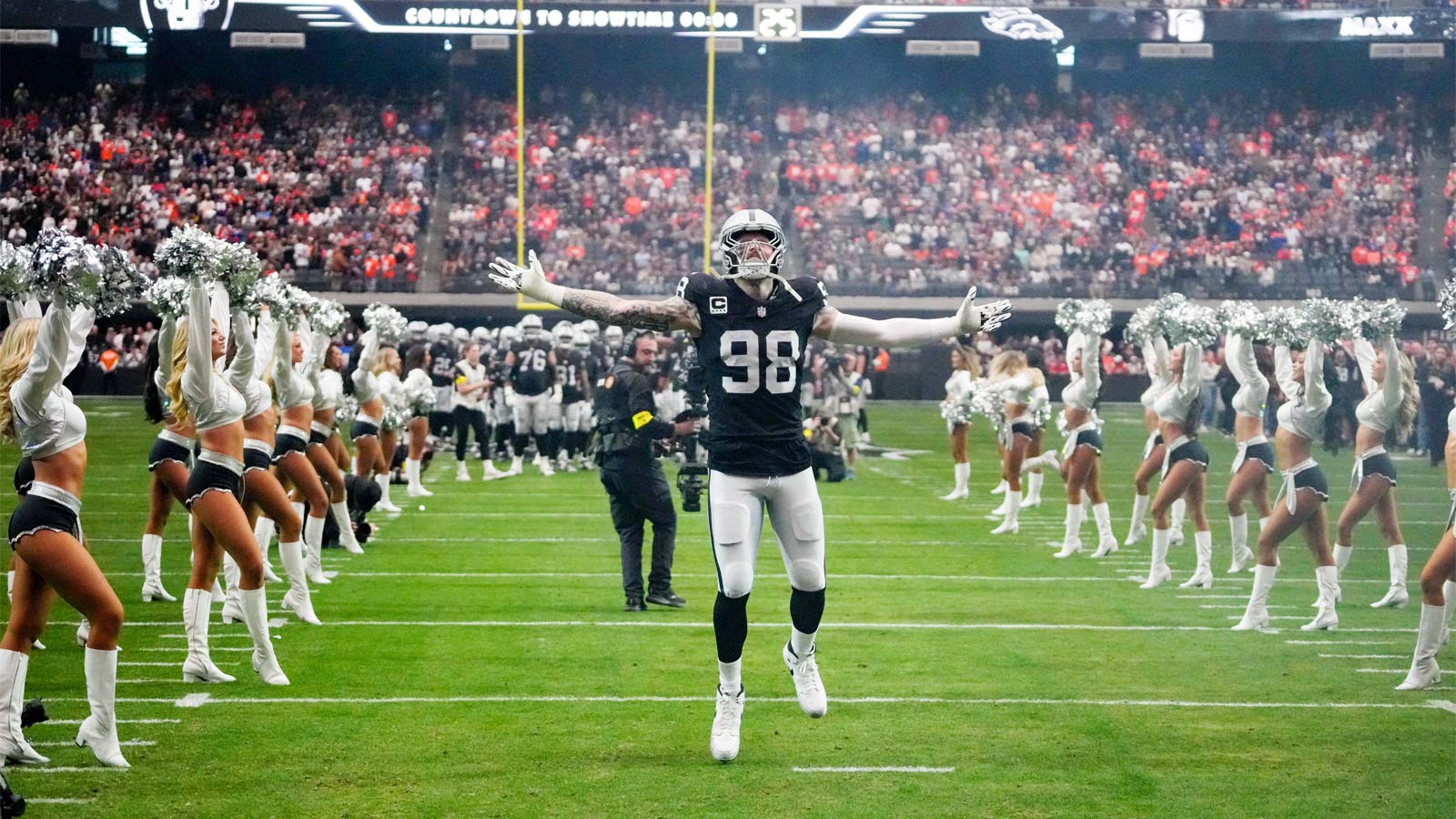
The veteran edge rusher has publicly stated that he believes he belongs in Las Vegas, helping restore some stability to a team that momentarily seemed on the brink of a chaotic restructuring.
This combination of focused moves on the offensive line and stability around Crosby has clarified the draft landscape, even though the later rounds remain crucial.
The Raiders hold the No. 1 pick and are still seeking the right solution at quarterback, while facing numerous needs across the roster, and the real excitement begins right after the first selection.
Recent mock drafts illustrate this tension. Although the first pick has become a near certainty, the players the front office targets beyond that reveal what it envisions for building a supportive environment around a rookie quarterback. Rebuilding a team is one challenge, and constructing one that provides a young quarterback with a solid foundation is another.
QB Fernando Mendoza, Indiana
In his analysis, Mel Kiper Jr. of ESPN frames the selection of QB Fernando Mendoza from Indiana as virtually a done deal.
He doesn’t pretend that the Raiders are still considering multiple dramatic options; instead, he presents this choice as the logical outcome of recent decisions made by the organization, highlighting that they have been preparing for Mendoza's arrival.
Kiper points to the Linderbaum signing as a move to enhance protection and improve interior blocking, while also linking the Geno Smith trade to the overall quarterback transition, leaving Aidan O’Connell as the only quarterback from the previous regime.
His reasons are grounded in the team's recent behavior rather than mere speculation, as Mendoza is not only the most common projection for Las Vegas, but he also aligns with the organization's recent decisions.
He also suggests that the franchise is finally ready to stop improvising at such a crucial position and instead focus on developing a quarterback from the start, a move that contrasts sharply with the often haphazard solutions they've relied on in the past.
Furthermore, Kiper emphasizes a disciplined approach to roster building. He does not promote Mendoza as a reckless savior or expect him to single-handedly elevate a flawed team, but instead, he highlights the importance of structure, improved communication, and a clearer path to starting, suggesting the team understands that successfully drafting a quarterback requires a supportive environment rather than one that undermines the investment.
This distinction is vital for the Raiders, which has spent too many seasons treating talent as a remedy for instability. His analysis reflects a promising shift in mindset for the Raiders, indicating they may finally be approaching the quarterback position with the seriousness and maturity that successful organizations typically demonstrate.
Therefore, Mendoza's projection feels less like a bold prediction and more like an anticipated outcome.
OG Emmanuel Pregnon, Oregon
Tim Crean takes the discussion beyond the obvious quarterback selection to focus on the critical work of protecting that investment.
In his post-free-agency PFF simulator mock draft, he projects the Raiders selecting Emmanuel Pregnon at No. 36. Crean argues that the Raiders are eager to revamp their offensive line in front of the incoming quarterback, and landing the second-best pure guard in the draft class would feel like karmic justice after the Crosby trade fell through.
He highlights Pregnon’s impressive size at 6-foot-4 and 314 pounds and emphasizes the aggressive nature of his gameplay. This detail is crucial as coaches often mention it when they believe a lineman has the potential to change the overall attitude of the team rather than merely fill a position.
This is relevant for this offseason because they made moves to strengthen their offensive line. The signing of Burford adds another competitor, while Linderbaum provides a key centerpiece, but these changes do not guarantee that the line is fixed, and Crean’s mock draft does not shy away from acknowledging this fact.
The appeal of Pregnon lies in the fact that he would join a unit that, while still not fully settled, is no longer empty, as this situation is often the best environment for a young lineman.
Pregnon wouldn’t have to bear the entire responsibility for turning the franchise around, and he would have the opportunity to become an immediate starter and contribute to transforming the offensive line from a weekly crisis into a solid plan. While this might not be the most glamorous aspect of the draft season, it is often what determines whether the flashy picks get a fair chance to succeed.
DL Caleb Banks, Florida
Josh Edwards begins his three-round CBS Sports mock draft with the widely accepted quarterback assumption and then pivots in Round 2 to suggest Caleb Banks for the Raiders.
This choice gives his iteration of the draft a distinctly different tone than Crean’s line-first approach, as Edwards projects Banks to go at No. 36, a range that suits a player whose occasional flashes of dominance can be compelling, even if his overall performance raises some questions.
CBS Sports has called him one of the most impressive defensive tackles on film when he plays at his best, which aligns with why a team like Las Vegas could see him as a valuable addition. The Raiders already know what they have in Crosby, but they still need more strain and disruption in the defensive front so that opposing offenses cannot just build their protection strategies around one standout edge rusher. Banks would directly address this need.
What makes this draft particularly interesting after free agency is that it does not appear to be a frantic response, and with Crosby retained and offensive reinforcements brought in, Las Vegas has created enough breathing room to consider achieving balance.
So, Banks is not a backup option due to missing out on a flashier pick, but a strategic choice aimed at ensuring that the rookie quarterback enters an environment where the defense can be formidable and where the front seven can orchestrate game situations that spare a young passer from having to chase victories every Sunday.
This is one of the most underestimated aspects of a rebuild: improving the defense benefits not only the defense but also transforms the offense a quarterback has to work with, and a prospect like Banks fits perfectly into this approach.
WR Chris Bell, Louisville
Chris Bell is a significant pick in another Josh Edwards' mock draft.
Edwards firmly places him with the Raiders in Round 3, highlighting that this selection demonstrates the kind of patience he believes the team can afford. He also notes that Bell has high potential, similar to other players chosen in this range.
Still, he is recovering from an injury, which means the Raiders would need to exercise patience with his development, and this consideration is crucial because it implies that Edwards isn’t selecting Bell for an immediate impact or easy fantasy football appeal.
Instead, he is connecting Bell with a team that can invest in a longer-term asset at the receiver position while continuing to build around more immediate foundational players.
Bell would not come in as the player expected to dominate the target share right away, but he would serve as an outside weapon that a coaching staff could develop gradually, offering size, upside, and future flexibility to a receiving corps that still appears to be incomplete.
So, this may be one of the healthiest developments for the team in a while with those choices.
A stable roster typically leads to clearer draft decisions, and for a franchise that has spent much of the last decade jumping from one short-term fix to another, this alone represents significant progress.