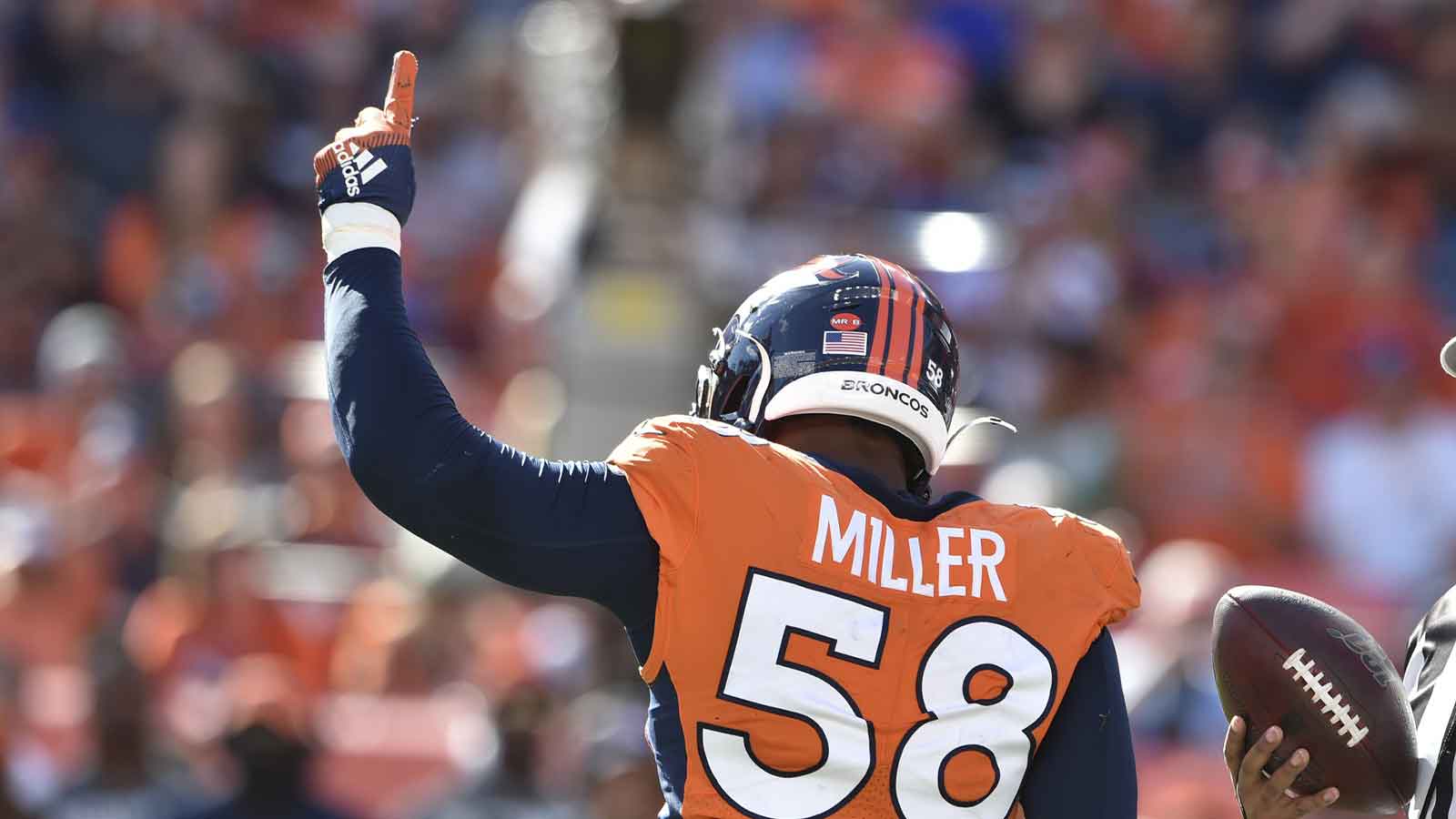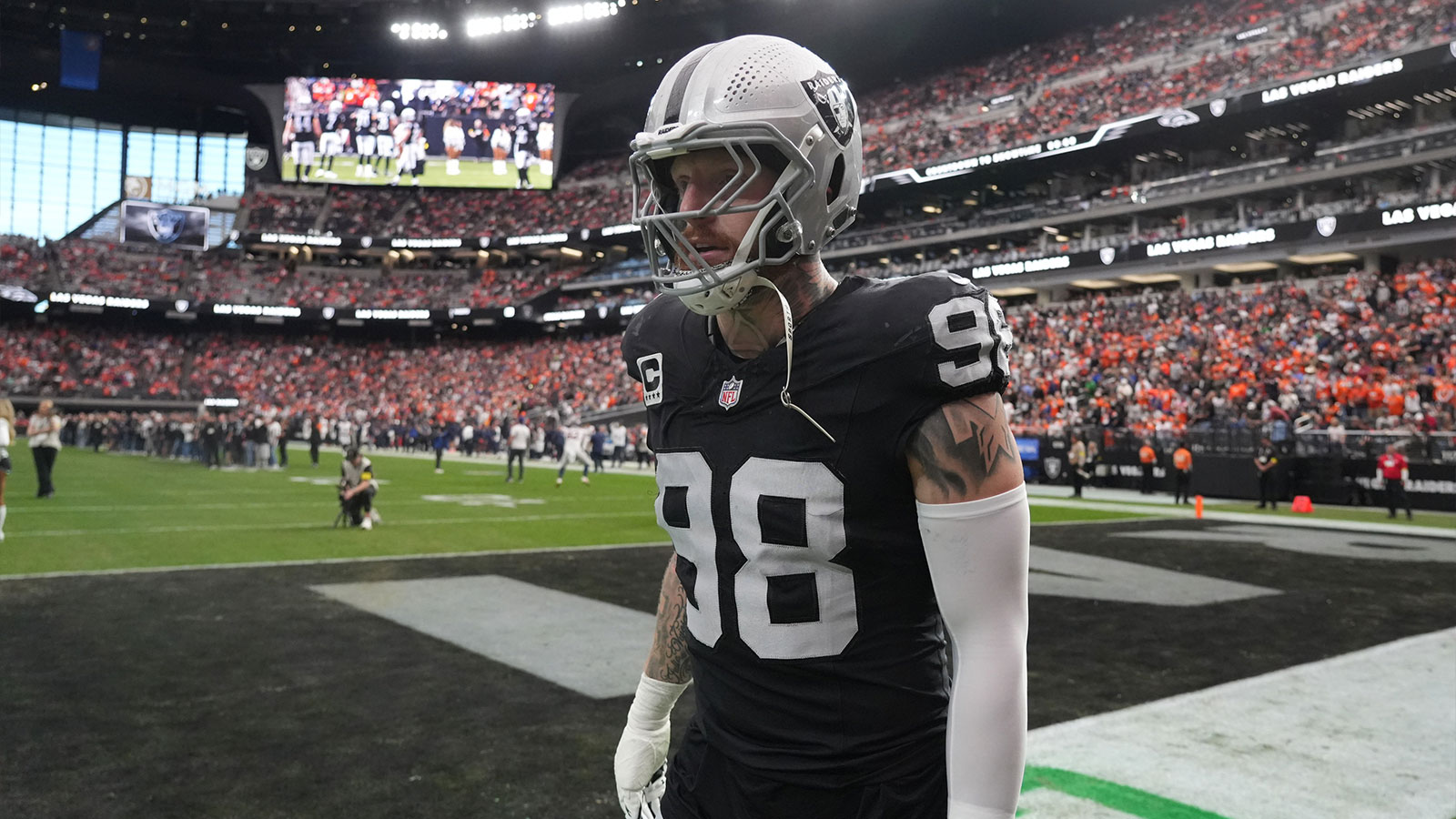
The Raiders emerged from the first week of free agency looking like a team that hasn’t yet committed to a clear offseason strategy. Adam Schefter has indicated that a trade involving Maxx Crosby is unlikely in the immediate future since the Ravens backed out due to medical concerns.
Additionally, Las Vegas signed Connor Heyward to a two-year deal as a versatile depth player who can contribute as a fullback, tight end, and on special teams. While these moves may seem reasonable separately, they collectively highlight a more significant issue: the Raiders are active in the offseason, yet their overall plan appears torn between a rebuild and an immediate push to compete.
This indecision is most evident in the way the Raiders approached their Week 1 free agency strategy.
They did not do nearly enough to create a supportive offensive environment for the quarterback they are almost certainly going to draft with the first overall pick, they have not strengthened their receiving corps sufficiently, and their offensive tackle situation is lacking.
There is also too much focus on fortifying the middle of the roster while failing to address the critical areas that impact the offense.
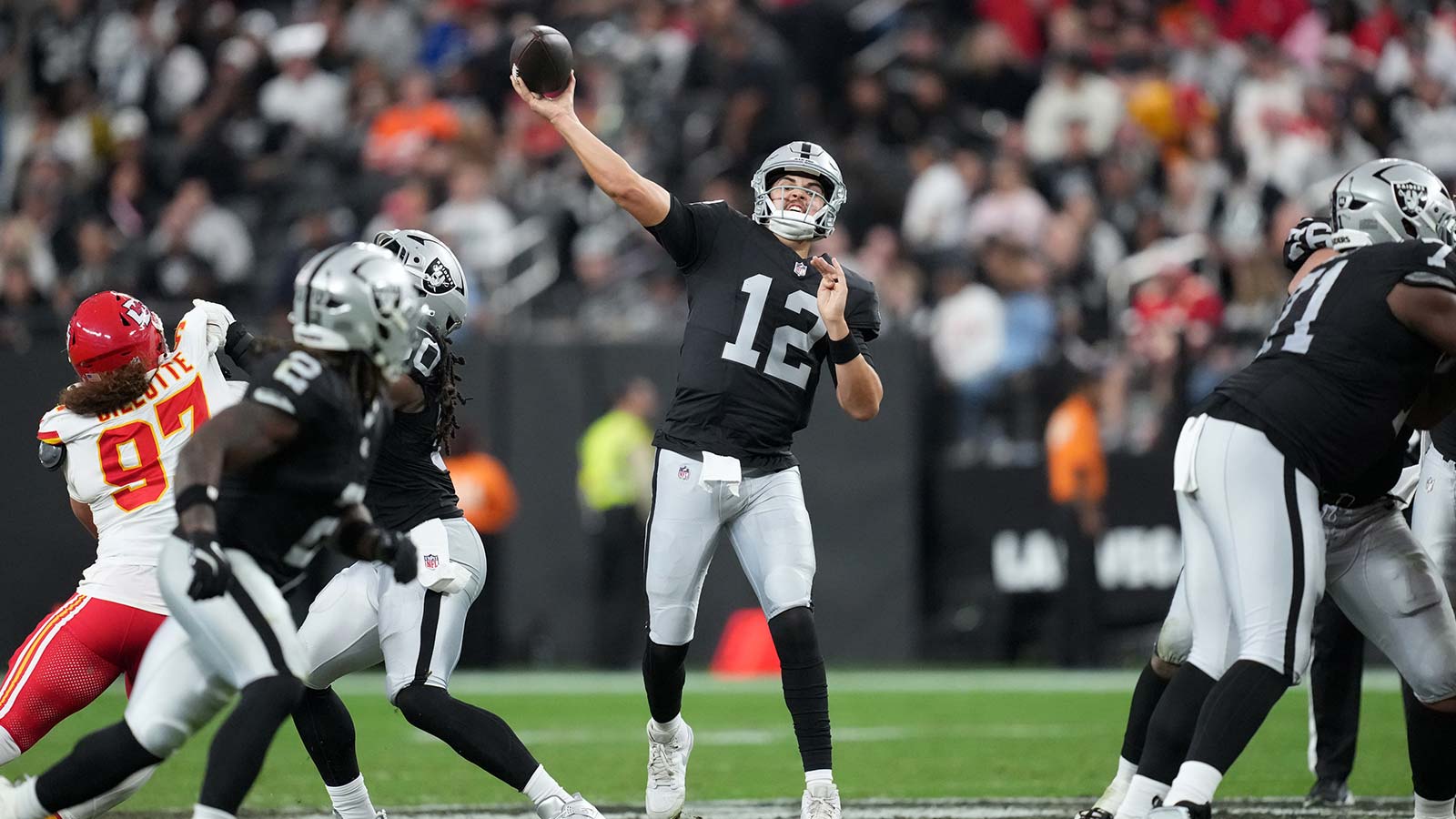
This is particularly concerning because the Raiders are not entering 2026 as a settled veteran team that merely requires a few key upgrades, and after finishing the season with a 3-14 record, they hold the No. 1 pick, and all indications suggest they will select a quarterback.
Reuters reported before free agency that the quarterback position was the team’s most pressing need, and the subsequent trade of Geno Smith back to the Jets for a minor pick swap essentially ended the conversation about having a bridge quarterback before the week was over.
Given this reality, the most pressing question should have been: how are the Raiders planning to make life easier for their rookie quarterback?
A few moves the Raiders did
They did manage one significant move: acquiring Tyler Linderbaum. As a three-time Pro Bowler at center, he provides real value, bringing intelligence, movement skills, and stability to the offensive line, attributes that are crucial for a young quarterback learning protections and trying to operate without pressure.
Re-signing Eric Stokes also made sense, and adding Kwity Paye and Quay Walker has made the defense younger and faster.
While the Connor Heyward signing is reasonable if you value multipurpose depth, when viewed as a whole, the imbalance becomes apparent.
The Raiders acted aggressively in areas where they could afford to be patient, but they were passive in the one area that will significantly impact the season: the environment for the rookie quarterback.
So, take a look at the receiver group.
Jalen Nailor is useful, and Dareke Young has potential, with Connor Heyward adding versatility. However, none of these players is the kind of game-changer that forces defenses to adjust, and none of them can provide the young quarterback with a reliable target for isolation routes, a player who can make catches on third-and-7, or one who can open up the field.
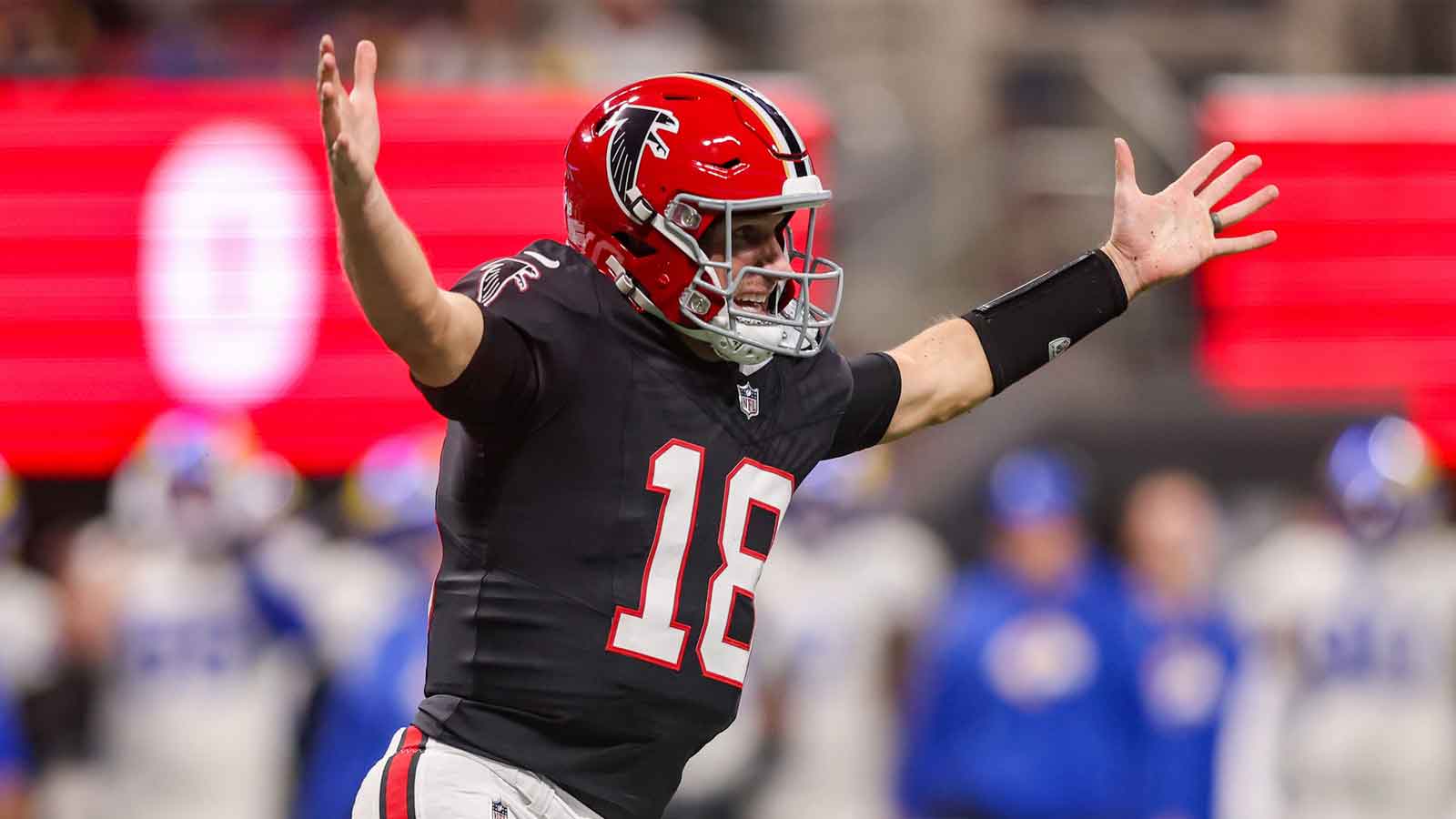
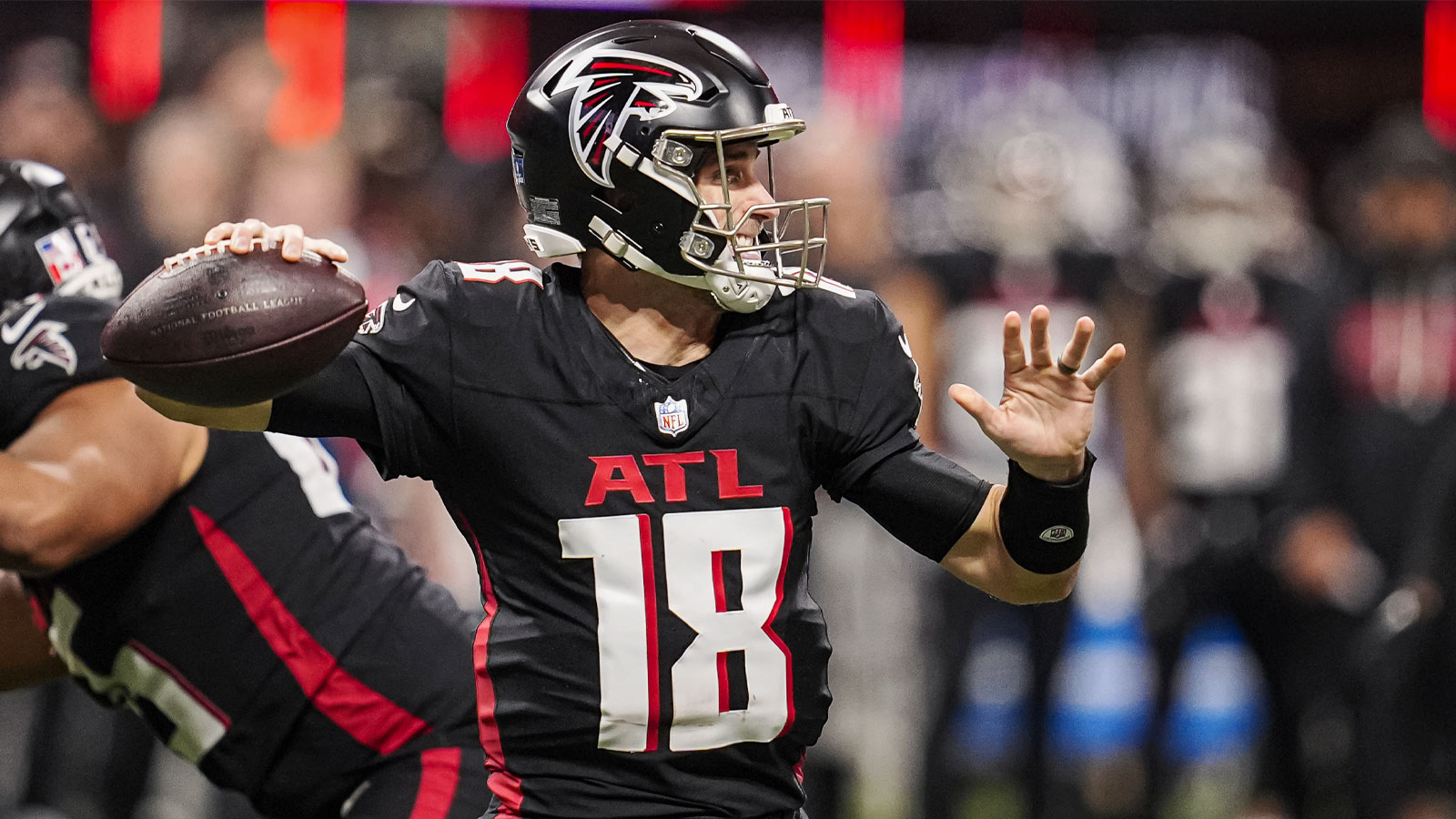
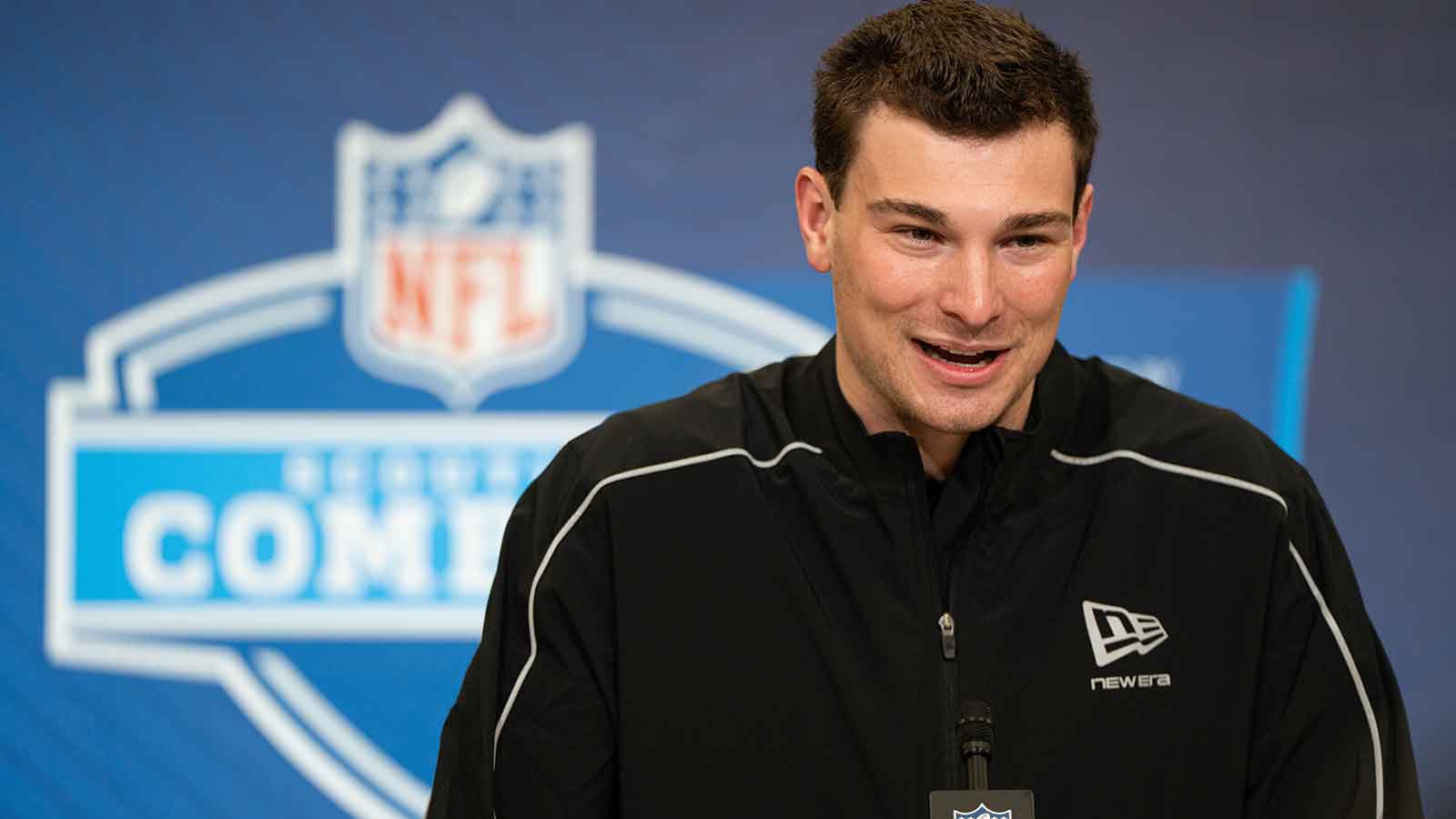
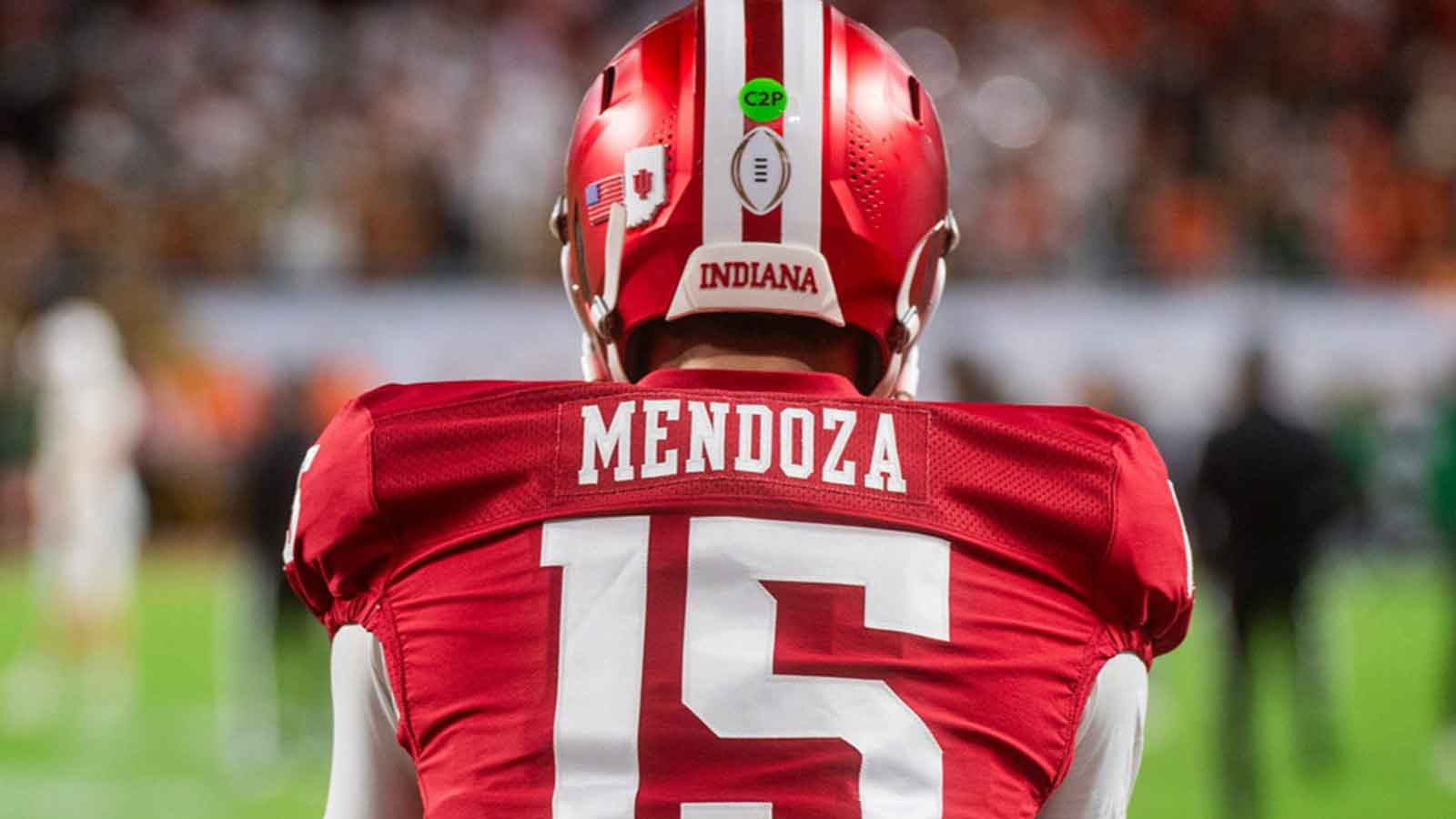
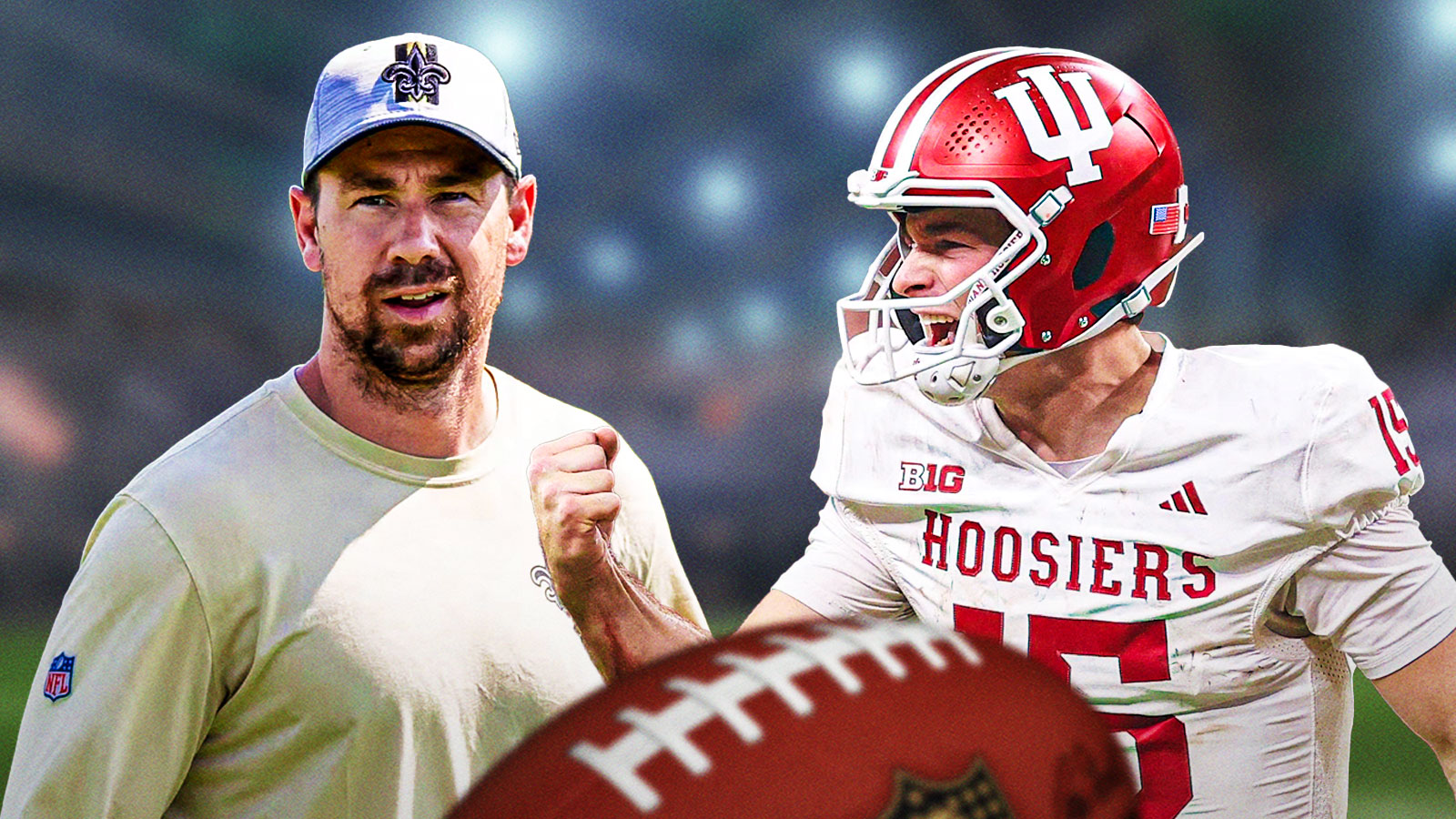
That becomes even more critical if Las Vegas is indeed going to start a rookie quarterback, with Fernando Mendoza probably being the one, and you do not want him learning the league while also questioning whether his No. 2 receiver is really a No. 4 or whether his checkdown options are all he has at his disposal.
This is where the first week felt off to me.
The Raiders spent like a team that thought the most challenging parts were already resolved; they offered solid contracts to Linderbaum and made strong defensive additions, and they bolstered the line of scrimmage and infused youth into the roster, which is commendable.
However, a rookie quarterback needs structure.
He needs a tackle who can provide reliable protection and a receiver who can create separation promptly, and he also needs an offense that doesn’t demand brilliance before he has even learned about the right play calls.
The Raiders left Week 1 without that clarity.
Some may argue that the Raiders can still fix these issues in the draft, and while that’s true in theory, they have ten picks, including the first overall selection, which offers them some flexibility.
However, this is why I believe the approach taken during free agency was misguided, because if you are already planning to use a premium pick on a quarterback, free agency is the time to alleviate some of the pressure.
It’s when you should be searching for one dependable veteran wideout, one solid tackle, or one reliable option, ensuring that the rookie doesn’t step into an offense built on uncertainty.
Instead, the Raiders focused on getting stronger without creating a friendlier environment for their new quarterback. That’s not the same thing.
Additionally, the Crosby situation complicates matters.
It’s not that they had to trade him; if Las Vegas believes Crosby is part of the next successful team, keeping him makes sense because he is still the best player on the roster.
However, the failed trade with the Ravens added confusion rather than clarity, and Baltimore was willing to offer two first-round picks before retracting their interest after the physical examination, leaving Vegas with Crosby’s hefty cap figure for 2026 while attempting to mend the relationship.
Take the departure of Dylan Parham, for example. While he may not be a star, he was a homegrown starter, and the Raiders allowed him to leave for the Jets as they worked on rebuilding the interior of the offensive line.
This decision can be justified, but once you choose that, the offensive line needs to offer more than just one premium option at center.
It requires continuity and enough quality so that a rookie quarterback isn’t constantly hearing every protection call as if it were a life-or-death situation. At the moment, I don't believe the Raiders have done enough to achieve this.
The biggest mistake they made
There’s the psychological aspect to consider, too, because a young quarterback needs more than just talent around him; he needs the franchise to recognize the weight of the responsibility it is about to place on him.
When a front office spends Week 1 acquiring many players but fails to secure a true receiving threat or a coherent offensive identity, it sends a mixed message. It conveys that while the importance of the quarterback is acknowledged, the rest of the team's development can afford to wait. It can't.
That’s why I’m not labeling Linderbaum a mistake, for example, because he is a talented player and a solid signing.
I’m also not calling Quay Walker or Kwity Paye mistakes; both fit what the new regime appears to want on defense.
The true error was in the timeline and priorities because the Raiders spent the most crucial week of the offseason acting as though the support system for the quarterback could be addressed later, focusing first on toughening the defense and slightly improving the offensive line.
Perhaps they will solve these issues later, and maybe the draft will provide the receiver they need, a veteran will be released, or a trade will come together. However, none of this changes what Week 1 revealed.
It showcased a team that generally strengthened itself without sufficiently addressing the one critical area it needed to get right.
If the Raiders do draft a quarterback first overall, the evaluation of this offseason will hinge less on the number of solid veterans they brought in and more on whether that quarterback steps into a situation that offers him a genuine opportunity to succeed.
Right now, I don't believe the circumstances are adequate.