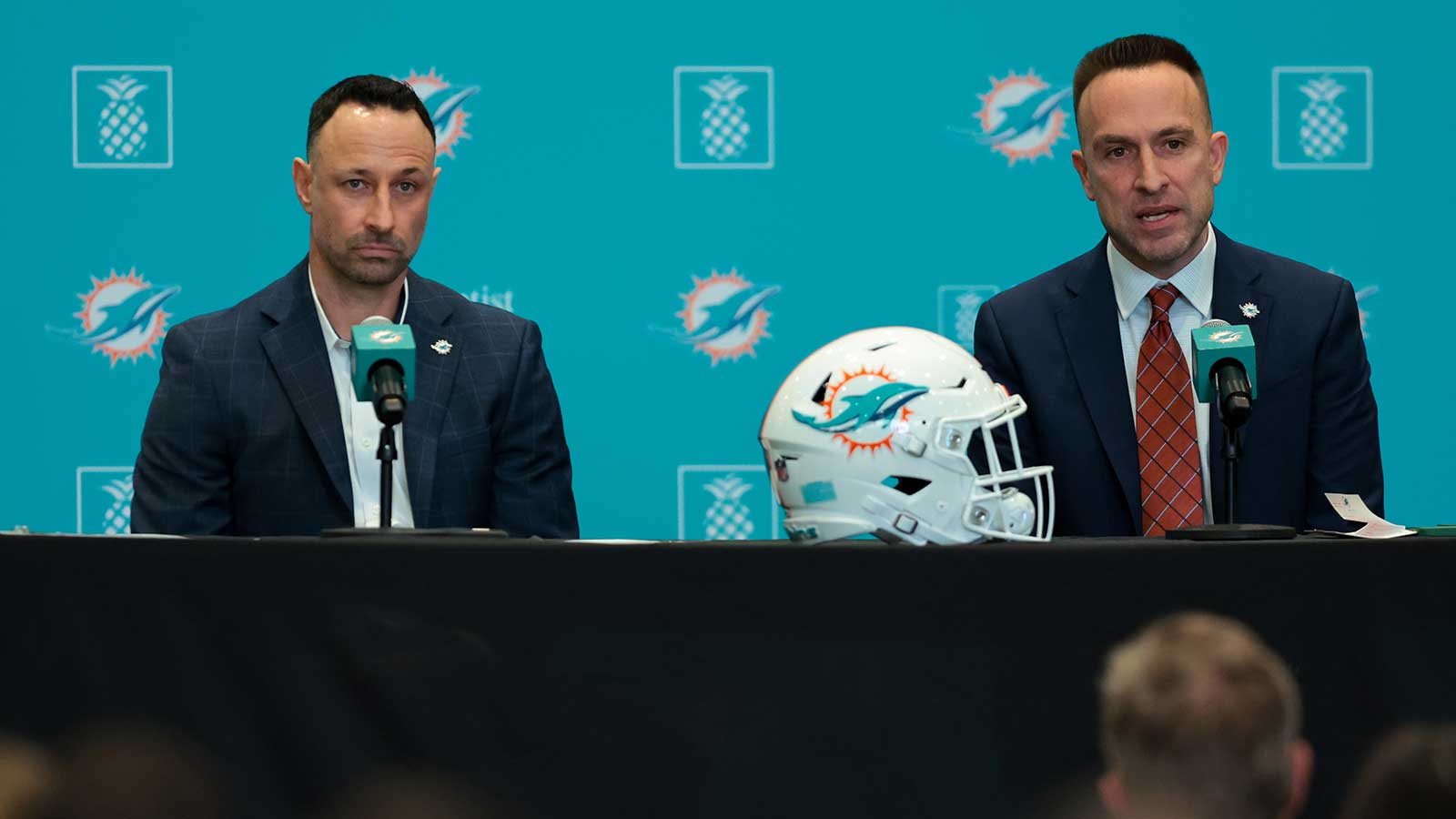
As the 2026 offseason begins, the Miami Dolphins are faced with a significant reconstruction, marked by the expected departure of key players and a crucial decision regarding their quarterback situation. General Manager Jon-Eric Sullivan has indicated that all options are on the table concerning Tua Tagovailoa.
Insiders predict a trade market similar to that of Justin Fields, as the team looks to navigate a substantial dead money hit before the March vesting deadline.
Amid this potential transition, the franchise has a unique opportunity to welcome back a local hero, Francis Mauigoa, who has officially declared for the draft after an impressive season at the University of Miami.
The following PFF Draft simulator illustrates how Miami can strategically utilize its resources to usher in the Jeff Hafley era, focusing on a mix of physical dominance and versatile playmaking.
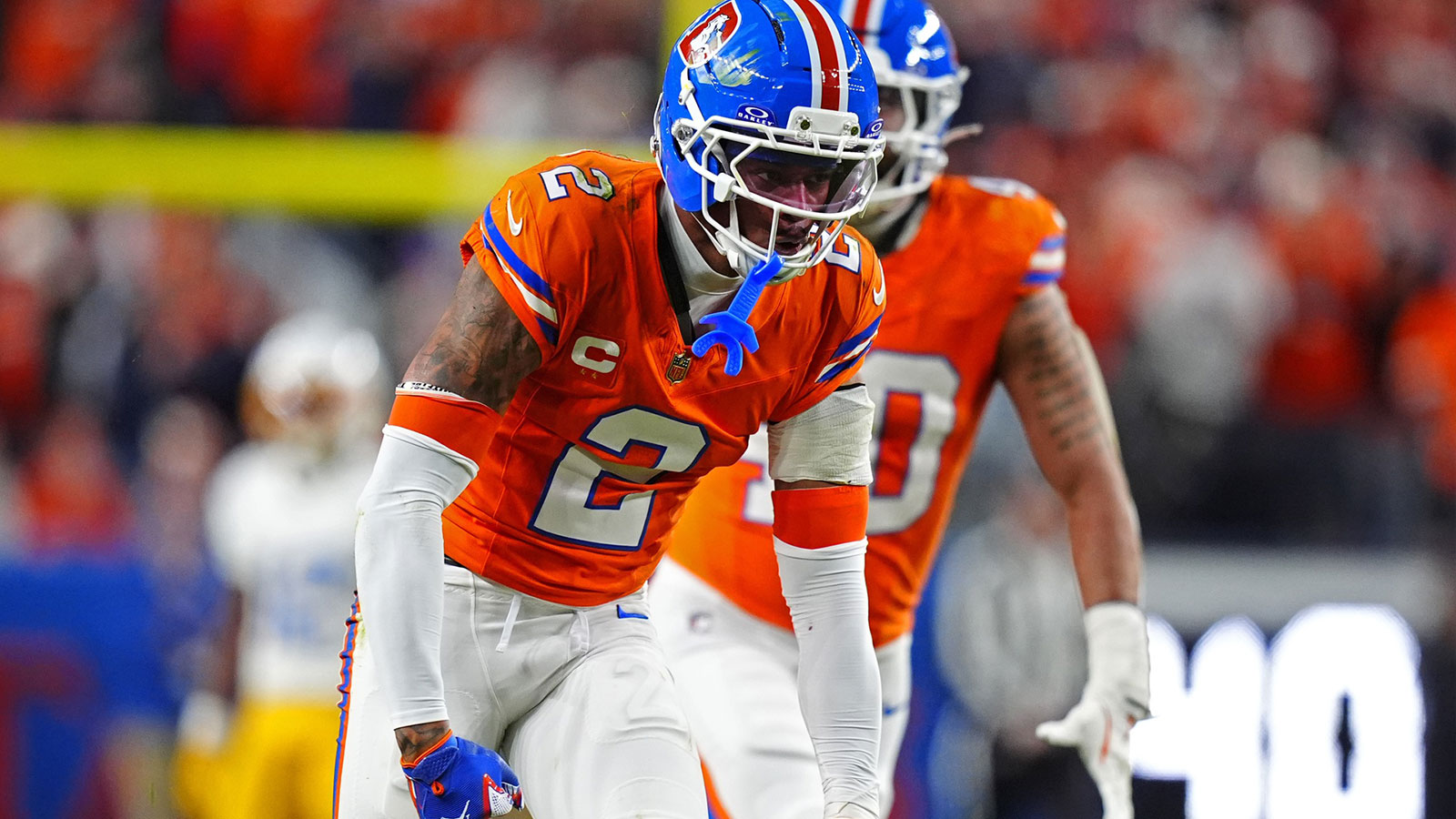
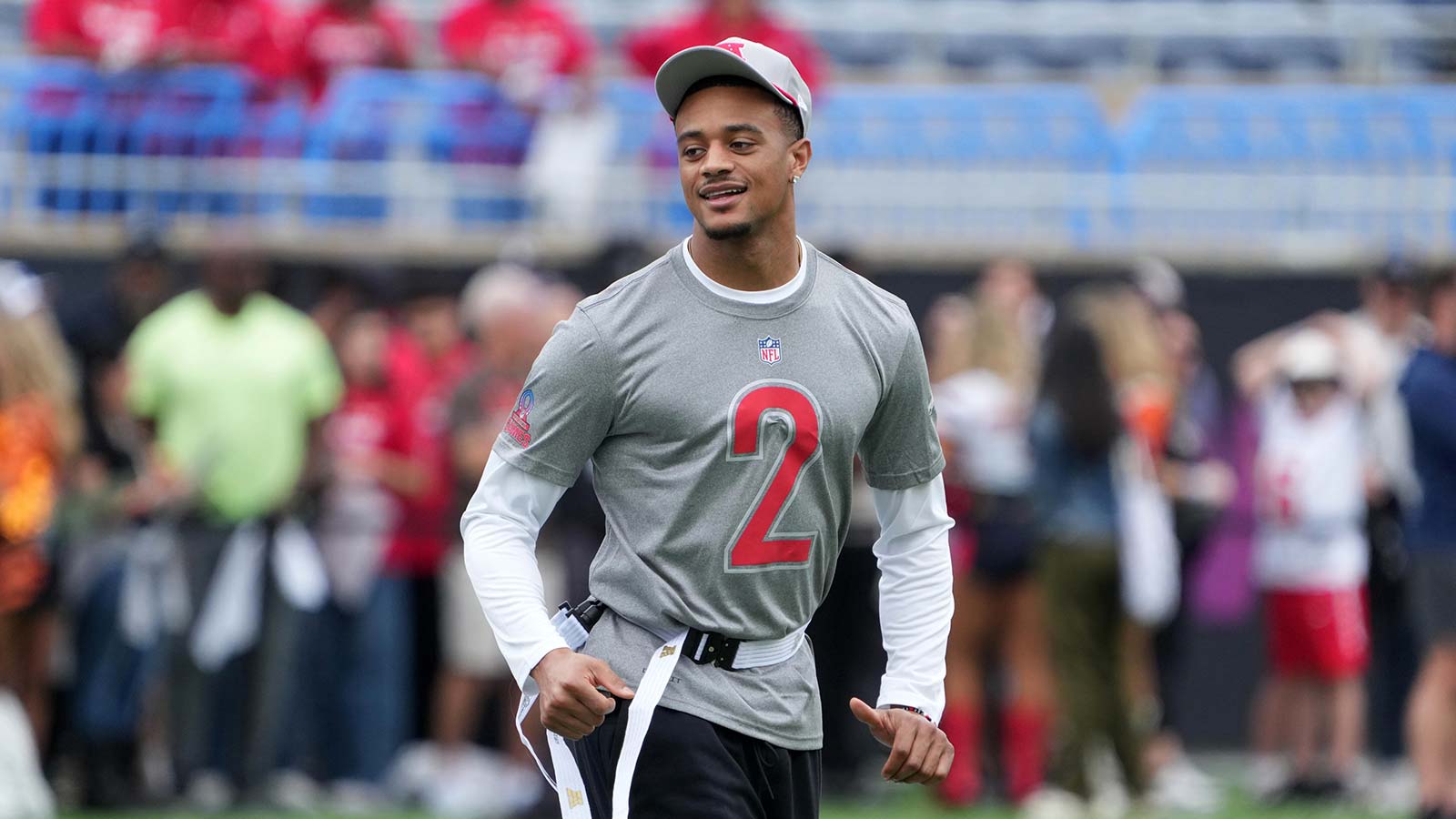
Round 1, Pick 11: CB Mansoor Delane, LSU
Mansoor Delane enters the professional ranks as the most polished cover corner in the draft class, offering the elite technical skills needed to immediately transform a struggling secondary. This pick aims to secure a true “island” corner who can compete against the high-octane passing attacks in the AFC East.
Delane's most impressive trait is his eye discipline in zone-match schemes; he rarely gets fooled by quarterbacks and consistently stays connected to his target. His athleticism, supported by a track background, enables him to play faster than his testing numbers suggest, thanks to his anticipation and route-recognition abilities.
Rather than playing reactively, Delane takes control at the line of scrimmage with a strong jam and excellent recovery speed.
He represents the cornerstone of a revamped Miami defense that needs to become more disciplined and physically dominant on the perimeter to contend for the division title in 2026.
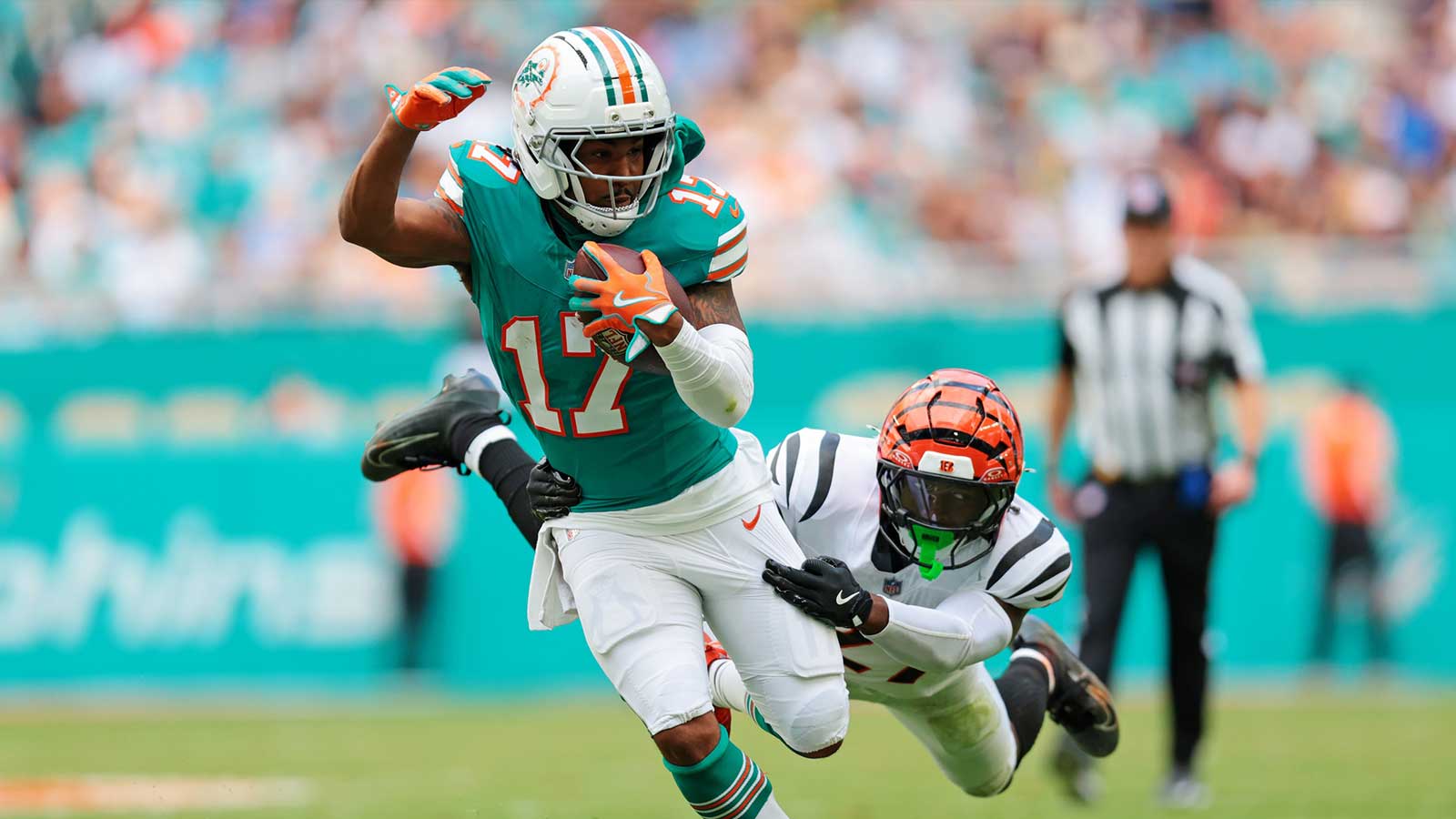
Round 2, Pick 43: CB Keionte Scott, Miami
The decision to double down on the cornerback position with Keionte Scott injects a local spark and an aggressive playmaking mindset into the Dolphins' defensive backfield. Scott is a coach’s dream due to his versatility, being able to play both outside and in the nickel position, which has become increasingly essential in the modern NFL.
His ability to diagnose plays is remarkable, as he reads screen passes and outside runs faster than most defensive backs in this draft cycle. Scott plays with a competitive fire that is contagious, often finishing tackles with more force than his size would imply.
In addition to his coverage skills, he brings immediate value as a return specialist, giving Miami a weapon on special teams that can significantly improve field position. Keeping him in South Florida ensures the Dolphins acquire a player who understands the local climate and expectations while filling a crucial need for a quick, reliable slot defender.
Round 3, Pick 75: CB Devin Moore, Florida
Devin Moore in the third round completes an unprecedented trio of cornerbacks in the top three rounds, signaling a fundamental shift in the secondary. Moore boasts the physical size and length that the first two picks lack; he stands at 6-foot-3 and can effectively cover smaller receivers. From a developmental perspective, his ceiling is exceptionally high due to his impressive mobility for a player of his stature.
He uses his length to disrupt the catch point and excels in jump-ball situations, making him an ideal asset for red-zone defense.
This selection provides Jeff Hafley with a diverse group of defensive backs, allowing the team to match up against a variety of receivers without needing to constantly change personnel.
Round 3, Pick 87: OL Francis Mauigoa, Miami
Selecting Francis Mauigoa at pick 87 represents a significant steal in this simulation, especially considering his status as a first-round prospect according to ESPN and his reputation as a local Hurricanes star.
Mauigoa is a true mauler, boasting a massive 329-pound frame and an 81-inch wingspan that creates a formidable presence on the offensive line. His tape demonstrates that he is nearly impossible to bull-rush once he establishes his anchor, and his strength in the run game enables him to easily displace defensive tackles.
Having a player of his caliber fall this low allows Miami to address needs on their front line and at quarterback while still securing an elite, homegrown talent. He brings championship-level experience and a relentless work ethic to a unit that must enhance its physicality to protect whichever quarterback leads the offense in 2026.
Round 3, Pick 90: G Keylan Rutledge, Georgia Tech
To strengthen the interior of the offensive line, the Dolphins select Keylan Rutledge, a player known for his consistent, professional approach. Rutledge may not light up highlight reels, but he also avoids being featured in mistake reels, having allowed zero sacks during an outstanding season in the ACC.
His greatest asset is his hand placement and timing, which enable him to neutralize interior rushers early in plays. He also possesses the lateral mobility to pick up late blitzes or stunts.
He provides a reliable insurance policy for a team that has faced frequent changes on the interior line. Pairing him with Mauigoa creates a promising young right side of the formation that can develop together over the next decade.
Round 4, Pick 111: WR De'Zhaun Stribling, Mississippi
Given the uncertainty within the receiving corps, De'Zhaun Stribling adds a different dimension compared to the speedsters Miami has preferred in recent years. Stribling is a long-striding, physical receiver who excels in contested-catch situations and uses his height to win on the perimeter.
One of the most intriguing aspects of his game is his focus during contact, consistently making challenging catches even with defenders tightly covering him. A
He is also a high-effort blocker who fits perfectly into a blue-collar offensive identity and serves as a primary red-zone threat.
Round 5, Pick 149: QB Garrett Nussmeier, LSU
Well, Garrett Nussmeier in the fifth round is a calculated gamble, focusing on his raw arm talent and extensive college experience. Nussmeier is a natural gunslinger who plays boldly, allowing him to challenge defenses across the field, regardless of their coverage.
He has the velocity to thread the ball into tight windows and a quick release that helps him cope with interior pressure. While his decision-making has faced scrutiny, his potential as a developmental quarterback far exceeds what his draft position would indicate.
In a situation where he isn’t required to start right away, he can refine his mechanics and learn to take safer, more conservative options when necessary.
His arrival indicates that Miami is serious about ensuring they have multiple options in the quarterback room as they navigate the post-Tua era.
Round 7, Pick 227: WR Josh Cameron, Baylor
The draft concludes with Josh Cameron, a gritty, versatile player who provides immediate value on special teams as well as depth at receiver. Cameron is exceptional after the catch, using his solid build to break tackles and gain extra yardage.
His experience as a return specialist at Baylor makes him an immediate contributor in the third phase of the game, filling a crucial role for a team that needs to enhance its overall depth.
While seventh-round picks often struggle to secure a spot on the final roster, his prowess on special teams and reliability as a possession receiver give him a clear pathway to the roster in Miami.
He embodies the competitive, hard-working culture that the Dolphins are aiming to instill as they enter a new chapter.