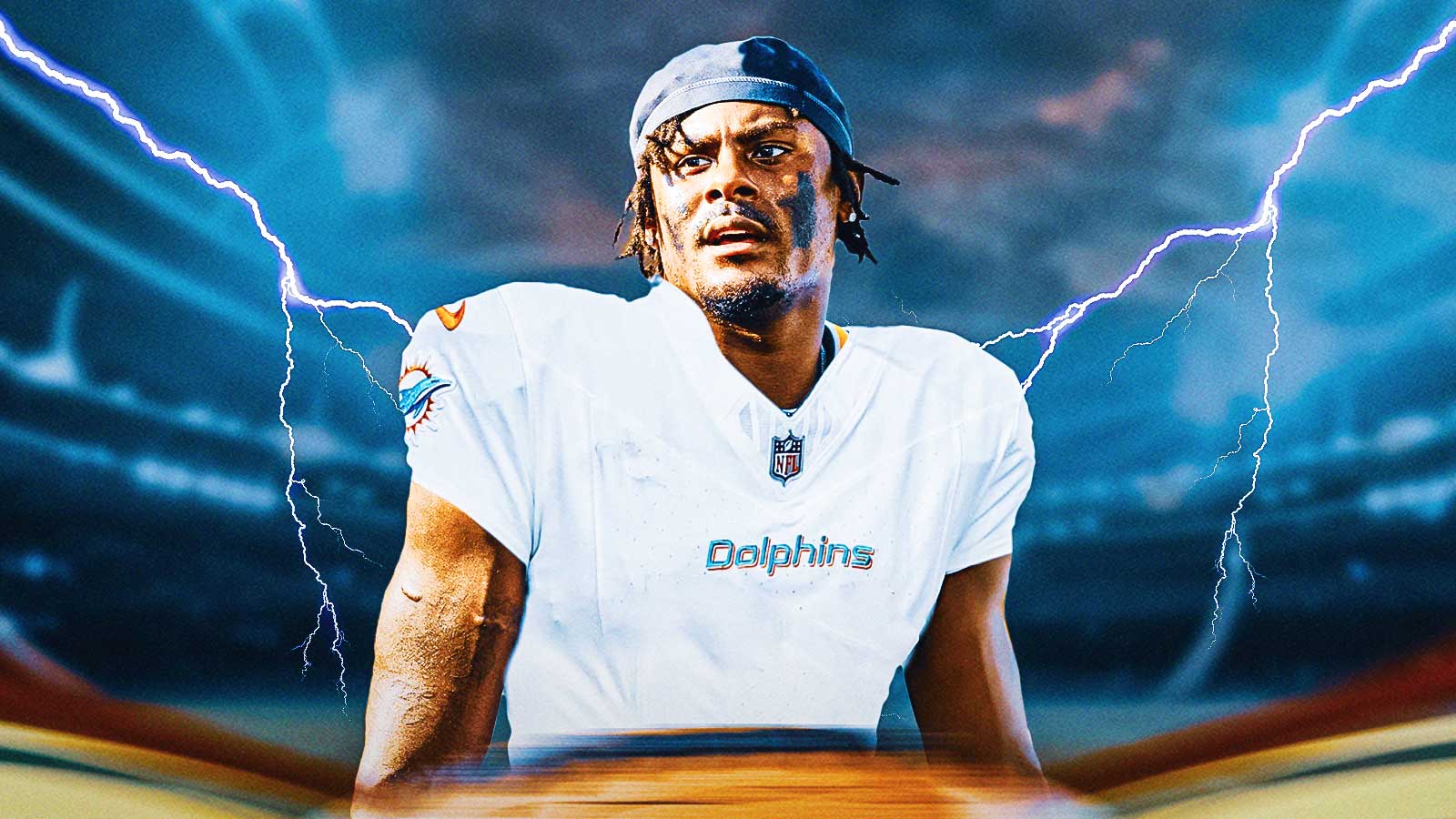
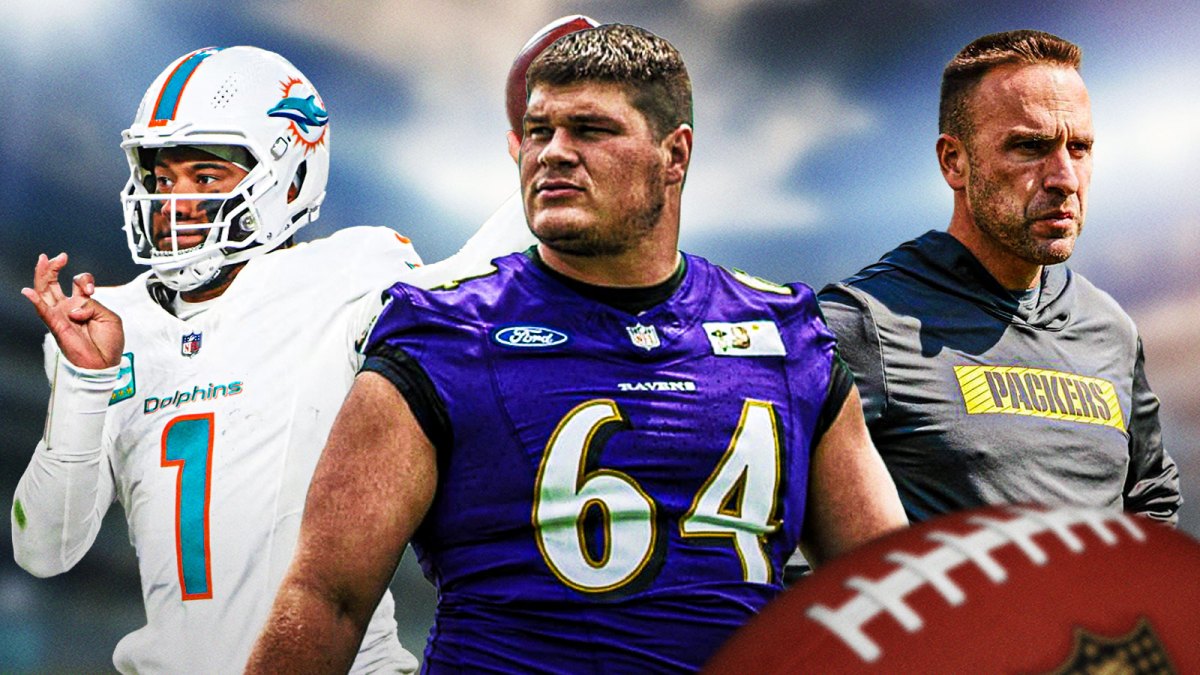
For years, the Miami Dolphins sold speed. Speed on the outside, in space, and speed that terrified defensive coordinators. They were supposed to light up highlight reels. Speed without structure, though, collapses under pressure. In 2025, Miami finally felt the cost of building finesse without foundation.
The Dolphins are no longer pretending they’re one tweak away. The 2026 offseason is not about patchwork but identity. That starts in the trenches.
2025 forced a reset
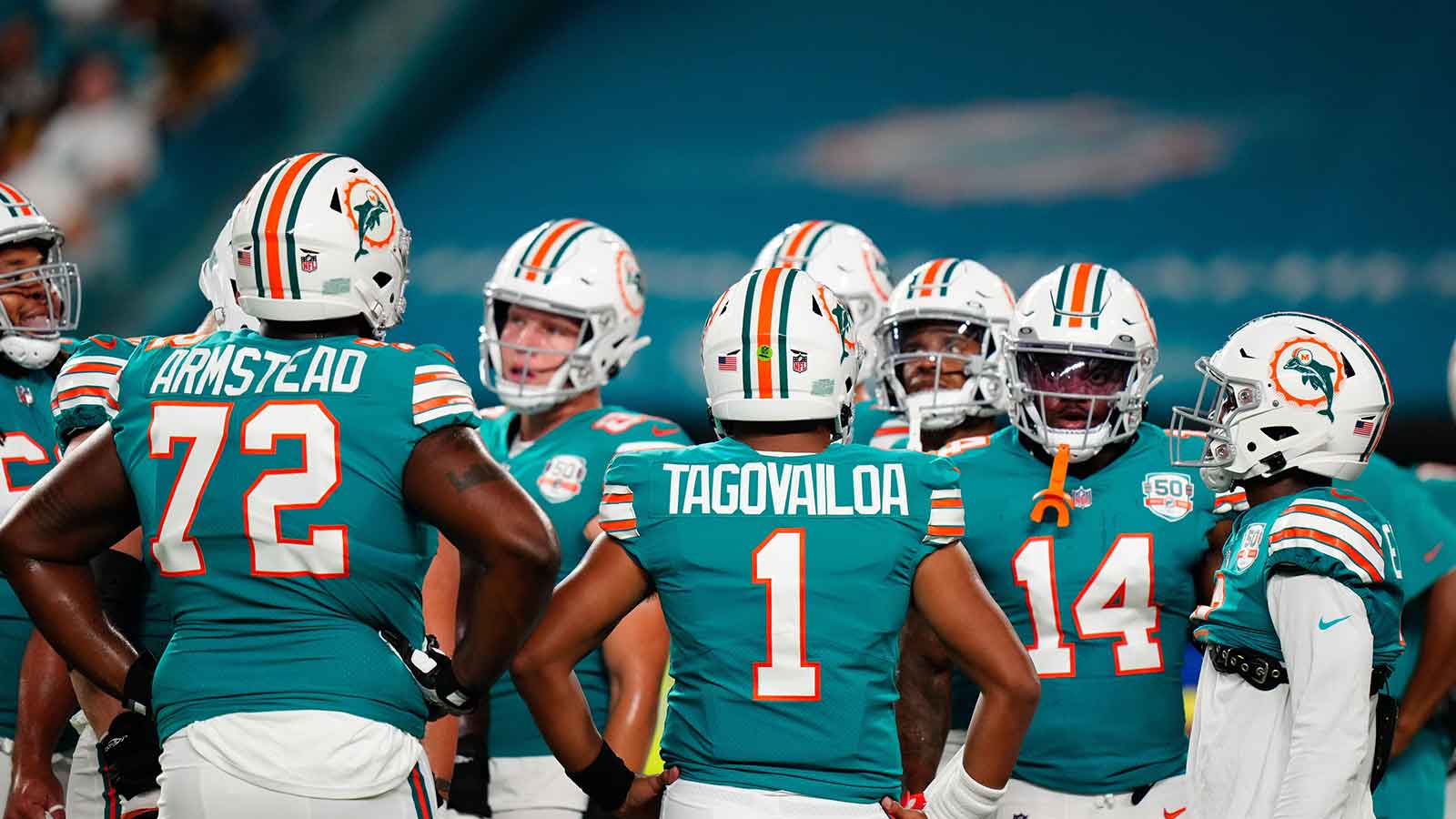
The 2025 campaign was a painful turning point for Miami. The Dolphins finished 7-10, which signaled the end of an era. A disastrous 1-6 start set the tone. Sure, the team briefly rallied mid-season. However, a Week 15 loss to the Steelers officially eliminated them from playoff contention for the second straight year.
The consequences were swift. Long-time GM Chris Grier was dismissed in October. Head coach Mike McDaniel followed at season’s end. The “Explosive Era” sputtered as Tyreek Hill battled injuries before his eventual release. Tua Tagovailoa was also benched in Week 16 for Quinn Ewers. What once looked like a creative offensive powerhouse became a roster in flux.
Now under new GM Jon-Eric Sullivan and head coach Jeff Hafley, Miami has pivoted toward youth, physicality, and long-term sustainability. The mandate is clear: build something tougher.
Biggest flaw
Quarterback uncertainty dominates headlines, and understandably so. Moving away from Tagovailoa creates immediate questions about direction. Of course, rebuilding teams rarely solve that position through a high-priced veteran signing.
The more fundamental issue is also the one that has quietly undermined Miami for years. That's the interior offensive line.
Pressure up the middle destroys rhythm and eliminates play-action. It turns promising drives into hurried throws and broken pockets. In 2025, the Dolphins’ interior became a revolving door of one-year contracts and developmental players struggling to anchor against power. It doesn't really matter if Miami drafts its next franchise quarterback or rides a bridge solution. No signal-caller thrives when interior protection collapses. Fixing the quarterback room matters, sure. Still, fixing the pocket matters more.
Cap purgatory
Financially, Miami enters 2026 in transition. After shedding major contracts, most notably Hill and Bradley Chubb, the Dolphins absorbed a staggering $74 million in dead money. The aggressive reset leaves them with roughly $3 million in effective cap space. That ranks near the bottom third of the league. As such, this isn’t a year for reckless spending. It’s a year for discipline.
The front office allowed the franchise tag window to pass quietly. That signaled that retention at premium prices is not the priority. The strategy is to flush bloated contracts now, position for massive flexibility in 2027, and hunt for value in the second wave of free agency. Miami cannot afford mistakes in 2026. It must invest in foundational pieces.
The pick: Tyler Linderbaum
If the Dolphins are serious about redefining themselves, the answer is Tyler Linderbaum. Ranked as a top free agent in the 2026 class, Linderbaum is not merely a good center. He is the gold standard at the position. A multi-time Pro Bowler with elite athleticism and strength, he represents exactly what Miami lacks: an anchor. Signing Linderbaum would stabilize their line big time.
For too long, Miami’s interior has been composed of patchwork-prove-it deals and developing talent without a steady centerpiece. Players like Jonah Savaiinaea have flashed potential but lack the experience and consistency to command the line. Linderbaum changes that immediately.
Centers are more than blockers. They are communicators, and they set protections. Centers identify blitzes. They calm chaos before it erupts. For Miami, that leadership is invaluable. Linderbaum provides a decade-long solution at the most important communication position on the line.
Perfect scheme fit
Hafley’s vision for Miami is rooted in toughness and balance. That philosophy requires a legitimate run game. Linderbaum is widely considered the best run-blocking center in football. His ability to reach second-level defenders and seal lanes transforms an offense that too often relied on perimeter speed.
With Linderbaum anchoring the middle, Miami’s ground game becomes credible. Play-action regains teeth. Short-yardage situations shift from anxiety to advantage. The Dolphins have spent years chasing horizontal explosiveness. Linderbaum brings vertical stability.
Protecting the next era
Whatever Miami does under center, protection up the middle will define that QB's trajectory. Young quarterbacks struggle most when interior pressure collapses pockets quickly. It short-circuits reads and erodes confidence. A dominant center mitigates that risk.
Linderbaum’s footwork and leverage allow him to neutralize elite defensive tackles in the AFC. He doesn’t simply hold ground-he controls it. That sort of predictability is priceless.
The Dolphins are not one splash signing away from contention. They are building for 2027 and beyond. However, foundational pieces must come before skill-position fireworks. Linderbaum fits that strategy because he is not flashy. He will not headline fantasy drafts. That said, championship teams invest heavily in the trenches before investing in headlines.
Miami’s 2025 collapse exposed the cost of neglecting structure. The 2026 offseason must be about correction. Linderbaum fits the timeline, the scheme, and the identity shift.
The verdict
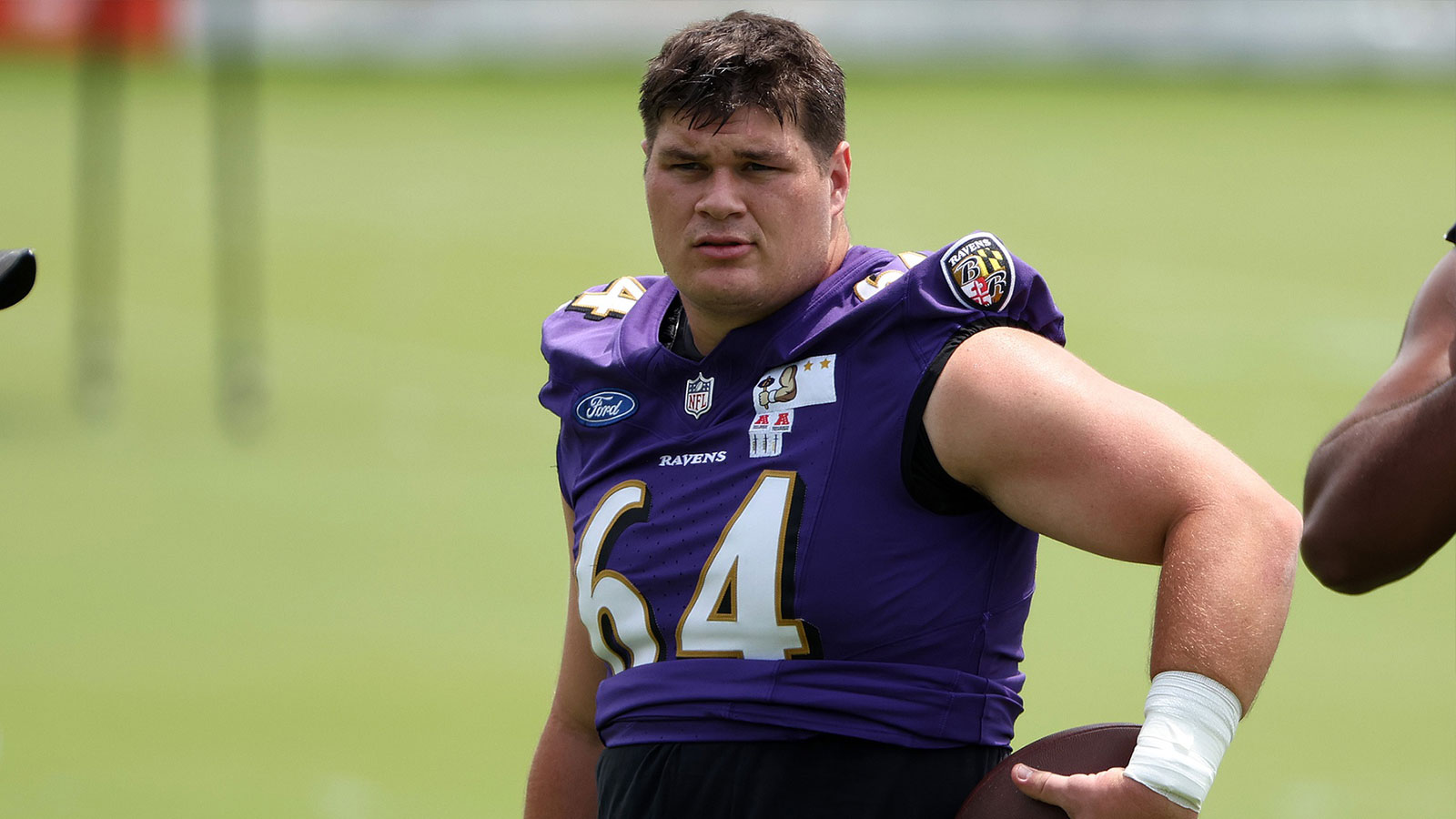
The Dolphins have pivoted away from finesse. They’ve absorbed painful cap hits. They’ve accepted short-term discomfort for long-term flexibility. Now comes the first meaningful step forward.
Signing Tyler Linderbaum would signal a genuine philosophical shift. It would be a massive commitment to toughness, structure, and patience. Miami can keep chasing speed, or it can anchor itself and build something sustainable. The reset demands the latter.