
Every NFL offseason produces at least one move that sparks equal parts skepticism and intrigue. For the Miami Dolphins, that moment arrived when they handed Malik Willis a three-year, $67.5 million contract. That signaled the start of a bold new chapter in South Florida. On the surface, the signing might look like a gamble on a quarterback who has yet to fully establish himself as a long-term starter. Dig deeper, though, and the logic becomes far more compelling. Miami is not simply buying potential.
They are investing in a player who quietly demonstrated elite efficiency when given the right system and coaching support. Willis represents both a second chance for the quarterback and a calculated swing for a Dolphins organization determined to break free from years of stagnation.
Frustrating 2025 season
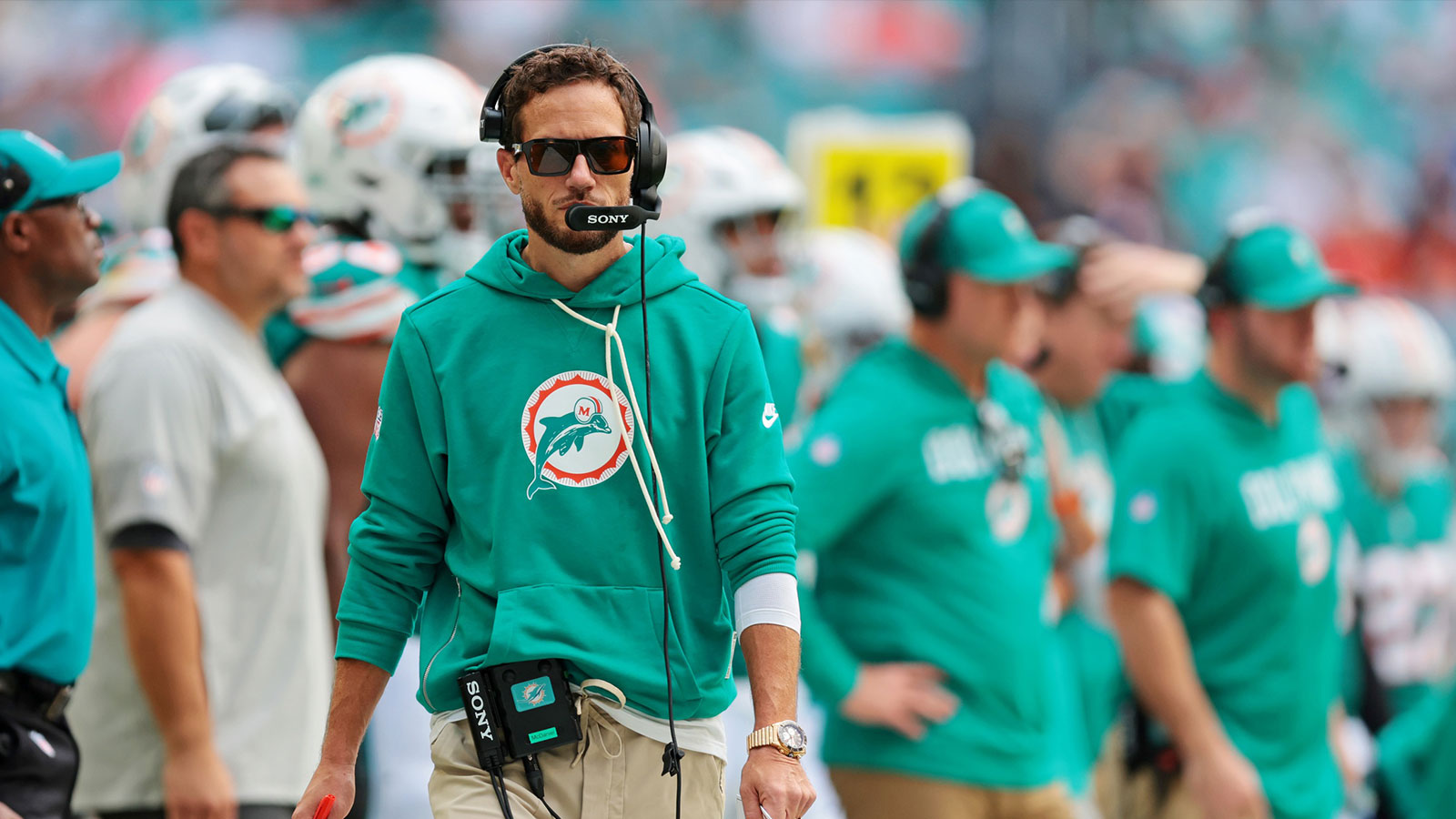
To understand why the Dolphins pivoted so aggressively at quarterback, one must revisit their turbulent 2025 campaign. Miami entered the year believing it possessed a roster capable of competing deep into January. However, as the schedule unfolded, cracks began to appear in the foundation.
The Dolphins’ defense held its own against a demanding slate of opponents. They delivered several impressive performances throughout the year. The offense, however, became increasingly predictable. Opposing defenses quickly learned how to disrupt Miami’s rhythm once the scripted opening drives ended. Without the ability to improvise, the unit struggled to generate consistent production.
Tua Tagovailoa’s struggles became one of the defining storylines of the season. As the offense stalled, the coaching staff eventually turned to Quinn Ewers in hopes of igniting a spark. Ewers delivered brief flashes of promise. His inexperience, though, prevented him from providing long-term stability. The Dolphins finished the season in a state of uncertainty, aware that the quarterback position would need to be addressed.
In the end, the front office made the difficult decision to move on from Tagovailoa despite the enormous financial consequences. The organization absorbed a staggering $99 million dead-cap hit. It was a costly move Miami believed was necessary to break through the ceiling.
The Malik Willis turnaround
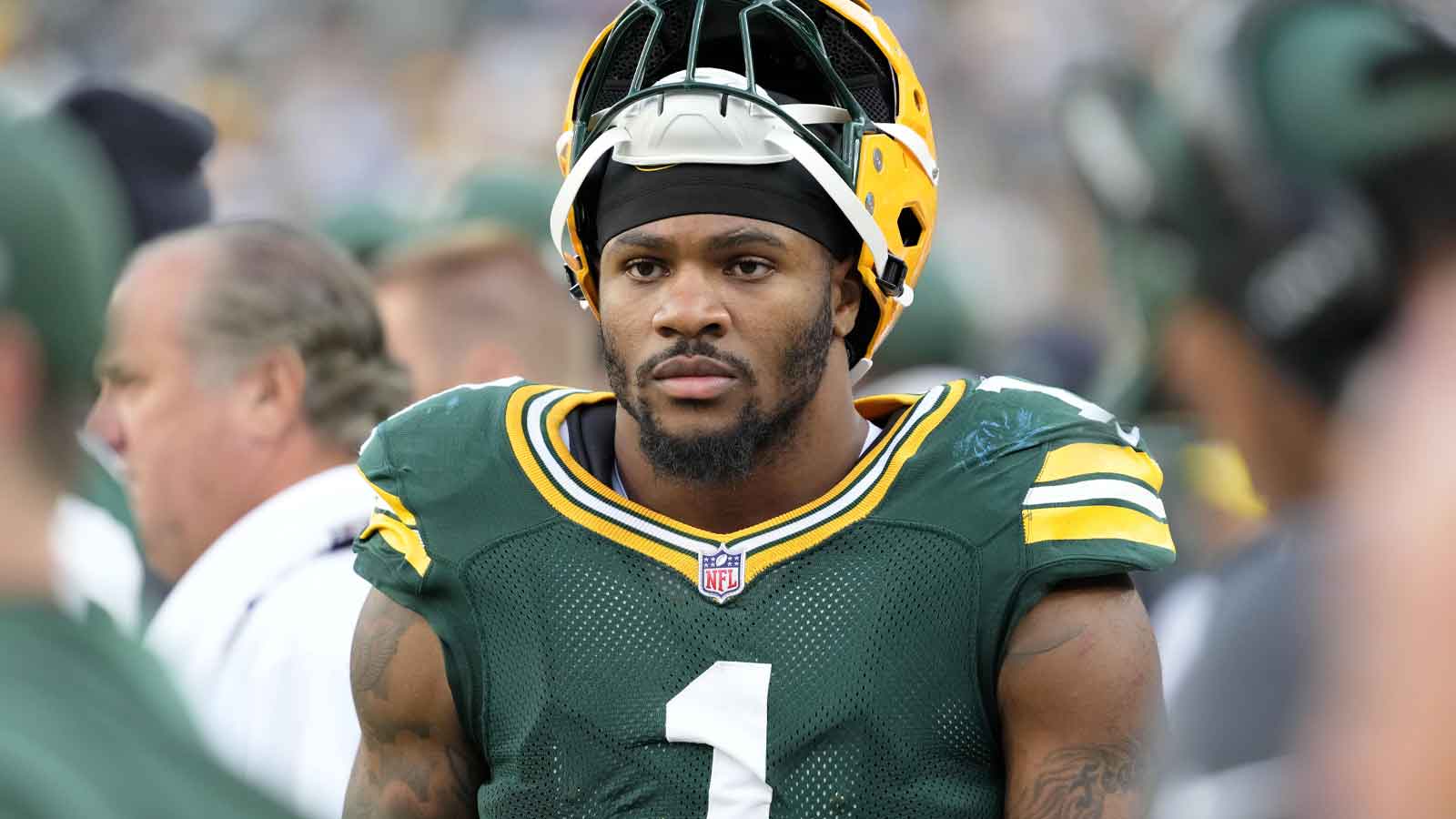
In 2025, Miami was wrestling with its identity. However, Malik Willis was quietly producing one of the most efficient stretches of quarterback play in the league. During his time with the Green Bay Packers, Willis transformed his reputation from developmental project to legitimate offensive weapon.
Under the guidance of head coach Matt LaFleur, Willis refined both his mechanics and decision-making. The results were striking. In four appearances during the season, Willis finished with a near-perfect 145.5 passer rating. Those numbers were not the result of conservative play-calling. Willis consistently demonstrated the ability to extend plays and create opportunities outside the structure of the offense.
His athleticism remained a defining trait. With 4.58 speed, Willis forced defenses to account for his ability to escape the pocket and generate explosive gains on the ground. What impressed evaluators, though, was his growth as a passer. He displayed improved patience in the pocket, scanning the field and delivering accurate throws under pressure.
By the end of the year, Willis had accumulated 422 passing yards, three touchdowns, and zero interceptions. For a quarterback once considered a reclamation project, the performance was eye-opening.
Investment makes sense
At first glance, Miami’s new contract for Willis might appear aggressive. In reality, it reflects a calculated and forward-thinking approach. Quarterback contracts in today’s NFL routinely exceed $40 million per season. By signing Willis at an average annual value of $22.5 million, the Dolphins secured a player with elite athletic upside at a mid-tier veteran price.b That financial structure also aligns perfectly with Miami’s rebuilding timeline. The contract provides flexibility while giving Willis stability.
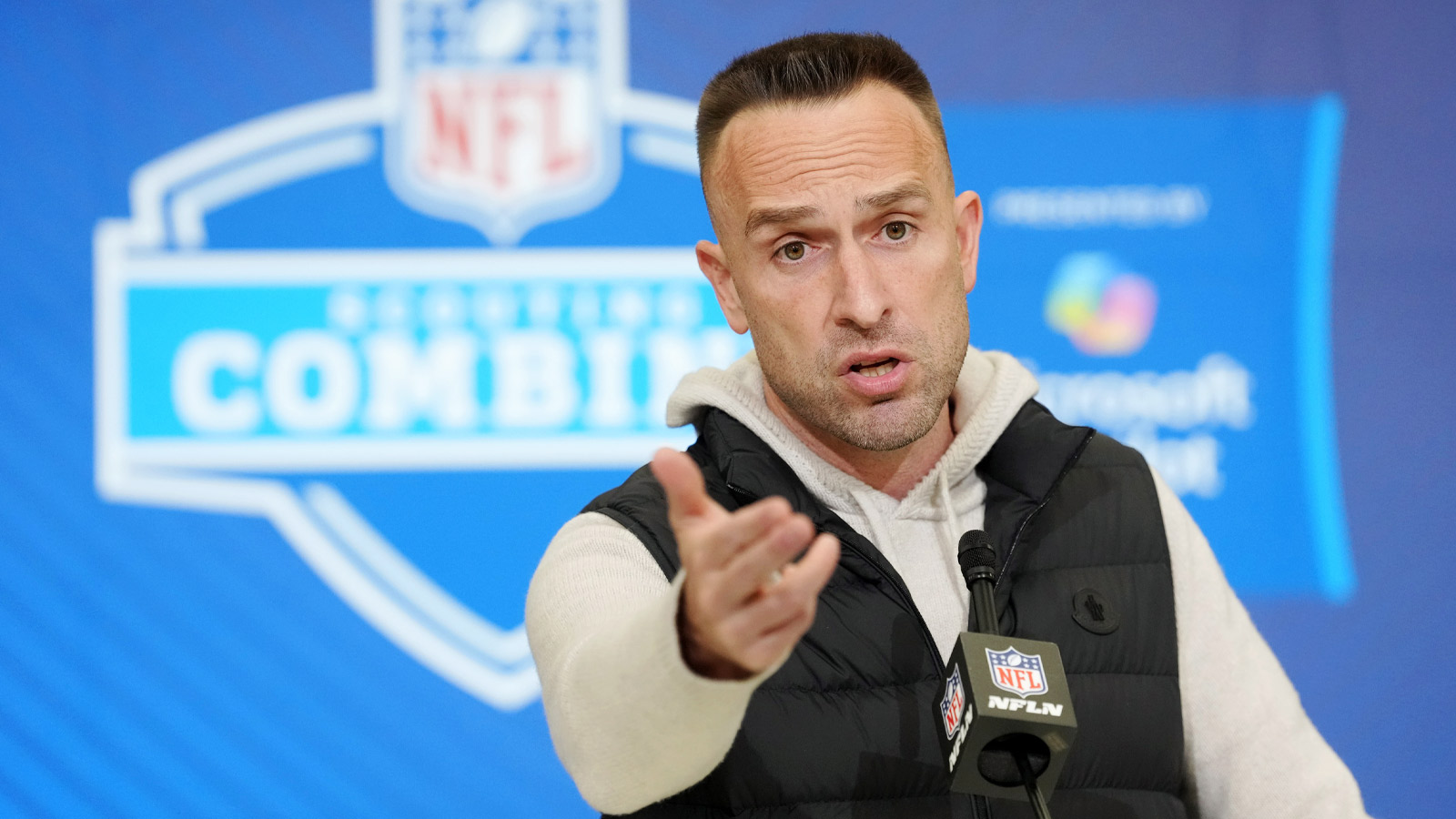
Equally important is the familiarity between Willis and Miami’s coaching staff. Head coach Jeff Hafley and general manager Jon-Eric Sullivan closely monitored Willis’ development during his time in Green Bay. They understand his strengths, weaknesses, and the system that allows him to thrive. Willis will operate in a scheme that emphasizes play-action, run-pass options, and quarterback mobility-concepts that highlight his skill set. This is not a scenario in which a quarterback must learn an entirely new offensive language. Instead, Willis enters an environment specifically designed to maximize his abilities.
System and skill set
Perhaps the most exciting aspect of the Willis signing is the schematic synergy it creates. In today’s NFL, quarterbacks who force defenses to defend the entire field are among the league’s most dangerous players. Willis fits that mold perfectly.
His rushing ability alone changes defensive alignments. When a quarterback can threaten the edge of the defense with explosive scrambles, linebackers and safeties must hesitate before committing to coverage. That hesitation creates opportunities downfield.
Willis demonstrated this dynamic effect during his 2025 appearances, averaging over 12 yards per attempt while stretching defenses vertically. For the Dolphins, that versatility opens up new possibilities. With speed still present at wide receiver, Miami’s offense suddenly becomes far less predictable.
Willis could define Miami’s future
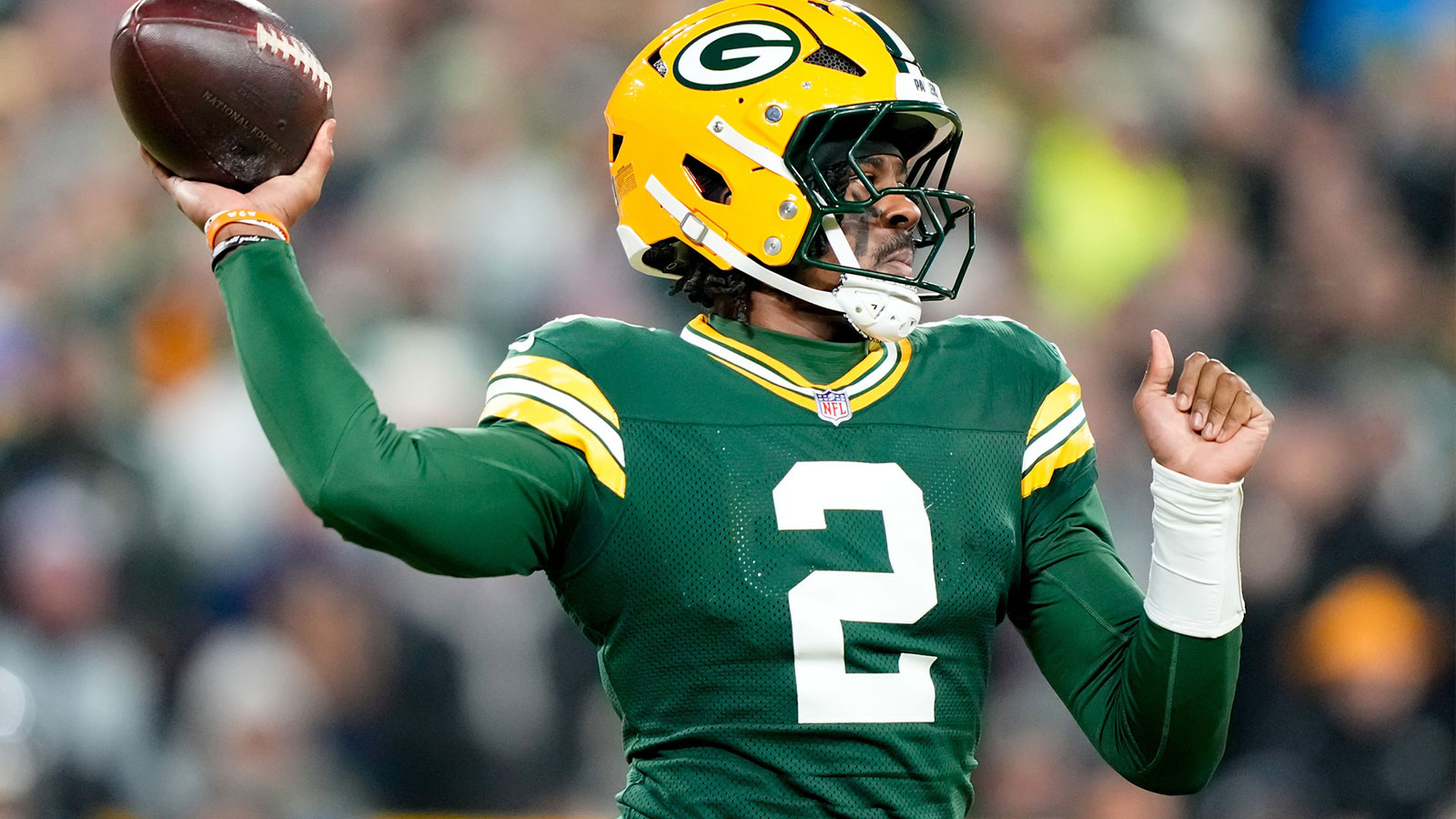
Every successful quarterback story in the NFL shares a common theme: the right player meeting the right system at the right time. Willis appears to have arrived at that intersection.
The Dolphins are transitioning toward a tougher, more adaptable identity. Willis, meanwhile, is entering the prime years of his career after finally refining the discipline required to complement his extraordinary athletic ability.
The financial commitment signals that Miami believes he can be the leader of that transformation. Skeptics may question the limited sample size of Willis’ 2025 performance. Still, football often rewards momentum and confidence.
Willis now has both.
For the Dolphins, this signing represents more than a roster move. It is a declaration that the franchise is ready to embrace a new offensive philosophy. They now have a quarterback capable of creating magic when structure breaks down.
If Willis continues the trajectory he showed in Green Bay, the Dolphins may soon discover that their bold gamble was not a risk at all. Instead, it's the beginning of a long-awaited resurgence in South Florida.