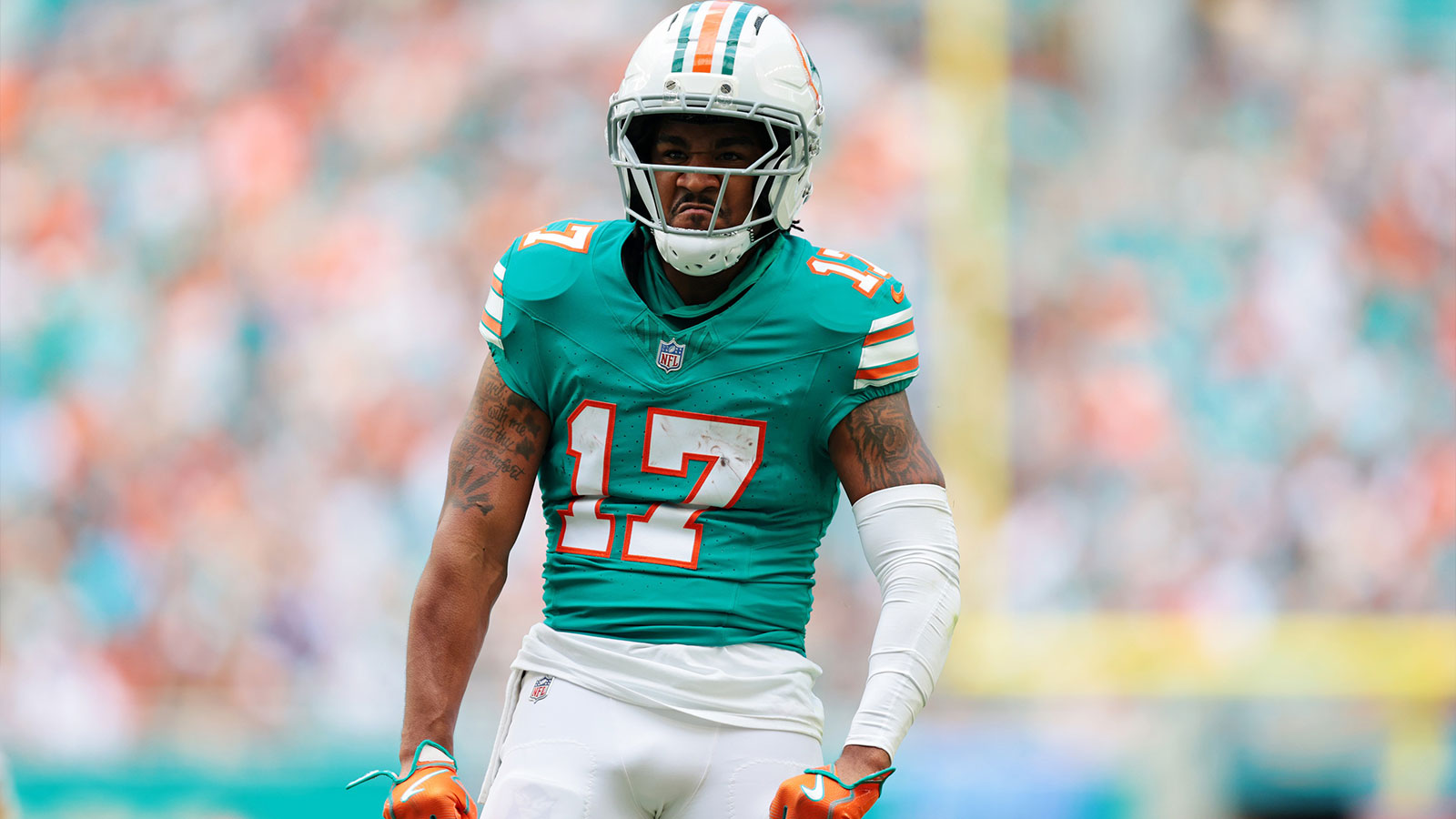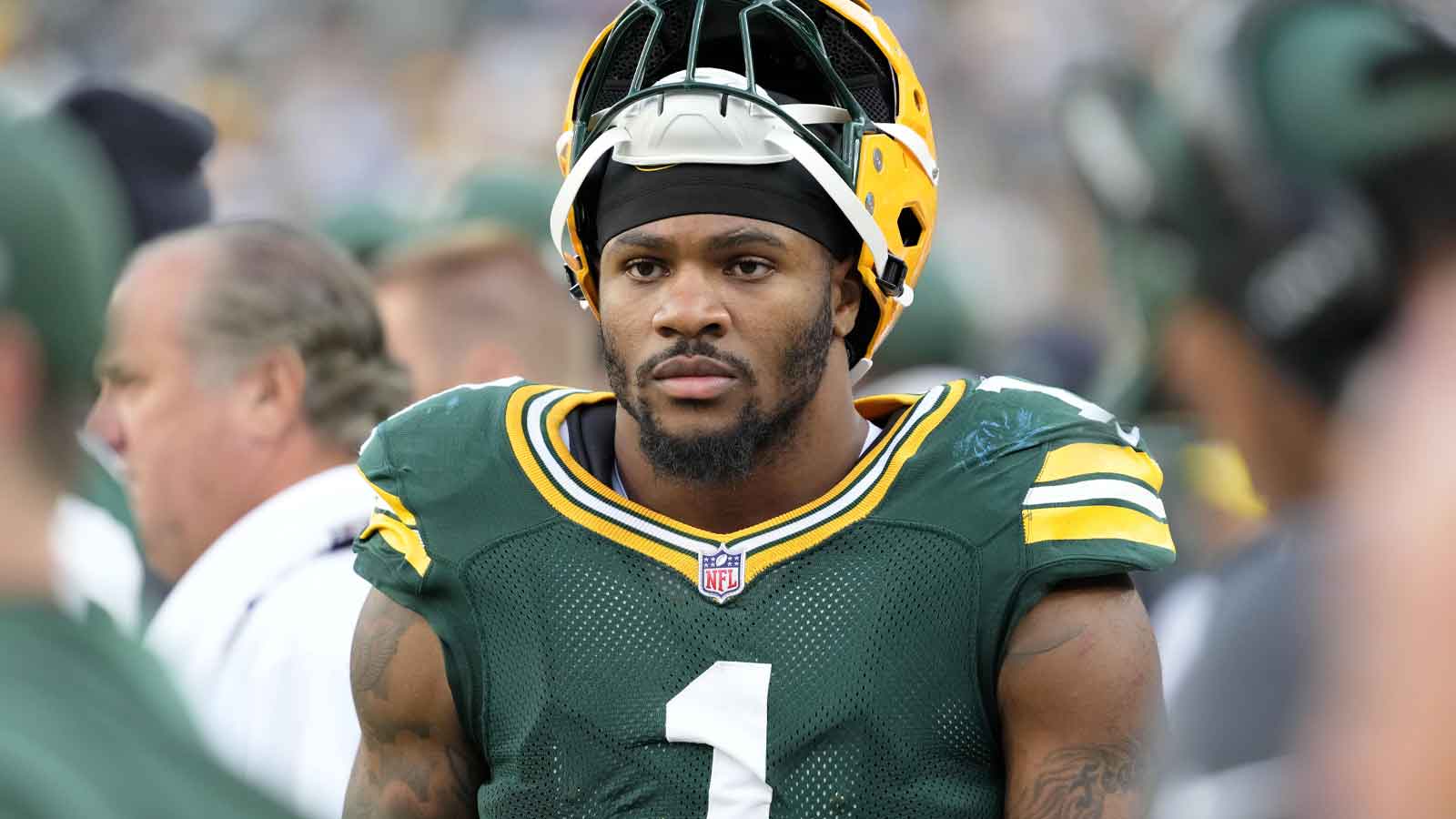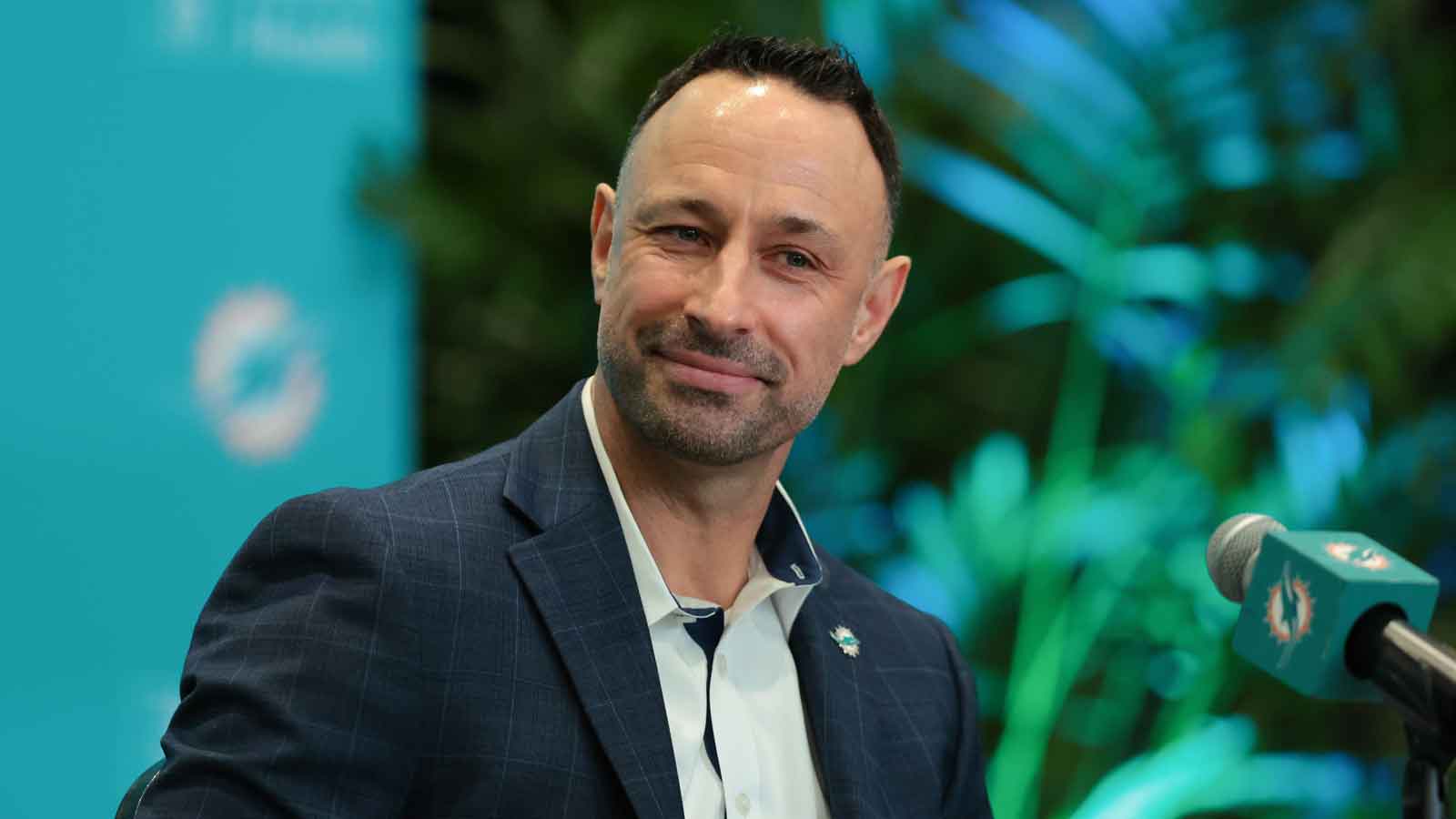

Miami's first week of free agency was straightforward enough at first glance. The Dolphins signed Jamaree Salyer, a four-year Chargers lineman with experience at both guard and tackle, to help stabilize the offensive line for newcomer quarterback Malik Willis. They also added Jalen Tolbert on a one-year deal after moving on from Tyreek Hill and restructured the receiver room.
While these moves made sense individually, they were insufficient given Miami's significant roster overhaul.
To me, the biggest mistake the Dolphins made in Week 1 of free agency was not a single contract, but rather how they managed the offensive ecosystem after committing to Malik Willis.
If the team decided to release Tua Tagovailoa, absorb the dead money, sign Willis to a three-year contract worth $67.5 million (with $45 million guaranteed), and announce that the offense would now revolve around him, they needed to support that decision decisively.
Unfortunately, Miami's actions suggested otherwise, and they took a bold step at quarterback but then seemed to shop for supporting players on a budget.
This inconsistency is the core issue, as the Dolphins cleared substantial cap space before free agency by parting ways with Hill and Bradley Chubb.
According to Reuters, those two releases contributed to over $56 million in cap relief when combined with other cuts.
A reset of this magnitude should pave the way for a coherent strategy moving forward, but instead, the Dolphins made a strong commitment at quarterback and then adopted a surprisingly passive approach in assembling the surrounding talent.
Willis is not entering an environment conducive to easing a new quarterback's transition; instead, he faces a situation where the previous safety net is gone, edge protection is lacking, and the offense relies on many factors falling into place.
The receiver room underscores the problem, and Hill was not just another player departing; even coming off injury, he was the primary focus for opposing defenses.
Once Miami cut him, the onus shifted to the rest of the passing game.
Jaylen Waddle emerged as the top target, which is fine, but what comes next?
Tutu Atwell and Tolbert both signed one-year deals, and Greg Dulcich, while a decent tight end, does not create a receiver corps prepared to support a quarterback transition seriously.
ESPN's tracker even notes that Atwell is “not likely the No. 2 receiver” Miami still needs next to Waddle, which speaks volumes.
This is not a disparagement of Tolbert or Atwell as players; both are worth taking a chance on.
The mistake lies in depending on such flyers after making a significant commitment to a franchise quarterback, and yes, these are fundamentally different situations.
What should be the risks, though?
If Willis were arriving on a low-risk prove-it deal, this approach might be more justifiable. The Dolphins could be seen as experimenting, making low-cost acquisitions, and waiting to see what works.
However, that was not the case, and they granted him a substantial contract and guaranteed money, committing to his future. Once that decision is made, the expectations change.
A team that invests in a quarterback must stop pretending that the rest of the offense can be constructed from inexpensive one-year contracts and versatile depth players.
Salyer, while useful, doesn't resolve the larger concerns, as he likely will start at right guard, which is a solid addition, but it doesn't change the fact that the Dolphins also released James Daniels and Liam Eichenberg, still seeming to patch together their offensive line instead of establishing a solid foundation.
If you're asking a new quarterback to operate behind a line in flux and without a reliable second receiver, you are inviting excuses before training camp even begins.
There's a similar issue on defense, which is important because Miami's Week 1 actions were not only about the offense.
With Chubb gone, the team's current answer has been to look to Joshua Uche, David Ojabo, Robert Beal Jr., and some hope for a rotation. Individually, any of these moves could be justified, but collectively, they give the impression of a team trying to survive the position rather than improve it.
This pattern keeps repeating, and Miami made one bold, costly decision and then followed it up with a series of modest signings, hoping the volume could mask the absence of a definitive solution.
The secondary reflects the same issue, of course, as they added Darrell Baker Jr., Lonnie Johnson Jr., Marco Wilson, A.J. Green III, and Zayne Anderson, yet the team needs a starting-caliber safety.
This is not a critique of the individual signings; rather, it highlights the overarching strategy. The Dolphins are filling the room with players but lack a clear plan for resolving the key positions.
The situation with Willis feels very similar to what the Dolphins are experiencing, and while the team has shown decisiveness in challenging areas, it seems they have lost focus on building a well-rounded roster.
That's why I believe the biggest mistake wasn't just cutting players like Hill or Chubb, or even releasing Tua.
Though these decisions are tough, they can be justified in the context of a broader reset, but the real mistake lies in what happened next.
Of course, they created financial flexibility and chose a new quarterback, but still failed to leave Week 1 looking like a team that understands how much support that quarterback needs.
There is still time to address these issues, which is clear.
Free agency isn't over, the draft is approaching, and trades are still possible.
And absolutely, this doesn’t mean Miami is doomed, but Week 1 is when teams demonstrate what they perceive as urgent needs.
The Dolphins clearly identified quarterback as a priority, but did not show the same sense of urgency in building a complete offense and defense to support that decision.
That is the lingering mistake for them; not a single player or contract, but the stark contrast between how aggressively they changed the team's offensive leader and how cautiously they approached everything else surrounding him.