The New York Jets aren’t just rebuilding but excavating. After a season that managed to be historically bleak even by franchise standards, the 2026 NFL Draft represents more than talent acquisition. It’s an attempt to restore credibility and long-term direction. According to the PFF mock draft simulator, the Jets’ approach is blunt but intentional. They will rebuild the spine of the roster first, especially on defense, and worry about stylistic cohesion later. For a team coming off one of the most alarming seasons in modern NFL history, restraint may actually be the boldest move.
Season recap
The Jets closed the 2025 season at 3-14. They secured the second overall pick in the 2026 NFL Draft and extended the league’s longest active playoff drought to 15 consecutive years. That alone would sting. However, the details make it worse. The Jets became the first team since 1933 to finish a season without recording a single interception. They also forced a league-low four total turnovers. In an era built on takeaways and hidden possessions, New York was functionally toothless.
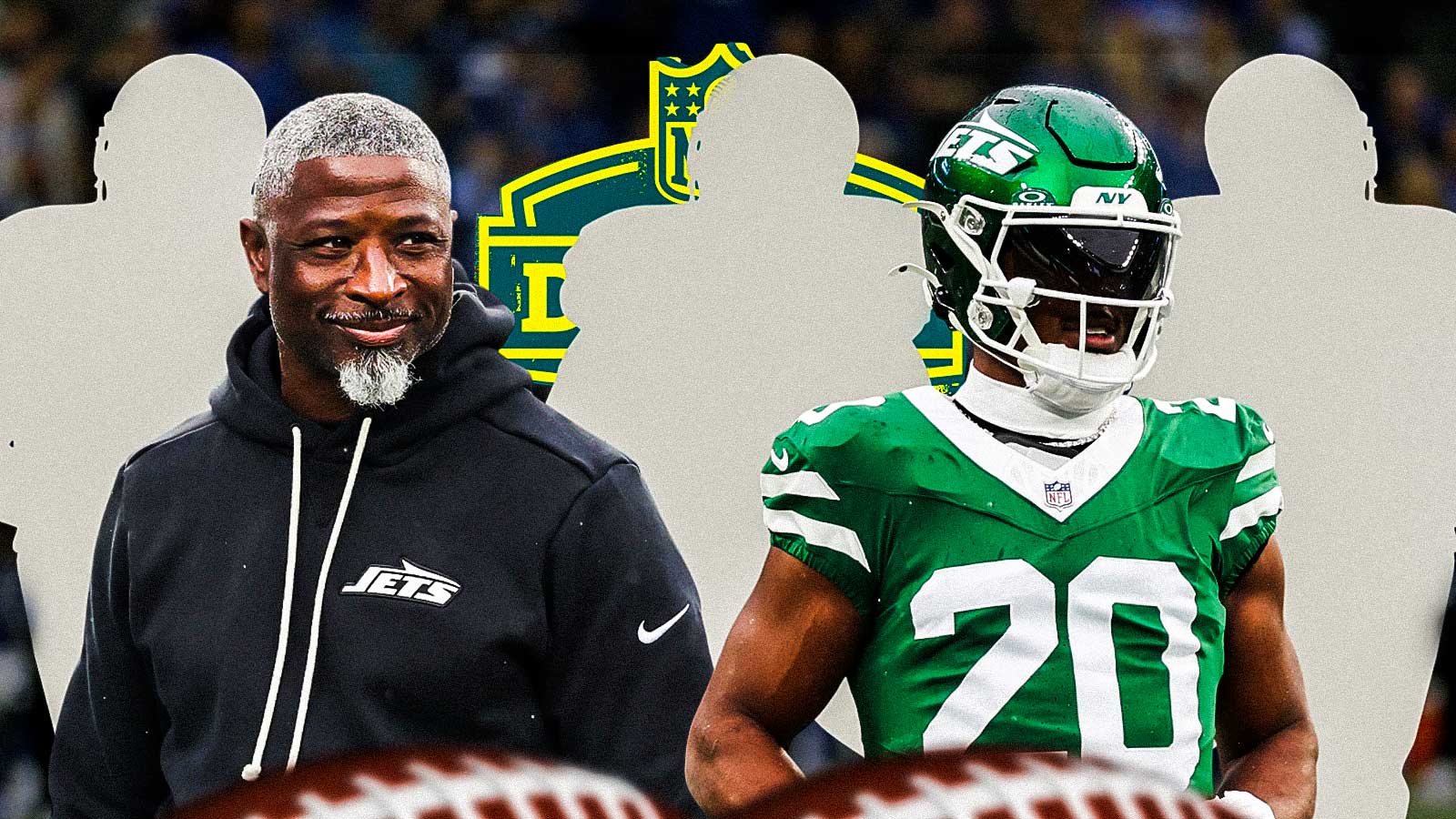
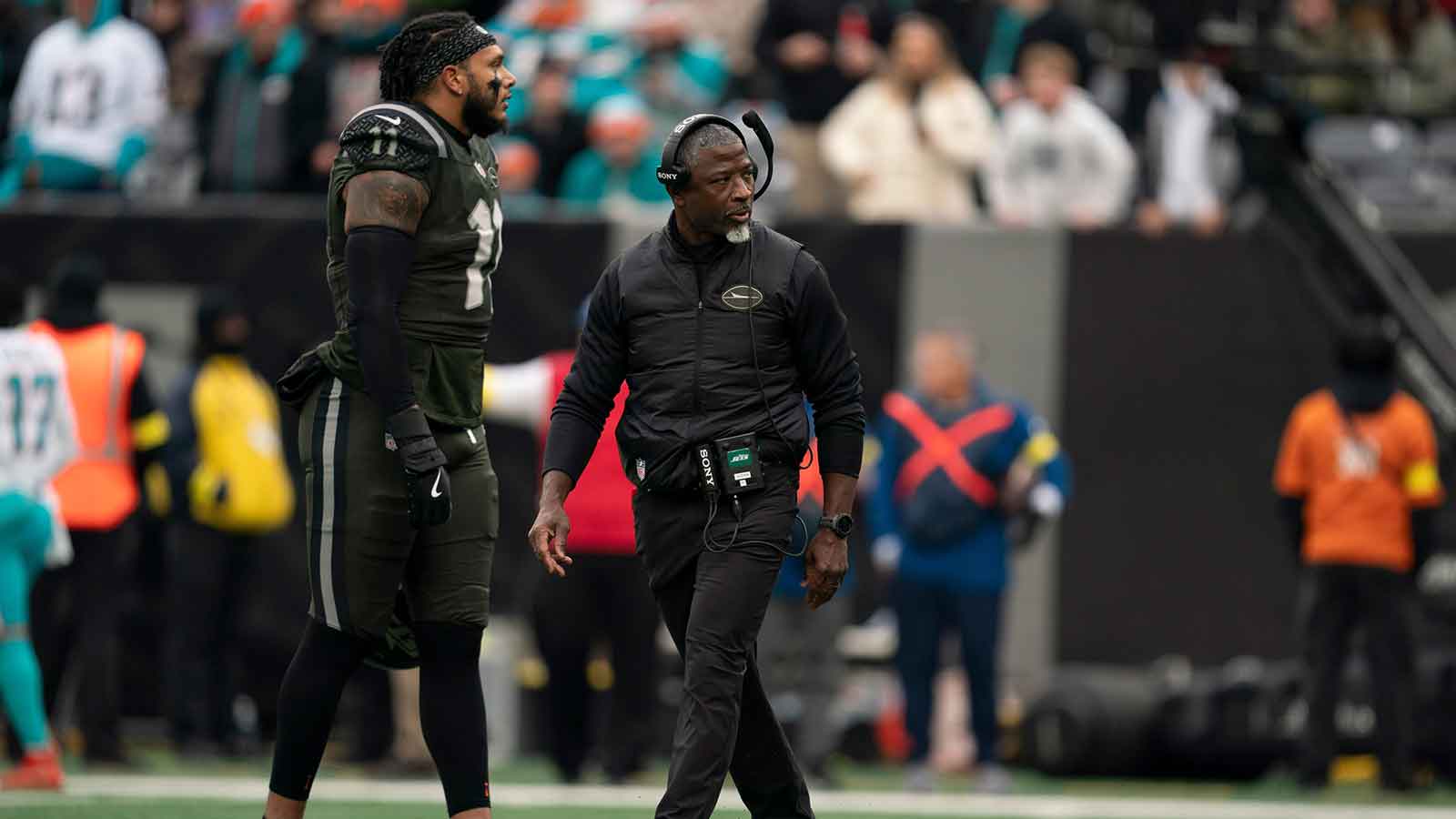
Year one under head coach Aaron Glenn unraveled quickly. Midseason trades of Sauce Gardner and Quinnen Williams stripped the defense of its foundational pieces. The Jets limped home on a five-game losing streak. They suffered multiple blowout losses by an average margin north of 20 points. What remained was a roster without pillars.
Draft needs
Holding the No. 2 overall pick, New York enters the draft with needs everywhere and answers nowhere. The defense must be rebuilt almost from scratch after the Gardner and Williams trades. Cornerback and defensive line are urgent priorities, not luxuries.
Offensively, the Jets are no better off. The offensive line struggled to protect consistently. The lack of dynamic playmakers at wide receiver and running back left the unit predictable and inefficient. Sure, quarterback remains a looming question. However, this draft, at least in the PFF simulation, suggests the Jets prioritize infrastructure and impact defenders before chasing a savior under center.
Here we'll try to look at and discuss the Jets' 3-round mock draft based on the PFF 2026 NFL mock draft simulator.
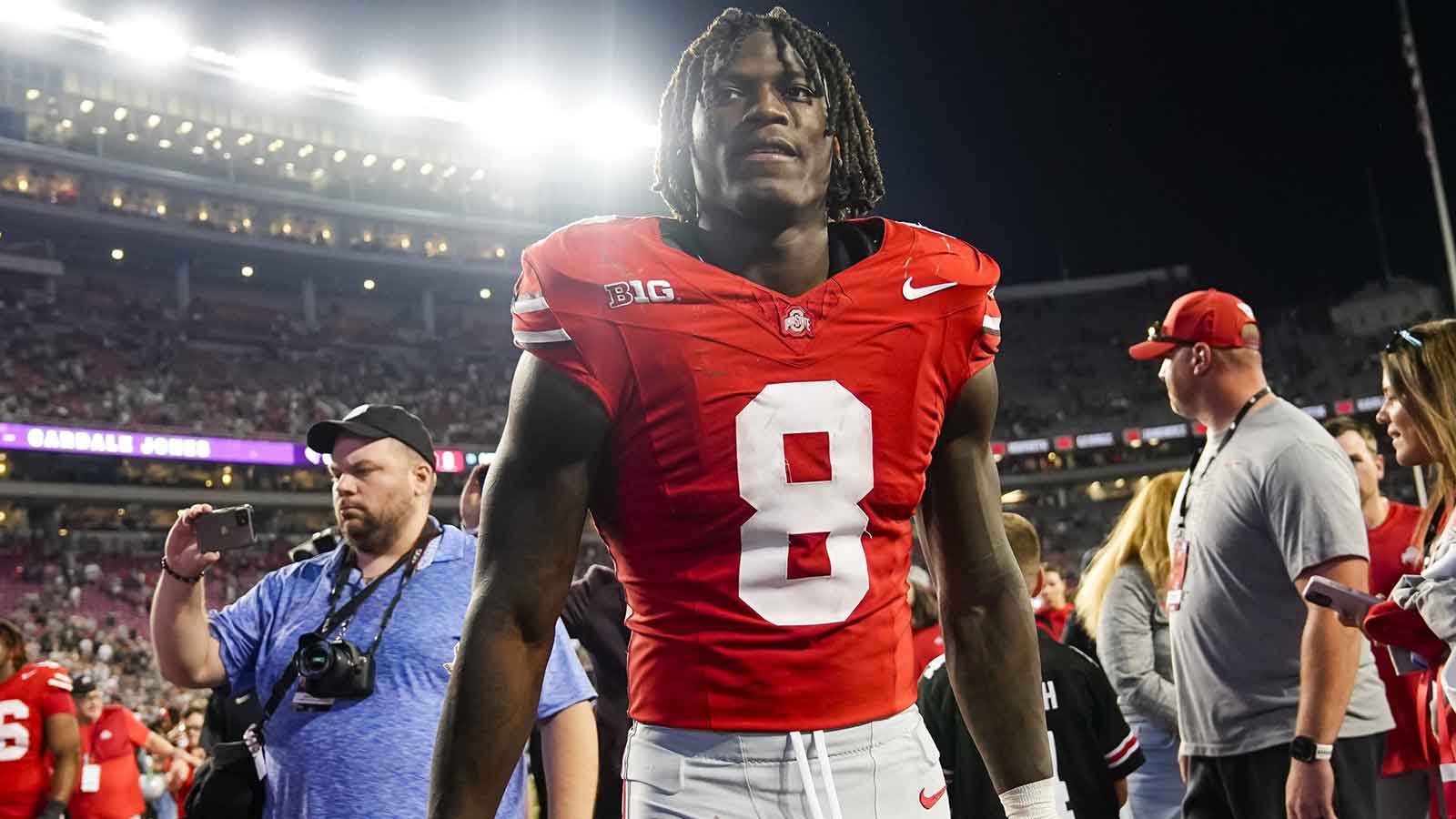
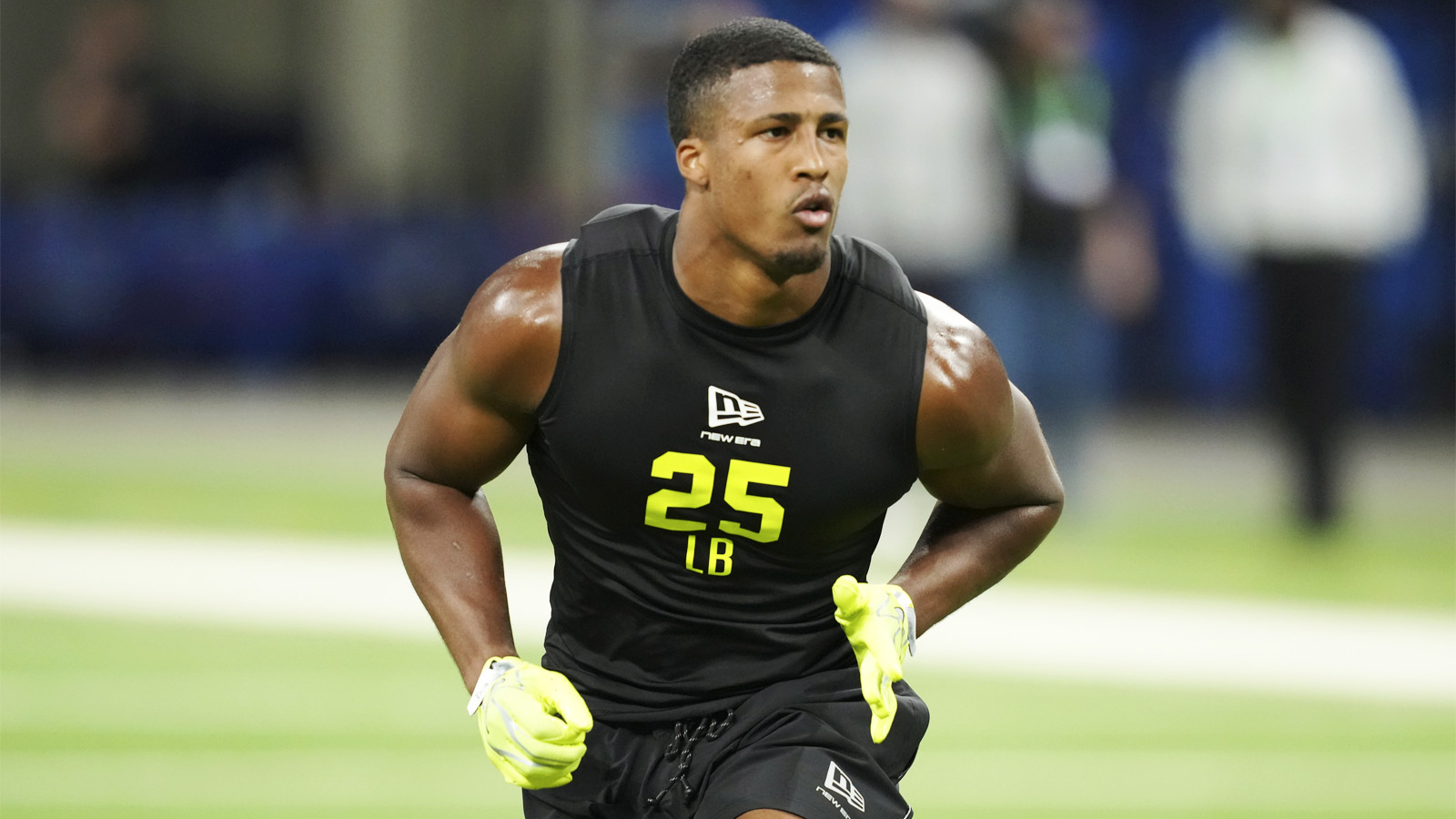
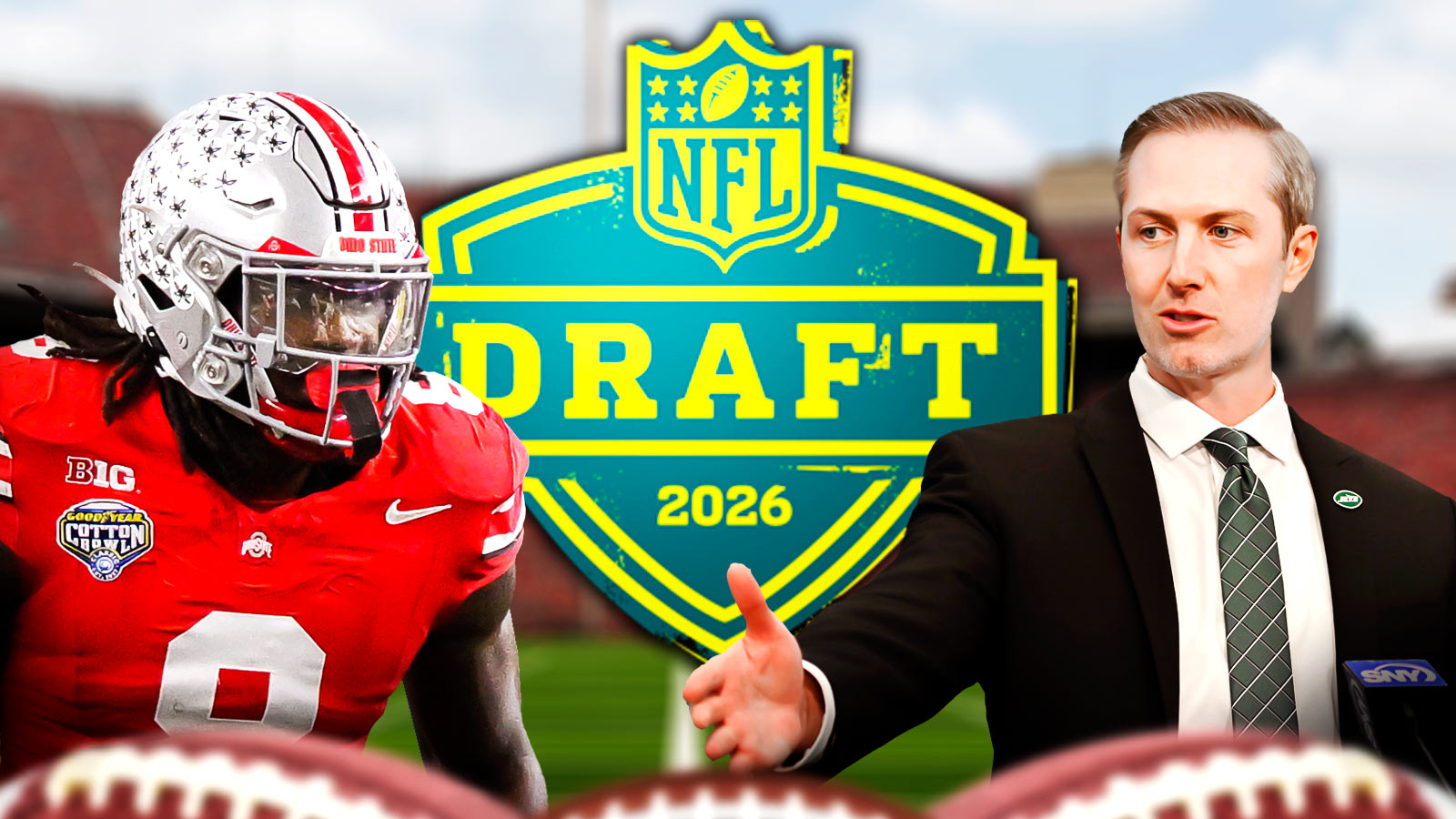
Round 1, pick 2: LB Arvell Reese, Ohio State
With the second overall pick, the Jets select Arvell Reese. He is a rare physical specimen whose versatility instantly upgrades multiple areas of the defense. Reese brings elite size, speed, and strength. He also allows defensive coordinators to deploy him creatively. Reese can function as an interior linebacker in a 3–4, roam as a WILL in a 4–3, or rush the passer from sub-package looks.
What separates Reese is not just athleticism, but flexibility. He can match up in space, blitz effectively, and hold his ground at the point of attack. With that, Reese becomes a movable chess piece. He is someone Glenn can build weekly game plans around. This isn’t a flashy pick, but it’s foundational.
Round 1, pick 16: DL Caleb Banks, Florida
Later in the first round, New York stays in the trenches with Caleb Banks. He is a power-based interior defender built for NFL physicality. Banks wins with strength, length, and violence at the point of attack. He can give the Jets a scheme-versatile piece who can line up as a nose, a 3-technique, or a 3–4 defensive end.
Banks is still developing as a pass rusher, though. He relies heavily on raw power. His pad level and rush diversity need refinement. Still, his ability to anchor against the run fills an immediate void left by Williams’ departure. For a team hemorrhaging rushing lanes in 2025, this pick addresses a glaring weakness.
Round 2, pick 33: CB Colton Hood, Tennessee
At the top of the second round, the Jets finally address the secondary with Colton Hood. Hood is a coverage-first corner who thrives in zone concepts. He can read quarterbacks and break on routes with urgency. He fits naturally into situations where anticipation and route recognition matter more than raw physicality.
Hood may not be a finished product as a run defender. However, his instincts and speed give him a clear pathway to early snaps. Add in return value on special teams, and he’s active on game day from Week 1. That is something the Jets desperately need.
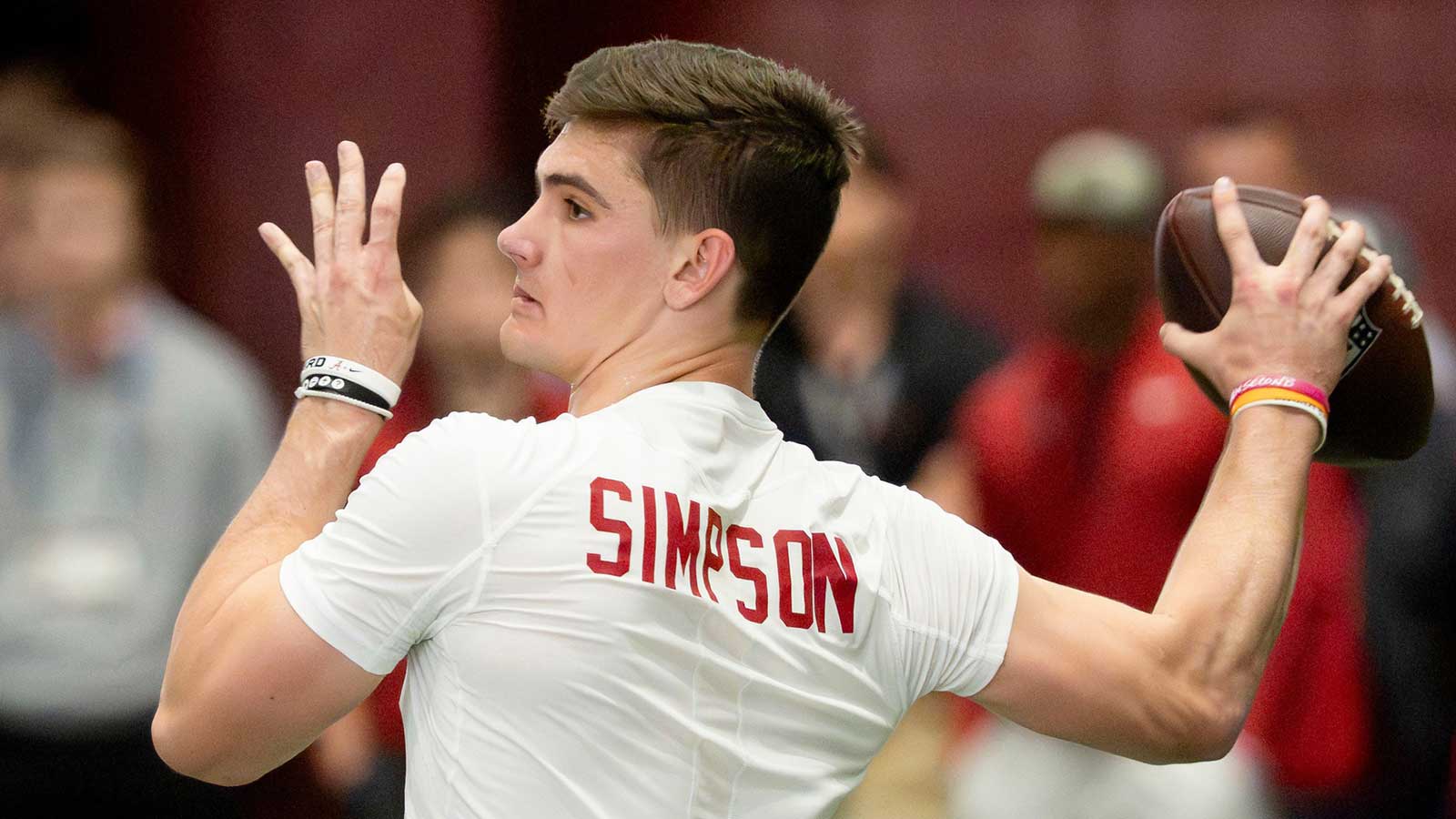
Round 2, pick 44: EDGE Gabe Jacas, Alabama
New York closes its three-round haul by adding Gabe Jacas. He is a dense, powerful defender with a wrestling background defensive line coaches covet. Jacas has spent time as a stand-up outside linebacker but does his best work with his hand in the dirt.
He’s not an elite bend-and-burst rusher. Still, Jacas brings effort, discipline, and versatility. In a defense that needs rotational depth and physical edge-setting, he fills a necessary role while still offering developmental upside as a full-time defensive end.
A sober reset

This mock draft won’t excite a fanbase craving offensive fireworks. That said, it makes a lot of practical sense. The Jets were broken at the core in 2025. This class prioritizes restoring structure, toughness, and defensive competence. Reese becomes the centerpiece, Banks and Jacas rebuild the front, and Hood stabilizes a battered secondary.
It’s not a shortcut. For the Jets, though, credibility has to come before contention. This draft finally acknowledges that reality.