
For years, the New York Jets tried to build for tomorrow while borrowing from yesterday. The result was cap strain, roster imbalance, and a locker room caught between urgency and uncertainty. Now, after a catastrophic 2025 season, there is no more middle ground. The “win-now” era is over. The rebuild is real.
Rebuilds are about financial clarity and strategic exits. The Jets don’t have the luxury of sentimentality, especially with the league’s highest dead cap total weighing down their books. As painful as it may be, three notable veterans represent the kind of tough decisions that must be made if this reset is going to work.
Historic collapse

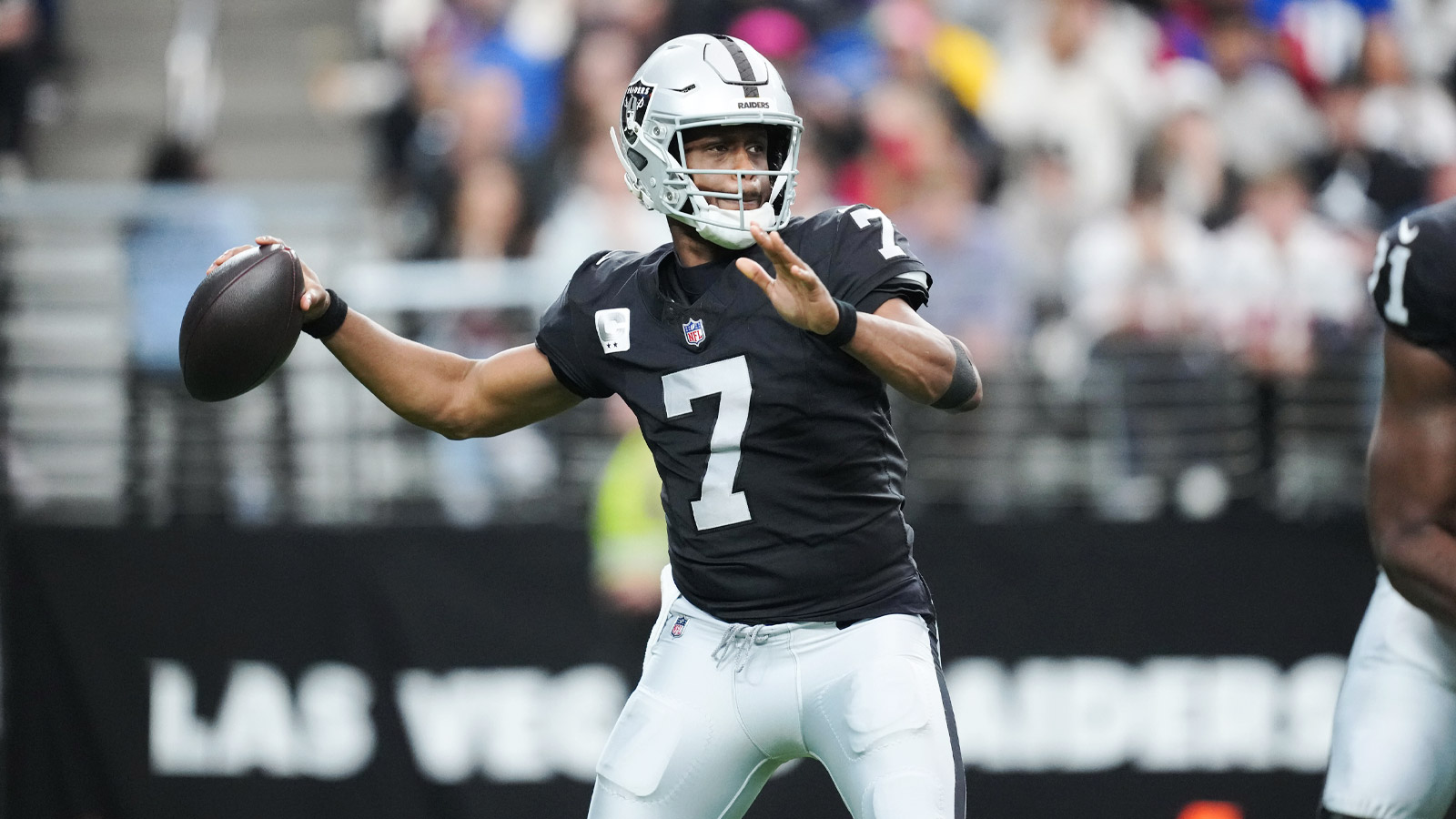
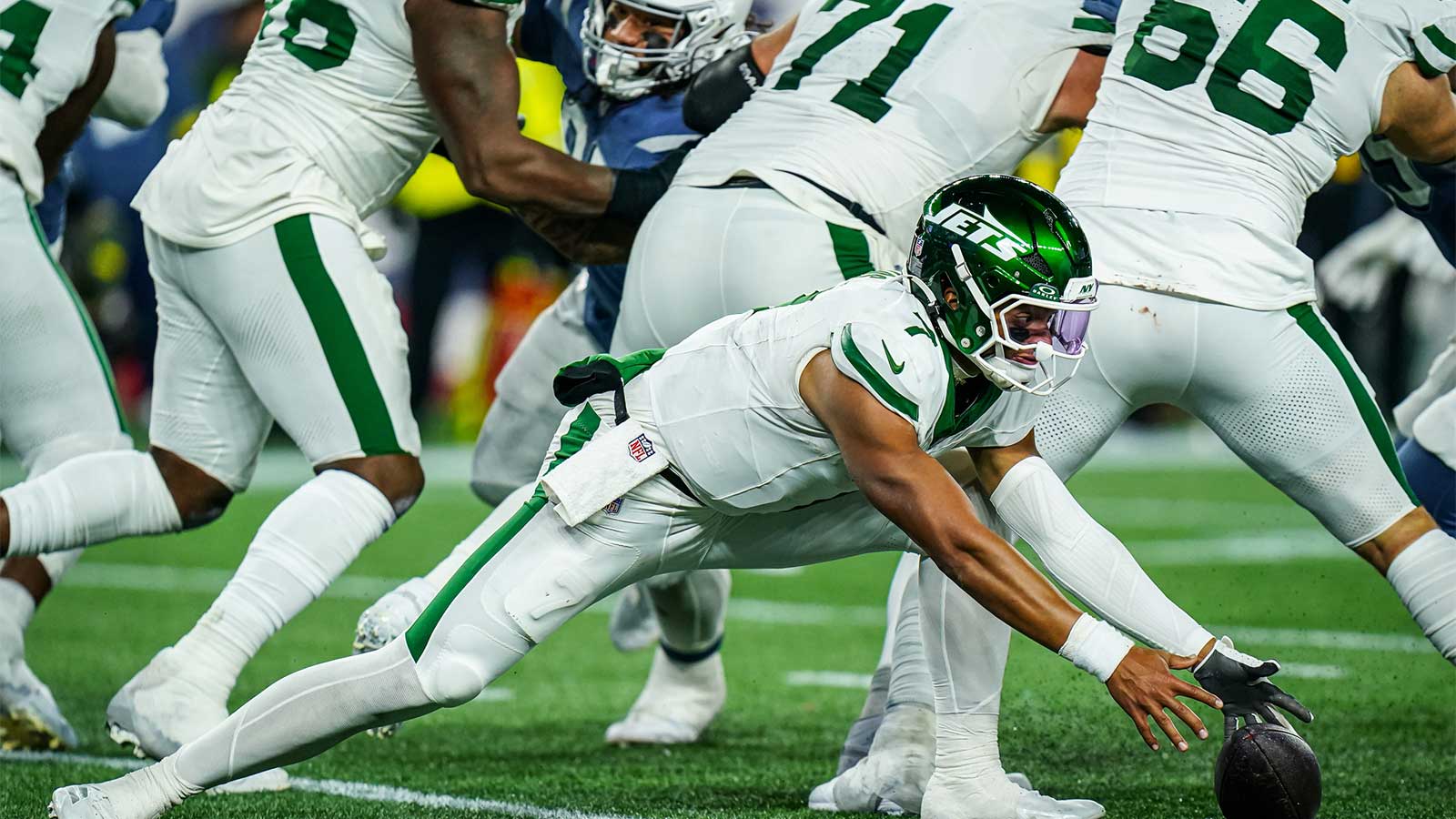
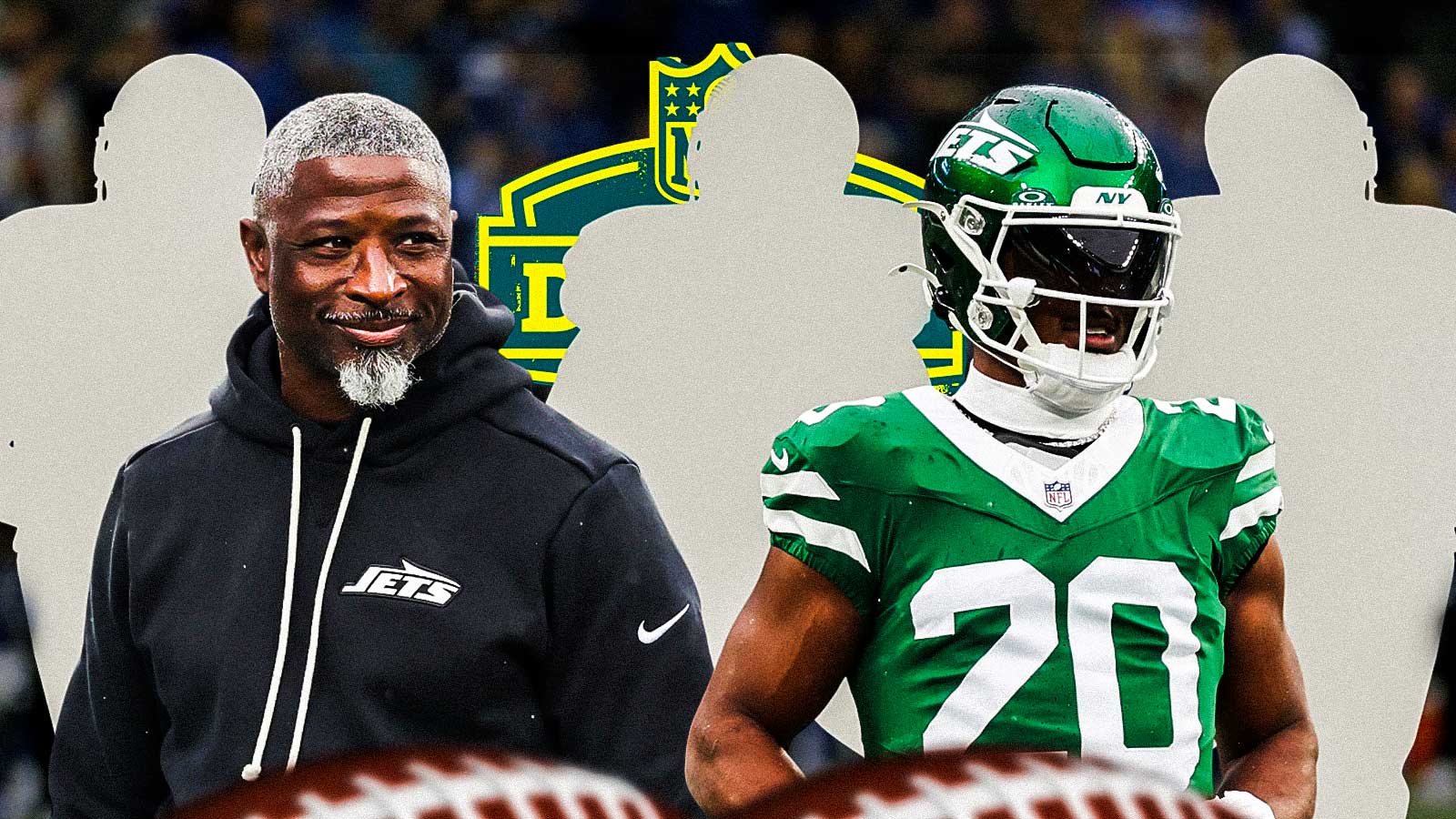
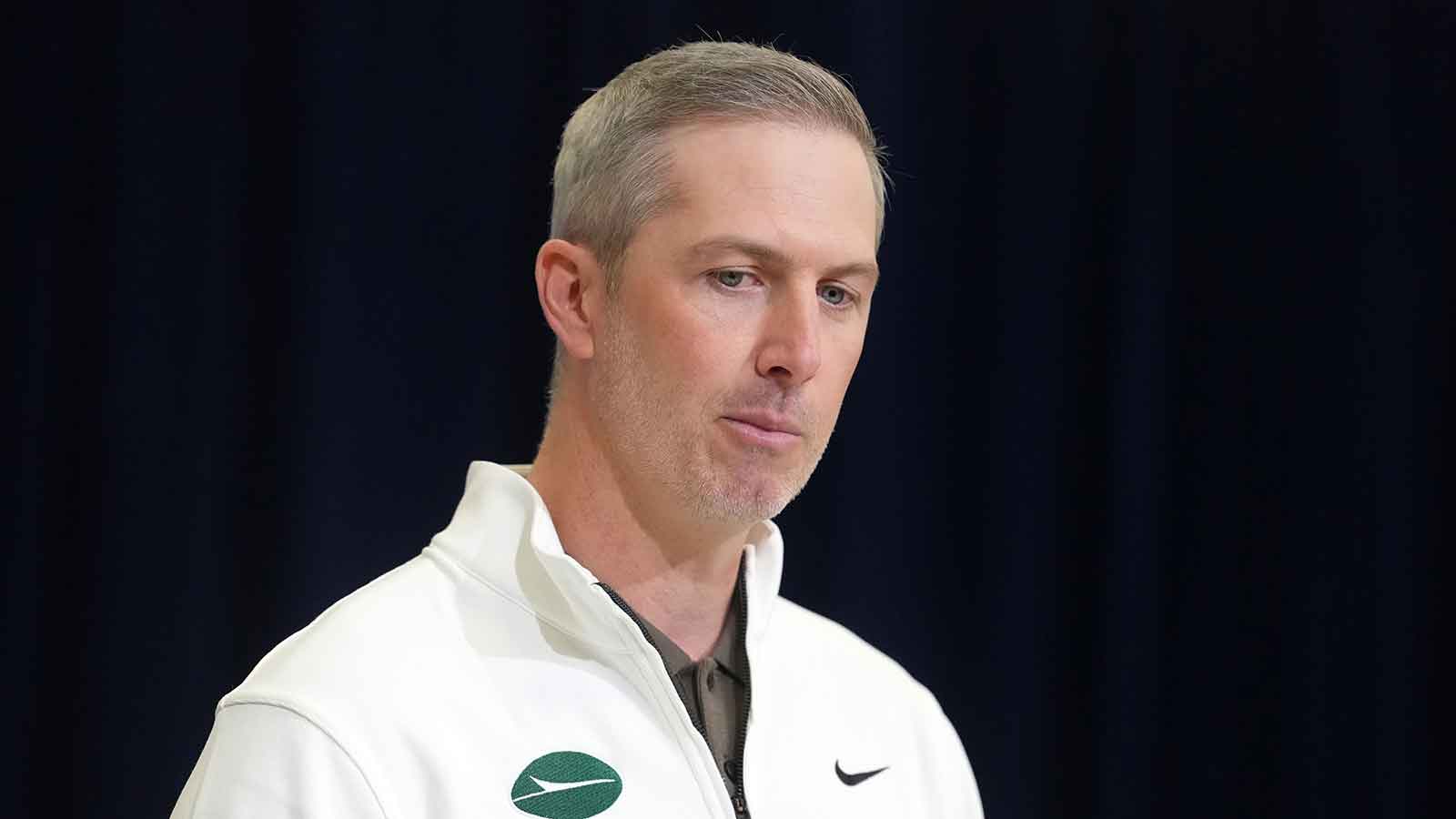
The 2025 Jets season signaled the definitive end of the “win-now” efforts. They finished with a 3-14 record under first-year head coach Aaron Glenn. The year began with uncertainty and ended in full-blown identity crisis. After moving on from Aaron Rodgers in the spring, the team gambled on Justin Fields as a reclamation project. That experiment fizzled and spiraled into a chaotic quarterback rotation featuring Tyrod Taylor and Brady Cook.
By midseason, the front office accepted reality. At the trade deadline, the Jets shipped out franchise cornerstones Sauce Gardner and Quinnen Williams for draft capital. They fully embraced a firesale approach. The defense cratered, failing to record a single interception all season. Offensively, the only consistent spark came from Breece Hall’s gritty 1,000-yard rushing effort.
The Jets now enter 2026 burdened by dead money and armed with two top-16 picks. They are desperate to finally stabilize the quarterback position and rebuild from the trenches outward.
Premium positions
Looking ahead to free agency, the Jets’ priorities are clear. Premium positions must be protected and strengthened. The dead cap from the Rodgers era limits splash moves. That means every dollar must serve long-term sustainability.
The offensive line remains unstable. Without competent protection, even the most talented young quarterback will falter. Defensively, the departure of elite talent has left the roster thin at impact positions. The rebuild must emphasize speed, youth, and positional value. That means difficult goodbyes at positions where financial commitment doesn’t match timeline alignment.
Fans might find a couple of surprises here.
LB Quincy Williams
Quincy Williams has been the emotional engine of the Jets’ defense for years. The former All-Pro defined the team’s defensive identity during better days. Sadly, leadership alone cannot override fiscal reality.
Williams’ contract officially voided in February 2026. That has left nearly $4.9 million in dead cap. Re-signing him would require another substantial multi-year commitment at age 29. Any such contract would begin to decline in value relative to performance.
The Jets have quietly prepared for this moment. Jamien Sherwood’s growth has provided a younger, cheaper alternative. In a rebuild focused on trenches and quarterback stabilization, allocating significant funds to a veteran off-ball linebacker is a luxury New York cannot justify.
QB Tyrod Taylor
Tyrod Taylor deserves immense credit for professionalism during a turbulent 2025 campaign. He stabilized chaos when called upon. By the start of the 2026 season, though, Taylor will be 37 years old.
The Jets’ direction must center on discovering and developing a long-term answer under center. Carrying a high-priced veteran backup only delays clarity. They have younger options in the building and the likelihood of drafting another quarterback early. As such, the roster spot and cap space are better invested in youth development.
Taylor’s contract has already contributed to the team’s league-leading dead cap burden. Continuing to “bridge” seasons with veteran placeholders is precisely how the Jets ended up here. The rebuild requires decisive forward motion instead of insurance policies for uncertainty.
RB Breece Hall
Brace yourself. This is the most painful decision on the list. And yet, it's also the most logical.
Breece Hall remains an elite talent. His vision, burst, and receiving ability make him one of the league’s most versatile backs. Thats said, second contracts for running backs rarely age well.
Hall will command top-tier money, potentially north of $12 million annually. For a team already strapped by dead money, that type of commitment is way too risky. The modern NFL has consistently demonstrated that investing heavily in running backs yields diminishing returns. The Jets should allocate resources to quarterback protection.
New York has contingency signs in place. Braelon Allen has flashed bell-cow potential at a fraction of the cost. The 2026 market is also saturated with capable backs. Alternatively, allowing Hall to sign elsewhere could potentially net a valuable compensatory pick. That asset can fit a long-term rebuild. Letting Hall walk would signal an understanding of positional economics in today’s NFL.
Discipline, not nostalgia

The Jets’ 2026 offseason is all about building a sustainable foundation. Letting Quincy Williams, Tyrod Taylor, and Breece Hall go would free financial flexibility and accelerate youth integration at critical positions.
Rebuilds succeed when franchises resist emotional decision-making. New York has spent years chasing quick fixes. Now, the path forward demands patience and fiscal discipline. The next era of Jets football won’t be defined by who they keep. It will be defined by what they’re willing to sacrifice to finally get it right.