The San Francisco 49ers don’t have a talent problem or a culture problem. They don’t even have a quarterback question anymore. What they have is a recurring postseason problem that keeps resurfacing when the competition stiffens and the trenches get violent.
For years, the 49ers have built one of the league’s most explosive offenses. They’ve leaned into versatility, motion, and misdirection. When January football compresses the field and elite interior pass rushers collapse pockets in seconds, though, the illusion breaks.
If San Francisco wants to convert its championship-caliber roster into a Lombardi Trophy in 2026, it must address the one flaw that refuses to go away.
Resilience and frustration
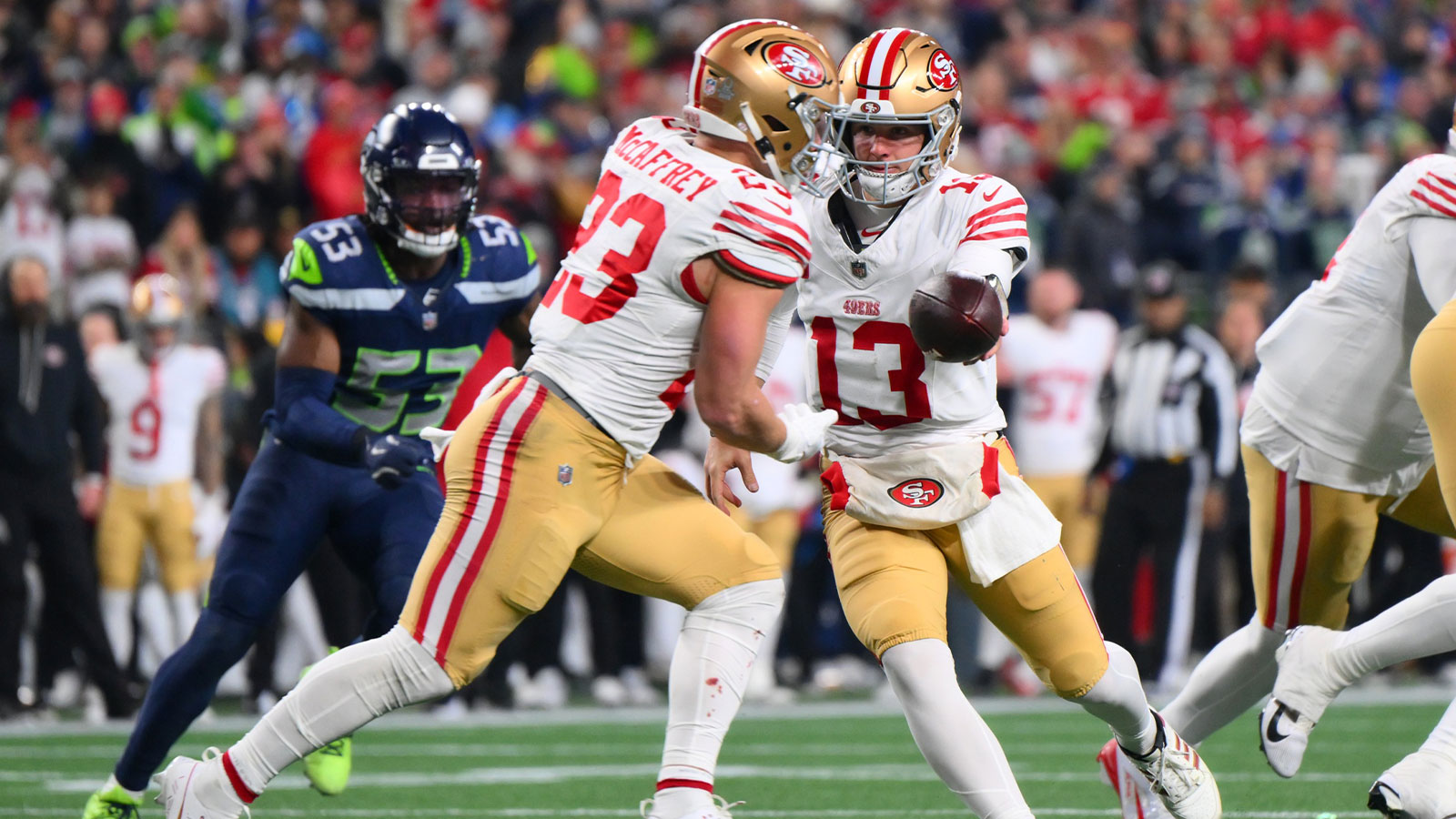
The 49ers’ 2025 campaign was resilient but ultimately heartbreaking. They finished 12-5, showcasing both their elite ceiling and their persistent fragility. Christian McCaffrey started every game and silencing doubts by amassing over 2,100 yards from scrimmage. He earned the NFL Comeback Player of the Year honors.
Yet the year was constantly shadowed by an injury frenzy that ravaged the depth chart. Still, San Francisco fought through adversity and managed a gritty 23-19 Wild Card victory over the Philadelphia Eagles. That reinforced their reputation as postseason survivors. Then came the reality check.
In the Divisional Round, the eventual champion Seattle Seahawks dismantled the 49ers 41-6. The lopsided loss exposed their protection deficiency. Seattle’s interior pressure overwhelmed the offensive front. It stalled drives and disrupted rhythm before plays could develop. The early exit exposed structural weakness.
Offensive line instability
By the 2026 offseason, the 49ers’ most glaring weakness will almost certainly remain the interior offensive line. Trent Williams continues to be a Hall of Fame presence on the edge. However, he will be 38 years old in 2026. Even if he defies time for another season, the greater issue lies inside. For years, guard and center play has been the Achilles’ heel of this roster. When facing average fronts, San Francisco’s system compensates. Against elite interior rushers, it buckles.
Kyle Shanahan’s offense thrives on timing. Wide-zone concepts require precise footwork and coordination. Play-action designs demand a clean interior pocket. When pressure arrives up the middle, Brock Purdy cannot step into throws. The result is missed explosive opportunities.
Cap flexibility
Financially, San Francisco is better positioned than many expected. With the league’s salary cap projected to surpass $301 million, the 49ers sit on roughly $37 million to $47 million in effective cap space. That flexibility stems largely from how John Lynch structured Purdy’s five-year, $265 million extension. By keeping Purdy’s 2026 cap hit at a manageable $24.8 million, the front office avoided immediate cap strain.
However, massive numbers still loom. Nick Bosa carries a $41.6 million cap hit. Williams’ figure approaches $38.8 million. Addressing the secondary will also require investment.
To pursue a premier free agent, restructures or difficult veteran decisions will be necessary. Unlike many contenders, though, San Francisco possesses the breathing room to act aggressively without detonating its future.
The pick: Tyler Linderbaum
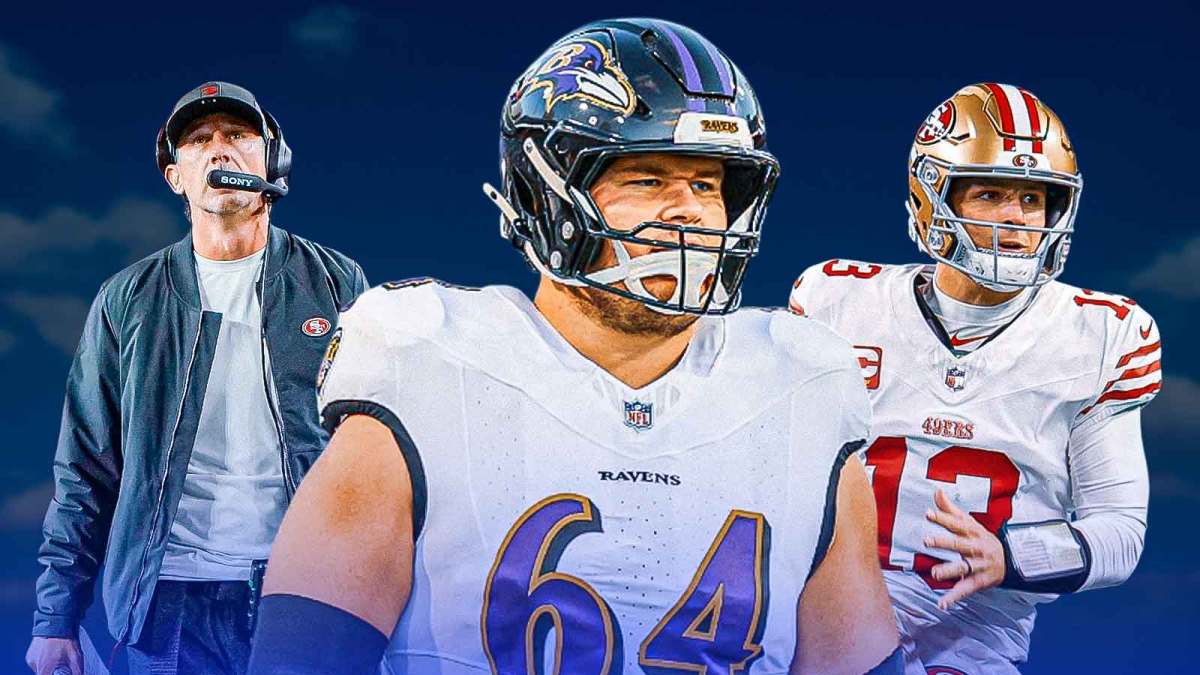
If the 49ers are serious about eliminating their biggest flaw, they need Tyler Linderbaum. The Baltimore Ravens center enters the 2026 offseason as arguably the most coveted interior linemen in football. At just 26 years old, Linderbaum represents the rare combination of youth, elite production, and schematic versatility.
He is widely regarded as the most athletic center in the league. That matters enormously in Shanahan’s system.
Why he is the fix
First, the scheme fit is undeniable. Shanahan’s offense requires someone who can execute reach blocks in wide-zone concepts and climb to the second level in space. Linderbaum excels in both areas. His lateral quickness, balance, and processing speed make him uniquely equipped to anchor a zone-based attack.
Second, he provides youth and longevity. Linderbaum would be a decade-long solution at the most intellectually demanding position on the offensive line. San Francisco has cycled through serviceable options. Linderbaum would end that carousel.
Third, and perhaps most importantly, there is the Purdy factor. Purdy enters the prime of his career under a massive contract. Protecting his internal pocket is paramount. Quarterbacks can evade edge pressure with athleticism. Interior pressure eliminates that margin. Linderbaum consistently ranks among the top centers in pass protection metrics. He has proven capable of neutralizing elite interior rushers. Against a team like Seattle, Linderbaum changes the equation.
Elevating San Francisco
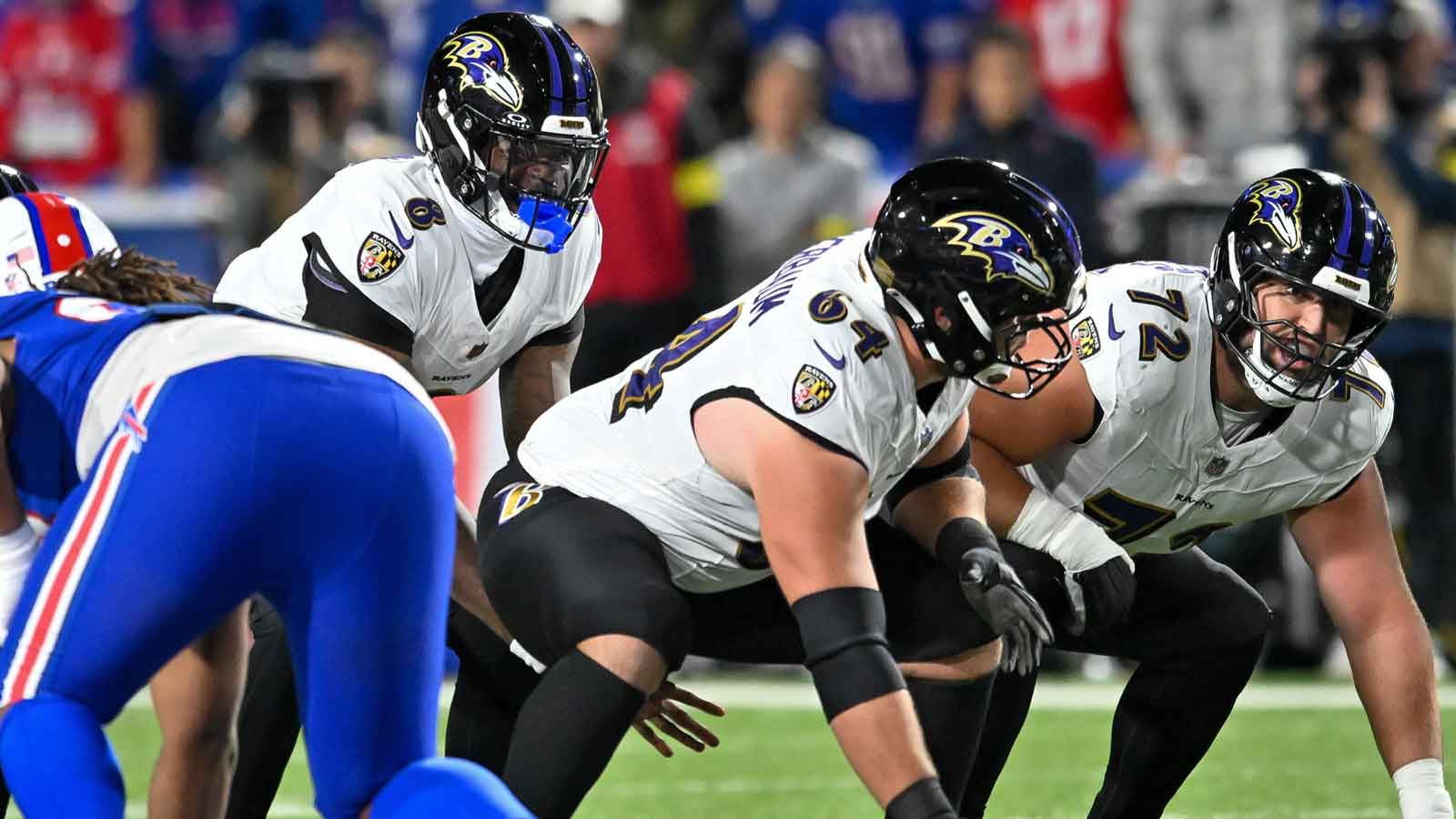
The 49ers have everything else in place. They have an elite play-caller and versatile skill players. They have a defensive nucleus capable of controlling games. What the Niners lack is certainty in the middle of their offensive line.
Championship windows close not because of obvious flaws but because of recurring, correctable ones that go unaddressed. Tyler Linderbaum isn’t flashy. He won’t generate viral highlights. But in January, when defensive tackles are collapsing pockets and seasons hang in the balance, he becomes invaluable.
He is the trench reinforcement that San Francisco direly needs. If the 49ers want 2026 to end differently than 2025, the solution lies where championships are quietly decided in the center of the line.