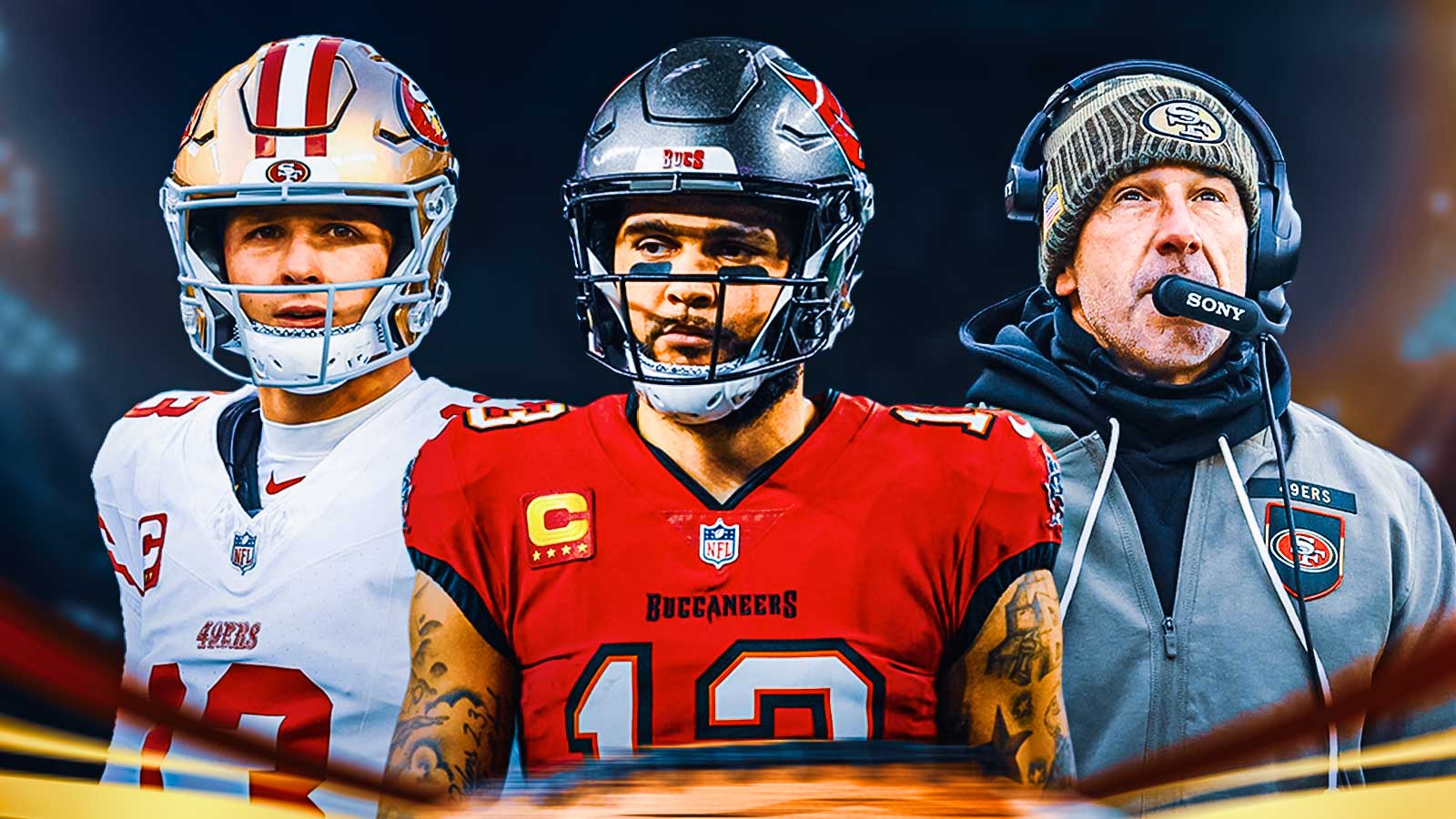
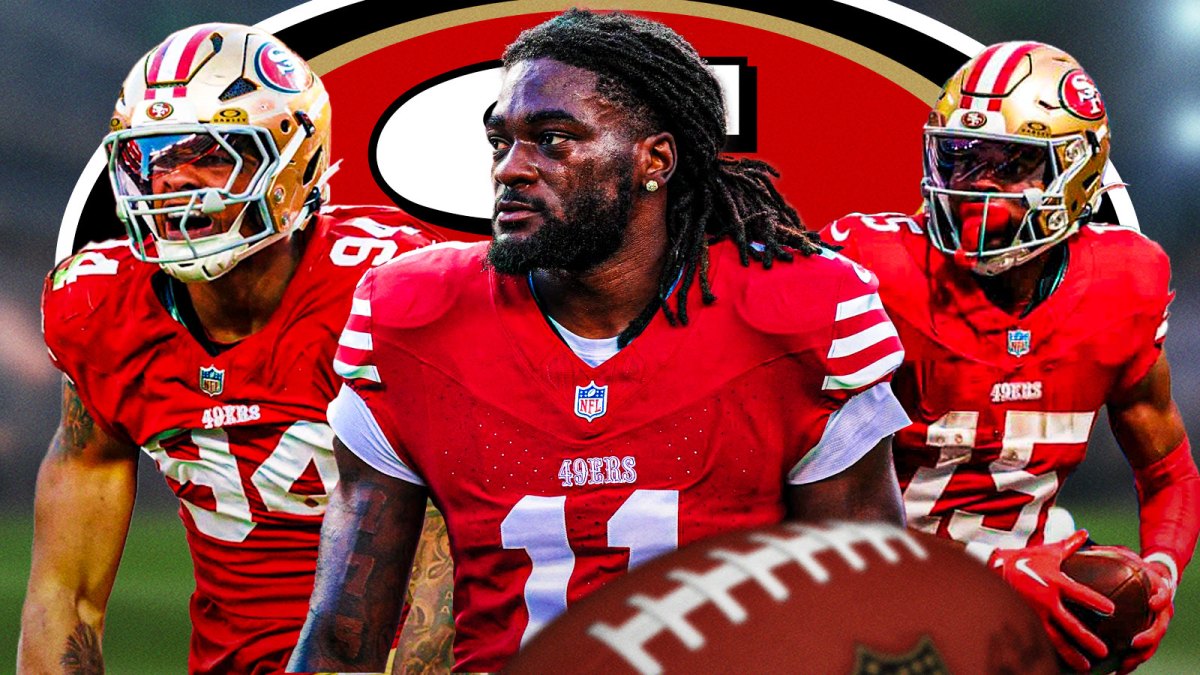
Championship windows narrow gradually. They are tightened by contracts, age curves, and the unforgiving math of the salary cap. The San Francisco 49ers will see and feel all of those in the 2026 offseason. After years of operating in aggressive “all-in” mode, the franchise now faces the financial aftershocks of sustained contention. That's headlined by Brock Purdy’s massive extension and the long-term commitments already tied to cornerstone stars.
This reality forces difficult roster decisions. Productive veterans, emotional locker-room leaders, and fan favorites suddenly become cap casualties. As the 49ers transition, letting certain free agents walk becomes less about preference and more about necessity.
Three names, in particular, stand out as departures San Francisco must seriously consider.
Injury-ravaged 2025

The 49ers' 2025 season was a narrative of resilience amidst a brutal “injury frenzy.” Despite the roster turnover, which was highlighted by the trade of Deebo Samuel, the Niners finished with a strong 12-5 record. They clinched a Wild Card berth after a one-year playoff absence.
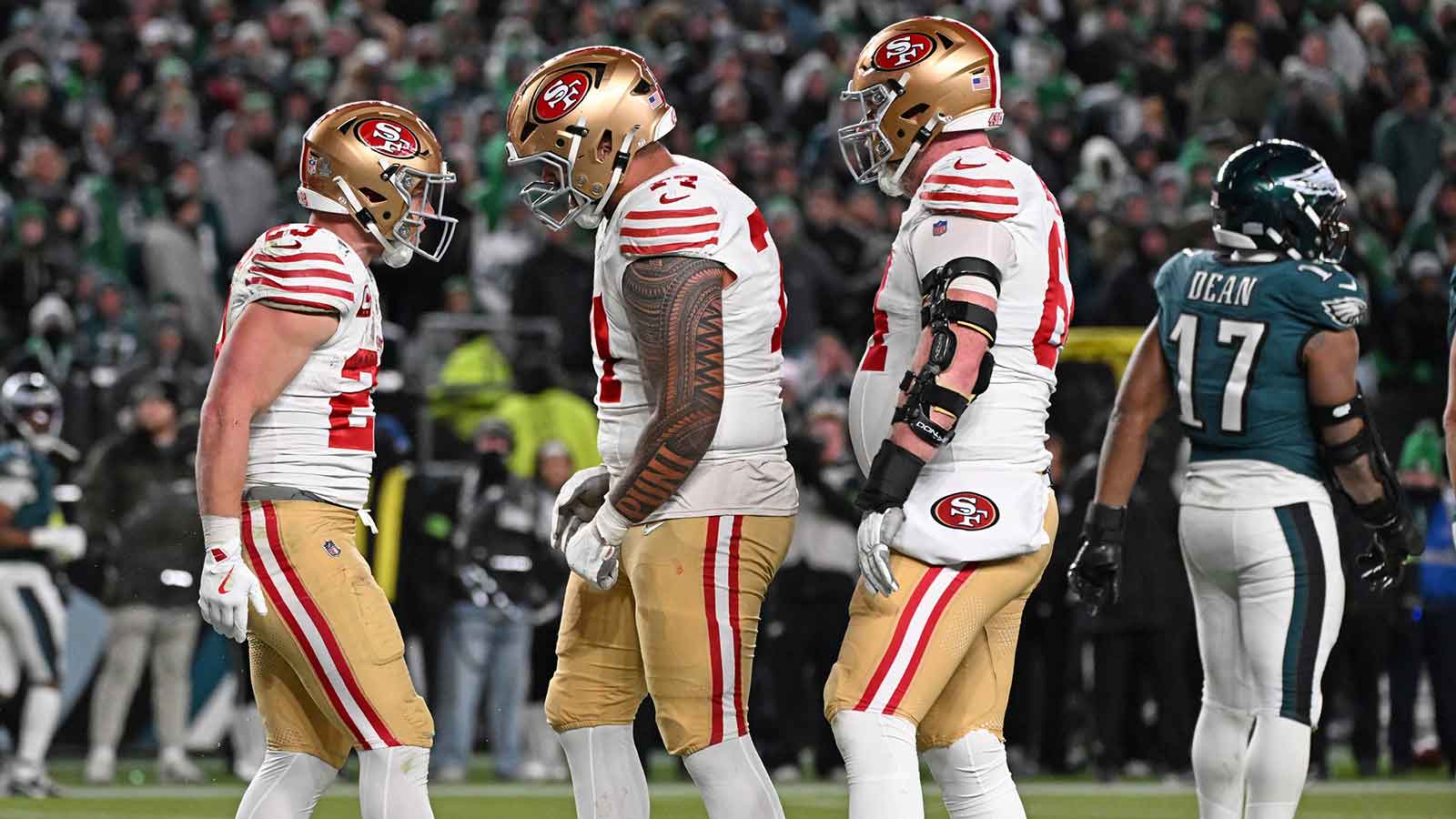
The campaign was headlined by Christian McCaffrey, who secured AP Comeback Player of the Year honors. The 49ers also managed a gritty 23-19 upset over the defending champion Eagles in the Wild Card round. However, their journey ended in a lopsided 41-6 Divisional Round loss to the Seattle Seahawks. That abrupt playoff exit crystallized how the front office must improve depth, retool the trenches, and prepare financially for Purdy’s long-term cap impact.
Roster needs, financial reality
Looking ahead to the 2026 NFL Free Agency period, the 49ers must transition from an aging veteran core to a sustainable roster built around Purdy’s skills and $265 million extension. The most glaring need is at wide receiver. With the likely departures of Brandon Aiyuk and Jauan Jennings, the offense suddenly lacks proven outside explosiveness and possession reliability. San Francisco must inject speed and vertical separation into its passing game.
Defensively, the secondary demands urgent reinforcement. They did rank in the bottom third of the league in passer rating allowed in 2025. Meanwhile, the defensive line interior remains underfunded relative to the edge investment anchored by Nick Bosa.
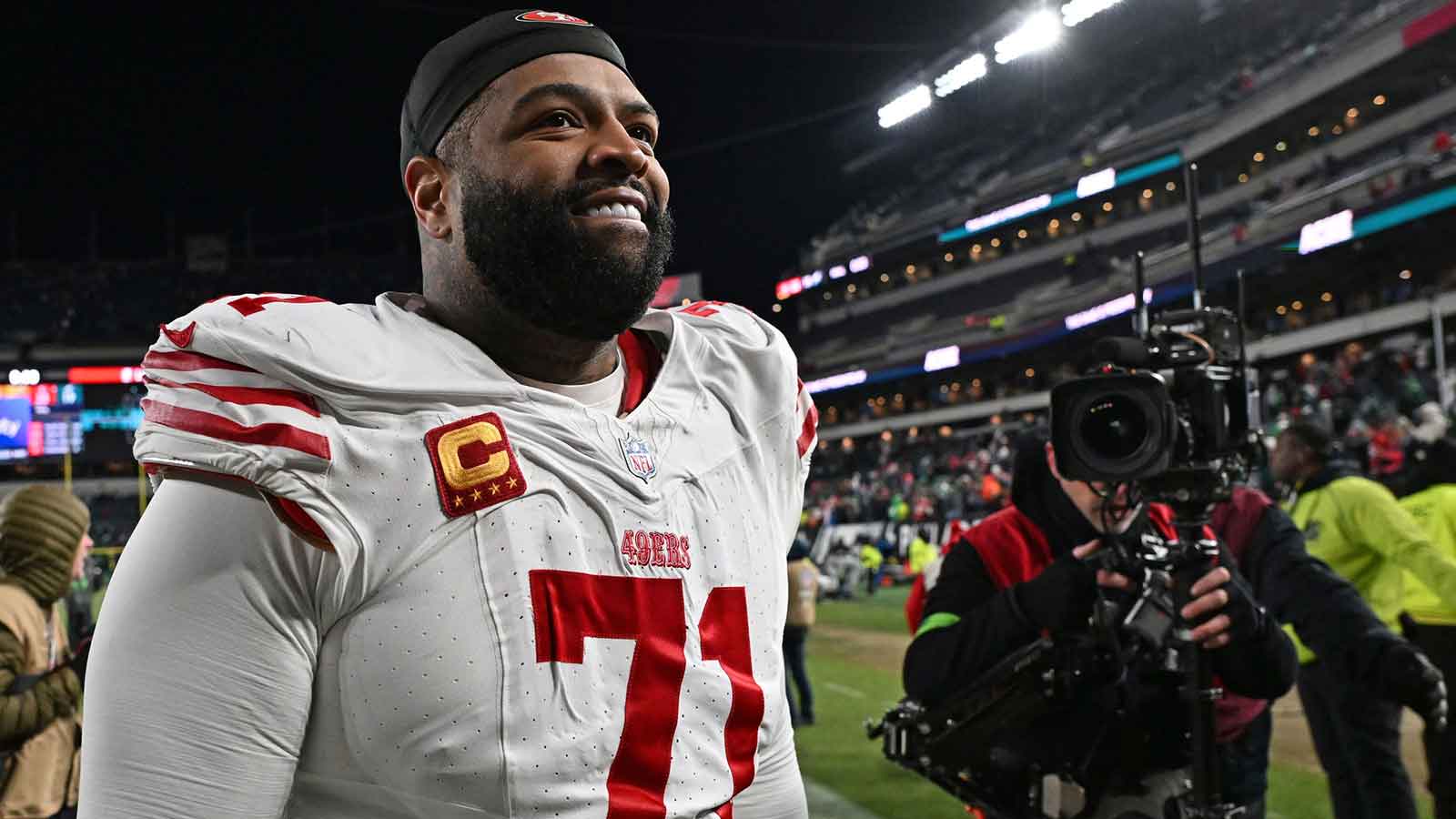
Also, looming quietly over everything is the offensive line’s future. Trent Williams enters his age-38 season. Finding his successor is all about franchise insurance.
Against that backdrop, cap allocation becomes surgical. That brings us to the toughest calls.
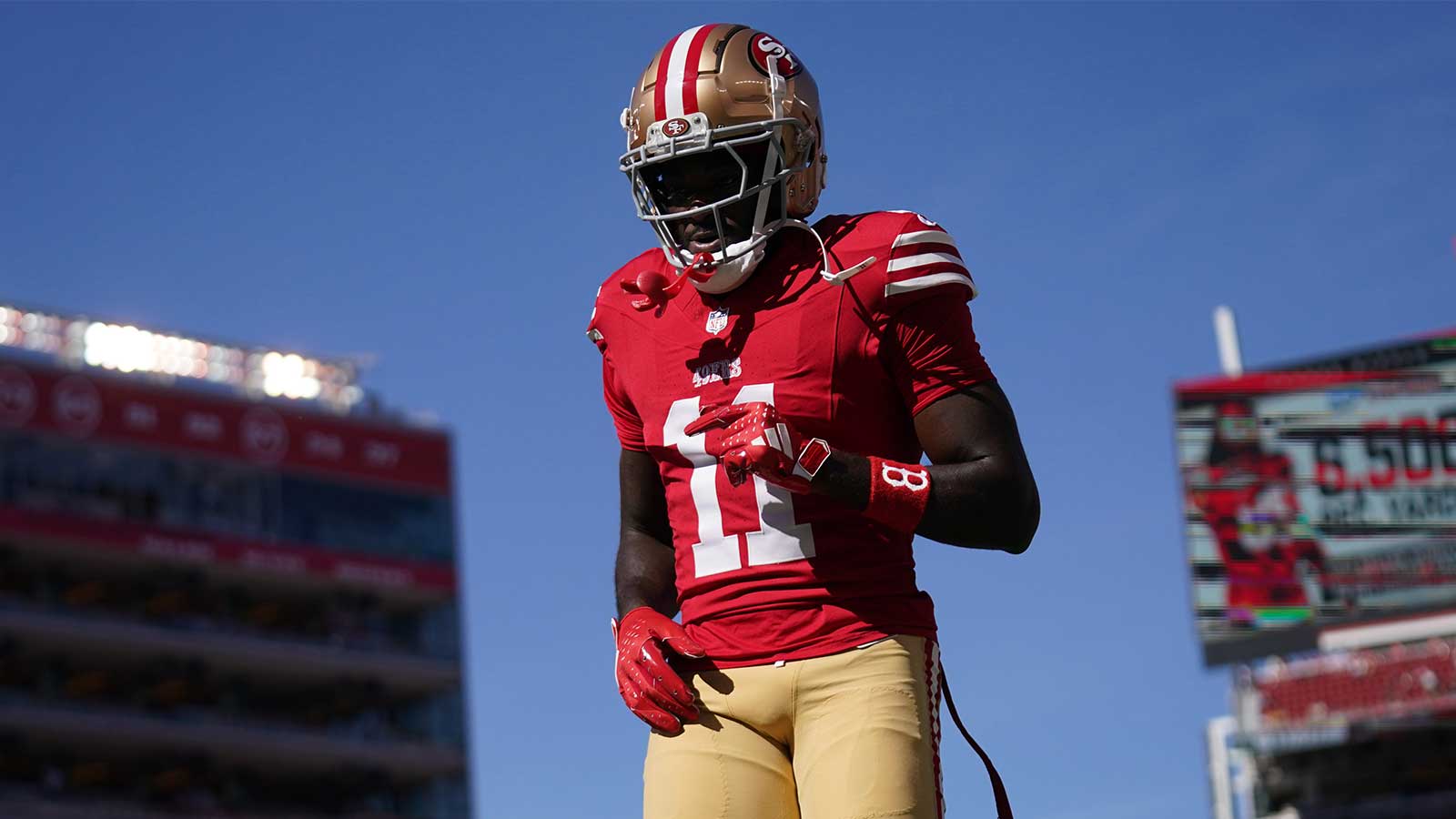
WR Brandon Aiyuk
This is the elephant in the room.
Brandon Aiyuk’s situation has hovered over the organization since his contractual tensions escalated. Reports of communication breakdowns with the front office signaled a fractured relationship that never fully healed during the 2025 campaign.
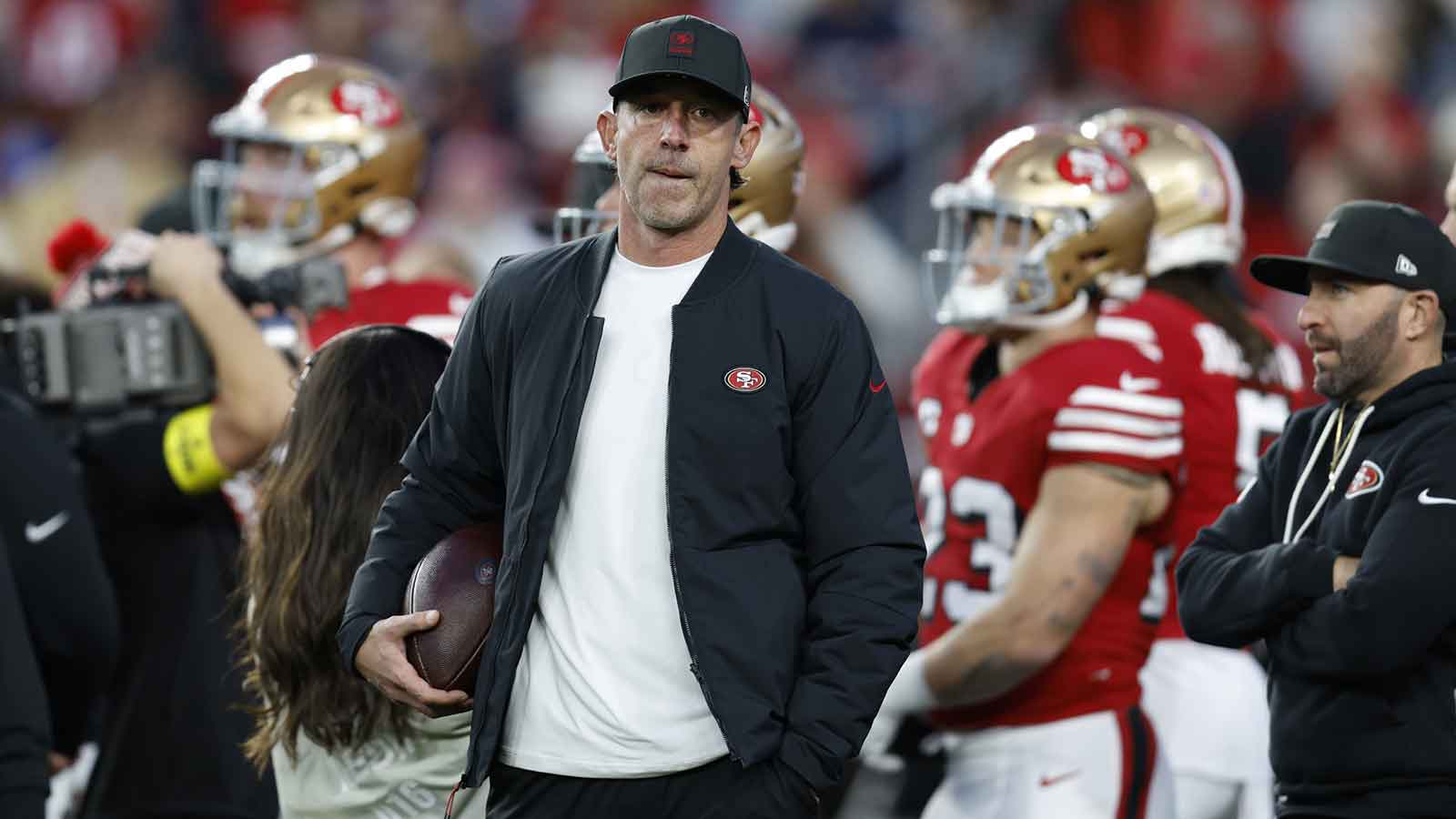
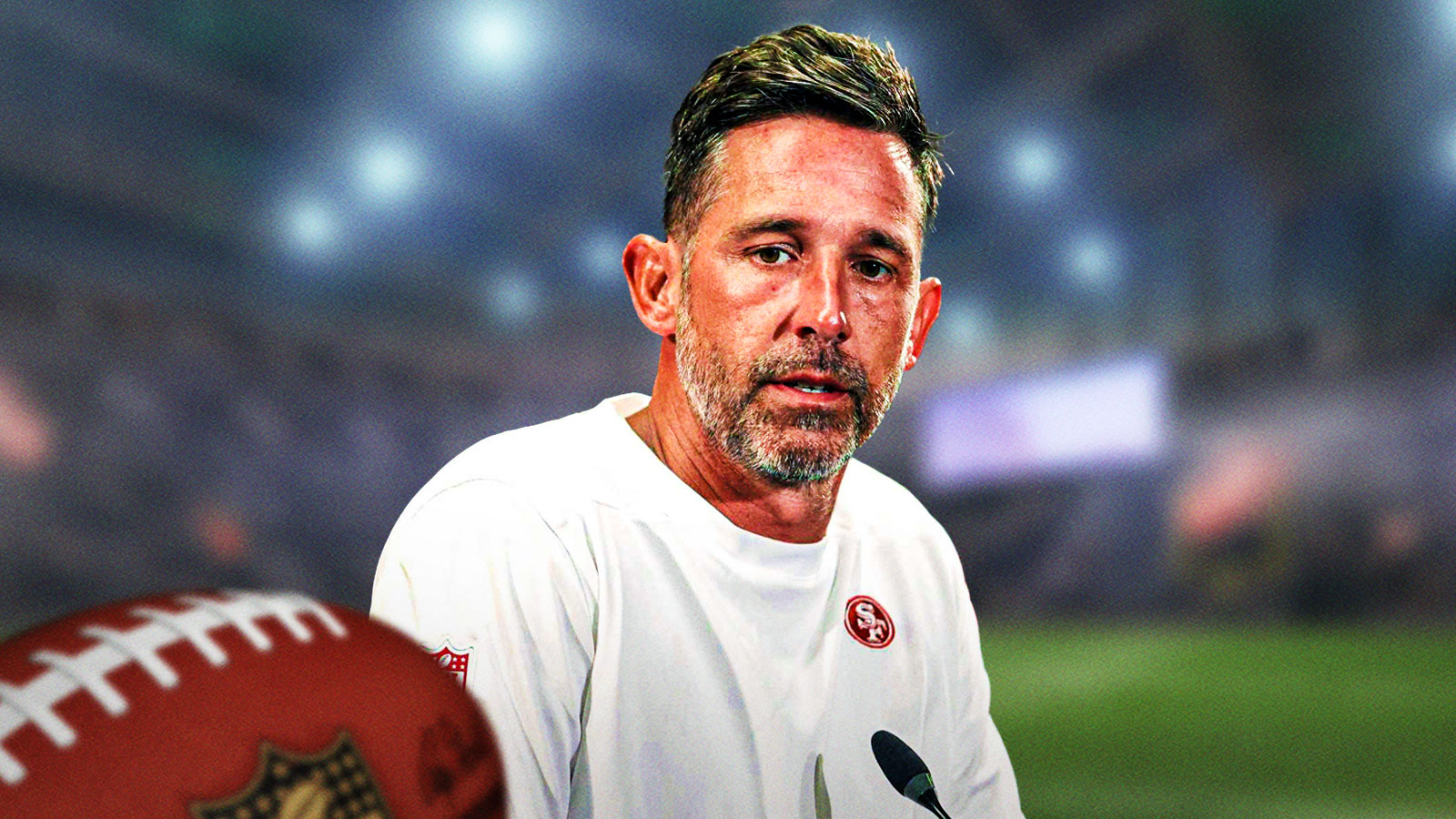
On the field, Aiyuk remained productive when healthy. However, availability and alignment matter as much as output. For Kyle Shanahan, offensive cohesion is built on trust, timing, and locker-room equilibrium. Retaining a disgruntled WR1 risks destabilizing that ecosystem.
Financially, moving on provides clarity. Even with dead cap implications, a post-June 1 maneuver offers breathing room. It also allows the franchise to reset its receiver hierarchy.
San Francisco’s path forward likely involves redistributing targets across younger options. They can also pursue a vertical field-stretcher via the draft or mid-tier free agency. The goal is diversifying the room economically and stylistically.
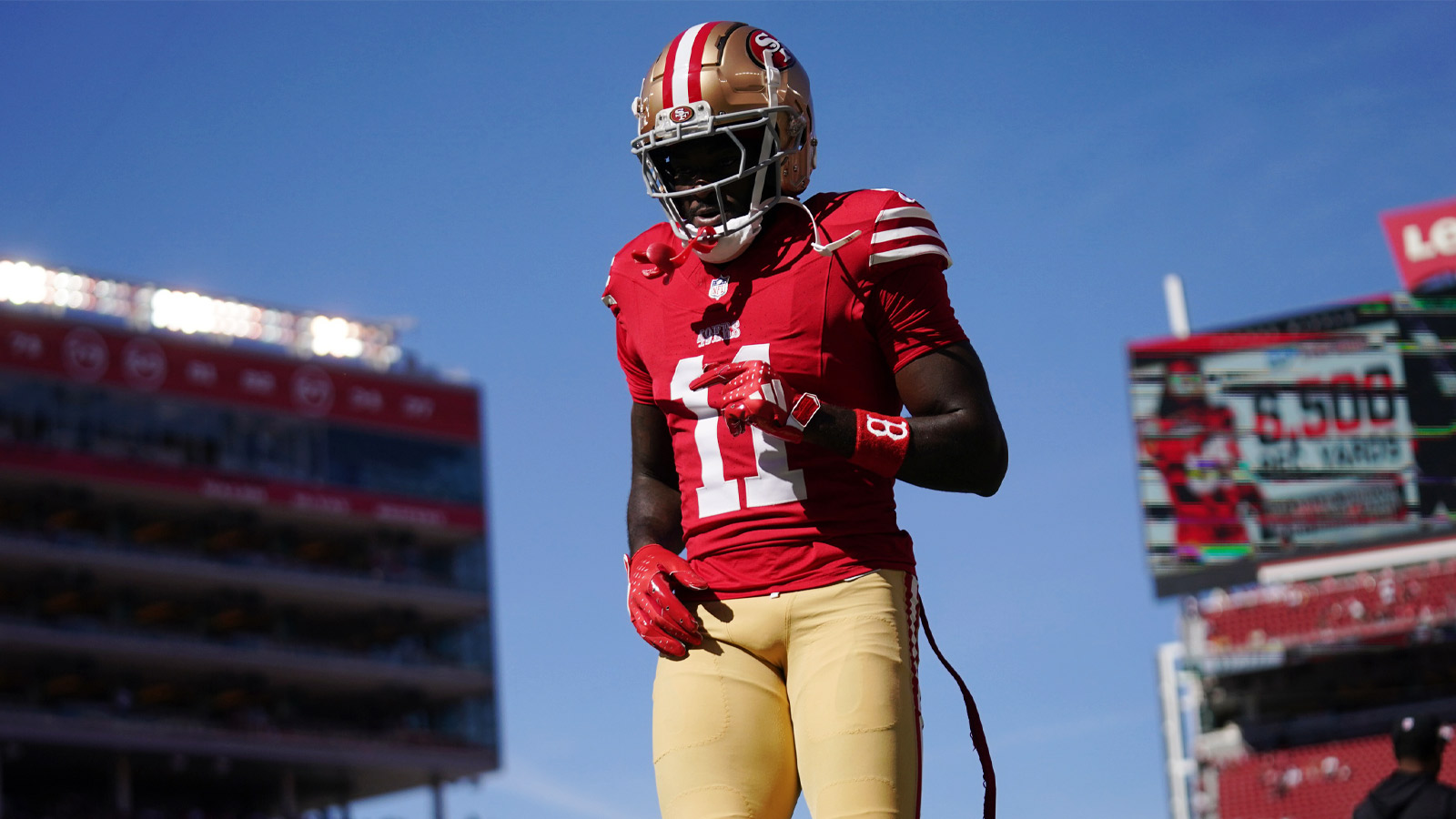
WR Jauan Jennings
Few players embodied the 49ers’ physical offensive identity more than Jauan Jennings. “Third and Jauan” was a situational game plan. His blocking tenacity, contested-catch reliability, and red-zone toughness made him a quarterback’s security blanket. That said, timing is everything in roster economics.
Jennings is coming off a nine-touchdown 2025 season that significantly boosted his market value. At 28, he’s positioned to command a multi-year deal reflective of a high-end WR3 or low-tier WR2. For cap-flush teams, that’s reasonable. For the 49ers, it’s problematic.
Purdy, Bosa, and Fred Warner already consume premium cap space. Future extensions also loom. As such, San Francisco cannot afford to allocate mid-tier starter money to a role-specific receiver archetype.
Jennings’ skill set remains valuable, but replicable. Shanahan’s system has historically manufactured production from mid-round receivers. Developing a younger, cheaper successor aligns better with the team’s evolving cap structure. Letting Jennings is a painful but fiscally responsible roster management move.
EDGE Yetur Gross-Matos
When the 49ers added Yetur Gross-Matos, the objective was depth stabilization along the defensive front. In that role, he delivered solid rotational snaps and occasional interior flexibility. Still, as he approaches free agency, the cost-benefit equation shifts.
Gross-Matos projects near the $9 million annual range on the open market. That figure demands more than rotational utility. The 49ers, however, need specialized pass-rush juice opposite Bosa, not just structural reinforcement. San Francisco’s playoff loss to Seattle exposed that deficiency.
Investing premium rotational money into Gross-Matos limits the team’s ability to pursue a true speed rusher or disruptive interior penetrator. With younger defensive line talent developing internally, reallocating those funds toward a higher-impact pass-rush profile becomes the smarter strategic play. Of course, Gross-Matos isn’t a liability on the field. He’s simply misaligned with evolving roster priorities.
Necessary departures
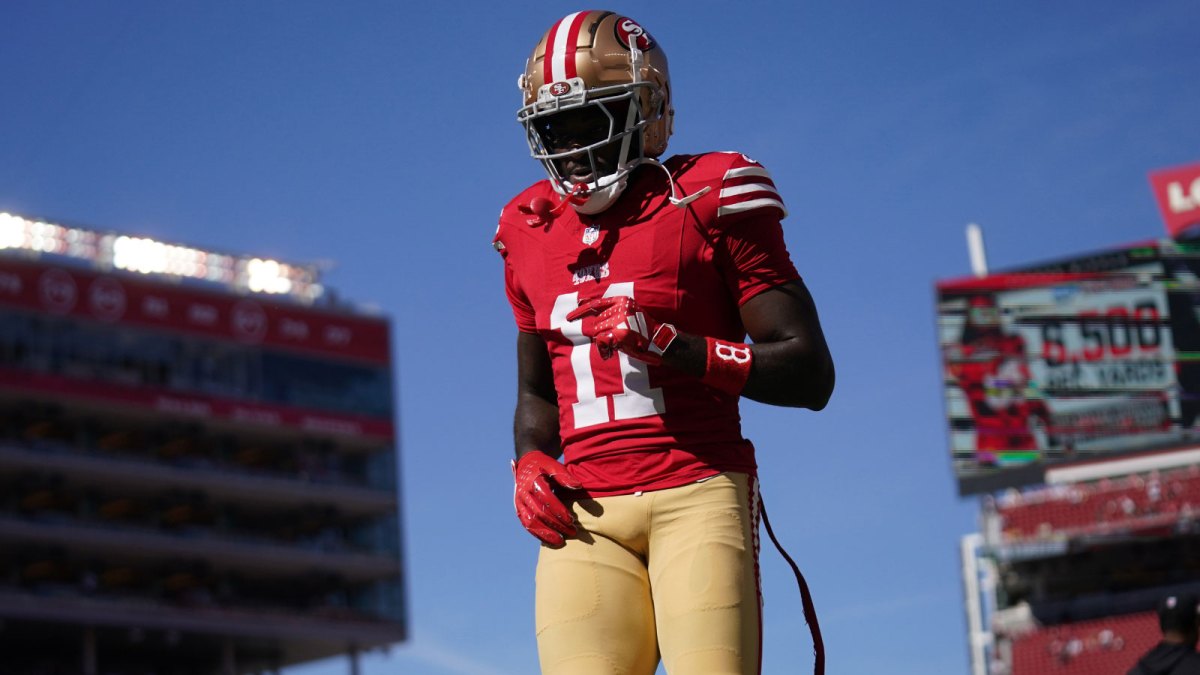
If the 49ers ultimately allow Brandon Aiyuk, Jauan Jennings, and Yetur Gross-Matos to depart, the narrative shouldn’t be framed as regression. It should be viewed as recalibration. Each exit creates cap elasticity. Each accelerates roster youth infusion and aligns the franchise more tightly around Purdy.
The 49ers are not closing the Super Bowl window. They are just restructuring it by trimming financial weight to keep the championship frame intact. Right now, sustaining contention isn’t about keeping everyone. It’s about knowing exactly who you can’t afford to keep and having the discipline to act on it.