
Tampa Bay Buccaneers have reached the point where sentiment collides with sustainability. After years of threading the needle between veteran leadership and youth development, Tampa Bay must now confront the hard truth that its competitive window is narrowing in ways that demand decisiveness.
The Buccaneers are no longer one or two tweaks away from contention. They are in the midst of a recalibration that cannot happen if cap resources are tied up in aging or declining contracts. Letting productive, beloved players walk in the NFL offseason is never easy. Championship organizations, though, survive by choosing timing over nostalgia. Three free agents, in particular, embody that dilemma for Tampa Bay.
Injuries and lost momentum

The 2025 Buccaneers season was defined by a blistering start and a late-season collapse. Tampa Bay looked like an NFC heavyweight early. They raced to a 6-2 start that included statement wins over the Seahawks and 49ers. At that point, the offense looked explosive, the defense opportunistic, and the division once again within reach.
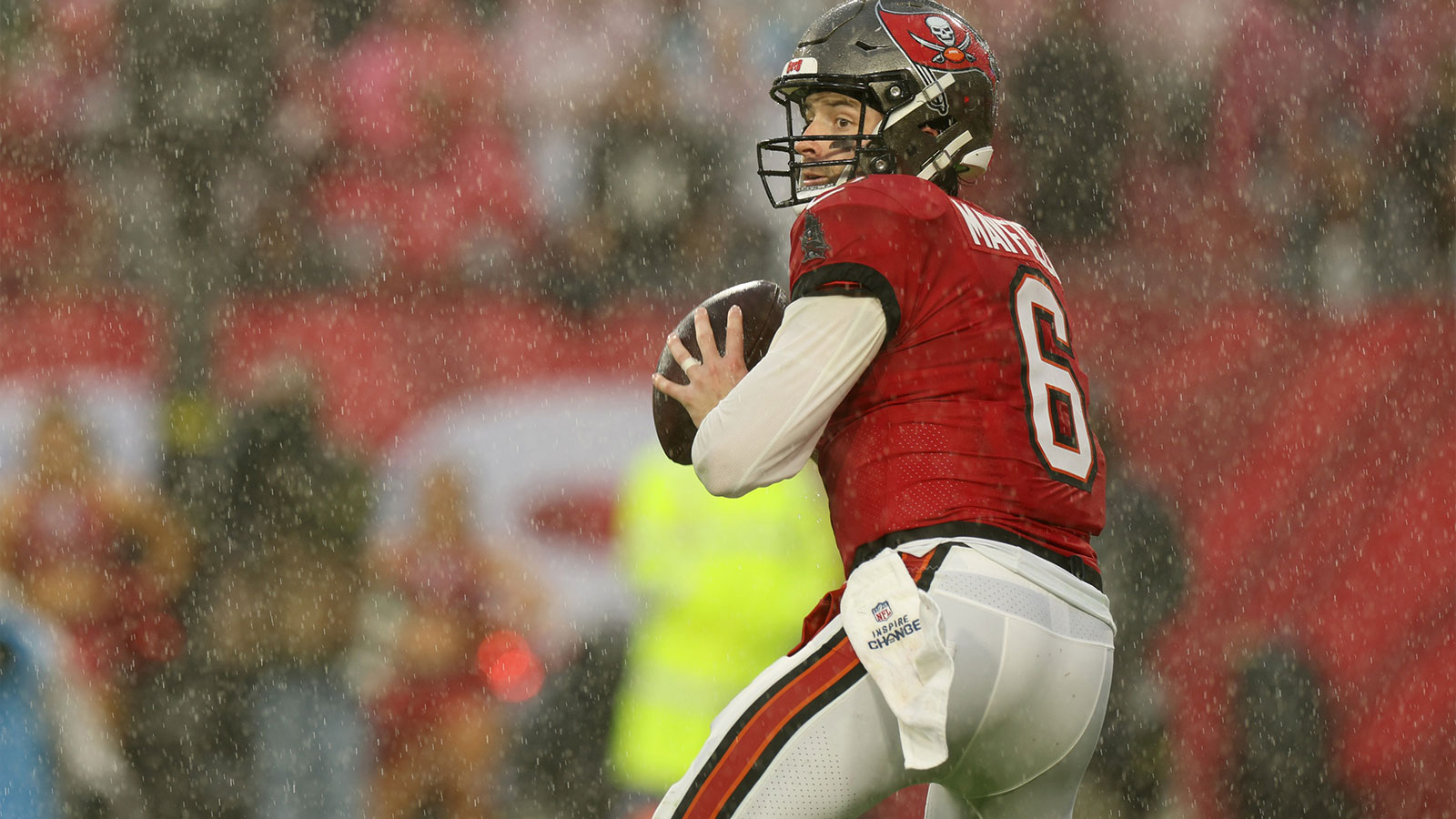
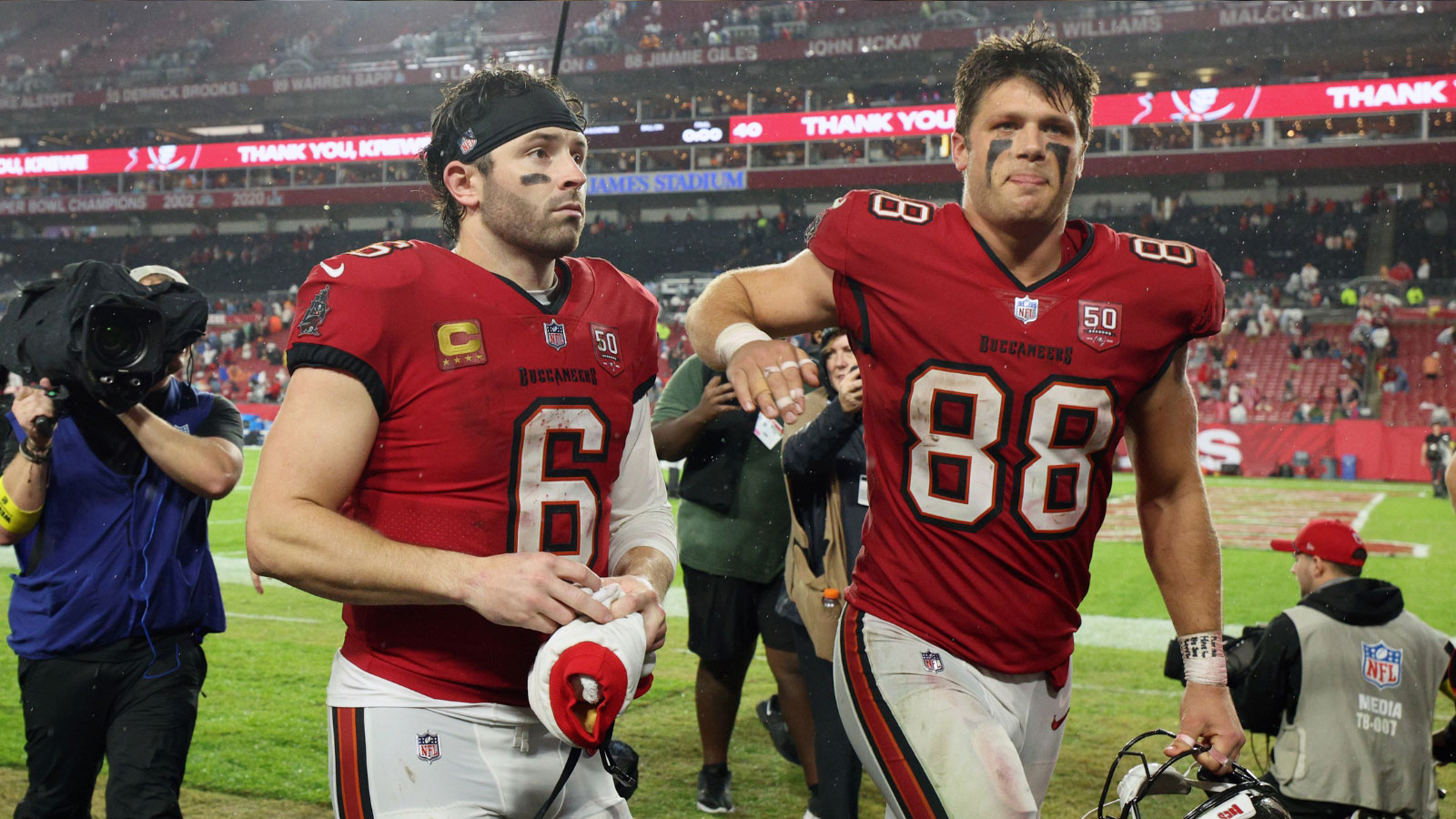
Everything changed after the Week 9 bye. Injuries gutted the roster, sidelining foundational stars. Mike Evans missed nine games due to a broken clavicle and lingering hamstring issues. Chris Godwin and Bucky Irving were also in and out of the lineup. Baker Mayfield admirably started all 17 games despite a shoulder injury. Emeka Egbuka emerged as the team’s leading receiver with 938 yards. However, the cumulative damage was too much. The Buccaneers lost seven of their final nine games. They missed the playoffs after a three-way tiebreaker with the Panthers and Saints.
Defensive reinvention
Heading into the 2026 free agency period, Tampa Bay’s priorities are unforgiving. The defense, particularly in the front seven, showed its age and lack of explosiveness. Finding a high-impact edge rusher to complement Yaya Diaby sits at the top of the list. That's especially true after Haason Reddick failed to provide consistent disruption.
Linebacker is another looming concern. Lavonte David’s potential retirement threatens to leave a leadership and coverage void. The secondary also requires careful planning, with Jamel Dean entering free agency and Antoine Winfield Jr already carrying a massive cap number. Offensively, Tampa Bay must secure interior offensive line depth to protect Mayfield. They also need a veteran running back to complement Bucky Irving.
All of that requires cap flexibility, which makes certain departures unavoidable.
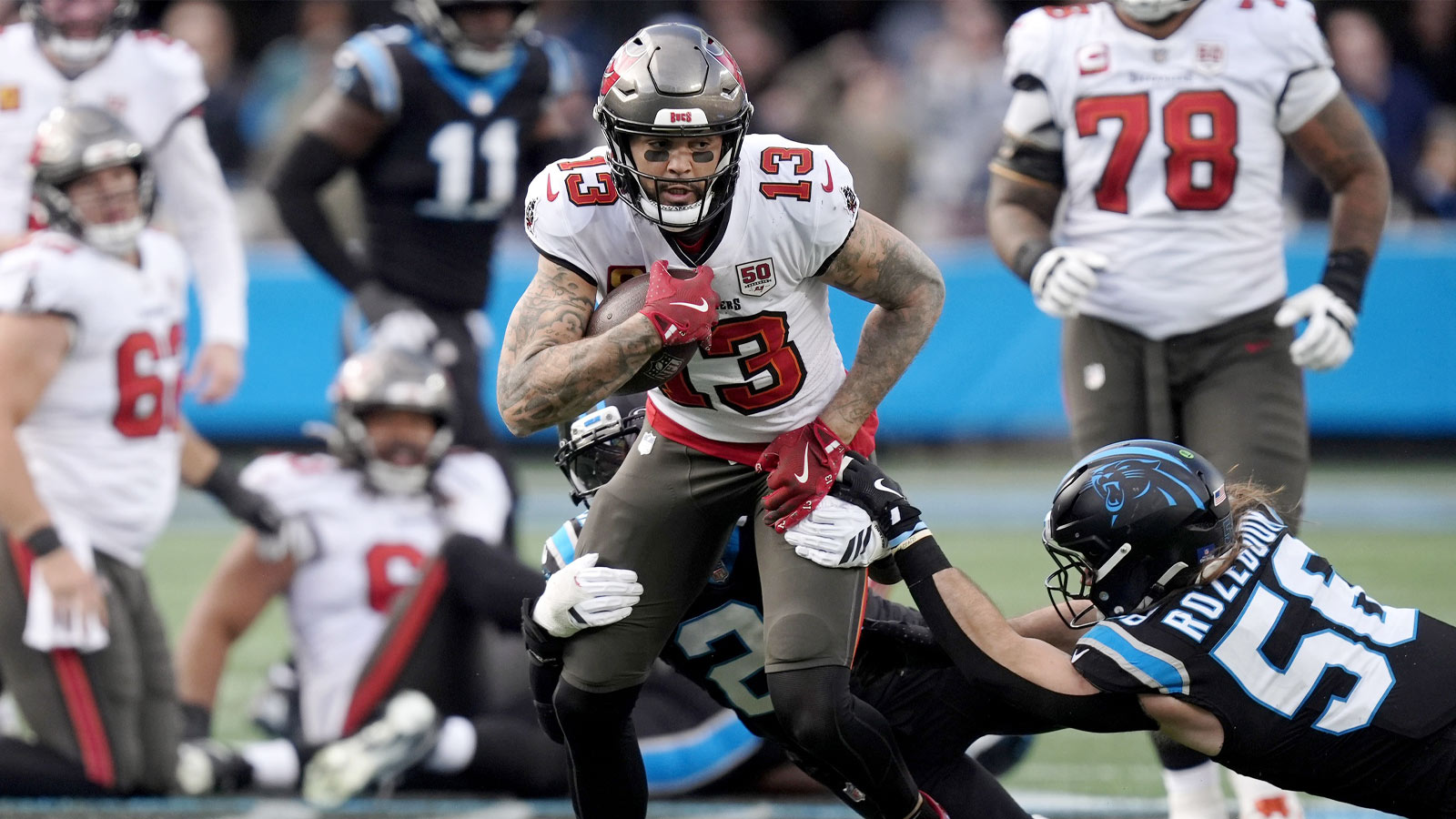
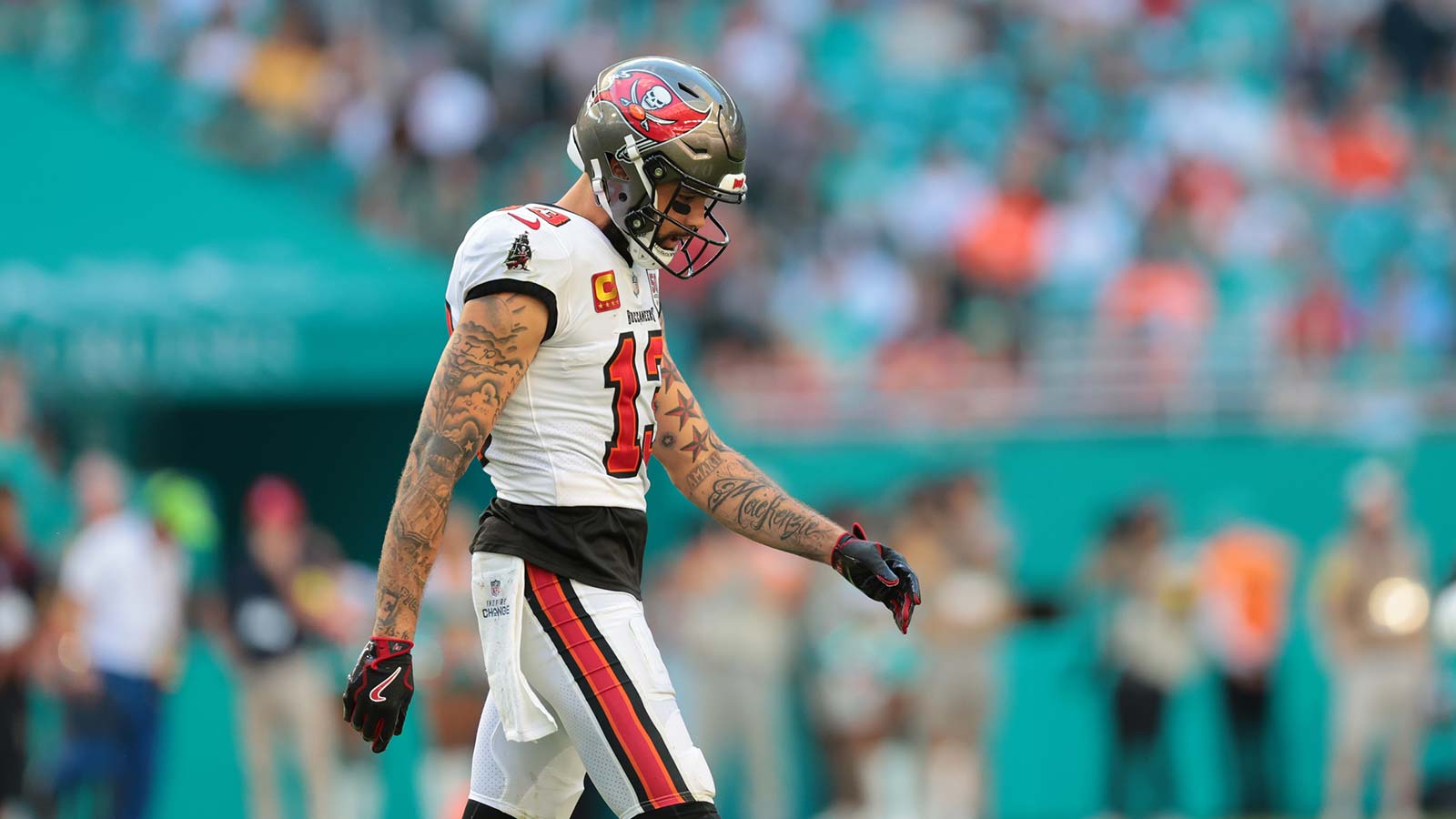
WR Mike Evans
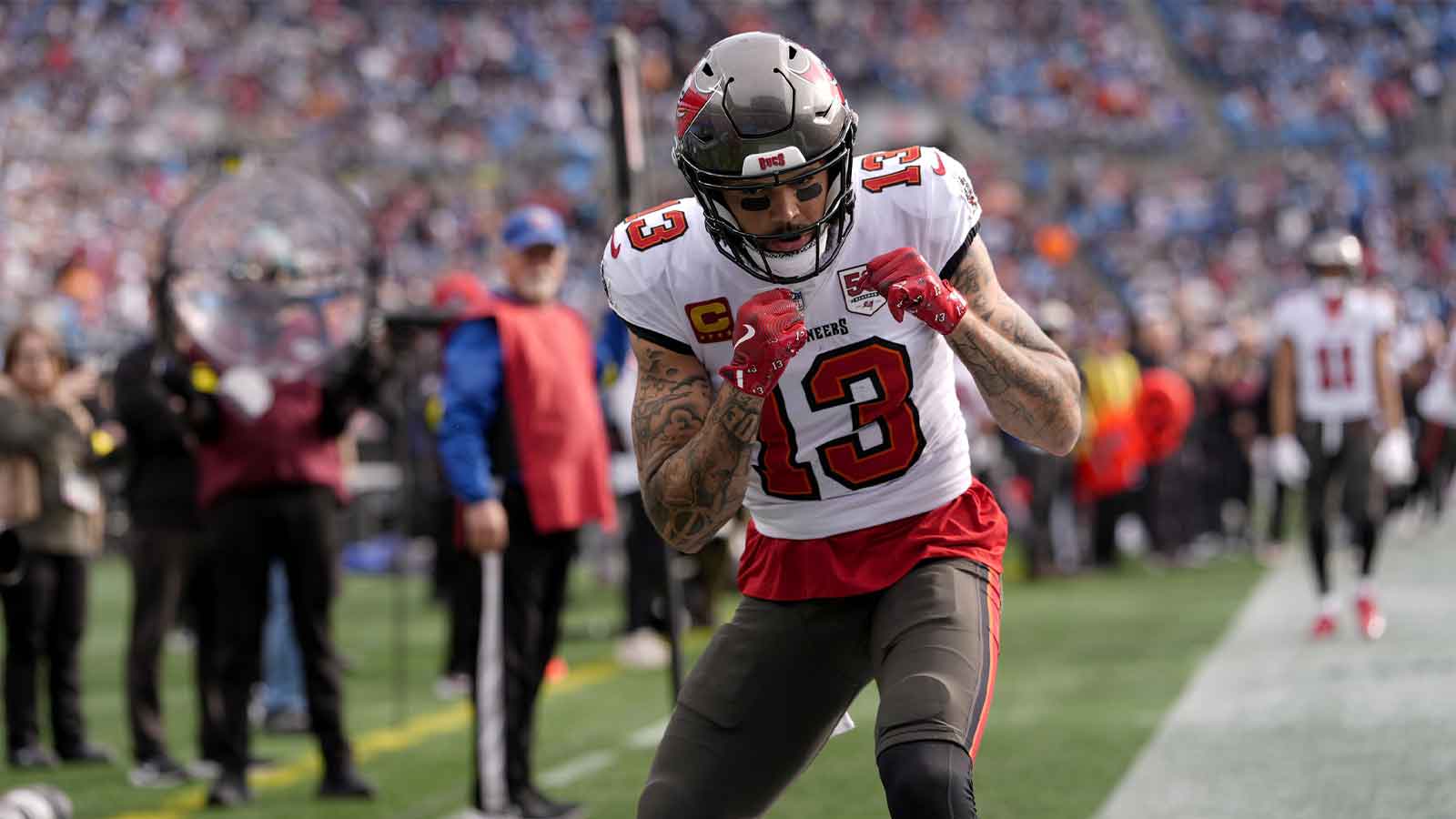
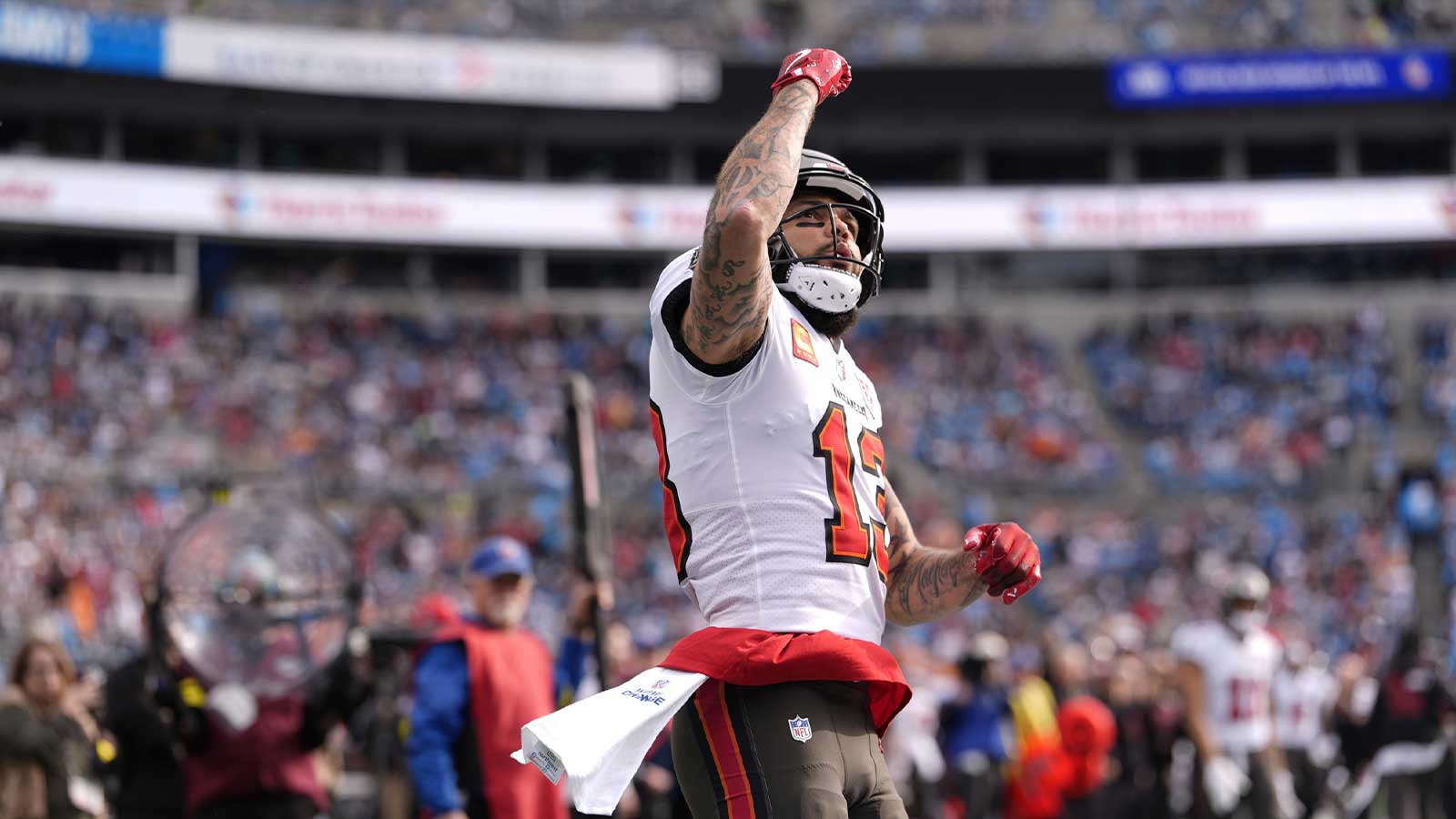
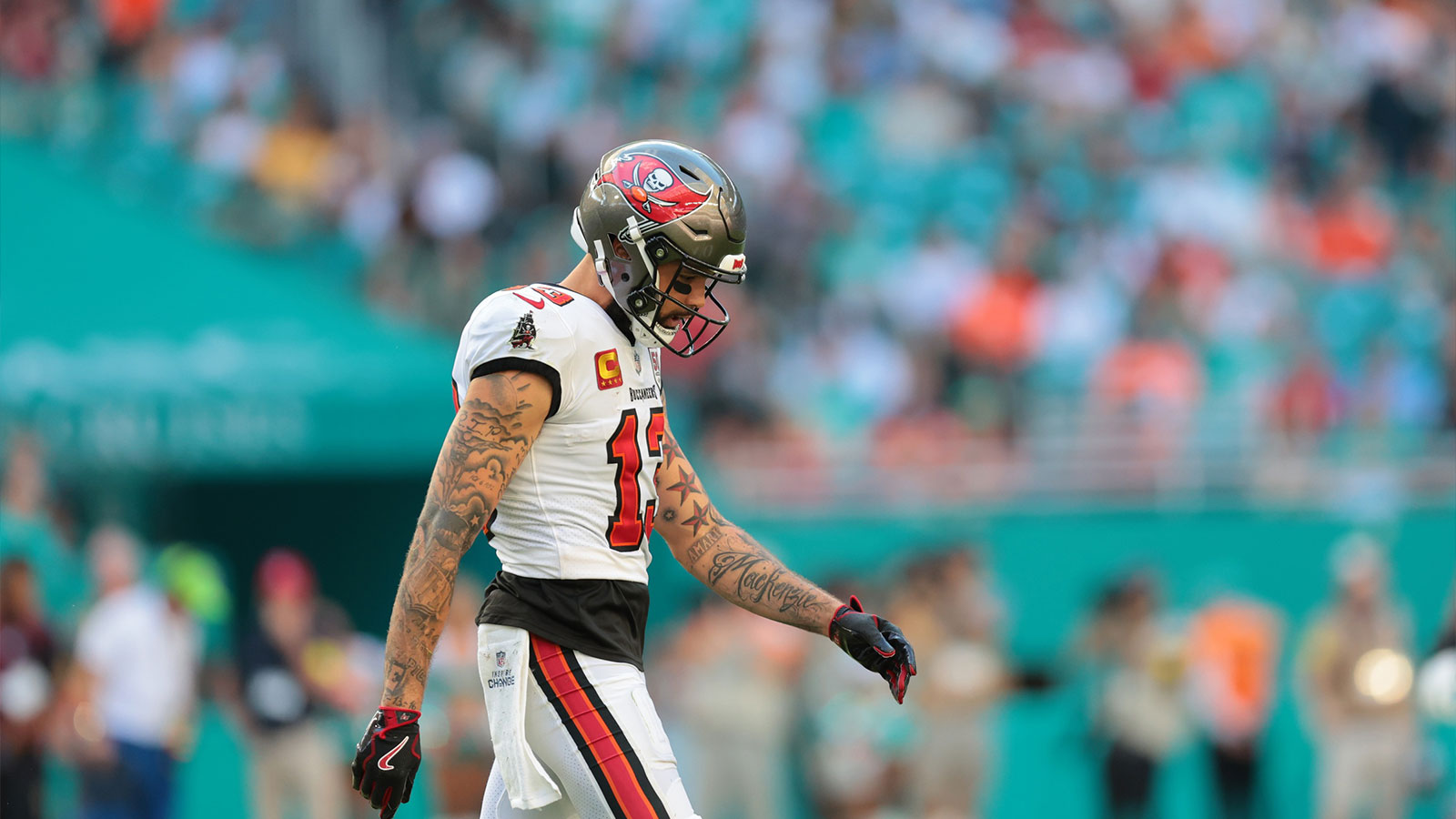
This is the decision that will hurt the most. Mike Evans has been the face of the Buccaneers for over a decade. He has been a model of consistency and professionalism. Still, football is merciless when age and injuries converge. Evans will be 33 entering the 2026 season. 2025 also marked the first time he failed to reach 1,000 receiving yards. The decline is already visible on film.
Evans has openly expressed interest in testing the market, too. There will be contenders eager to pay for his size and red-zone prowess. Tampa Bay, however, cannot afford a legacy contract when younger receivers like Jalen McMillan and Egbuka need expanded roles. Of couorse, letting Evans walk isn’t a dismissal of his legacy. It’s an acknowledgment that the next phase of Buccaneers football requires speed, availability, and financial discipline.
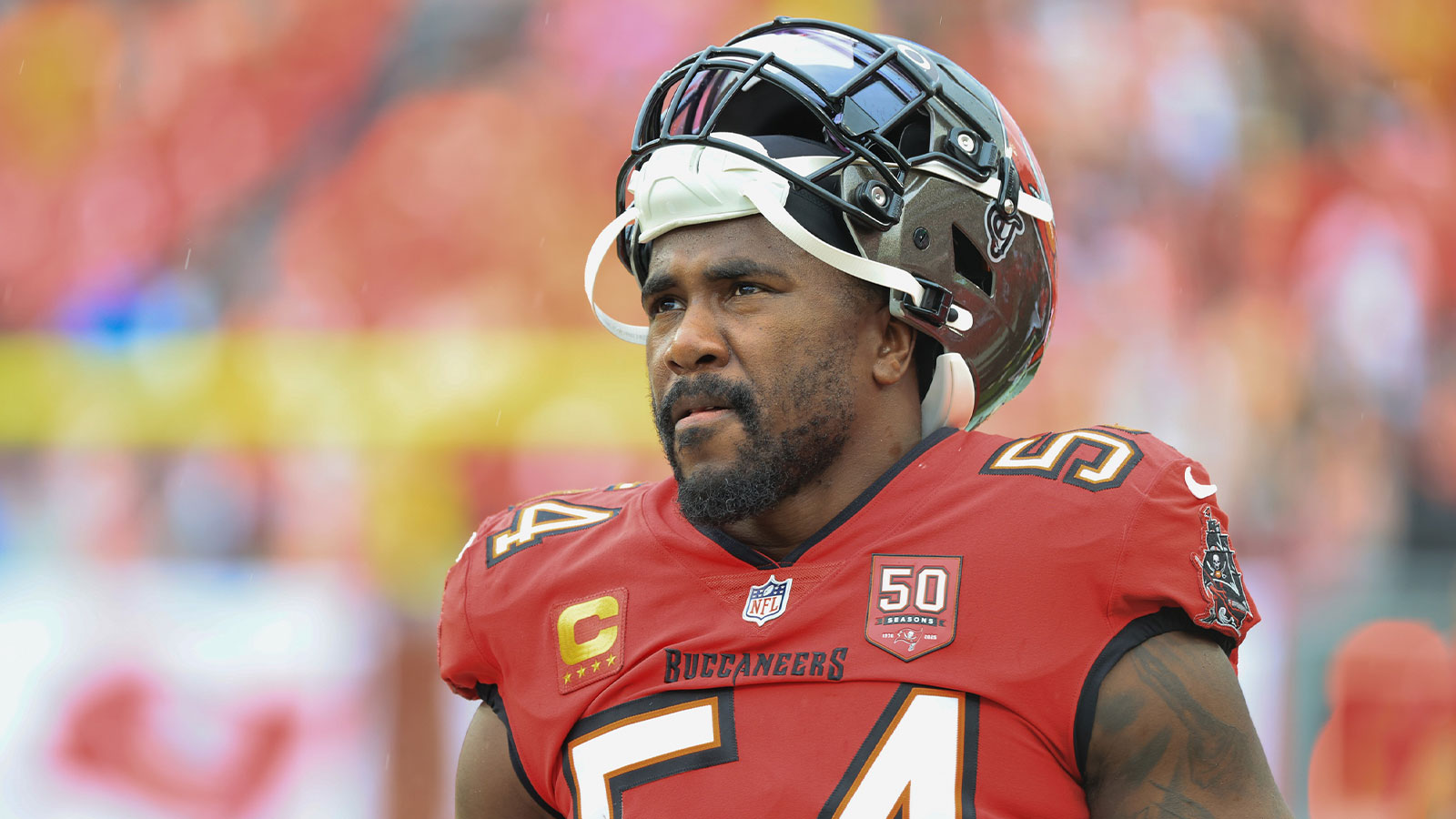
LB Haason Reddick
Reddick’s arrival was a calculated gamble. Tampa Bay hoped his veteran presence would elevate the pass rush and stabilize the defense. Yes, he provided occasional flashes. That said, the consistency never followed. Entering free agency at 31, Reddick’s market value is still buoyed by reputation, not recent impact.
That’s precisely why Tampa Bay must step aside. The Buccaneers have already committed to developing younger edge defenders. Reddick’s next contract is unlikely to align with his on-field trajectory. Spending valuable cap space on a declining veteran would limit Tampa Bay’s ability to address linebacker, cornerback, and offensive line depth.
CB Jamel Dean
Jamel Dean has been a foundational piece of Tampa Bay’s secondary. His 2025 interception total underscores his playmaking ability. However, availability remains a concern. Nagging injuries have been a recurring theme. By 2026, Dean will be approaching 29, which is an age where corners often begin to decline.
The Buccaneers must also consider the financial context. Winfield's $27 million cap hit already anchors the defensive backfield. Carrying two elite salaries at defensive back is a luxury Tampa Bay cannot afford. Dean will command top-tier cornerback money on the open market. Tampa Bay’s smartest move is reallocating resources toward pass rush and linebacker stability.
Painful but necessary

Letting Mike Evans, Haason Reddick, and Jamel Dean walk would represent the emotional and symbolic end of a Buccaneers era. That said, clinging to the past rarely builds the future. Nostalgia is not a strategy. Tampa Bay’s path back to contention depends on flexibility, youth development, and targeted aggression. Championship teams don’t just know when to add talent. They also know when to walk away.