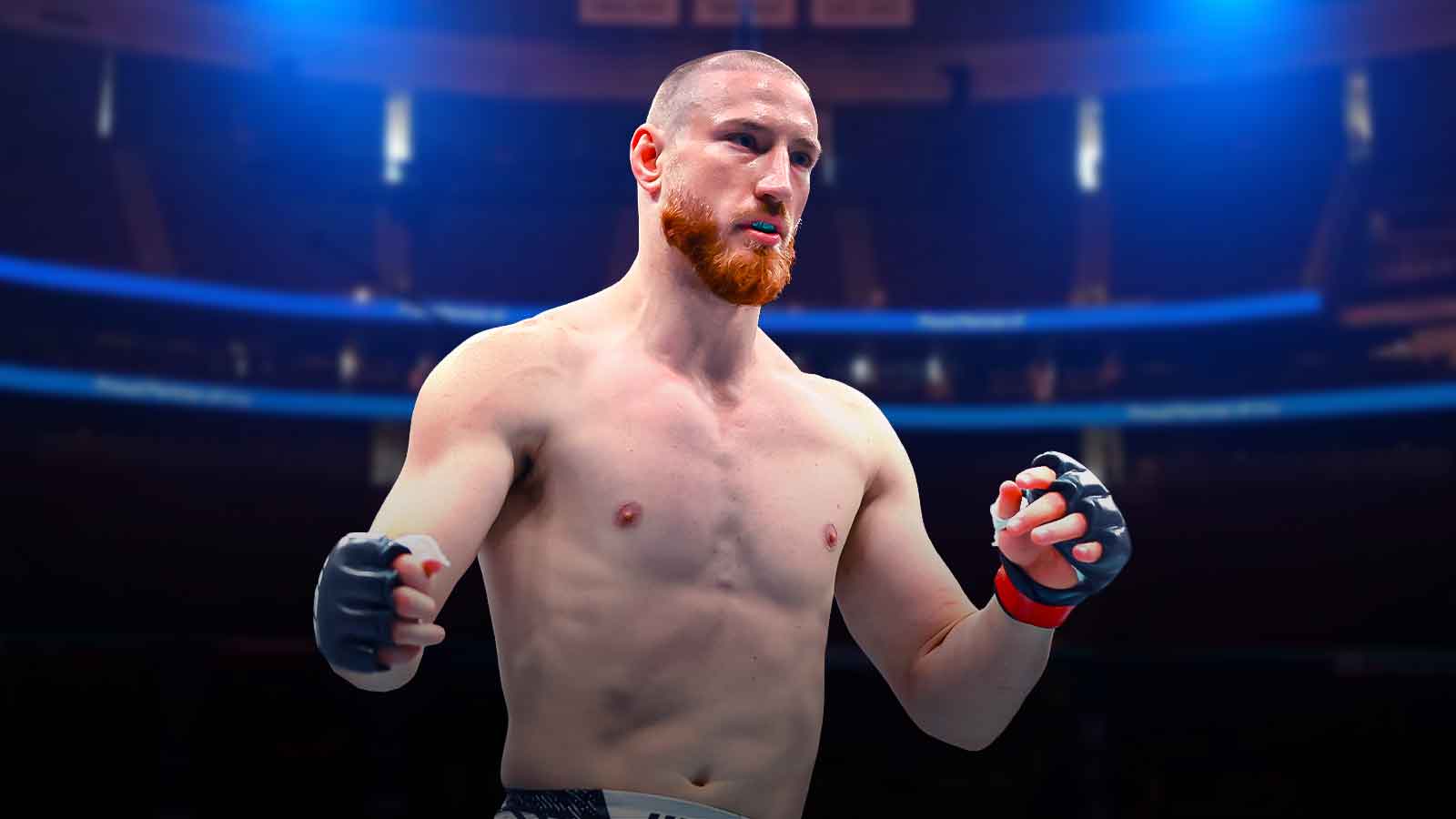
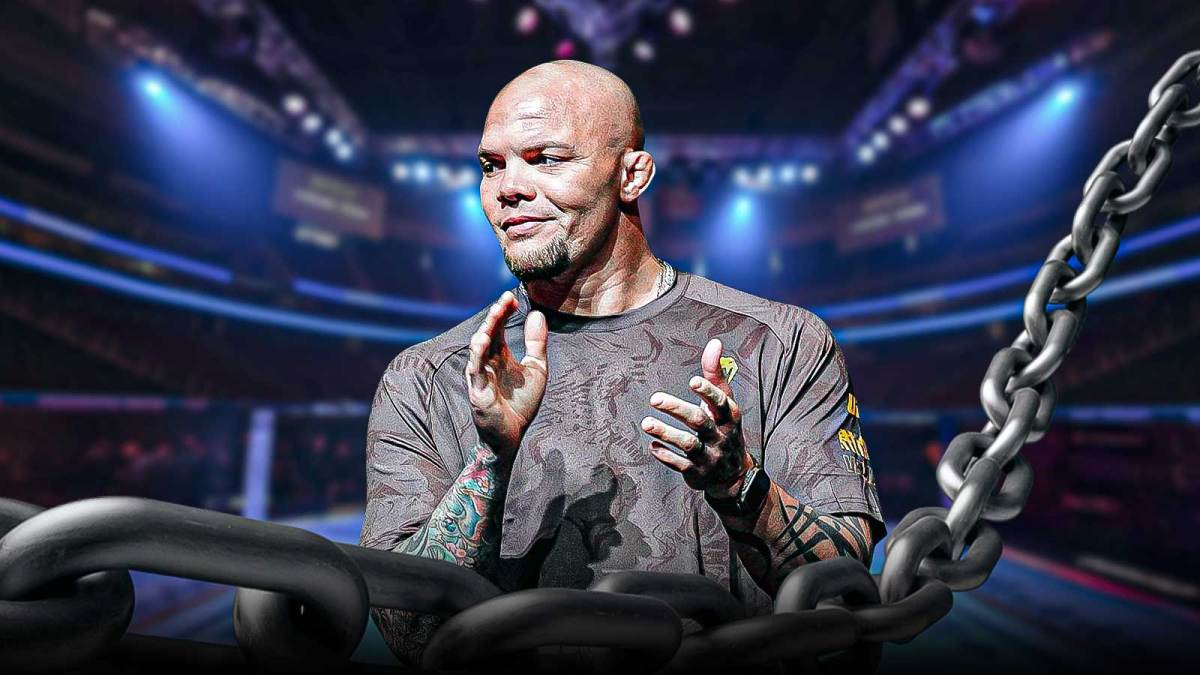
The longtime UFC veteran and former light heavyweight title challenger will end his retirement to compete in the 16-man Gamebred Bareknuckle MMA tournament, a format designed to blend MMA’s full range of grappling and submissions, just with bare knuckles. For Smith, it’s a sharp pivot: from the bright lights of the Octagon to a bracket built for fast finishes, heavy damage, and little margin for error.
Anthony Smith will end retirement to compete in the 16-man Gamebred Bareknuckle MMA tournament.
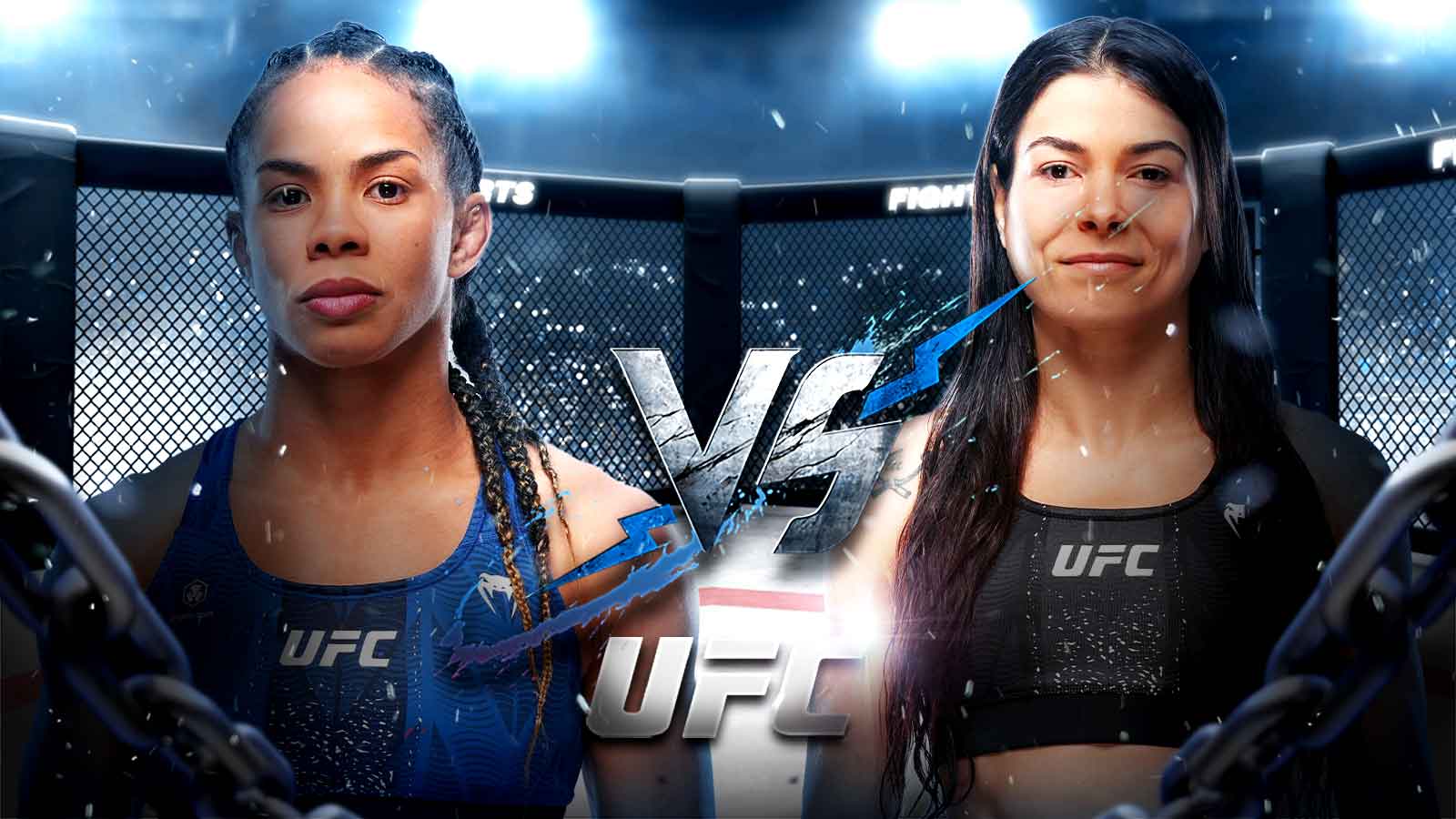
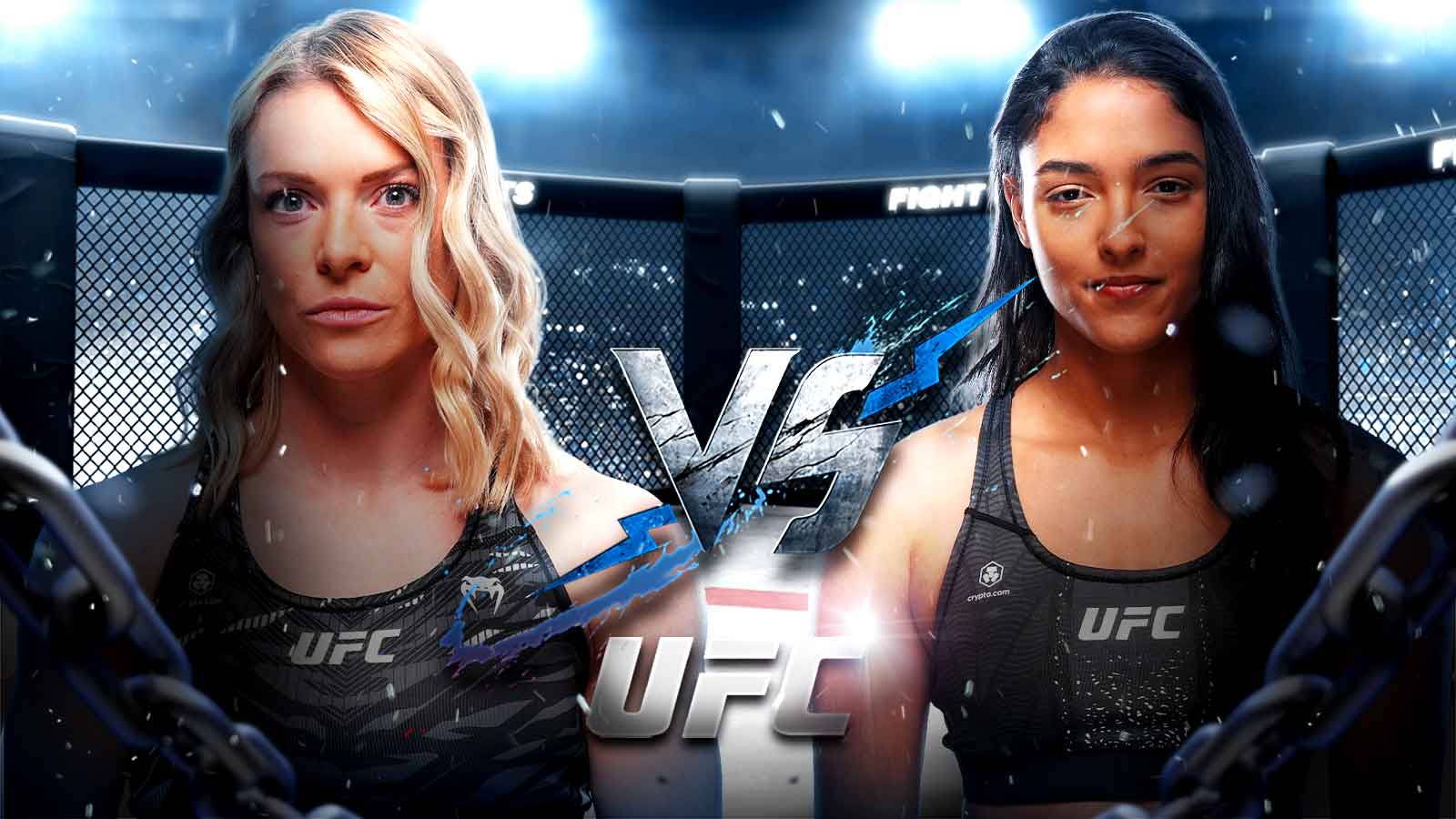
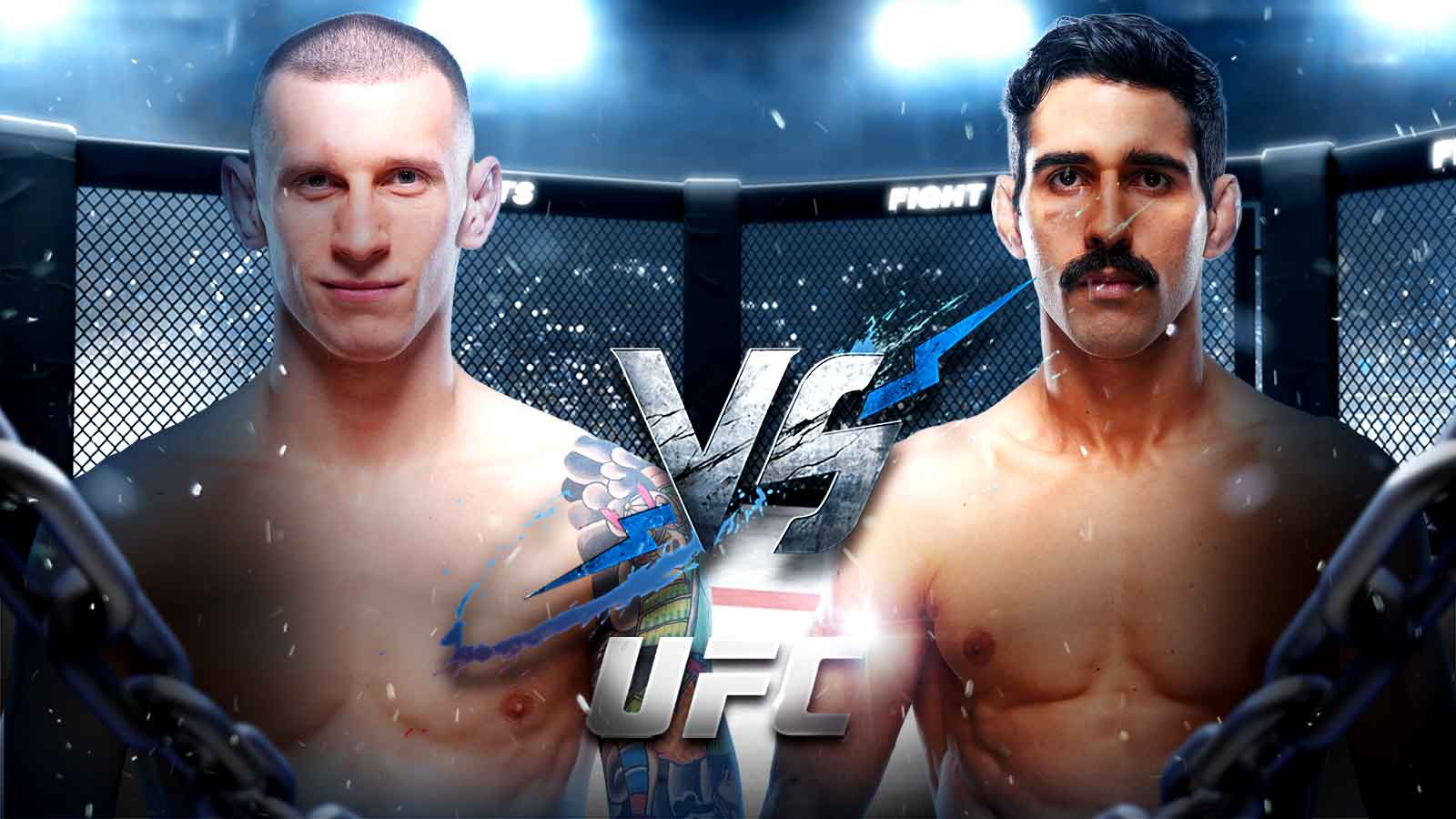
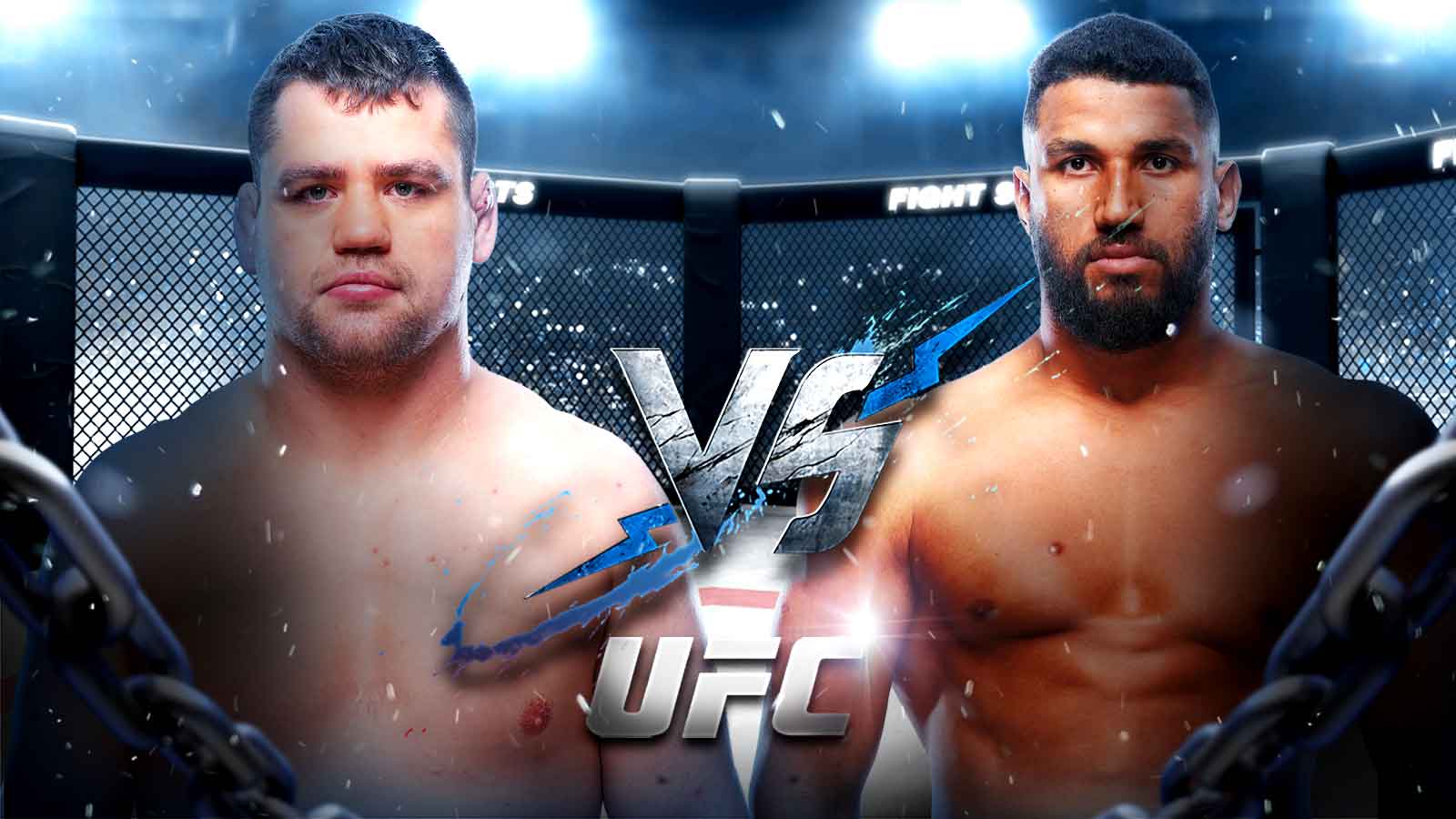
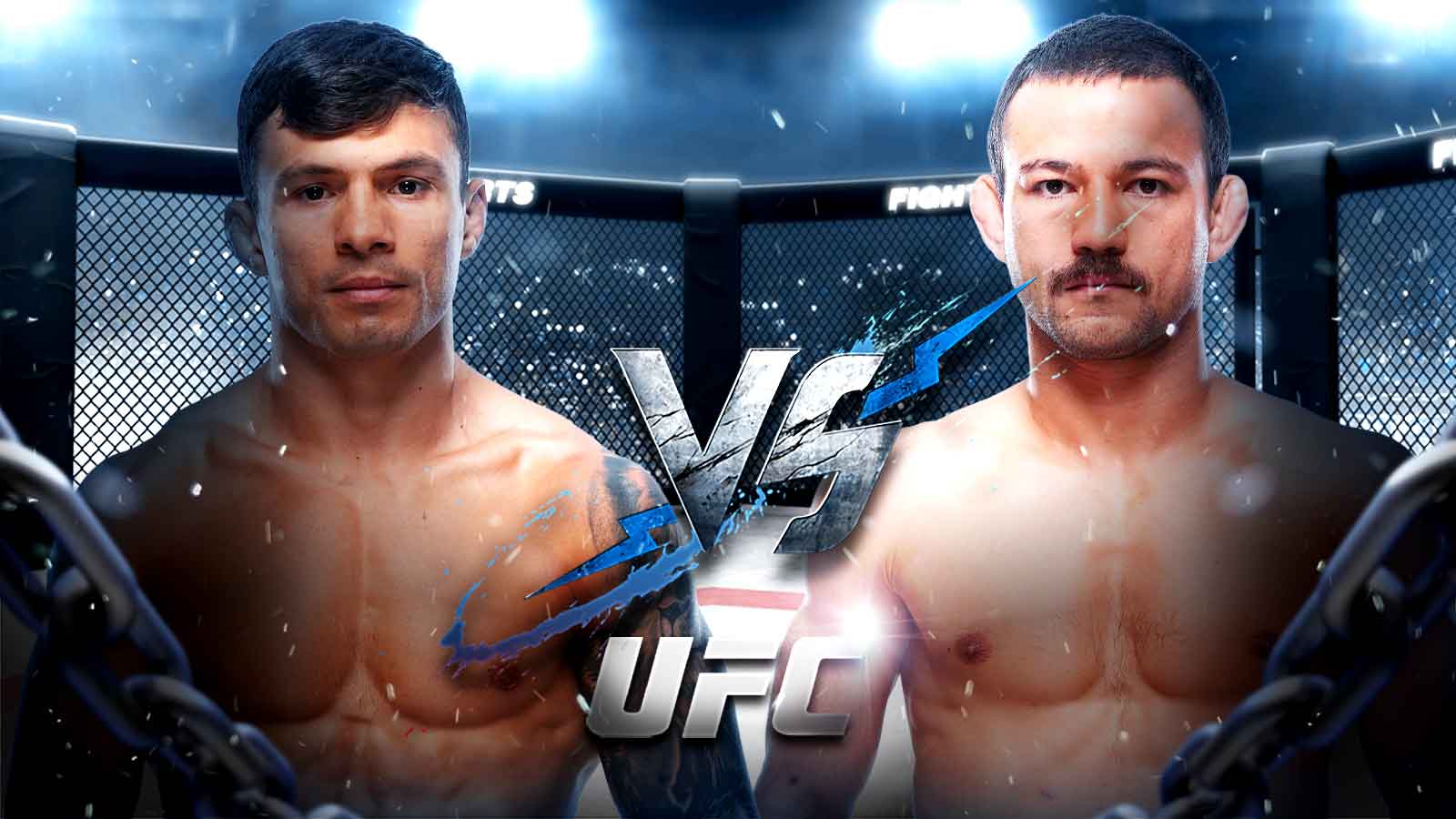
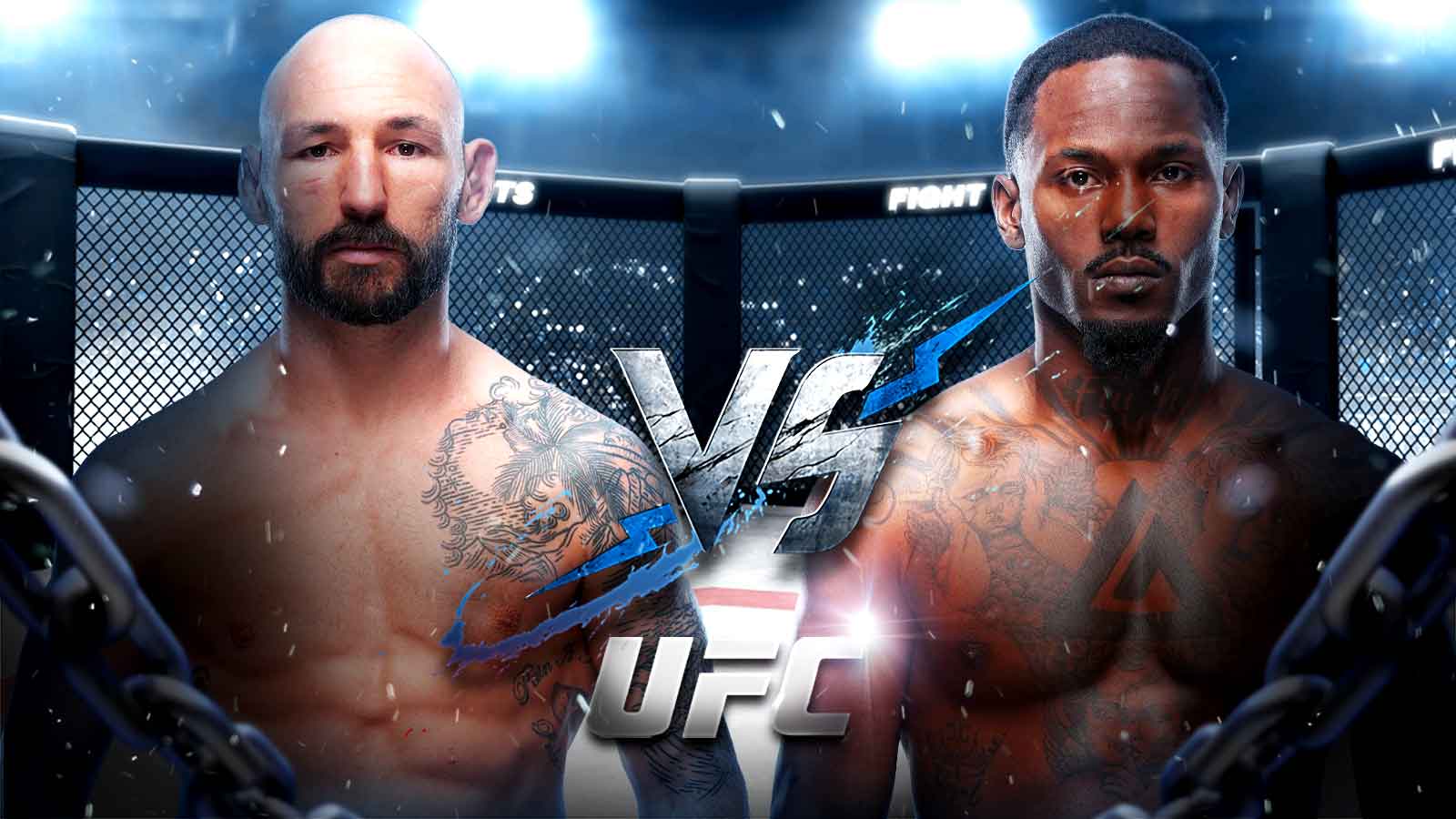
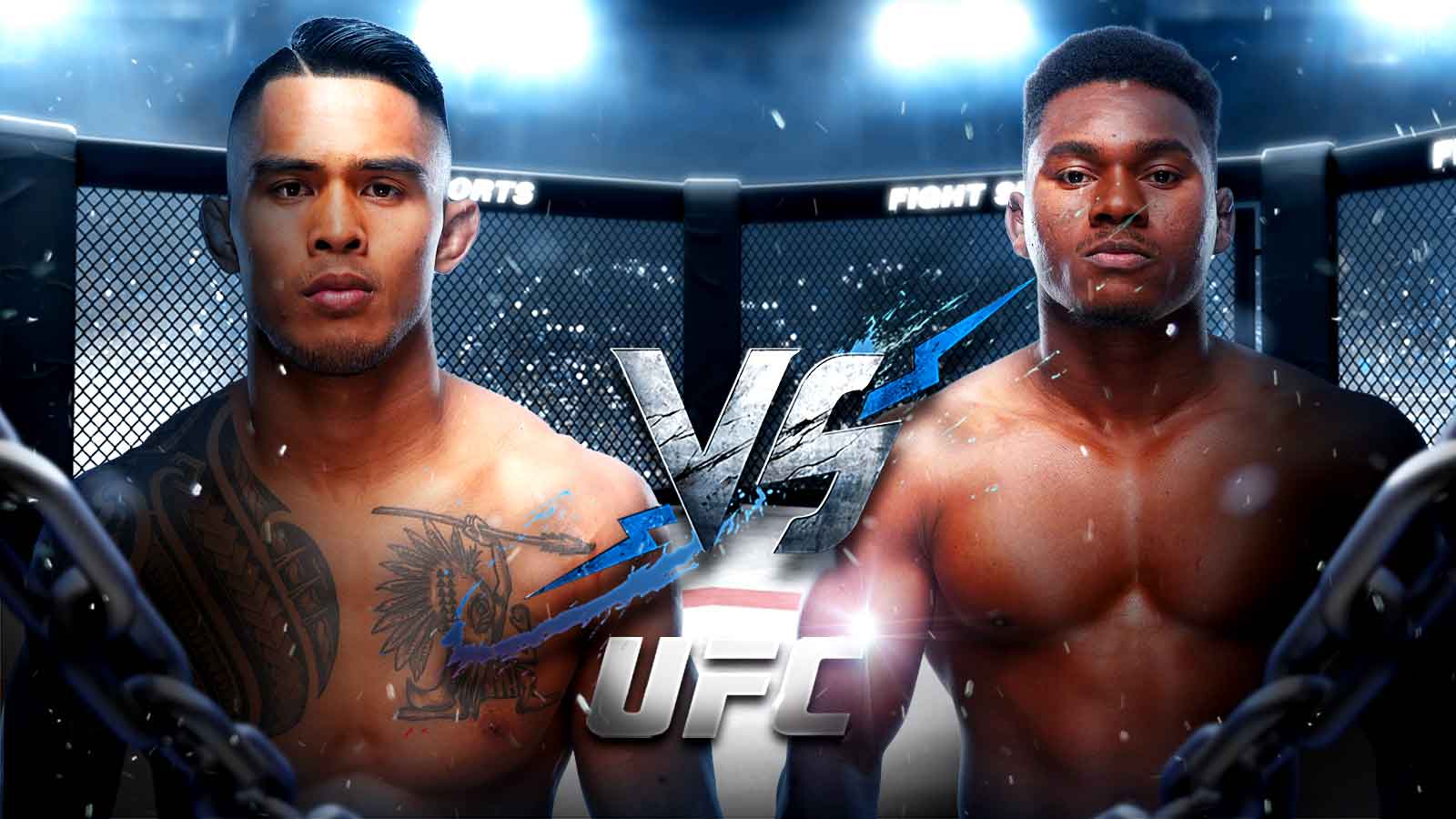
Smith meets Chase Sherman, and other matchups include:
▪️Guto Inocente vs. Mohammed Usman
▪️Alexandr Romanov vs. Nikolay Kovalenko
▪️Bruno Cappelozza vs. Todd Duffee pic.twitter.com/K1uwFgIXLt— MMA Junkie (@MMAJunkie) February 16, 2026
Smith’s opening assignment is a heavyweight-leaning collision in spirit if not on paper, as he’s set to meet Chase Sherman. Sherman, best known for his rugged approach and willingness to trade, represents the kind of opponent who can turn a tournament fight into a brawl before the first clinch exchange even settles. That threat matters more in bareknuckle MMA than in standard rules: one clean connection can force a scramble, a cut can change the pace, and a compromised hand can limit shot selection immediately.
Chase Sherman gets this show back on track with a brutal hellbow KO over Carl Seumanutafa. Damn. #GamebredBareknuckle pic.twitter.com/bMYEhMr7dn
— caposa (@Grabaka_Hitman) November 11, 2023
The matchup also creates an interesting tactical question. Smith’s best path historically has been layered: pressure into clinch work, opportunistic takedowns, and a submission game that punishes opponents who get careless in transitions. In a tournament setting, efficiency is everything. If Smith can avoid early damage and force grappling exchanges, his experience managing chaos may play up. But if Sherman keeps it at boxing range and forces Smith into extended exchanges, the risk-reward math becomes brutal in a rule set that encourages clean, fight-altering punches.
Beyond Smith vs. Sherman, the bracket offers a mix of known names and stylistic contrasts that feel specifically curated for a “anything can happen” tournament.
Guto Inocente vs. Mohammed Usman is a classic striker-versus-athlete setup on paper, with Inocente’s kickboxing pedigree meeting Usman’s power and physicality. Alexandr Romanov vs. Nikolay Kovalenko hints at a clinch-and-control grind if Romanov gets his hands connected, but bareknuckle exchanges can flip a “safe” wrestling plan into a damage race quickly. Bruno Cappelozza vs. Todd Duffee carries immediate volatility: both have the kind of heavyweight power that can erase game plans, especially in a format where defensive reactions get punished faster.
For Smith, the storyline is simple and compelling: a respected veteran, supposedly finished, choosing one more run in a tournament built to test durability, adaptability, and nerve. If he strings together wins, it won’t just be a comeback—it’ll be reinvention under the most unforgiving conditions the sport can offer.