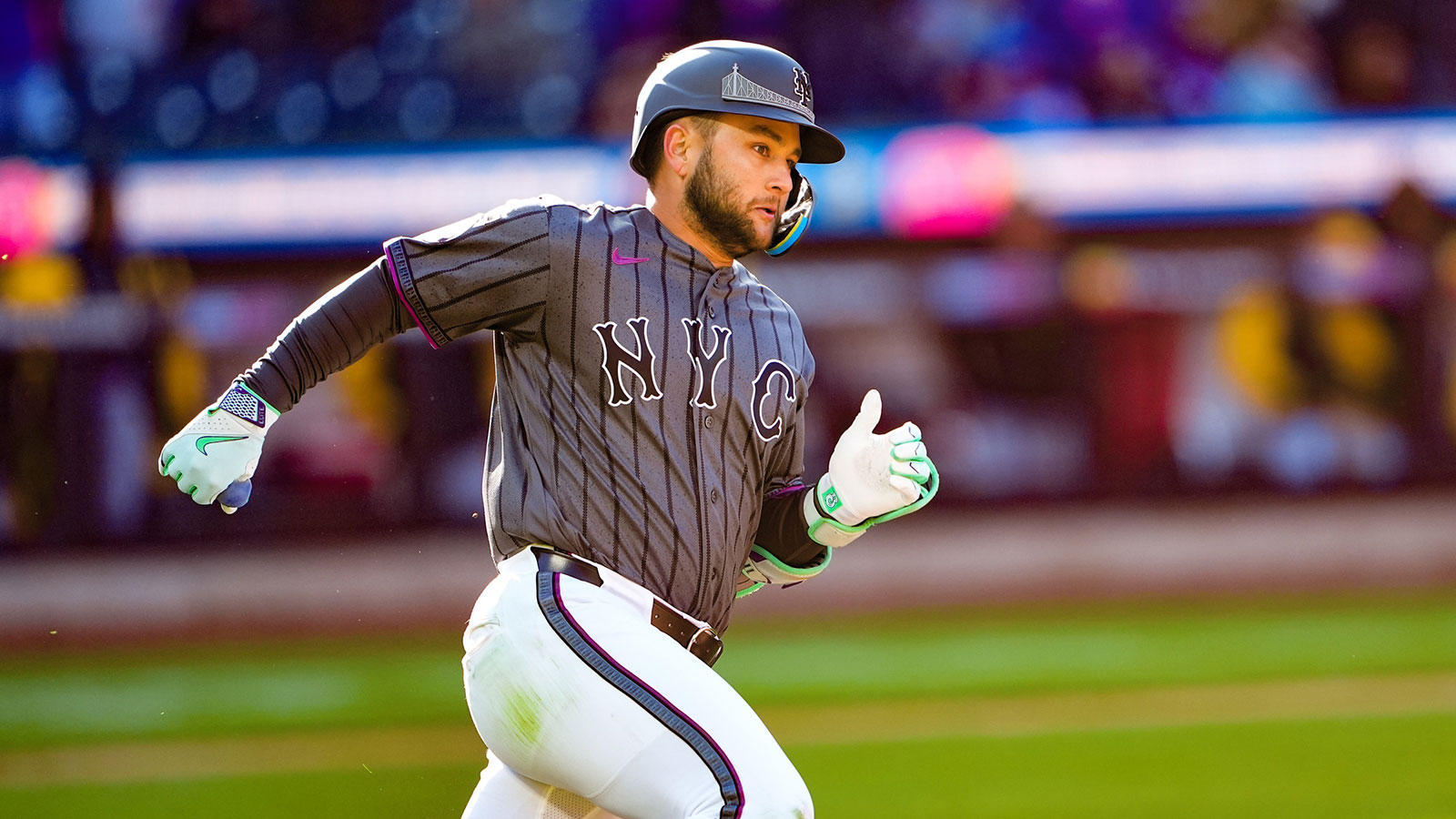
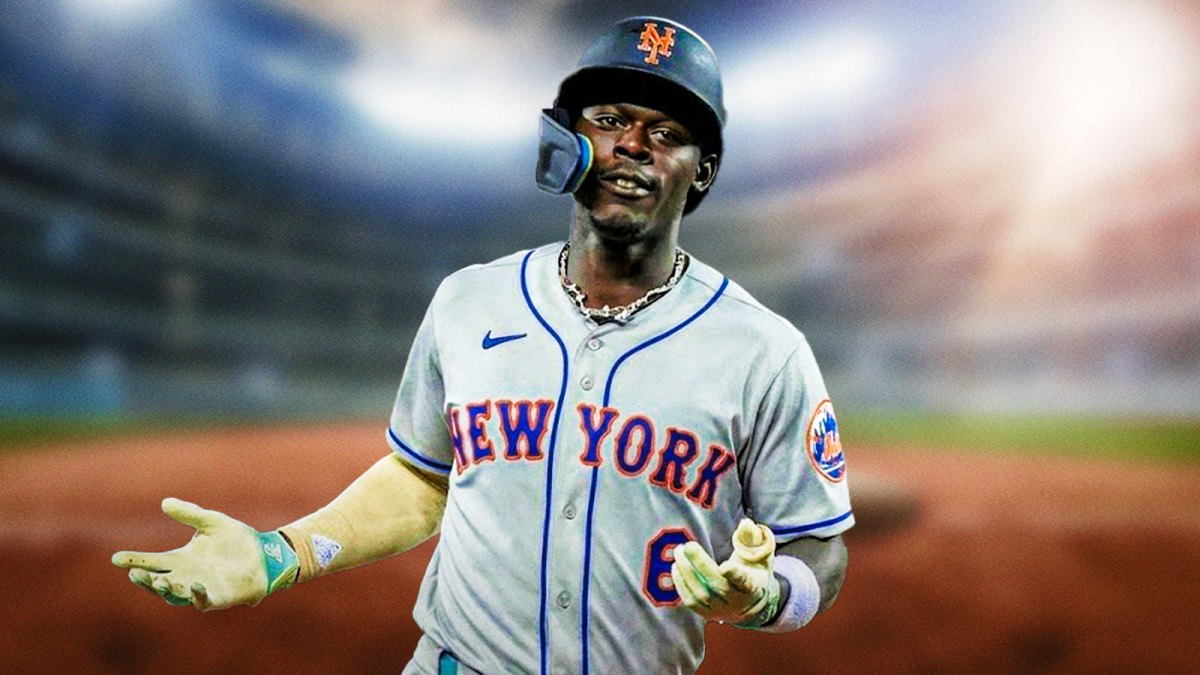
Jazz Chisholm Jr. remains one of baseball's most intriguing talents despite an inconsistent 2025 season with the Yankees. At just 27 years old, the dynamic infielder-outfielder possesses the kind of versatility and upside that could transform a franchise's offensive profile. While his .242 batting average and 31 home runs in 462 at-bats proved underwhelming by his standards, Chisholm's underlying metrics suggest a player ready to unleash another level of production. With his blend of speed, power, and positional flexibility, the New York Mets have a golden opportunity to acquire a centerpiece talent by offering the Yankees a compelling prospect package that addresses their long-term organizational needs.
The Yankees' interest in exploring options this offseason creates a unique window for GM David Cohen and the Mets to strike. Rather than pursuing expensive free agents, acquiring Chisholm would provide New York with controllable, cost-effective production from a player who profiles as a centerpiece hitter for the next five-to-seven years. The Mets' farm system, while recently depleted by various trades and developments, still contains enough young talent to construct an offer the Yankees cannot ignore. By combining multiple prospects with potential and present-day value, the Mets can propose a deal that addresses both teams' organizational objectives while creating competitive balance in a rejuvenated National League East.
Breaking Down the Trade Framework for Jazz Chisholm Jr.
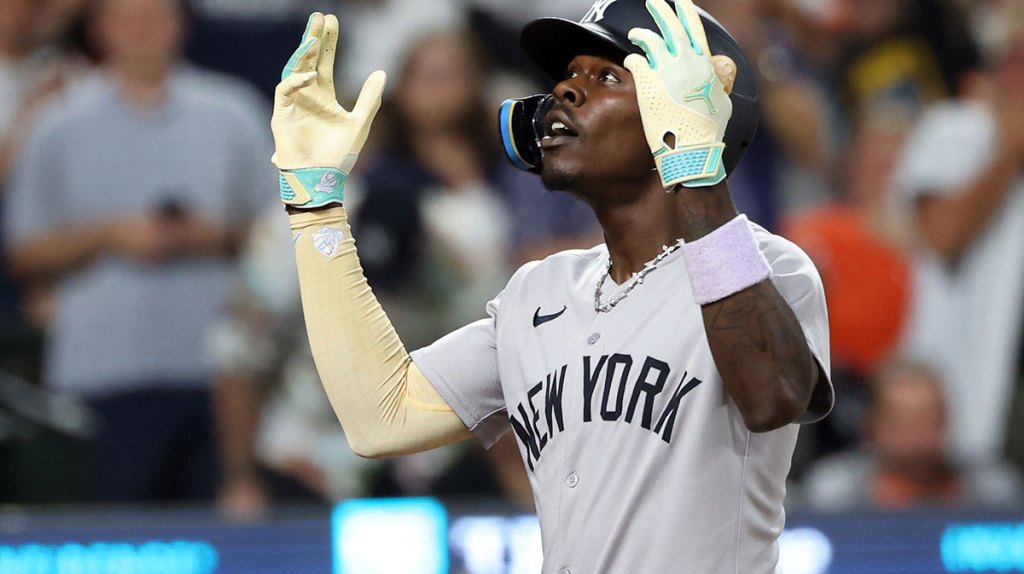
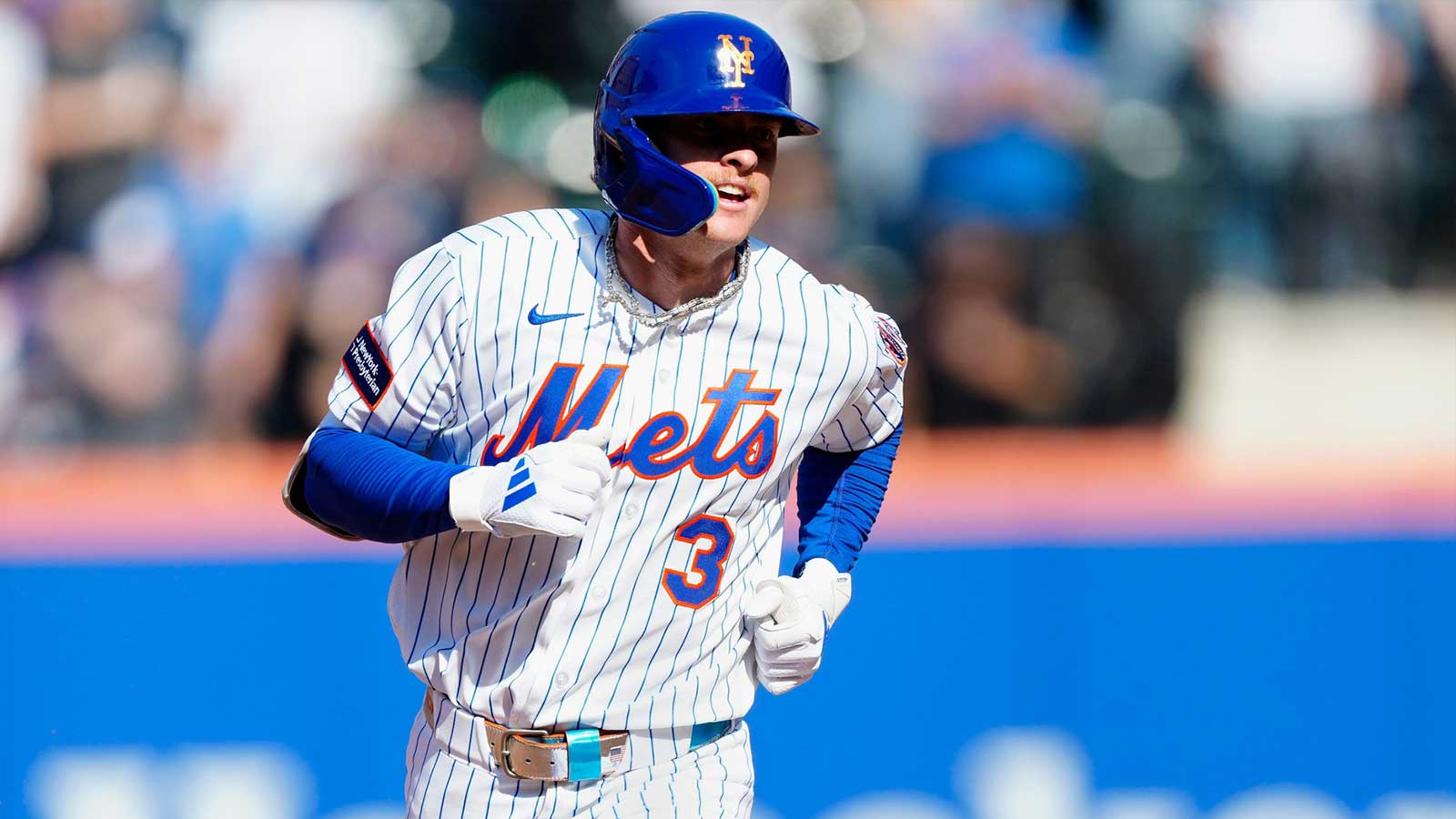
The Mets should construct their proposal around three key pieces that collectively represent significant organizational value. Mark Vientos, despite a disappointing 2025 campaign featuring 17 home runs and a .233/.289/.413 slash line, remains a 26-year-old third baseman with legitimate power potential. His underlying metrics proved more encouraging, with hard contact on 50% of his batted balls—a significant improvement from his previous 29.7% strikeout rate. Vientos brings immediate major-league experience to a Yankees organization seeking to balance present-day performance with long-term flexibility.
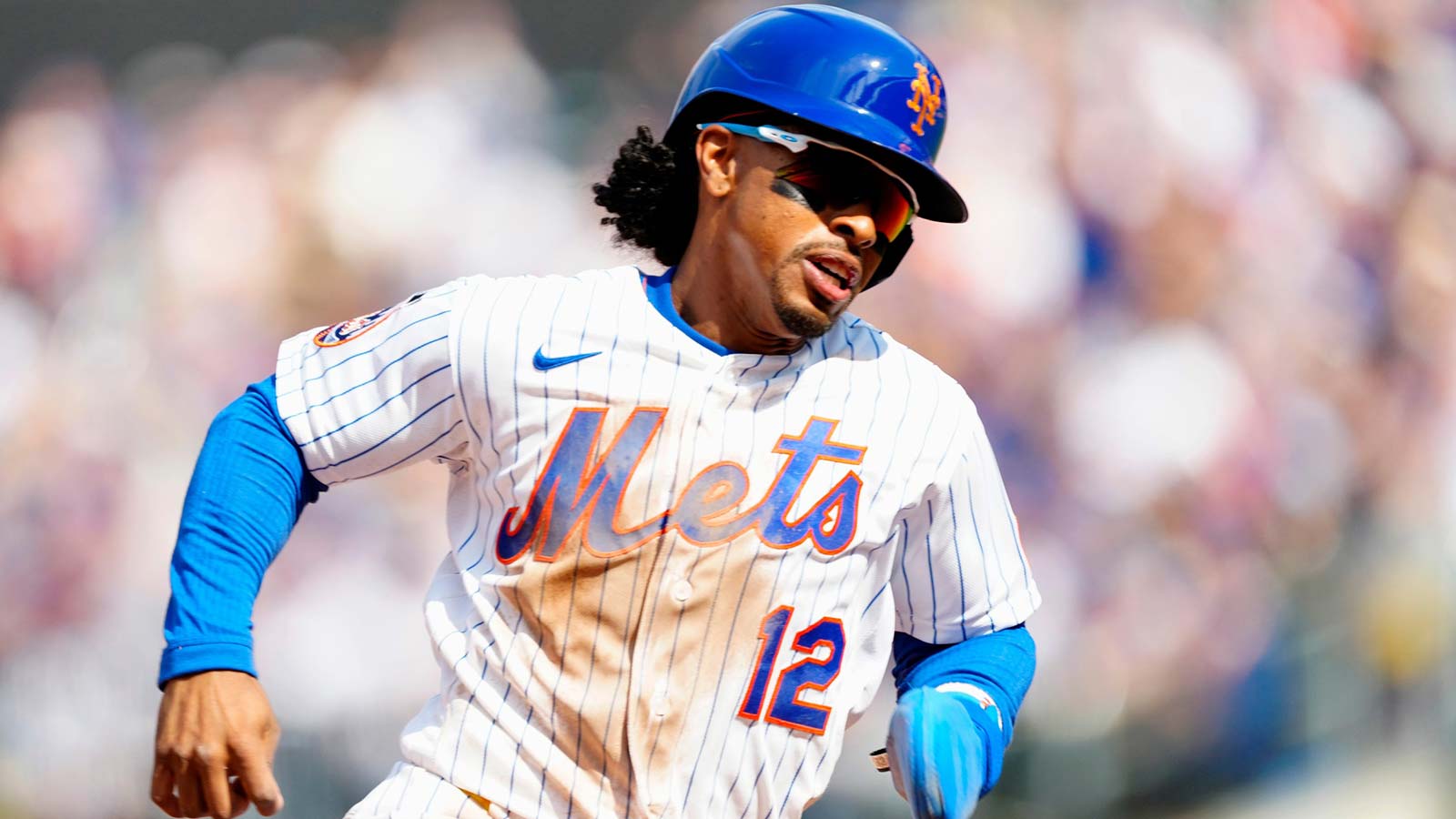
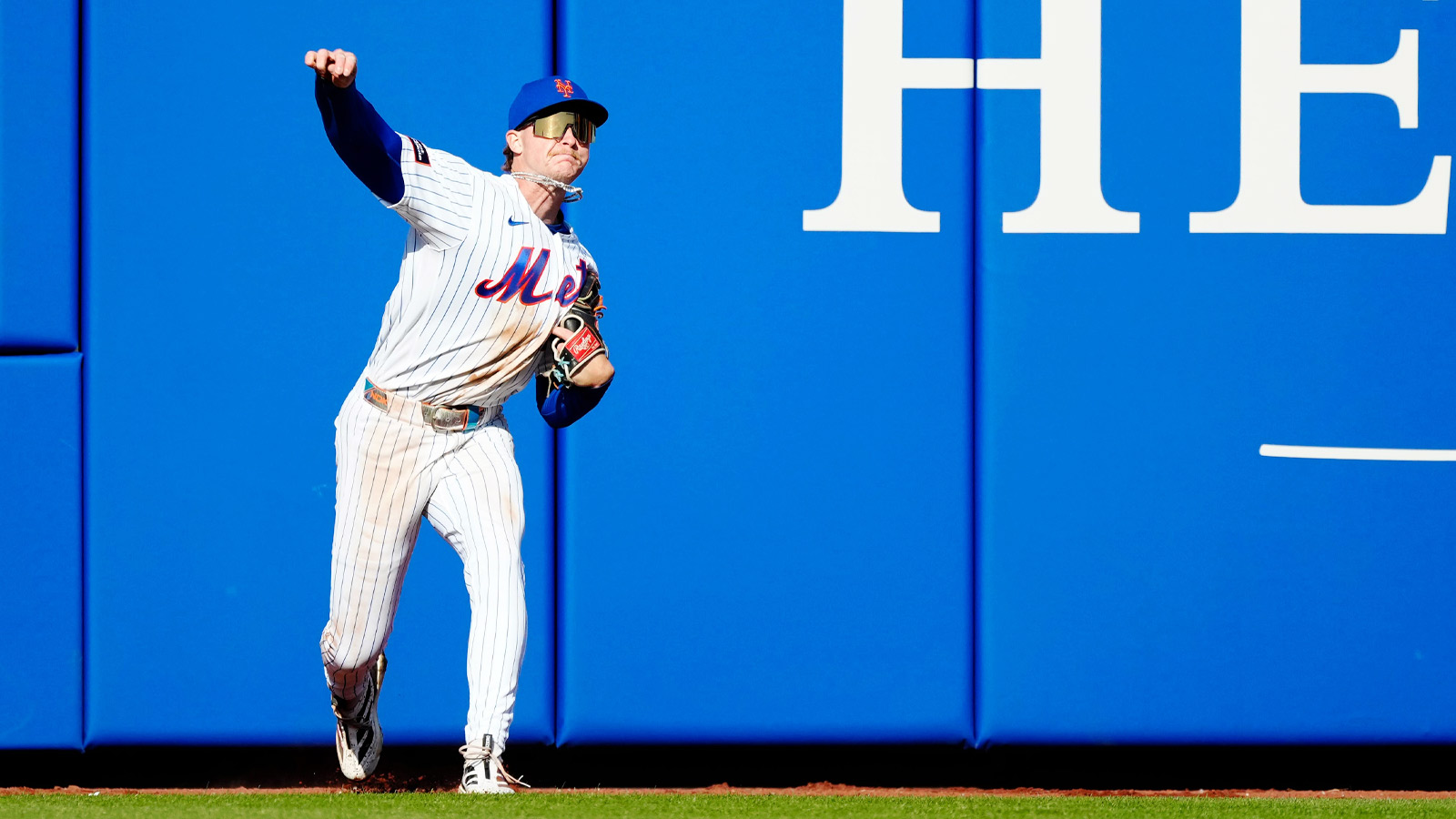
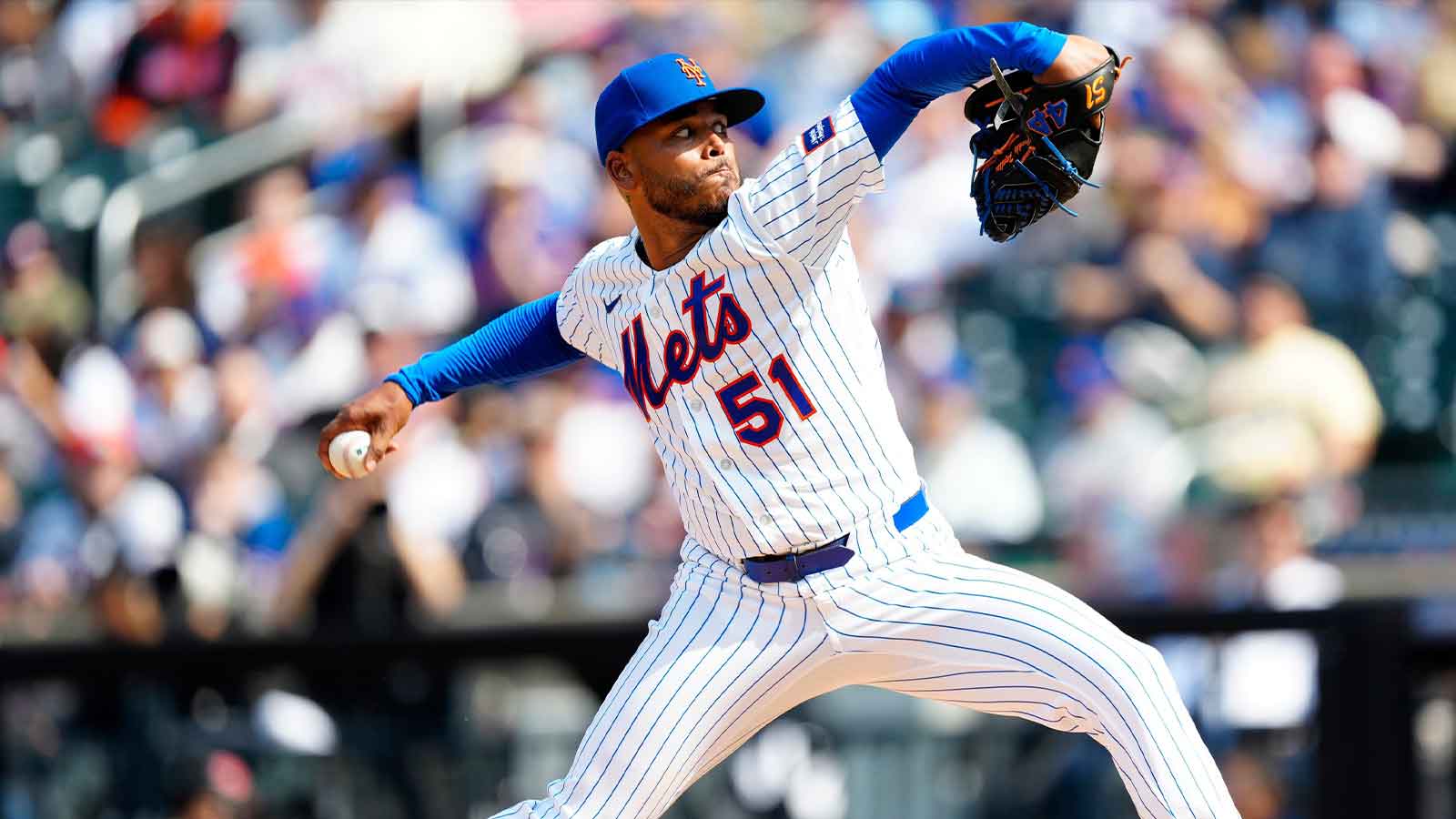
Complementing Vientos' package are two prospects with contrasting prospect profiles. Ronny Mauricio, despite injury complications throughout his career, represents the type of high-ceiling shortstop prospect that rebuilding teams covet. His extensive skill set and potential make him an attractive long-term asset for an organization willing to bet on his health and development trajectory. Jonathan Santucci, the Mets' promising left-handed prospect, adds pitching depth and upside to the framework. As a strikeout-capable arm with demonstrated success at minor-league levels, Santucci provides additional organizational insurance and developmental intrigue.
Why This Deal Works for Both Organizations
Mets Receive:
- 2B/OF Jazz Chisholm Jr.
Yankees Receive:
- 3B Mark Vientos
- 3B Ronny Mauricio
- LHP Jonathan Santucci
The beauty of this proposed framework lies in its balance. The Mets acquire a proven major-league talent capable of providing leadership and production immediately, addressing their offensive deficiencies in the middle infield and outfield. Chisholm's 31 stolen bases in 2025 underscore his ability to generate value beyond traditional batting statistics. His 31-year age trajectory positions him perfectly for a team seeking a controllable, veteran presence without committing to another mega-deal extension.
For the Yankees, this proposal offers meaningful prospect capital to supplement their talent pipeline. Vientos' 2024 performance, which proved far superior to his 2025 campaign, suggests a player capable of rebounding with proper offensive coaching and opportunity. The combination of Mauricio's potential and Santucci's pitching upside provides the Yankees with dual-track development assets—a position player with shortstop pedigree and an arm capable of contributing to future rotation depth.
This trade framework represents the kind of pragmatic, mutually beneficial arrangement that transforms the competitive landscape. The Mets get their bat, the Yankees get their future building blocks, and both organizations emerge better positioned for sustained success.