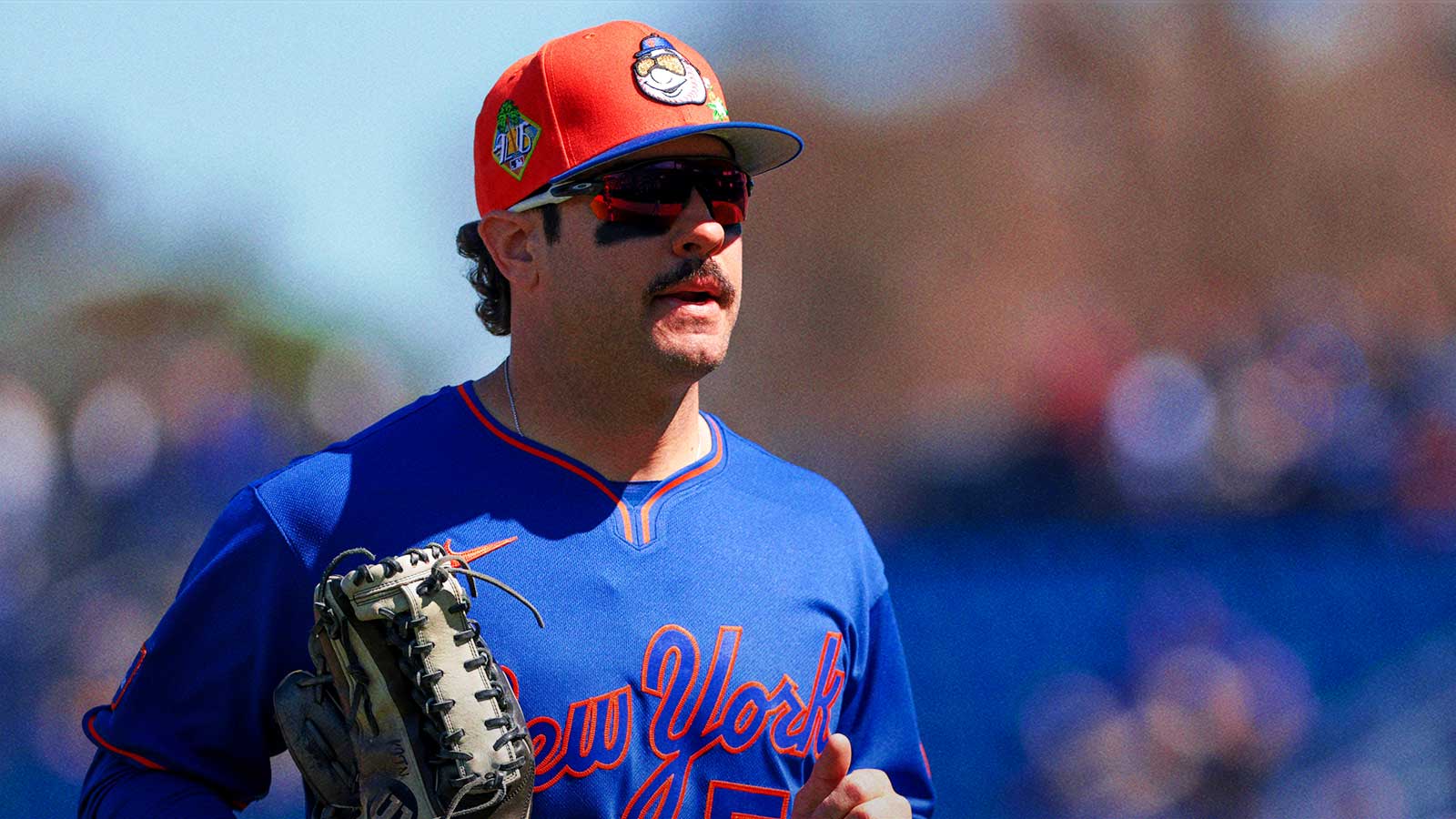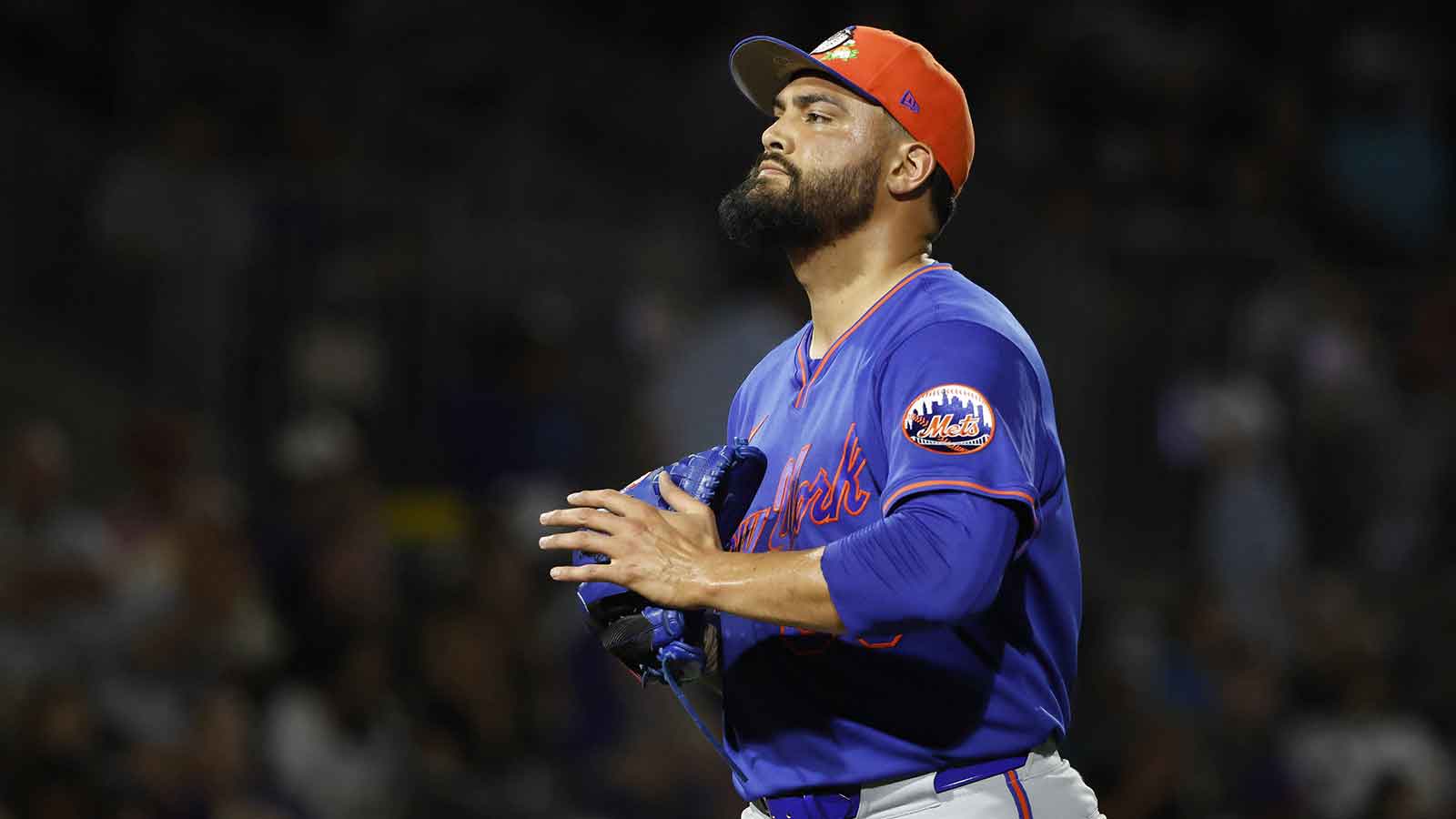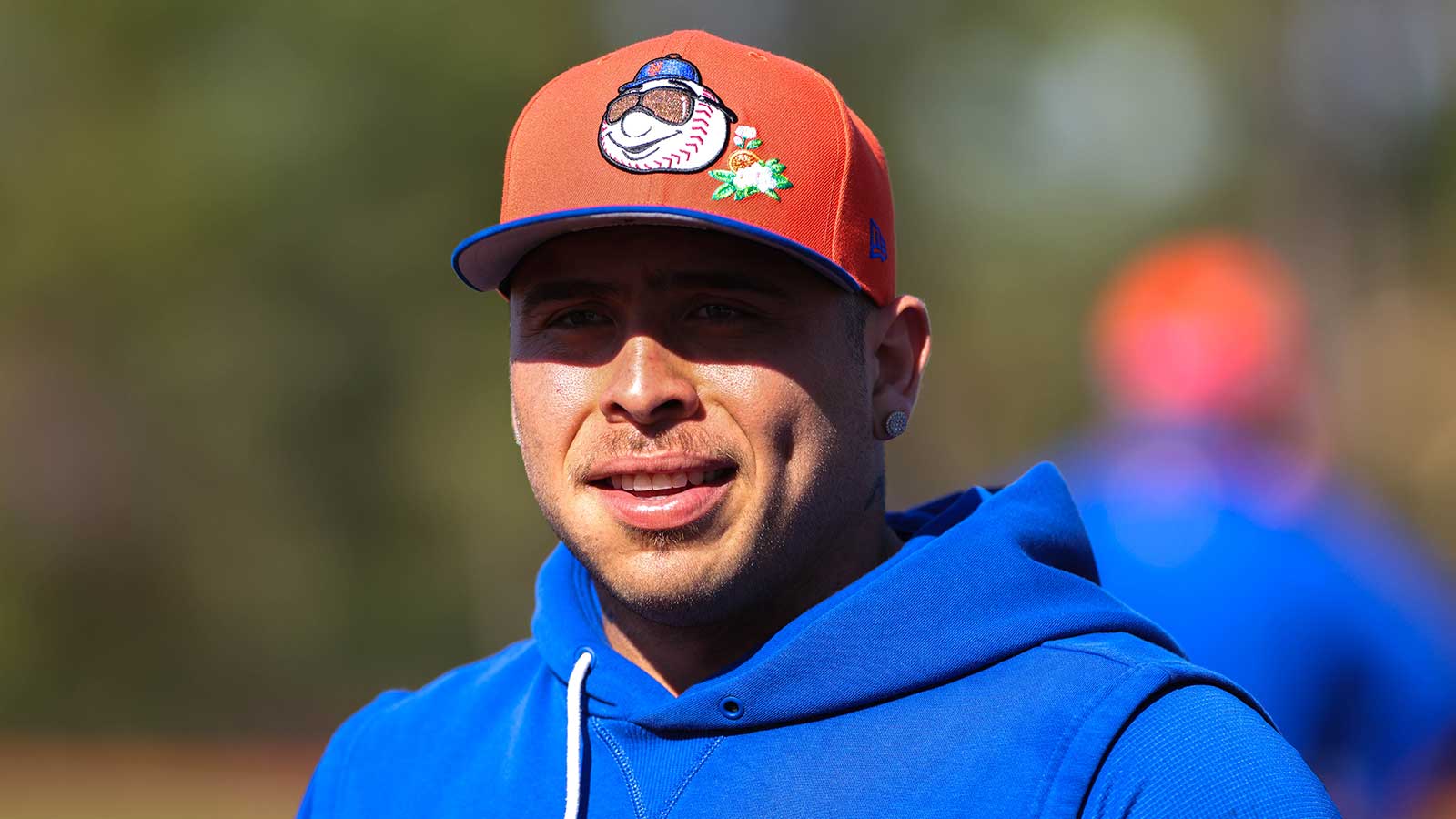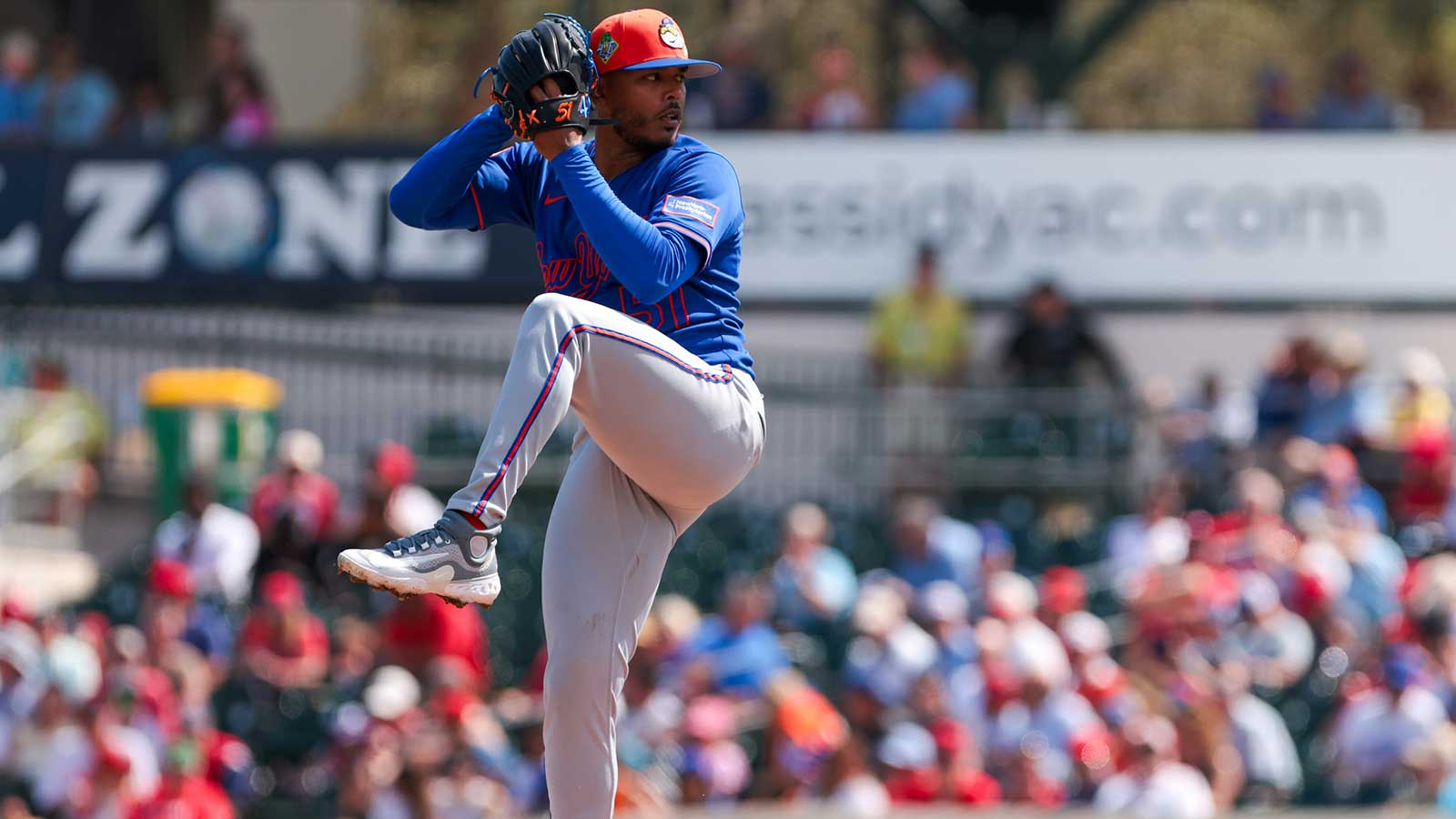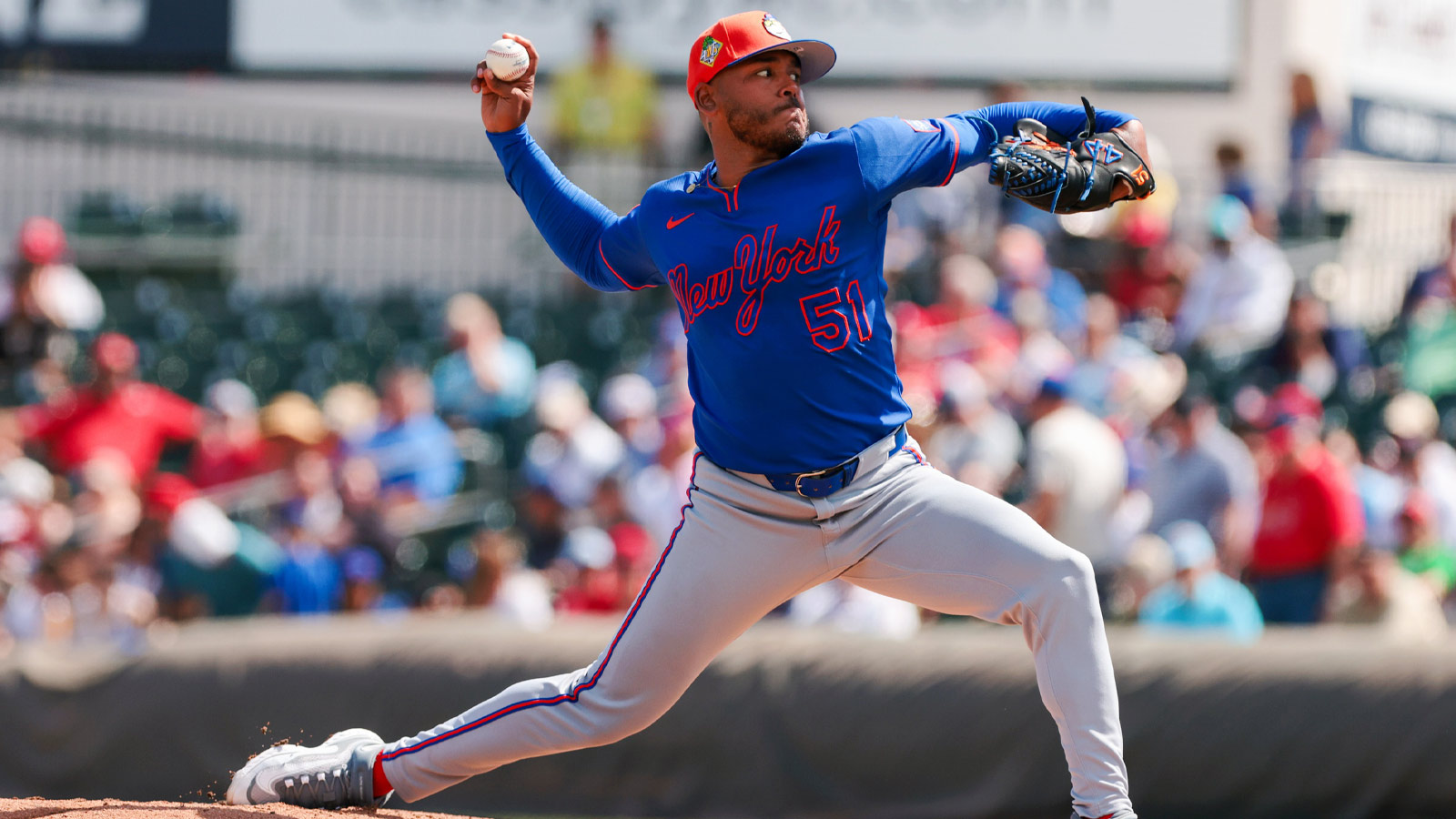
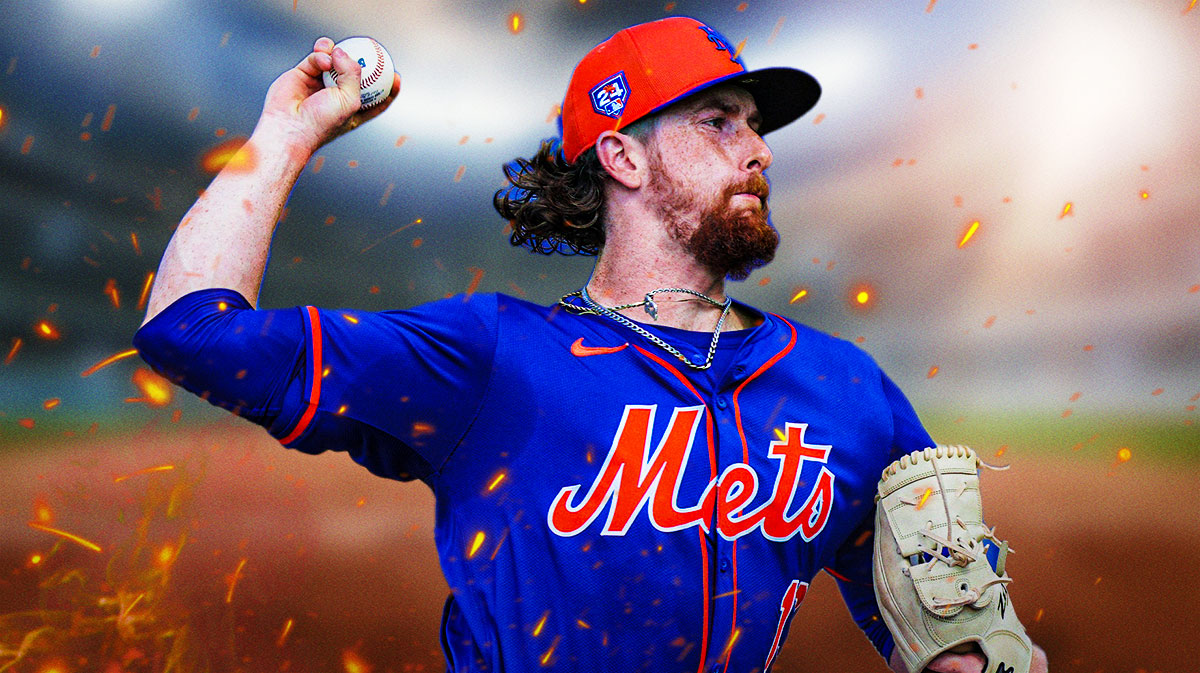
Nolan McLean may not enter 2026 as the betting favorite for NL Rookie of the Year, but he stands as one of the most realistic challengers to Konnor Griffin and JJ Wetherholt. The Mets’ right-hander already owns proven MLB success, while Griffin and Wetherholt are preparing for their first full exposure to big-league competition. That difference matters. It shapes perception, role, and opportunity.
Griffin brings elite athleticism and top-prospect buzz. Wetherholt offers polish and offensive consistency. McLean, however, offers something voters consistently value. Dominance and volume at the major league level. If he builds on his 2025 debut, he could quickly move from contender to favorite.
Here are three reasons he has a legitimate path to the award.
Reason 1: Proven MLB Success Gives McLean a Head Start
McLean debuted for the Mets in 2025 and immediately stabilized a fading club. He made eight starts, posting a 5–1 record with a 2.06 ERA across 48 innings. He struck out 57 hitters and walked just 16. His 1.04 WHIP and strong strikeout rate supported the performance, suggesting it was sustainable rather than fluky.
He remained under rookie limits, keeping him eligible for the 2026 NL Rookie of the Year race. Voters have already seen him succeed against major league hitters. He even received down-ballot Rookie of the Year votes despite limited innings—an early sign of respect.
In his third career start, McLean threw eight shutout innings against the eventual NL East champion Philadelphia Phillies, allowing four hits, issuing no walks, and striking out six. Philadelphia not only captured the division but also finished with 96 wins—the second-most in the National League behind the Milwaukee Brewers—underscoring the caliber of lineup he silenced. He looked composed and in control, not overwhelmed by the moment. That type of performance leaves a lasting impression.
Griffin and Wetherholt still must navigate the league’s adjustment period. McLean has already shown he can handle it.
Reason 2: Ace-Level Metrics Create a Higher Ceiling
The 24-year-old's profile resembles that of a frontline starter. He pairs a mid-90s sinker with heavy movement and a sharp breaking ball that tunnels effectively off the fastball. McLean misses bats, limits hard contact, and keeps hitters from elevating the ball—traits that support long-term success.
His strikeout rate projects among the best for rookie pitchers. His ground-ball tendencies suppress home runs. Advanced metrics backed his 2.06 ERA rather than contradicting it. In award races driven by both production and impact, that combination is powerful.
Griffin, a shortstop, tore through three minor league levels in 2025, hitting .333 with 21 home runs and 65 stolen bases. The tools are undeniable. However, translating that production to the majors at age 19 presents risk. Big-league pitchers adjust quickly.
Wetherholt reached Triple-A and showcased polish at the plate. He projects as a high on-base hitter with gap power and steady overall value. That consistency strengthens a lineup, but it may not produce the eye-catching numbers that dominate award conversations.
If the Mets rookie delivers 150 innings with a sub-3.00 ERA and around 170 strikeouts, he will generate headline statistics. Griffin and Wetherholt must spread their value across multiple categories. McLean can dominate the most visible ones.
Reason 3: Rotation Stability and Opportunity
Opportunity often determines awards. McLean enters 2026 positioned firmly in the Mets’ rotation, with projections placing him as a No. 2 or strong No. 3 starter. He is expected to take the ball every fifth day in meaningful games.
A full season could mean 28 to 30 starts. Volume builds counting stats, and counting stats influence voters. If he maintains his strikeout pace over an expanded workload, his candidacy will strengthen each month.
Griffin’s timeline could be more fluid. Pittsburgh may manage his service time or ease him through slumps. Even elite prospects endure adjustment periods that can suppress early-season production.
Wetherholt projects as a starting second baseman, but rookies often rotate through rest days while refining their defense. His contributions may show up in steady on-base percentage and reliable play rather than explosive numbers.
McLean’s job description is straightforward. Take the mound, limit runs, and pile up strikeouts. That clarity benefits a Rookie of the Year case built on measurable impact.
The narrative component also works in his favor. The Mets expect to contend. If the young righty can help anchor an expected playoff push in Queens, his performances will draw national attention. High-leverage starts in a major market carry weight with voters.
Griffin and Wetherholt may enter 2026 with more hype and may be the exciting new names on the block to win the award. But McLean combines proven major league success, high-end stuff, and a stable role. That foundation gives him a realistic and compelling path to capturing the 2026 NL Rookie of the Year title.