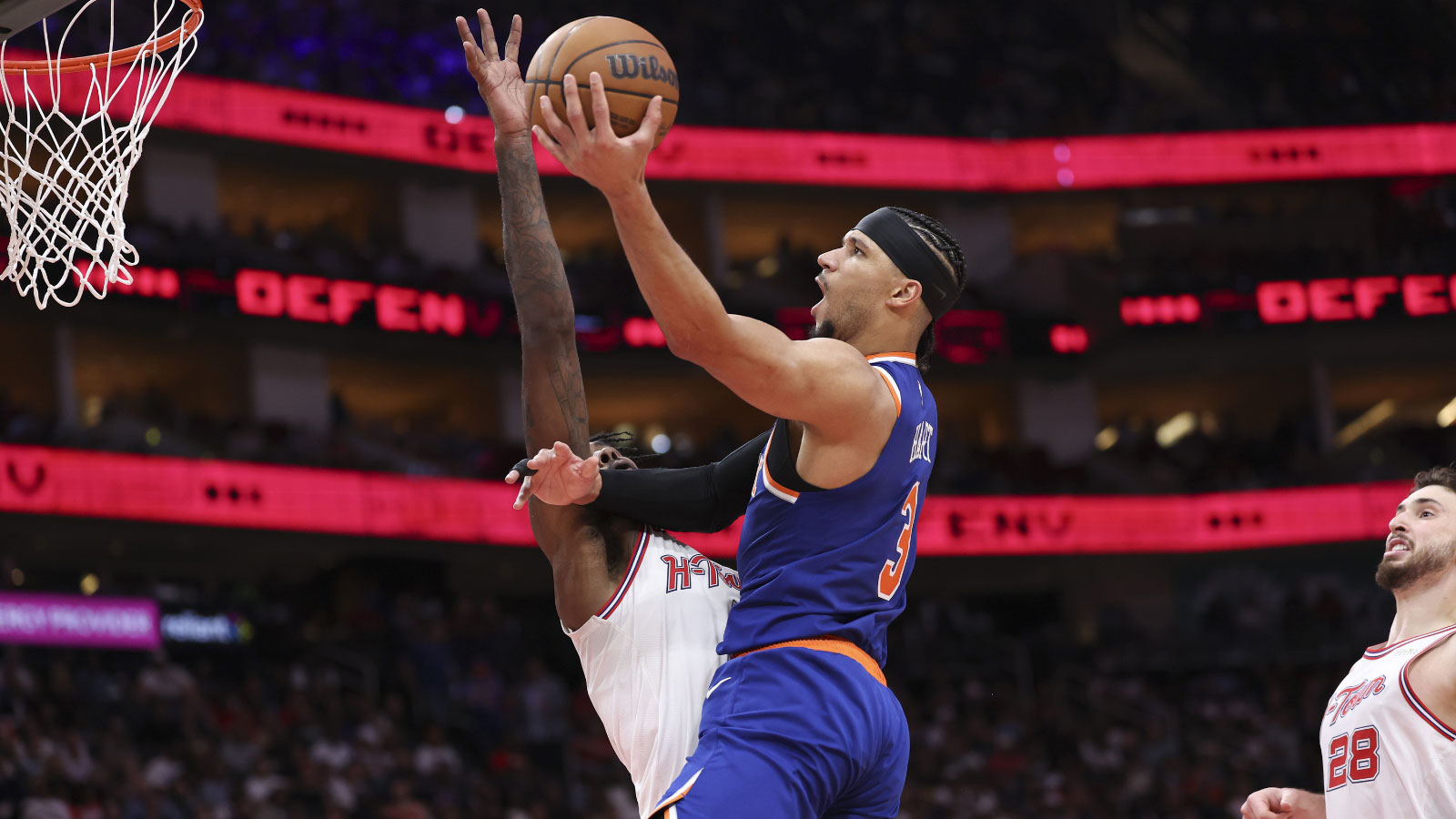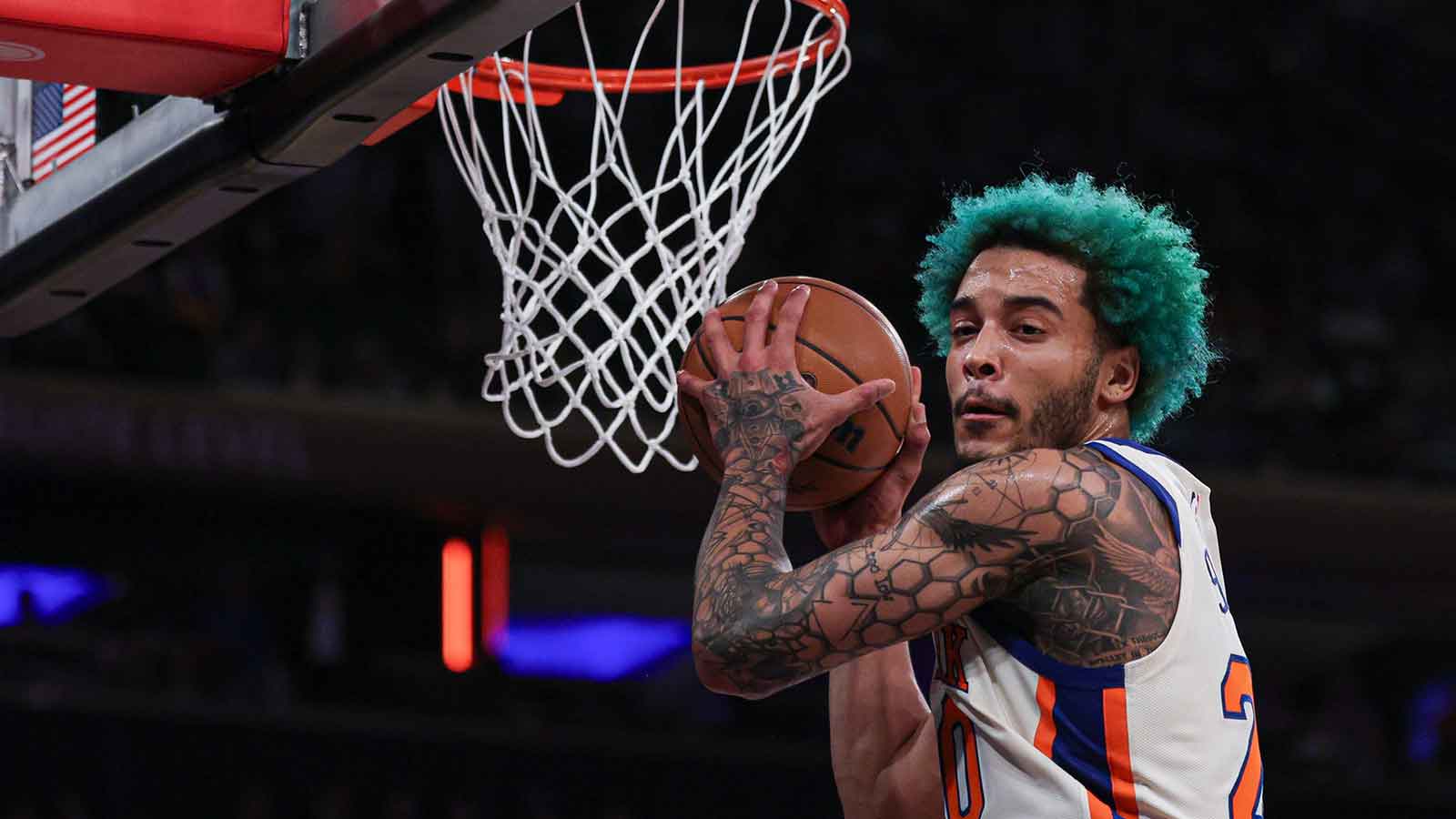
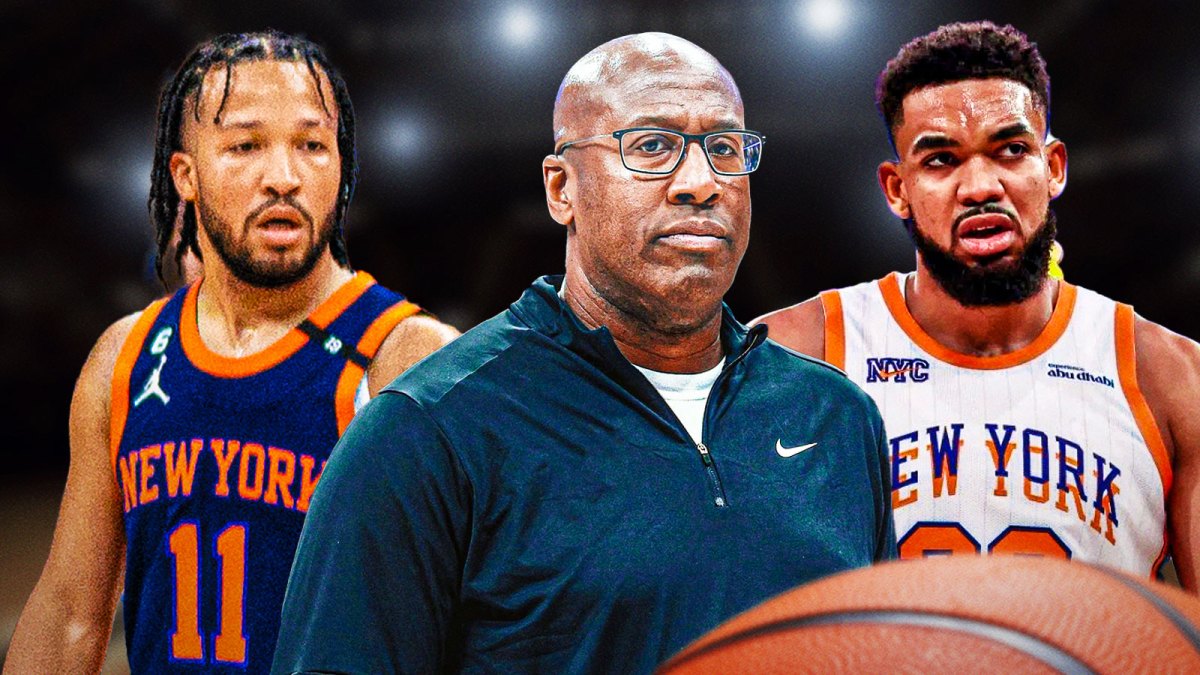
With their recent win over the Chicago Bulls, the New York Knicks successfully secured their third consecutive 50-win season. They also clinched a playoff spot. And they are looking to advance to their first NBA Finals since 1999. But there are problems festering below the surface. Notably, New York's stars Jalen Brunson and Karl-Anthony Towns are not being used effectively together. And that has the potential to create head-scratching lineups and a lack of cohesion between their two most important offensive weapons.
What's wrong with Knicks' Jalen Brunson-Karl-Anthony Towns duo?
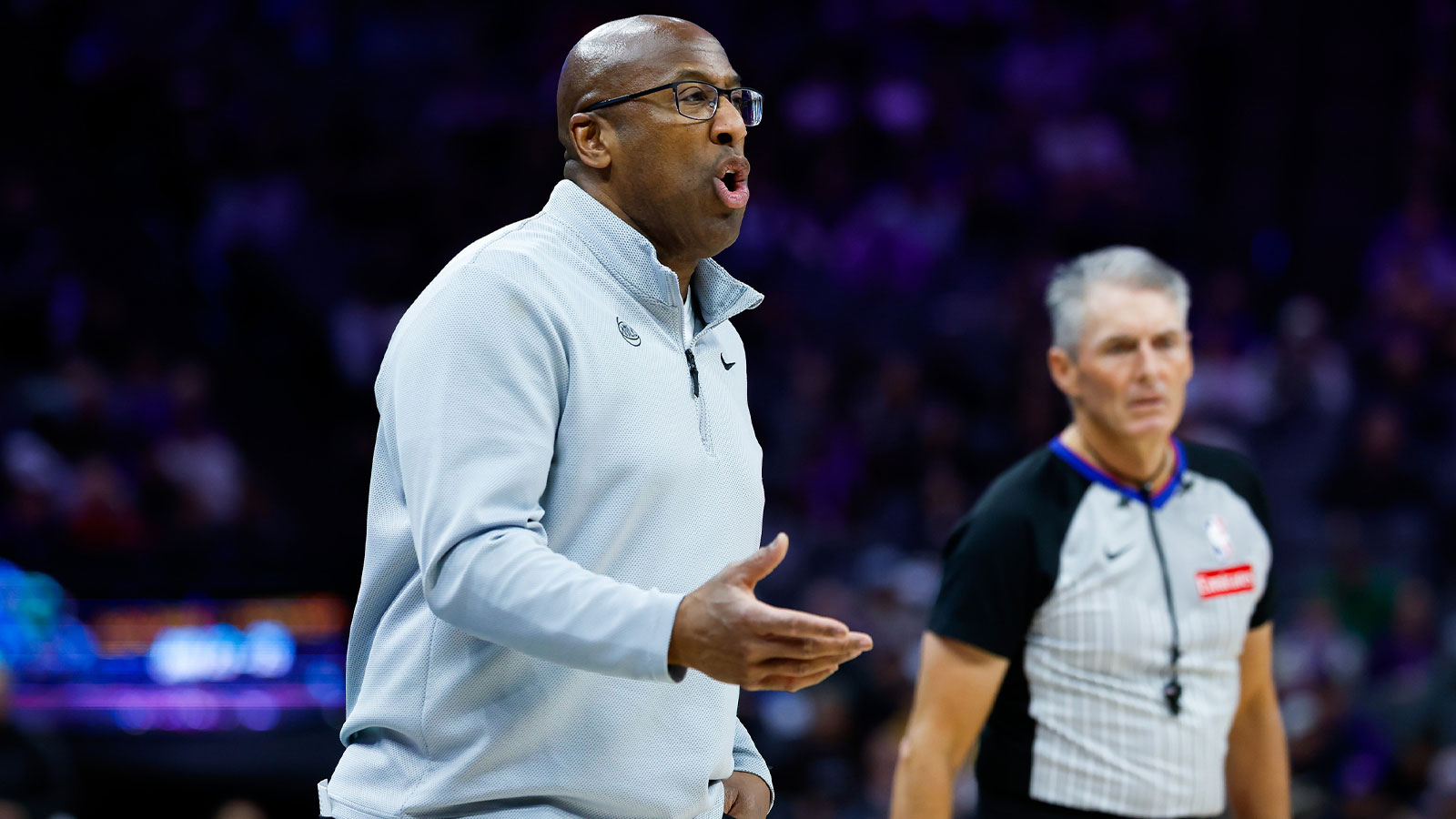
New York's uneven integration of Brunson and Towns is less about talent and more about structural misuse—particularly in lineup optimization and how they are used by head coach Mike Brown.
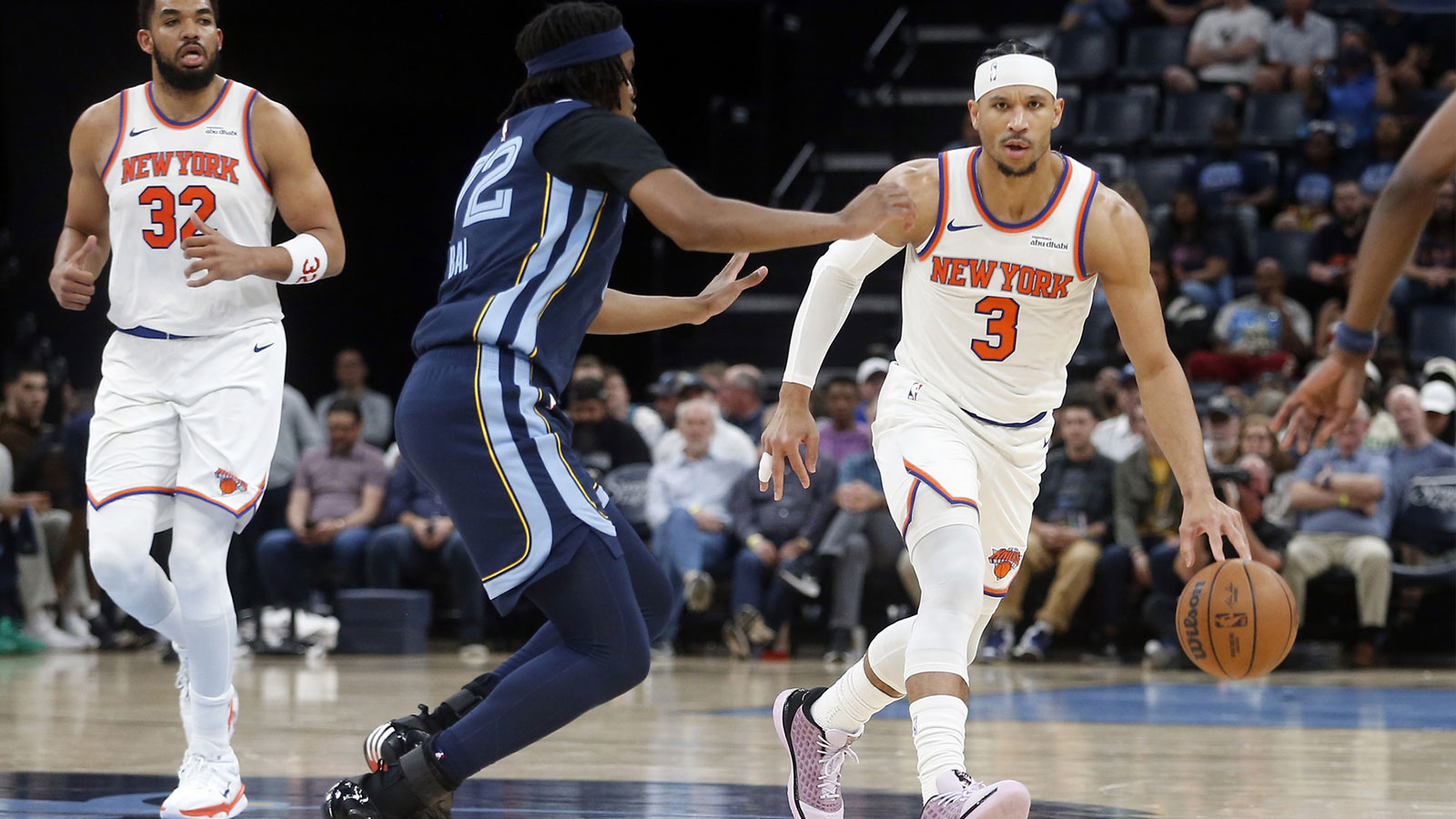
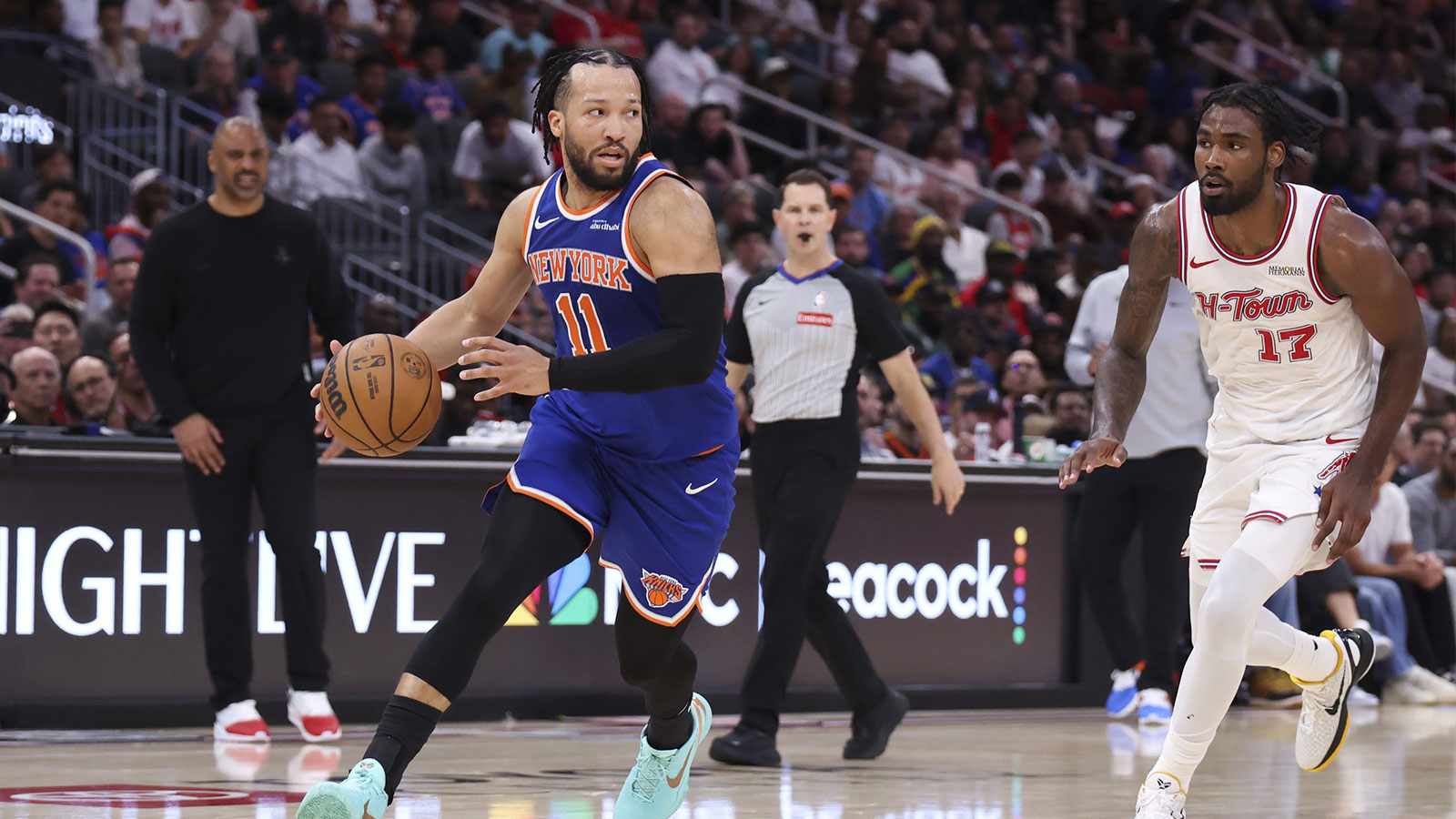
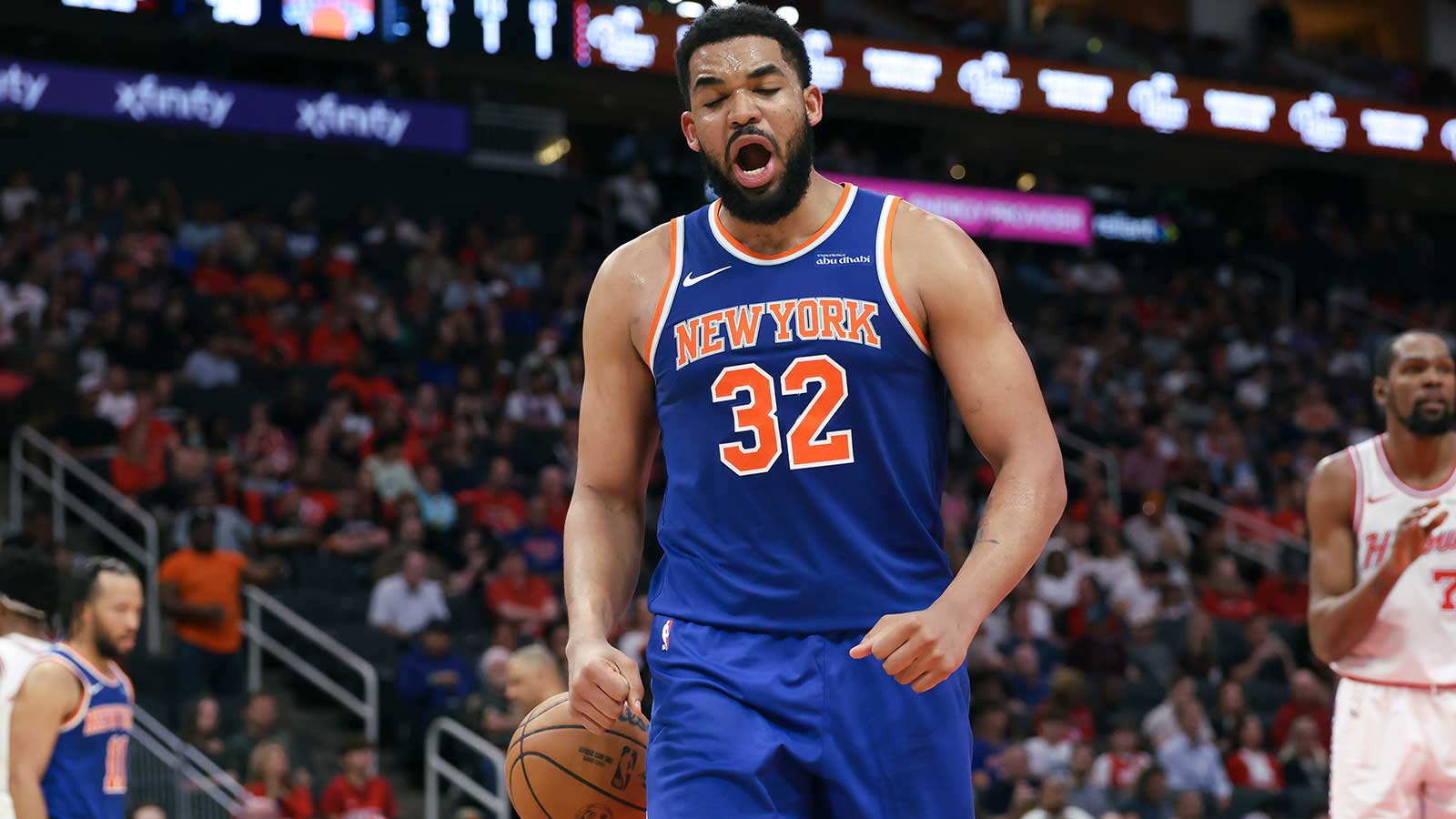
Sure, both Brunson and Towns are highly productive in isolation. Brunson is averaging over 26 points and more than six assists per game, while Towns anchors the glass and remains the team's second-leading scorer.
Individually, their impact appears strong: the Knicks have a +7.2 net rating with Brunson on the floor but fall to -5.1 when he sits, highlighting his importance as an offensive engine. Meanwhile, Towns leads the team in overall plus/minus (around +360), indicating offensive prowess, as well as his improved defensive capabilities.
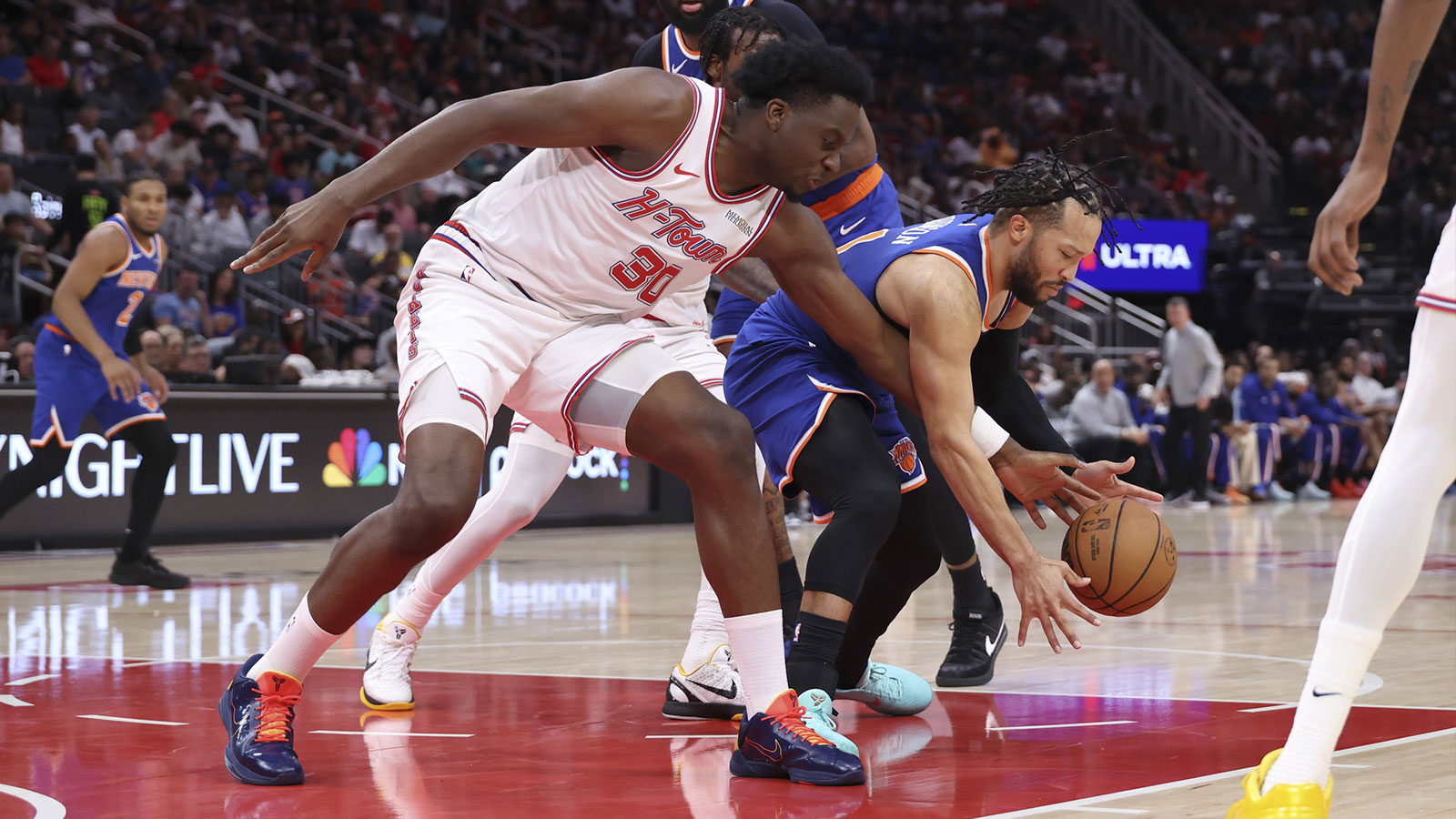
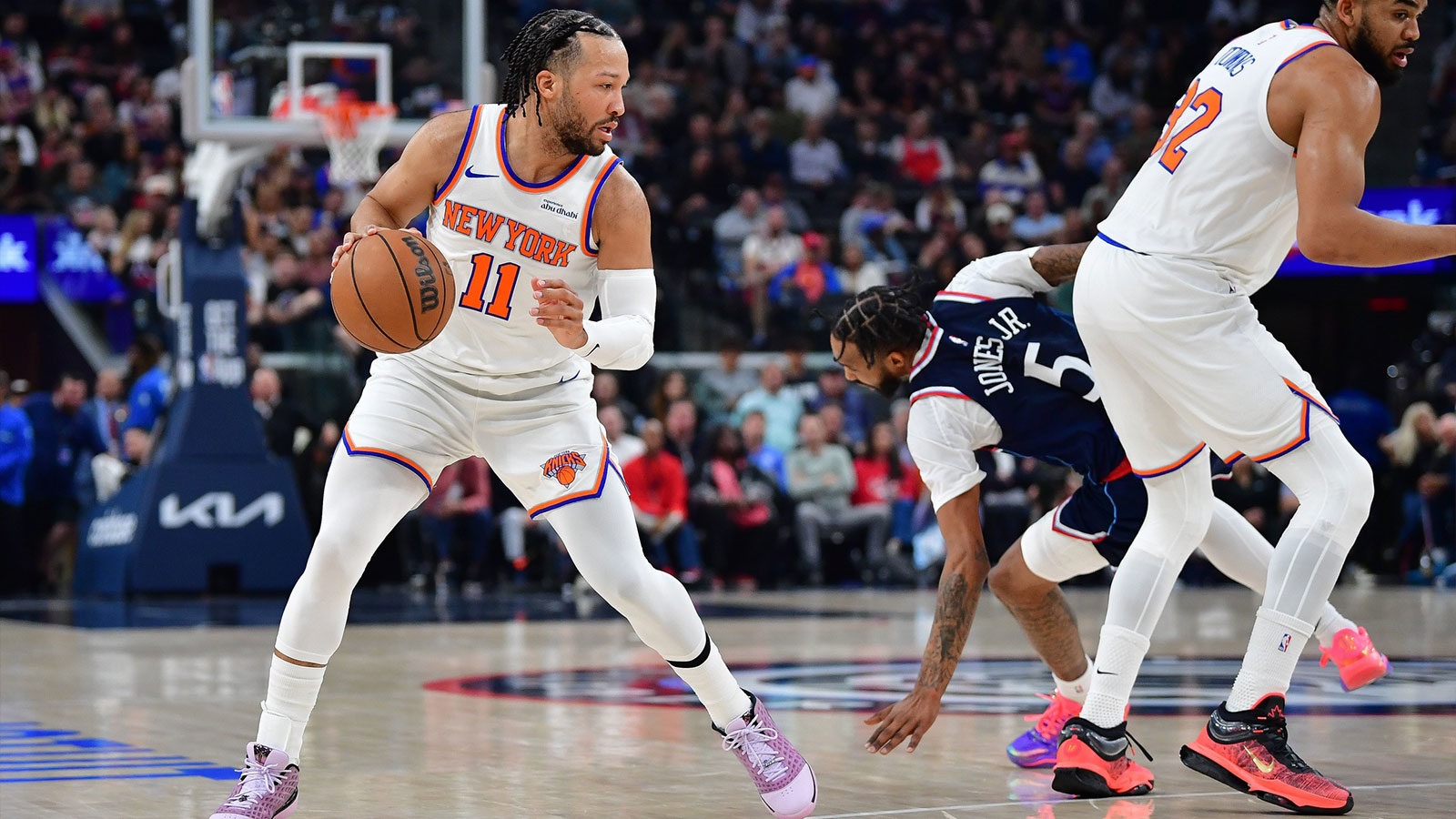
However, issues emerge when Brunson and Towns share the floor. Specifically, Brunson performs worse alongside Towns than with any other rotation player. For example, in the team's recent three-game losing streak against the Charlotte Hornets, Oklahoma City Thunder, and Houston Rockets, Brunson and Towns posted a disastrous -38.7 net rating. This suggests more than just mild inefficiency.
Defensively, the pairing is even more problematic. Historical and current data show that the Knicks struggle when both share the court. And that's partially due to the fact that Brunson is a sub-optimal perimeter defender, and Towns provides sub-par rim protection. This forces the Knicks into compromised schemes or over-helping, which rarely ends well for NBA teams.
Knicks' coaching choices could be limiting upside
Coaching decisions have compounded the issue. The Knicks are better when Towns and Brunson are staggered, which is not ideal. Still, the Knicks continue running out the same starting lineup that frequently begins games slowly. Meanwhile, games without Brunson—or with reduced overlap—have shown improved ball movement and more balanced offensive distribution, including a triple-double facilitation role for Towns.
However, no one wants to see the Knicks continue to stagger lineups or play without one of their stars. And Brown's choices in when and how the two stars share the floor are at least partially to blame. Specifically, Brown's system has cut down on the team's use of the pick-and-roll.
Brown's offensive system has resulted in Brunson’s overall pick-and-roll frequency dropping sharply this season. The team is, instead, operating a read-and-react offense. And when they feature Towns, which is being done less, it's typically as a spot-up shooter or in isolation touches in the post.
Ultimately, the Knicks have squandered a lot of opportunities to see what Brunson and Towns can do in complementary roles in their offense. But there's still a little time remaining. New York has four games left this season. They could use those games to accomplish two things. They could get Brunson and Towns some much-needed repetitions playing in a two-man game with each other. And it can also help them understand if the Brunson and Towns pairing can truly complement each other longer term.
If the Knicks can unleash a Brunson-Towns pick-and-roll more consistently in the playoffs, it potentially gives them a tremendous new weapon. And it's one that few opponents have any tape on stopping. The pick-and-roll is a tried-and-true play that the Knicks can turn to when their traditional system is struggling to generate points.
However, if a Brunson-Towns pairing can't work as well as expected, isn't it better to learn its limitations sooner rather than later? Getting an understanding of what the team can derive from a Brunson-Towns two-man game before the off-season should be a top priority. And frankly, it should have been much earlier.
But it's never too late to learn more about your team and its potential. So, hopefully Brown experiments a bit with it. Maybe it transforms the team's offense. Maybe it doesn't. But it's better to know now so the Knicks can maneuver this off-season accordingly.