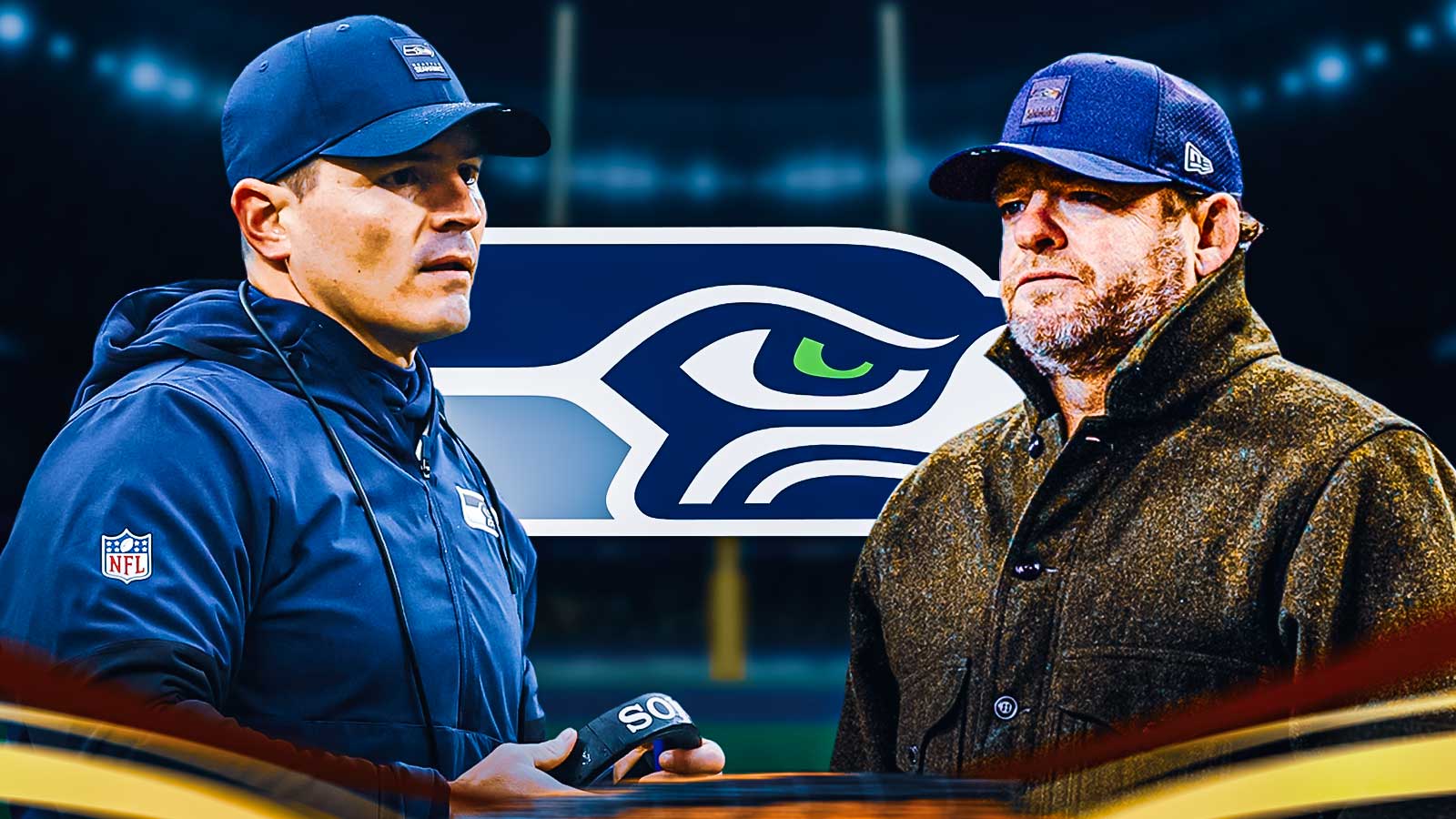
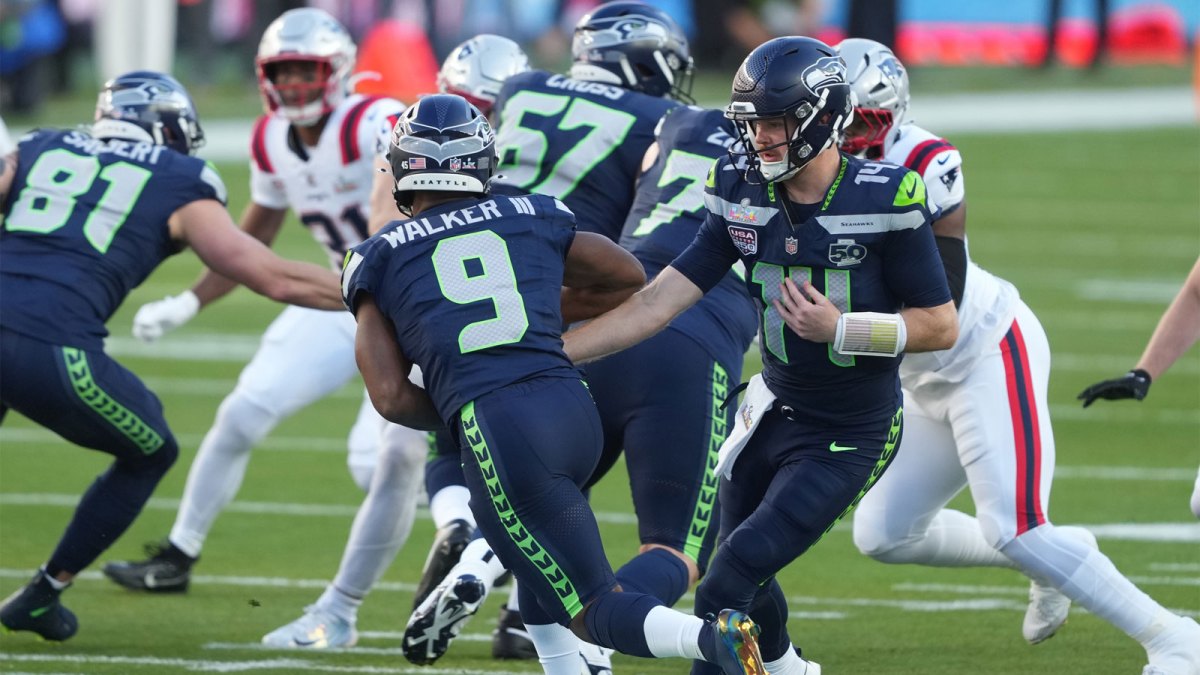
Seattle is selecting last in Round 1 because it just won Super Bowl LX. This early mock draft season focuses less on urgent needs. The consensus in recent national mock drafts is that Seattle's roster doesn't have a glaring need for a specific position; however, maintaining a talent pipeline is still important, particularly in the secondary and on the interior offensive line. With the defending champions sitting at No. 32, many analysts view the Seahawks as a team that can either reload premium positions before they become pressing needs or take a chance on a specific skill set that aligns with Mike Macdonald’s team identity.
The Seahawks could be looking for free agents to complete the roster as well, and also for blockbuster trades to look for.
This roundup specifically addresses mocks published or updated during the stretch following the playoffs and into the aftermath of the Super Bowl, considering the current draft order, including Seattle at No. 32.
Brandon Cisse, CB, South Carolina
Mel Kiper Jr., ESPN; Garrett Podell, CBS Sports
If you're looking for the best option for championship roster maintenance, this is it. Draft analyst Mel Kiper has Seattle targeting Brandon Cisse with the 32nd pick as a practical solution to address the uncertainty at cornerback opposite Devon Witherspoon, especially with Riq Woolen and Josh Jobe both potentially facing offseason changes. CBS Sports reached a similar conclusion, also projecting Cisse to Seattle at 32, highlighting cornerback as a critical position where contenders can quickly lose talented players.
Cisse is a long, athletic outside corner who can excel in man-to-man coverage, withstand physical route interactions, and contribute as a run defender. This is the type of selection a contender makes to avoid entering the midseason trade market and paying a premium for cornerback depth.
Chase Bisontis, G, Texas A&M
One recurring theme is the need to protect the offensive line. Yates suggests that Texas A&M guard Chase Bisontis should be selected by Seattle at the 32nd pick, highlighting the importance of reinforcing the interior line. This is one of the few areas where the Seahawks can justify using a first-round pick without expecting the player to immediately become a star. Similarly, Zierlein also predicts that Bisontis will go at 32, characterizing it as a typical move for Schneider: either trade back or choose a tough, versatile guard to enhance both the run game and pass protection.
Bisontis is the type of prospect teams value, especially those that employ zone concepts and need linemen who can move well, recover quickly, and maintain connections throughout each play. Seattle doesn’t need dramatic changes to improve; it simply needs to reduce the number of plays where pressure comes from the middle, forcing the offense into difficult situations.
Colton Hood, CB, Tennessee
Parr discusses a different option for the cornerback position: Tennessee's Colton Hood, expected to be selected by Seattle at the 32nd pick. The underlying principle remains the same: corners do not remain inexpensive for long, and contenders cannot afford to wait until the talent pool becomes sparse. Hood's value in this scenario lies in his physical style of play. He fits the NFC West's competitive landscape, where receivers are aggressive in blocking, adept at gaining yards after the catch, and prone to engaging in tough battles along the perimeter.
For a defense that prioritizes strategic disguise and disciplined matchups, a cornerback who can demonstrate patience at the line of scrimmage, carry routes without losing composure, and tackle effectively is a worthwhile investment for a late first-round pick.
Dillon Thieneman, S, Oregon
B/R NFL Scouting Department, Bleacher Report
Bleacher Report’s post-Super Bowl mock draft suggests that Seattle could take a different approach by selecting Oregon safety Dillon Thieneman at pick 32. This choice is directly linked to the possibility of significant turnover in Seattle's secondary, as multiple defensive backs may be heading to the free-agent market. It’s easy to understand why safety is seen as a key position for contenders: it requires effective communication, precise angles, and trust, all of which become evident during games.
If Seattle believes it can maintain its cornerback situation or trusts its current corners but seeks more versatility in the backfield, selecting a safety can help address these needs ahead of time. A defense under coach Macdonald thrives on post-snap movement, creating confusion for quarterbacks and punishing any hesitation.
Zion Young, EDGE, Missouri
Crean’s post-Super Bowl mock draft presents an intriguing idea for Seattle: selecting Missouri edge rusher Zion Young at the 32nd pick. This choice reflects the notion of the rich getting richer in team-building. Even though the Seahawks may not have a pressing need at the edge position, teams in the league continue to invest heavily in pass rushers. Adding another disruptive player to the rotation helps maintain control of games and safeguards the defense against injuries that typically arise in November.
The advantage of bringing in an edge rusher for a championship-caliber team is effective role management. Young wouldn’t have to be the primary focus of the pass rush. Instead, he would be expected to contribute to what Seattle's defense already excels at: pressuring the quarterback, collapsing the pocket, and making third downs challenging for opponents.
Where do the mocks agree on Seattle?
Most of these projections are not focused on “fixing” the Seahawks; rather, they aim to prevent the foundation from crumbling. Cornerback appears frequently (with players like Cisse and Hood) because free agency can quickly deplete a secondary. Additionally, Macdonald's system thrives when he has reliable outside coverage.
At No. 32, Seattle can afford to draft as a champion. The only real mistake would be to assume the roster will remain unchanged, as the NFL rarely allows teams to keep their entire lineup intact.