The 2026 offseason has seen the Chicago Bears acting with a rare sense of urgency, moving quickly to signal that protecting their franchise cornerstone is the top priority. After Drew Dalman’s sudden retirement left a void at center, Chicago didn't hesitate, swinging a deal with New England for veteran Garrett Bradbury. By flipping a 2027 fifth-round pick to stabilize the middle for Caleb Williams, the Bears secured a veteran anchor before the new league year even officially opened.
The front office followed that up by clearing significant cap space through the release of linebacker Tremaine Edmunds, as first reported by Adam Schefter. This 1-2 punch makes the team’s strategy transparent: fortify the offense and lean out the roster for a reset. With the Combine in the rearview, draft projections have shifted from speculation to scouting reality. Picking at No. 25, the Bears are in a prime position to either grab a day-one starter or bet on a high-ceiling athlete.
Here is where the experts see Chicago heading in the wake of the 2026 NFL Draft.
DT Peter Woods, Clemson
Tim Crean’s Mock Draft 4.0 keeps the Bears on a defensive path, slotting Clemson’s Peter Woods into the 25th spot. The logic here is that the board consistently pushes Chicago toward interior disruption.
Woods is an ideal fit for a defense that wants to dictate tempo. While Chicago has established an edge presence, interior pressure is the true game-changer because it ruins a quarterback's timing without forcing the coordinator to blitz. When the pocket collapses from the center, the passing game breaks down, and second-and-mediums become far more daunting. Woods wins with an explosive first step, stressing guards in a way that creates opportunities for everyone else on the line.
The conversation around Woods usually centers on role clarity. To get the most out of him, Chicago would need to let him attack gaps rather than asking him to simply hold his ground. It's a developmental curve common for interior linemen, but one that could pay massive dividends in Matt Eberflus’ system.
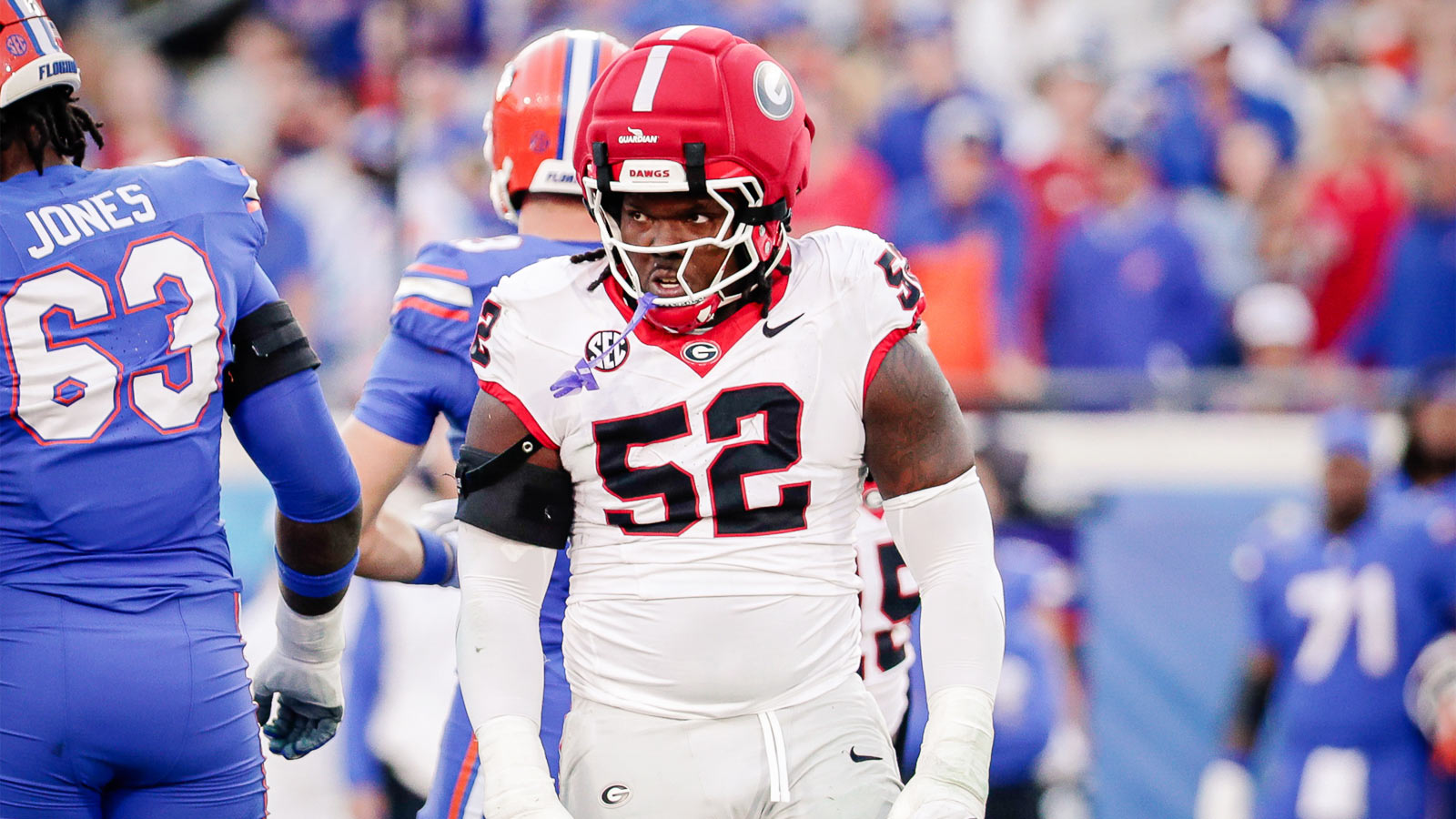
OT Monroe Freeling, Georgia
The Ringer takes a different route, linking the Bears to Georgia tackle Monroe Freeling. The rationale is tied directly to Indianapolis, where Freeling emerged as one of the week’s biggest winners. His testing profile is the kind that makes tackle-hungry teams stop overthinking and just trust the traits.
This selection aligns perfectly with Chicago’s recent behavior. Trading for Bradbury was a declaration that the interior will not fail, and drafting Freeling would be the logical next step in building outward. Securing a long-term tackle solution also saves the Bears from having to overpay for functional starters in a free-agent market that is notoriously expensive.
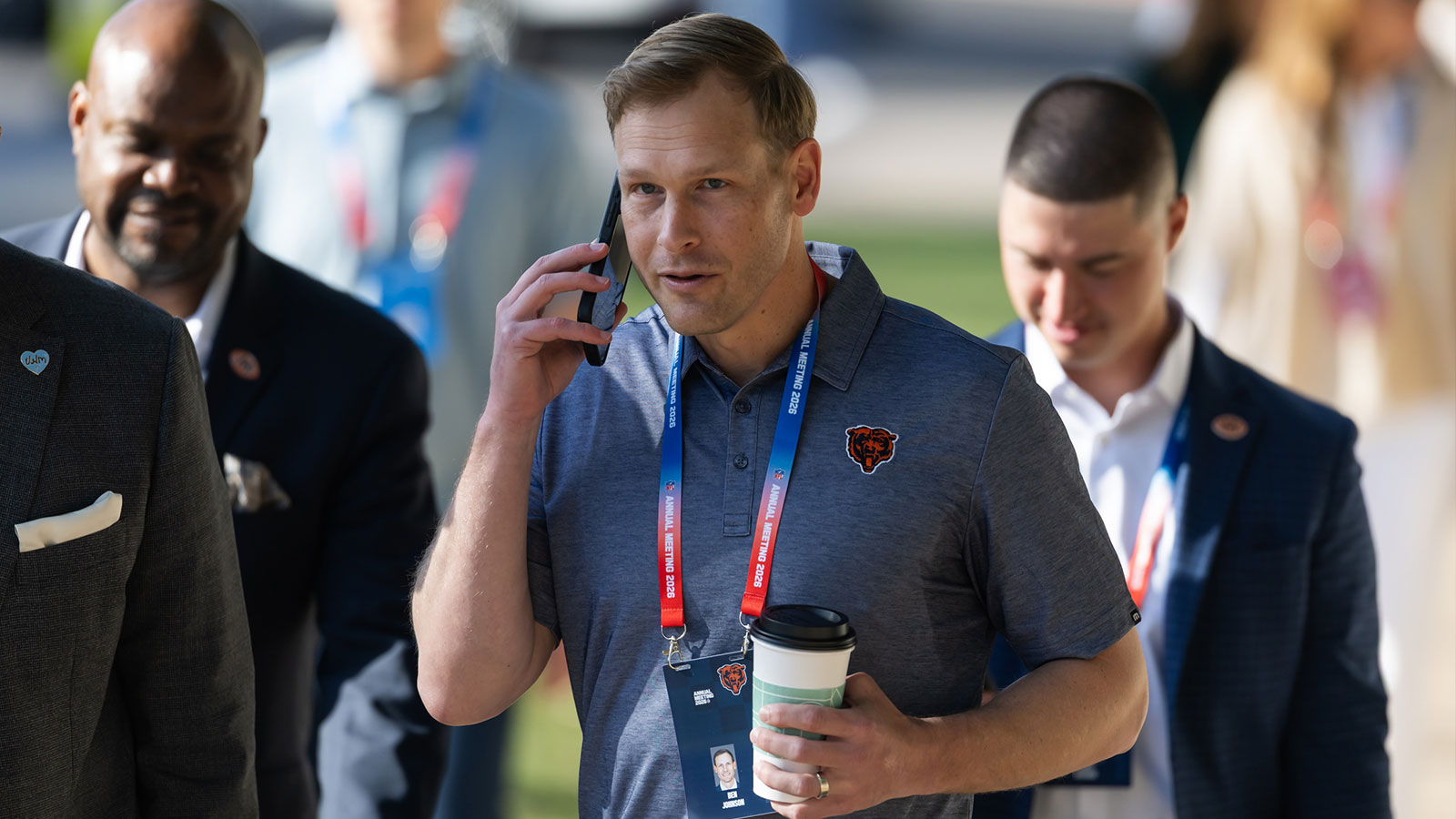
For a play-caller like Ben Johnson, a stable tackle situation changes the entire playbook. It means more freedom to send five players into routes. If the goal is to make Caleb Williams feel invincible in the pocket, Freeling is a vital part of that narrative.
EDGE Ahkeem Mesidor, Miami
Ryan Wilson’s post-combine mock for CBS Sports suggests the Bears will ignore age concerns and bank on immediate production by pairing Miami’s Ahkeem Mesidor with Montez Sweat.
This is a “win-now” move for a pass rush that is tired of being almost there. Mesidor is an intentional, pressure-heavy player who expects to finish every rep in the backfield. If you can get home with four, the secondary’s job becomes exponentially easier. It prevents the death by a thousand cuts style of play that soft zones often invite.
While some might worry about the opportunity cost of passing on a younger offensive lineman or a high-upside defensive tackle, Wilson argues that Chicago is in a position to prioritize the next five years over the next decade. If the Bears believe they can contend during Williams’s rookie contract, Mesidor is a high-impact accelerator.
S Emmanuel McNeil-Warren, Toledo
For a true curveball, Kole Noble’s seven-round mock has the Bears grabbing Toledo safety Emmanuel McNeil-Warren at 25. While safety might seem like a luxury, it fits the pattern of a team that believes it can fill other gaps through free agency.
Instability at safety is a quiet killer because it leads to conservative play-calling and allows for back-breaking explosive plays. A rangy, physical safety like McNeil-Warren allows a coordinator to disguise looks more effectively, especially one who can transition from deep coverage to run support seamlessly. Noble views this as a “best player available” scenario that happens to address a sneaky need.
The Edmunds release signals a reshaping of the defense’s second and third levels. If Chicago expects to replace linebacker production through cheaper veteran options and mid-round picks, spending a premium selection on a back-end eraser becomes a much more viable strategy.
Ultimately, both lanes lead to the same goal that is making Chicago a team that is harder to bully. Whether it’s through interior disruption or a reinforced blindside, the Bears are moving with a focus that suggests the era of wait and see is officially over.