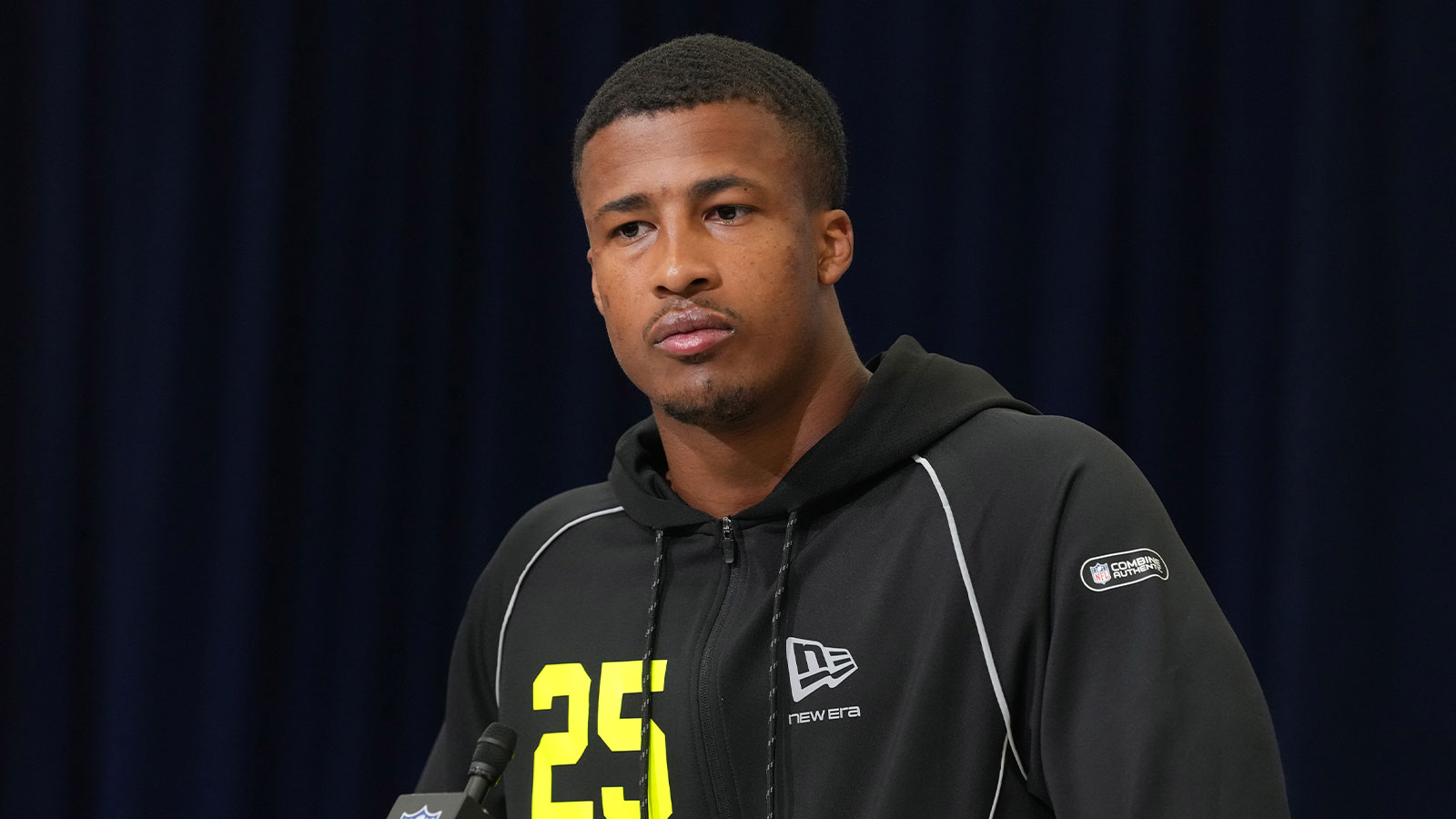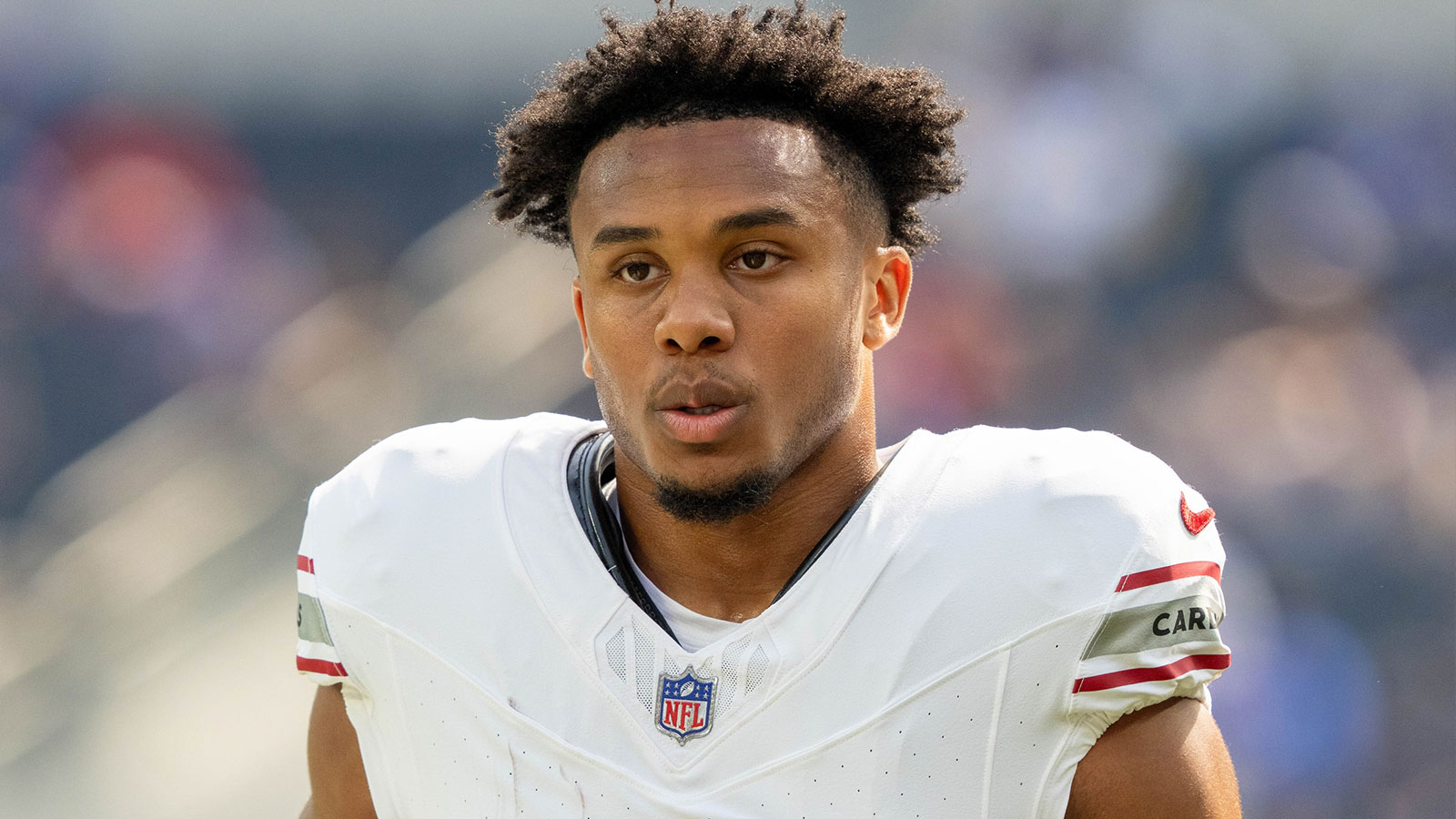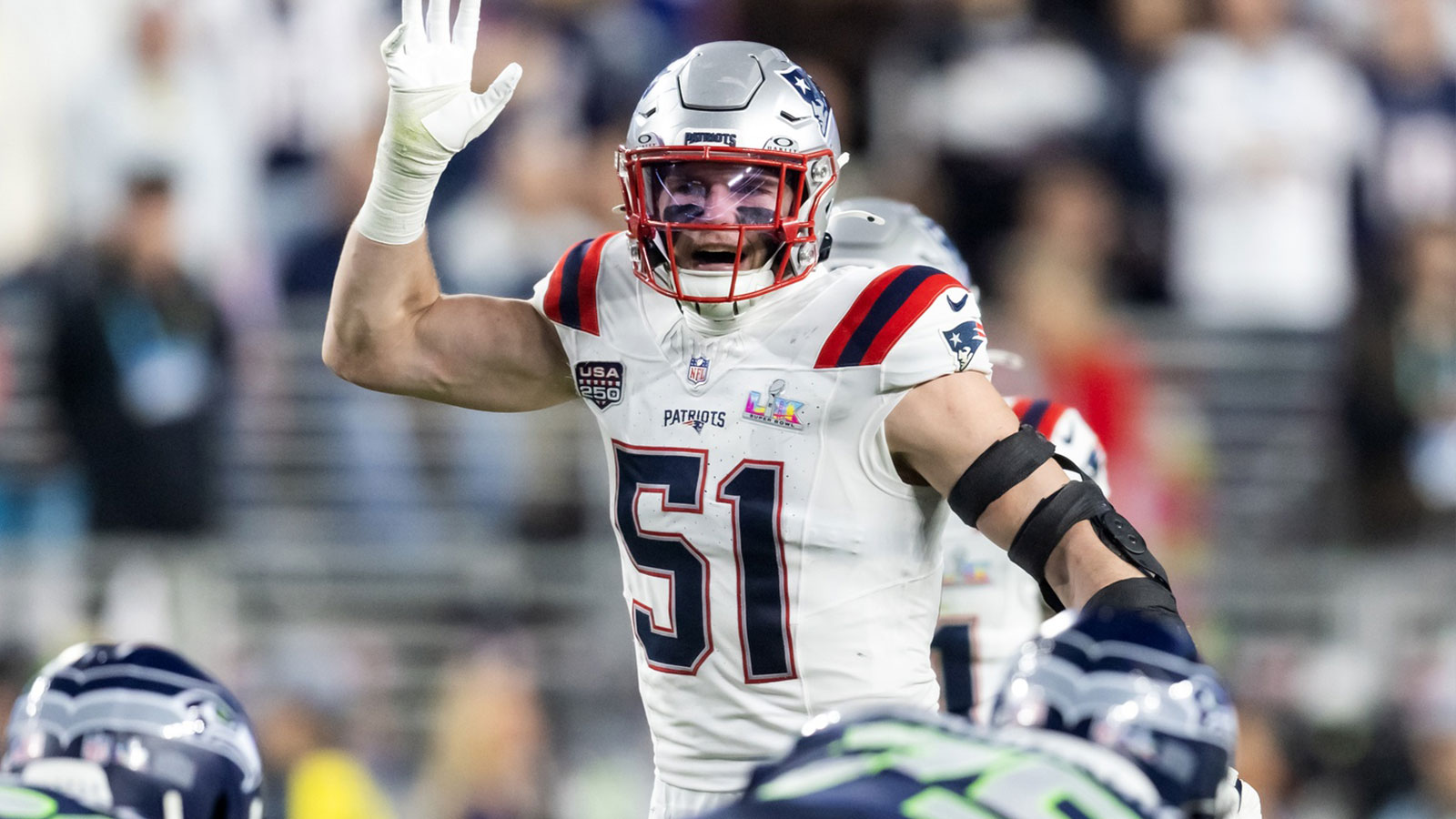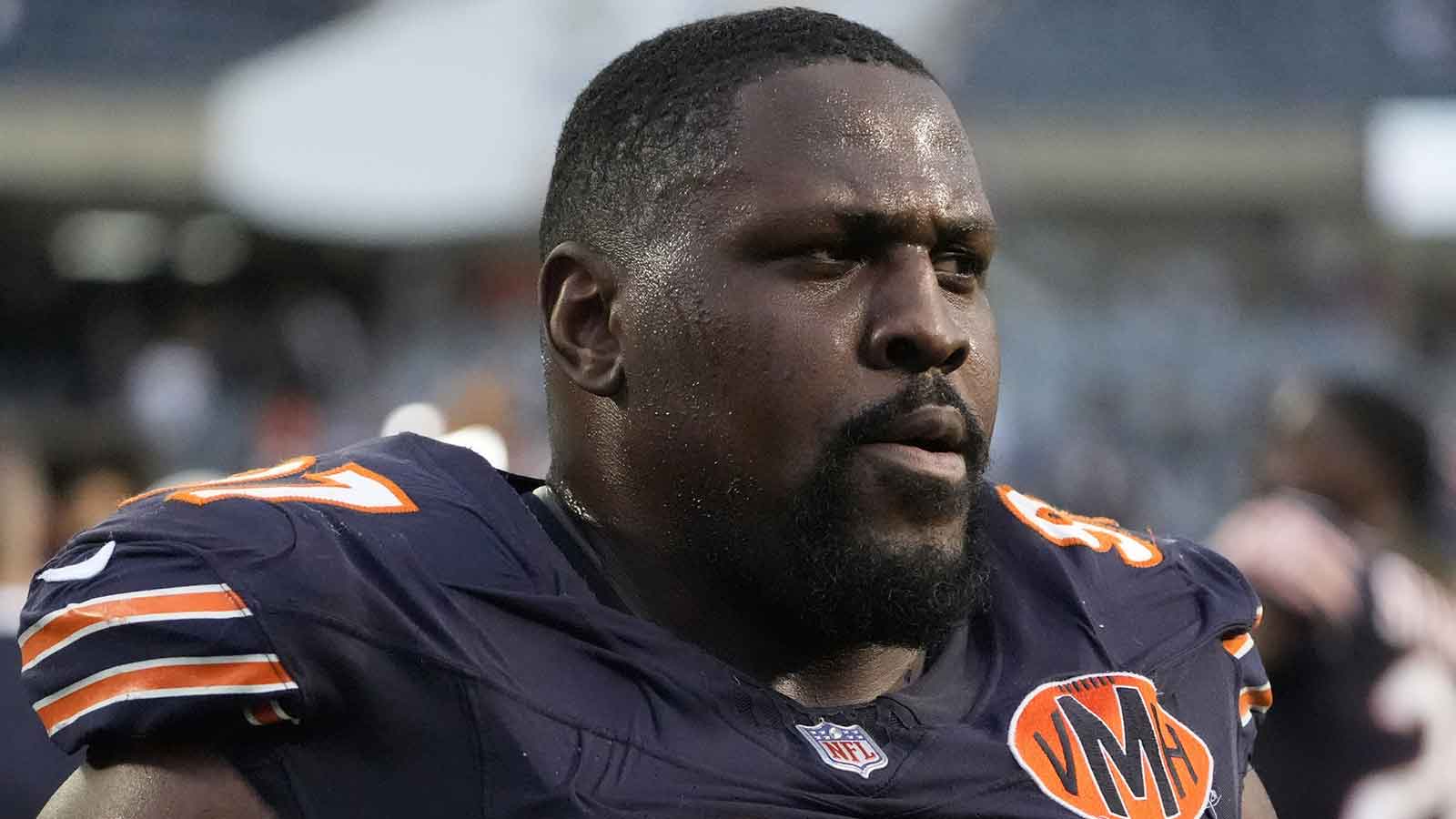

Rock bottom has a way of forcing clarity. For the Arizona Cardinals, the 2025 season was historically, franchise-alteringly bad. A 3-14 finish, the worst of the modern era, didn’t merely cost games. Italso cost jobs, credibility, and any illusion that this roster was close to contention. With a new regime incoming and the third overall pick in the 2026 NFL Draft, Arizona now has a rare opportunity. They can rebuild with intention instead of desperation. According to the PFF mock draft simulator, the Cardinals’ three-round haul reflects a franchise trying to reset its identity rather than chase quick fixes.
Season recap
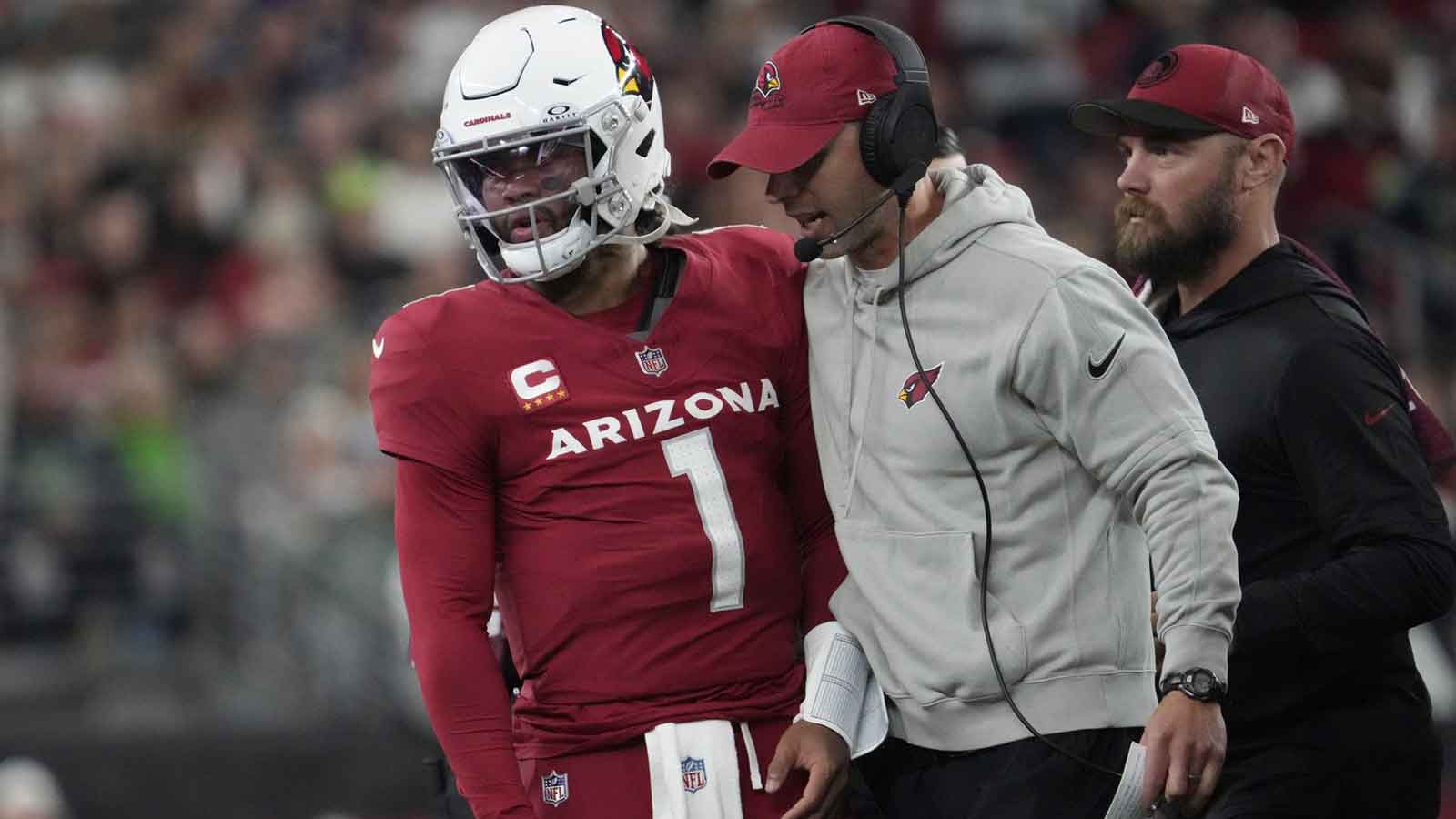
The Cardinals’ 2025 campaign unraveled almost as quickly as it began. Arizona opened the year 2-0. They flashed optimism that now feels like a mirage. That was before collapsing into a brutal 1-14 stretch that included a nine-game losing streak to close the season. The final 3-14 record marked a franchise low point. It led to the firing of head coach Jonathan Gannon the day after the season finale.
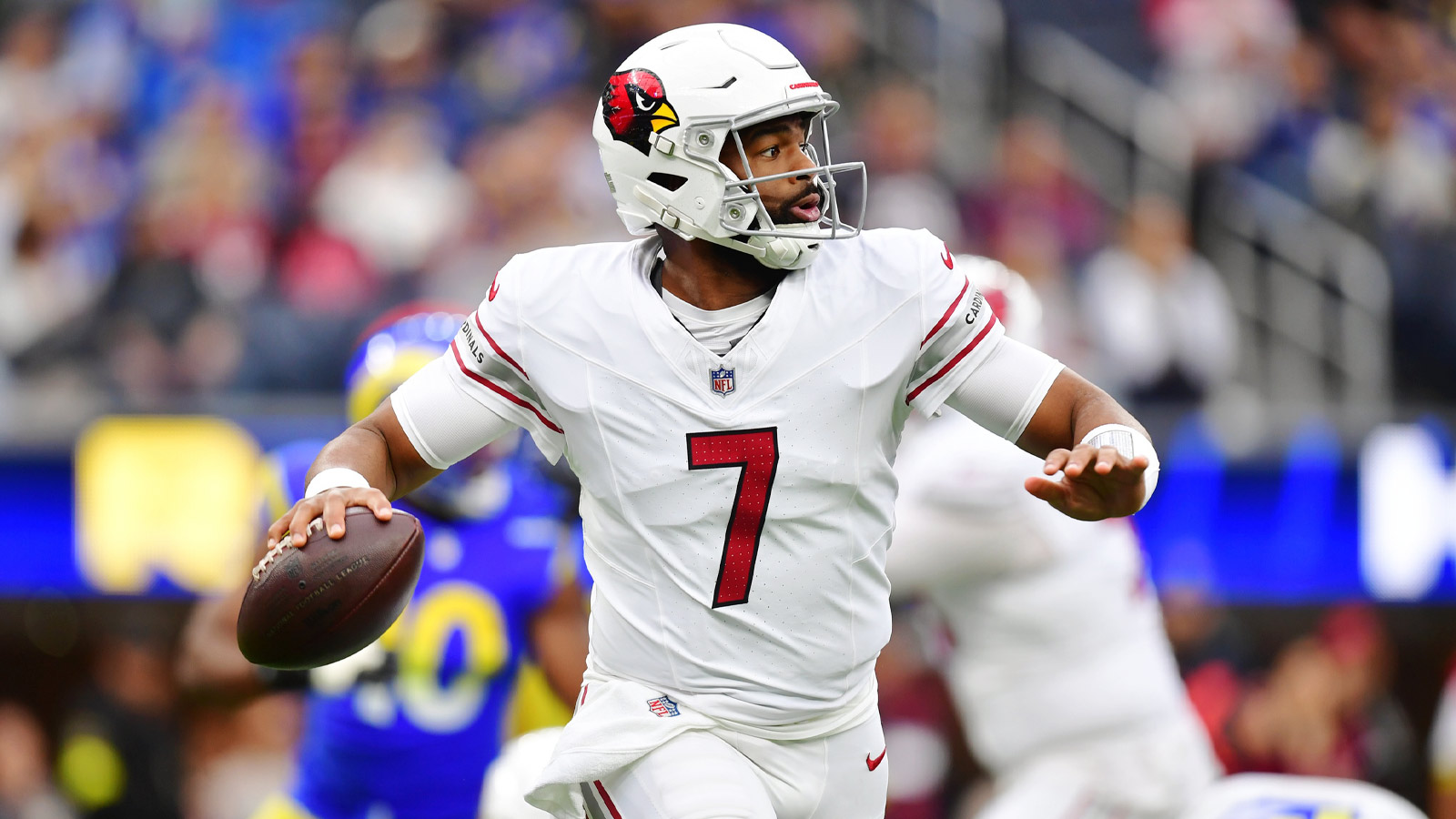
Injuries played a central role in the collapse, particularly at quarterback. Kyler Murray missed significant time. Even when available, the offense never found consistency. Arizona was officially eliminated from playoff contention in Week 13. They sealing their fourth straight year without postseason football. Still, not everything was bleak. Trey McBride and Budda Baker earned Pro Bowl honors. Meanwhile, Michael Wilson quietly crossed the 1,000-yard receiving mark. Those individual bright spots, however, only highlighted how broken the overall structure had become.
Draft needs
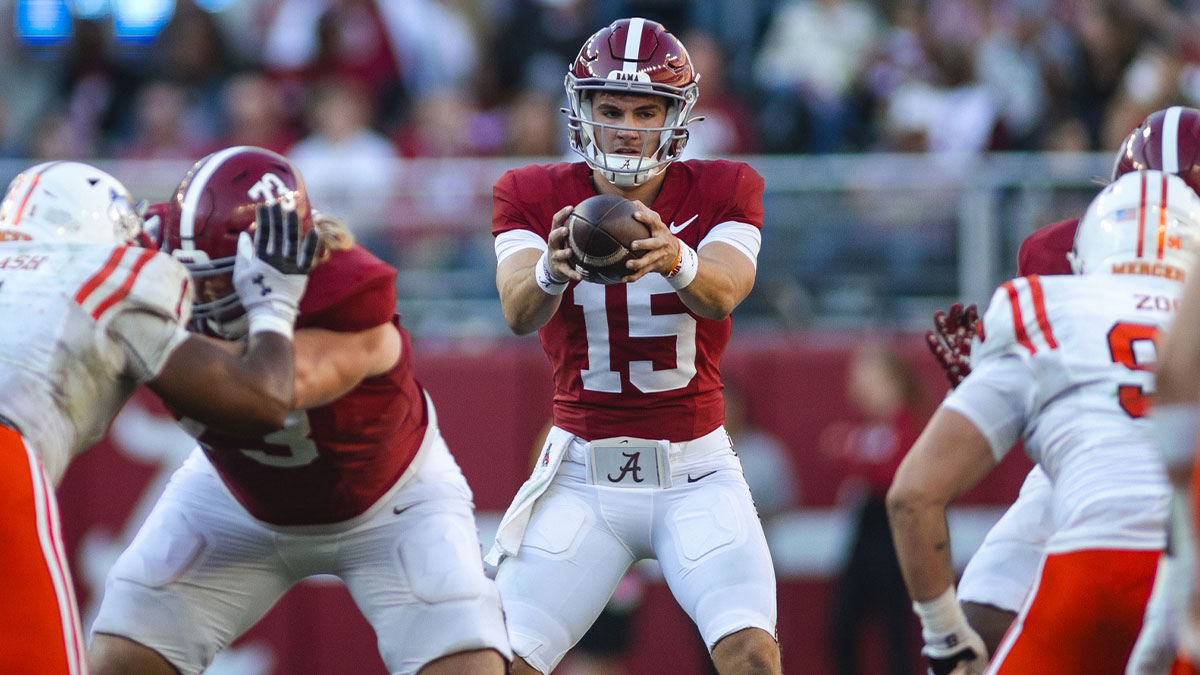
Heading into the 2026 NFL Draft, Arizona faces existential questions, most notably at quarterback. Murray’s future is uncertain due to injuries and uneven performance. Now, yes, moving on from him is not a requirement. That said, it is now more realistic than ever. Regardless of who ultimately plays quarterback, the Cardinals must overhaul the offensive line. That has failed to protect consistently or establish a reliable run game.
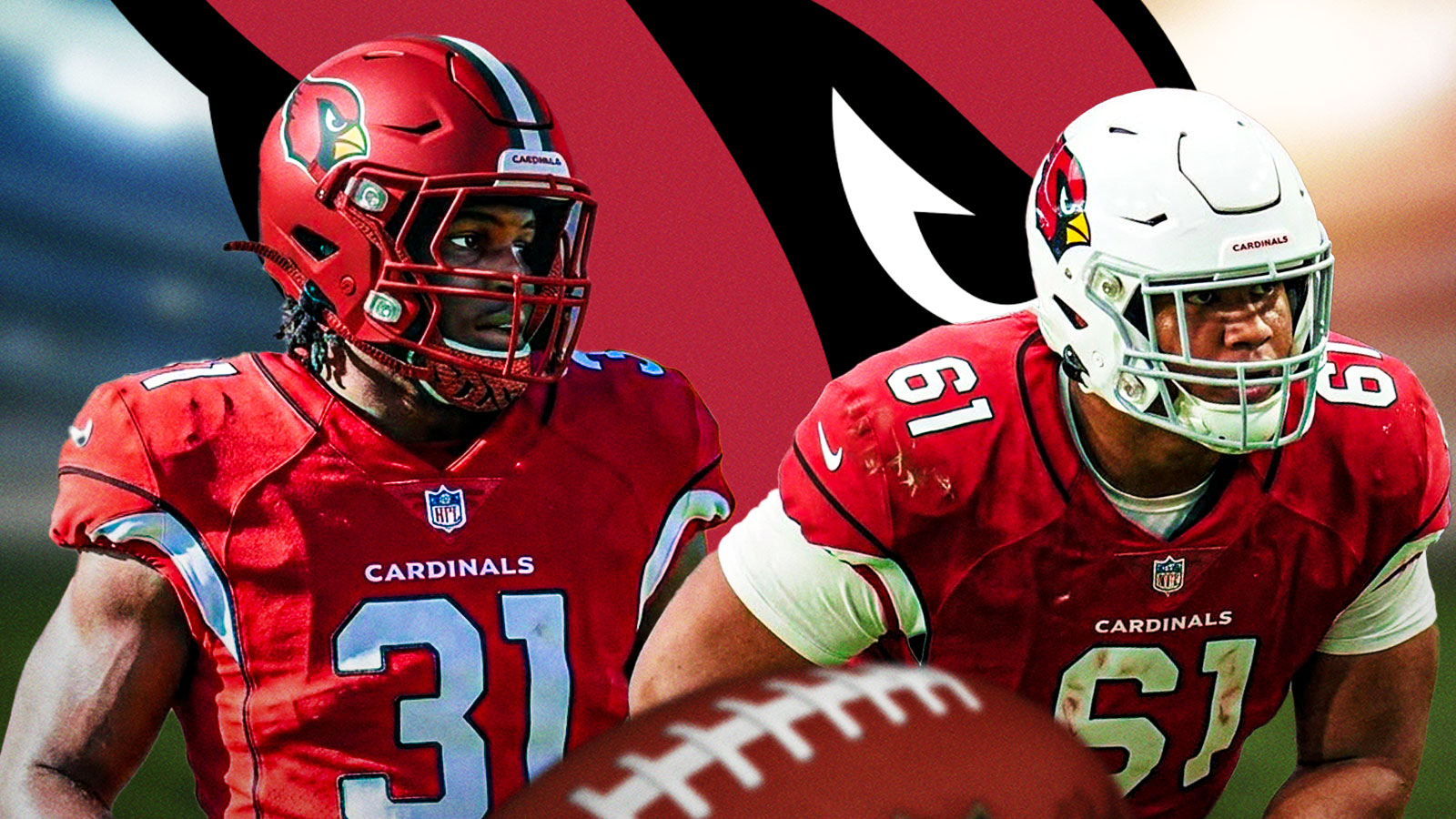
Running back is another looming concern. James Conner has been productive. However, mileage and availability are legitimate worries. Adding a long-term backfield option could stabilize an offense that has leaned too heavily on improvisation. Of course, defense also needs a lot of help. As such, this mock draft signals that Arizona is prioritizing foundational pieces. The Cardinals need players who can anchor units for years rather than patch holes temporarily.
Here we'll try to look at and discuss the Cardinals' 3-round mock draft based on the PFF 2026 NFL mock draft simulator.
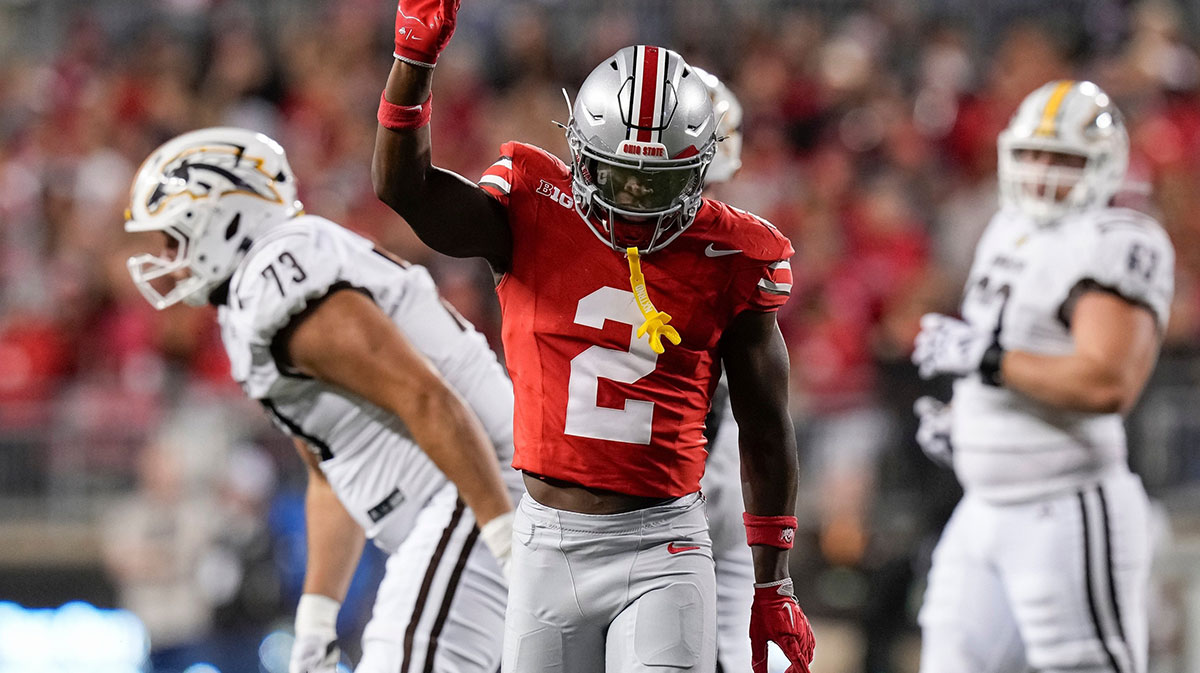
Round 1, pick 3: S Caleb Downs, Ohio State
Arizona opts for arguably best player available with Caleb Downs. It's hard to debate the logic. Downs enters the draft as one of the cleanest evaluations in the class, regardless of position. Slightly undersized for a traditional safety, he compensates with elite instincts, range, physicality, and leadership that already resemble a seasoned professional.
Downs projects as an immediate defensive centerpiece. He can play deep, roll into the box, erase tight ends, and direct the secondary. Defensive coordinators will design schemes around his versatility. Meanwhile, offensive coordinators will have to locate him on every snap. This is not a ‘safe' pick in the sense of limited upside. This is a rare prospect whose floor is a multi-year starter and whose ceiling is perennial All-Pro. For a defense that lacked identity and communication, Downs represents a cultural reset as much as a talent upgrade.
Round 2, pick 34: CB Brandon Cisse, South Carolina
Arizona doubles down on defense by selecting Brandon Cisse. He is a physical, press-capable corner who fills an immediate need. Cisse has the frame, competitiveness, and confidence to line up on the outside from Day One. His ability to play press-man coverage makes him a natural fit in aggressive schemes. His upside as a traveling corner gives him true CB1 potential.
That said, Cisse is not a finished product. His technique can waver. Discipline at the top of routes will determine whether he becomes merely solid or genuinely elite. Still, with proper coaching, this is the type of bet rebuilding teams should make—high-upside, premium-position talent. He can grow alongside the rest of the roster.
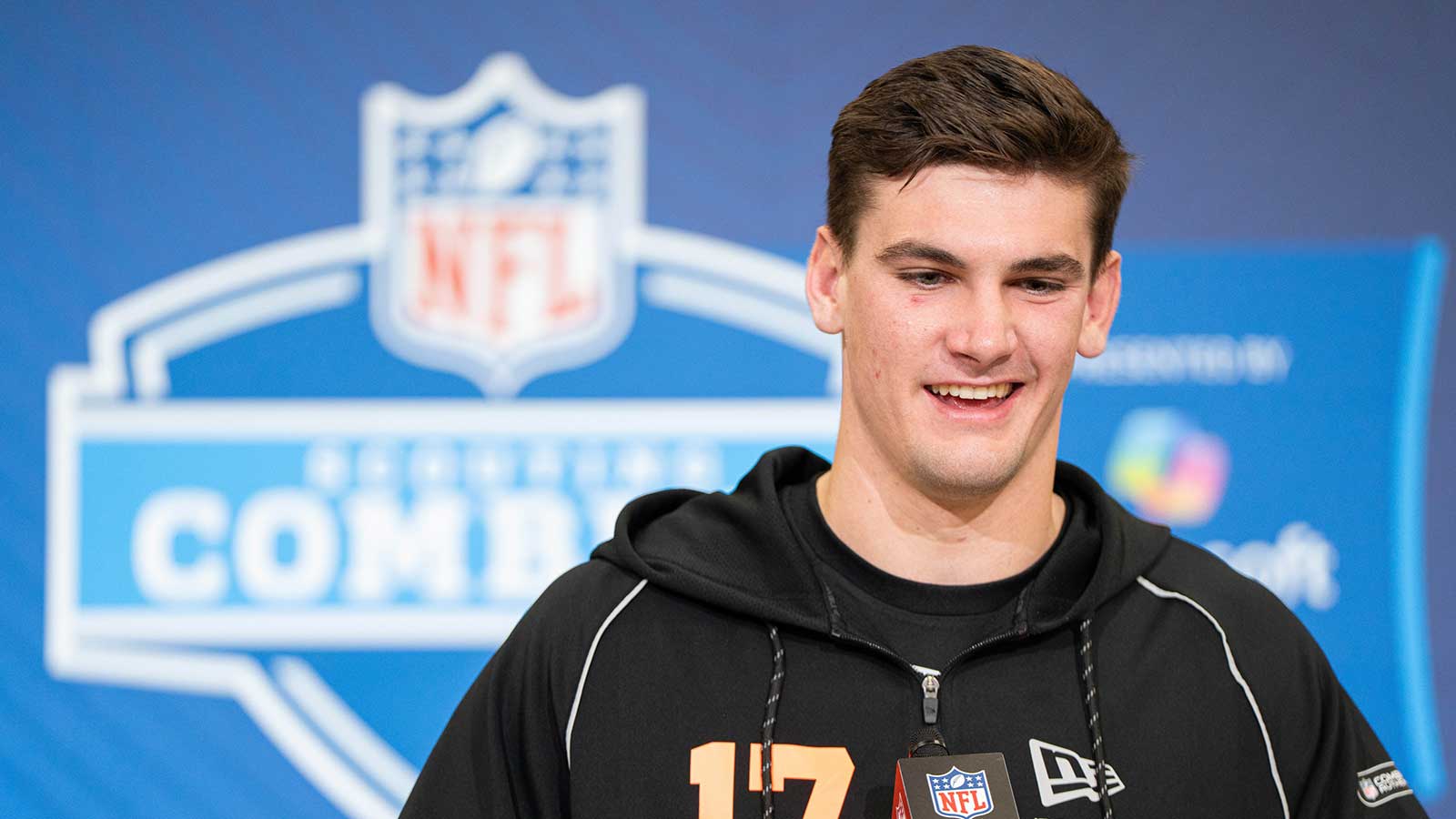
Round 3, pick 65: T Austin Siereveld, Ohio State
The Cardinals finally turn to the trenches with Austin Siereveld. He is a throwback interior lineman who wins with strength, leverage, and intelligence. Siereveld may not wow with athletic testing. That said, his value lies in reliability and versatility. He can play multiple interior positions and has the upside to develop into a long-term starter at guard.
At minimum, Siereveld provides quality depth. Tha is necessary for a team that has struggled with offensive line injuries and inconsistency. At best, he becomes a tone-setter inside. He should clear lanes in short-yardage situations and keep pass rushers out of the quarterback’s lap. For a third-round pick, that blend of floor and ceiling is exactly what Arizona needs.
Patience and progress
This three-round mock doesn’t scream instant turnaround. That’s the point. Arizona adds a potential defensive cornerstone, a high-upside corner, and a physically reliable offensive lineman. No panic picks. No reach-for-need quarterback gamble. They will stick with Murray, for now. And maybe test free agency for a backup by using disciplined roster building.
After years of chasing fixes, the Cardinals finally appear to be choosing structure. If this philosophy carries through the rest of the draft and into free agency, Arizona’s long climb back to relevance might finally have a stable foundation.