The Baltimore Ravens rarely enter an offseason lacking direction. Yet that's exactly how they find themselves entering the 2026 NFL Draft. They had a turbulent 2025 campaign and a coaching transition to Jesse Minter. Now, Baltimore must re-establish its identity in the trenches while expanding the offensive ceiling around franchise quarterback Lamar Jackson. The PFF mock draft simulator after the NFL Combine offers a revealing glimpse into how the Ravens might tackle that mission. Rather than chasing splash names early, this projection emphasizes pass-rush depth, developmental playmakers, and rotational defenders capable of sustaining Baltimore’s physical brand of football.
Draft priorities
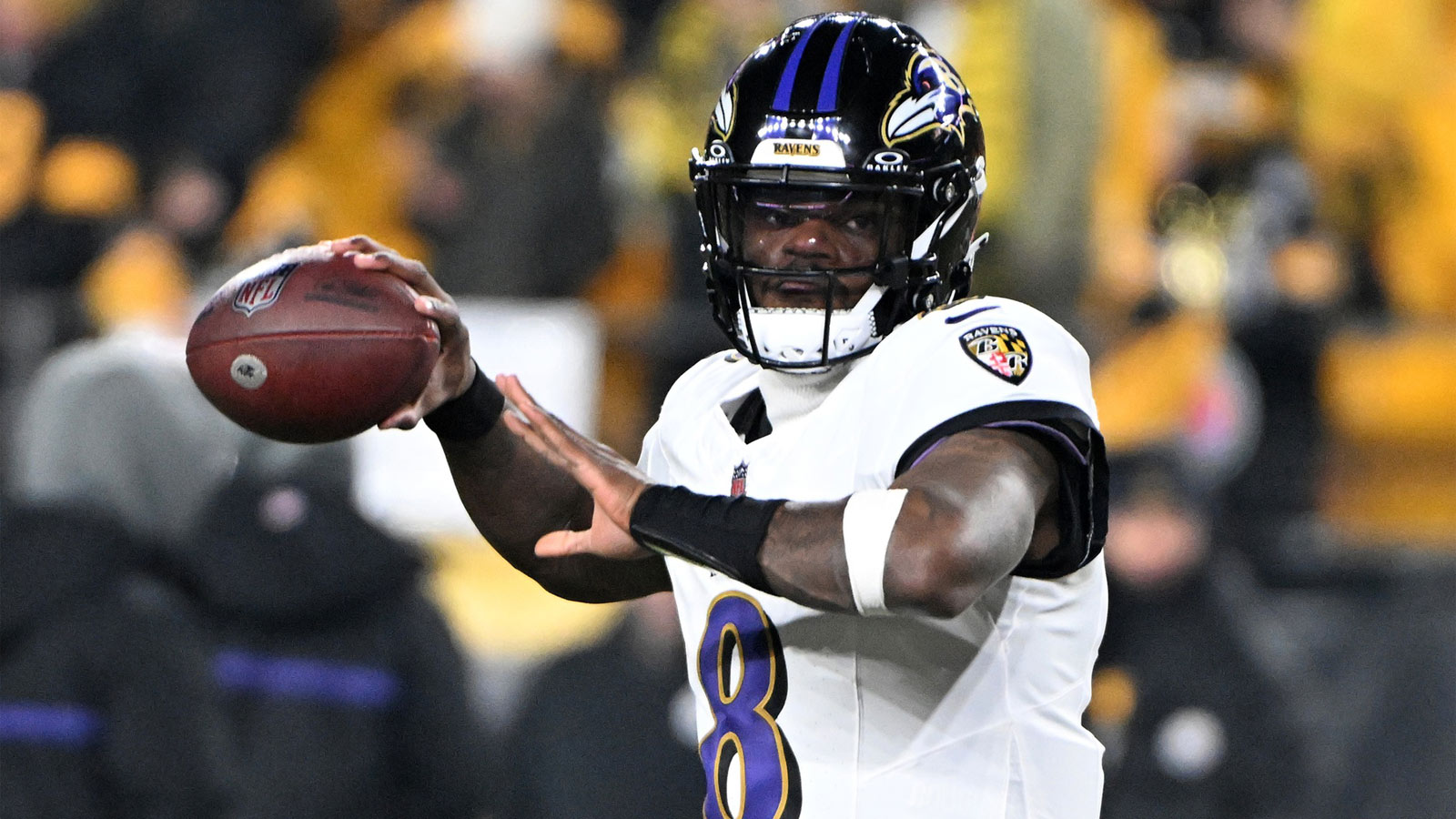
Entering the 2026 NFL Draft with the 14th overall pick, the Ravens have a clear mandate to fortify the trenches and diversify Lamar Jackson’s weaponry. The interior offensive line remains a glaring priority. Daniel Faalele and Andrew Vorhees have struggled and center Tyler Linderbaum hits free agency. As such, Baltimore has been linked to plug-and-play guards capable of stabilizing the pocket. Defensively, the Ravens must reinvigorate a pass rush that stalled late in the season. They also need to address depth concerns along the defensive line following Nnamdi Madubuike’s neck injury and expiring contracts across the front. Meanwhile, inconsistent production from Rashod Bateman and the uncertain future of veteran DeAndre Hopkins have made wide receiver another priority.
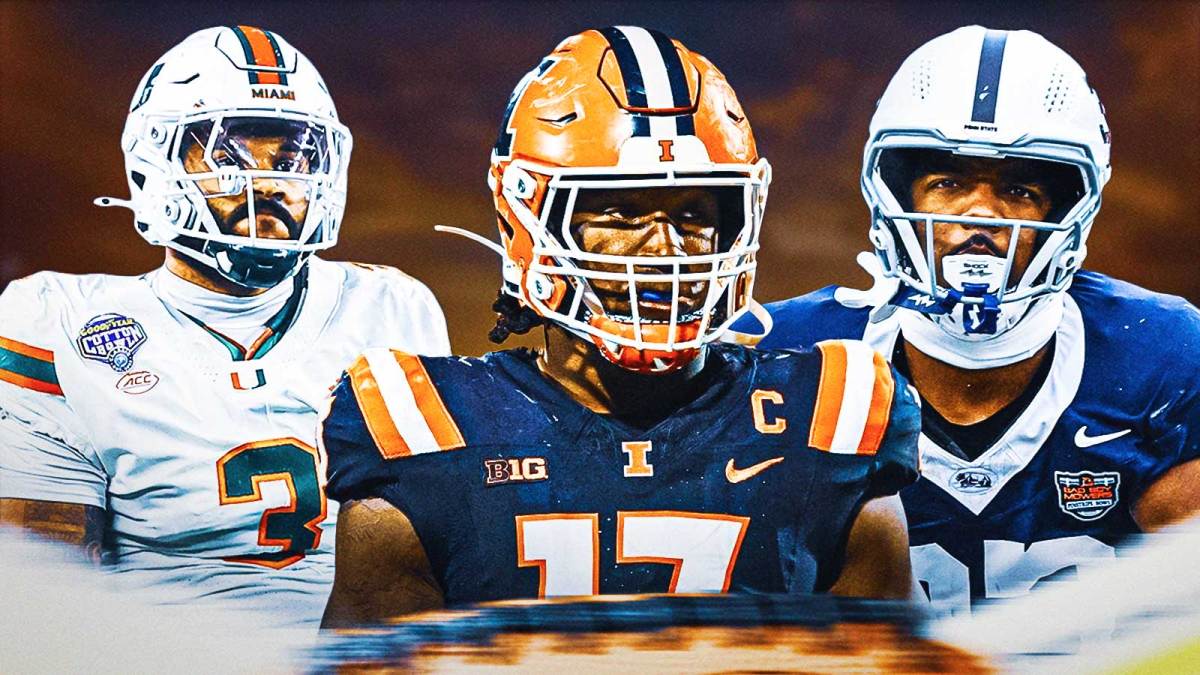
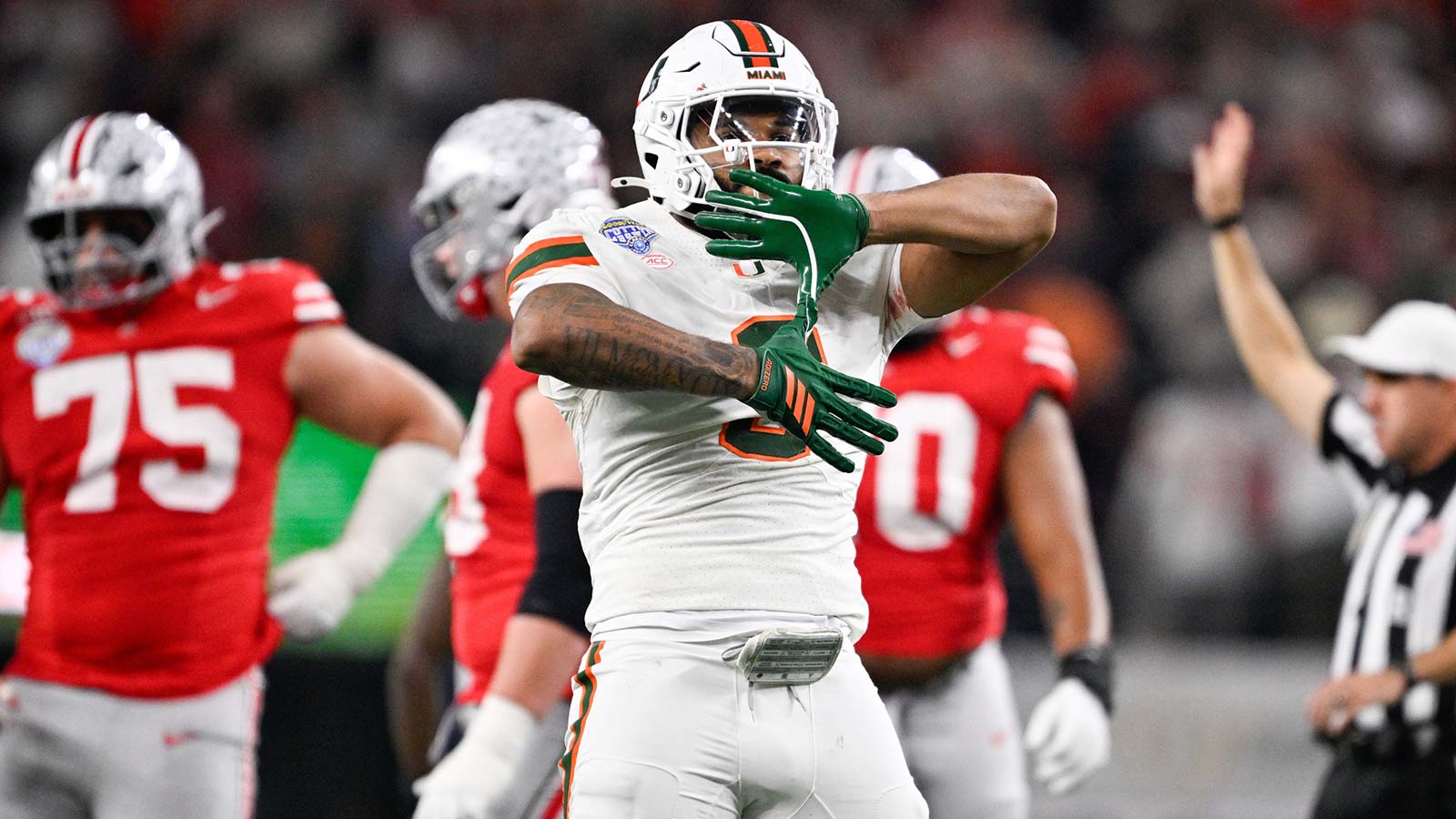
Round 1, pick 14: EDGE Akheem Mesidor, Miami
Akheem Mesidor immediately addresses Baltimore’s most pressing defensive need: pass rush. The Miami defender boasts one of the most refined pass-rush arsenals in the class. Mesidor’s tape reveals a player who wins through technical precision rather than pure athletic explosiveness.
That trait could prove invaluable in Baltimore’s scheme. The Ravens historically value defenders who can create pressure through discipline and versatility. Mesidor’s training under Hall of Fame pass rusher Jason Taylor adds another layer of intrigue. In Baltimore, he could become a cornerstone edge presence.
Round 2, pick 45: EDGE Gabe Jacas, Illinois
If the first round adds finesse and technique, the second round adds brute force. Gabe Jacas arrives with a dense frame and positional versatility. At 275 pounds, Jacas brings the power to line up across multiple fronts.
Sure, he has spent much of his career standing up as an outside linebacker. However, his best snaps come with his hand in the dirt. In Baltimore’s system, Jacas projects as a defensive end capable of collapsing the pocket through leverage and strength. His development into a full-time edge rusher could significantly strengthen the Ravens’ defensive front.
Round 3, pick 80: EDGE Dani Dennis-Sutton, Penn State
Baltimore digs down on pass rush with another high-upside defender. Dani Dennis-Sutton offers rare length and size at 6-foot-5 with arms that create natural leverage advantages.
His long-arm rush and power conversion show flashes of dominance. Yes, his agility in space still requires refinement. That said, Dennis-Sutton’s physical tools make him an ideal rotational piece capable of growing into a more prominent role. For a Ravens defense seeking renewed aggression, the pick makes strategic sense.
Round 4, pick 115: LB Jaishawn Barham, Michigan
Jaishawn Barham adds speed and versatility to Baltimore’s linebacker room. He is built with the frame of a traditional linebacker but the burst of an edge defender. As such, Barham excels as a downhill tackler and blitzer.
His coverage production remains limited. However, his physicality and instincts around the ball provide immediate run-defense value. In Baltimore’s scheme, Barham could thrive in hybrid roles that allow him to attack the backfield.
Round 5, pick 152: DL Albert Regis, Texas A&M
Albert Regis represents the type of steady rotational lineman Baltimore often develops into productive contributors. Yes, he is not known for explosive backfield production. Still, Regis brings reliable technique, leverage, and positional awareness. He projects as a depth piece capable of anchoring the defensive front when starters rotate out.
Round 5, pick 160: LB Aiden Fisher, Indiana
Fisher fits the Ravens’ long-standing tradition of intelligent, high-motor linebackers. His instincts and tackling consistency make him a dependable defensive reserve and special teams contributor. Coaches value players who consistently execute assignments. Fisher’s football IQ ensures he will quickly earn trust within the system.
Round 5, pick 172: WR Tyren Montgomery, John Carroll
Every draft class includes a hidden gem candidate. Tyren Montgomery could fit that description. The Division III standout turned heads at the Senior Bowl with explosive routes and impressive ball skills. Montgomery’s ability to win jump balls and separate against higher-level competition suggests intriguing upside as a developmental receiver.
Round 5, pick 173: WR Ted Hurst, Georgia State
Ted Hurst adds vertical explosiveness to the Ravens’ receiving corps. His speed and acceleration make him a threat from snap to whistle. He can stretch defenses and creating space underneath. Although his hands and contested-catch aggression remain areas for improvement, Hurst’s raw athleticism offers valuable upside in Baltimore’s offense.
Round 7, pick 249: WR Trebor Pena, Penn State
Trebor Pena brings slot versatility and special teams value. After breaking out with a 1,000-yard season late in his collegiate career, Pena demonstrated impressive quickness and fluid movement. His experience as a return specialist increases his chances of carving out a roster role while competing for snaps in the slot.
Round 7, pick 252: CB Ahmari Harvey, Georgia Tech
Ahmari Harvey closes the Ravens’ class with a developmental defensive back capable of competing at nickel. Though undersized, Harvey shows good vertical coverage instincts and the ability to challenge receivers at the catch point. If he improves his physicality and tackling reliability, Harvey could evolve into a situational contributor in the secondary.
Defensive identity
The overarching theme of this mock class is to restore Baltimore’s defensive edge. Mesidor, Jacas, and Dennis-Sutton form a formidable trio of pass-rush investments designed to reignite the team’s pressure packages.
Meanwhile, Barham, Regis, and Fisher strengthen the front seven’s depth, ensuring Baltimore can maintain its trademark physicality deep into games.
This projected class reflects Baltimore’s traditional roster-building philosophy: fortify the defense, uncover hidden offensive weapons, and trust development pipelines. If even two of the edge rushers reach their potential, the Ravens could dramatically reshape their defensive identity. In a division defined by physical football, that might be exactly what Baltimore needs to return to contention.