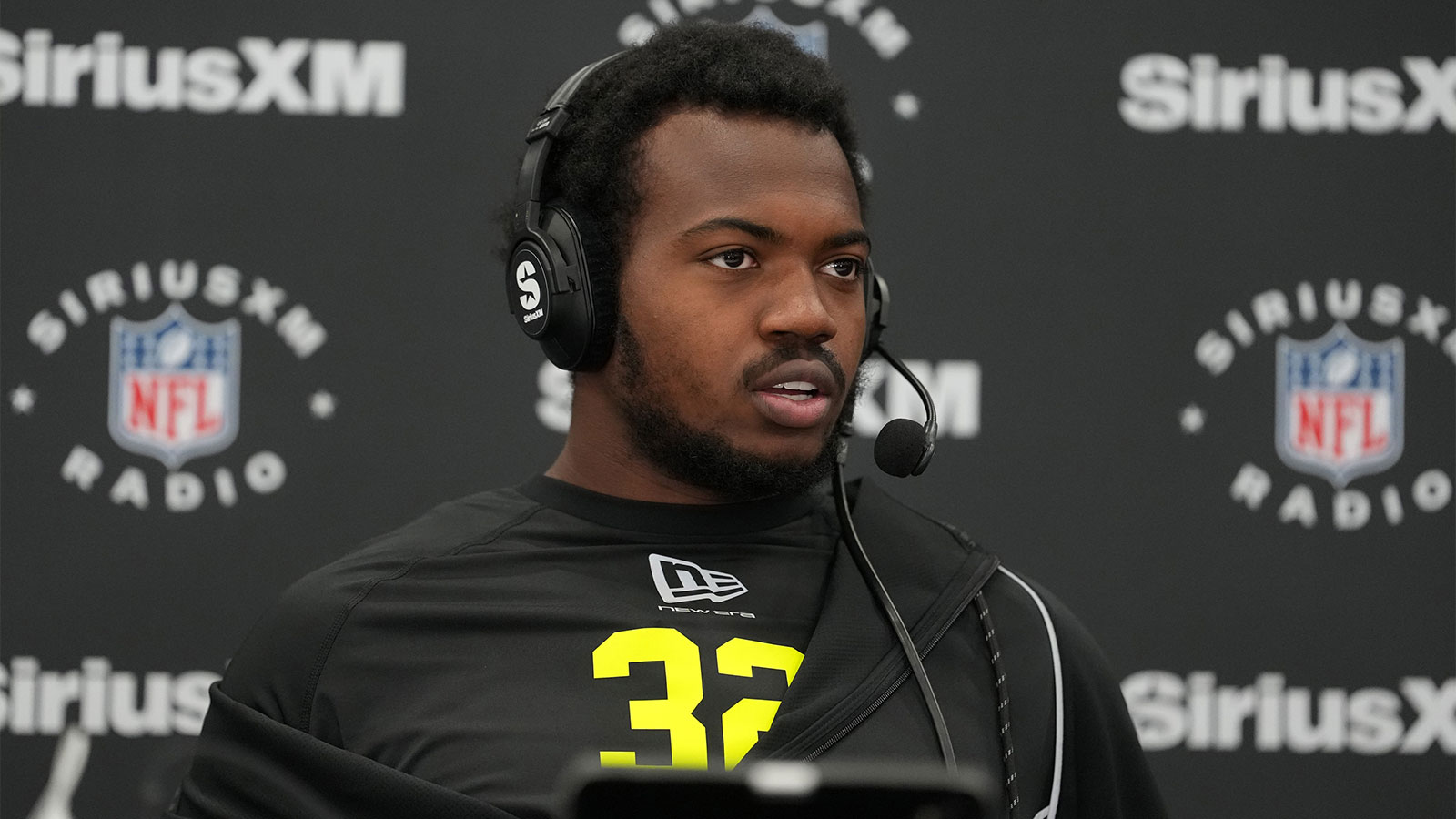
Kansas City made a few sensible moves early on. Khyiris Tonga explained that joining the Chiefs was an easy decision for him due to Andy Reid's ties to BYU and how he fits into the defense.
The team also brought back guard Mike Caliendo after he drew interest from other teams. These are solid, understandable choices that help bolster the depth chart; however, they do not come close to addressing the most significant problem Kansas City created for itself in the first week of free agency.
The Chiefs' biggest mistake was allowing the secondary to be depleted and then acting as if a couple of replacement-level additions would adequately fill the gaps. Yes, this was the fundamental error.
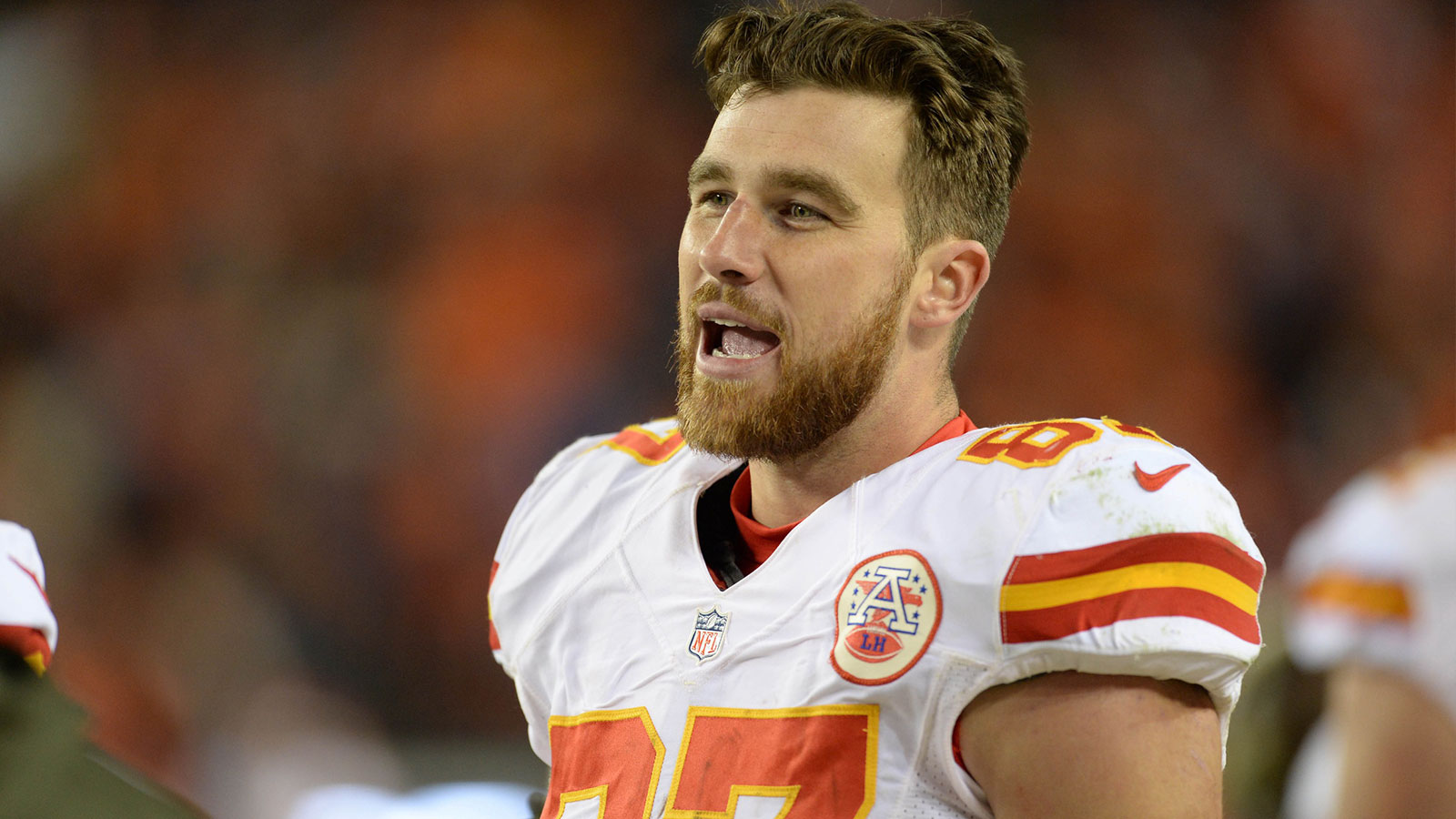
Not bringing back Travis Kelce was never the issue, as they did secure his return, and not adding Kenneth Walker III also wasn't the problem, though I believe paying a running back that much only makes sense for a team with a more solid offensive foundation.
The real mistake was letting too much proven coverage talent leave all at once and then assuming it would be easy to replace.
They traded Trent McDuffie to the Rams, witnessed Jaylen Watson leave for Los Angeles, and also lost Bryan Cook. These were not random departures, absolutely not, as they dismantled the core of a Super Bowl-caliber secondary in just a few days.
Once this occurred, the burden shifted, and the Chiefs required a strong response that would make fans think, “Okay, they anticipated this and were prepared.”
Instead, what they demonstrated resembled improvisation.
Reuters pointed out that Kohou came in after the departures of both McDuffie and Watson, which is why this move felt more like damage control rather than a strategic decision. Many people overlook this aspect, saying, “Well, they signed someone.” True, but signing a player does not equate to maintaining a championship-level unit.
McDuffie was not just a good starter; he was an All-Pro corner in his mid-20s, the type of player a team works years to draft and develop.
The Rams traded the No. 29 pick, two later picks in 2026, and a third-round pick in 2027 to acquire him, subsequently handing him a four-year, $124 million extension that made him the highest-paid corner in league history.
That return is impressive and is real draft capital, but there is a cost to treating a player like McDuffie as a movable asset instead of a cornerstone, and that cost cannot solely be measured in picks. It also affects how much more challenging it becomes to call the rest of the defense once he is gone.
This is where I believe the Chiefs misread their situation.
They were not a team with an excess of depth at cornerback, comfortable enough to trade away one star and rely on their pipeline, but they were a team that had leaned on smart, disciplined secondary play for years, especially when the pass rush slowed down, and games tightened.
McDuffie was crucial because he provided Steve Spagnuolo with flexibility.
You could move him around, trust him on the outside, trust him on the inside, and shape coverage plans around his strengths rather than out of fear.
Once you remove that element, replacing him is not just about finding one new cornerback; it requires recreating a whole ecosystem of trust, communication, and matchup flexibility, and that ecosystem took additional hits.
Jaylen Watson's departure is significant because he was one of the corners who helped maintain cohesion when injuries struck, and Bryan Cook’s exit matters as well because safety communication is something fans only notice when it breaks down.
If both corners and safeties change simultaneously, the secondary loses shared experience, understanding, and the subtle elements, too.
These aspects are real and take longer to rebuild than many people realize.
I do not fully endorse the argument that “they can just draft their way out of it.” Can the Chiefs draft corners and safeties? Certainly, especially now that they have extra picks from the McDuffie trade, and that's the upside.
But a championship-caliber team should be cautious about transforming a seasoned secondary into a draft project, particularly when the rest of the roster isn’t in perfect condition.
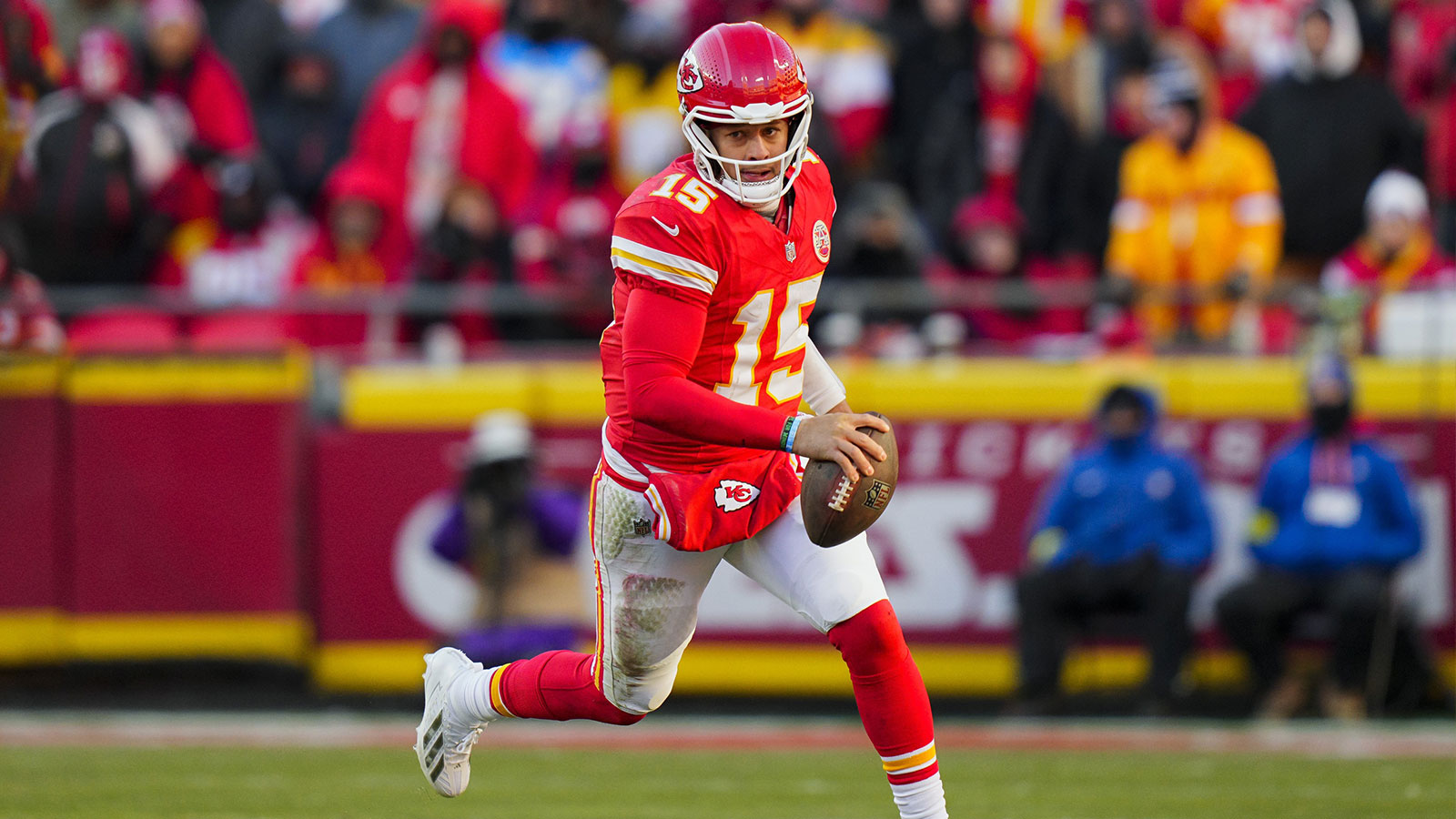
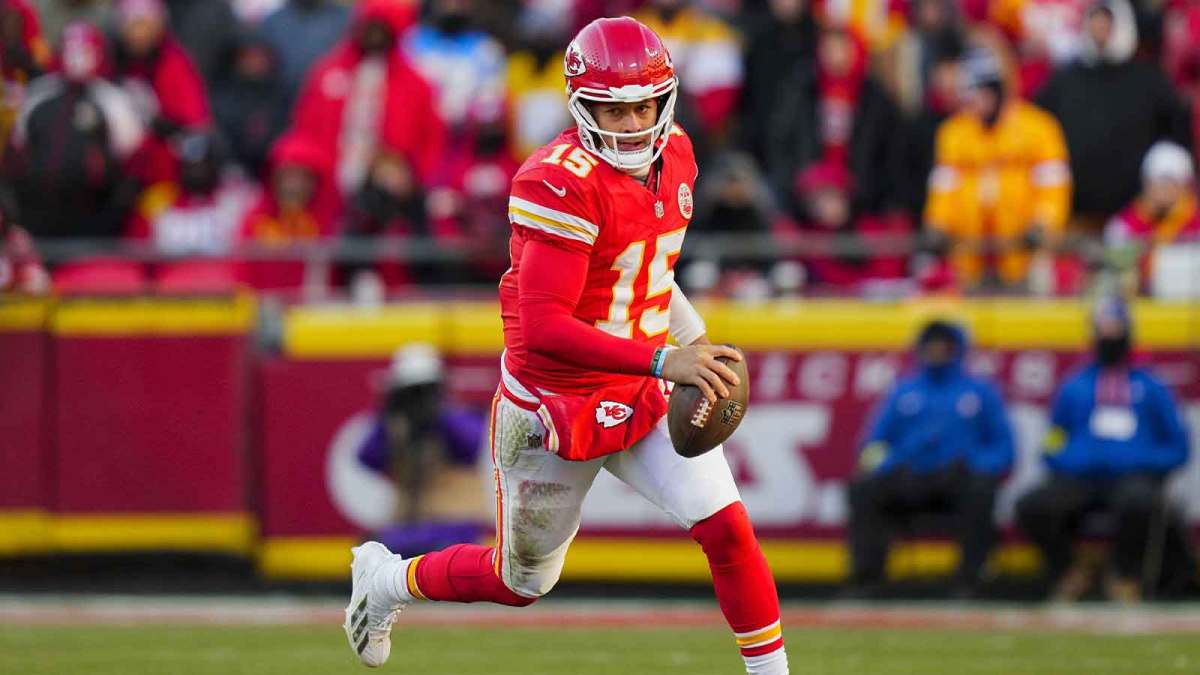
The Chiefs' roster has its uncertainties, as the offensive line still raises concerns, and the offense continues to rely heavily on Mahomes to navigate chaos, and while Kelce is back, he is aging.
Having multiple major units in transition simultaneously can be detrimental, risking their status from dangerous to merely interesting.
The Chiefs and their big mistake
Another reason this week felt off is due to resource allocation, as Kansas City spent big on Kenneth Walker III, indicating that the front office wanted more explosiveness in the backfield and likely intended to protect Mahomes from having to carry the team once again.
This approach makes sense, as Walker is a significant addition and highlighted his big-play potential. Of course, once the secondary began to be dismantled, every dollar spent and every big move became more consequential.
In that context, investing aggressively in a running back while asking the secondary to handle a complete transformation is a questionable choice, and maybe it will work out, or maybe Walker will change the offense enough to justify it.
But if we consider where things started to drift, this is one of the key areas.
This brings us back to Tonga, and Caliendo moves, as they are solid moves; better than solid, really.
Tonga helps against the run, and Caliendo provides interior depth and some continuity; these are the types of decisions good teams usually make.
The problem is that these moves are side dishes, not the main course, and even if the most defensible signings of your first week are focused on depth at guard and rotational size up front, while the secondary is being stripped of its key players, it raises concerns.
It suggests that the roster may be more fragile than the front office is willing to admit.
I also believe this situation differs from simply saying, “The Chiefs should have paid McDuffie no matter what” because that perspective is too simplistic.
Every team has financial limits, and cornerback salaries are skyrocketing; sometimes, the right football player may not be a good fit for the salary cap.
I understand that, but what I don’t comprehend is creating so much turnover at once and then expecting that lower-tier additions will suffice.
The Chiefs had traded McDuffie, but managed to maintain the rest of the room; that would be one thing. If it had lost Watson but replaced him with a proven outside option, that would be another, and that’s where the problem lies.
On their own, Gilman and Kohou are fine additions, but within the broader context, they are not enough.
This leads me to conclude that the biggest mistake Kansas City made in Week 1 was underestimating the difficulties of rebuilding a championship-level secondary on the fly.
A team can survive one significant departure, perhaps two if the replacements are solid, but once you turn over that much of the secondary, the repercussions can be extensive.
They manifest in coverage leverage, third-down calls, and the coordinator’s confidence in playing aggressive football, and these issues cannot be resolved merely by pretending that a couple of reasonable signings equal continuity.
They can still remedy this situation because the draft could provide help, another veteran might become available, or a trade could materialize.
For a contender, this kind of mistake may not hurt now, but it often leads to problems when the games become tight.