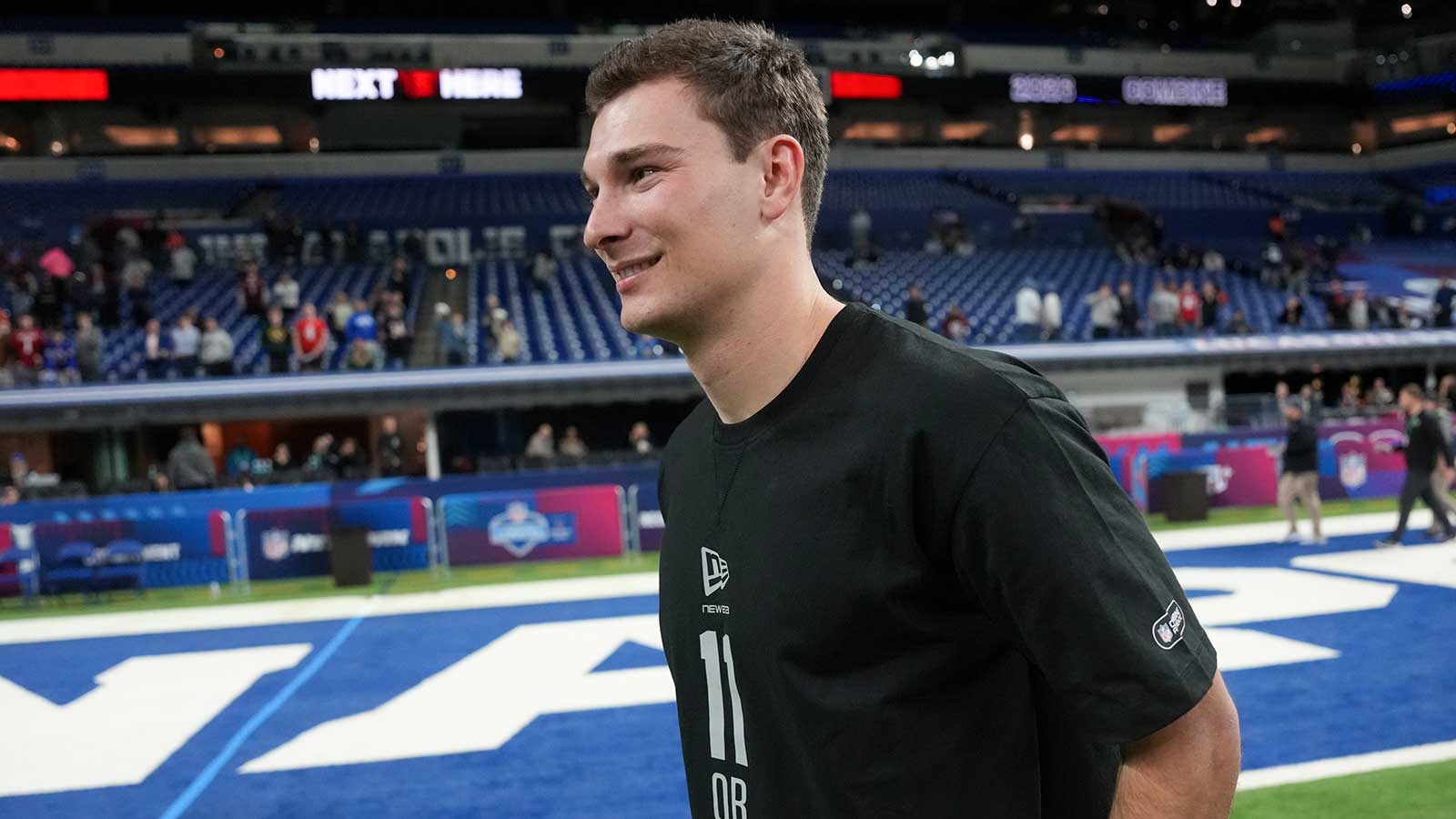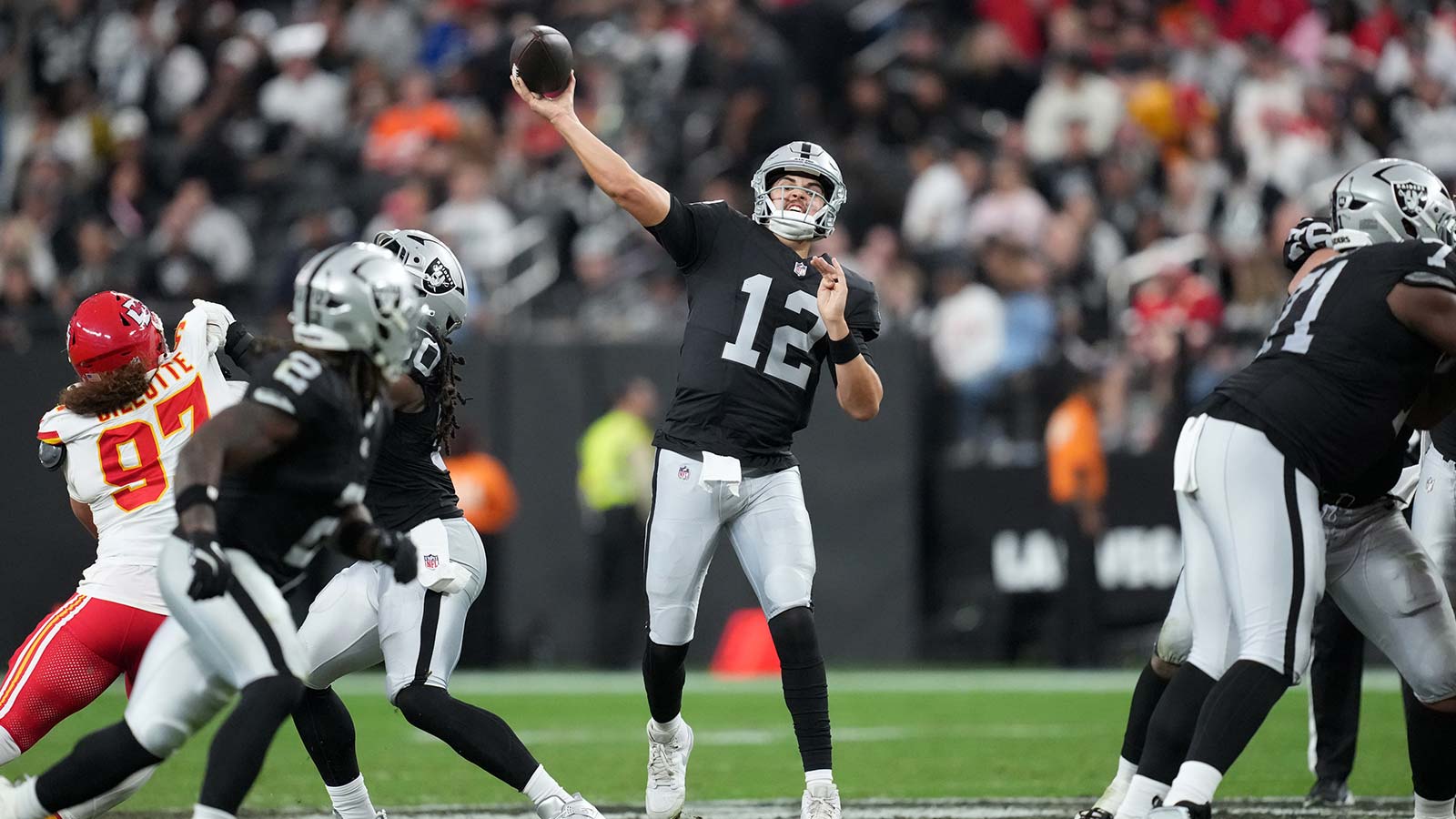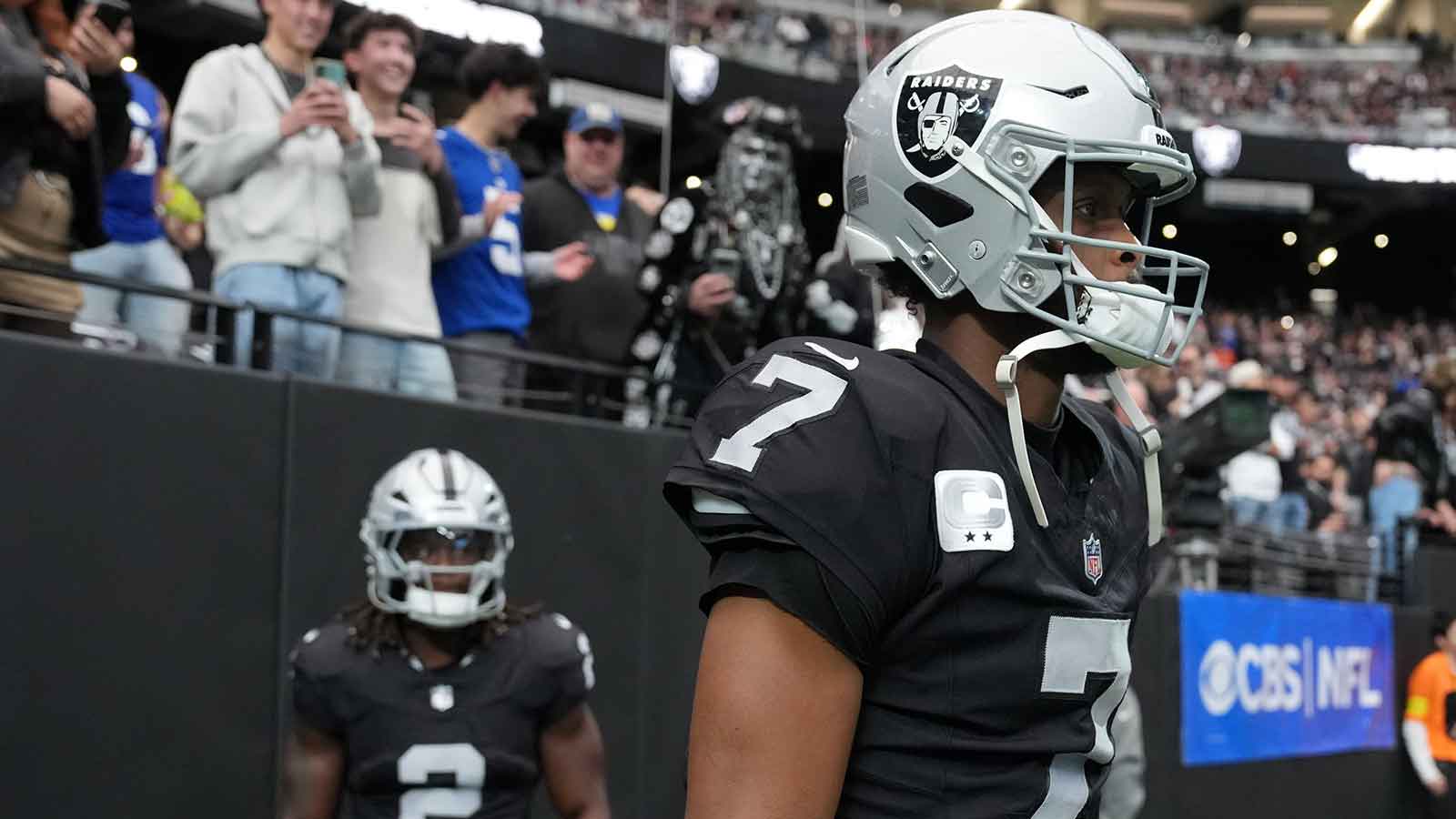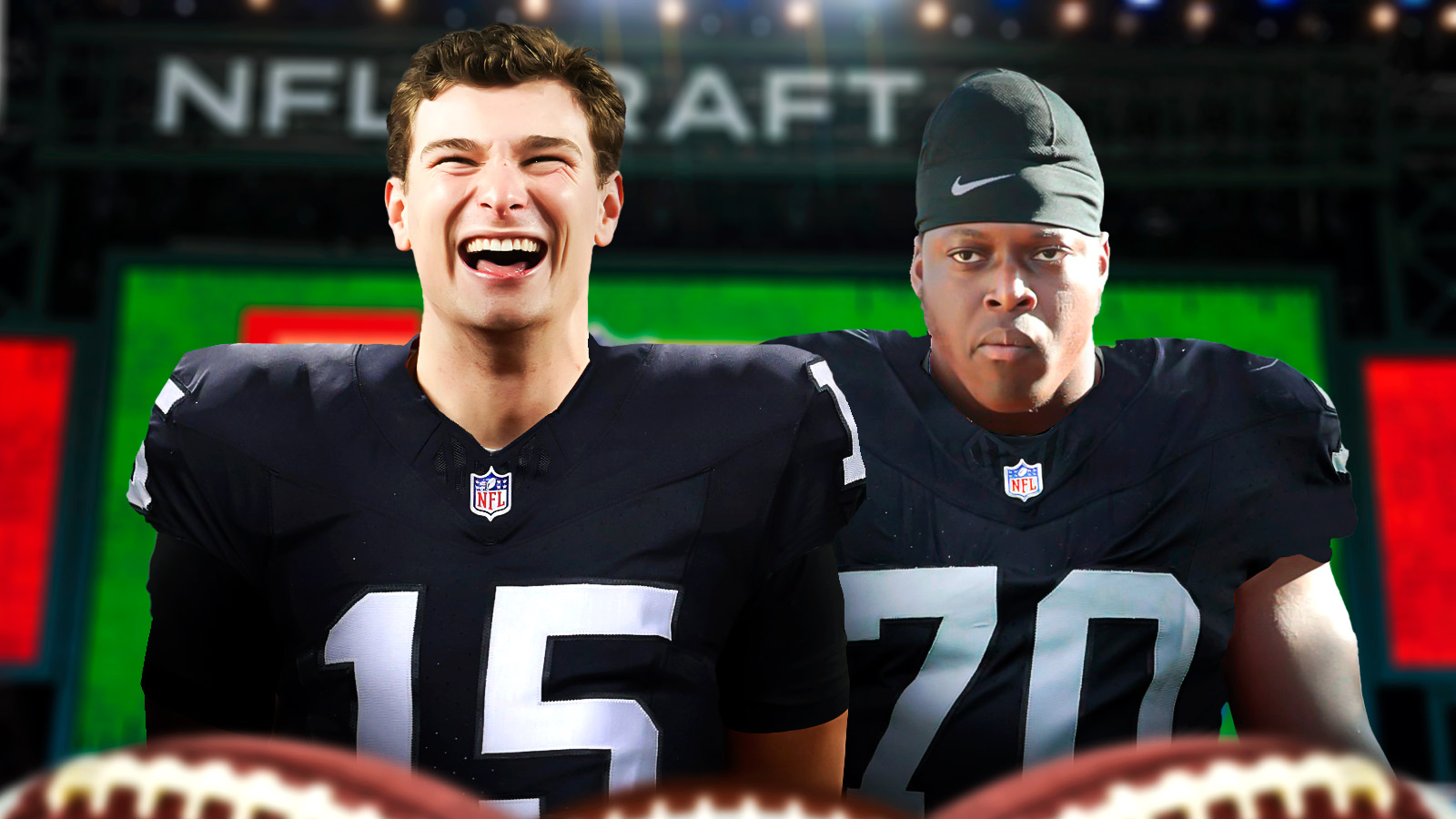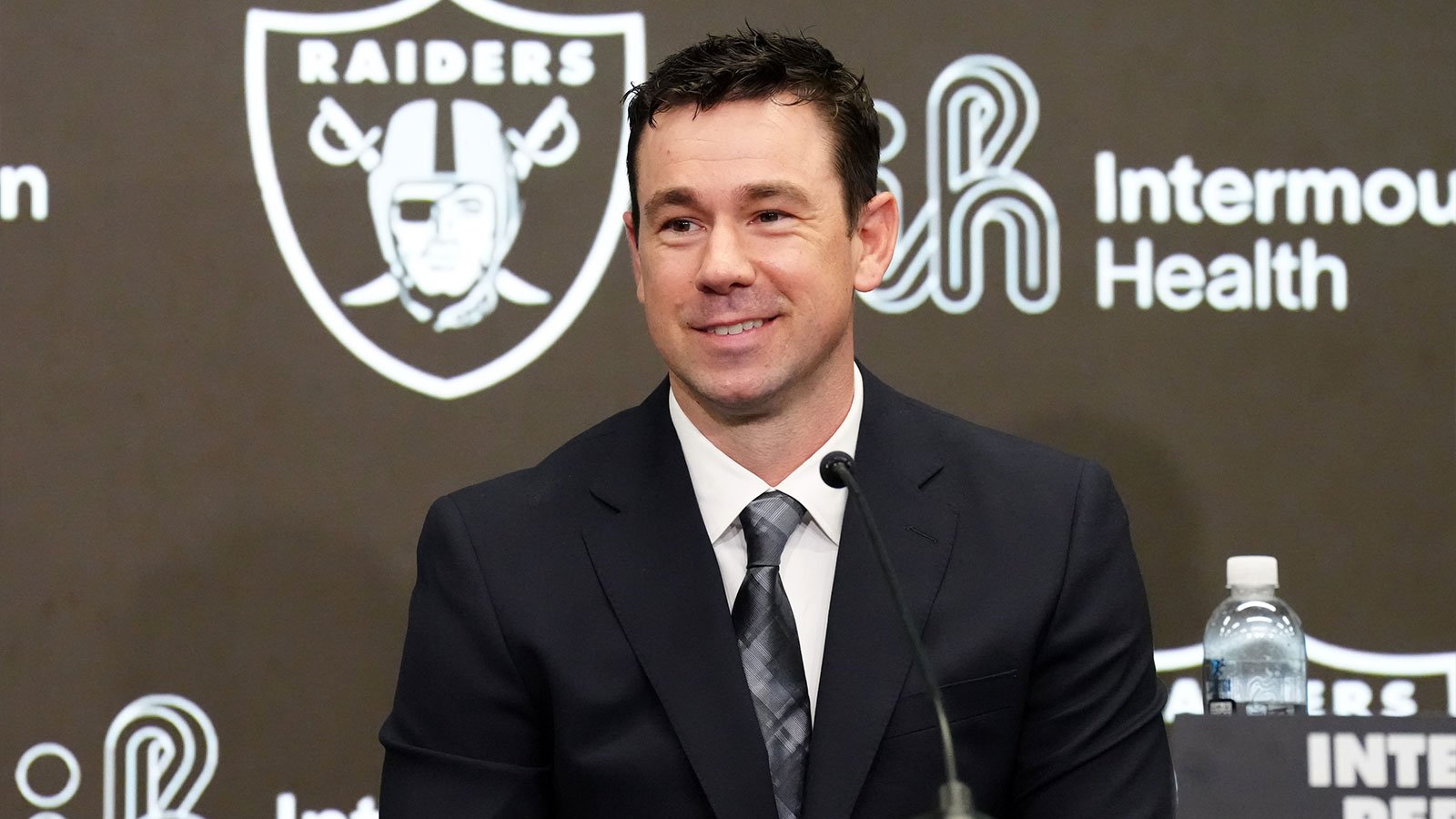
Las Vegas has made it clear where this draft is heading as they are preparing for Fernando Mendoza as if the decision has already been made, from establishing the important visit process to building quarterback coaching support around the expected No. 1 pick.
The situation became even more pronounced when it was reported that Mendoza is already working on aspects of the Raiders’ offense during pre-draft training, and this shift in focus suggests that the conversation is less about whether Las Vegas will select a quarterback and more about what they absolutely cannot afford to do once that first pick is made.
A team poised to entrust the franchise to a rookie quarterback should not draft as if they are creating a fantasy roster, nor should they simply collect big-name players for the sake of discussion. Instead, they must draft like an organization that understands the importance of a support structure, roster balance, and opportunity cost, and that is why the players the Raiders should avoid are not necessarily bad prospects; some are indeed very good, but they represent the wrong investments for a team whose most pressing remaining needs lie elsewhere.
Luxury swings Las Vegas should leave alone
The most reliable assessment of the Las Vegas Raiders following the initial wave of free agency has been released.
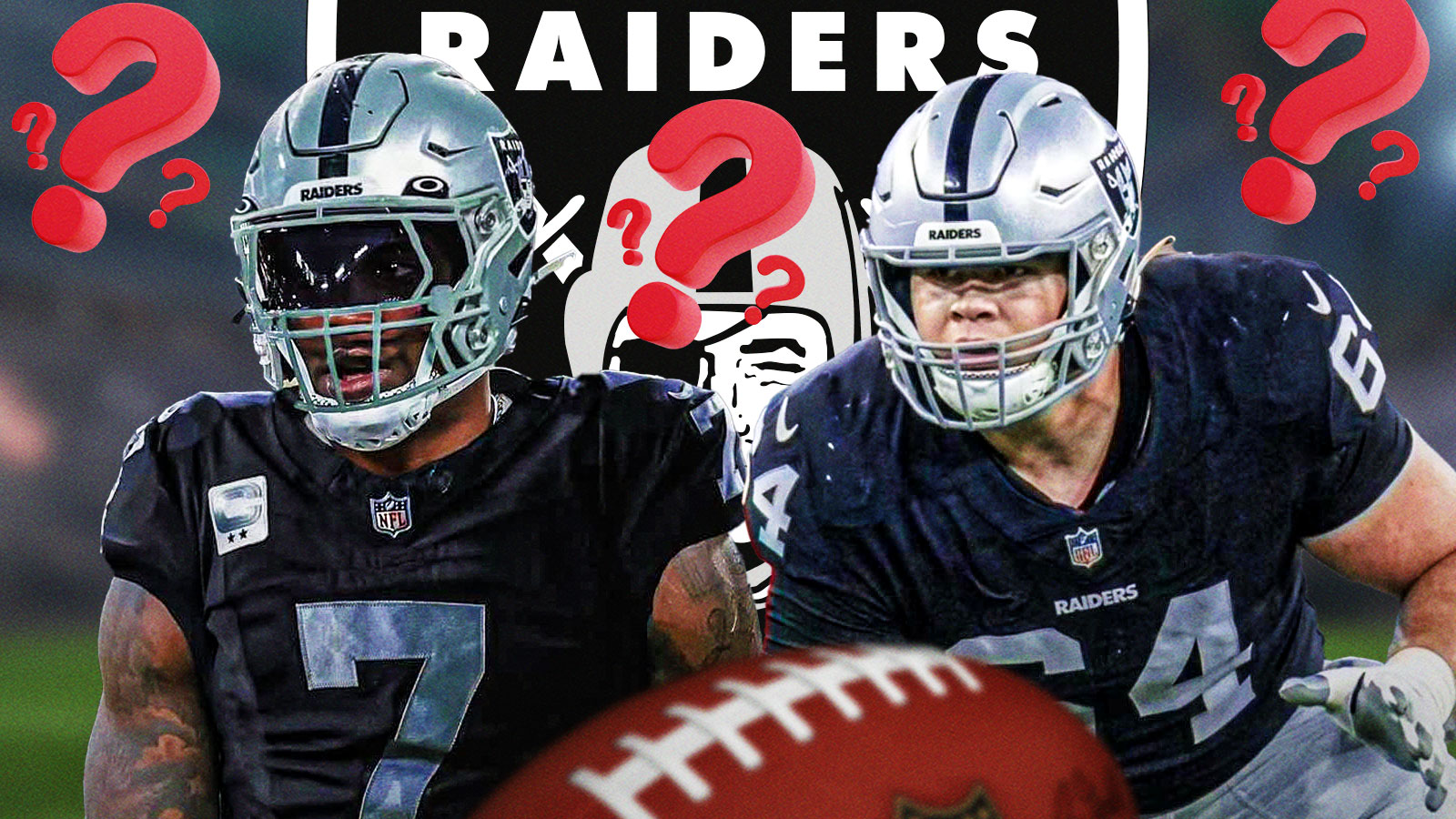
The Raiders were active early on, but their roster still shows significant unresolved issues, particularly in the trenches, and the offensive line and defensive tackle positions need attention. There is also a pressing need for depth at cornerback.
The official analysis indicates that while left guard and right tackle positions are currently settled, the defensive interior remains the weakest unit on that side of the ball, despite the financial investments and changes made elsewhere, and this context should guide the team's approach in the upcoming draft, especially when Mendoza becomes involved.
QB Ty Simpson, Alabama
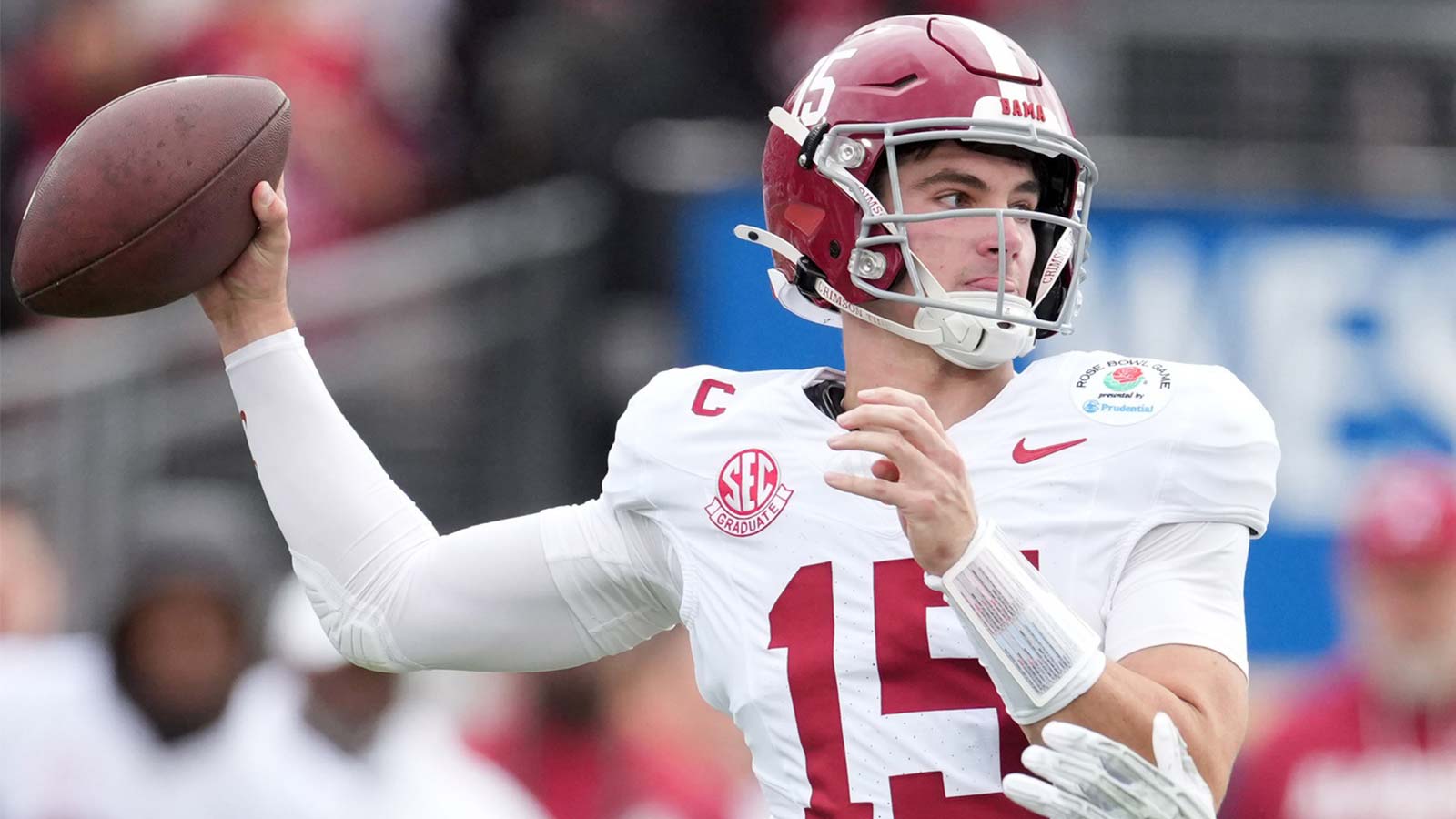
Ty Simpson is a name that stands out on this list, not because he is a poor prospect, but because the Raiders do not need more uncertainty at the quarterback position. After spending the entire spring suggesting that Mendoza is the answer, drafting Simpson early or pivoting to him would not reflect solid roster management, and it would contradict the team's direction.
The Raiders' recent actions indicate a desire to establish a more stable environment for a rookie quarterback. The team has already focused on improving the offensive line in free agency, and the messaging around Mendoza has become clearer, not more vague.
The recent hiring of a quarterback coach shows that the front office is preparing to support a new quarterback, not keeping its options open.
That’s why selecting Simpson would be a misstep for the Raiders at this moment.
If the team genuinely believes he is better than Mendoza, then the accountability lies with the decision-makers at the top of the organization; however, if the entire setup is leaning toward Mendoza, using another premium asset on the quarterback position would waste valuable resources and attention.
The Raiders are one rookie quarterback away from needing a robust support system.
The larger concern is the impact this decision would have on the overall roster, as each premium pick devoted to another quarterback is one less opportunity to strengthen the offensive line in front of Mendoza, improve the defensive interior, or add a significant cornerback. They are not in a position to act like a team that has the luxury of redundancy at the quarterback position, and they need clear direction, not additional complications.
TE Kenyon Sadiq, Oregon
Kenyon Sadiq is precisely the kind of player that offensive coaches love to connect with their schemes. He is dynamic, flexible, and the type of tight end who can create problems for defenses in open space. On many teams, this would make him an excellent target; however, on this Raiders roster, he would be an unnecessary indulgence.
The reasoning is that Las Vegas already has a premium receiving tight end in Brock Bowers, and a rookie quarterback's first season is typically not improved by doubling down on overlapping pass-catching luxury before the offensive line is fully reliable.
The Raiders' most pressing needs remain in the offensive line and secondary, not in a part of the offense that already features a unique mismatch player.
This is why Sadiq should be avoided as an early pick as he wouldn’t enter a vacuum and he would be joining a setting where Bowers already attracts significant attention, where there is a featured running back, and where the primary concern is ensuring that Mendoza doesn't spend his rookie year evading pressure and playing from behind because the defense struggles to hold up consistently.
There is also a broader philosophical issue because the Raiders should not be trying to outsmart the draft by introducing novelty before establishing stability.
Selecting a second high-value tight end is a move aimed at creating exciting offensive packages, even as the Raiders still require foundational improvements. Sadiq might be a talented player in other contexts, but for the Raiders, he would be a luxury pick at an inopportune time.
RB Jadarian Price, Notre Dame
A few teams can justify investing significant draft capital in a running back, even if they recently added one, typically because their lineup is unsettled, their offensive identity requires rotation, or the value is simply too enticing to ignore. However, the Raiders do not fall into that category.
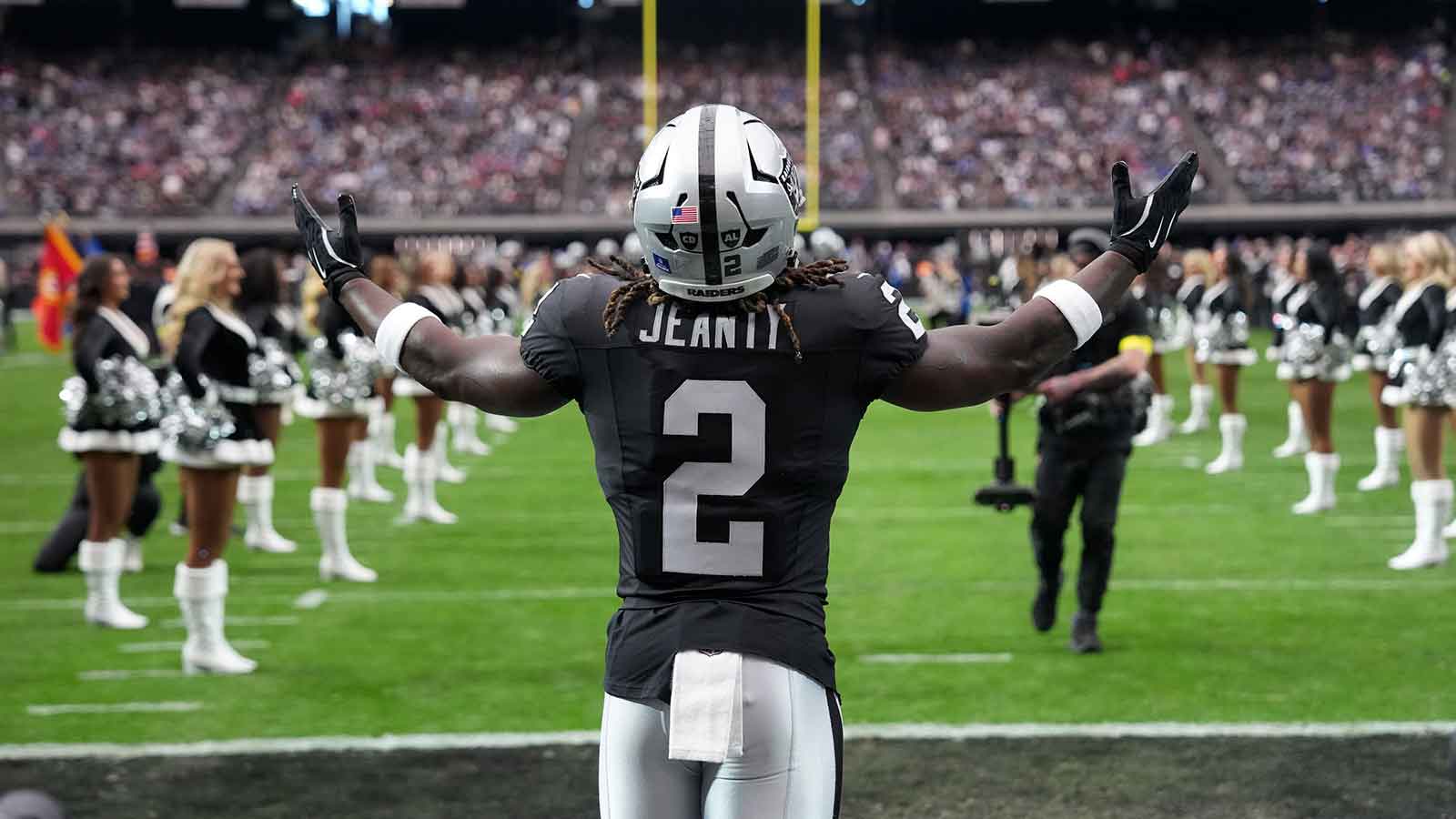
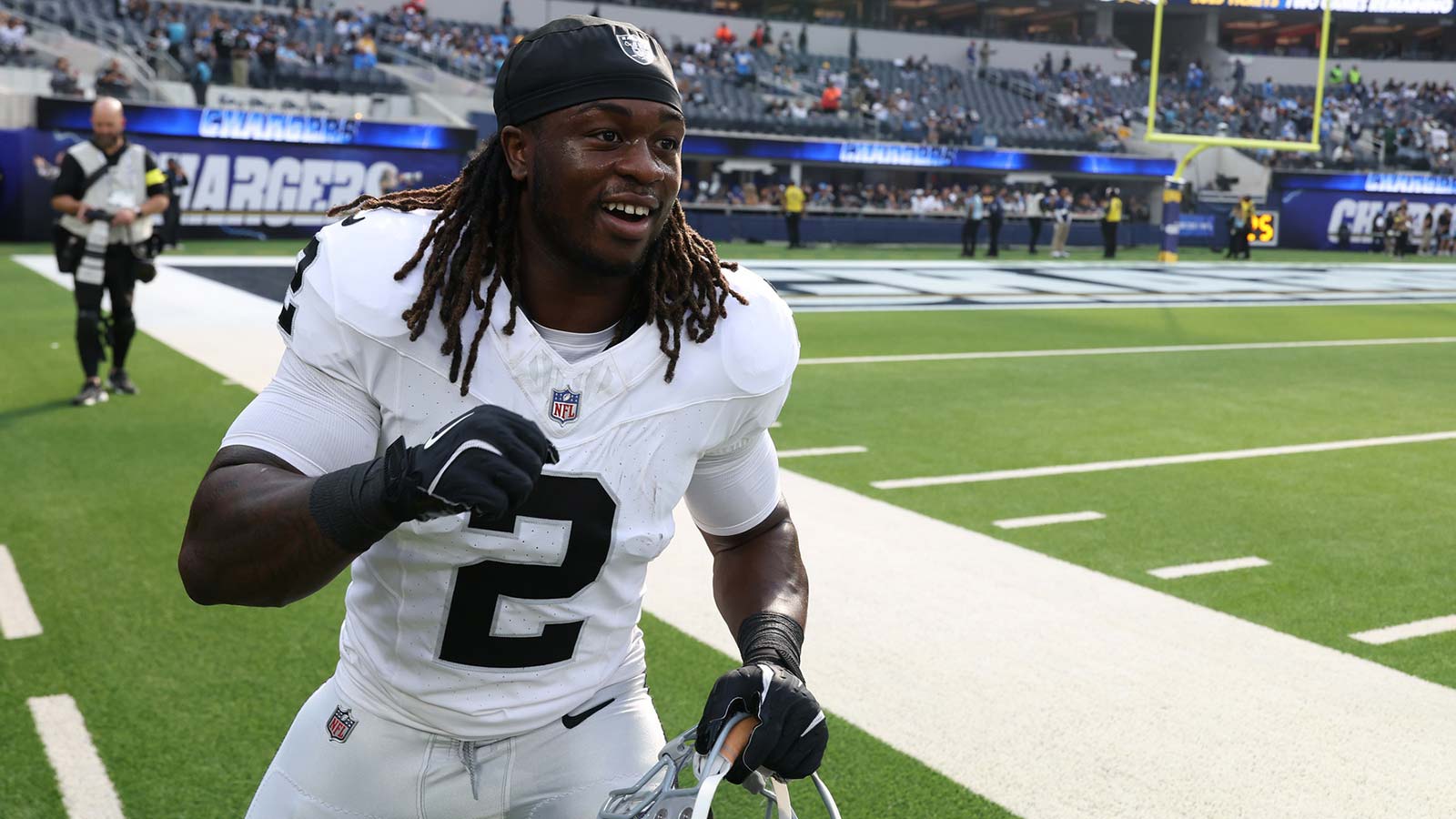
Ashton Jeanty is already a key offensive player on the roster, and with Mendoza expected to be the new quarterback, the rationale for selecting a premium running back like Jadarian Price diminishes by the moment.
While Price is undoubtedly talented, that's not the main point, and the real issue is what drafting him would say about the Raiders’ understanding of their roster.
A rookie quarterback does not urgently need another running back taking touches away from an established player because he needs better protection, more predictable pockets, and a defense that prevents the offense from being in a constant catch-up mode.
The Raiders’ assessment of their draft needs makes this clear, highlighting offensive line, defensive tackle, and cornerback as the positions still requiring attention.
Thus, selecting Price would feel more like a superficial decision rather than a practical one, and it would generate buzz and create an exciting backfield rotation, but it wouldn't address the core issues likely to undermine the Raiders' season.
Rookie quarterbacks typically struggle because their support system is poorly constructed, and allocating significant draft capital to Price would exemplify the mistake of prioritizing skill positions instead of foundational roster needs.
LB Sonny Styles, Ohio State
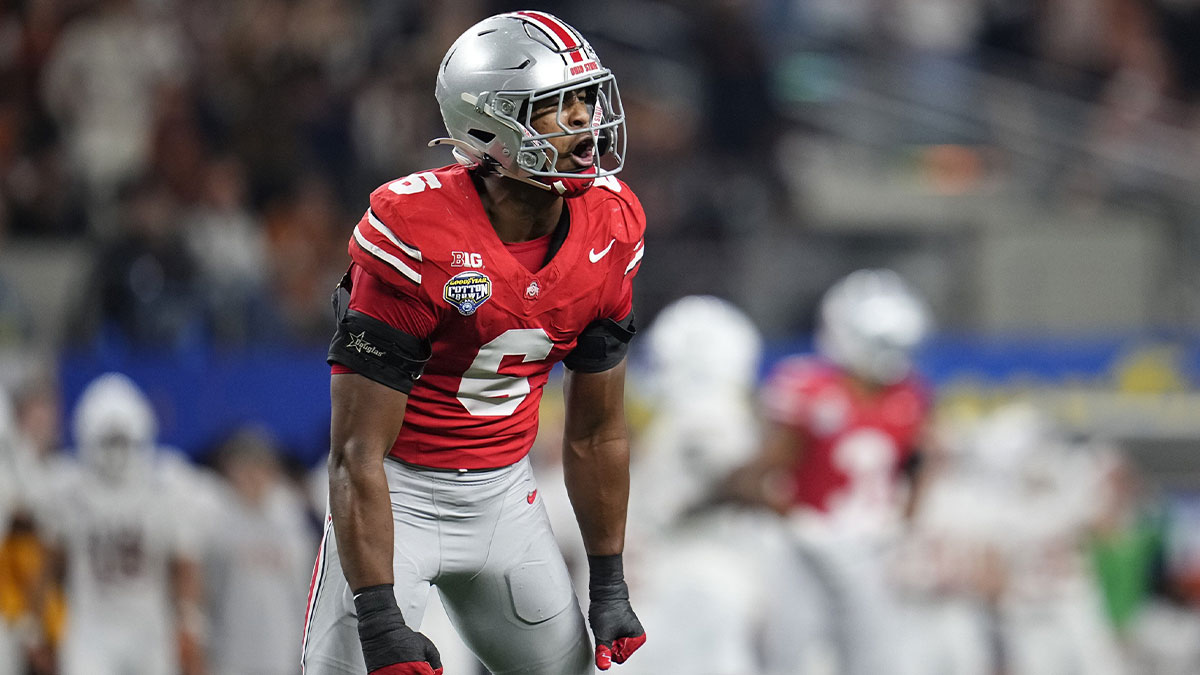
Sonny Styles is the type of defender evaluators tend to favor for his size, athleticism, flexibility, and versatility in modern sub-packages. On a different roster, he could be a great fit, but for the Raiders, he represents the kind of tempting pick that they should avoid.
Las Vegas has already made a significant effort to bolster its linebacker corps by signing Nakobe Dean and Quay Walker in free agency, which is one reason why their current needs no longer focus primarily on that position.
Now, the focus should be on strengthening the offensive line, improving the defensive interior, and enhancing cornerback depth, and using valuable draft capital on an off-ball linebacker, after that type of March investment would mean neglecting more pressing issues.
Avoiding this mistake is crucial for any serious team, and while Styles has the potential to become a quality professional, the issue at hand is resource allocation.
The Raiders do not need another athletic off-ball player more than they require increased competition at guard or right tackle, as they need defensive tackle help to prevent the interior from getting overrun, and they require a corner capable of standing up to outside pressures once the season's challenges begin.
Styles may be tempting due to his modern profile, a feature that excites the coaching staff; however, the Raiders have reached a point where they must prioritize structural integrity over prospects that may seem like dreams.
Dean and Walker have already improved the linebacker group, so the smarter strategy is to let those signings take effect and direct the draft toward the areas still needing fortification.
The real risk for the Raiders in this draft is choosing the wrong type of good player.
This common pitfall occurs when the marquee pick is evident, leading teams to treat the rest of the draft like a buffet. Before they realize it, they may still have unresolved weaknesses, now with more exciting names in nonessential positions.
If the Raiders are indeed positioning Mendoza to be the face of their next era, the rest of the draft class must reflect that commitment.