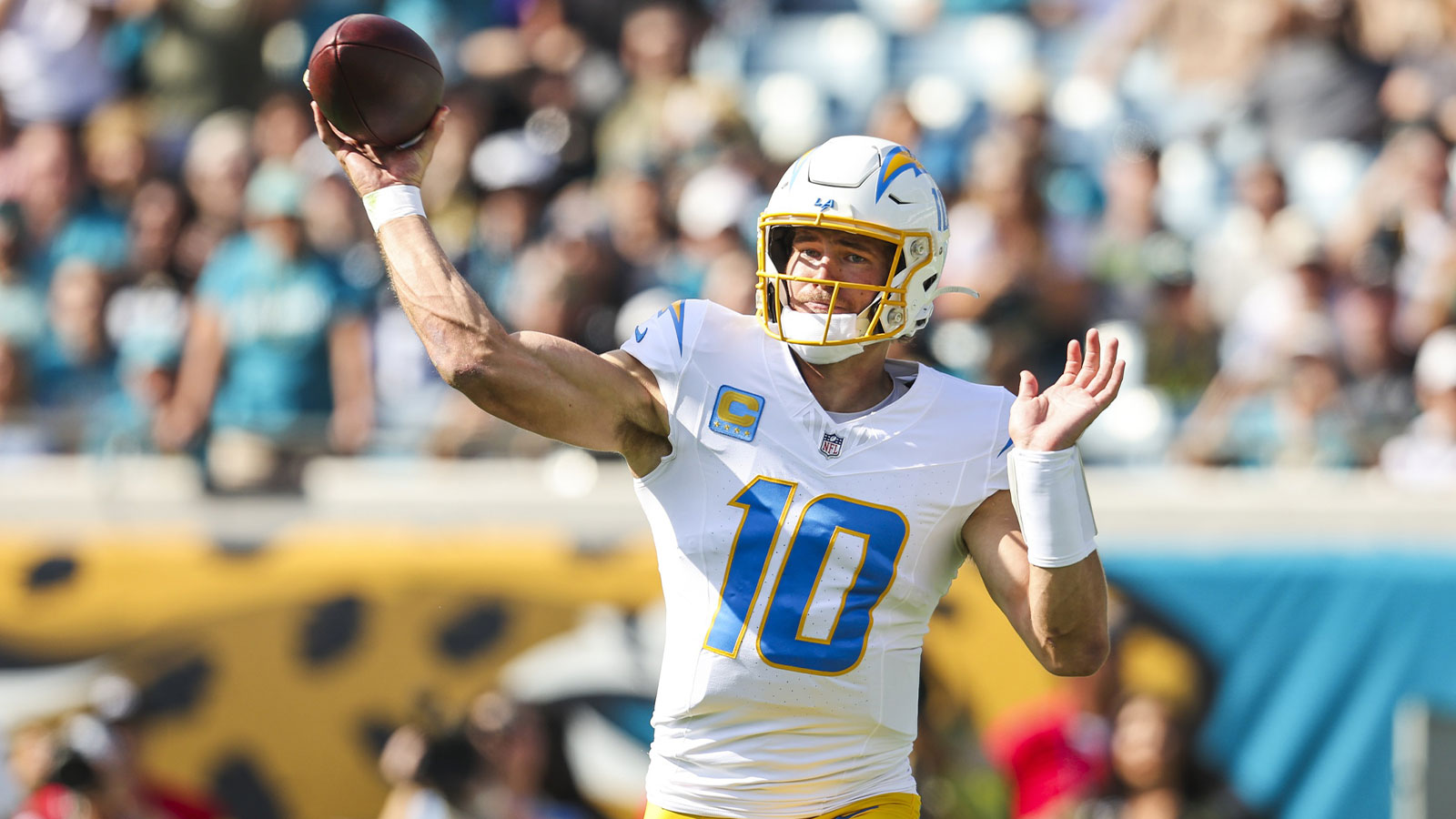
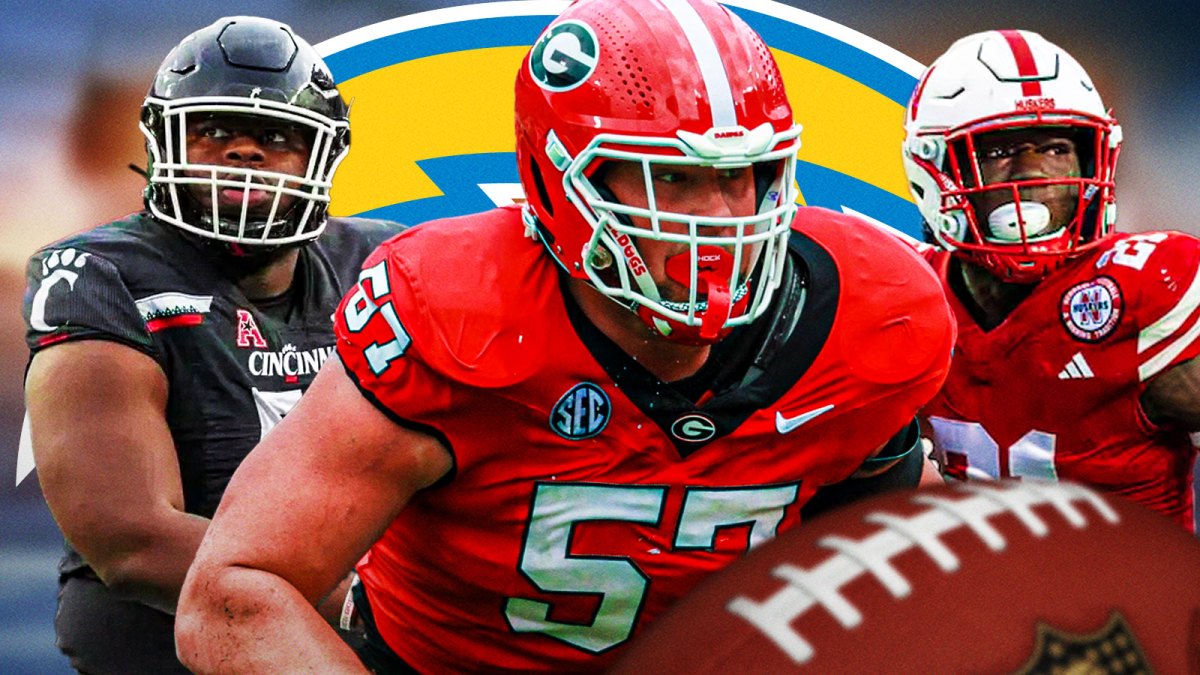
For the Los Angeles Chargers, the NFL Combine's message was unmistakable. They need to protect Justin Herbert and restore toughness in the middle of the defense. A turbulent 2025 season exposed structural weaknesses that no amount of quarterback brilliance could mask. With the AFC as competitive as ever, the Chargers cannot afford mere cosmetic upgrades. This post-Combine PFF mock draft reflects a franchise intent on reinforcing its trenches, where championships are quietly won.
Draft priorities
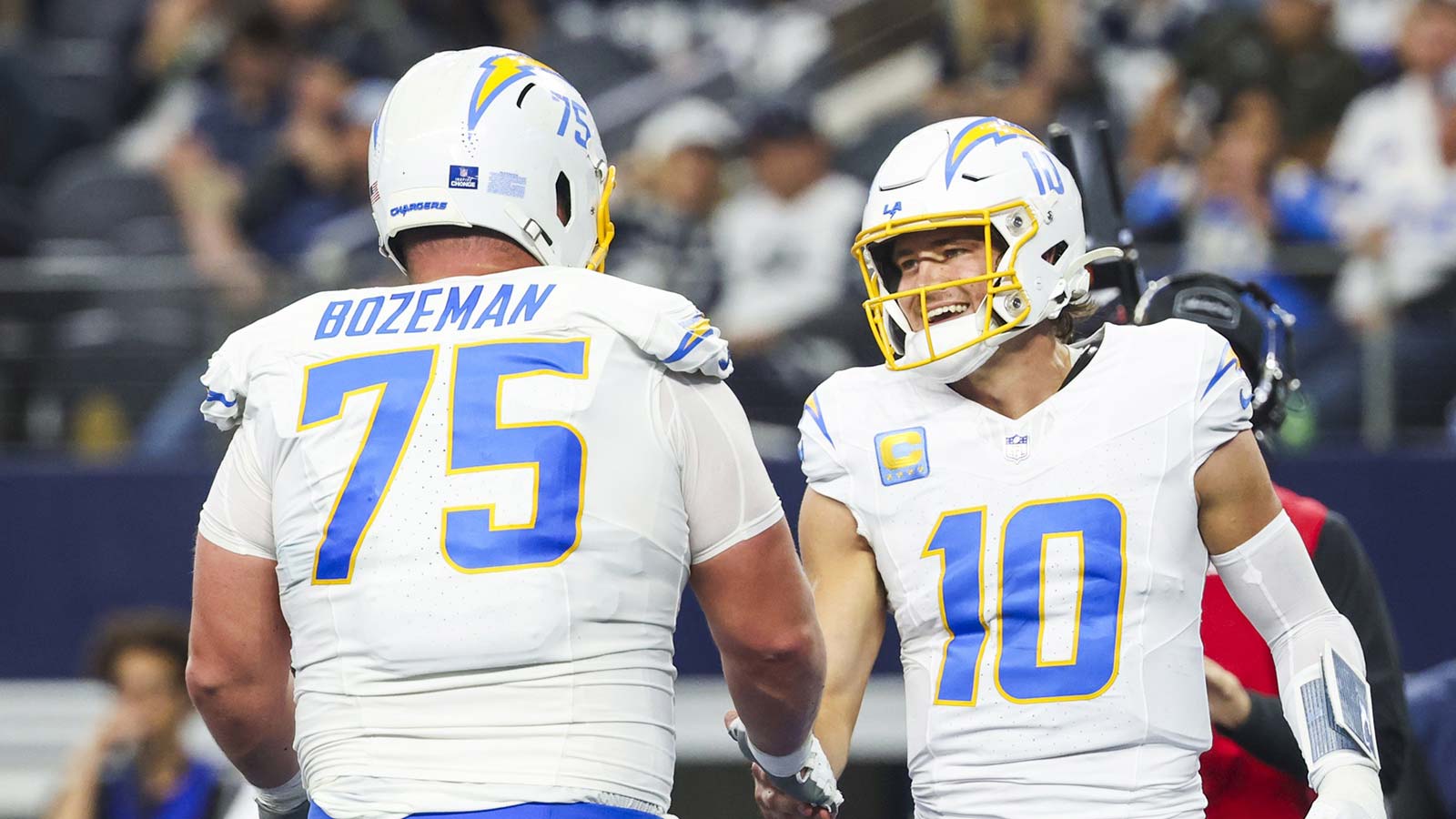
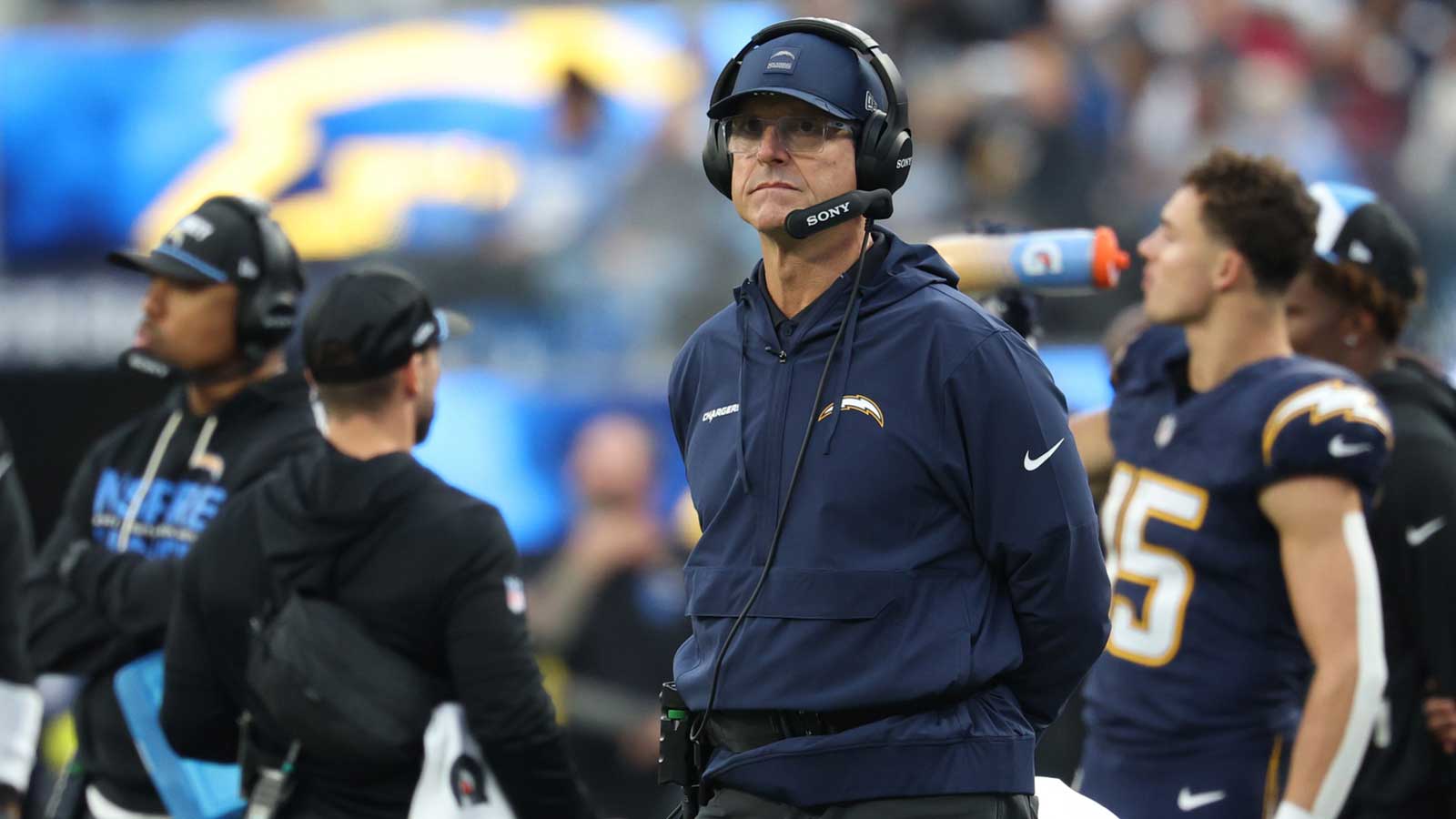
Heading into the 2026 NFL Draft, the Chargers should focus on reinforcing a front that struggled with both performance and availability. Veteran Bradley Bozeman has retired, and Zion Johnson will test free agency. As such, the interior offensive line has become the roster's most glaring vulnerability. The team desperately needs a high-floor center and an agile guard capable of better protecting Herbert. Defensively, while Teair Tart was recently extended, the interior remains thin with Da'Shawn Hand and Otito Ogbonnia hitting the market. General manager Joe Hortiz should target block-eating defensive linemen who can anchor the run game. They can potentially look for a massive nose tackle in the early-to-middle rounds to solidify their defense.
Round 1, pick 22: OL Monroe Freeling, Georgia
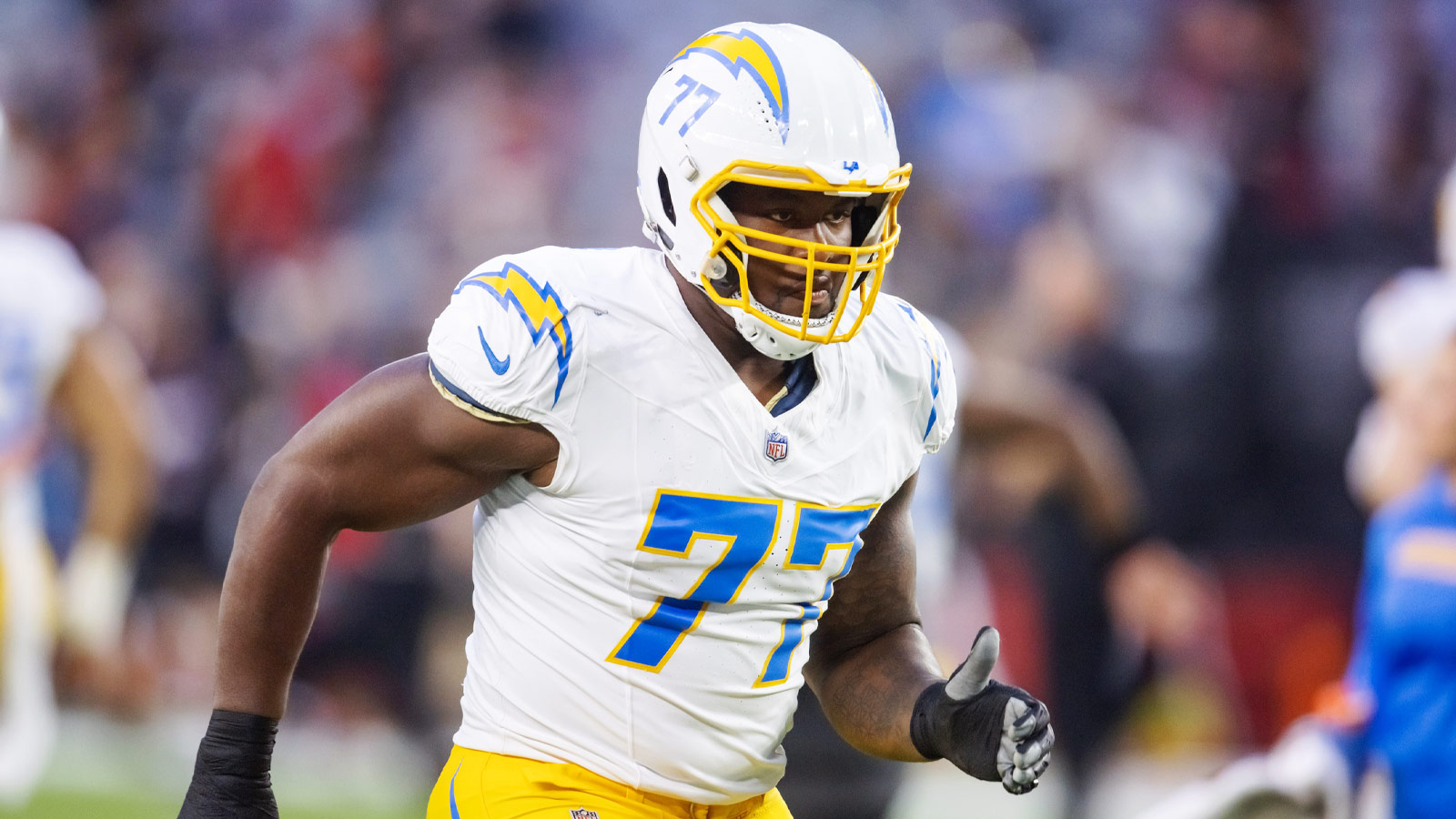
Freeling offers traits that are difficult to teach. Those are length, frame, and natural posture in the run game. Though primarily viewed as a tackle, his skill set provides positional flexibility. That's a valuable asset for a Chargers line in flux. Freeling’s run-blocking baseline stands out, particularly in downhill concepts. He also flashes enough pass-protection competence to justify early investment. The refinement in anticipation and timing must improve. In Los Angeles, though, Freeling could compete immediately at right tackle or potentially kick inside depending on need.
Round 2, pick 55: DL Dontay Corleone, Cincinnati
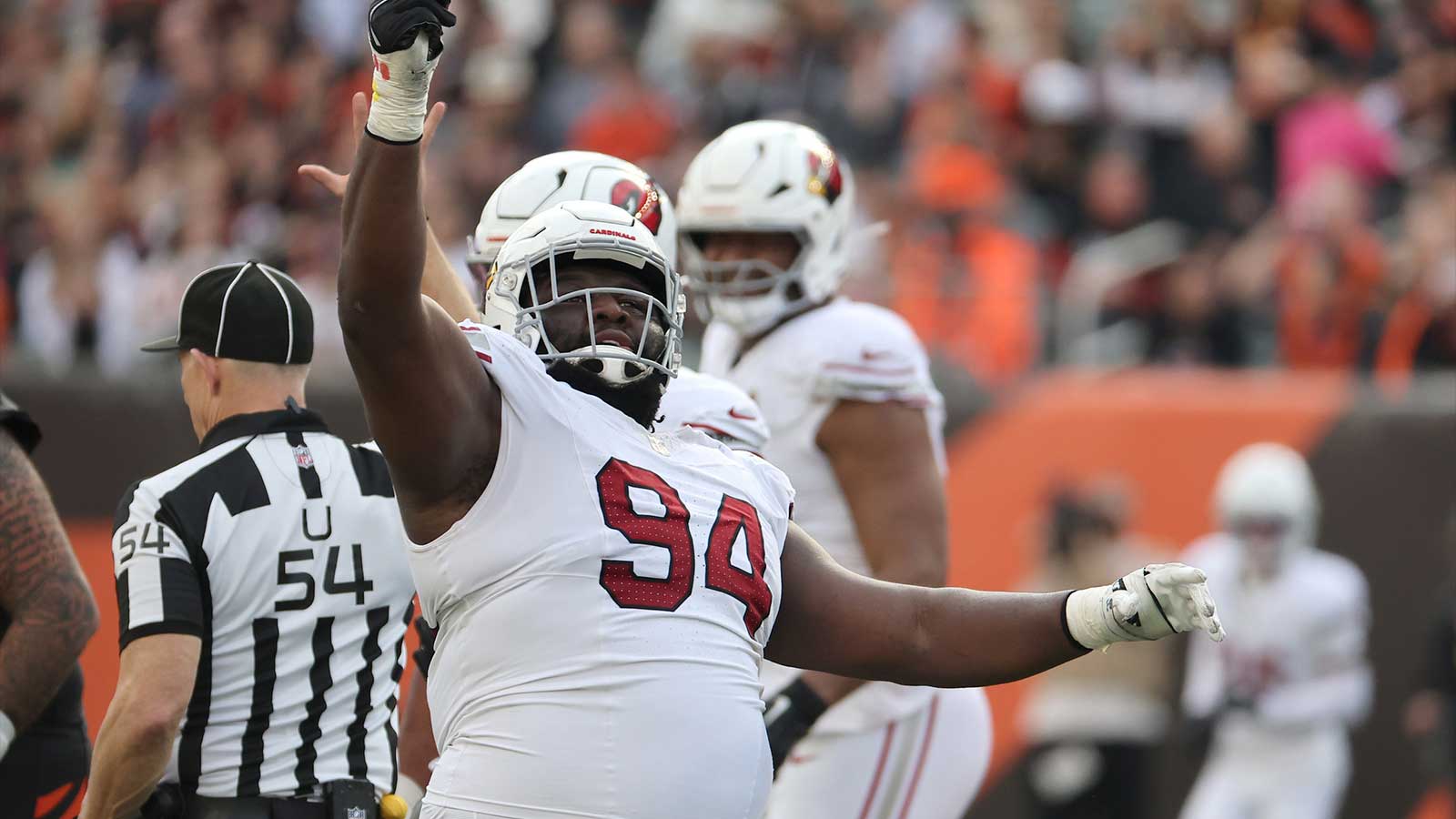
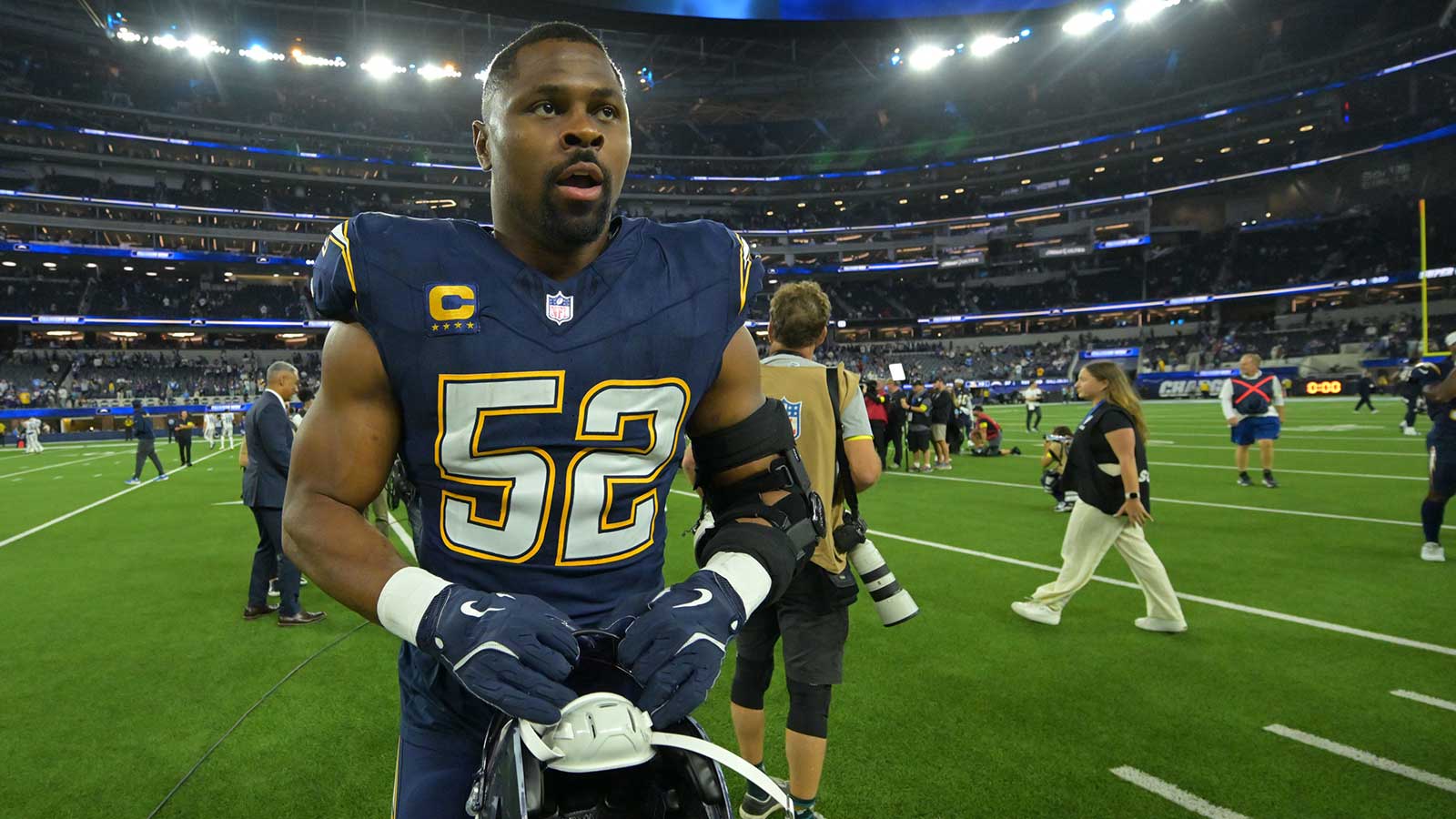
Corleone addresses a glaring defensive void. Nicknamed “The Godfather,” he brings imposing size and run-stuffing prowess that fits perfectly in a 3-4 alignment. Sure, his pass-rush production has declined and health concerns linger. Still, his quickness for a nose tackle remains intriguing. The Chargers need someone who can command double teams and free up linebackers. Corleone does exactly that.
Round 3, pick 86: RB Emmett Johnson, Nebraska
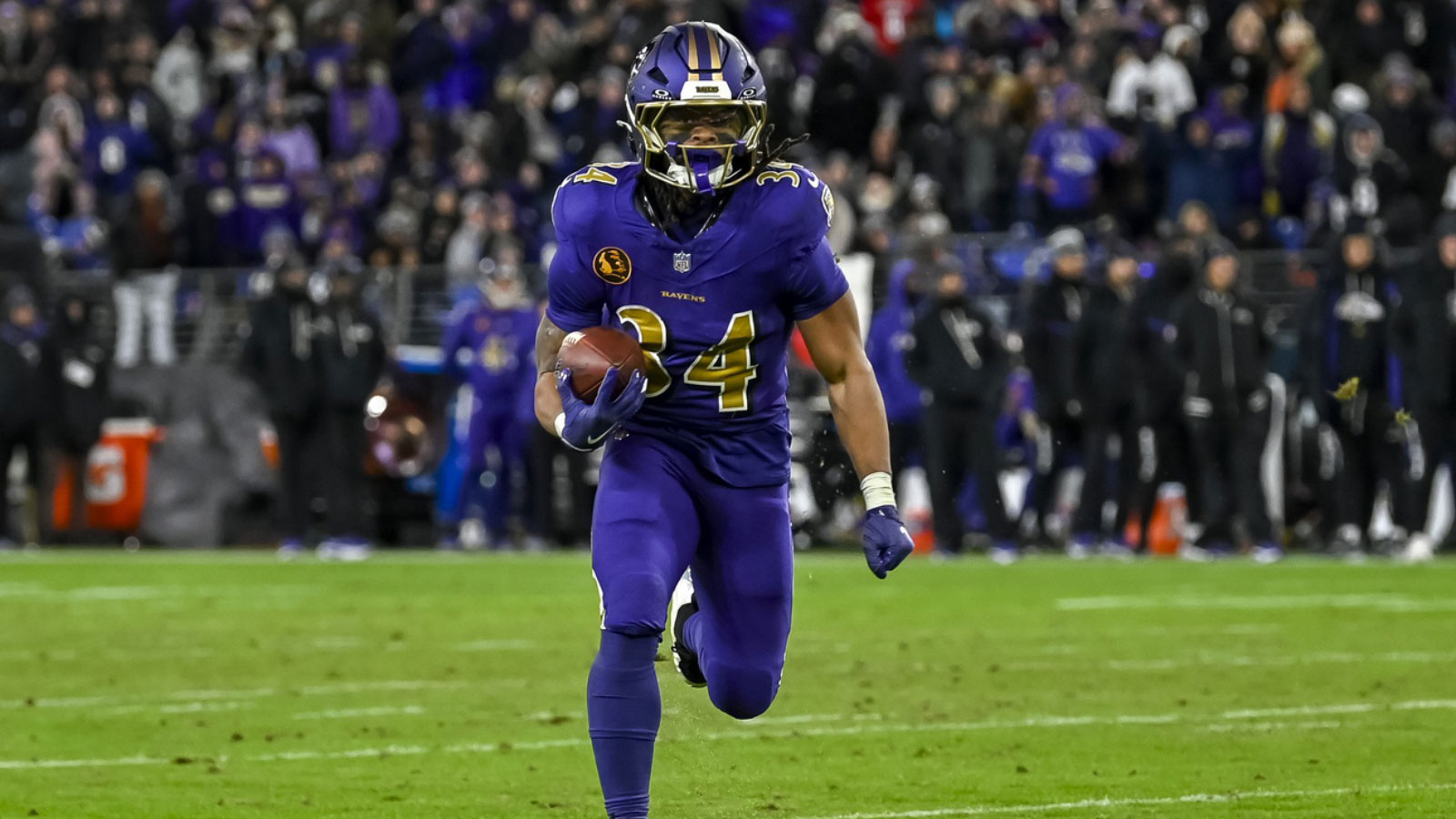
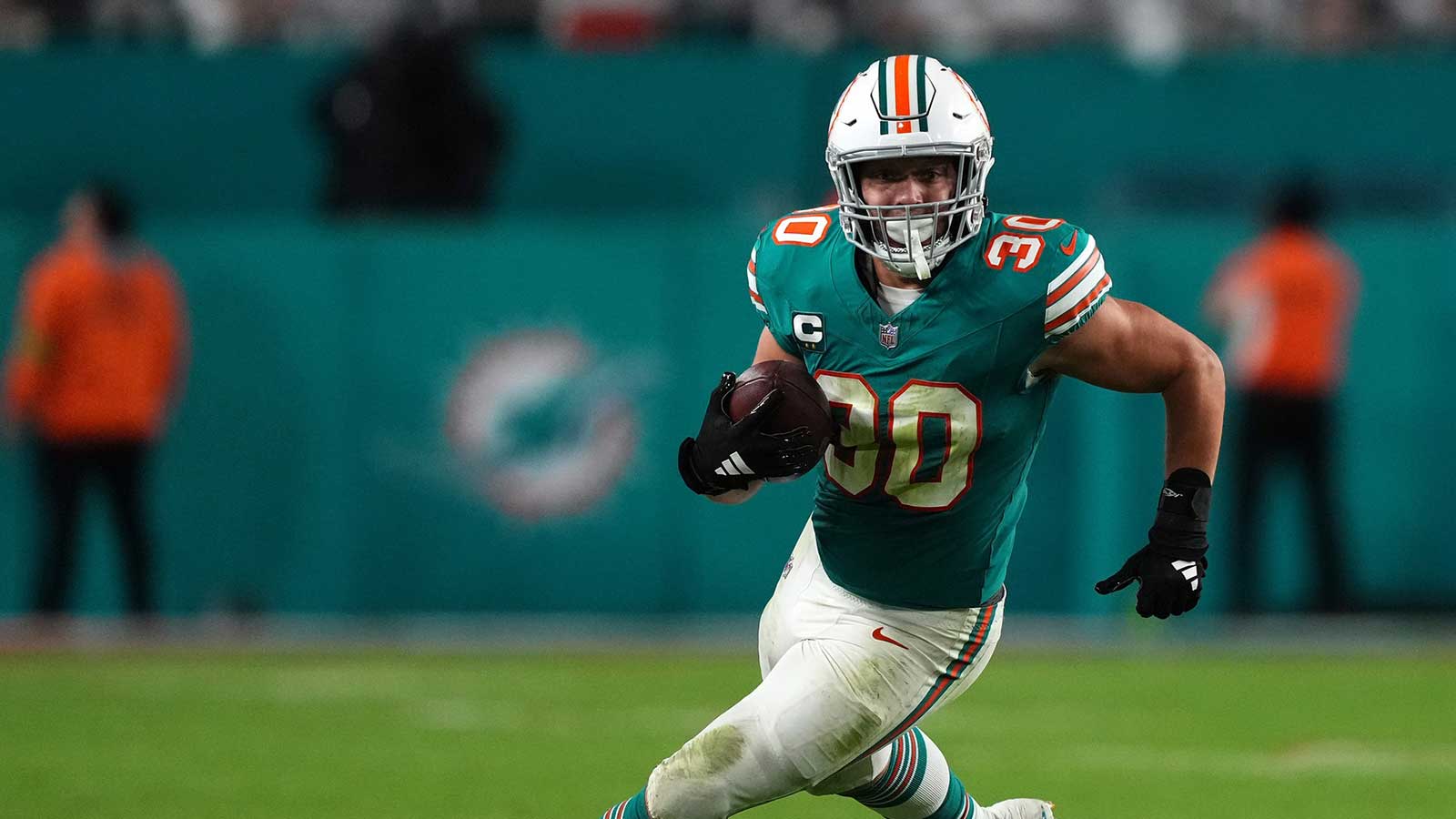
Johnson may not headline many mocks for the Chargers. However, he makes sense in context. He is a decisive runner with legitimate production and pass-game value. With that, Johnson adds balance to an offense that too often leaned exclusively on Herbert’s arm. His quick processing and ability to function as a receiver also give Los Angeles a reliable three-down contributor.
Round 4, pick 123: OL JC Davis, Illinois
Davis reinforces offensive line depth with a four-year starter’s durability. His size and length project well to swing tackle duties. That said, his footwork and hand timing require refinement. In an outside-zone system, Davis’ lateral range and surprising drive power offer developmental upside. The Chargers cannot afford thin depth along the line. Davis ensures they won’t be.
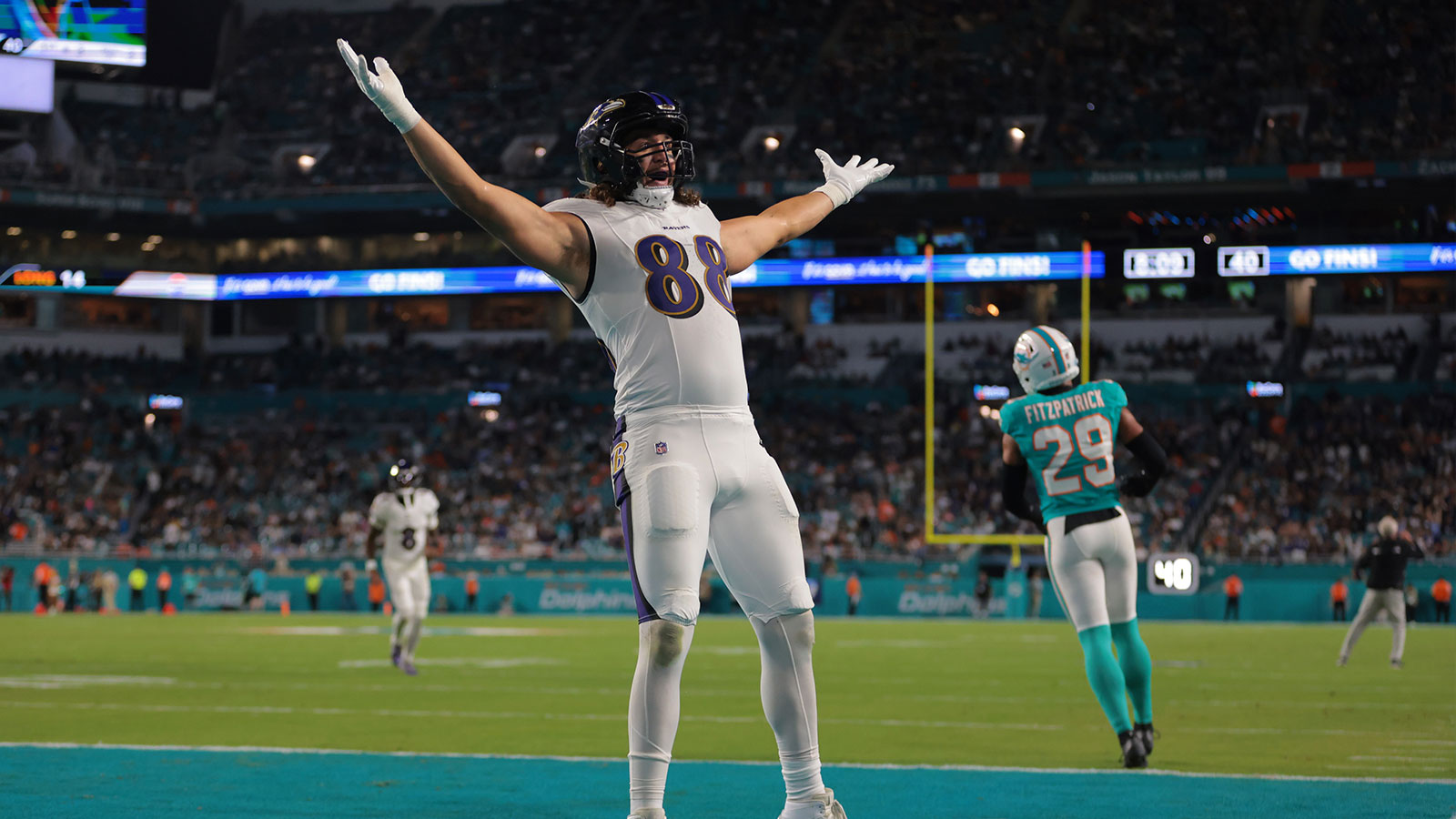
Round 6, pick 203: TE Dae’Quan Wright, Mississippi
Wright offers vertical stretch potential from the tight end position. Yes, his route fluidity is limited and his blocking technique needs polish. That said, his size and straight-line speed make him a situational mismatch. As a TE3/4 option, Wright provides developmental upside without pressure to contribute immediately.
Broader philosophy
This mock draft leans into practicality rather than flash. Freeling and Davis fortify the offensive front. Corleone shores up interior run defense. Johnson restores balance to the offense. Wright adds situational versatility.
Notice that this class does not chase luxury positions. The Chargers resist the temptation to add perimeter splash and instead address structural fragility. That restraint reflects organizational clarity.
Freeling’s positional versatility is key. Corleone’s anchoring presence redefines defensive integrity. Johnson’s decisiveness complements Herbert’s timing-based efficiency. Together, they represent layered reinforcement rather than headline hunting.
Foundation before fireworks
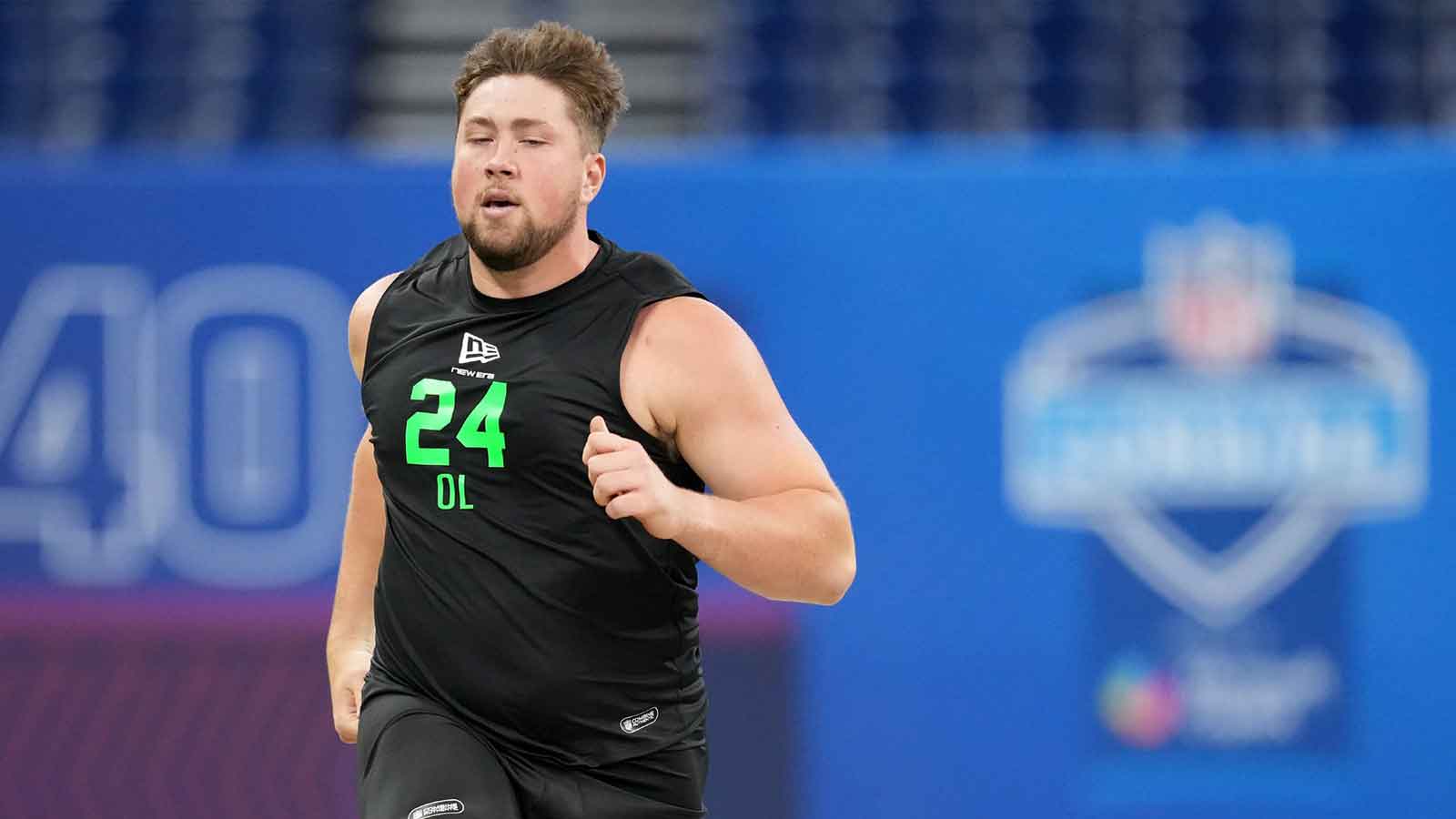
There are calculated risks embedded in this class. Freeling’s pass-protection timing must develop. Corleone’s medical history and declining pass-rush metrics warrant monitoring. Johnson must translate production to the professional level. Wright remains developmental.
However, the upside lies in cohesion. If Freeling stabilizes the edge and interior depth improves, Herbert’s pocket environment becomes significantly more reliable. Edge rushers benefit if Corleone commands the middle. If Johnson balances the offense, play-action efficiency rises.
This post-Combine PFF mock draft reveals a Chargers team focused on durability and trench integrity. By prioritizing offensive line reinforcement and interior defensive toughness, Los Angeles positions itself to compete more consistently in the AFC. It may not be glamorous, but it is necessary. For a franchise built around an elite quarterback, protecting the core is mandatory.