
The Dolphins' offseason plans are becoming increasingly clear, as they have invested significant money in Malik Willis, indicating he is their chosen quarterback for the future.
However, they have also raised concerns about the rest of their offense by trading away Jaylen Waddle, amid an offseason that already saw the departure of other proven playmakers.
The discussions surrounding Ty Simpson sparked interesting debates, but they haven't changed the fundamental reality: this is a rebuilding team with clear needs.
The draft is only effective for a team like them if they spend their top picks addressing critical gaps. ESPN’s post-free-agency tracker for the Dolphins identified these gaps clearly, highlighting that the wide receiver group is still lacking, even with the addition of some veterans, and that the edge rusher position needs significant repair following the release of Bradley Chubb.
QB Fernando Mendoza, Indiana
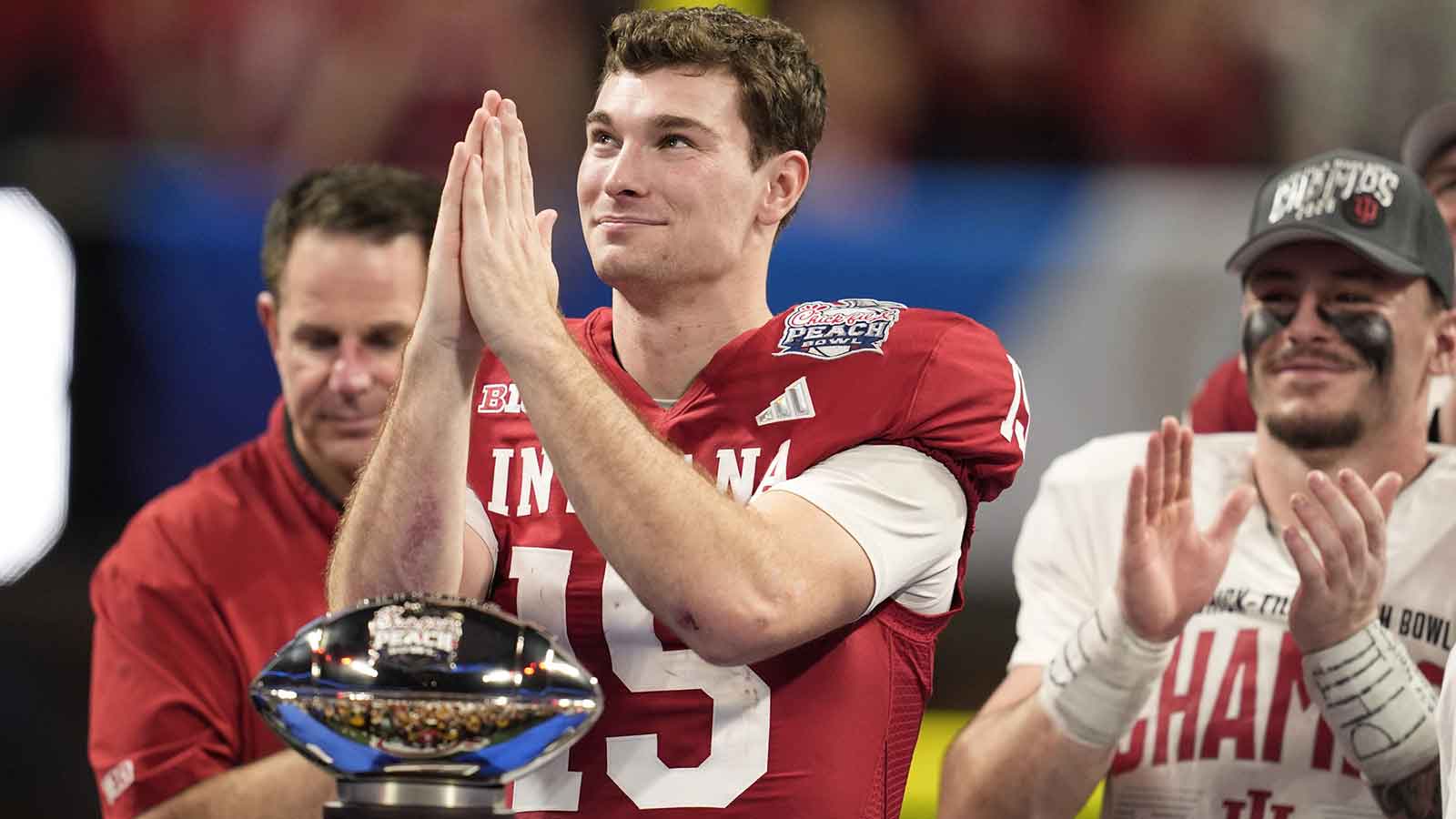
Fernando Mendoza is a logical draft target for a team uncertain about its direction at quarterback. Miami is not supposed to be in this position anymore, and they made a significant commitment to their quarterback by investing in Willis.
Once a front office makes such a decision, using high draft picks on another quarterback begins to look less like strategic planning and more like panic disguised as a desire for options.
That’s why Mendoza is included in this discussion, even though his talent could entice many teams. Miami’s issue is that the environment surrounding the quarterback remains underdeveloped. With Waddle gone, the receiver corps is weaker, and before Waddle's departure, the suggestion is that Tutu Atwell may not be the reliable No. 2 wideout that the Dolphins still require.
Furthermore, after Chubb’s release, the pass rush group was already considered in need of a “major overhaul,” with Chop Robinson being the only edge player on the roster with established production. These are the pressing concerns that should dominate their draft strategy, rather than making yet another significant investment in a position the team has just committed to stabilizing.
Selecting Mendoza would signal that the Willis contract didn’t truly resolve anything, and such mixed signals can be detrimental to a rebuild.
Moreover, every premium asset spent on Mendoza would reduce the opportunities to enhance the receiver talent around Willis or strengthen the defensive edge. For a team that has already chosen a direction, that cost is too steep, despite the allure of a more dramatic narrative for outsiders.
TE Oscar Delp, Georgia
Oscar Delp is the type of prospect that coaches envision because his role can be defined in numerous ways, as he can contribute to the structural elements of the team, provide an additional layer as a pass-catcher, and fit the mold of players that effective offenses utilize well. However, this does not make him a sensible pick for them at this time.
The problem lies not with Delp himself, but with timing and the team's current needs.
Miami's offense still requires a more viable receiver solution after the departure of Waddle, along with an easier passing attack. So, Delp would be a pick that Miami should avoid, particularly in early rounds.
Selecting him would be more of a refinement choice for a roster that still requires substantial repairs, and teams can often convince themselves of the merits of drafting a tight end due to appealing language surrounding the position, such as increased flexibility and formational versatility.
While these statements may hold some truth, they do not address the pressing need for a stronger wide receiver solution than what the team currently possesses, and drafting Delp before resolving that issue would be the kind of polished mistake that a rebuilding front office cannot afford.
Additionally, there is a practical consideration for a quarterback-focused rebuild: young or newly established quarterbacks need clearer responsibilities.
They require dependable options on the perimeter and a structure that prevents defenses from focusing on one or two obvious threats, and Delp may become a valuable player elsewhere, but for the Dolphins, the tight end position should not take precedence over addressing the glaring problems surrounding it
RB Jeremiyah Love, Notre Dame
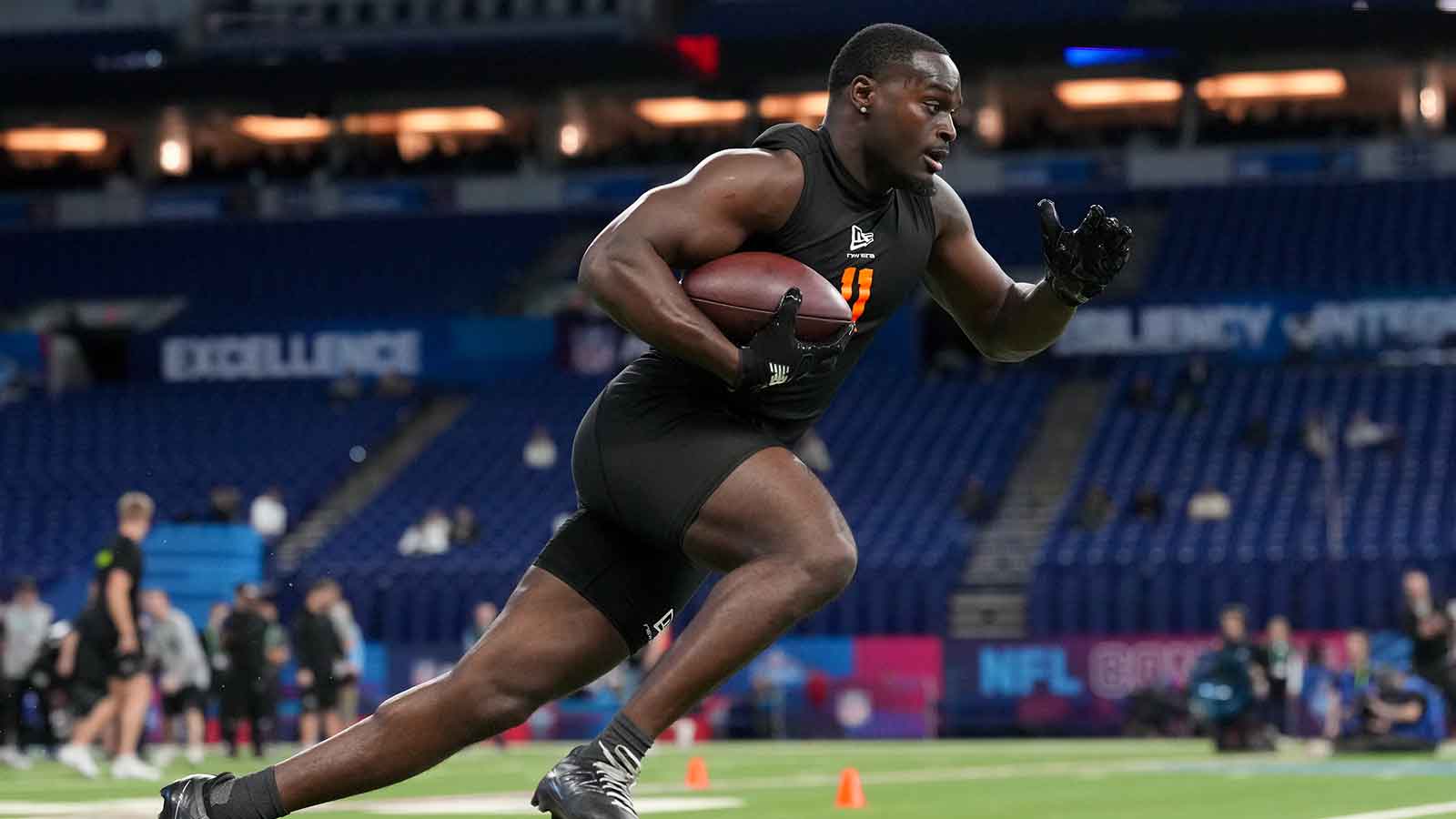
Jeremiyah Love is the type of player that teams often become enamored with when they focus more on offensive excitement than on actual offensive needs. He is explosive, easy to visualize in open space, and possesses the ability to make an offense appear faster on its own, but this quality presents a specific risk for Miami.
The Dolphins do not need more speed just for the sake of having speed; rather, they need a coherent passing structure, and while trade rumors occasionally surround De’Von Achane, the broader reality remains unchanged: Miami’s offense became weaker and more incomplete when Jalen Waddle was absent, not when the backfield changed.
If the front office decides to use a premium draft pick on Love without first adequately addressing the wide receiver position or pass rush, it will send a message that they have misunderstood their own offseason needs.
This kind of selection can seem justifiable, as running backs are often seen as players who can support a quarterback effectively, and adding another back could relieve pressure, help maintain offensive rhythm, and even preserve the starter’s health, all true, in a limited sense.
However, this does not alter the larger fact that Miami's offense is more endangered by a lack of receiving options than by a deficiency in running talent. The Dolphins should refrain from using a major draft pick to enhance an already functional position when other areas require more urgent attention.
Picking Love would make even less sense, considering this roster is still evaluating whether Malik Willis can become a legitimate starter, and the way to answer that question is not to surround him with another flashy running back while leaving the receiving corps thin and the pass rush weak.
The focus should be on creating a more coherent offense and a more disruptive defense. Drafting Love would be unnecessary on a roster that still has fundamental positions to address.
LB Anthony Hill Jr., Texas
Anthony Hill Jr. is the type of defender who can make a draft room feel quite pleased with itself. He is athletic, modern, and easy to envision fitting into today's game, but this is precisely why Miami should exercise caution.
They do not require another premium off-ball linebacker more than they need assistance at receiver and on the edge. That same tracker highlighted this need by clearly indicating that those two positions were crucial, and it described wide receiver Tutu Atwell as useful but not the solution Miami needs opposite Waddle, and it emphasized the need for a major overhaul in the pass rush after Bradley Chubb's release. This is the essential part of the puzzle.
While Hill may develop into a strong professional player, that isn’t the main argument against selecting him, and the concern is that he would represent a significant investment in a role that does not align with Miami's primary draft priorities.
Rebuilding teams may elevate their draft profiles by selecting versatile defenders whose value is easy to explain in meetings, but the problems arise when the same teams find themselves in November with the same deficiencies in pass-catching and pressure as before, simply because they used their top picks on the wrong talent.
This represents the classic “good player, wrong roster” dilemma, as Hill is a prospect that another team could more easily justify selecting. Miami, however, cannot afford that luxury, and they already have a quarterback, and their next task should not be to amass intriguing defenders; instead, it must focus on ensuring that the offense surrounding that quarterback is not lacking and that the defense is not ineffective, and a premium off-ball linebacker does not adequately address either of those concerns.
The Dolphins should avoid those players because this rebuild has a clear outline, and these picks would detract from it. Drafting a second quarterback, selecting a premium tight end before resolving the receiver situation, adding a luxury running back before restoring structure, or choosing an off-ball linebacker before addressing the edge would all reflect the same fundamental error in different forms.
So, they demonstrated that free agency did not solve these issues, and the draft will only be beneficial if the front office remains disciplined enough not to ignore this reality.