Running back Saquon Barkley recently fueled a persistent rumor in New England. While the Patriots are still feeling the sting of their Super Bowl loss to the Seahawks, Barkley shared with ESPN’s Dan Graziano that A.J. Brown has been a huge fan of the Patriots for years.
He recalled how excited Brown was to catch passes from Tom Brady before a game against Dallas, describing him as “like a kid in a candy store.”
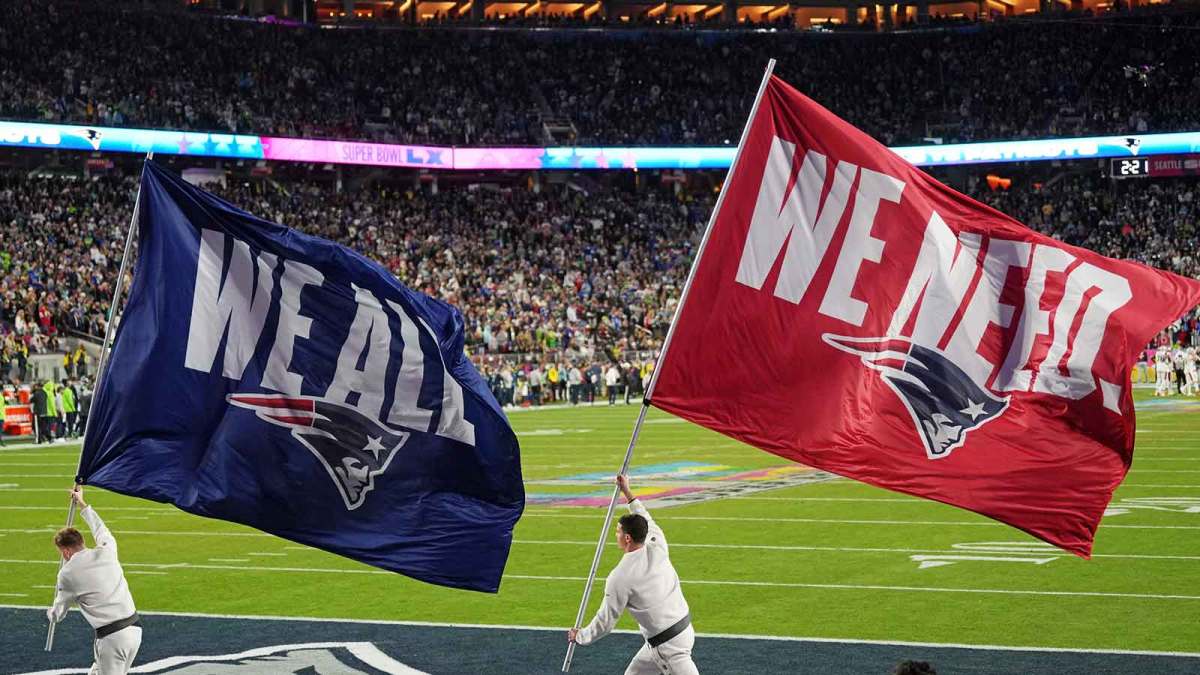
Barkley also referenced a viral moment from Julian Edelman's podcast where Brown winked after the phrase “we're all Patriots.” While Barkley dismissed it as trolling, he confirmed that Brown’s fandom is genuine.
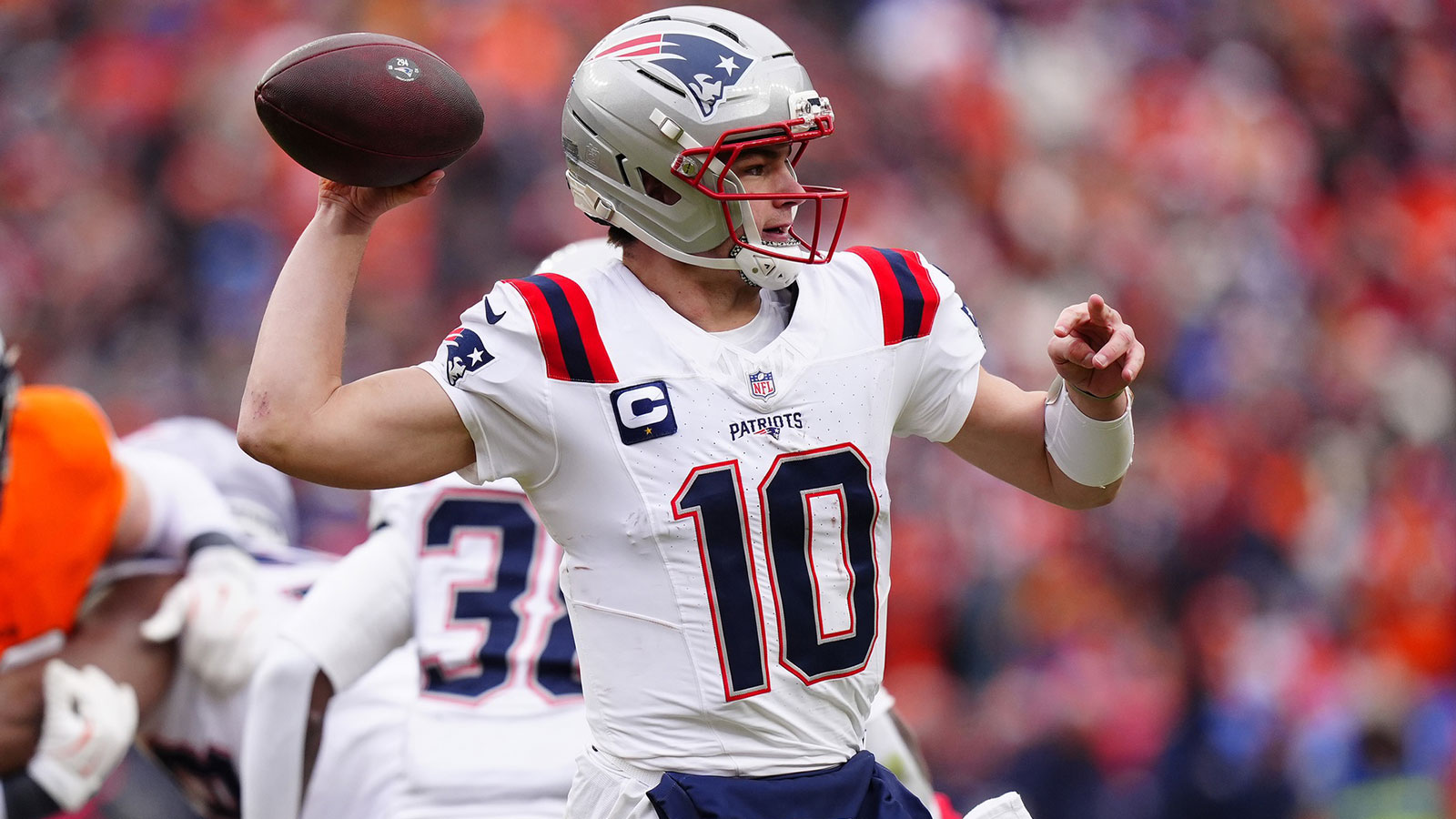
If the Patriots want to maintain a favorable position in 2026, they will need more than good vibes and persuasive presentations. On paper, New England isn’t poor, but teams don’t succeed by merely being financially comfortable. They win by being flexible, which requires converting a few large salary cap hits into manageable ones and being ruthless about contracts that no longer align with a player’s current role.
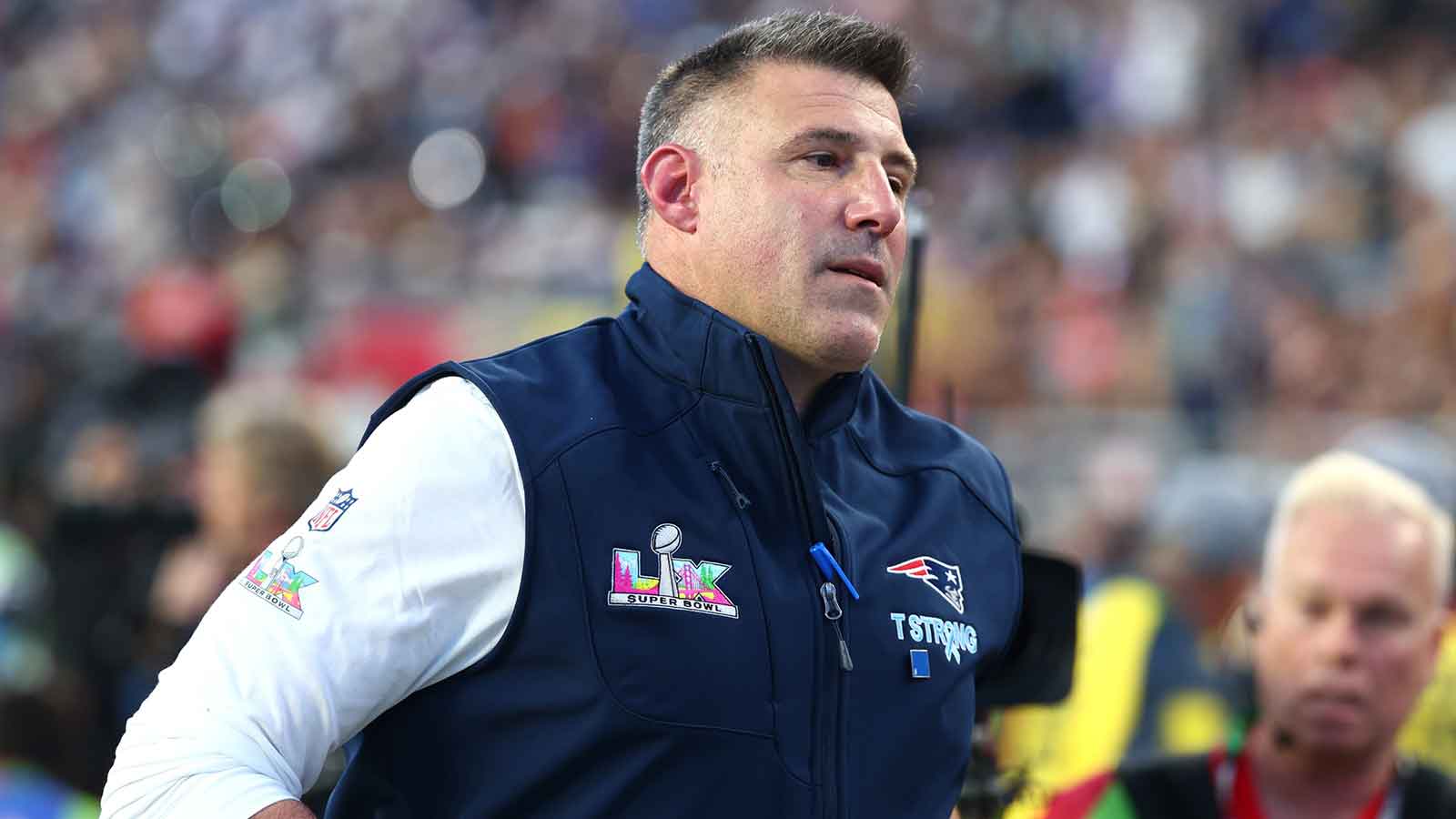
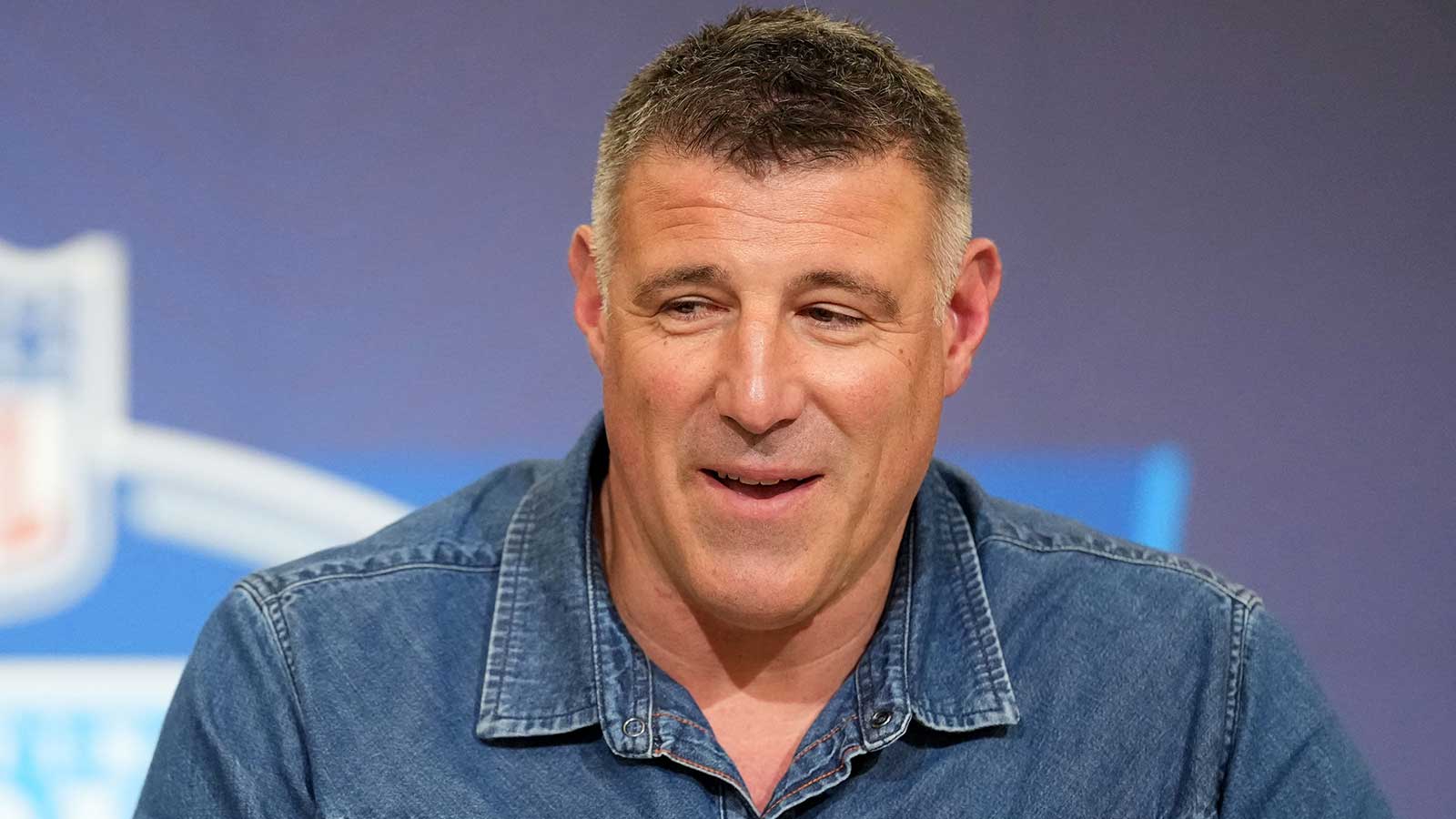
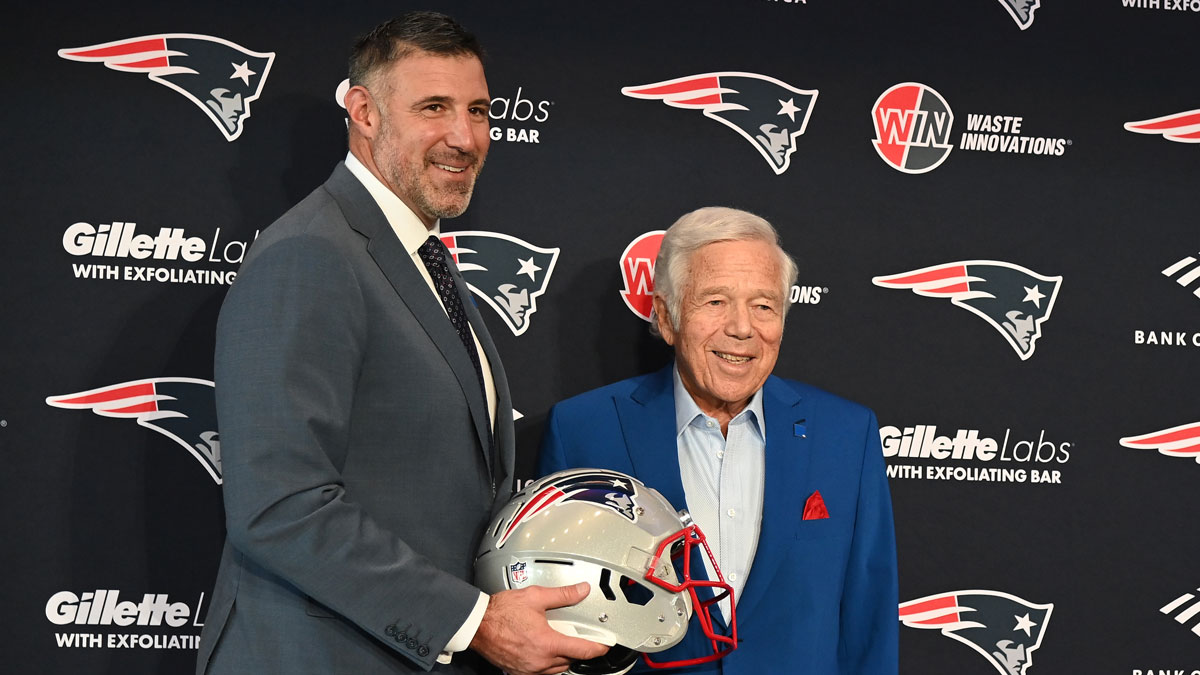
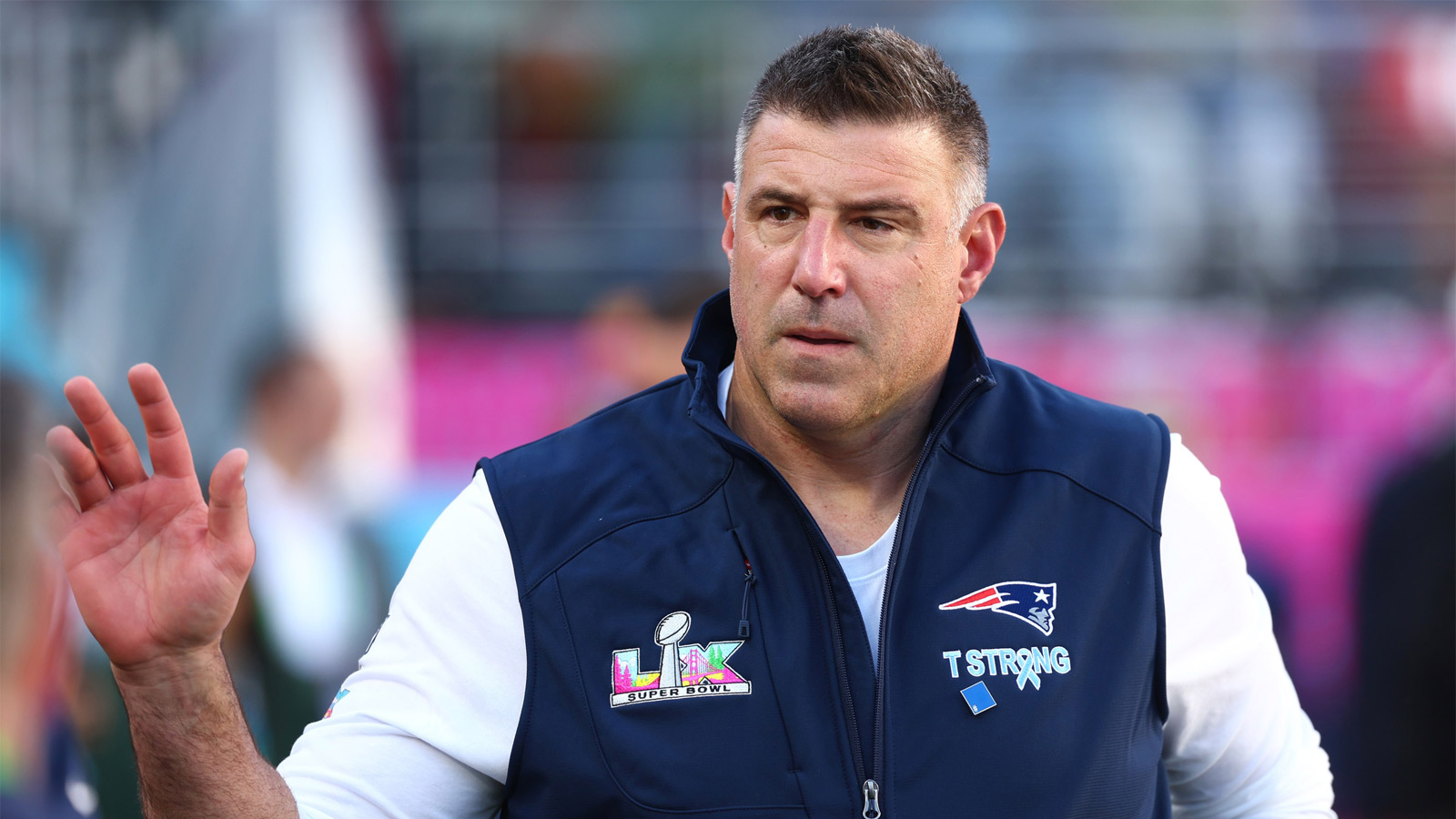
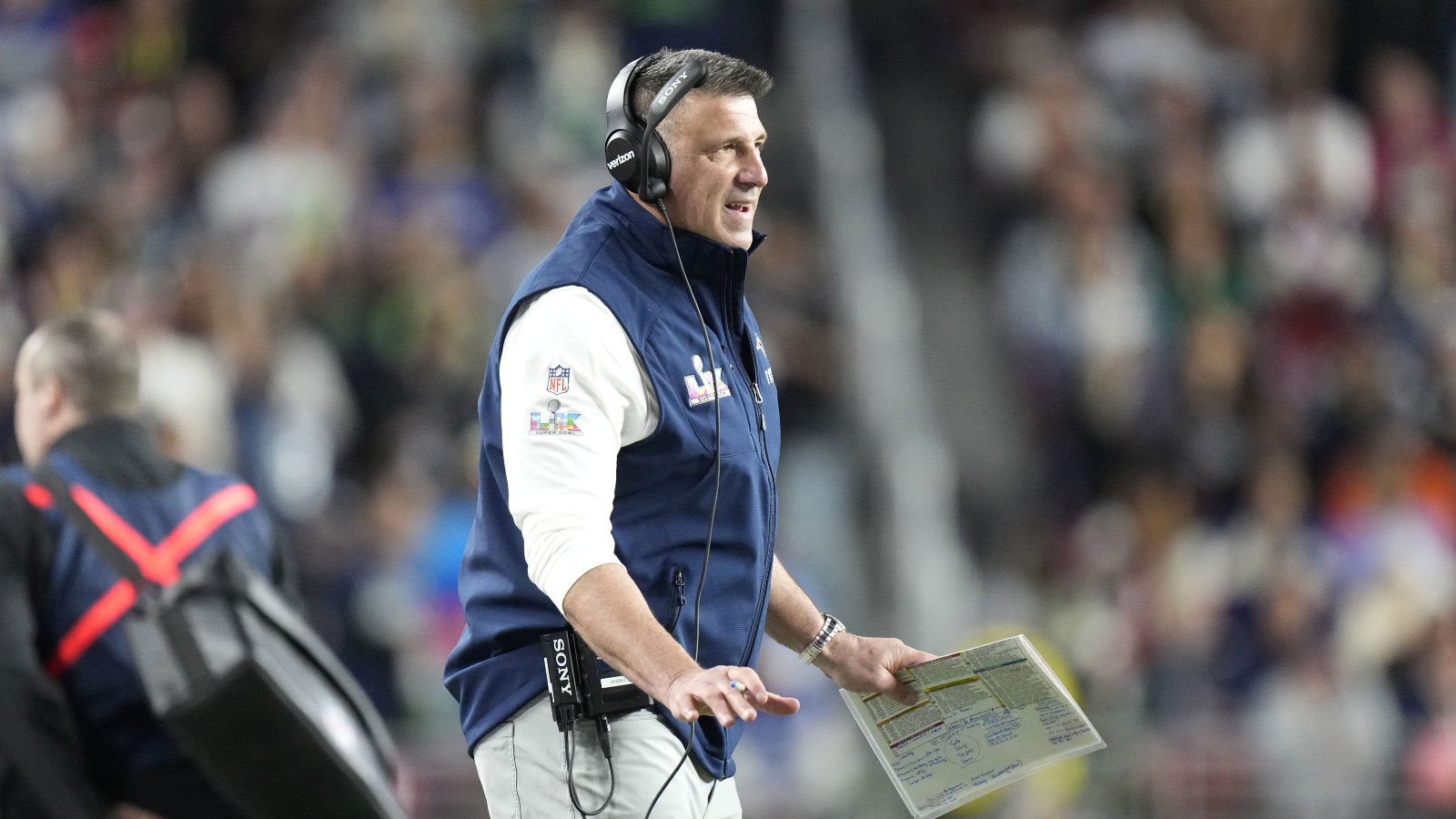
With Mike Vrabel at the helm, expect a pragmatic approach: maintain core players on the offensive and defensive lines, protect the quarterback, and avoid letting sentimental contracts hinder roster improvements.
Here are four moves the Patriots need to make to create significant salary cap space for 2026 without dismantling the team.
Stefon Diggs
This is a straightforward cap move: keep the player and adjust the contract. If Diggs continues to perform at a high level, New England should not consider cutting him, instead they should think about restructuring his deal. A veteran receiver’s contract typically has flexibility to convert salary into bonuses, allowing the team to push money into future years.
For a team aiming to contend, this is a reasonable trade-off. The goal isn’t just to play accounting games, but to maintain a potent offense while filling in the rest of the roster.
Michael Onwenu
Every serious team eventually learns the same lesson: you don’t skimp on the offensive line when you’re aiming for success in January. Onwenu is the type of player whose contract you should extend early and restructure wisely. The alternative is paying more later or scrambling when the line falters. A cap-clearing extension is now about securing a cornerstone player on your timeline and reducing immediate costs to allocate resources elsewhere. So, they should treat Onwenu as a long-term asset and use his contract to create flexibility now.
Hunter Henry
Tight end is one of those positions where quality players can be overpaid based on past performance. Henry can still contribute significantly, but the critical question is balancing cost against role. If he is one of the top two targets and a key player in the red zone, it makes sense to keep him and restructure his deal.
However, if he has shifted to a supporting role in a more diversified offense, the team may need to ask for a pay cut or consider replacing him with more affordable options. The aim is to avoid paying premium prices for limited impact. While tight end production is valuable, it’s relatively easier to replace through mid-tier free agency or the draft, especially if the team has a coherent scheme. New England seeks cap relief without sacrificing talent in critical areas, and this contract would be a prime candidate for restructuring.
Good cornerbacks are never cheap, and in the AFC, you can't win without quality coverage players.
Carlton Davis
He is the type of veteran whose contract needs to reflect his actual performance each week. If he's playing like a true No. 1 cornerback, then it makes sense to restructure his deal to maintain a stable secondary. Conversely, if he is a solid starter but not a game-changer, you should consider trading him while his value is still high, as teams are often willing to pay for experience and size in this position.
This is a tough but necessary decision, helping to avoid situations where one contract hinders two potential upgrades in other areas. A trade or renegotiation in this scenario could determine whether the team can afford one addition or make improvements in two weak spots.
The underlying theme here is that these moves are about effectively managing the cap. Cap space in February may seem appealing, but it quickly evaporates when you start re-signing your own players, addressing injury gaps, and shopping in free agency. The Pats want to pursue a true difference-maker, whether that's a receiver who can draw coverage or a tackle who can solidify the offensive line.
This is where Mike Vrabel's influence becomes crucial. Former Patriots wide receiver Kendrick Bourne noted a distinct difference between Vrabel and Jerod Mayo. He observed that Vrabel brought clear structure to offseason work and meetings, while Mayo, in his words, “just wasn’t ready.”
Bourne even expressed sadness, realizing the direction the team was headed under Vrabel. This insight serves as a valuable clue for roster building, and a well-structured program typically leads to a more organized cap strategy: fewer emotional decisions, reduced half-measures, and contracts that correspond to specific roles.
That's why the Patriots should approach the 2026 offseason like a contender, rather than a team celebrating past victories. To remain in the conversation for the Super Bowl, they must wield the salary cap as a tool.
They should also prioritize addressing the largest contracts and provide Vrabel with the flexibility to shape the roster on his terms, rather than merely responding to circumstances.