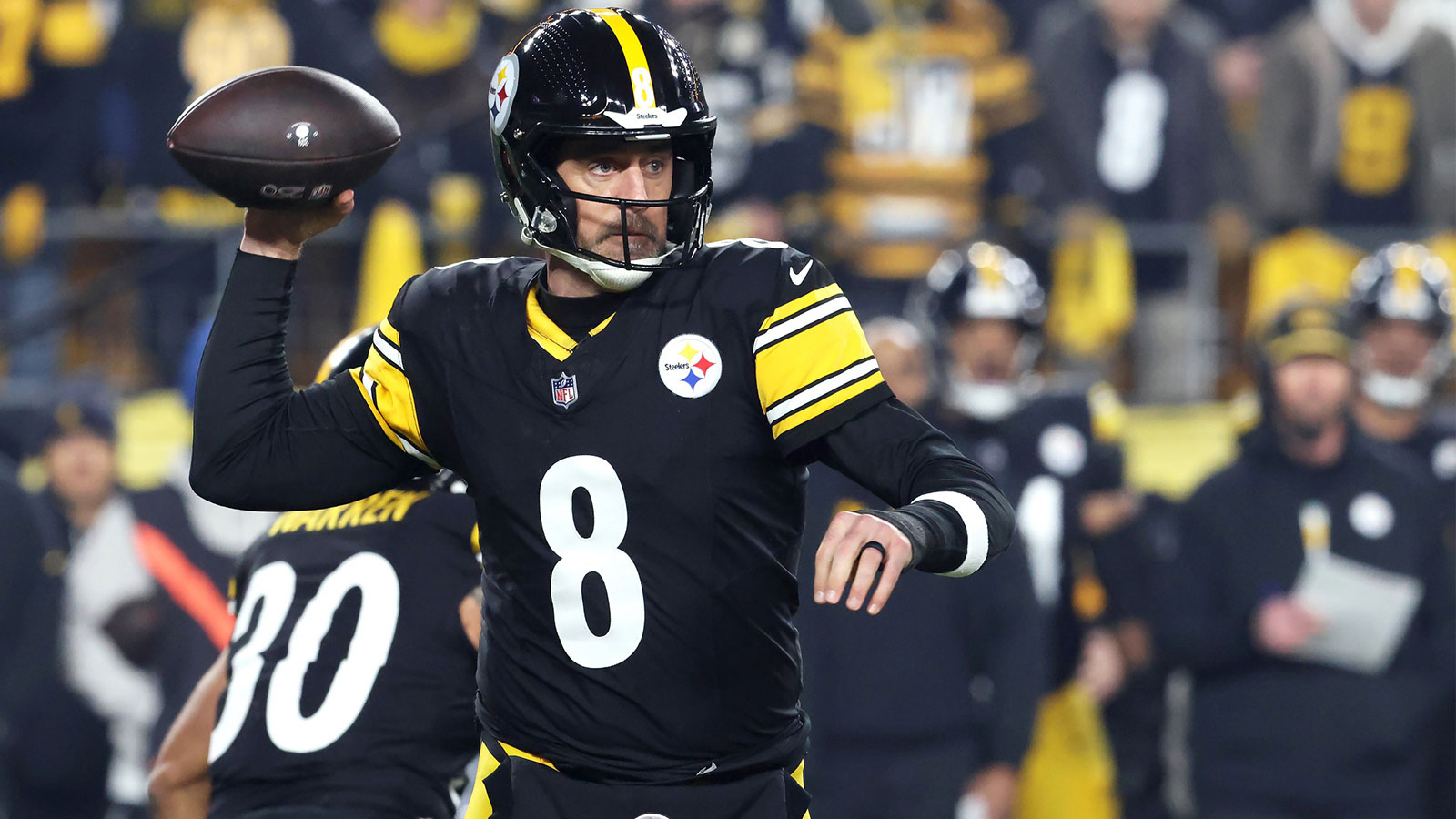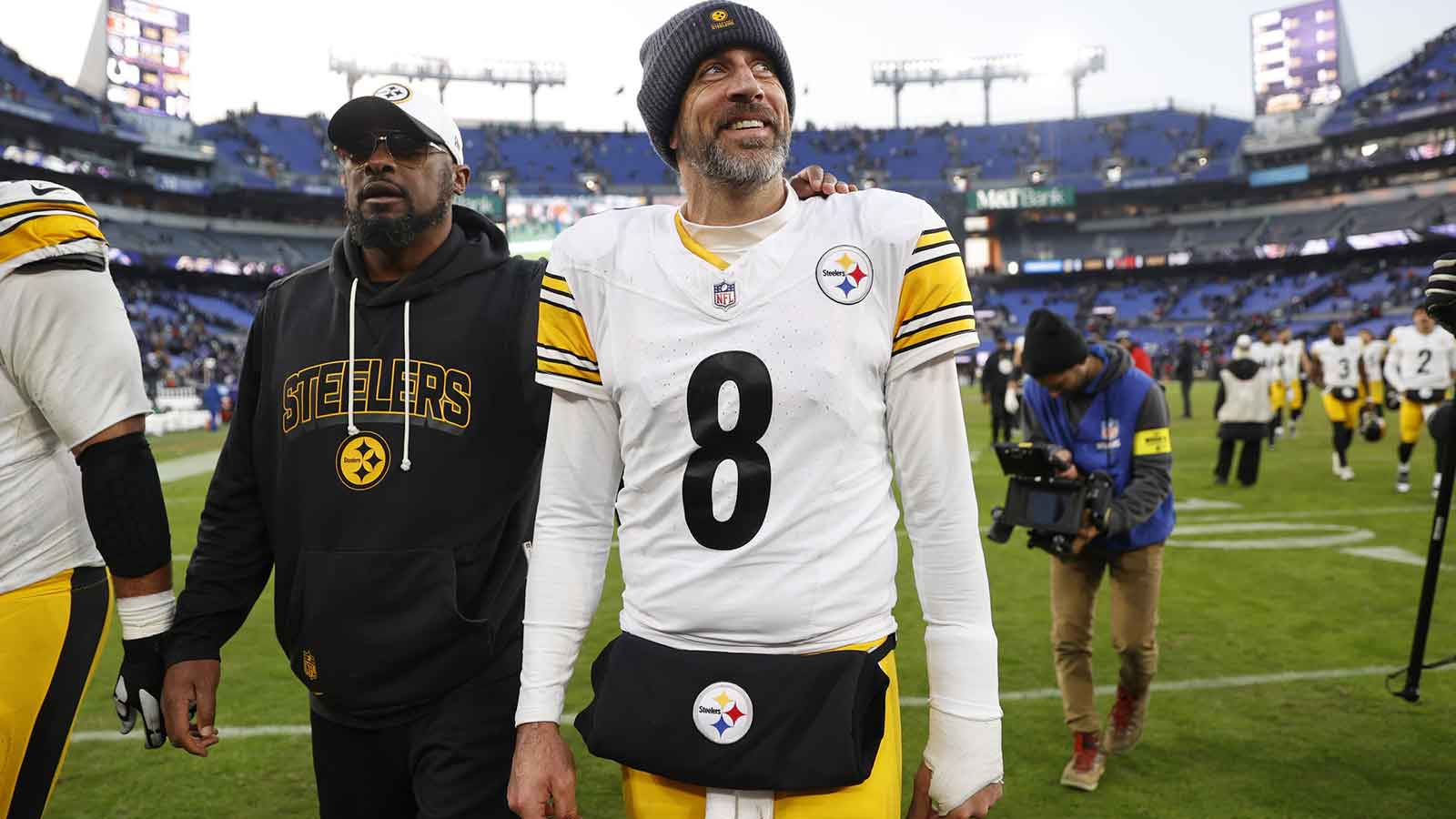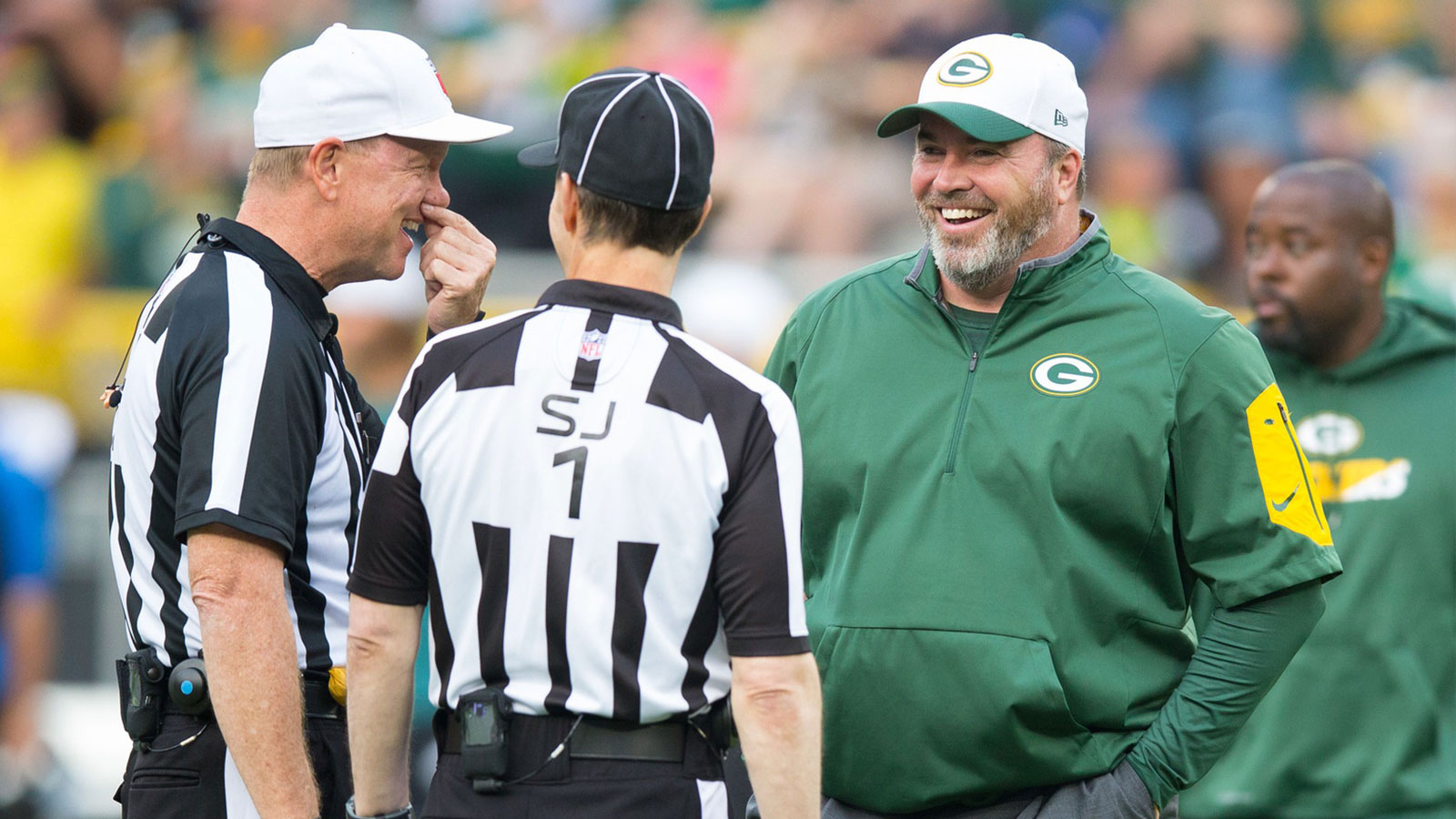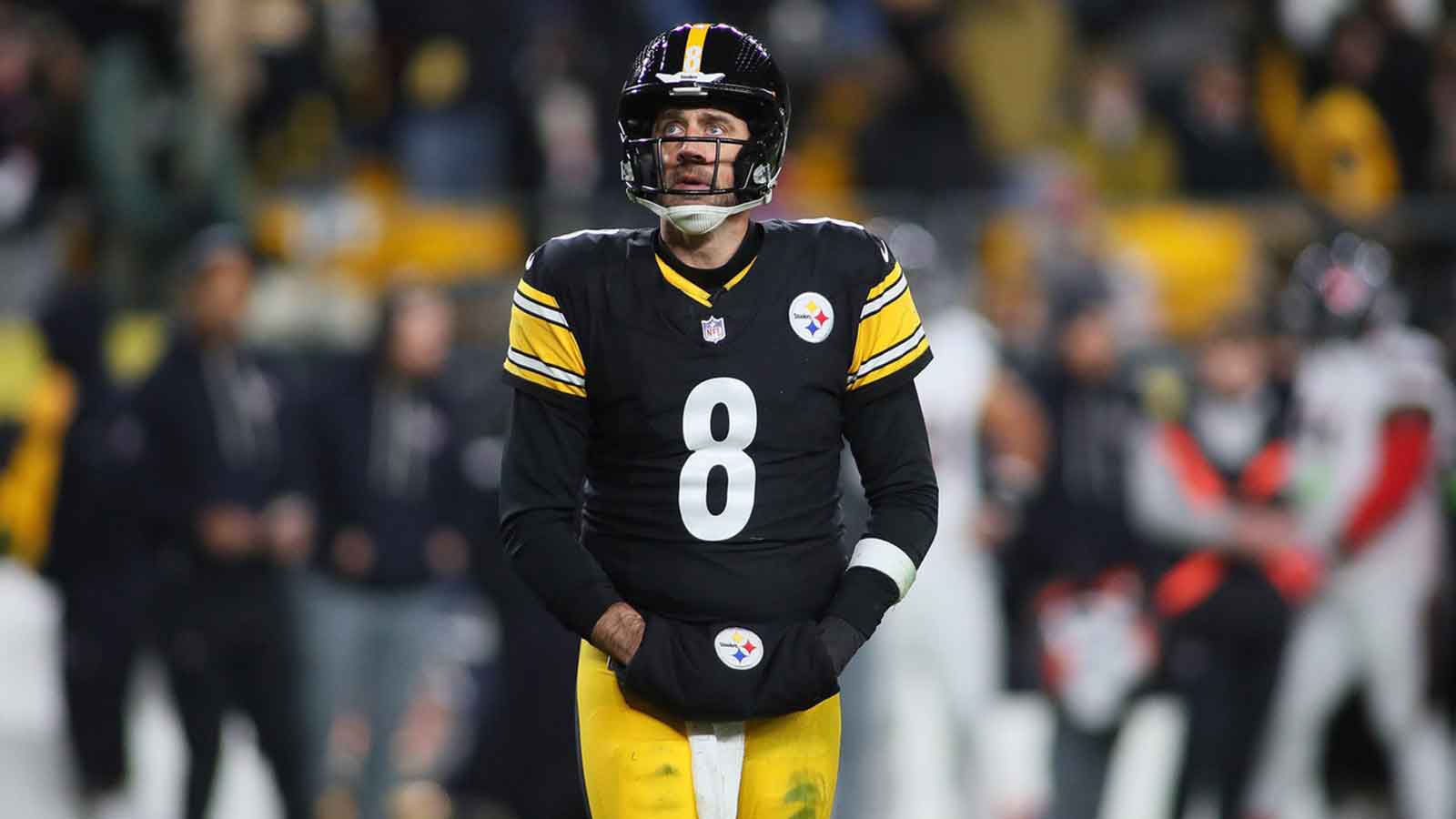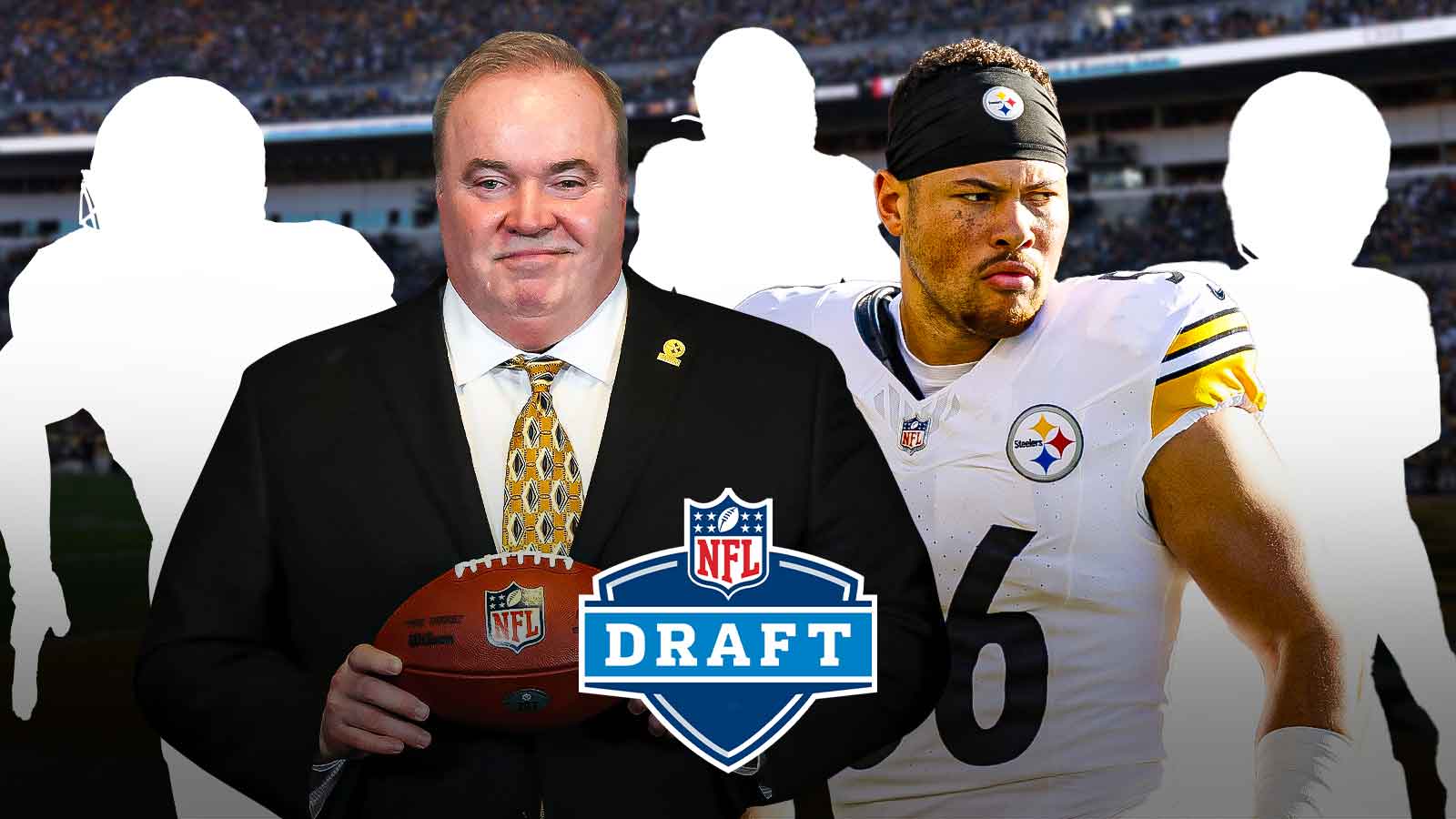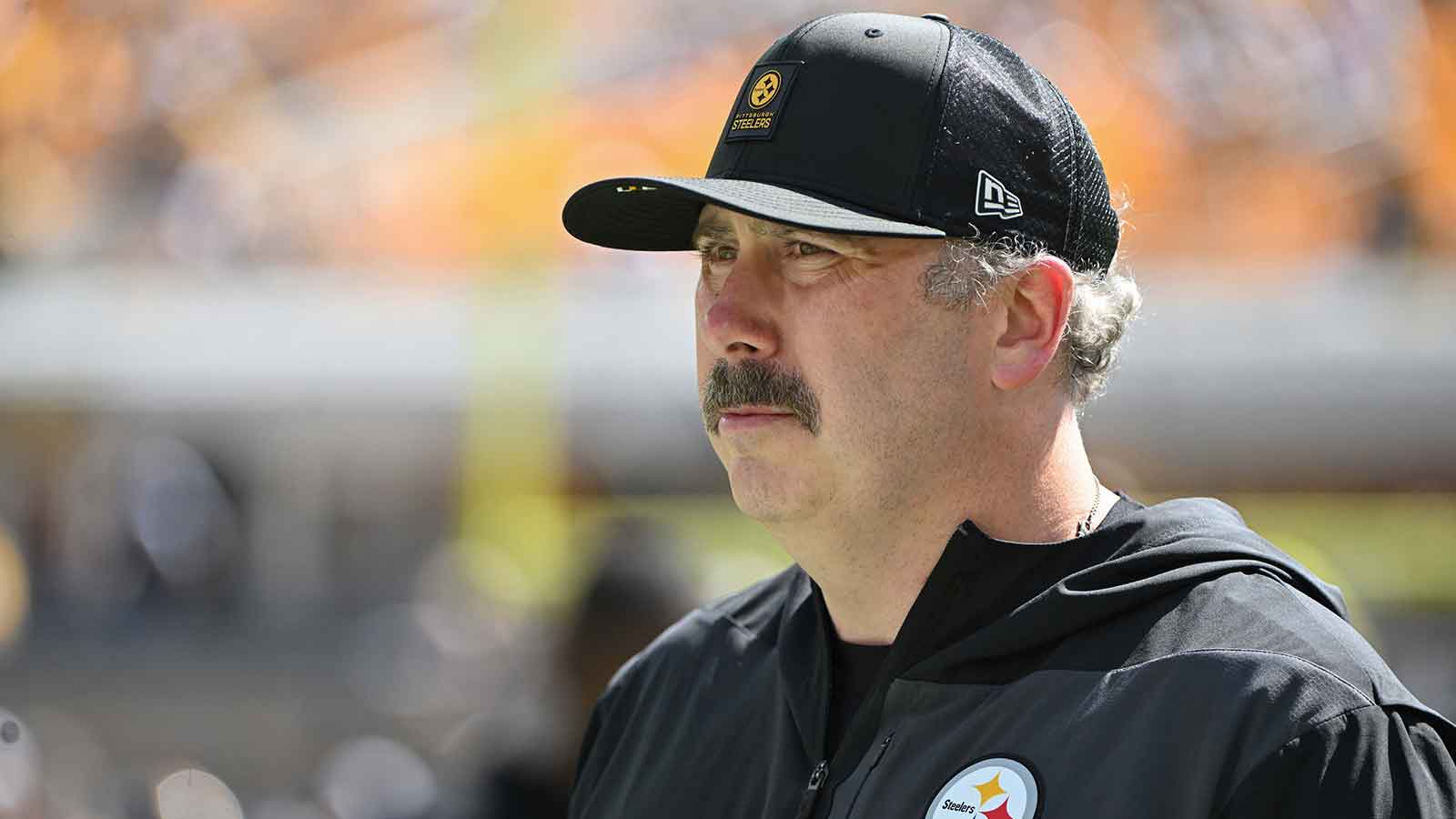
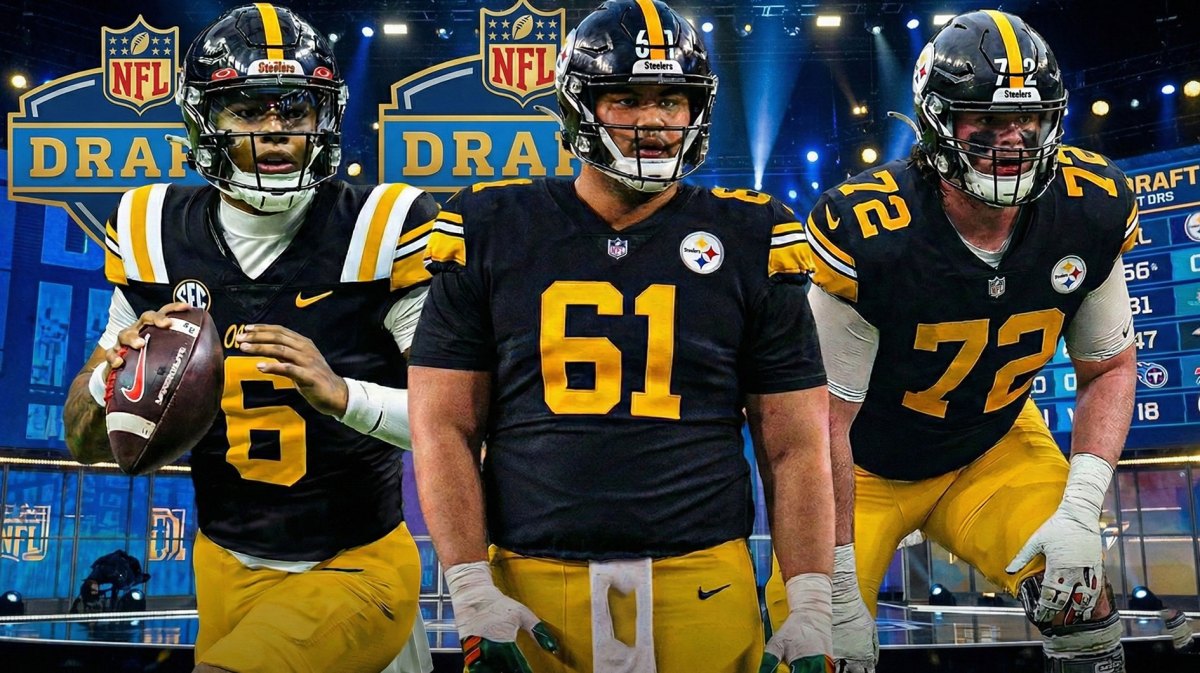
The post-Mike-Tomlin era begins with hard choices. For nearly two decades, the Pittsburgh Steelers operated with a sense of continuity few franchises could match. That certainty vanished in dramatic fashion in January. The 2026 NFL Draft now represents a philosophical reset. With Mike McCarthy stepping in and the Aaron Rodgers experiment practically over, the Steelers are forced to confront uncomfortable truths about their roster. Those include age, offensive identity, and long-term direction. This seven-round PFF mock draft reflects a franchise trying to resist shortcuts while quietly laying groundwork for its next competitive window.
Season recap and draft priorities
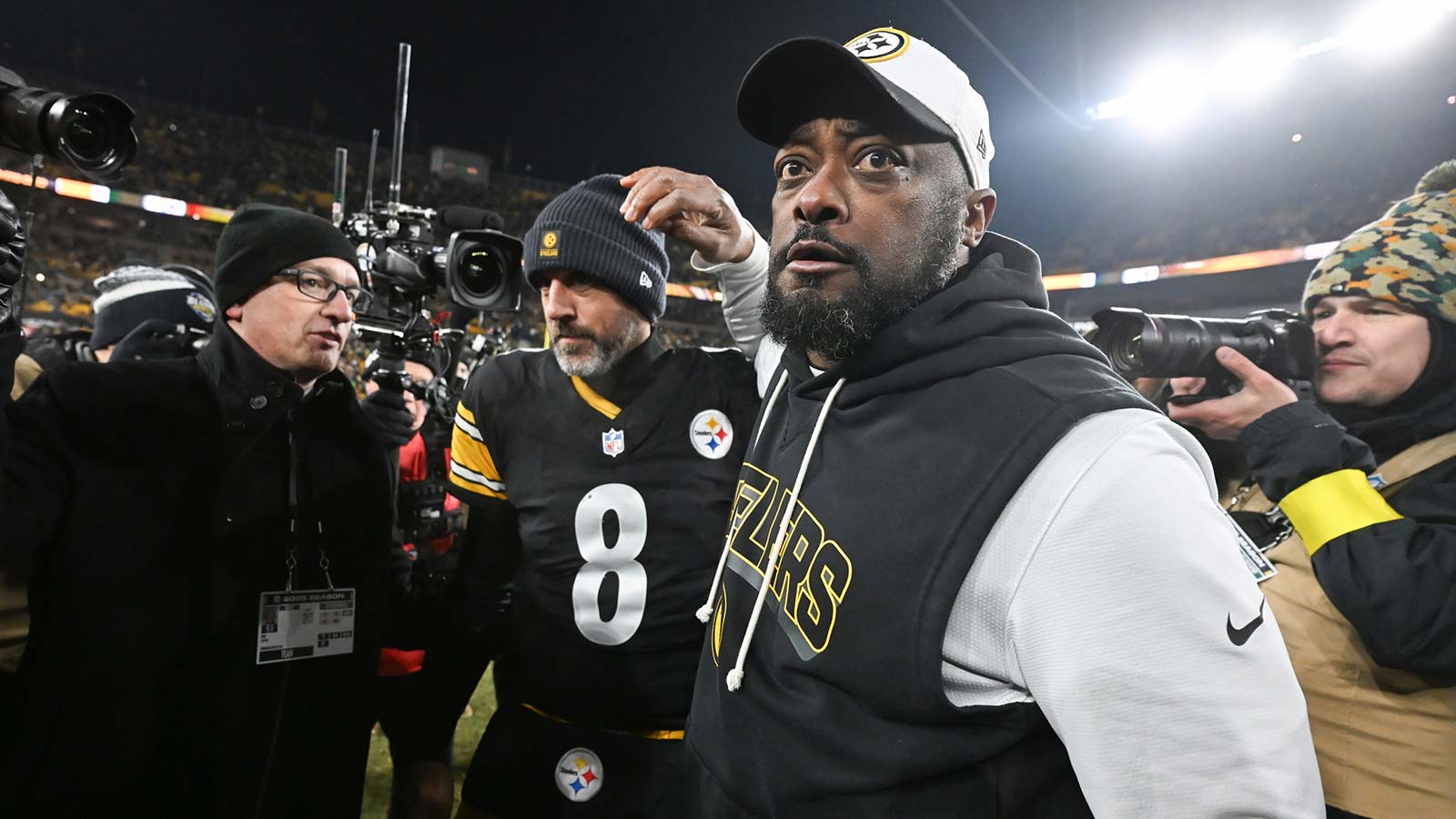
The Steelers’ 2025 season was a high-stakes all-in gamble that ultimately signaled the end of a legendary era in the Steel City. Despite a gritty 11-6 regular season and an AFC North title led by the veteran tandem of Rodgers and Tomlin, the campaign reached a sobering conclusion against the Houston Texans in the Wild Card Round. The fallout was immediate. Tomlin announced his retirement after 19 seasons, followed by the hiring of McCarthy to oversee a transitional reset.
As the franchise pivots toward 2026, the draft priorities are unmistakable. Pittsburgh must identify its quarterback of the future. They need to inject speed and dynamism into the wide receiver room, reinforce the offensive tackle pipeline, and add a ball-hawking defensive back capable of stabilizing a secondary exposed by explosive postseason offenses.
Round 1, pick 21: Francis Mauigoa, OL, Miami (FL)
Mauigoa feels like a Steelers pick in temperament alone. He plays with edge, physicality, and a willingness to initiate contact. Pittsburgh covets these traits in its linemen. His ability to anchor against power rushers and displace defenders in the run game gives the Steelers a tackle who fits gap-based concepts McCarthy has historically favored. Sure, his balance issues show up when he overextends. However, his size, toughness, and motor project well in a system that prioritizes imposing will over finesse.
Round 2, pick 53: Trinidad Chambliss, QB, Mississippi
Chambliss is not a headline pick. That may be the point, though. His tape shows a competitor who thrives under pressure, even if his ceiling is more functional than flashy. For Pittsburgh, Chambliss represents a developmental bridge. This is a quarterback capable of stabilizing games while the organization continues searching for long-term clarity at the position. His poise and upward trajectory make him a sensible gamble early on Day 2.
Round 3, pick 76: Blake Miller, OL, Clemson
Miller complements Mauigoa stylistically. Where Mauigoa wins with mass and aggression, Miller wins with technique and intelligence. His footwork, posture, and hand usage in pass protection stand out immediately. Yes, his lack of lower-body strength limits his run-blocking impact. Still, Pittsburgh can afford patience here. With added strength, Miller could become a reliable starter. At worst, he is a high-quality swing tackle.
Round 3, pick 85: Michael Trigg, TE, Baylor
Trigg is one of the more intriguing bets in this class. His athleticism and catch radius offer mismatch potential, especially in the red zone. However, his inconsistency as a blocker remains a concern in a Steelers offense that demands physical accountability at every position. Under McCarthy, Trigg’s development will hinge on embracing the unglamorous work.
Round 4, pick 99: Brian Parker II, OL, Duke
Parker’s versatility is his selling point. With experience on both sides of the line, he provides immediate depth. His limitations against speed rushers suggest a future inside at guard. However, Pittsburgh values linemen who can play multiple roles. In a rebuilding year, that flexibility carries real weight.
Round 4, pick 121: Michael Taaffe, S, Texas
Taaffe’s story mirrors the Steelers’ ethos, which is to bet on yourself and earn everything. While undersized, his footwork and adaptability allow him to contribute in sub-packages and deep coverage. Pittsburgh has long valued defensive backs who think the game quickly. Taaffe fits that mold despite physical constraints.
Round 4, pick 135: Jalon Kilgore, CB, South Carolina
Kilgore adds versatility to a secondary desperate for answers. His ability to play slot, safety, and box defender allows defensive coaches flexibility in coverage disguises. Yes, his ball production is modest. That said, his downhill trigger and positional awareness give him a chance to carve out a defined role.
Round 5, pick 159: Zavion Thomas, WR, LSU
Thomas brings experience and reliability rather than star potential. His production profile suggests a complementary weapon who can operate within structure. For a Steelers offense transitioning away from veteran crutches, Thomas provides a steady option who understands spacing and timing.
Round 6, pick 213: Elijah Pritchett, OL, Nebraska
Pritchett is a projection rooted in body type and movement skills. His struggles in anticipation and pass protection show up on tape. However, his athletic profile makes him worth a late-round investment. In Pittsburgh’s developmental environment, his upside justifies the patience.
Round 6, pick 214: Raion Strader, CB, Pittsburgh
Strader is a cerebral defender whose instincts compensate for average athletic traits. His length and anticipation in zone coverage align well with Pittsburgh’s defensive principles. Yes, he may never thrive in press-man situations. Still, his ability to read quarterbacks and disrupt passing lanes offers value.
Round 7, pick 224: Dillon Bell, WR, Georgia
Bell’s versatility makes him a chess piece. His challenge will be consistency, both as a receiver and blocker. If he embraces physicality, Bell could earn situational snaps across multiple alignments.
Round 7, pick 237: Reggie Virgil, WR, Texas Tech
Virgil rounds out the class with polish. His understanding of route tempo and zone manipulation gives him a chance to stick on a roster despite modest measurables. In a rebuilding receiver room, that nuance matters.
Patience, not panic

This PFF mock draft does not promise instant salvation. That is its strength. Pittsburgh invests heavily in the trenches, takes measured swings at quarterback and receiver, and reloads the secondary with intelligence and versatility. In the wake of monumental change, the Steelers choose restraint over desperation. It may not satisfy overnight, but it lays the groundwork for relevance to return the right way.