The San Francisco 49ers saw their title window slammed shut, albeit temporarily. This was not a team exposed as fraudulent, nor one suddenly short on talent. It was a roster stretched to its breaking point by injuries, depth erosion, and a growing list of structural issues. All those finally caught up to San Francisco on the sport’s biggest stage. The Seattle Seahawks exposed where San Francisco must evolve if it wants to reclaim its place atop the NFC.
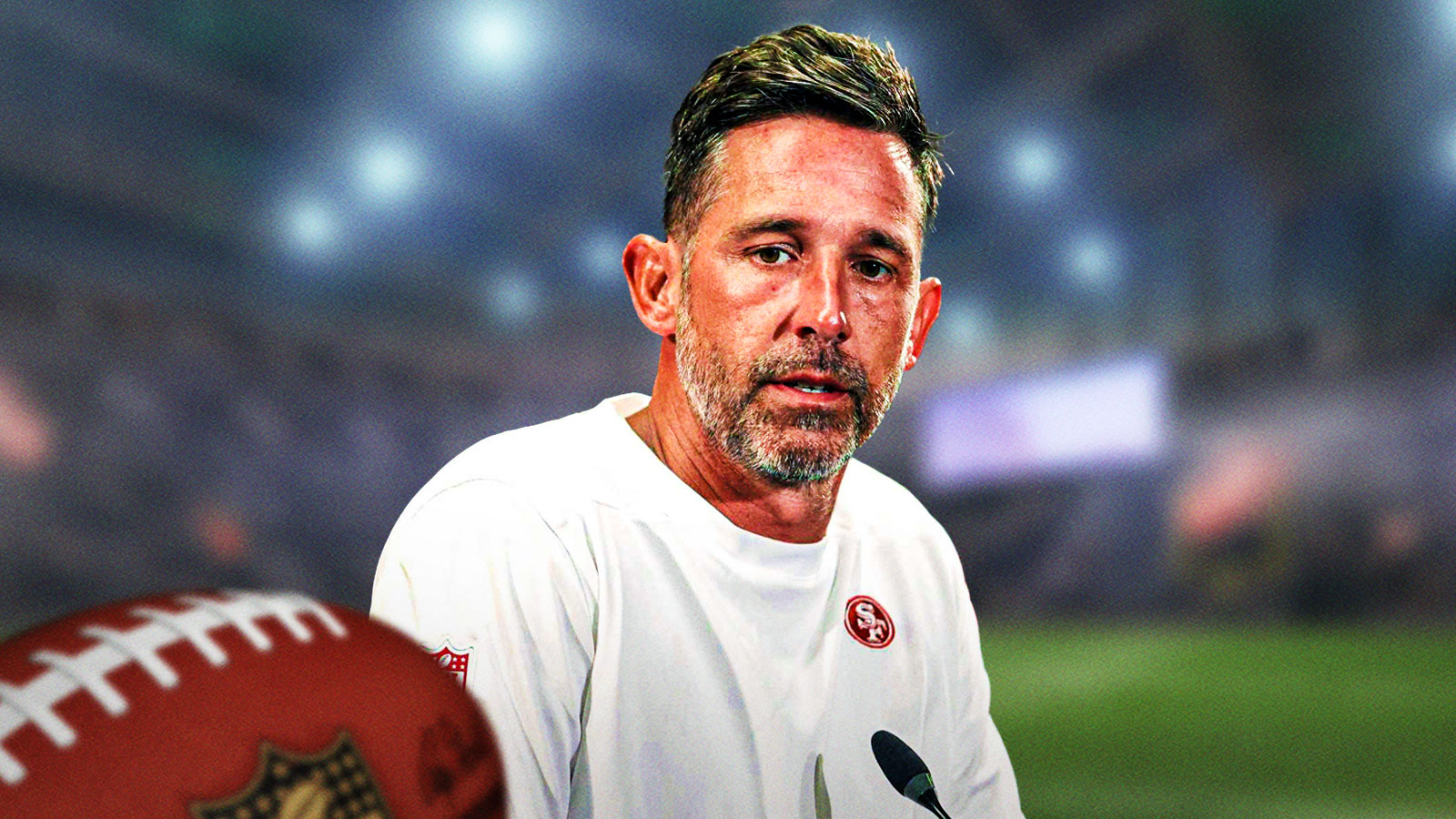
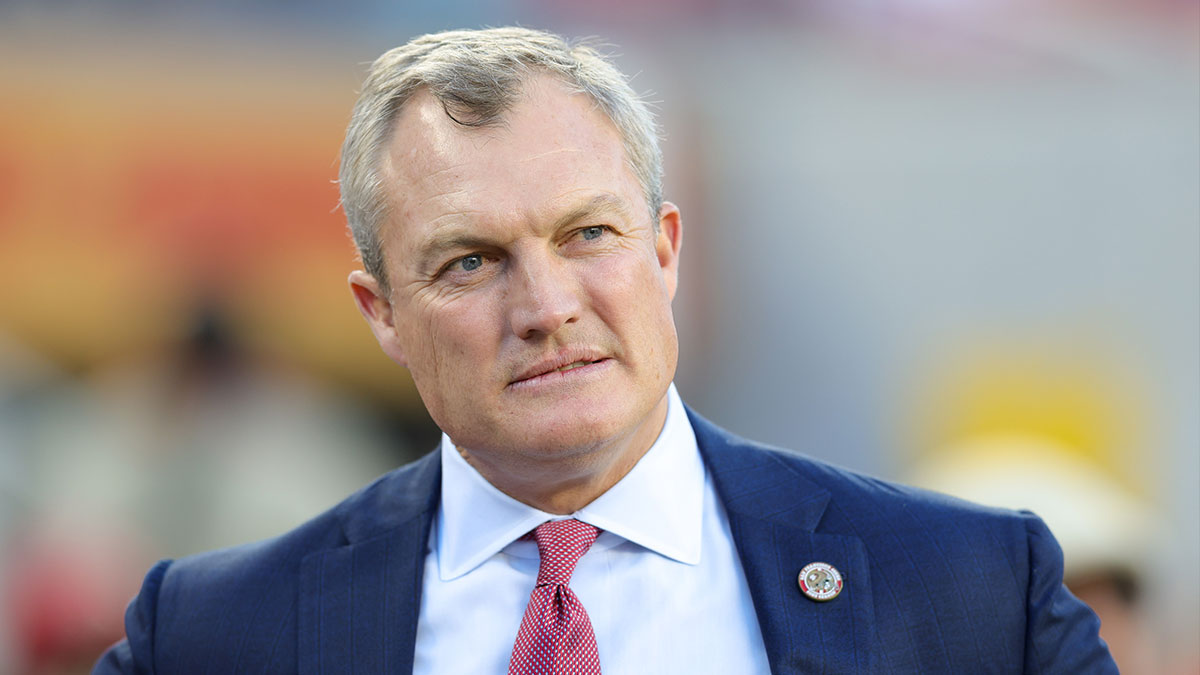
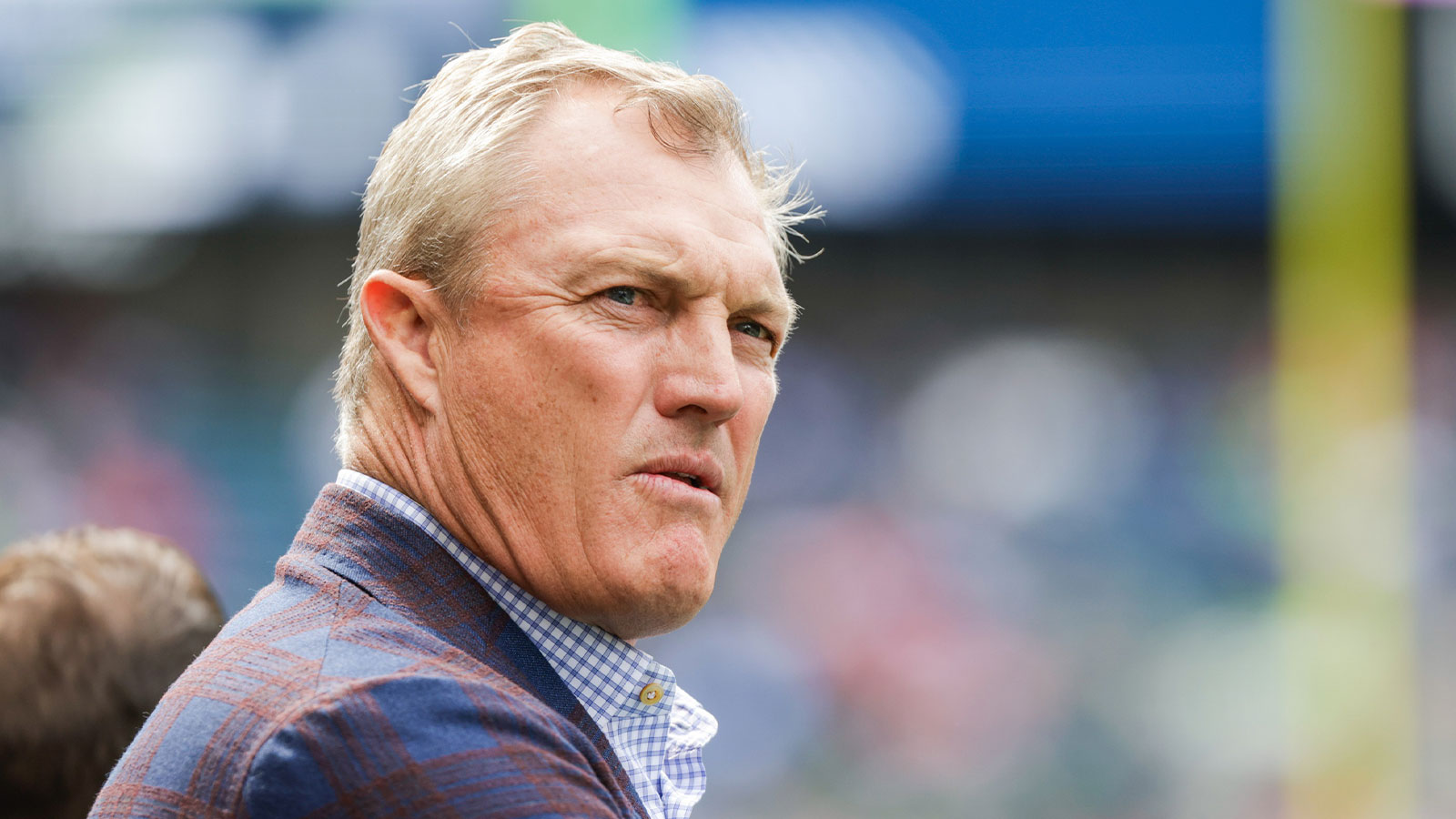
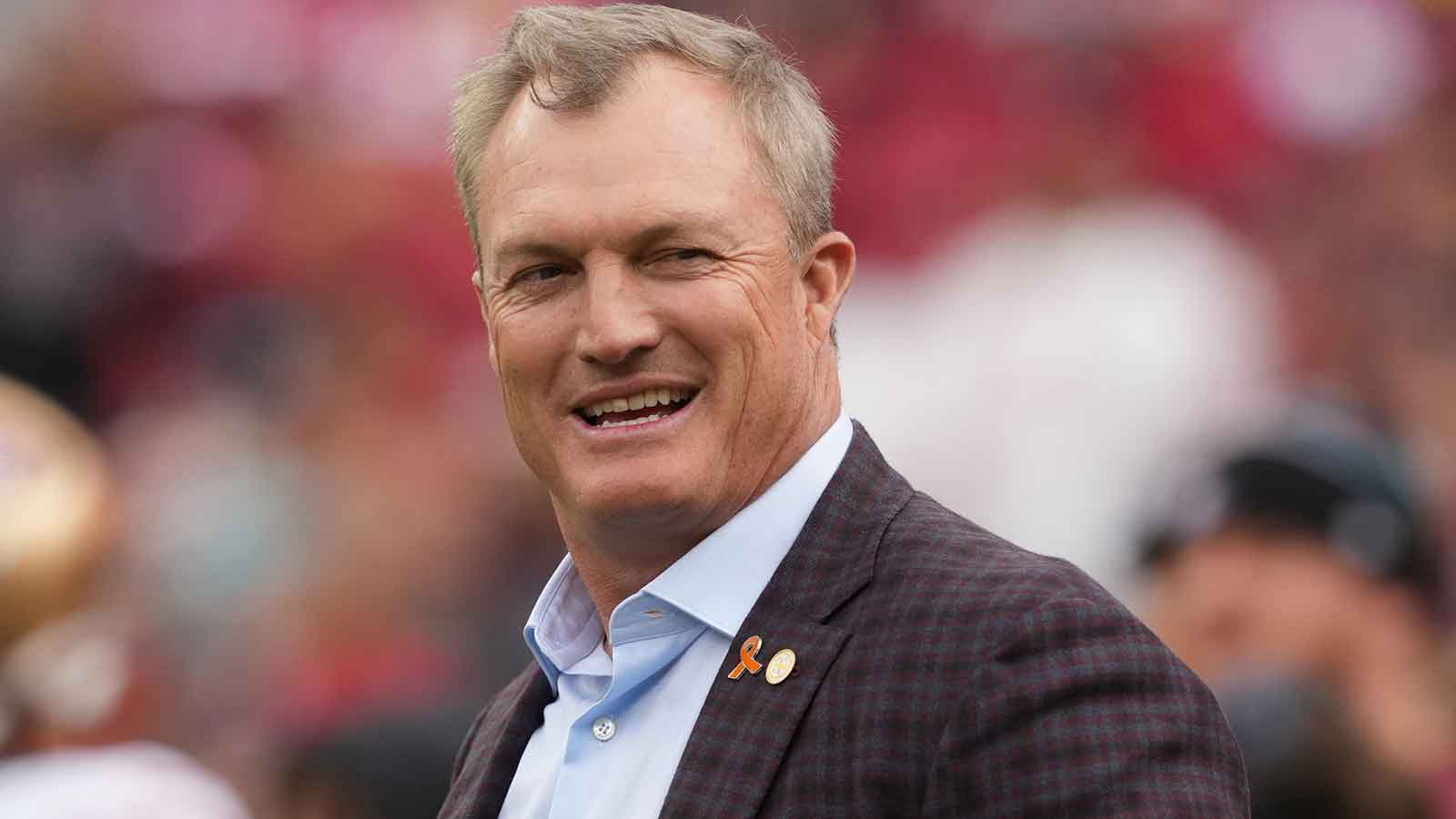
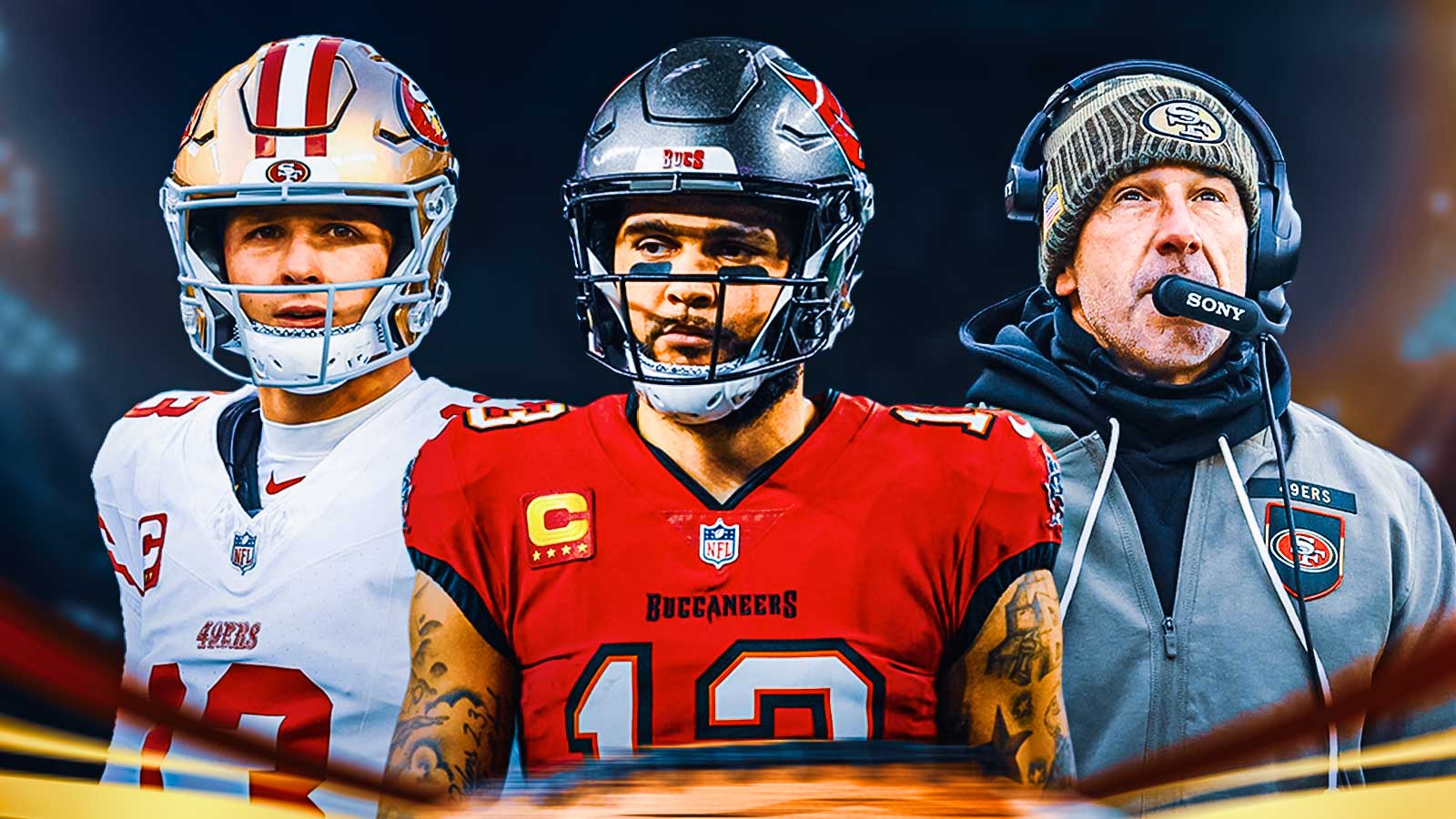
Now comes the pivot point. General manager John Lynch enters the 2026 offseason with rare flexibility, real cap space, and a clear mandate. He needs to surround Brock Purdy with just enough reinforcement to keep the window open without reopening old cap wounds. The next two months will define whether this loss becomes a footnote or the start of a slow decline.
Season unraveled
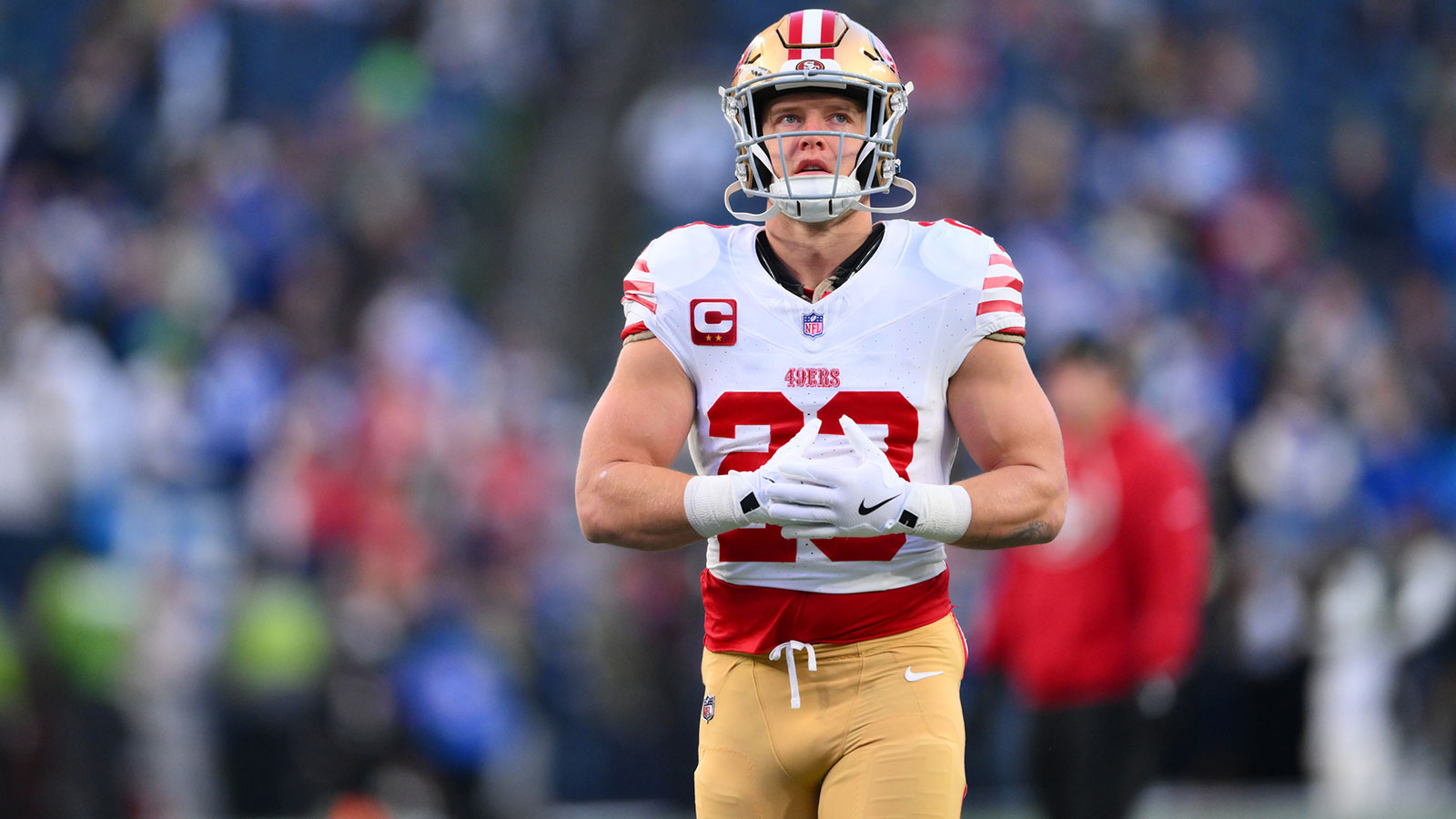
San Francisco finished the 2025 regular season at 12-5. That was good for second place in the NFC West and the No. 6 seed in a loaded playoff field. Offensively, the numbers were as strong as ever. The 49ers averaged 25.7 points per game. They leaned heavily on first-team All-Pro Christian McCaffrey. He delivered a historic campaign with 2,126 scrimmage yards and 17 total touchdowns while leading the league in carries. Even amid midseason turbulence, the 49ers remained one of the league’s most complete teams on paper.
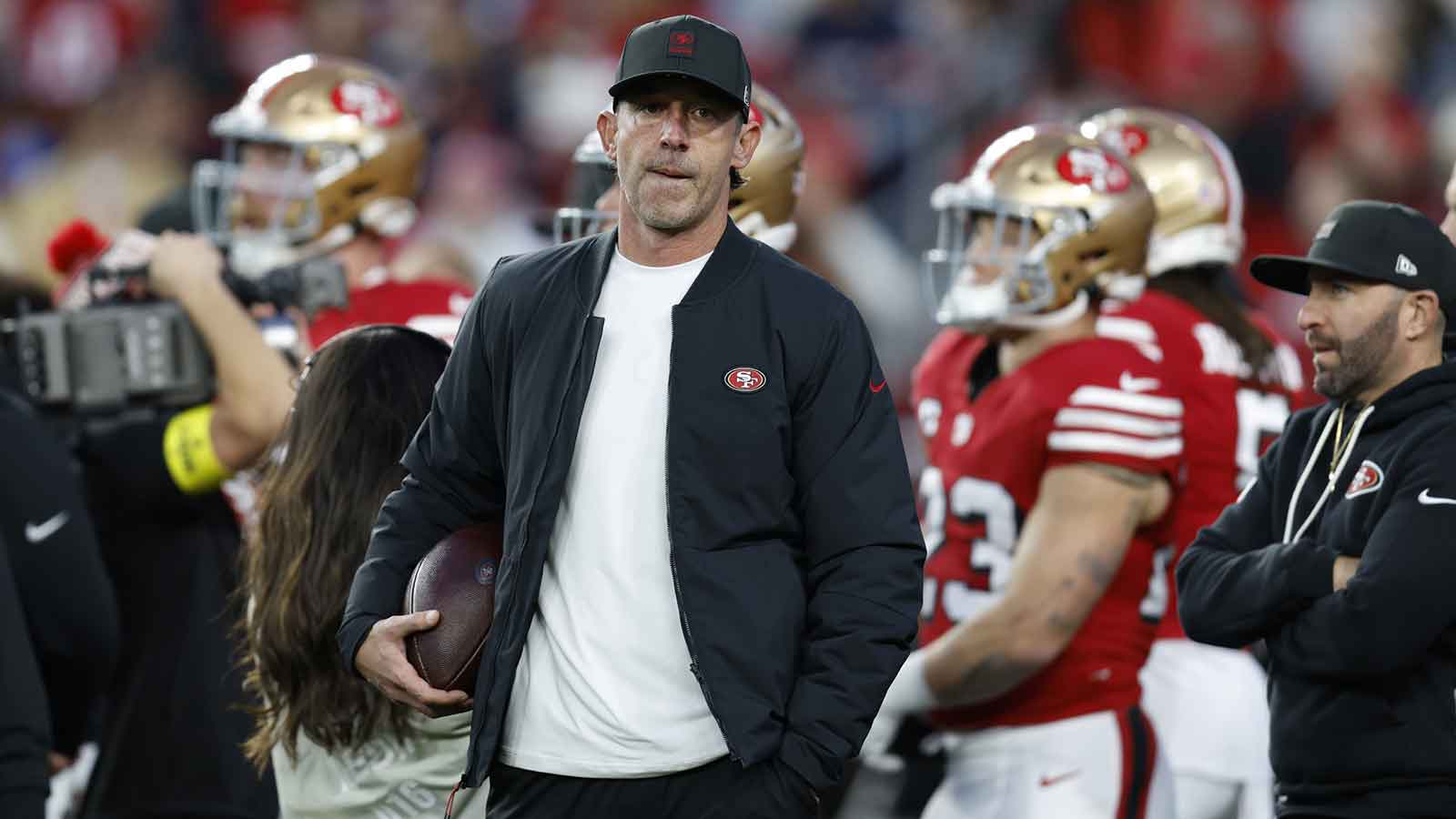
That resilience showed immediately in the postseason. San Francisco went on the road and stunned the defending champion Philadelphia Eagles. They hashed out a 23-19 Wild Card win that marked the franchise’s 40th playoff victory. Purdy was composed, the defense bent but didn’t break, and Kyle Shanahan once again reminded the league why the 49ers are never an easy out.
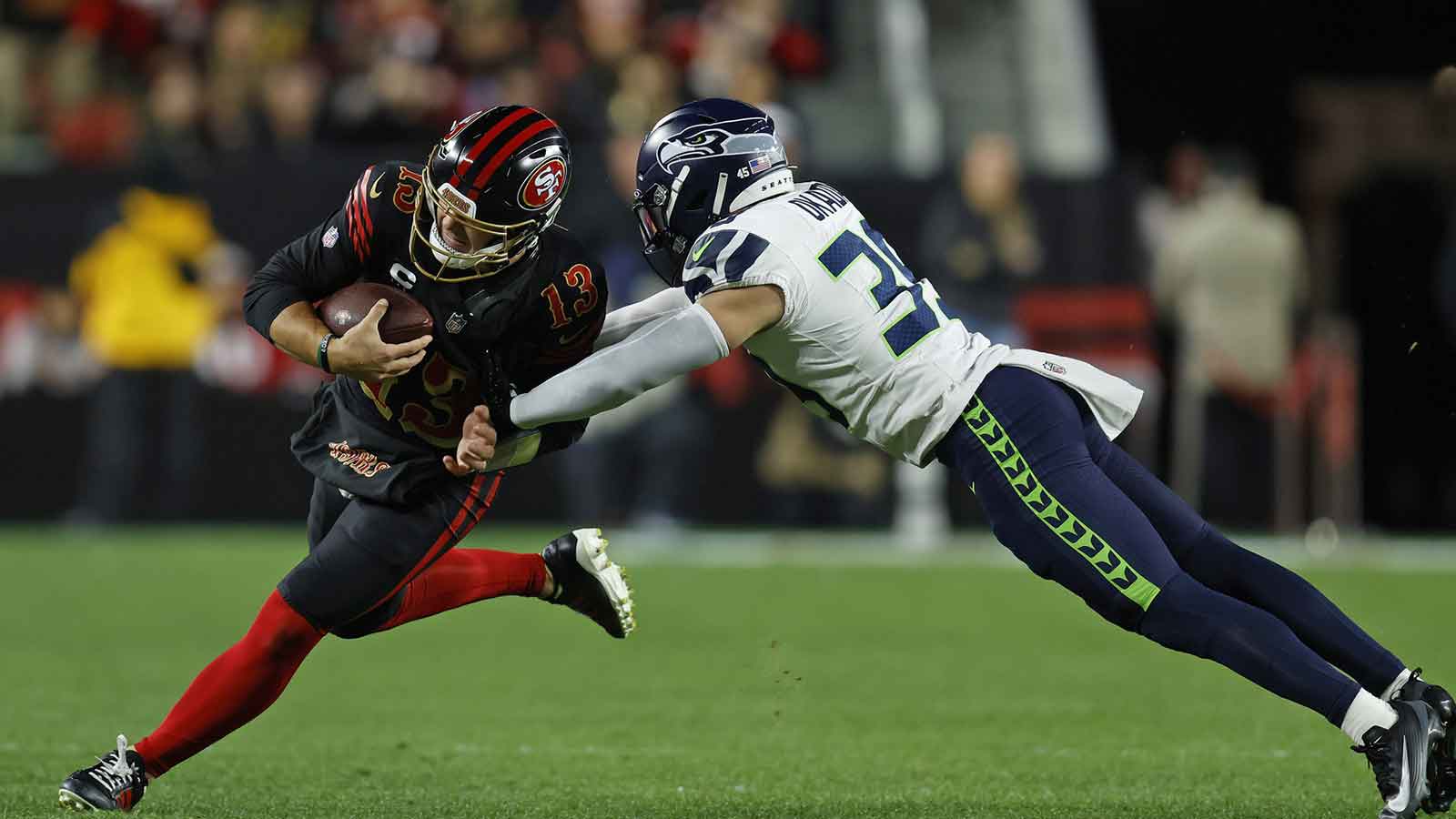
Everything came apart a week later, though. The 49ers were steamrolled 41-6 by the Seahawks in the NFC Divisional Round. A 95-yard kickoff return touchdown just 13 seconds into the game set the tone, and San Francisco never recovered. The offense was suffocated, Purdy was held to 140 passing yards and an interception, and McCaffrey was bottled up for just 74 scrimmage yards. Injuries finally overwhelmed the roster. Key absences included George Kittle, Fred Warner, and Nick Bosa. Meanwhile, the defense allowed 175 rushing yards in one of the most lopsided playoff losses in team history.
Free agency context
The silver lining is financial flexibility. Lynch spent the last year quietly reshaping the cap. They parted with aging veterans and created room for Purdy’s inevitable extension. As a result, San Francisco projects to have roughly $43.4 million in cap space. That should be more than enough to re-sign core contributors and selectively shop in free agency.
What the 49ers are unlikely to do is chase splashy, top-of-market veterans on massive contracts. Deals for players like Maxx Crosby or DJ Moore don’t fit the current vision. Instead, expect Lynch to target high-upside veterans who fit the system, ideally on manageable contracts. It will look much like the midseason acquisition of Keion White in 2025. This is about smart spending, not headlines.
Here we'll try to look at and discuss the 49ers' top 4 free agent targets after crushing playoff loss to the Seahawks.
John Franklin-Myers, DL, Denver Broncos
If there was one area the Seahawks ruthlessly exploited, it was the trenches. San Francisco finished last in the NFL with just 20 sacks in 2025. That's a stunning drop-off for a team that once built its identity on pass rush. John Franklin-Myers offers a clean solution. He is a versatile inside-outside rusher with experience in multiple fronts and familiarity with Robert Saleh. As such, Franklin-Myers brings positional flexibility and disruptive ability. His 4.5 sacks in Denver don’t tell the whole story, too. His real value is in collapsing pockets and freeing others to win.
Alec Pierce, WR, Indianapolis Colts
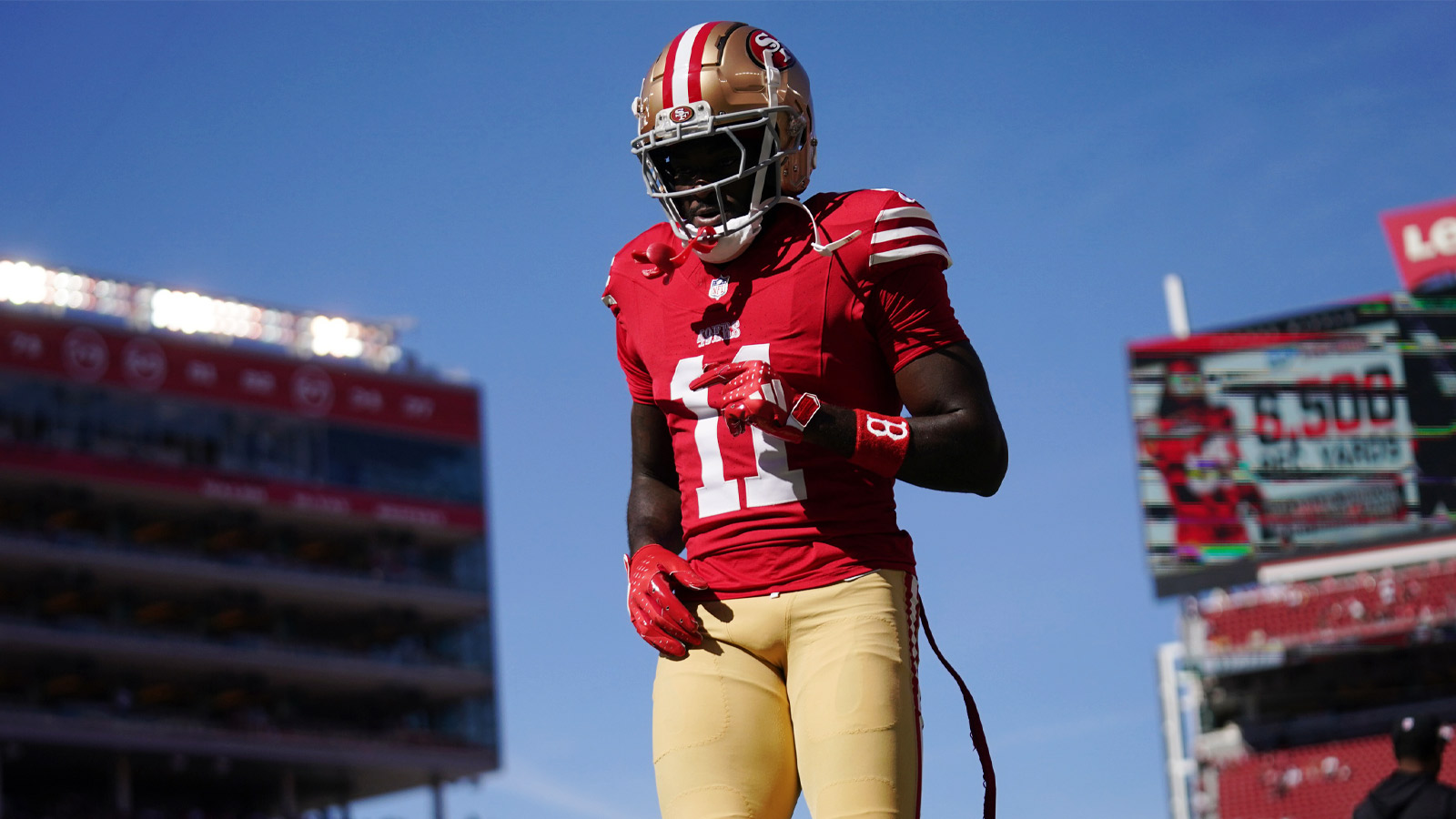
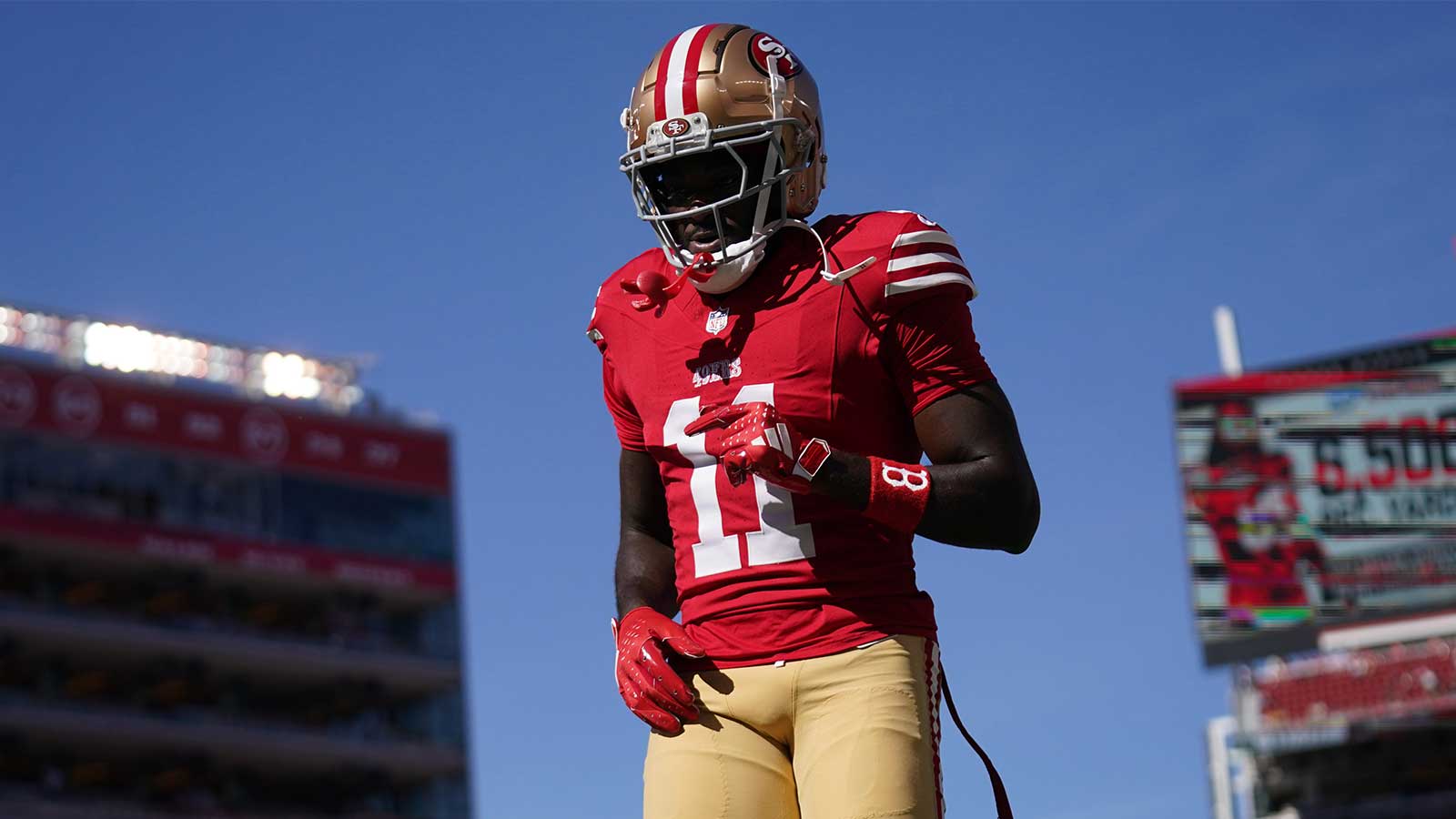
The trade of Deebo Samuel created a void in the 49ers’ offense that was never fully filled. Yes, Brandon Aiyuk remains an elite talent. That said, his long-term future in San Francisco is far from certain. The team had already positioned itself to void Aiyuk’s 2026 guarantees after he missed meetings and failed to fully participate with the program. That would likely pave the way for an eventual split. Complicating matters further, Aiyuk is coming off a season-ending ACL injury. That adds another layer of uncertainty to the receiver room.
That’s where Alec Pierce becomes intriguing. Averaging a league-best 20.9 yards per catch, Pierce brings a vertical element the 49ers simply didn’t have in 2025. His speed would stretch defenses, create space underneath for Christian McCaffrey, and reduce the coverage pressure on Brock Purdy. Pierce isn’t a high-volume target. In Kyle Shanahan’s system, though, he wouldn’t need to be.
Alontae Taylor, CB, New Orleans Saints
Seattle’s explosive plays laid bare San Francisco’s issues in the secondary. Alontae Taylor offers versatility the 49ers sorely need. Comfortable outside or in the slot, Taylor brings physicality, instincts, and consistency. These traits fit perfectly in Saleh’s system. He’s not a lockdown corner. However, he’s reliable, adaptable, and capable of stabilizing a defensive backfield that struggled to handle speed and motion.
Wyatt Teller, G, Cleveland Browns
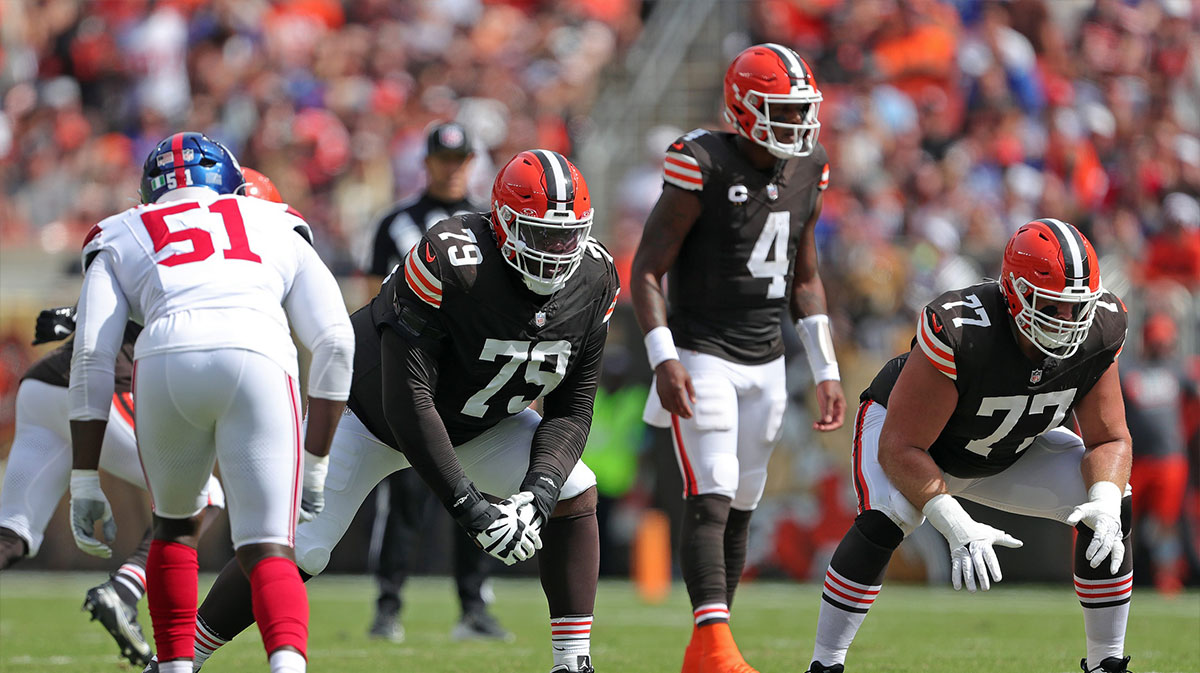
The 49ers’ offensive line held up admirably for much of the season. Still, the Seahawks exposed its limits. Wyatt Teller, when healthy, remains one of the league’s premier guards. Yes, durability is a concern. He has finished each of the last two seasons on injured reserve. However, he still has high-level football left. Adding Teller would fortify the interior, protect Purdy, and help keep McCaffrey from carrying an unsustainable workload.
Looking ahead
The 49ers don’t need reinvention. They need reinforcement. With cap space, clarity, and a franchise quarterback in place, this offseason is about correcting what Seattle exposed. That means physicality, depth, and balance. If Lynch gets it right, this loss won’t define the era. It will sharpen it.