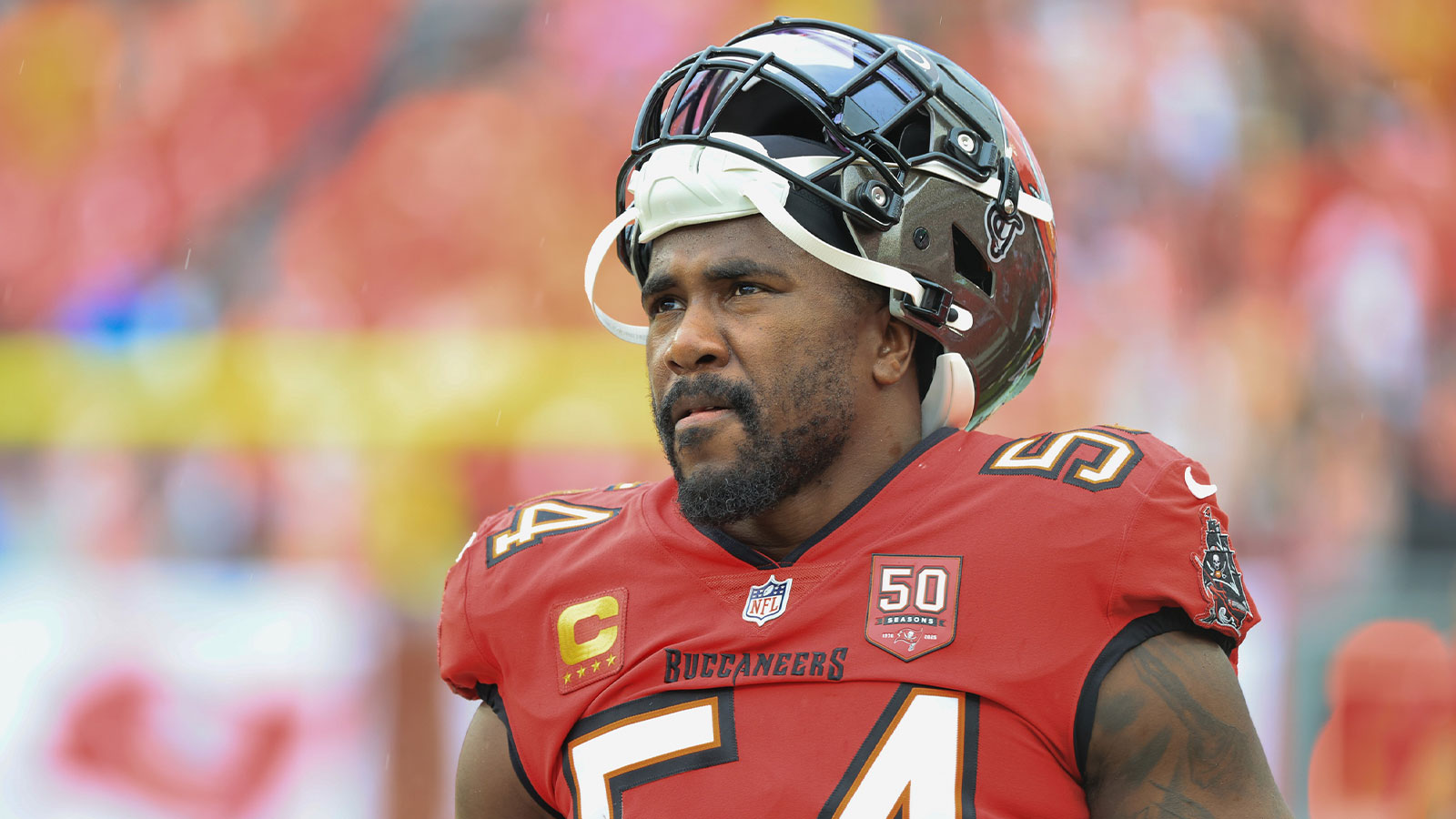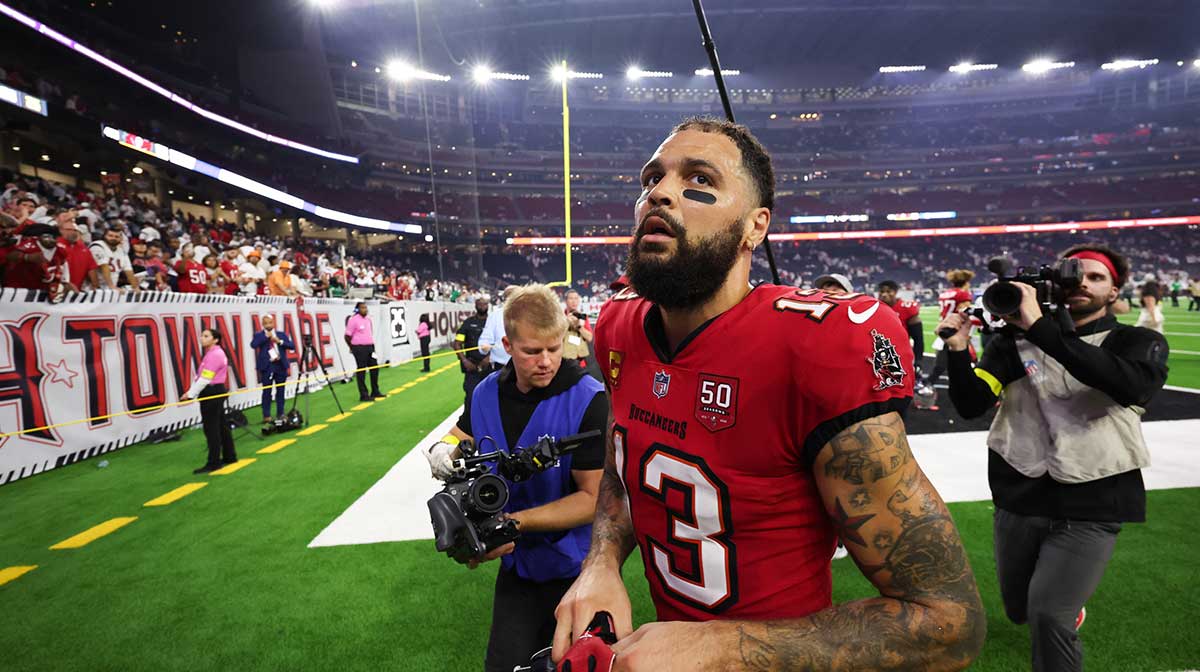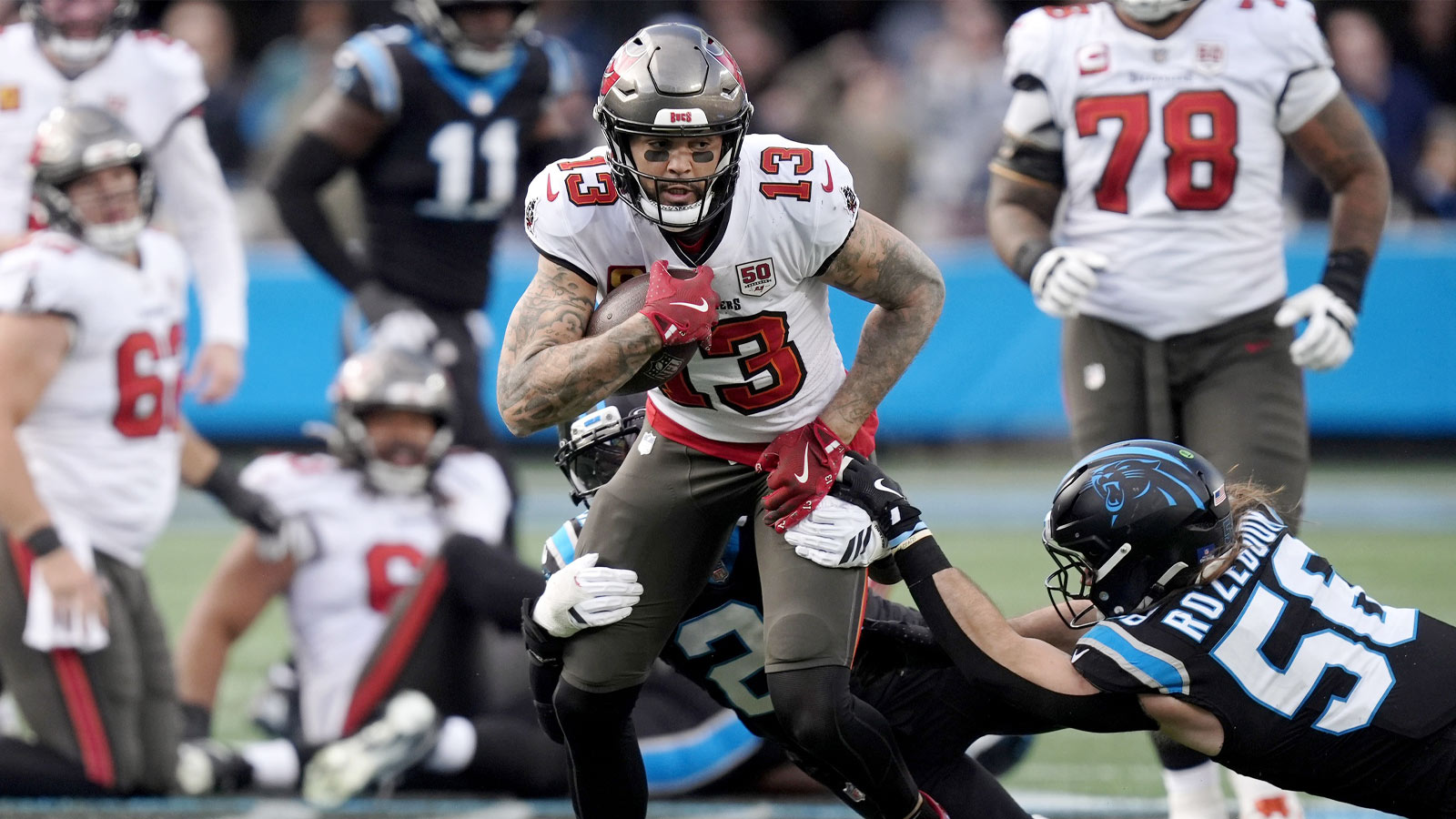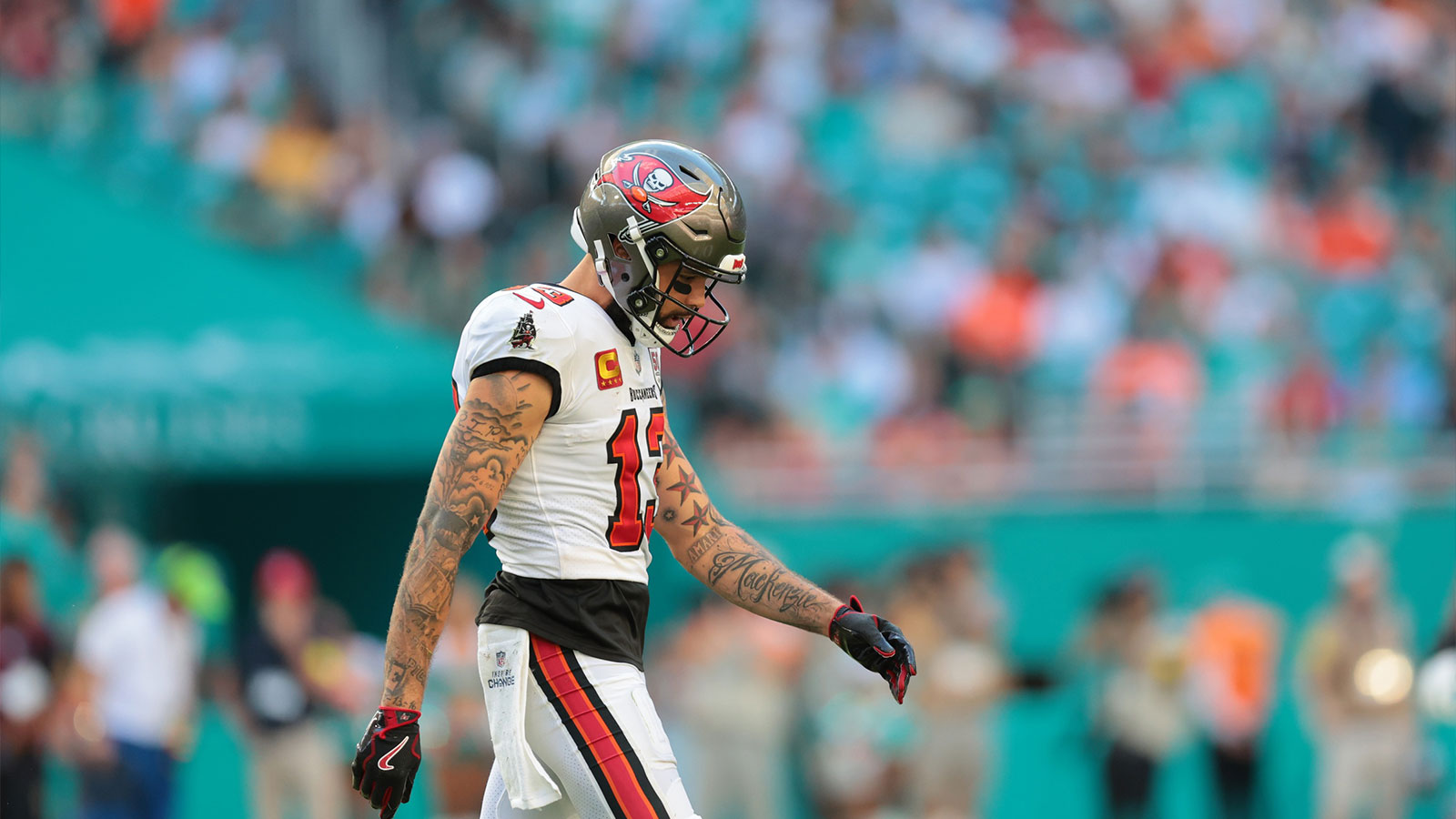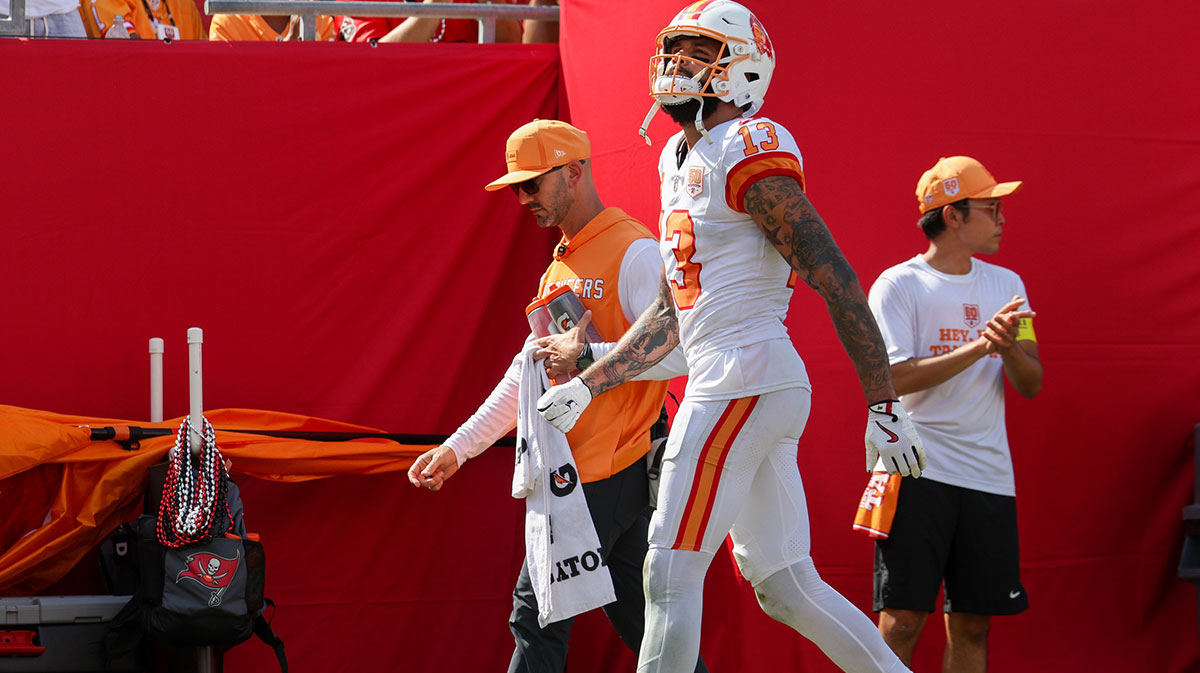
Wide receiver Mike Evans is playing in 2026, but the only unresolved part is the uniform. Amid another noisy offseason for the Tampa Bay Buccaneers, the biggest question among fans has been whether Evans might leave in free agency or even retire, and that retirement angle is now off the table.
ESPN’s Kimberley A. Martin reported that Evans’ agents say the 32-year-old will return for the 2026 season and will explore his free agency options.
Evans previously told ESPN’s Jenna Laine that a decision should come within “a month or two.” That uncertainty matters for the Buccaneers’ cap planning because you don’t want to be caught mid-pivot, half-budgeting for a replacement and half-budgeting for a returning franchise legend.
Tampa Bay isn’t in a crisis financially, but the 2026 cap is still a puzzle with big veteran numbers at premium positions, and the Bucs’ best path is to create breathing room early, before they start stacking add-ons for depth, incentives, and injury insurance.
Here are four player-specific moves that can open space without turning the roster into a clearance rack.
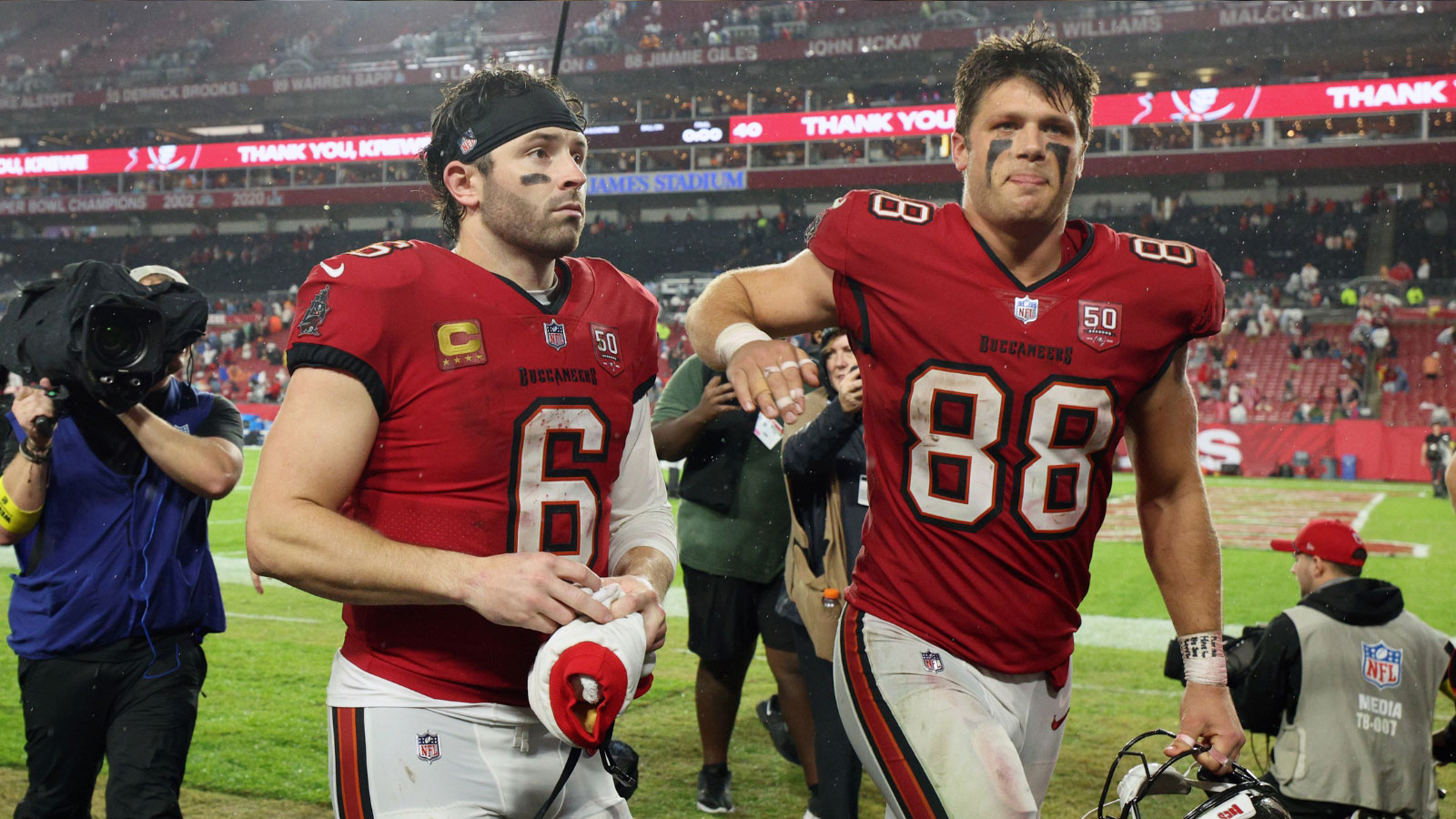
Baker Mayfield
Mayfield’s 2026 cap number is hefty enough that doing nothing is a choice, and not the smart one. This is where Tampa Bay should decide what it believes about the next two seasons. If Mayfield is the guy for 2026 and likely beyond, an extension that lowers the 2026 hit is the cleanest route, because it aligns the cap charge with the reality that quarterback money isn’t getting cheaper.
If the Bucs want flexibility beyond 2026, a straight restructure also works, converting some salary into bonus and spreading it out. Either approach gives Tampa Bay immediate space to address needs while keeping the starting QB situation stable, which matters a lot more if Evans is genuinely flirting with the open market.
Chris Godwin
Godwin is the definition of too important to lose, too expensive to leave untouched. Cutting him isn’t realistic, and Tampa Bay shouldn’t even be thinking in that direction, given how hard it is to replace a reliable, high-volume receiver who can win inside and outside.
The move here is to reshape the contract: either extend him to reduce the 2026 cap hit or restructure the deal in a way that creates space now without rewriting the entire receiver room. If Evans leaves, Godwin becomes even more central to the offense, which makes this move feel less like cap gymnastics and more like basic roster protection.
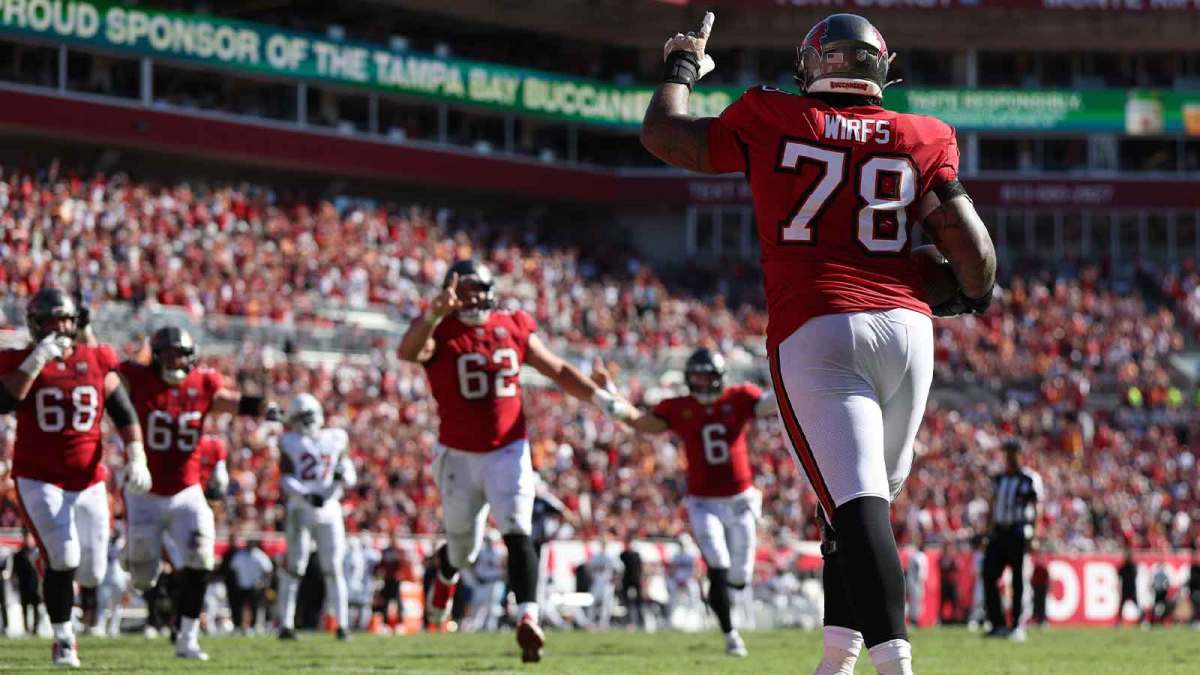
Tristan Wirfs
The Bucs have the kind of offensive tackle you do not casually mess with, which is exactly why his contract can be used as a cap tool, and this is exactly a move-on contract. Tampa Bay has a strong reason to prioritize cap relief on the offensive side: so you want the line stable so the offense can actually cash in on it; but if important players leave, you’ll likely be leaning harder on the run game and quicker timing concepts, both of which demand clean edge protection.
A restructure or extension that lowers Wirfs’ 2026 hit is a straightforward, low-drama way to create room while keeping the offense intact where it matters most.
Vita Vea
This is the hardest one to talk about because Vea is a tone-setter, but his contract is also one of the few places where Tampa Bay can create real cap movement in one decision. There are two ways to approach it. The conservative route is a restructure that lowers the 2026 hit while keeping the interior defense strong, particularly important in Todd Bowles’ world, where fronts and pressure looks depend on having at least one lineman who commands attention.
The aggressive route is exploring a trade if the Bucs decide they need to redistribute money toward edge pressure and coverage, or if they want to get younger and faster up front. I’m not advocating a dump for the sake of it, but if Tampa Bay wants meaningful space without touching the offensive core, this is one of the few contracts that can actually move the needle.
These four moves provide Tampa Bay with flexibility, regardless of the outcome concerning Mike Evans. This also allows for the addition of protection and support for the run game, preventing the offense from devolving into a “hope the quarterback can improvise” scenario.
Flexibility is also evident on the defensive side, where Tampa Bay's pass rush has not been strong enough. A pertinent rumor circulating the league involves Khalil Mack.
Reports suggest Mack is contemplating retirement versus returning, with his decision more influenced by the overall atmosphere and family considerations than by a strong emotional reaction to the Chargers’ season ending. The appeal for Tampa Bay is straightforward: the Buccaneers recorded 37 sacks last season, ranking 18th in the league, and Mack can still create disruptions, even if his usage is more selective within Todd Bowles’ defense.
For the Buccaneers, creating cap space in 2026 is essential to ensure they can act decisively and strategically. So, they need to keep the quarterback plan stable, maintain an elite offensive line, ensure the receiving corps remains functional regardless of what happens with Mike Evans, and provide enough resources for the defense to effectively pressure the quarterback on third down.
If the team successfully executes the four moves mentioned, it will prevent the kind of cap constraints that lead to poor decisions in March.