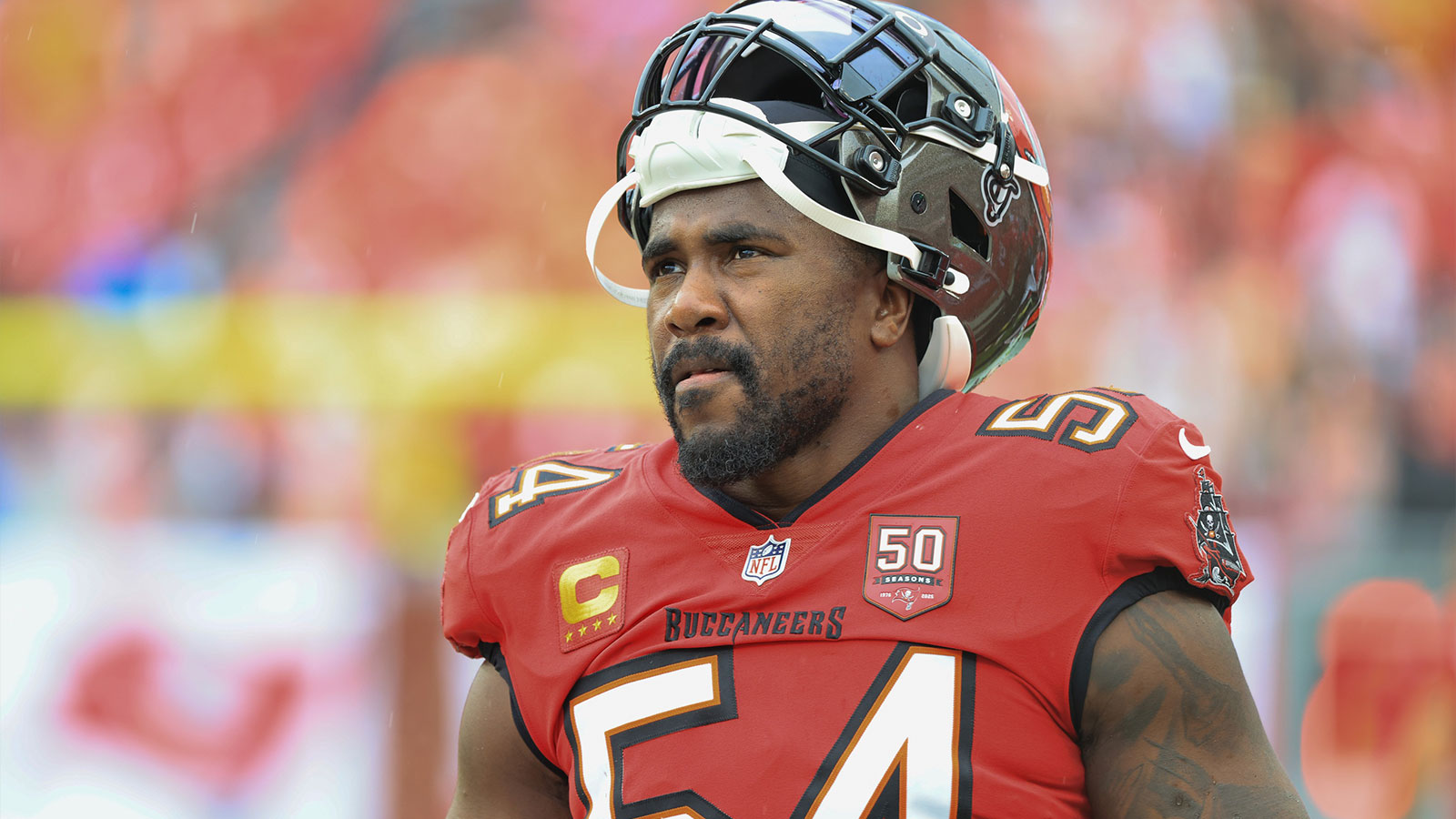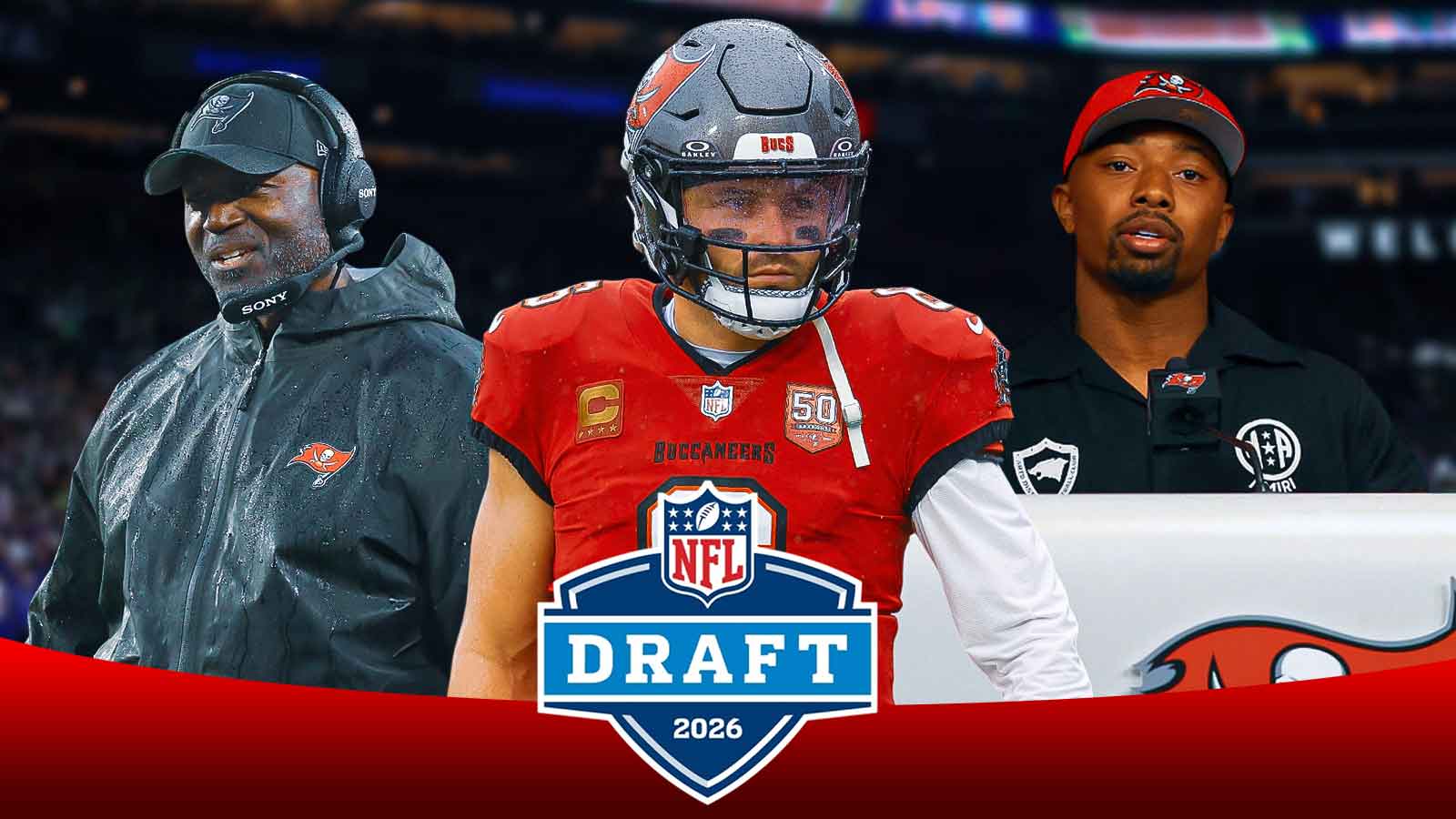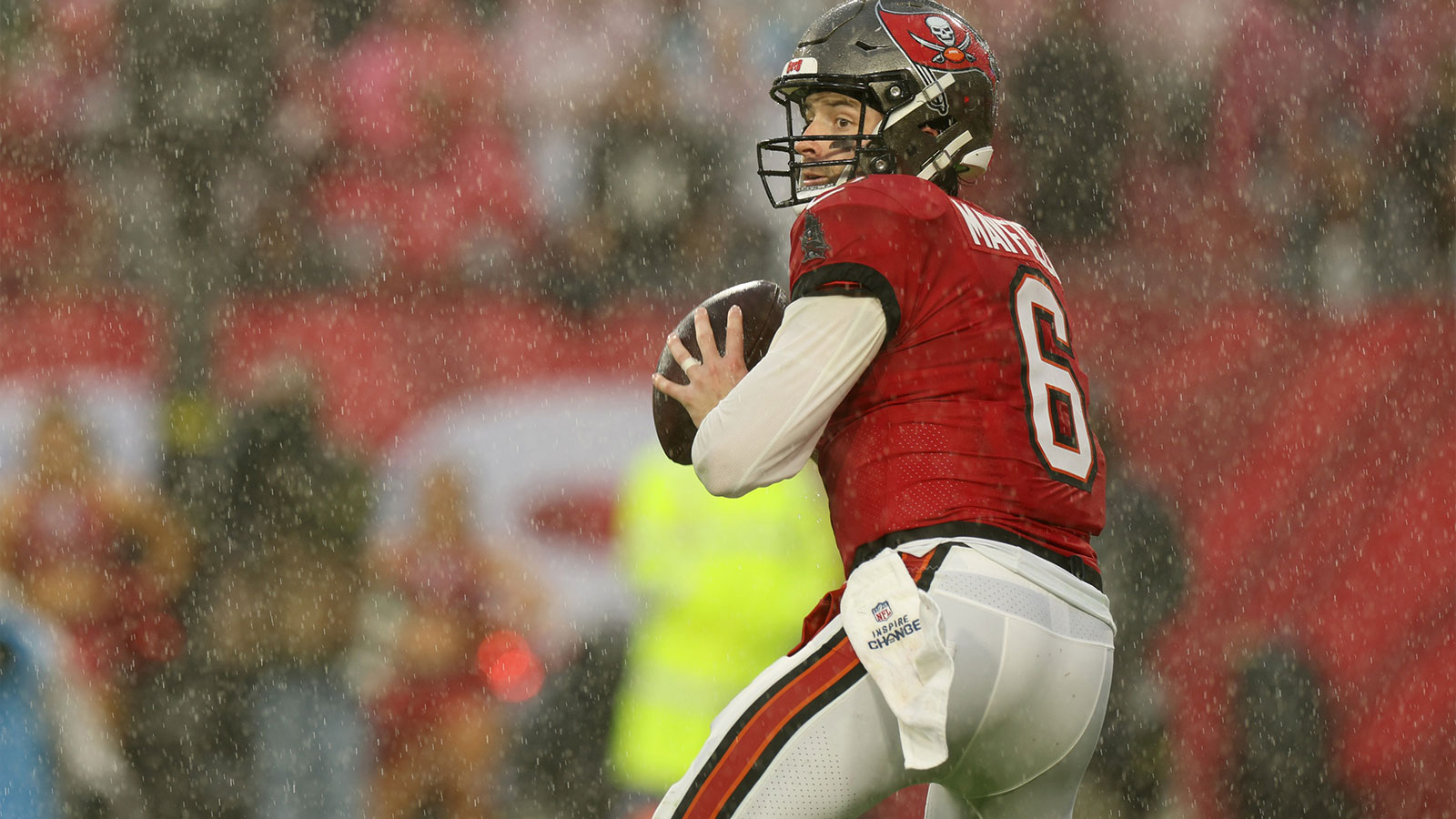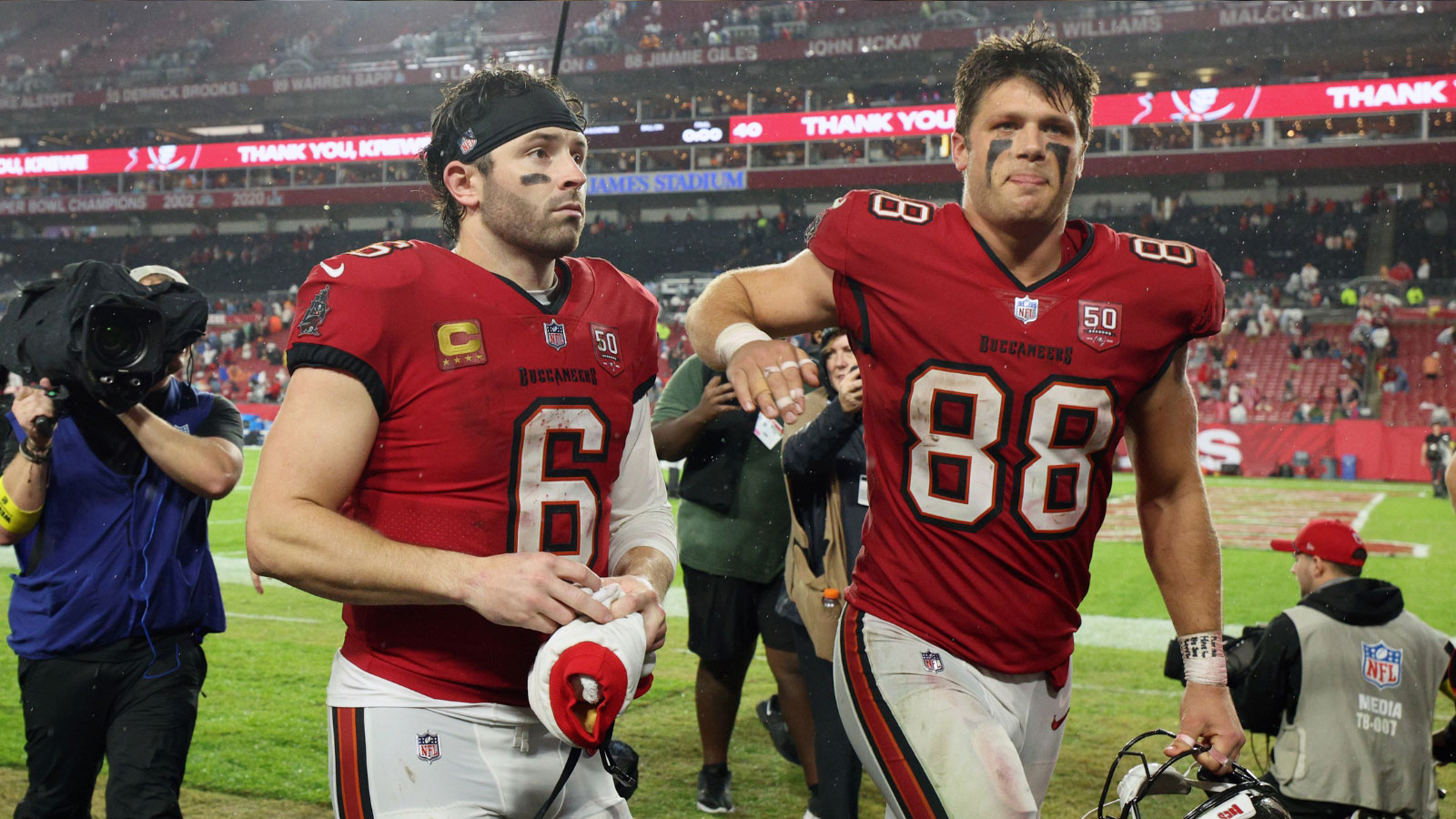
The Buccaneers opened free agency with a couple of reasonable depth moves, signing edge rusher Al-Quadin Muhammad to a one-year deal worth up to $6 million and bringing in Jake Browning to back up Baker Mayfield.
While neither signing is hard to understand on its own, the issue lies in the fact that Week 1 cannot be judged solely by the need for backup quarterback insurance or rotational pass-rush help.
It should have been assessed based on how effectively the Buccaneers reacted to the premium talent they lost and the significant gaps that opened up.
This is where Tampa Bay stumbled during the first week of the 2026 free agency period.
The biggest first mistake the Buccaneers made was treating the roster like it needed minor maintenance when, in reality, they required a more urgent response, especially at wide receiver and cornerback.
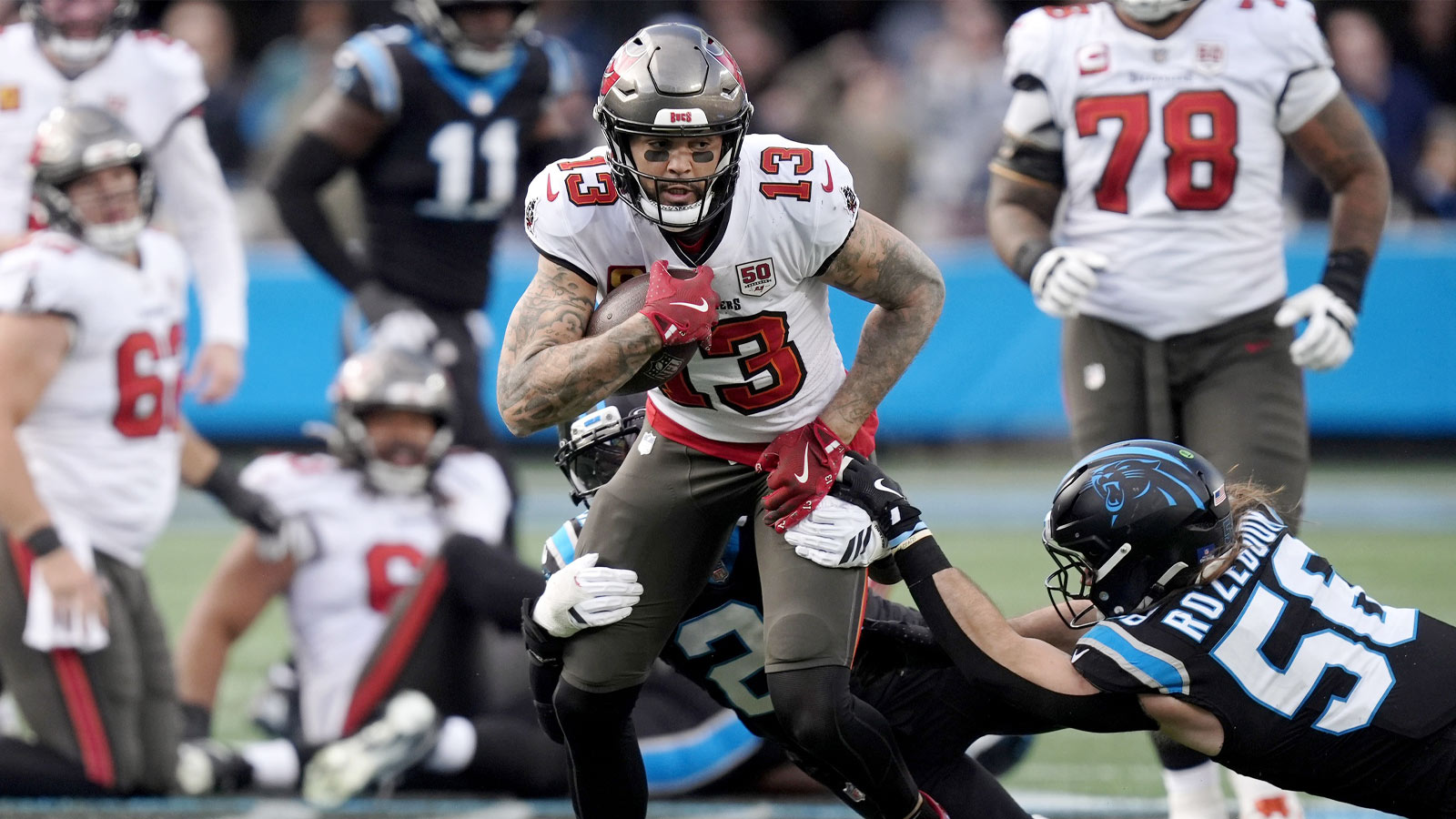
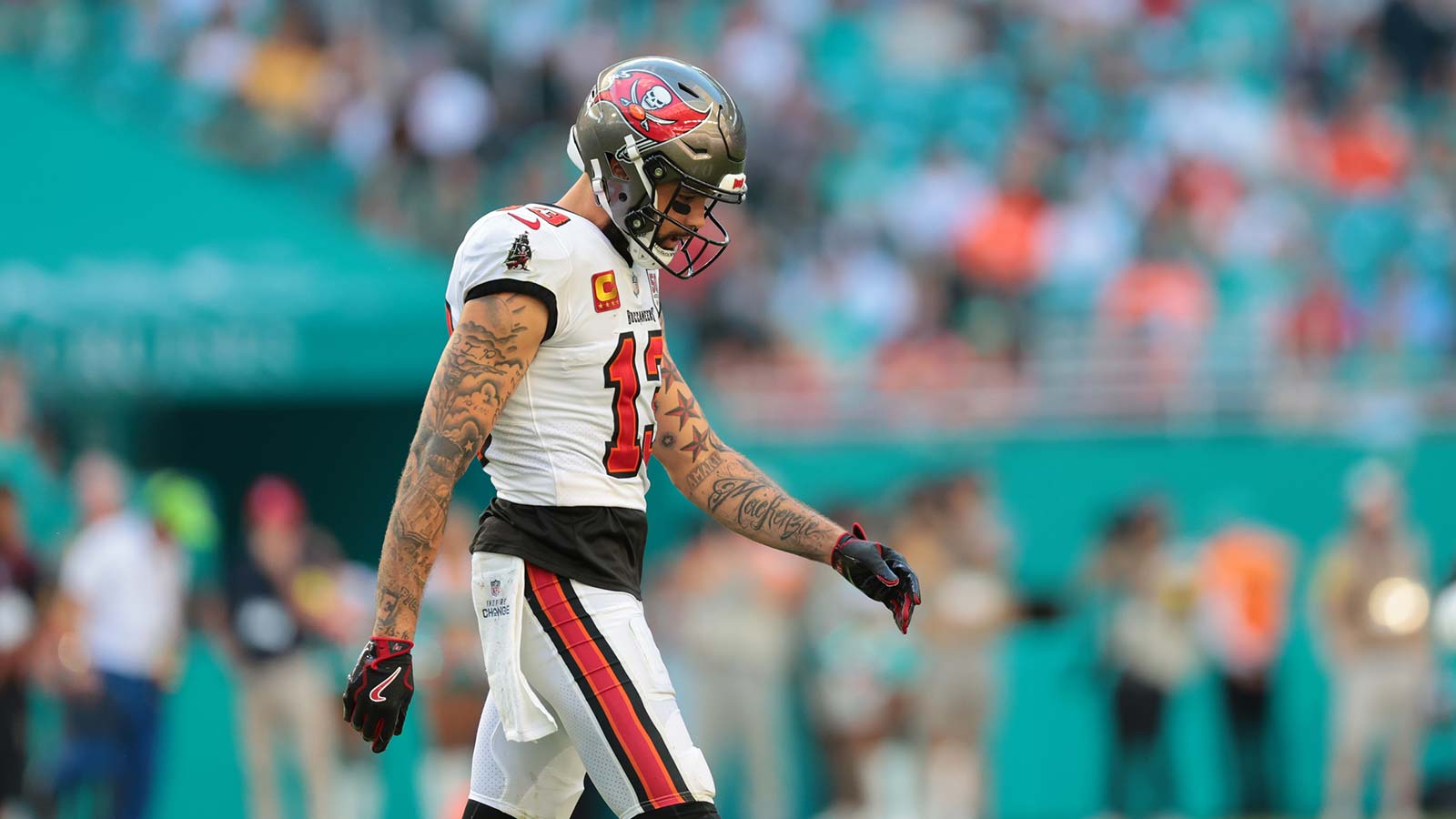
Losing Mike Evans is not a typical departure, and the loss of Jamel Dean in the same week only made the imbalance more pronounced.
Instead of addressing these pressing issues, Tampa’s initial strategy was to spread money across secondary priorities, add useful veterans, and hope that bigger problems could wait.
This approach may look tidy on a transaction wire, but it is less convincing once you consider how teams truly win in January.
To be fair, this week wasn’t a disaster.
Signing Kenneth Gainwell for two years and $14 million is a reasonable move for the backfield, and Alex Anzalone’s two-year, $17 million contract adds a veteran linebacker who can cover and communicate effectively.
Muhammad is a serviceable edge addition, and Browning is a competent backup who can keep the offense afloat if something goes wrong with Mayfield.
None of these players is bad, and none of the contracts seems outrageous at first glance.
The Buccaneers also officially re-signed Cade Otton and added Miles Killebrew, so it’s not like the front office was inactive.
However, roster-building is about sequence and identifying pressure points, and the Bucs' pressure points were obvious.
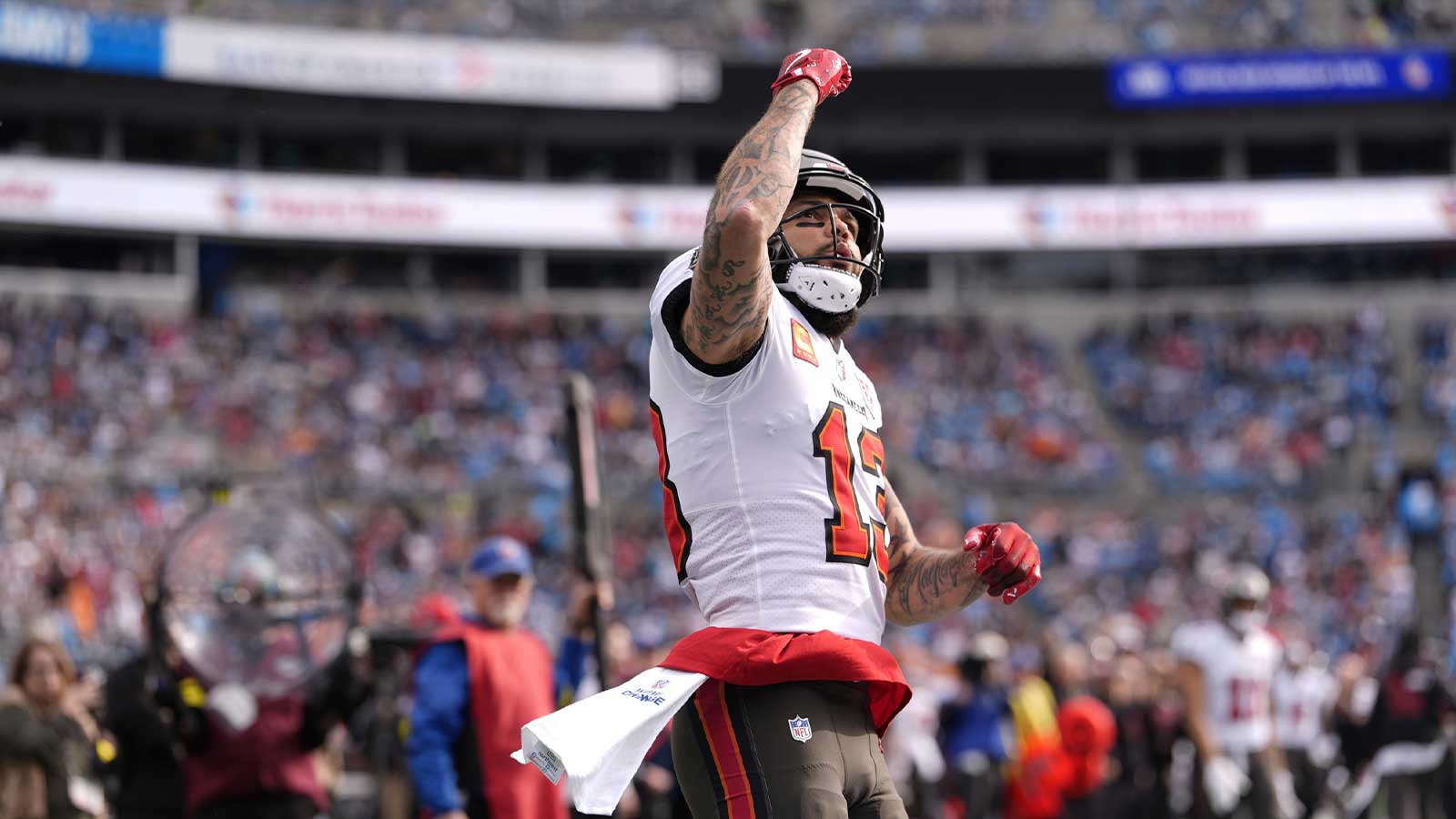
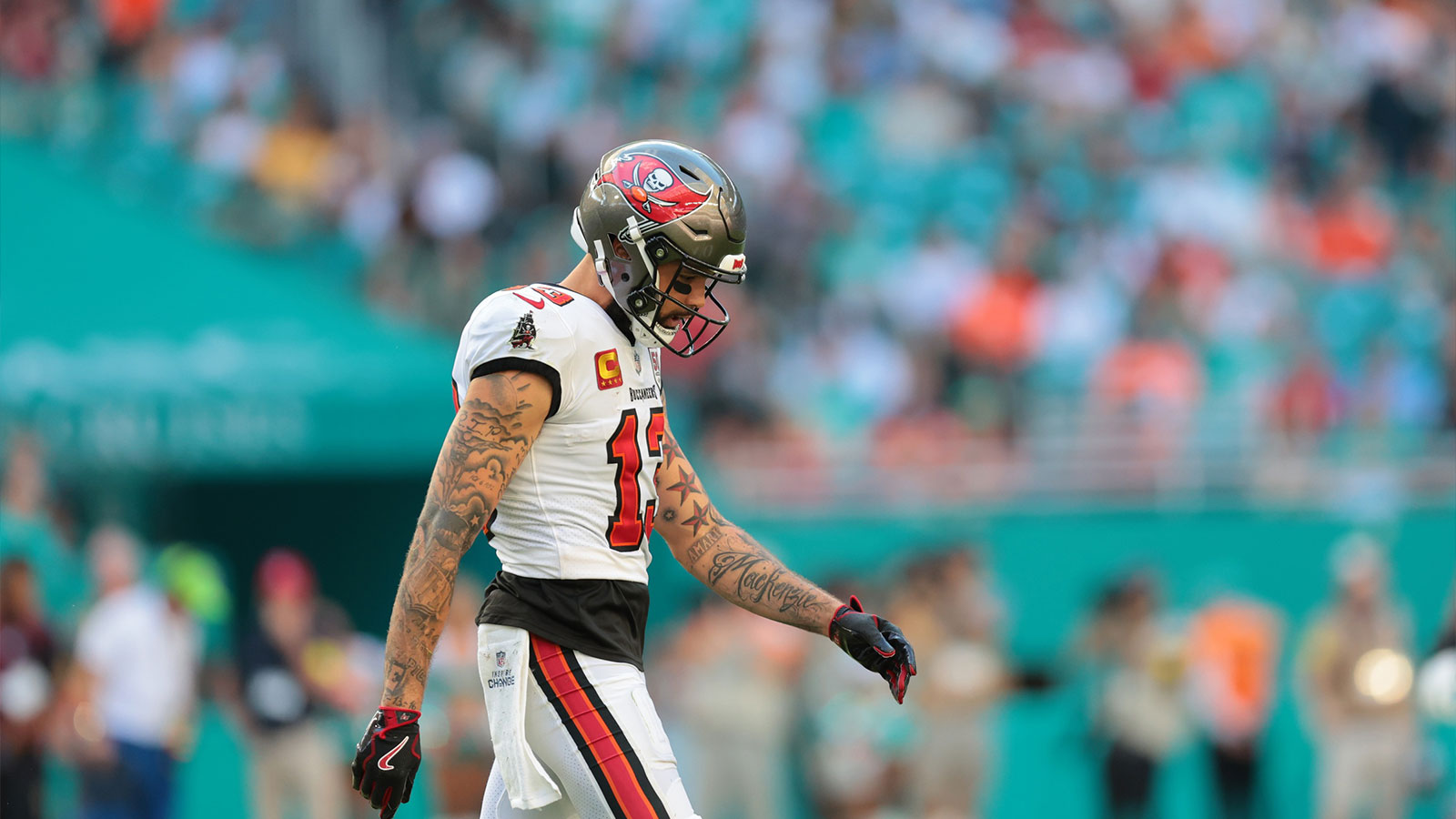
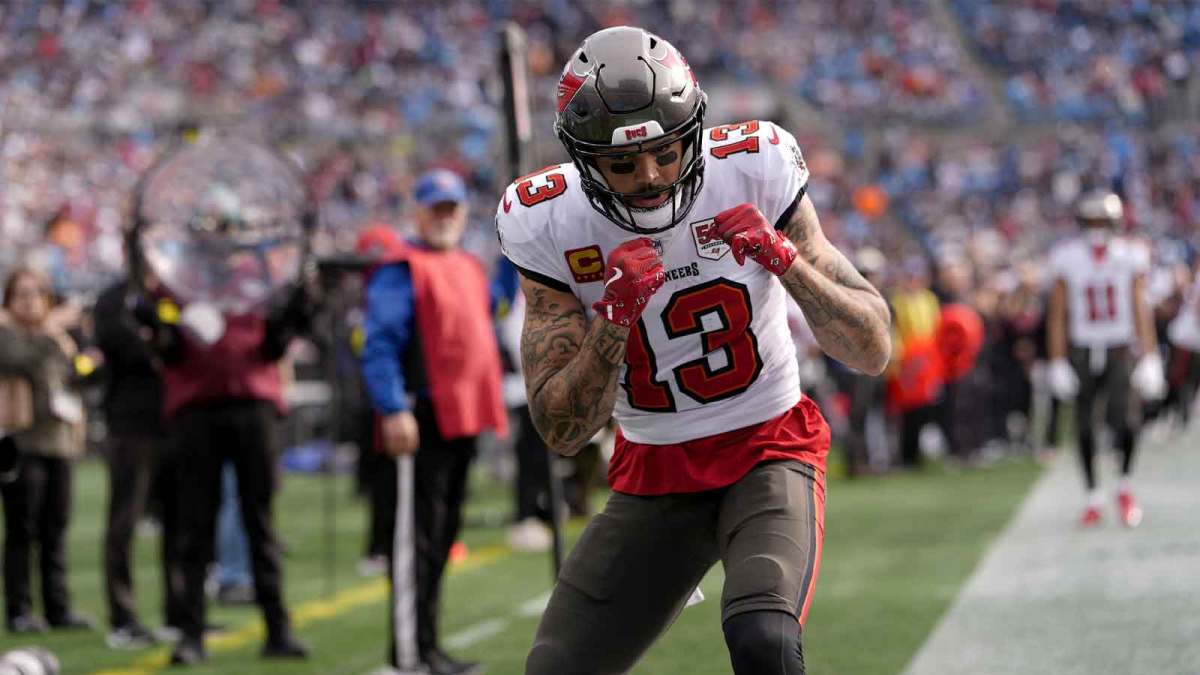
Mike Evans left as the most accomplished offensive player in franchise history, the all-time leader in catches, yards, touchdowns, and scoring.
He was a six-time Pro Bowler whose size and catch radius forced defenses to adapt, and reports indicated that the Buccaneers made a strong offer and wanted him to finish his career there, but Evans opted for a new challenge and signed with the 49ers instead.
Upon losing him, the Bucs’ first obligation was to treat the wide receiver position as an urgent emergency, not just a topic for future drafts.
This is why the week felt off.
The Buccaneers did not lose Evans and immediately responded with a meaningful outside receiving alternative, and they didn’t pivot toward a notable veteran replacement or make an aggressive trade push that would send a message to both the league and their locker room about the significance of Evans's leaving.
Instead, they spent the initial wave of free agency strengthening the edges of the roster while leaving the core of their offensive identity exposed.
It’s not only about raw production, though. Evans provided shape and structure to the offense, but when Mayfield needed a big-bodied target on the boundary, Evans was there.
He was capable of punishing them further downfield, and obviously, you can't casually replace that with a bit more speed, increased committee usage, or a hopeful draft pick. You need to address the position with the seriousness it deserves, which Tampa Bay failed to do in Week 1.
What are the other problems for the Buccaneers?
The other half of the problem then lies with Jamel Dean.
Dean signed a three-year deal with Pittsburgh after seven seasons in Tampa. While he may not be on Evans’ level as a franchise figure, his departure is more significant than many fans realize.
Starting-caliber cornerbacks are hard to find, and Dean had 14 starts last season, recorded a career-high three interceptions, and brought valuable experience to a defense that already demands a lot from its corners.
With his exit, the Buccaneers were losing one of the few secondary players who understood how to operate effectively in Bowles’ system on the outside.
This should have elevated the urgency for the Buccaneers.
Their actions in the first week suggest that the front office believed it could manage the situation more easily than it probably could.
But for the Buccaneers, neither player specifically addresses the challenge of replacing a corner who can line up outside and allow the rest of the coverage to function effectively.
They improved their depth but did not resolve one of the most critical positions on the defense.
This raises a bigger concern than any individual signing or departure.
The real problem for them was how the Buccaneers responded to those losses, as they acted like a team with broader maintenance needs rather than one that had just opened two significant vacancies in key positions.
That’s why I wouldn’t label Al-Quadin Muhammad or Jake Browning as mistakes.
Both are solid players and make sense in a vacuum, but the problem lies in the Buccaneers' decision to use their opening week without a clear strategy to address the most pressing issues on their roster.
Free agency isn’t solely about acquiring stars, even if anyone wanted that, but it’s also about understanding where the roster can afford to weaken.
In this regard, the Buccaneers’ first week seemed too calm for the significant changes they had just experienced.
The Kenneth Gainwell deal illustrates this larger point.
Gainwell is a valuable player and a nice addition, particularly in a backfield that needed another option.
However, unless a team is already strong in other areas, running back depth shouldn’t feel more secure than the receiver position after losing a franchise icon, and the same applies to the backup quarterback situation.
While Browning is a good backup, he shouldn’t be one of the most significant immediate answers on offense in the same week that Evans departs.
Of course, it’s worth noting that Week 1 is not the entirety of the offseason, and that is true.
Tampa still has time to address the receiver position, find a cornerback, and pursue trades if opportunities arise.
This is not a final evaluation of the Buccaneers’ entire offseason; rather, it’s a critique based on the initial impression they created.
First impressions are there because they reflect how a team prioritizes its needs when the market is most active. In Week 1, the pirates appeared more focused on tidying up the roster than on tackling its most challenging issues.
Ultimately, the biggest mistake was the choice to enter the opening week without a meaningful strategy to address the departures that most affected the roster.
The Bucs made some reasonable moves; they just didn’t focus on the areas that mattered most, but they should if they want a better year: good players come and go, it's time for them to shine too.