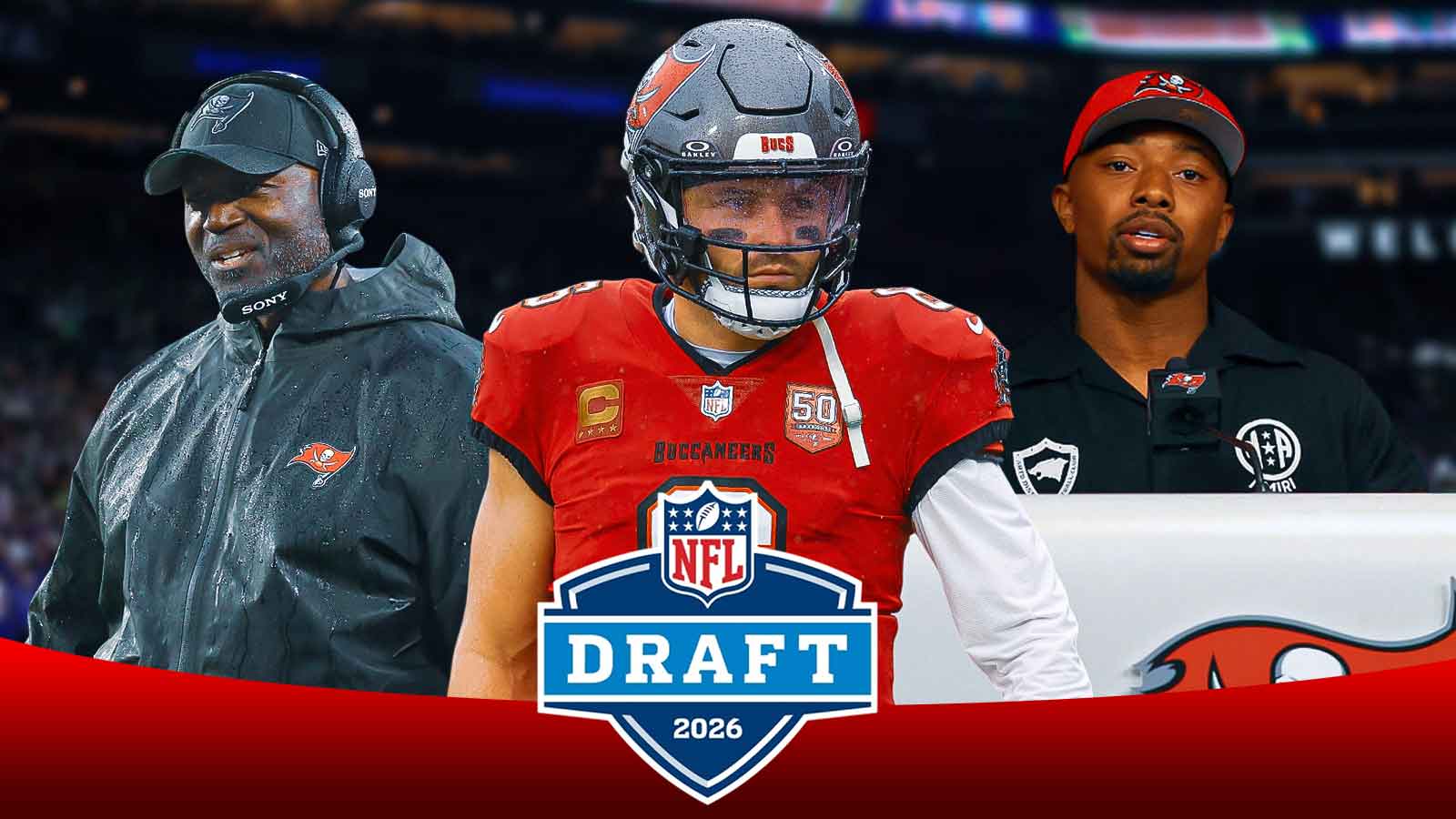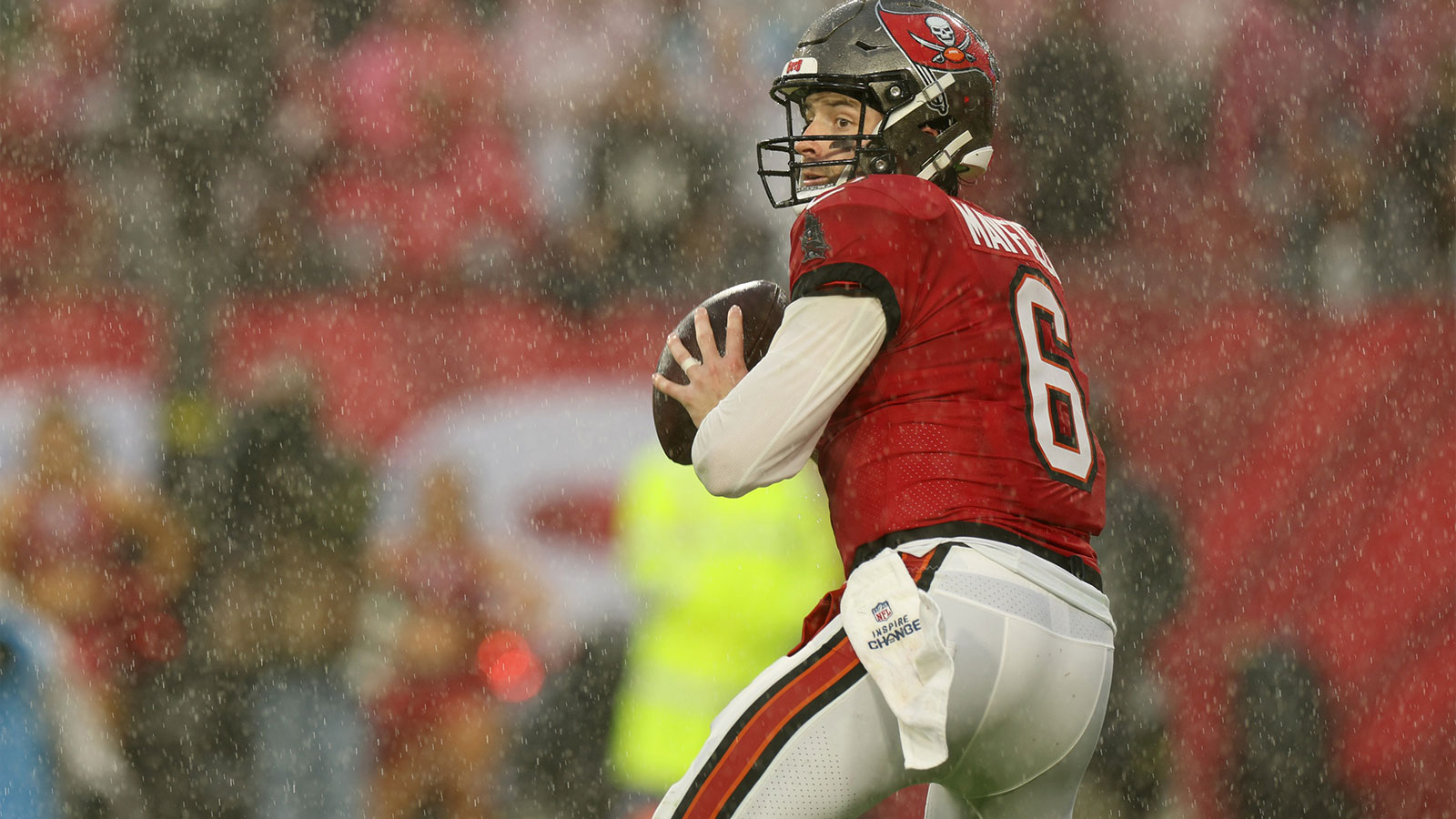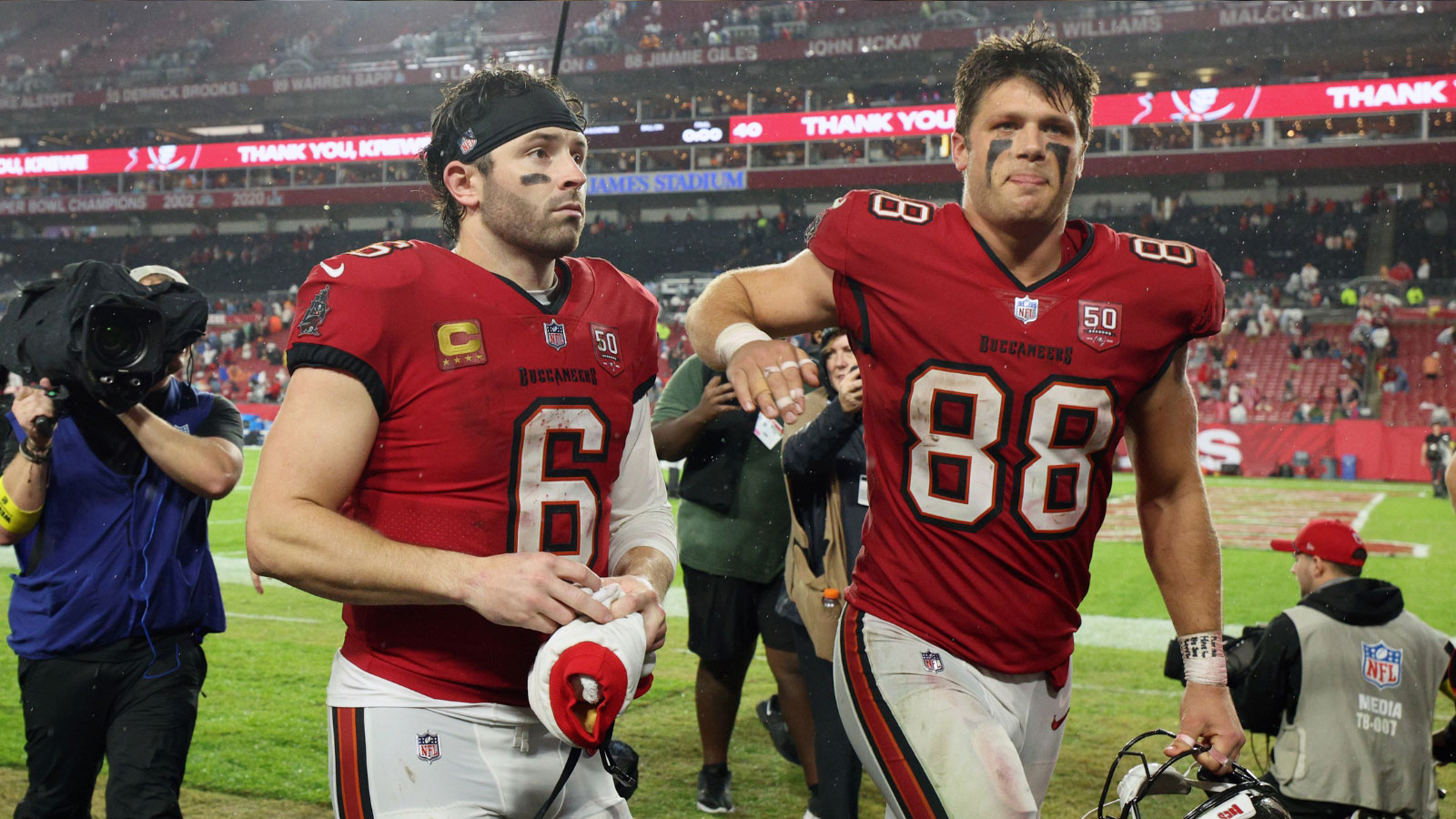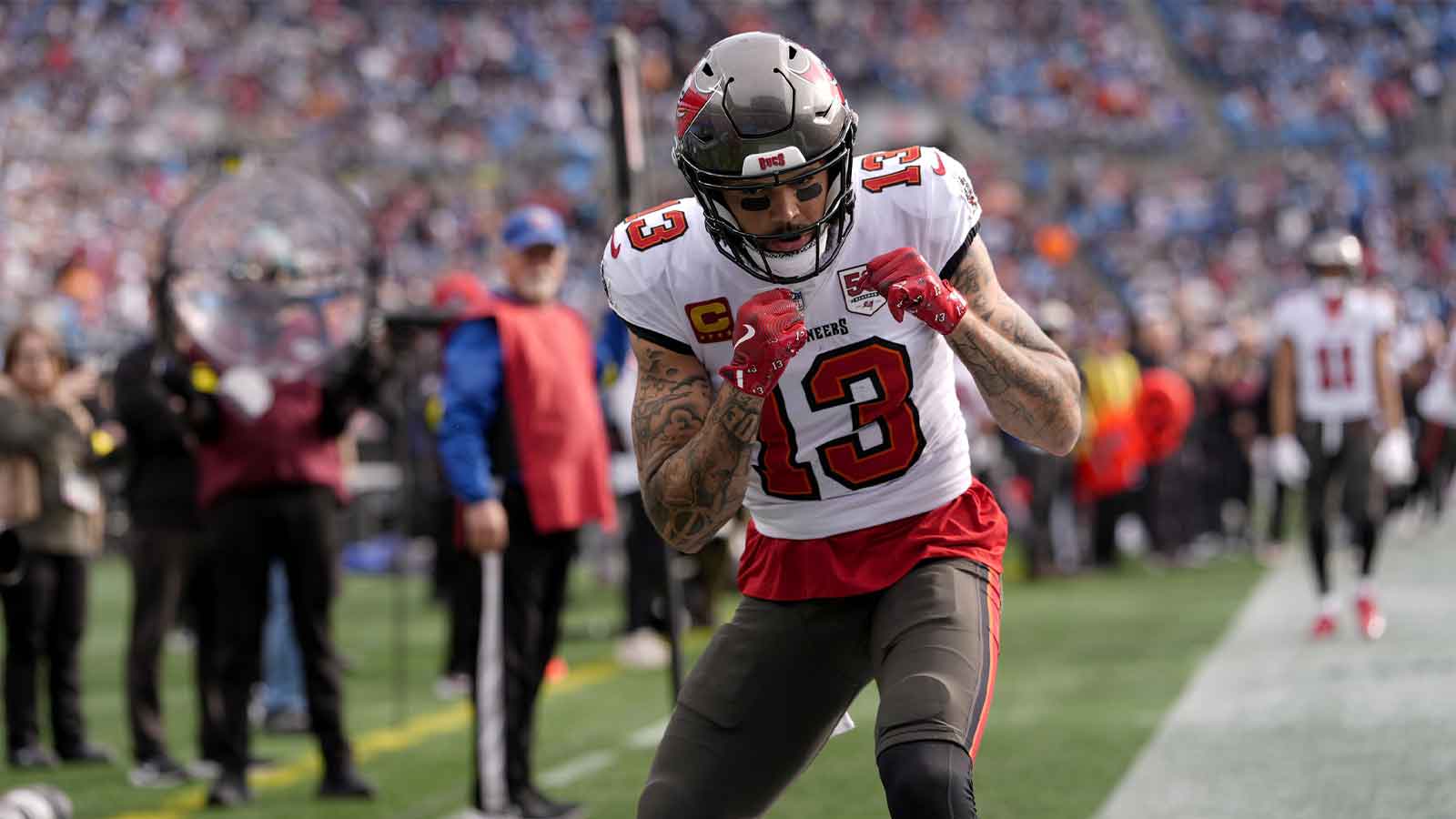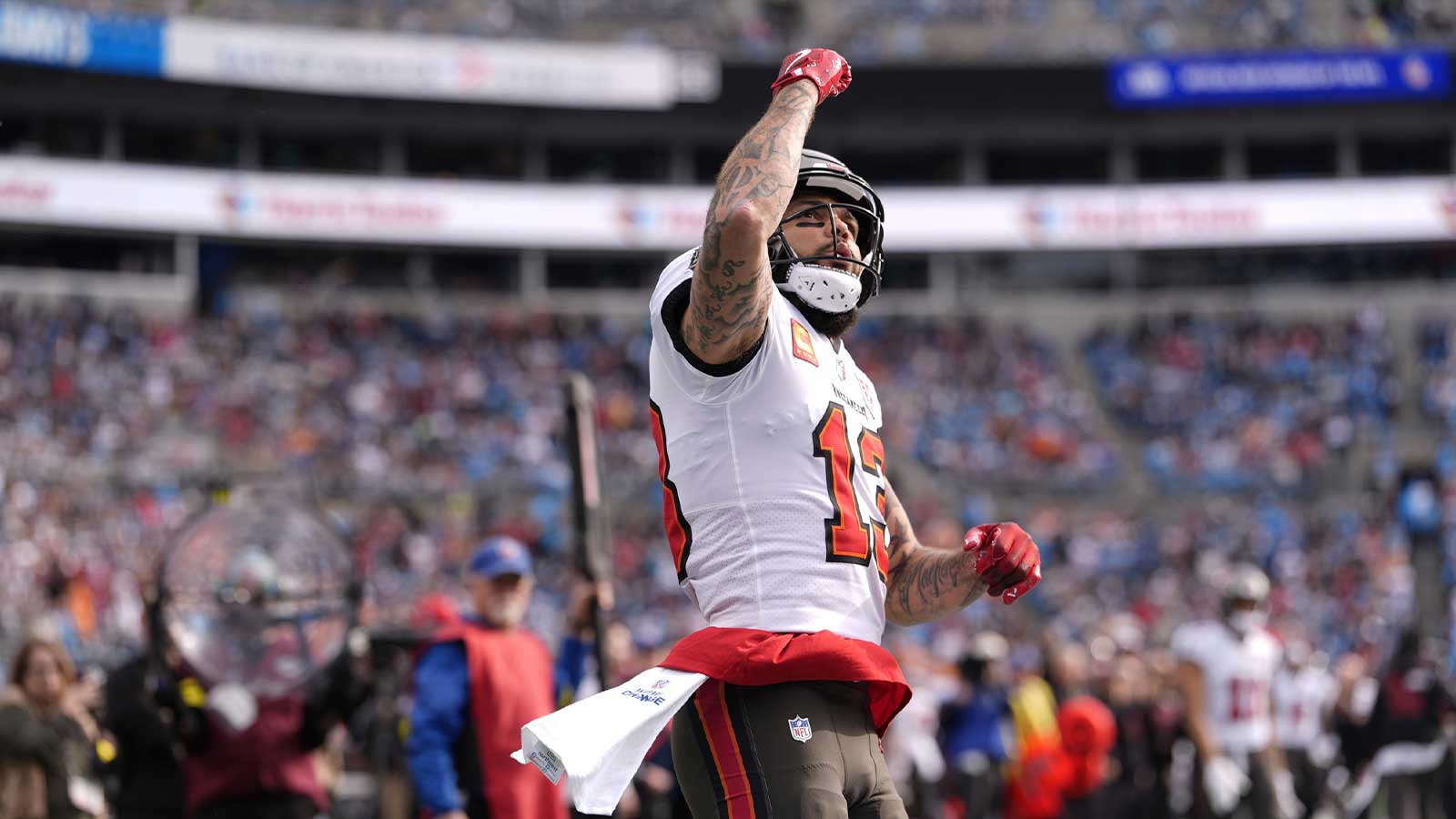

Where there's smoke, there's fire. Well, draft smoke is beginning to swirl in Tampa Bay. With the Super Bowl now in the rearview mirror, few teams sit at a more fascinating crossroads than the Tampa Bay Buccaneers. Sitting in the middle of the first round, Tampa Bay can address multiple roster deficiencies without needing to mortgage the future. Mock drafts across major platforms are beginning to crystallize early consensus trends. Sure, no singular direction has emerged. One theme is clear, though: the Buccaneers are being consistently linked to defensive reinforcements. As draft season ramps up, the speculation surrounding Tampa Bay’s first-round intentions is beginning to form a compelling picture of how the franchise plans to reload for 2026.
Promise and priorities

The Tampa Bay Buccaneers’ 2025 campaign was a year of individual brilliance set against a backdrop of collective inconsistency. The team surged out of the gates behind strong quarterback play and a revitalized offensive rhythm. However, injuries and defensive lapses gradually eroded that momentum.
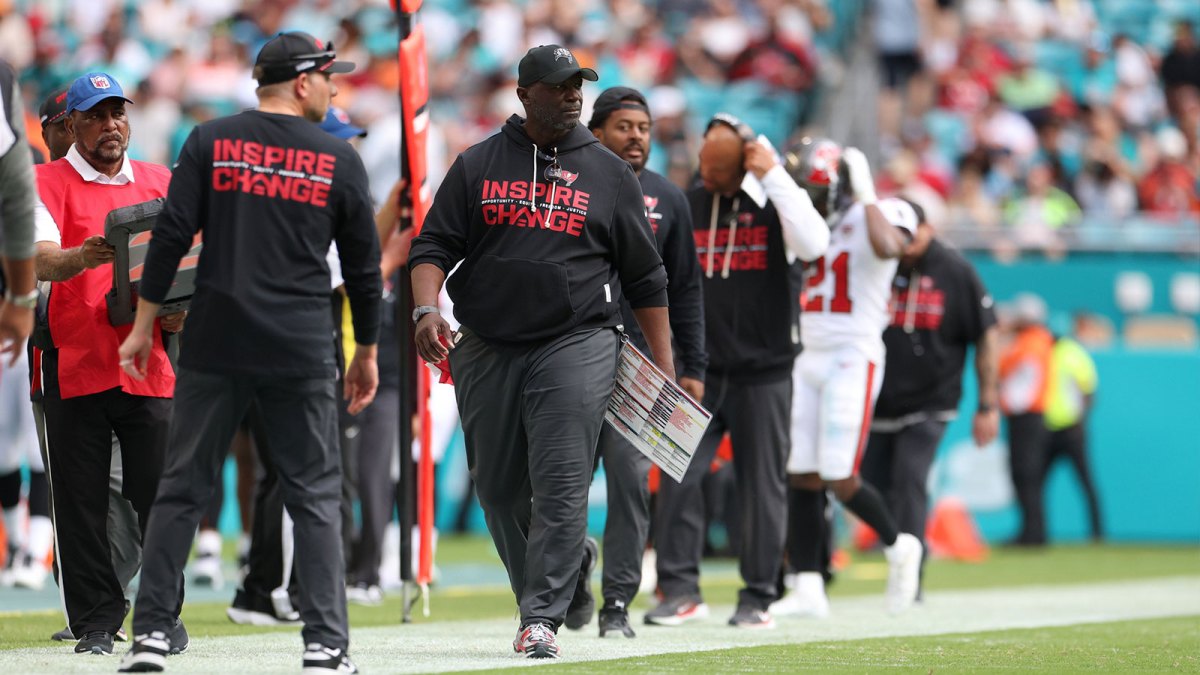
Looking ahead to the 2026 NFL Draft, Tampa Bay’s needs are both immediate and forward-looking. The pass rush remains the most pressing concern. They need to convert pressures into drive-killing sacks. Yes, the current edge rotation has promising pieces. Still, the lack of a true game-wrecking presence limits Todd Bowles’ defensive ceiling.
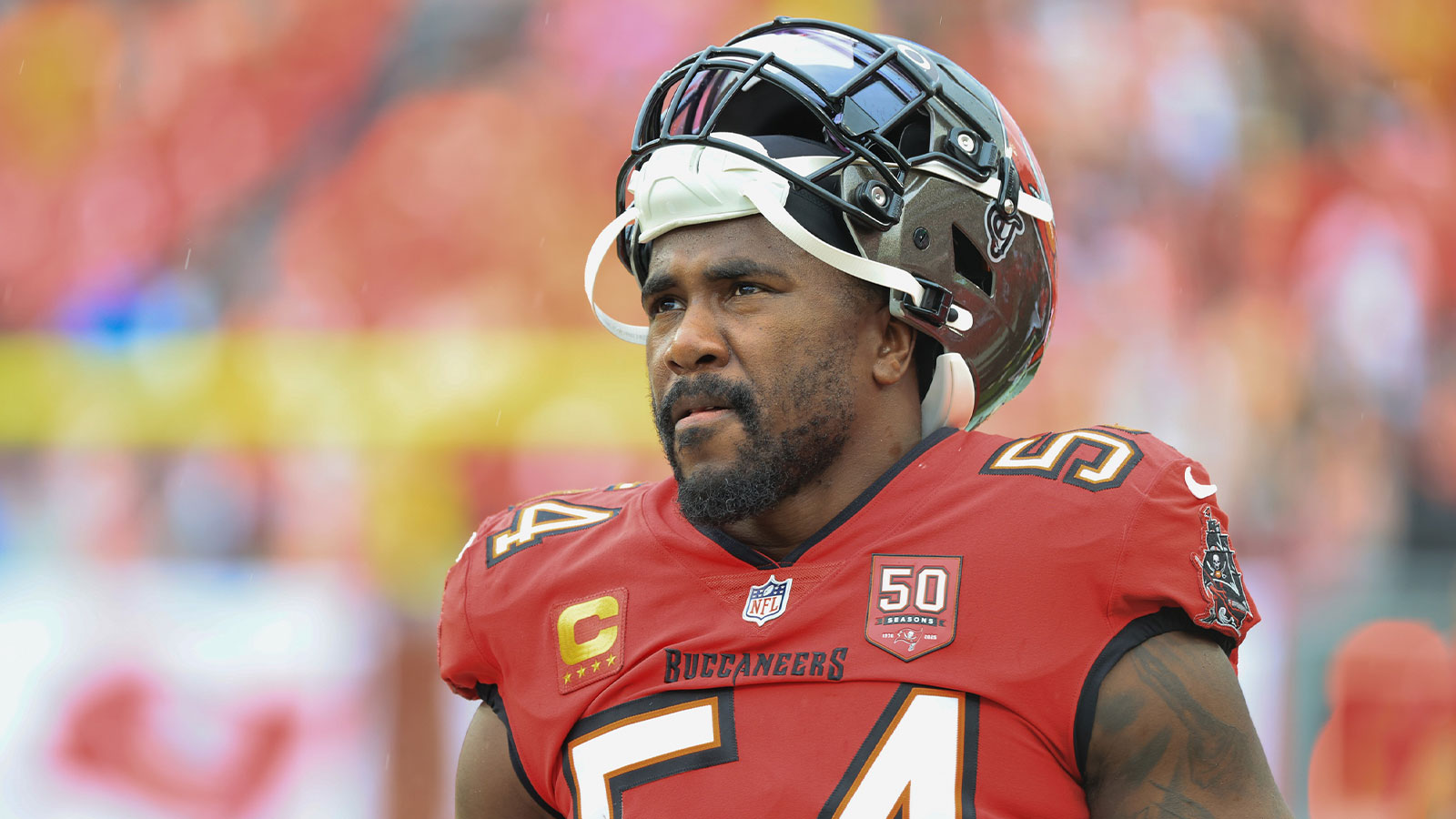
Linebacker is another area quietly approaching transition. Franchise icon Lavonte David nears the twilight of his career. As such, the Buccaneers must begin grooming the next signal-caller of the defense. The secondary also looms as a priority, especially with contract uncertainty surrounding key veterans. Tampa Bay also needs succession planning along the defensive interior. With that, it becomes clear why mock drafts are overwhelmingly pointing Tampa Bay toward defense in Round 1.
EDGE Cashius Howell, Texas A&M
Across early mock draft cycles, few names appear more frequently linked to Tampa Bay than Texas A&M edge rusher Cashius Howell. Analysts have repeatedly paired Howell with the Buccaneers, citing scheme fit and positional urgency.
Howell’s appeal lies in his relentless motor and explosive first step. Evaluators often describe him as playing “100 miles per hour.” That aligns perfectly with Bowles’ pressure-heavy philosophy. His collegiate production backs the tape. He has showcased consistent backfield disruption and a knack for winning one-on-one matchups off the edge.
Projecting him at No. 15 has become a common refrain in mock circles. Tampa Bay needs pass-rush juice, and Howell offers plug-and-play upside. His natural get-off and closing burst would immediately elevate an edge room currently led by Yaya Diaby. That gives the defense a much-needed finishing presence.
LB CJ Allen, Georgia
Nate Tice & Charles McDonald, Yahoo! Sports
If Tampa Bay pivots away from edge rusher, linebacker becomes the next logical pathway. Georgia’s CJ Allen has surfaced as a frequent contingency projection in that scenario.
Allen is widely viewed as one of the most pro-ready linebackers in the class. His physicality between the tackles gives him three-down viability. Analysts highlight his instincts and processing speed as traits that translate quickly to NFL defensive systems.
The Buccaneers have long benefited from elite linebacker play. Allen fits the archetype of a long-term defensive quarterback. Even if David returns on a short-term deal, Allen could develop within the system before assuming the leadership mantle. It’s a pick that balances present depth with future succession planning.
CB Jermod McCoy, Tennessee
Cornerback remains another direction gaining traction in mock projections. That's particularly true with Tennessee’s Jermod McCoy entering the conversation. Despite injury concerns, his pre-injury tape continues to keep him firmly in first-round discussions.
McCoy’s profile screams upside. He possesses fluid hips, elite route anticipation, and the length to contest vertical threats along the boundary. Evaluators often label him a lockdown archetype capable of shadowing WR1 assignments at the next level.
For Tampa Bay, the appeal is twofold. First, secondary depth remains unsettled amid looming free agency decisions. Second, Bowles’ defensive structure thrives on man-capable corners who can survive on islands. If medical evaluations check out, McCoy could become one of the draft’s biggest payoff swings.
DT Lee Hunter, Texas Tech
Sure, edge and corner dominate projections. However, some mocks have Tampa Bay fortifying the defensive interior with Texas Tech’s Lee Hunter. At 6-foot-3 and 320 pounds, Hunter profiles as a classic space-eater with surprising pocket-collapse power.
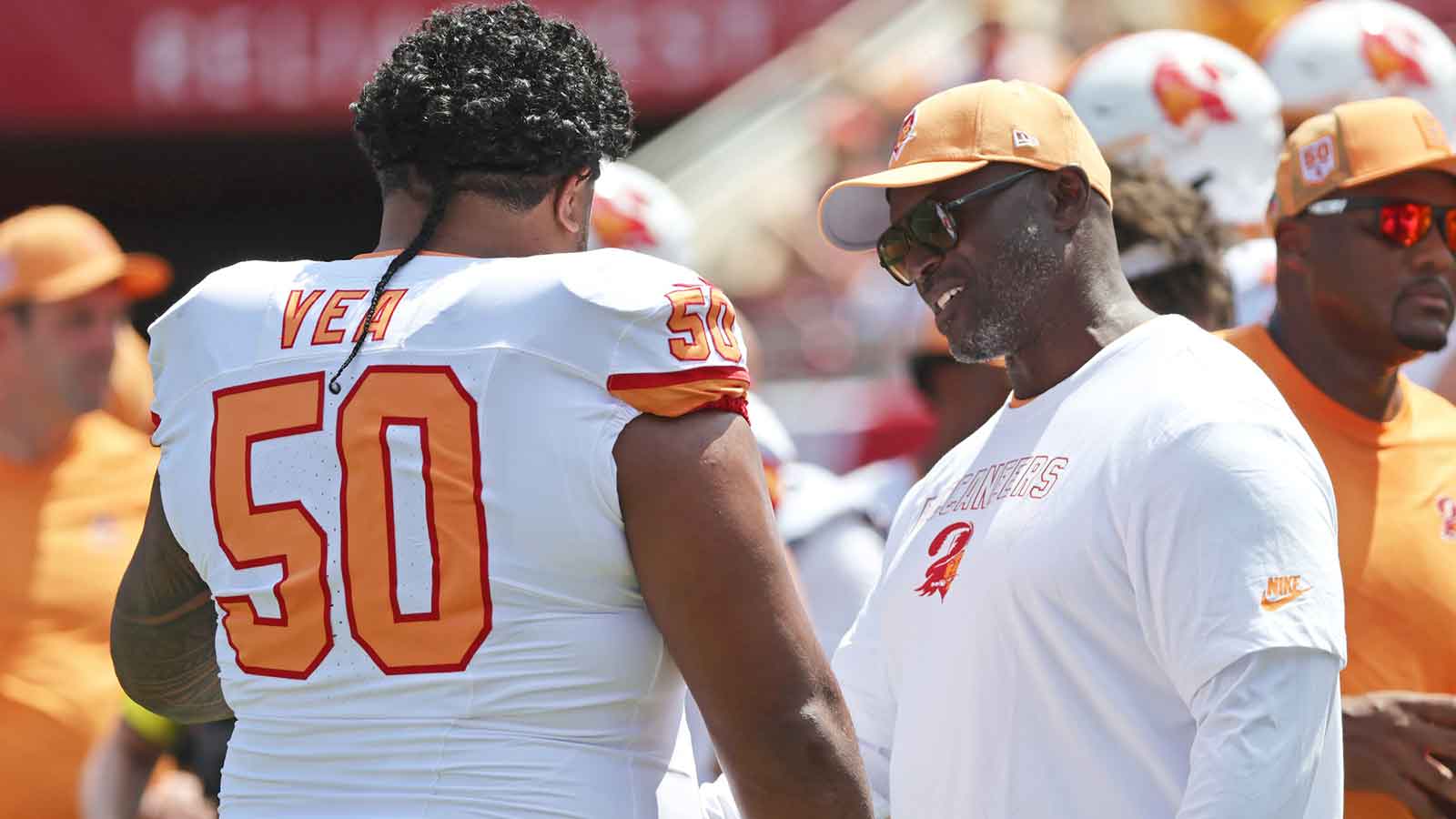
Pairing Hunter alongside Vita Vea would create one of the NFL’s most physically imposing fronts. More importantly, it offers long-term insurance. Vea enters his age-31 season with his contract window narrowing. That makes succession planning along the interior increasingly relevant.
Hunter’s ability to anchor against the run aligns seamlessly with Tampa Bay’s defensive DNA. It may not be the flashiest pick. Still, it would reinforce the structural backbone of the defense for years to come.
CB Colton Hood, Tennessee
Another Tennessee defensive back, Colton Hood, has quietly surged up draft boards. His 2025 production was among the most versatile in the SEC. That's highlighted by both a pick-six and a fumble-return touchdown.
Hood’s athletic profile jumps off the page. He runs stride-for-stride with vertical threats and brings an aggressive mentality in run support. His motor and ball skills make him an ideal modern NFL corner capable of impacting games beyond coverage alone.
With Jamel Dean’s future uncertain, Hood represents both immediate competition and long-term stability. His playmaking instincts could inject takeaway production into a defense that needs more momentum-shifting moments.
Defensive direction
As mock draft season accelerates, one conclusion feels increasingly inevitable. Tampa Bay’s first-round focus will land on defense. Whether it’s the edge explosiveness of Cashius Howell, the leadership projection of CJ Allen, the upside swing of Jermod McCoy, the interior power of Lee Hunter, or the playmaking versatility of Colton Hood, each pathway reinforces the same organizational priority-defensive recalibration.
The Buccaneers don’t need a full rebuild. They need impact reinforcements who can elevate a competitive core back into playoff legitimacy. As the draft spotlight intensifies in the months ahead, Tampa Bay’s eventual choice may quietly become one of the most consequential defensive additions of the entire 2026 class.