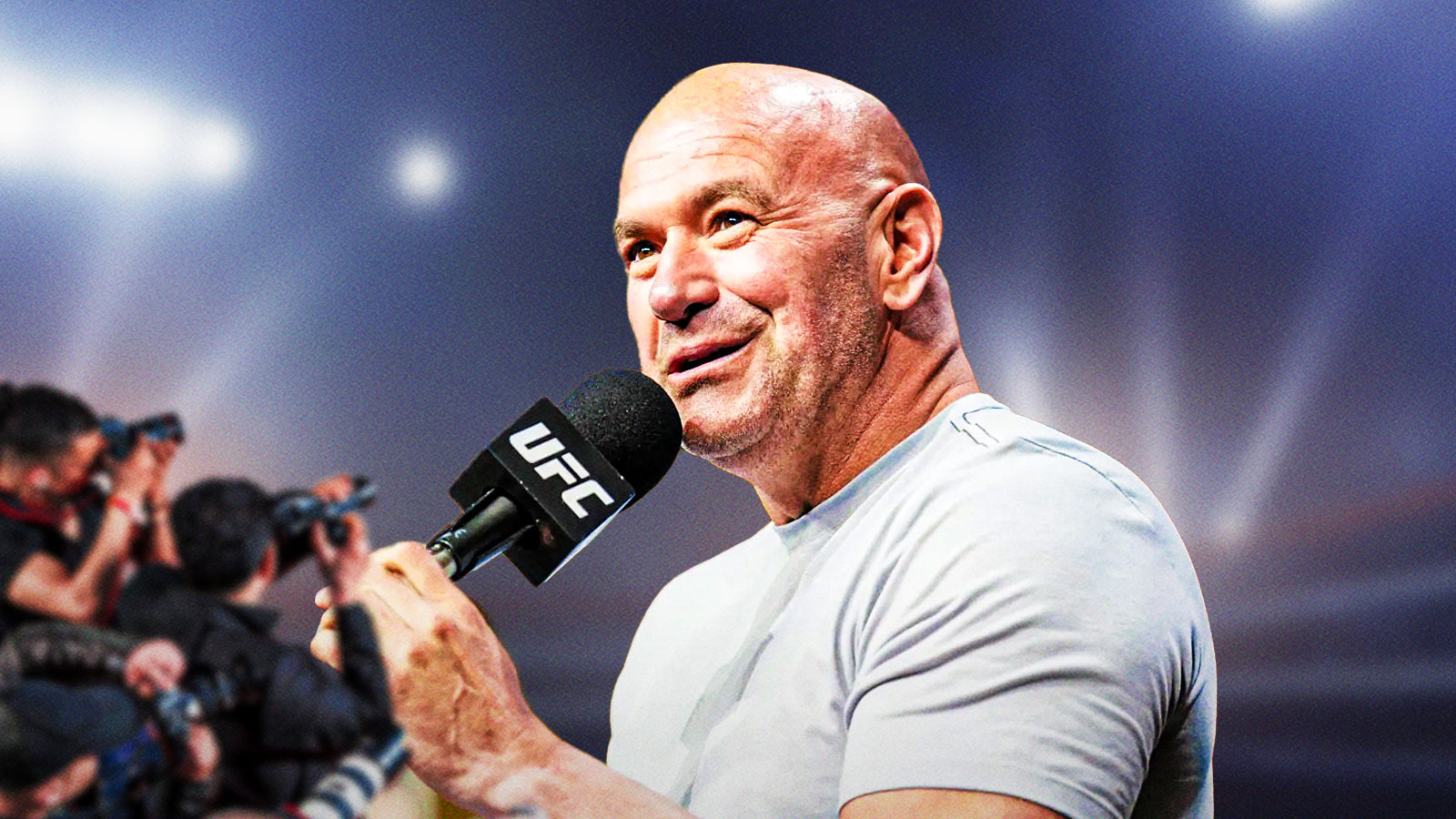

In a move that signals genuine ambition rather than hype, Dana White's fledgling Zuffa Boxing promotion has secured its first marquee signing: undefeated IBF and Ring Magazine cruiserweight champion Jai Opetaia. The announcement on Friday represents a calculated entry into professional boxing—one that prioritizes credibility over noise, and established talent over untested prospects.
$TKO holders, get excited.
Zuffa Boxing Z01 kicks off Jan 23 with an eight bout lineup featuring 16 boxers whose combined professional record stands at 227 wins and just 9 losses.
This comes hot off the back of Zuffa’s major announcement signing Jai Opetaia, the reigning IBF… pic.twitter.com/p5vTtfid0f
— JB (@jaebuttlucky) January 18, 2026
Opetaia (29-0, 23 KOs), the Australian knockout artist based out of Gold Coast, brings legitimate championship pedigree to the upstart promotion. As a two-time IBF titleholder with four consecutive knockout wins, the 30-year-old already operates at elite level—a significant distinction for a new promotion seeking to establish legitimacy.
The signing comes mere days before Zuffa Boxing's inaugural event on January 23 at the newly rebranded Meta APEX in Las Vegas, headlined by undefeated prospect Callum Walsh. For White and co-owner Turki Alalshikh, the timing demonstrates strategic thinking: build volume with emerging talent while simultaneously anchoring credibility with established championship-level operators.
Yet the deal introduces immediate complexity. Opetaia has consistently voiced frustration about securing unification fights against other cruiserweight titlists—Gilberto “Zurdo” Ramirez (WBO/WBA) and Noel Mikaelian (WBC). In promotional videos, Opetaia spoke explicitly about his pursuit of undisputed status. White, however, has repeatedly declared his intention to dismantle the sanctioning body framework that currently governs boxing's title structure. This philosophical collision creates legitimate uncertainty about whether Opetaia can actually achieve his stated ambitions within Zuffa's ecosystem.
The broader implication matters enormously. If Zuffa Boxing intends to operate independently from boxing's traditional sanctioning bodies—an extraordinarily ambitious goal—then Opetaia's signing either represents a sophisticated long-term vision for restructuring the sport, or a co-promotional compromise where the fighter maintains flexibility to pursue traditional pathways.
White showcased Zuffa's vision during the promotion's announcement trailer, notably displaying what appears to be a Zuffa-branded championship belt—something currently prohibited under the Muhammad Ali Act without Congressional reform.
For Opetaia, this represents opportunity with ambiguity. His championship trajectory and standing remain intact, but the business framework fundamentally shifts. The Australian star has waited years for his moment at heavyweight's table. Whether Zuffa Boxing accelerates or complicates that timeline remains boxing's most compelling immediate question.