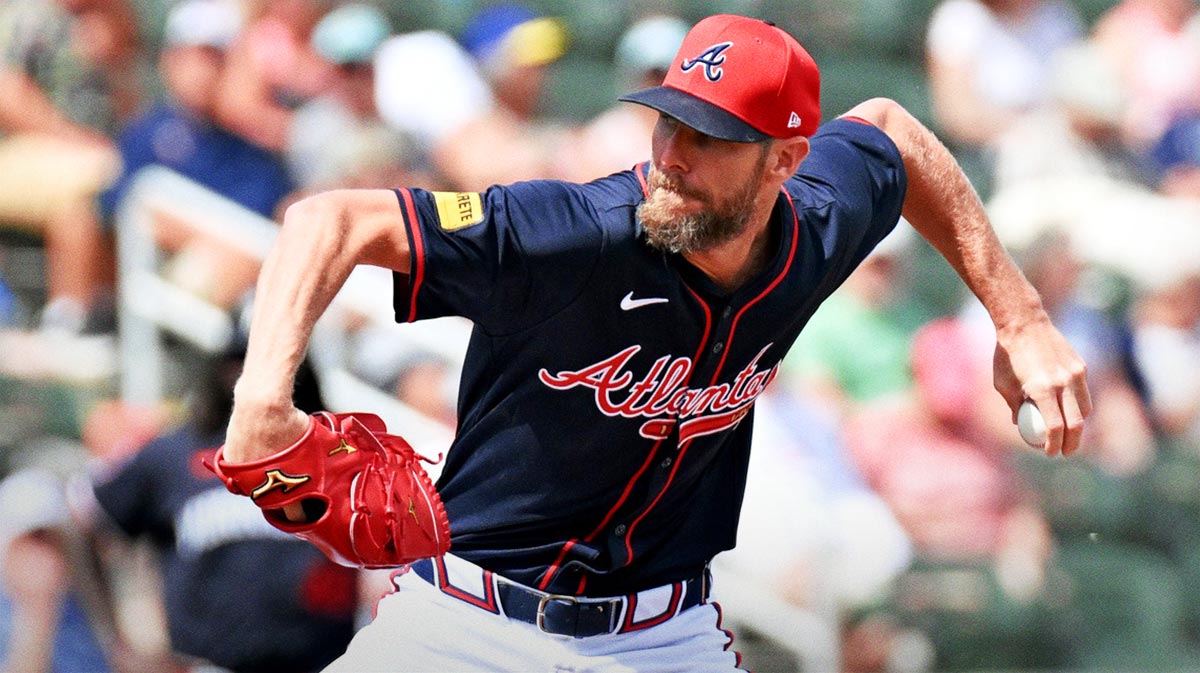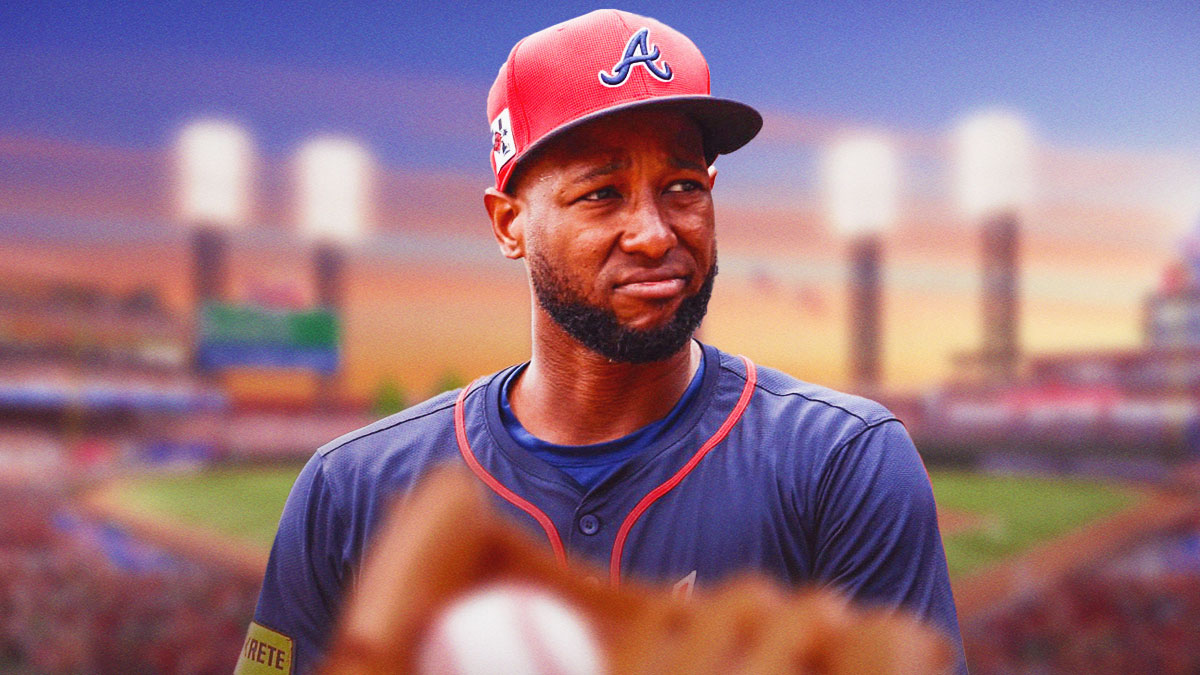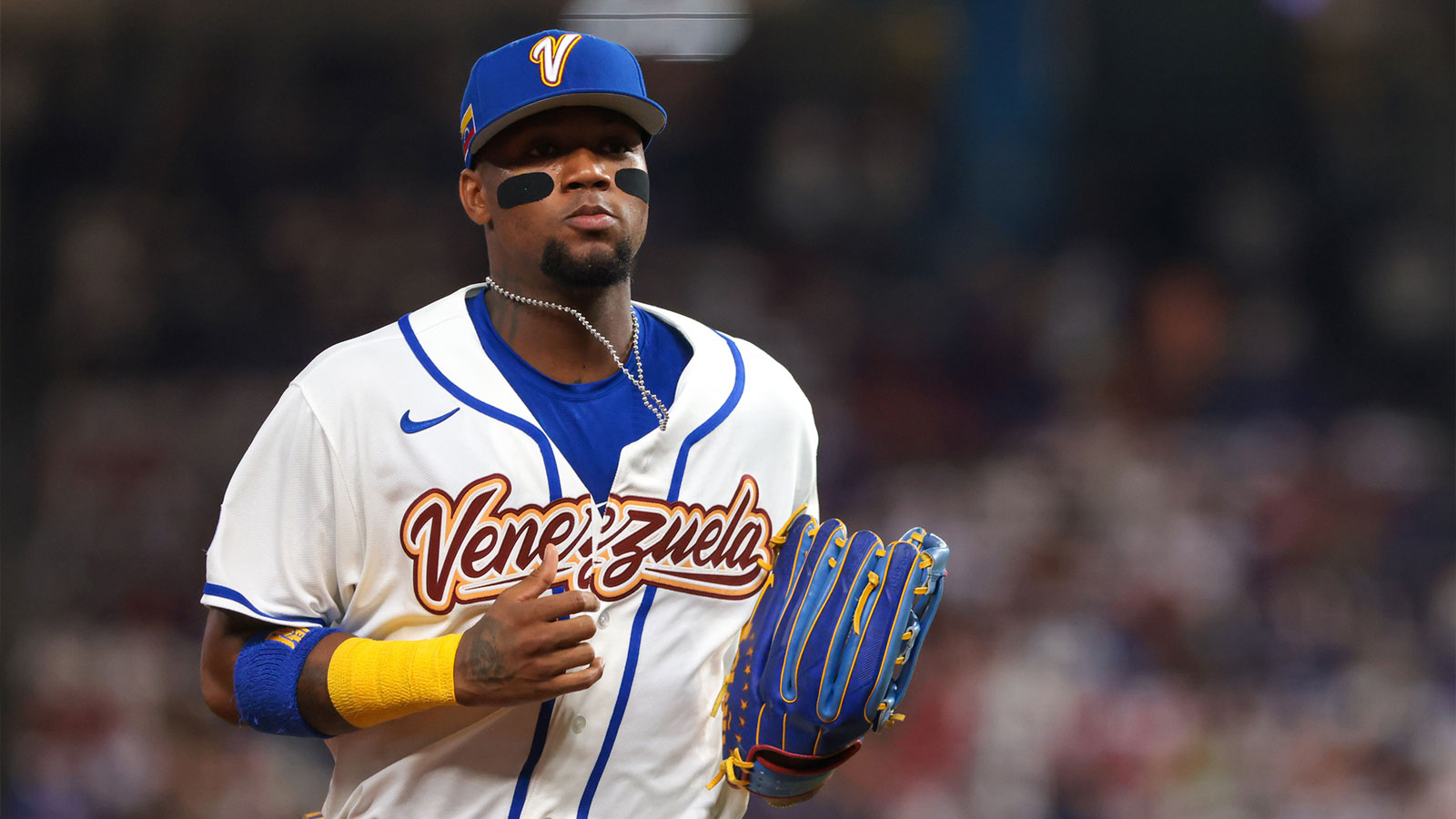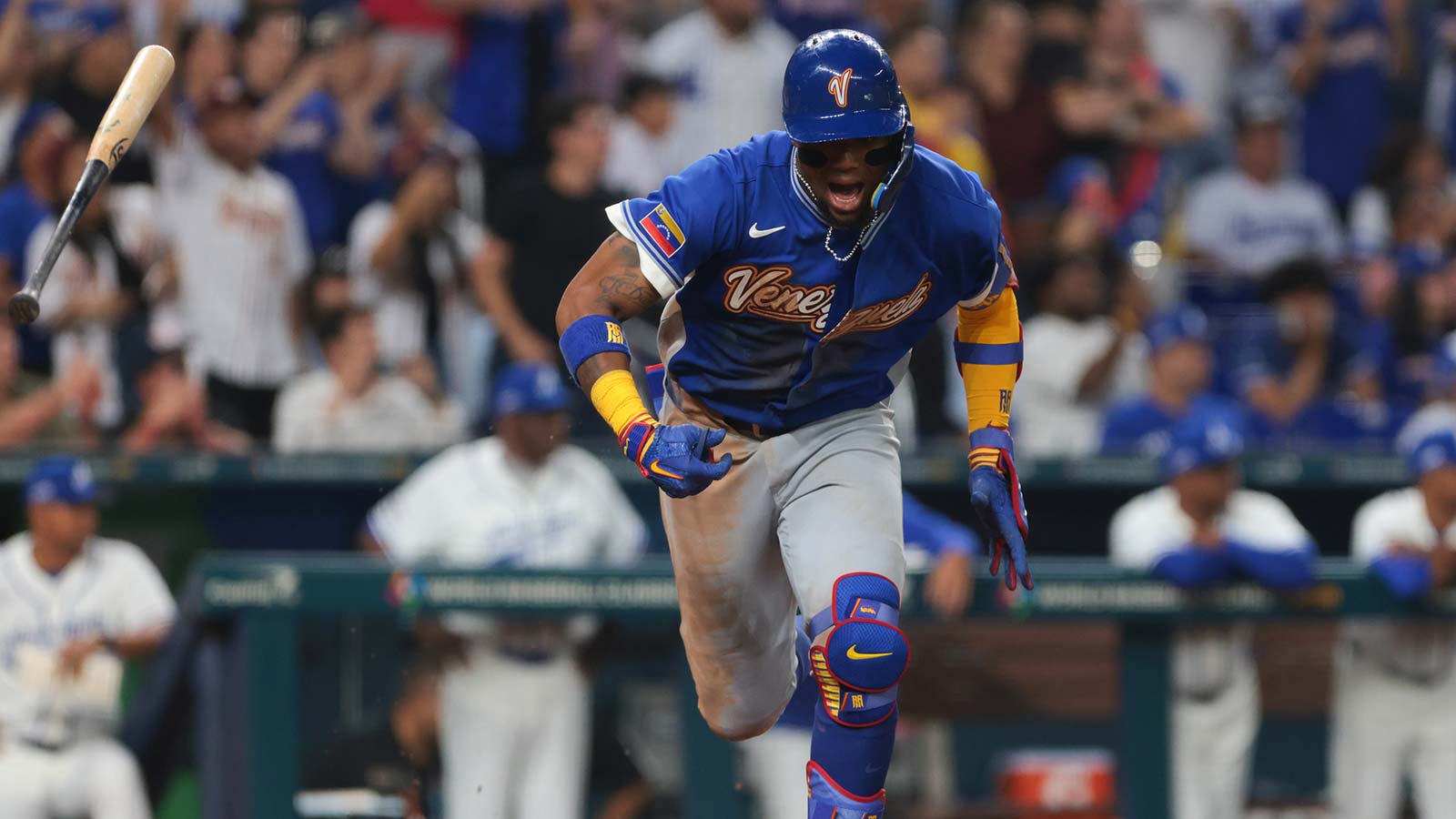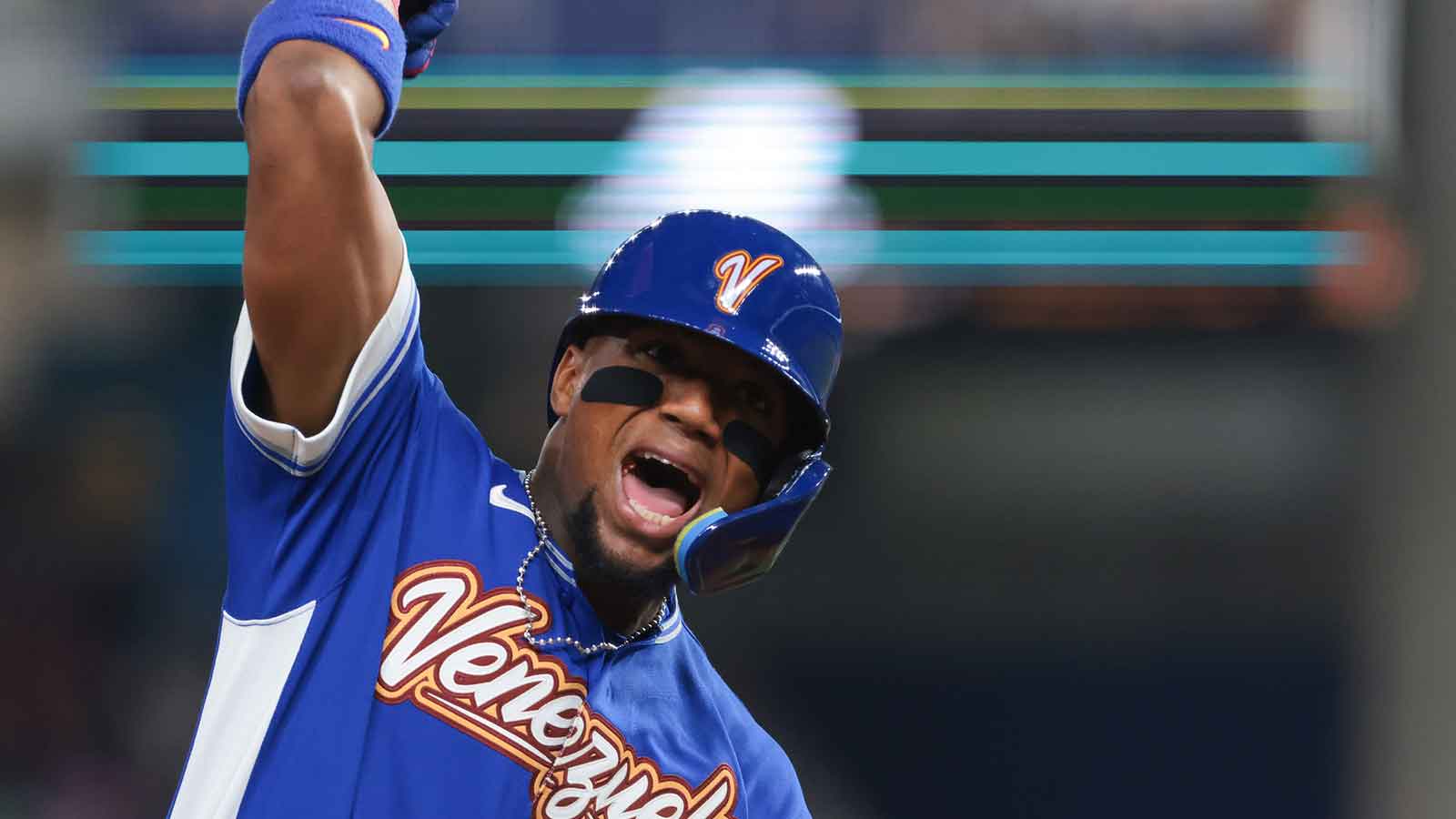

The Atlanta Braves suddenly face a major hole in their lineup. On Tuesday, Major League Baseball suspended Jurickson Profar for 162 games after a second violation of the league’s Joint Drug Prevention and Treatment Program. The penalty sidelines Profar for the entire 2026 season and makes him ineligible for the postseason, forcing the Braves to reevaluate their plans at designated hitter and across the roster.
Profar entered the year projected as the Braves’ primary designated hitter, with occasional starts in left field. After signing with Atlanta ahead of the 2025 season, the veteran switch-hitter was expected to provide balance and experience in the middle of the order. Instead, the Braves must now pivot quickly in what is shaping up to be a competitive National League race.
According to Major League Baseball’s Joint Drug Prevention and Treatment Program, a second performance-enhancing drug violation carries an automatic 162-game suspension. That reality leaves the Braves without a key bat and places increased pressure on the front office to make a decisive move.
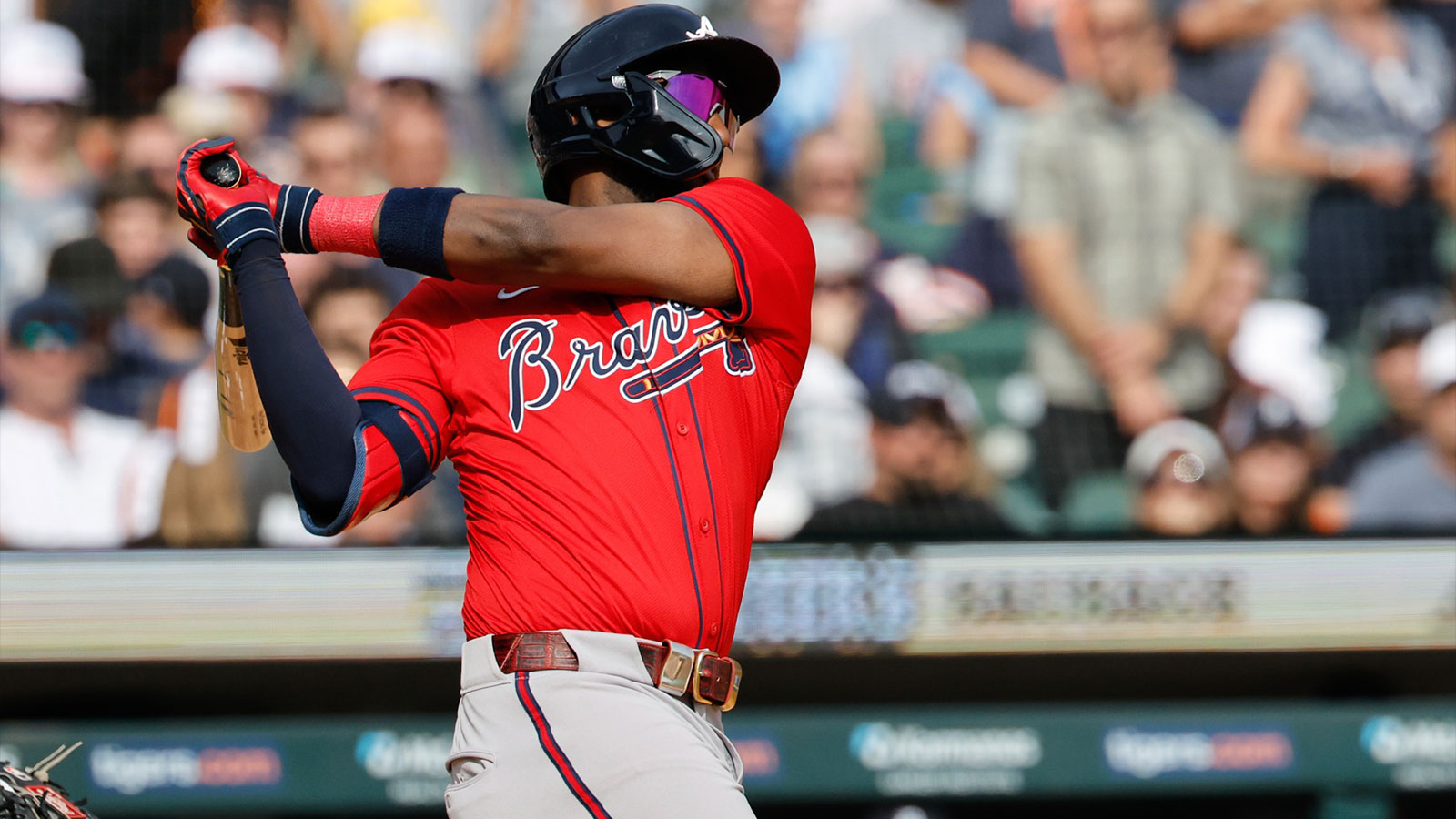
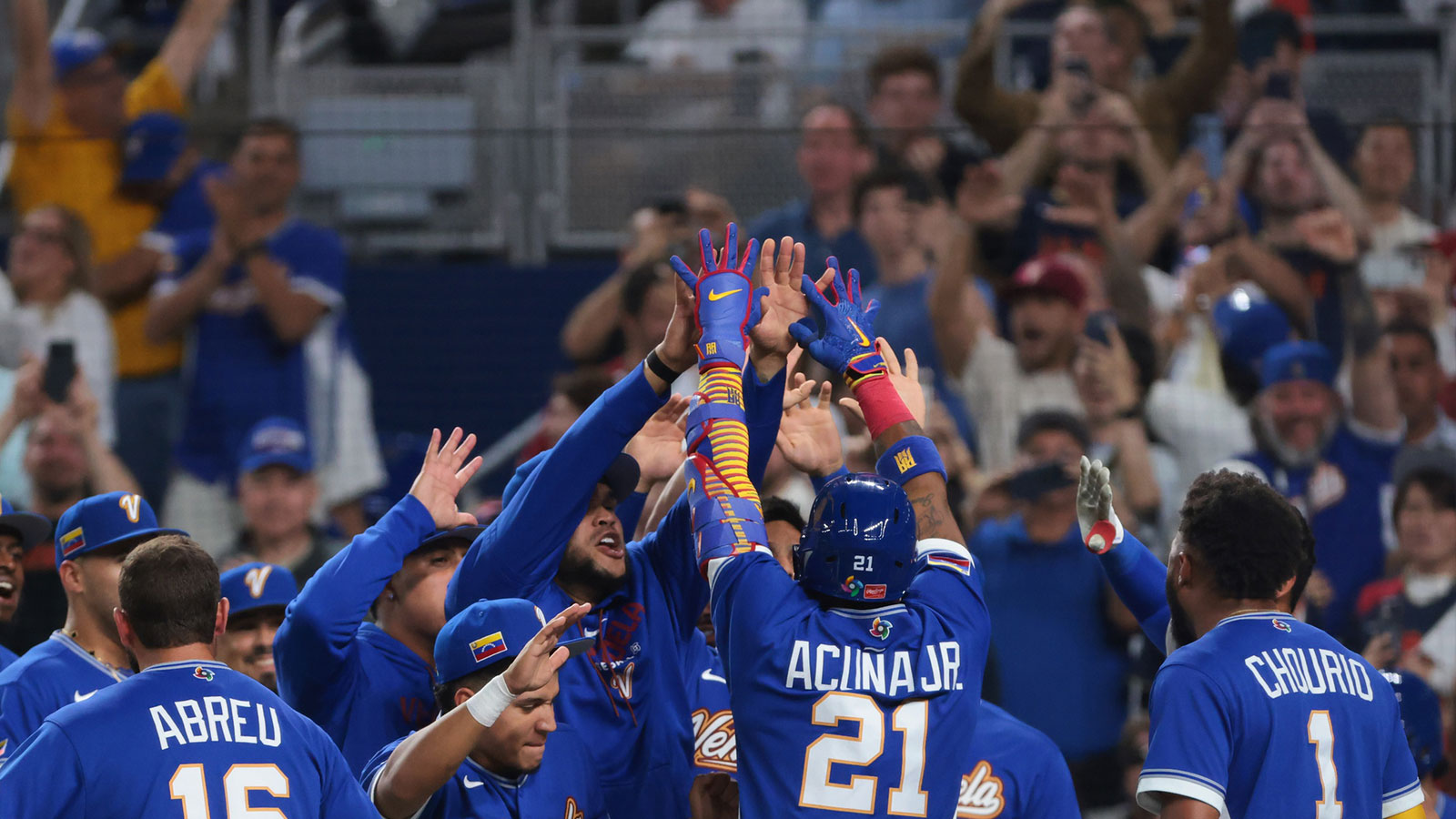
The Braves’ core remains strong. Ronald Acuna Jr. continues to anchor right field, while Michael Harris II patrols center. Mike Yastrzemski currently projects as the starting left fielder. Defensively, Eli White and Jorge Mateo offer late-inning flexibility and depth across multiple positions.
However, none of those players can replicate the offensive production Profar was expected to provide. The situation becomes even more complicated after the Braves also watched longtime designated hitter Marcell Ozuna depart in free agency, removing another proven middle-of-the-order bat from the lineup. As a result, the Braves’ search for a designated hitter replacement has quickly become one of the most urgent decisions facing president of baseball operations Alex Anthopoulos and his staff.
Internal options do exist. Catchers Sean Murphy and reigning National League Rookie of the Year Drake Baldwin could rotate through the designated hitter spot to help manage workloads behind the plate. Baldwin could also use the role for occasional rest days while keeping his bat in the lineup, particularly if Murphy elevates his offensive production in 2026 and handles a larger share of the catching duties. The Braves could also occasionally use the position to give Acuna Jr. a partial rest day. However, relying solely on those options would treat the role more as a way to manage player fatigue rather than filling it with a consistent middle-of-the-order bat.
For a National League contender with championship aspirations, the Braves need a hitter who can contribute daily. That urgency is even greater as Atlanta looks to return to the postseason after missing October baseball for the first time in seven years in 2025.
That is where a potential fit with Tommy Pham becomes compelling for the Braves.
Pham finished the 2025 season with the Pittsburgh Pirates before entering free agency and remains unsigned as the 2026 campaign approaches. In 120 games last year, he hit .245 with 96 hits, 10 home runs, 52 RBIs, and 44 runs scored. Across more than a decade in the majors, Pham owns a .256 career batting average, more than 1,000 hits, and nearly 150 home runs.
His profile closely resembles what Atlanta lost with Profar, a veteran hitter capable of lengthening the lineup and grinding out tough at-bats.
Pham has built his reputation on plate discipline and a patient offensive approach. He consistently works counts and finds ways to reach base—an especially valuable skill in a lineup already built around power threats like Matt Olson and Acuna. Adding that kind of steady presence would immediately bolster the Braves’ offensive depth.
The financial aspect further strengthens the argument. Profar’s suspension removes his reported $15 million salary from the 2026 payroll, creating unexpected flexibility. Atlanta could pursue a short-term deal with Pham without jeopardizing long-term payroll planning or future extensions.
Strategically, the veteran slugger also offers versatility. He remains capable of handling corner outfield duties when needed, allowing the Braves to rotate Acuna and Yastrzemski through the DH spot without weakening the defense. Over a 162-game season, that adaptability becomes invaluable.
Depth often determines October positioning. Injuries, slumps, and fatigue inevitably test even the most talented rosters. A veteran hitter who can slide between the designated hitter spot and the outfield provides both insurance and lineup stability.
Adding Pham would represent a targeted solution rather than a dramatic overhaul of the roster. The move would not require the team to part with prospects or sacrifice long-term assets in a trade. Instead, the Braves could strengthen the lineup through a straightforward free-agent signing while keeping their farm system intact.