Modern-day baseball is largely spoken about through the lens of achievements and statistics. It has never been easier to receive data on how a player has performed or how one team stacks up against another. The sport has become even more granular, and as a result, it has become increasingly easier for franchises, pundits, and fans to miss the forest for the trees.
It was recently reported that the New York Mets plan to retire former outfielder Carlos Beltran’s No. 15. The soon-to-be Hall of Famer spent seven seasons in Flushing and could be considered deserving of the honor, but his addition should not have come before former team co-captain Gary Carter’s, who has not yet had his jersey retired by the organization.
Carter passed away in 2012 after a long battle with brain cancer. While his number is retired with the Washington Nationals due to his storied time with the Montreal Expos, the Mets should honor “Kid’s” legacy by ensuring that no Met ever wears No. 8 again.
Gary Carter’s stats with the Mets were good enough to warrant a closer look
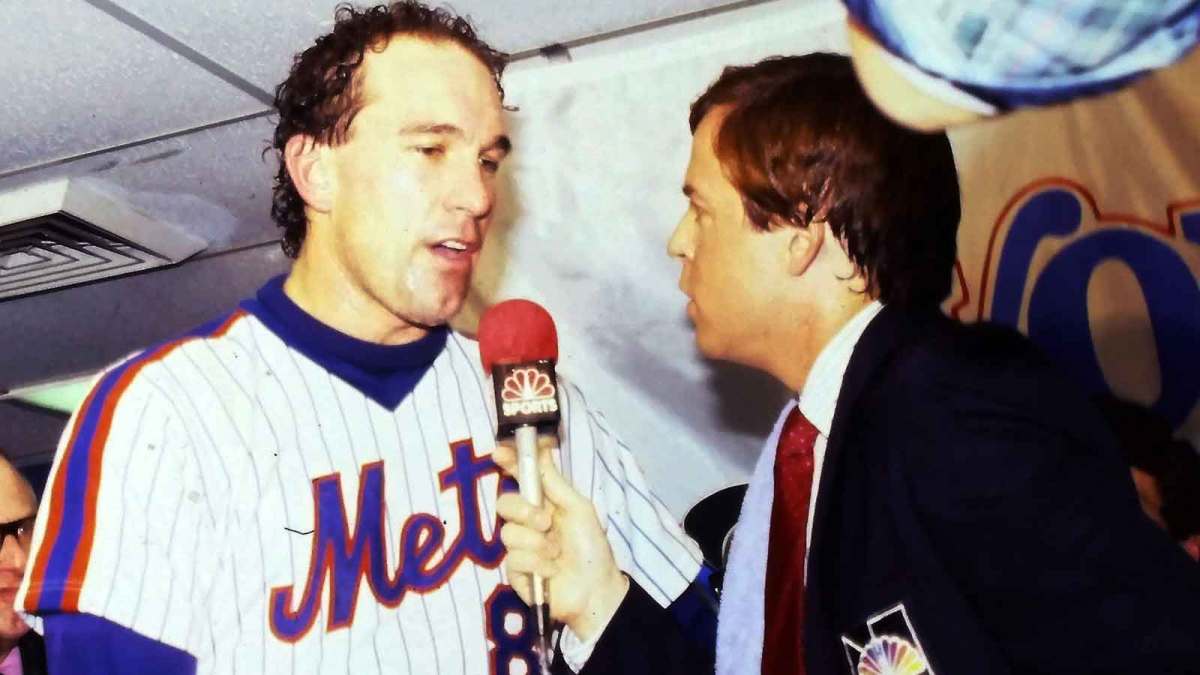
The former third-round pick was traded to New York by the Expos in 1984 after a 12-year stay with the team. Carter’s arrival in 1985 signaled that the Mets were preparing to take a step towards making their first World Series appearance since 1973. Up until that point in his career, Carter had only made one postseason appearance, and he immediately relished the chance to chase a title in orange and blue.
“I’m thrilled – what can I say?” Carter told the Associated Press after the deal. “I’m well aware of the Mets’ nucleus of fine talent and I’m anxious to make a contribution next year. I’ve never been on a world championship team and I’m hopeful to get that chance in New York.”
The former third-round pick thrived during his first two years in Queens. Across 149 games in 1985, Carter mashed 32 home runs, tallied 100 RBIs, and posted an .853 OPS. One year later, during New York’s run to the 1986 World Series title, he bashed 24 home runs, recorded 102 RBIs, and put up a .776 OPS over 132 games.
That postseason, he collected 11 RBIs and effectively saved the Mets’ year in Game 6 of the World Series when he slapped a two-out single off of Boston Red Sox reliever Calvin Schiraldi in the bottom of the 10th inning. New York would go on to win the game after what baseball fans know as the “Bill Buckner moment” that encapsulated the idea of “Mets magic.”
While his production dipped through his last three campaigns with the Mets, Carter’s overall effect was more than enough to warrant a deeper look at what he represented as the club celebrates the 40th anniversary of their last Fall Classic triumph.
Gary Carter’s impact on the franchise goes far beyond the stat sheet
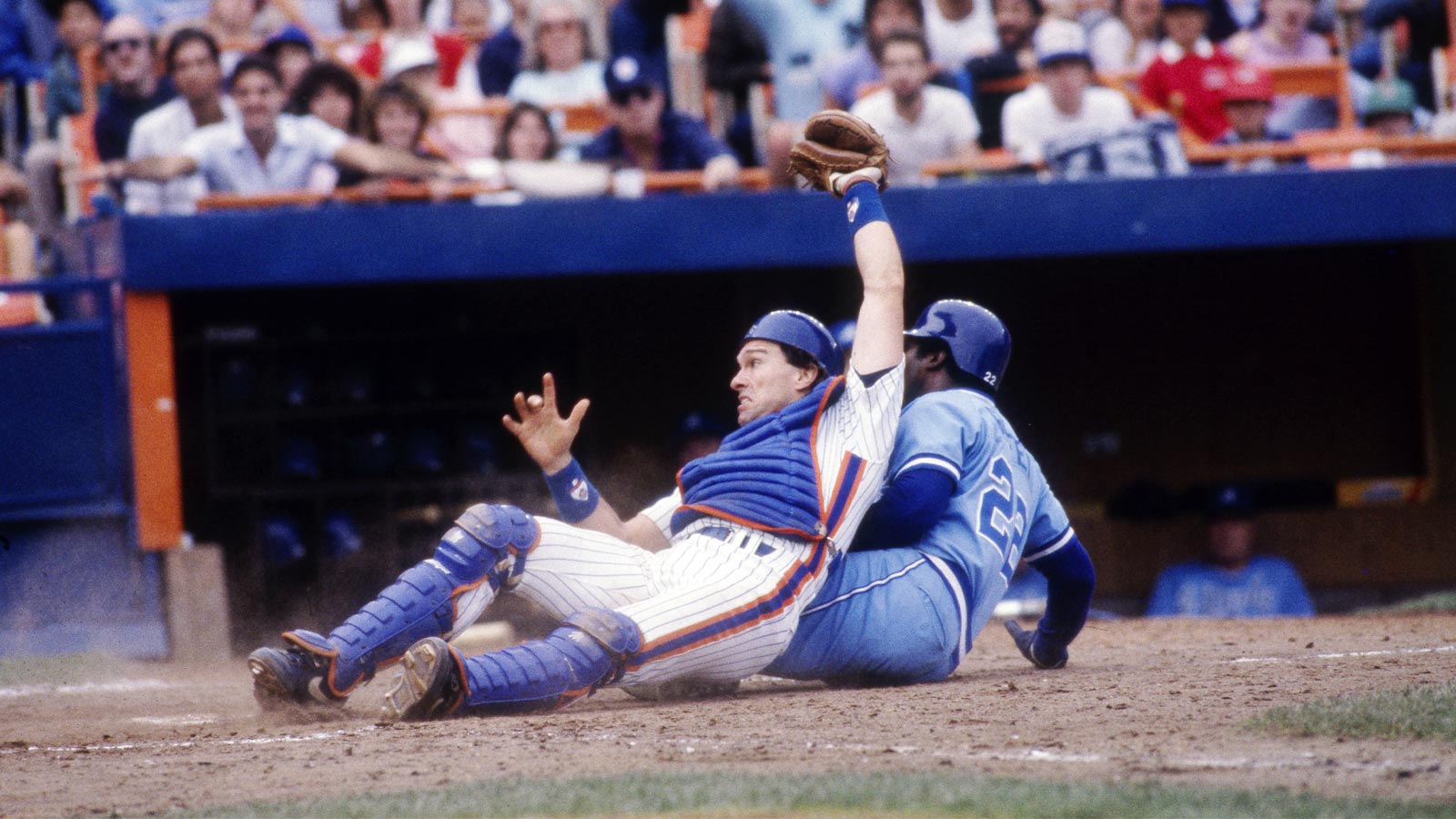
Carter’s bat was a known asset, but his skills behind the plate were second to none. This determination went beyond the number of runners he was able to throw out. Regardless of how he was feeling on a given day, he was known as a player who would take the field under any personal circumstance.
“He was a human backstop back there,” said former teammate Keith Hernandez. “Early, before his knees went bad, you couldn't steal on him in Montreal. When he wasn't able to throw because of his knees, that never affected his performance. He was running on and off the field after three outs. This guy played in some pain and it was hustle, hustle, hustle.”
Perhaps more than his willingness to bring his best to the field each day, the California native served as a leader, even if his “rah-rah” disposition occasionally frustrated more even-keeled teammates. Whether or not you liked Carter was irrelevant; you simply had to respect his contagious passion and drive.
“The character he displayed in the clubhouse represented us more than anything,’’ Darryl Strawberry told the New York Post. “When you looked at the bunch we had, a lot of us were young, wild and crazy. The Kid was the most stable one in the clubhouse. It’s a very sad time for all of us because we know that we were champions because of Carter coming over, that was the missing piece. He took us to another level.”
Carter might not have had the longevity that Beltran, David Wright, and others had with the Mets, but his influence should not solely be measured by the marks he left on the box score. The franchise has failed to win a World Series since 1986, and it could be argued that it would not have secured that title without their grizzled catcher.
From a fan base perspective, one could say that Carter is one of the most spoken about Mets due to his play on the 1986 team. There is an entire generation of New York supporters who have told their children stories about Carter while watching others like Wright and Beltran.
In a similar regard, this course of action would ensure that Carter’s legacy lives on with a franchise that he represented at the highest level. The Expos never won a World Series in their existence, and the Nationals do not habitually honor Montreal. Even though he has an Expos cap on his Hall of Fame cap, the 11-time All-Star reached the game’s peak in Shea Stadium on a brisk New York night, and should be elevated by a team he helped catapult to the top of the heap.
“His nickname ‘The Kid’ captured how Gary approached life. He did everything with enthusiasm and with gusto on and off the field. His smile was infectious,” the Mets said in a statement after Carter’s passing. “He guided our young pitching staff to the World Series title in 1986 and he devoted an equal amount of time and energy raising awareness for a multitude of charities and community causes. He was a Hall of Famer in everything he did.”
Decisions such as which numbers to retire could surely be debated through the lens of statistics or years spent with a team, but for an entity such as the Mets, which has been largely defined by both relentless hope and crippling doubt, it would be fitting to posthumously honor a player who embodied what the organization has always strived to be known as: an optimistically scrappy competitor would do anything to hoist The Commissioner’s Trophy.