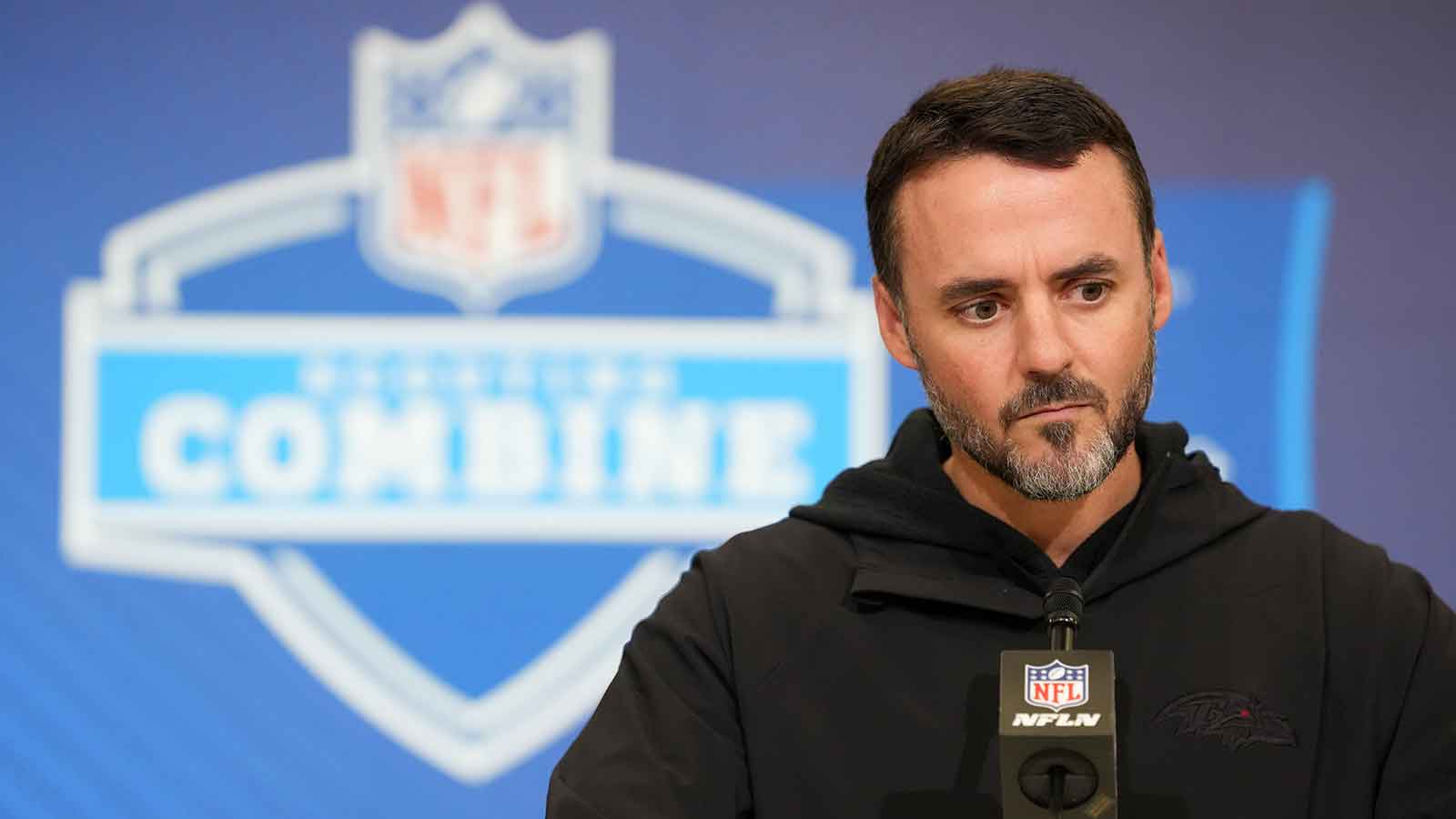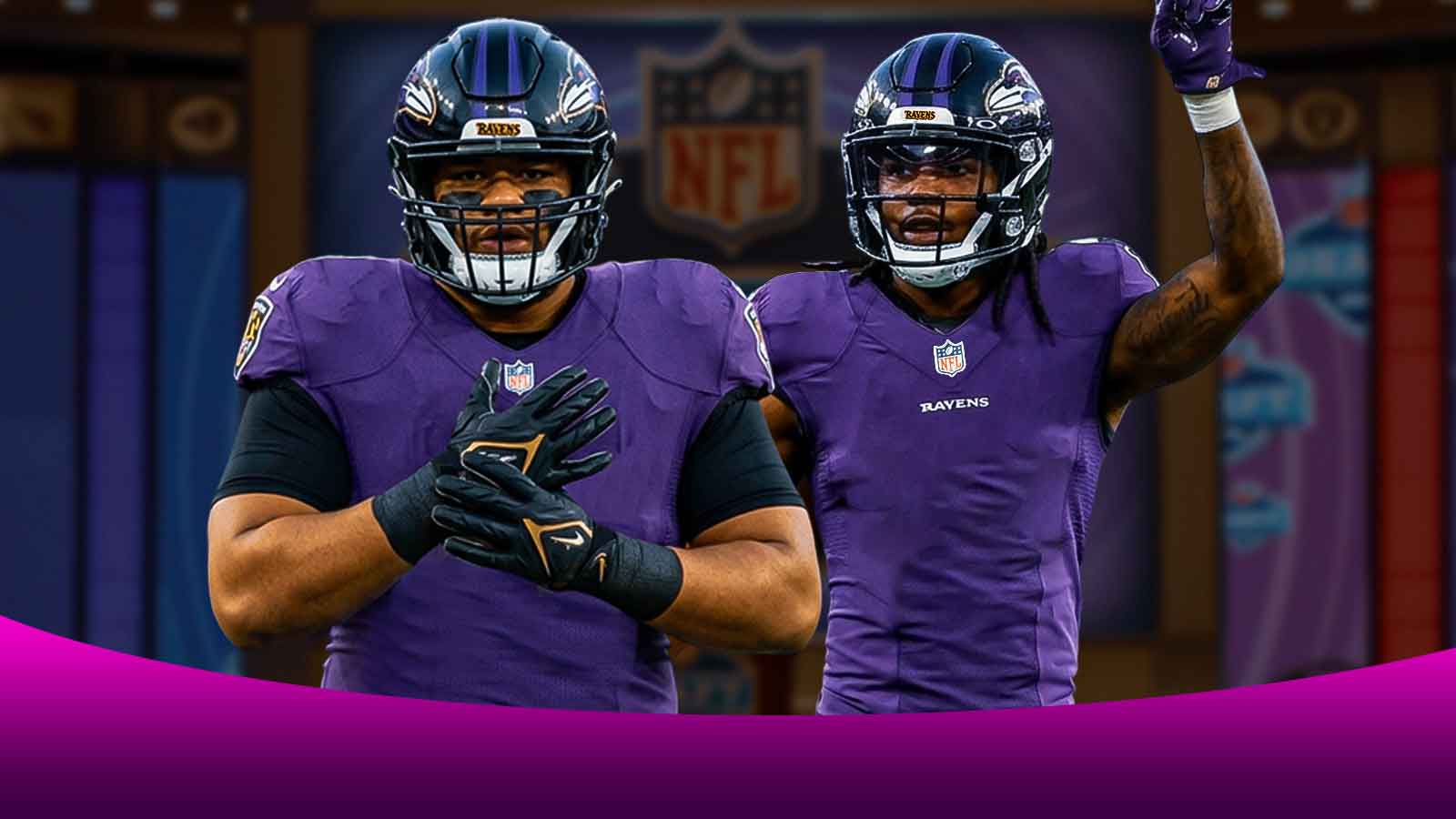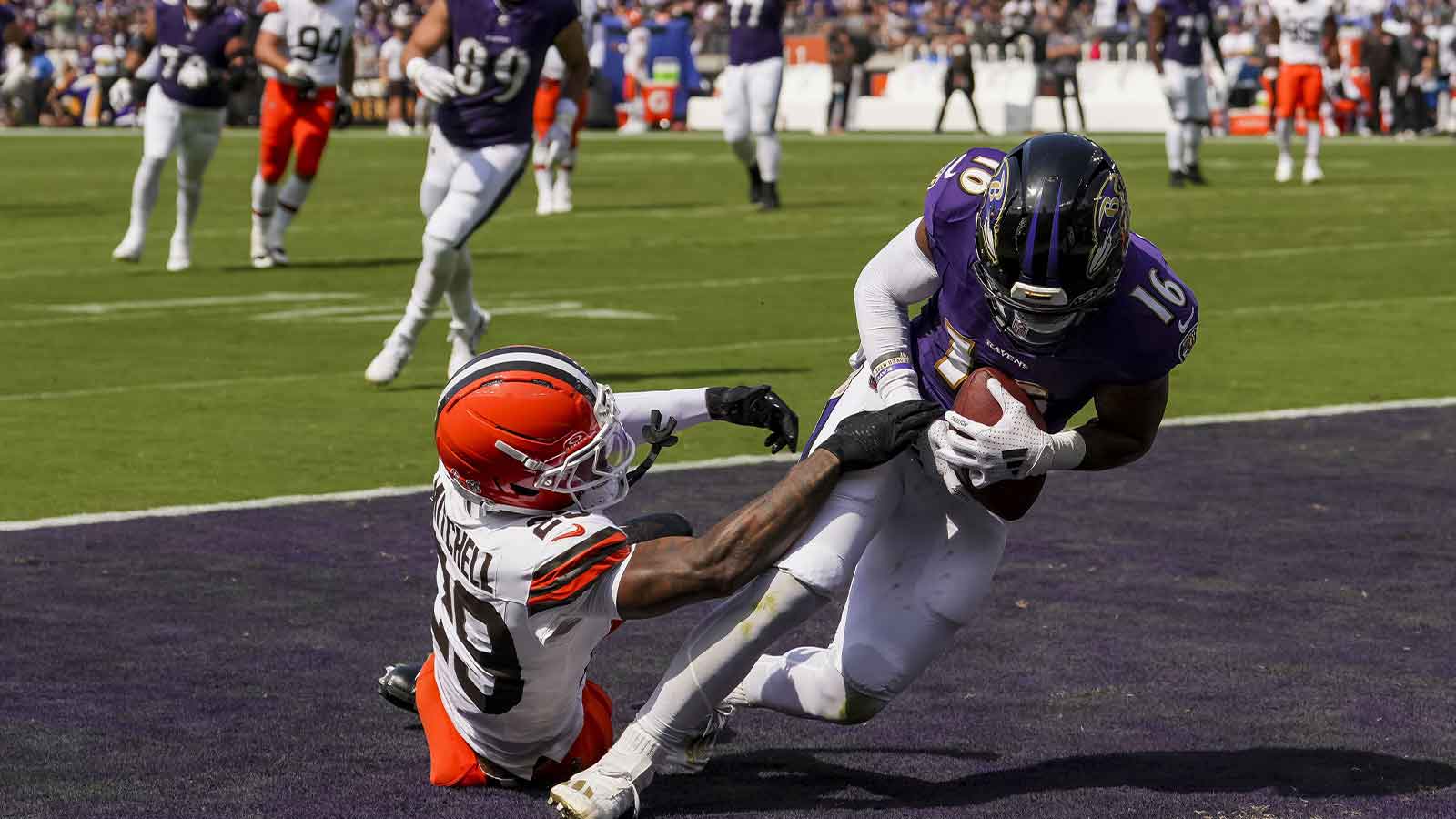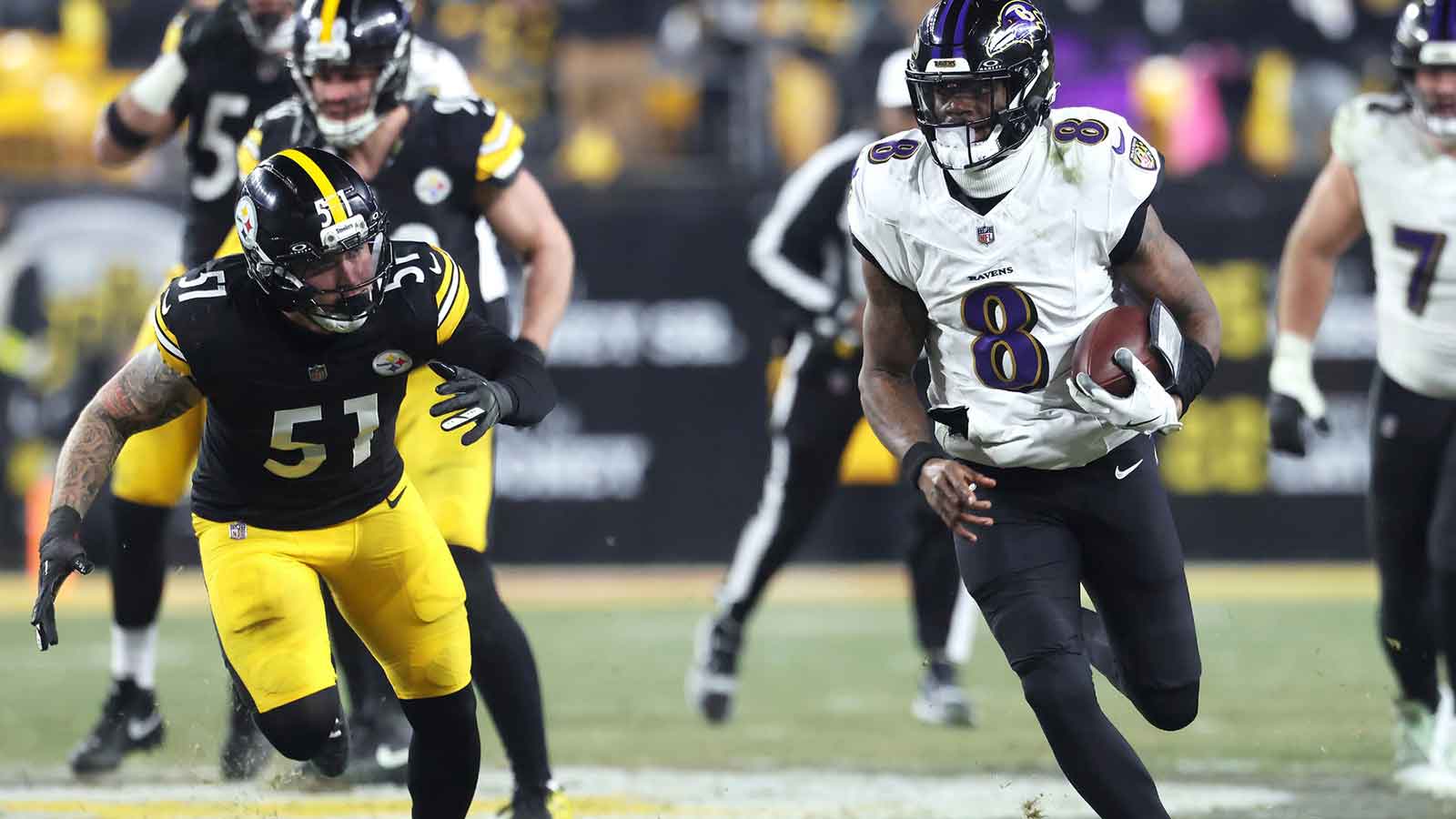
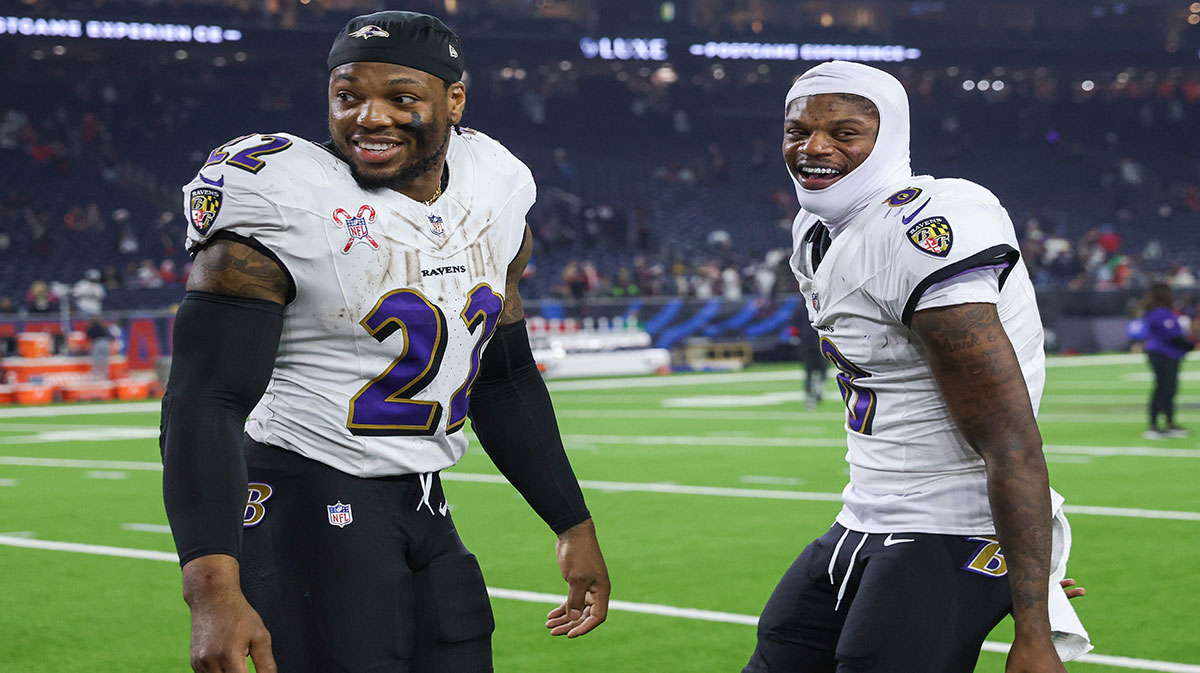
The Baltimore Ravens don’t have the luxury of guessing anymore. They are built to win now. This team was constructed around Lamar Jackson and a system that thrives on physicality and balance. Every decision must reinforce that identity. The 2026 NFL Draft, then, isn’t about swinging for upside but eliminating risk. And that’s where things get tricky. Because the board will tempt them. It always does. Flashy playmakers, high-ceiling prospects, and “best player available” arguments will all surface. For Baltimore, though, discipline matters more than excitement. The wrong pick can disrupt the architecture of a contender.
Bold swings, hard losses
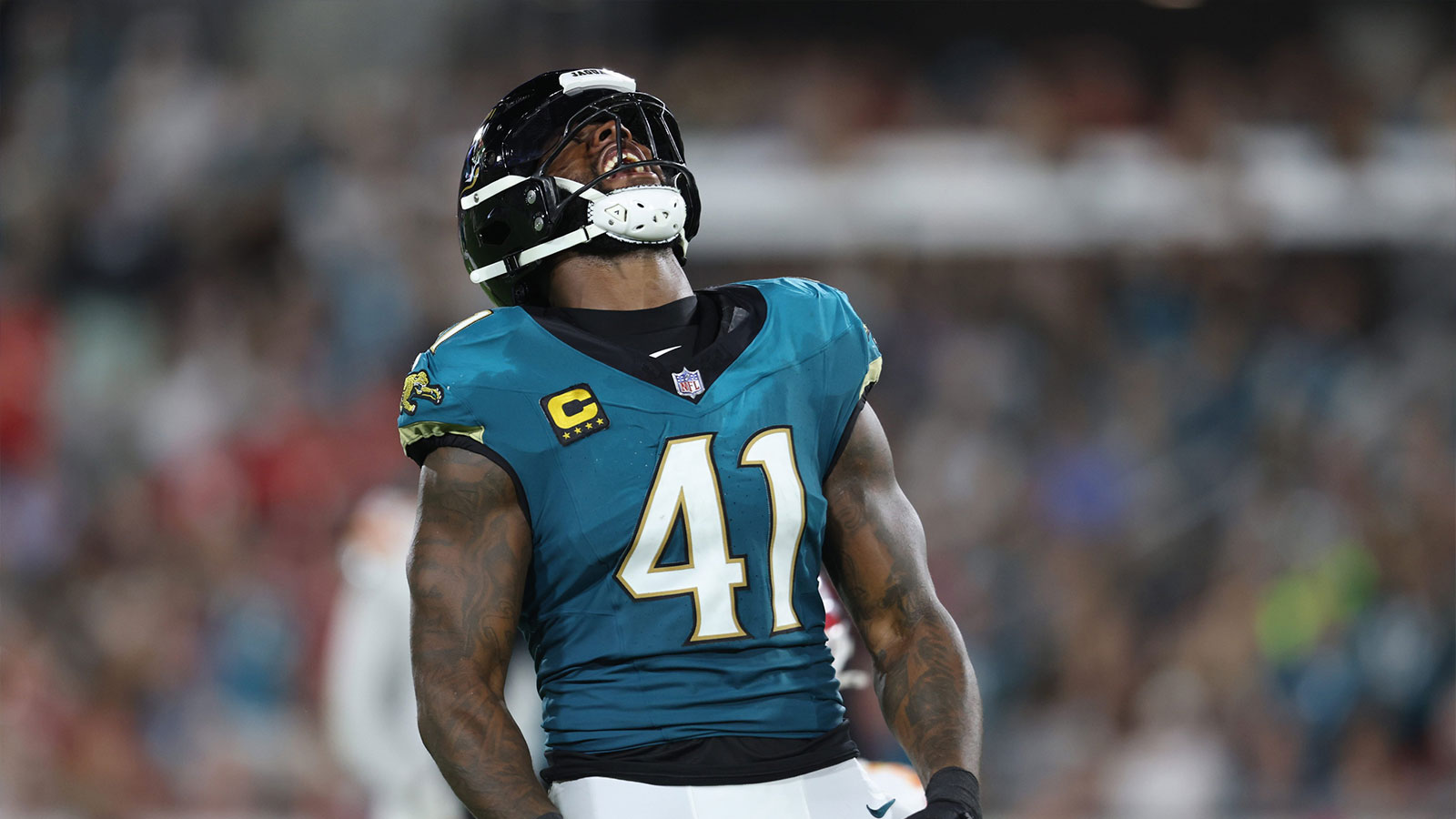
The 2026 free agency cycle has been nothing short of a rollercoaster for the Flock. The headlines were dominated by the near-acquisition of Maxx Crosby. That blockbuster trade would have fundamentally altered the landscape of the AFC. When that deal tragically fell through, the collective heartbreak in Baltimore was palpable. Yet, the front office didn't sit idly by. They pivoted aggressively to secure All-Pro pass rusher Trey Hendrickson. Landing a player of Hendrickson’s caliber finally gives this defense the elite, consistent edge presence. His arrival instantly boosts a pass rush that struggled for consistency last season. He should provide a veteran anchor for the younger rotation players like Adisa Isaac.
It is unmistakable that Baltimore is all-in. Hendrickson isn’t just a replacement move but a statement. The defense, once searching for consistency, now has a centerpiece who can tilt games on his own.
Offensive losses
That said, the gains on the defensive side of the ball came at a significant cost elsewhere. The departure of Tyler Linderbaum leaves a gaping hole in the heart of the offensive line. Furthermore, the exodus of tight ends Isaiah Likely and Charlie Kolar, along with the unique utility of Patrick Ricard, has stripped the offense of its most versatile chess pieces. Sure, the signing of Durham Smythe provides some veteran depth. Still, the Ravens have a roster that has upgraded its ceiling on defense but significantly lowered its floor on offense.
This imbalance is truly a structural concern. Baltimore’s identity has always been rooted in offensive cohesion. The ability to control tempo, protect Lamar Jackson, and dictate physicality at the line of scrimmage is what separates them from the rest of the league. Right now, that identity is under threat.
Prioritizing protection
There is no mystery regarding Baltimore’s primary objective in the upcoming draft. They must fix the interior of the offensive line. The 2025 season saw the Ravens surrender 45 sacks. That figure that simply cannot be repeated if they expect Lamar Jackson to stay healthy and productive through January. The loss of Linderbaum at center and the clear struggles of Daniel Faalele at right guard have turned the interior into a liability. For a team that thrives on a power-running identity with Jackson and Derrick Henry, having “leaky” protection is a recipe for disaster. The Ravens need a plug-and-play starter who possesses the lateral agility to handle NFL speed and the brute strength to move 330-pound nose tackles. Without a stable pocket, the entire offensive architecture crumbles. That makes the selection more of a necessity than a strategy.
Resisting Jeremiyah Love
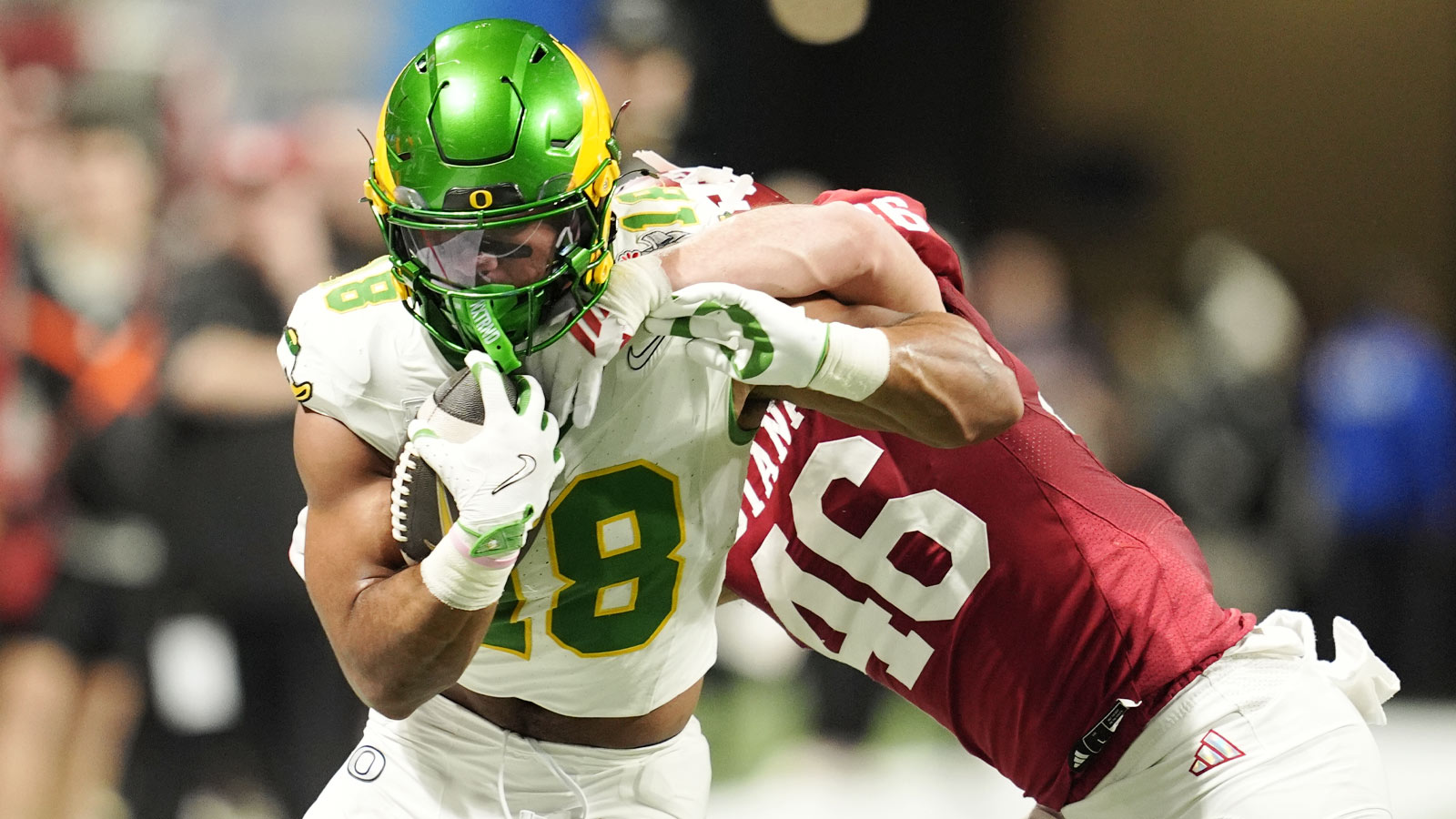
There’s a certain kind of prospect that makes decision-makers pause. Jeremiyah Love is that kind of player. He embodies everything teams covet in modern offensive weapons.
For Baltimore, however, that’s precisely why he must be avoided.
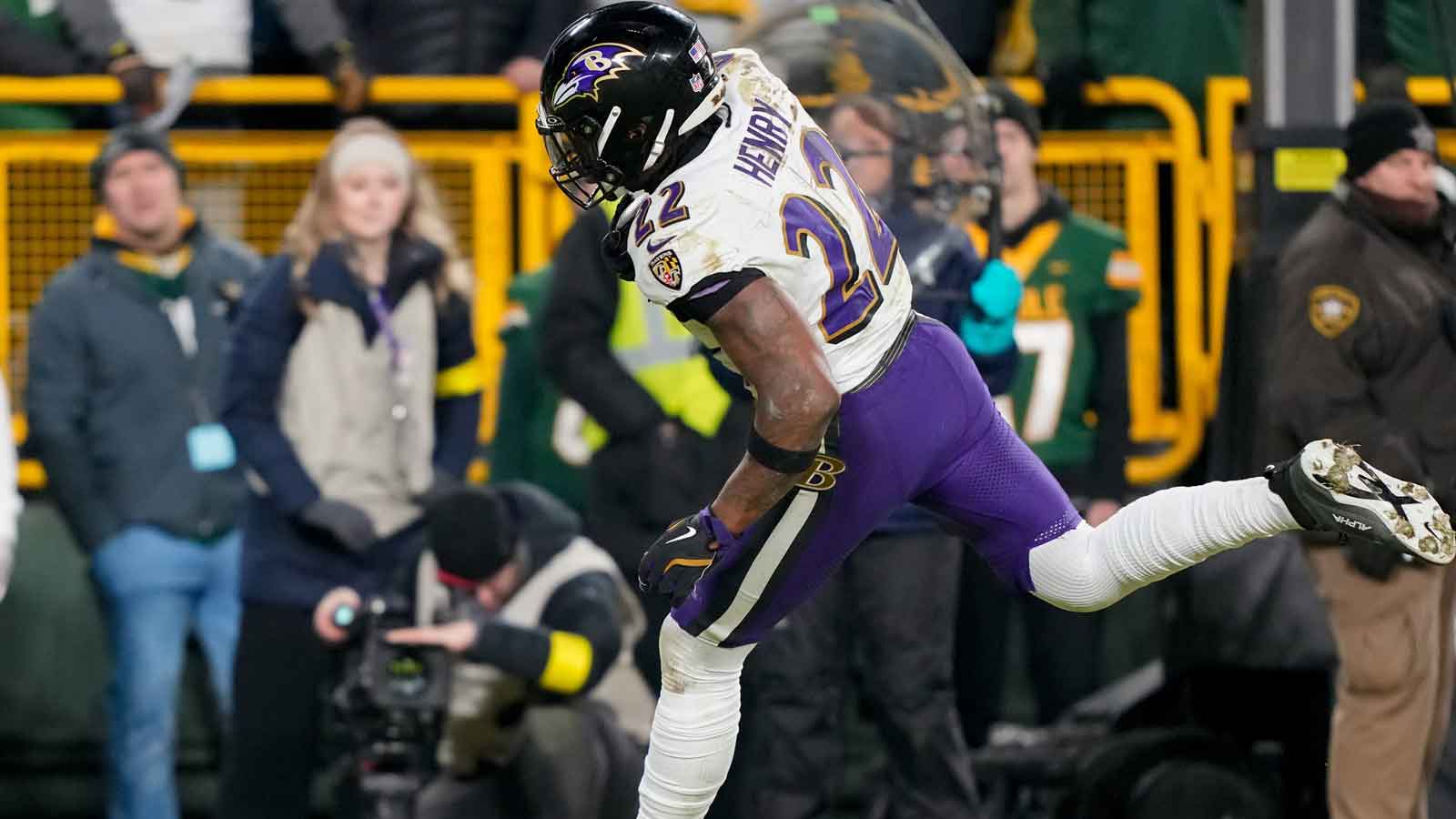
The Ravens don’t need more flash in the backfield. They need structure up front. With Henry already anchoring the run game, the addition of another running back, no matter how talented, would be redundant. More importantly, it would divert resources away from the offensive line, where the need is urgent and undeniable.
Love’s skill set is built on finesse and space creation. That historically doesn’t align seamlessly with Baltimore’s physical, downhill identity. This is an offense that thrives on imposing its will, not dancing around it. Adding a player who requires a different approach risks diluting that identity rather than enhancing it.
Drafting Love would be the exciting move. It would generate buzz, highlight reels, and immediate intrigue. However, it wouldn’t solve the problem that matters most. And for a team chasing a Super Bowl, excitement without impact is a luxury they cannot afford.
Avoiding the Jermod McCoy trap
The Tennessee cornerback, when healthy, looks every bit like a top-tier defensive back. His tape shows fluid movement, strong ball skills, and the kind of competitiveness that fits perfectly within Baltimore’s defensive culture.
Remember, though, that health isn’t a footnote but the headline.
McCoy’s torn ACL, which wiped out his entire 2025 season, introduces a level of uncertainty that the Ravens cannot ignore. Even when players return, regaining full form takes time.
Baltimore’s recent history with injuries in the secondary only amplifies the concern. They’ve seen firsthand how instability at that position can unravel an otherwise strong defense. Taking on another high-risk player, regardless of talent, would be a gamble that contradicts their current needs.
There’s also a broader principle at play. The Ravens don’t need to chase upside, but they do need reliability. They need players who can step into the system, understand their roles, and contribute from day one. McCoy’s potential is undeniable, but potential alone doesn’t win games in January.
Discipline over temptation
The Ravens carry a roster capable of competing with anyone in the league, anchored by a quarterback who can elevate every aspect of the game. But sustaining that level requires more than talent—it requires discipline.
Passing on players like Jeremiyah Love and Jermod McCoy isn’t about doubting their ability. It’s about recognizing that the path to a championship isn’t paved with the most exciting choices, but with the right ones.