The Chicago Bears have finally reached clarity. They have their quarterback, a core, and a vision. Of course, with clarity comes pressure. As such, the 2026 NFL Draft isn’t about searching anymore but about building correctly around what already works. That means understanding that not every talented player is the right player. Most importantly, it means avoiding the kind of picks that look exciting on draft night but quietly erode a team’s long-term structure. For a franchise that has spent decades trying to stabilize itself, this draft is about protecting that progress.
Offseason raises the floor
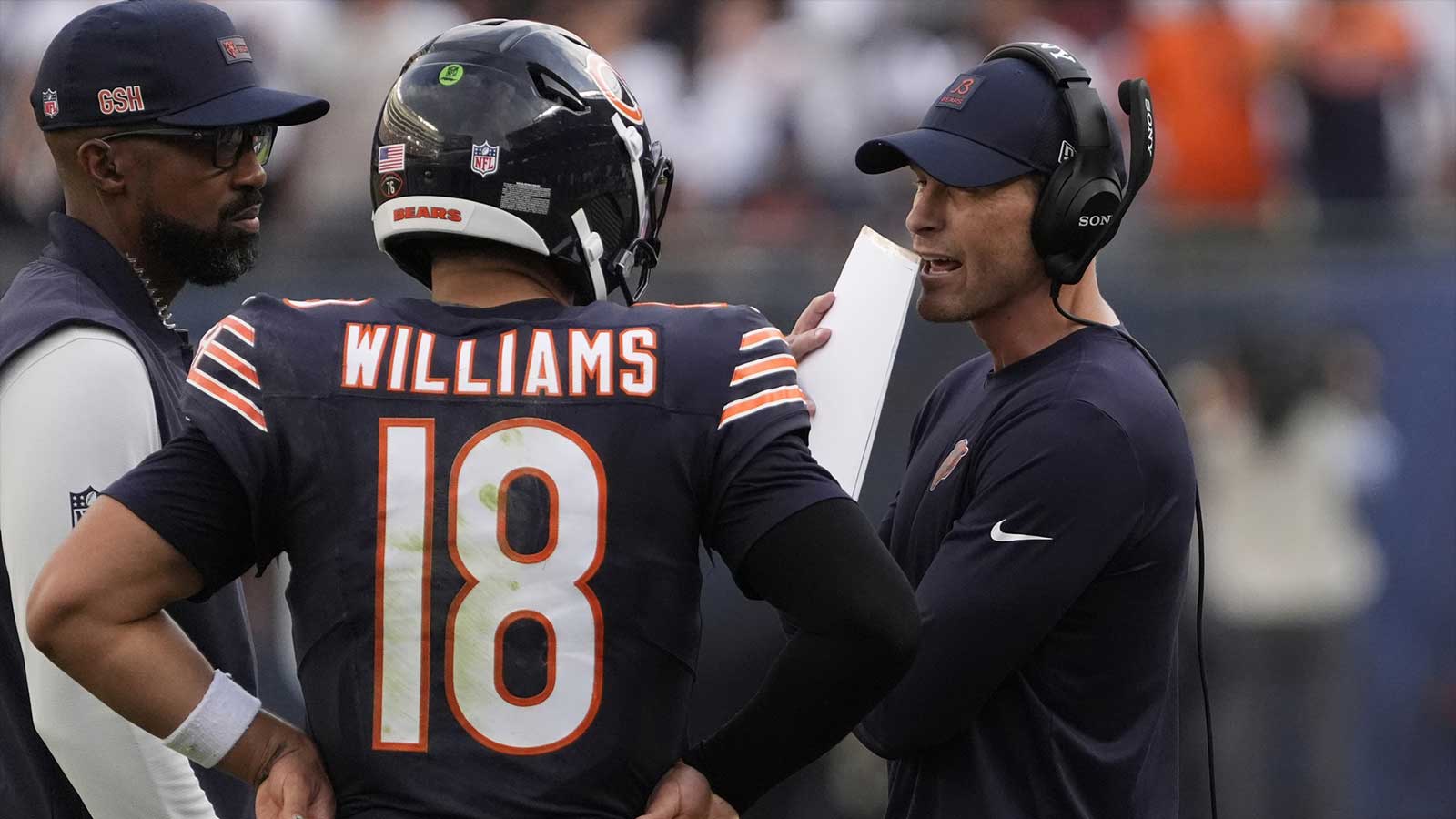
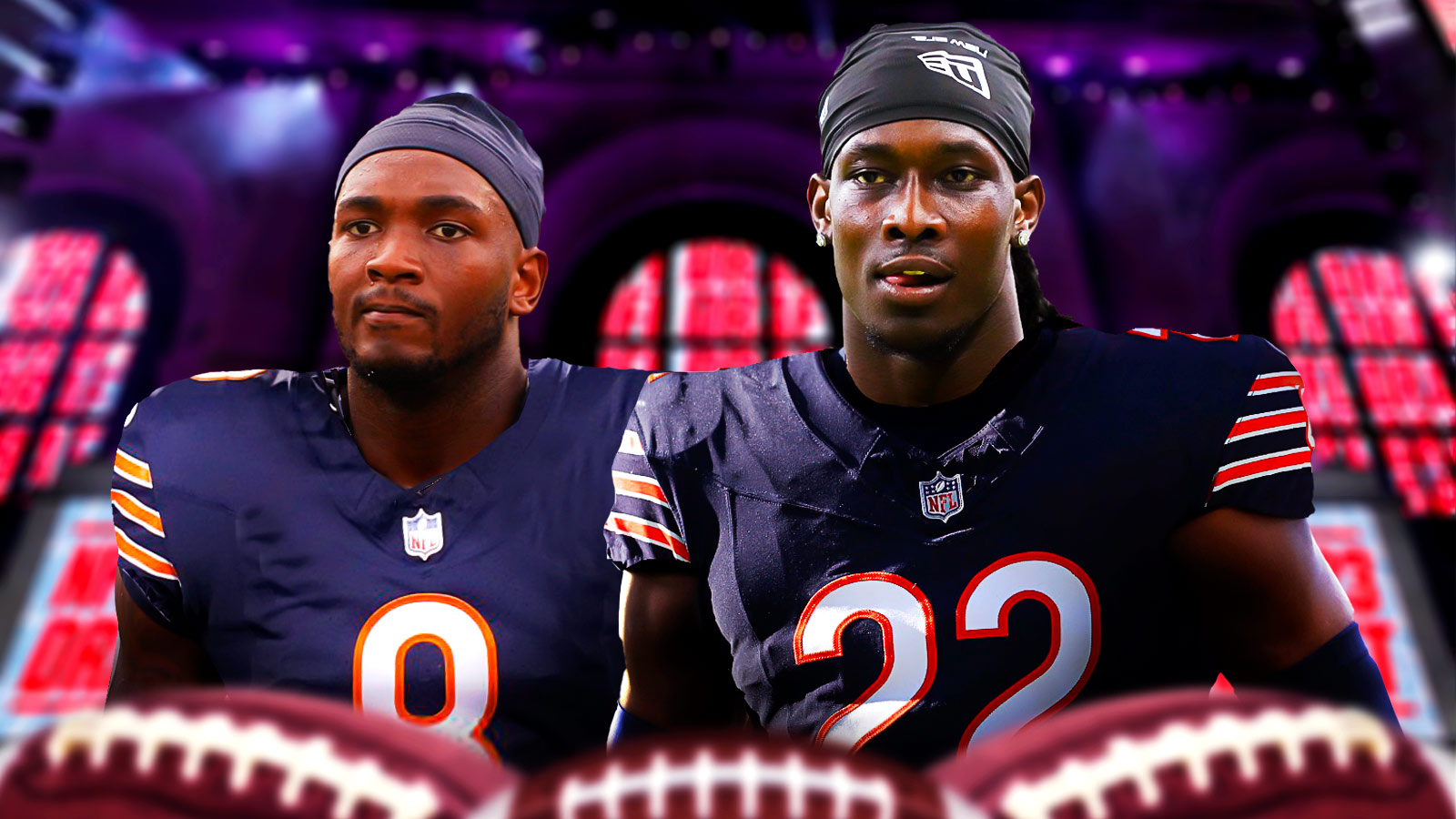
The 2026 NFL Free Agency period has been a whirlwind for the Bears. It was characterized by a series of calculated gambles designed to shore up a defense that showed flashes of brilliance last season. Chicago’s biggest splash came on the defensive side of the ball as they secured linebacker Devin Bush and safety Coby Bryant. These moves, along with the acquisition of defensive tackle Neville Gallimore, signal a clear intent to give defensive coordinator Dennis Allen the tools he needs to implement his aggressive scheme. The front office also prioritized continuity, re-signing Braxton Jones and bringing back D’Marco Jackson.
The Bears focused building a roster that can withstand the physical demands of the NFC North. The defense, in particular, looks more cohesive, more adaptable, and better equipped to handle modern offenses.
Lingering offensive questions
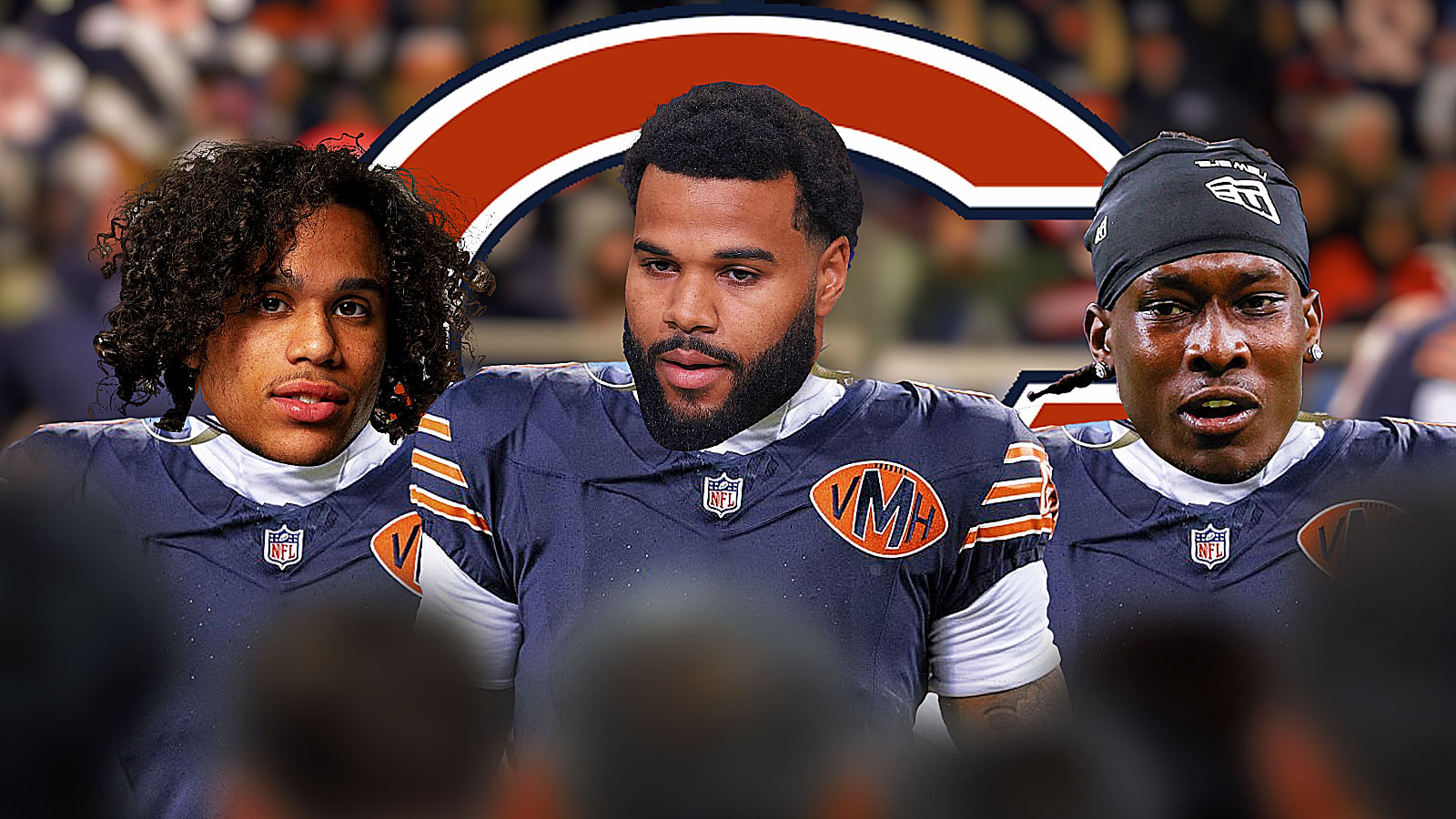
On the offensive side, the landscape shifted dramatically with the sudden retirement of center Drew Dalman. This forced Ryan Poles to trade for veteran center Garrett Bradbury to provide a steady hand for Caleb Williams. Sure, the addition of wide receiver Kalif Raymond offers a reliable gadget option to complement the elite duo of Rome Odunze and Luther Burden III. However, the offensive line remains a work in progress.
That’s the key takeaway. The Bears have raised their floor, but their ceiling remains uncertain. The offense has weapons and direction. Still, it lacks the kind of structural dominance that separates good teams from great ones. That's where the draft becomes critical.
Addressing the glaring need
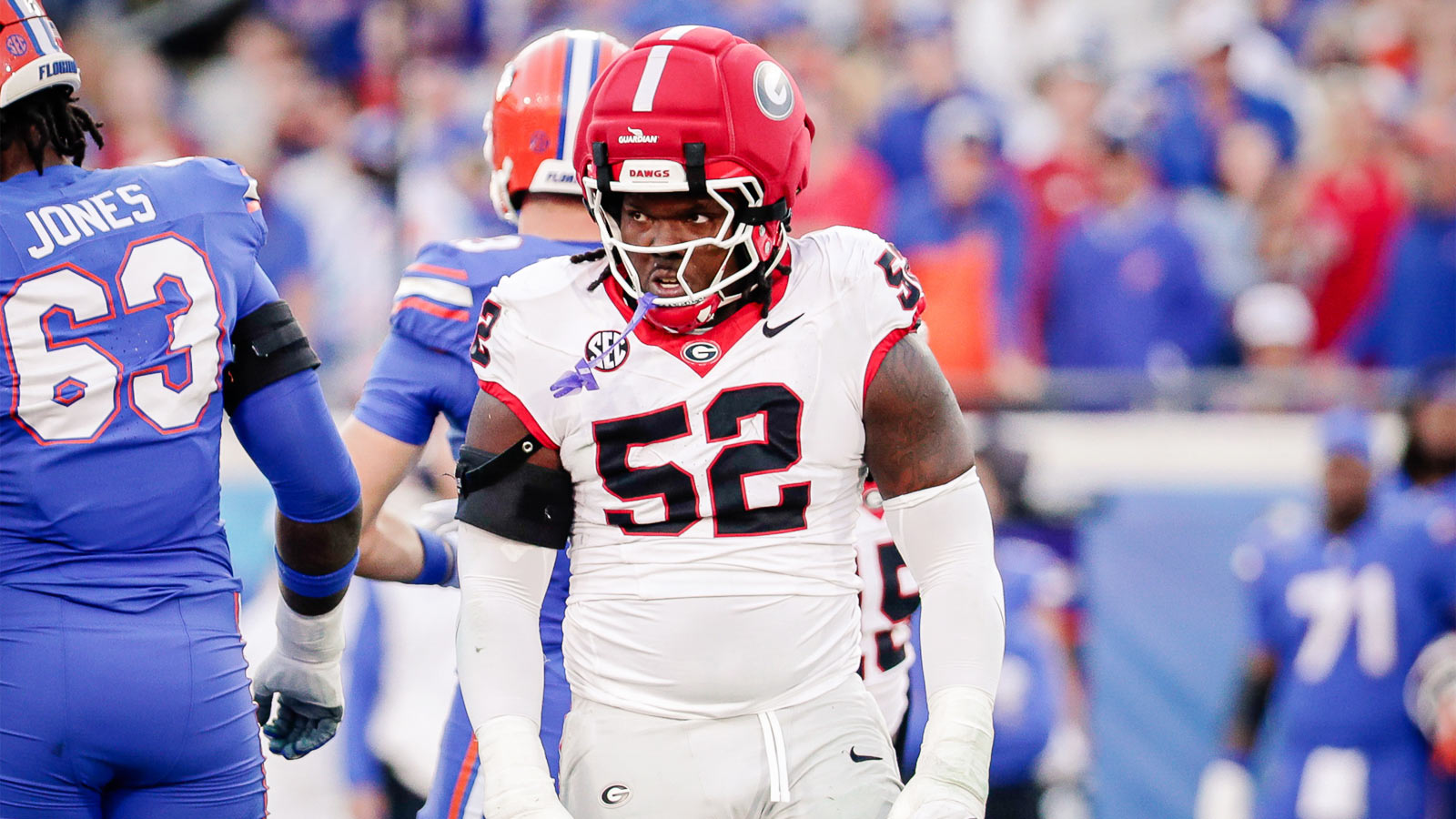
Despite the flurry of veteran signings, the Chicago Bears enter the 2026 NFL Draft needing help at the interior of the defensive line. Yes, Montez Sweat remains a force on the edge. That said, the lack of a consistent, interior pass-rushing presence has allowed opposing quarterbacks too much comfort in the pocket. The Bears need a disruptive force who can forced passers into the waiting arms of their edge rushers or into hurried throws. Without a dominant presence at the three-technique, the entire defensive architecture remains vulnerable. If the Bears fail to find a “warrior in the trenches” who can stop the run with authority, the upgrades they made in the secondary will be neutralized by quarterbacks who have all day to scan the field.
Steer clear of Ty Simpson
There will be a moment, whether it’s in the second round or later, when Ty Simpson’s name appears on Chicago’s board, and the temptation begins. A productive season at Alabama and a polished understanding of pro-style concepts make him an intriguing option. Intrigue, though, is not what the Bears need.
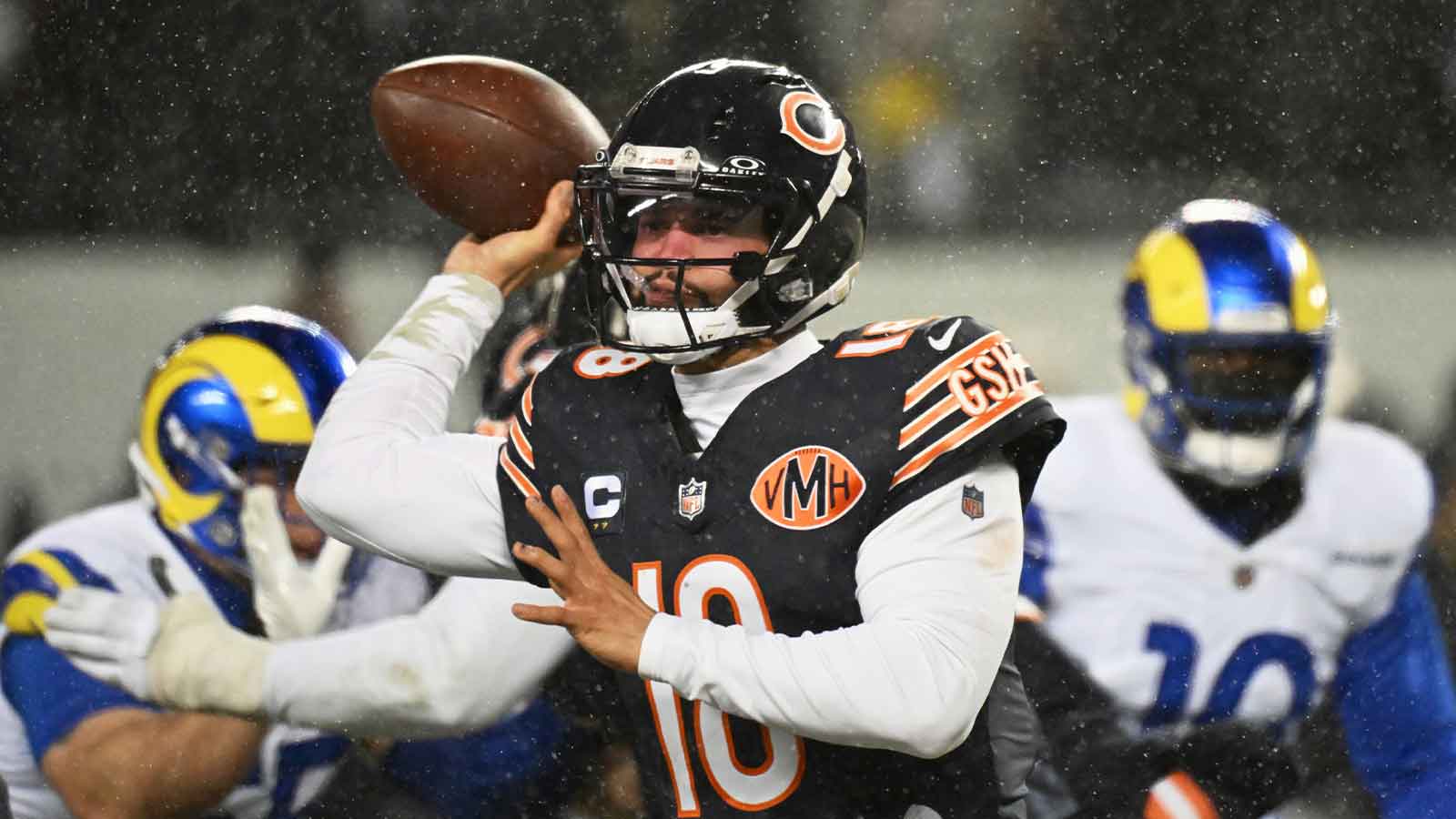
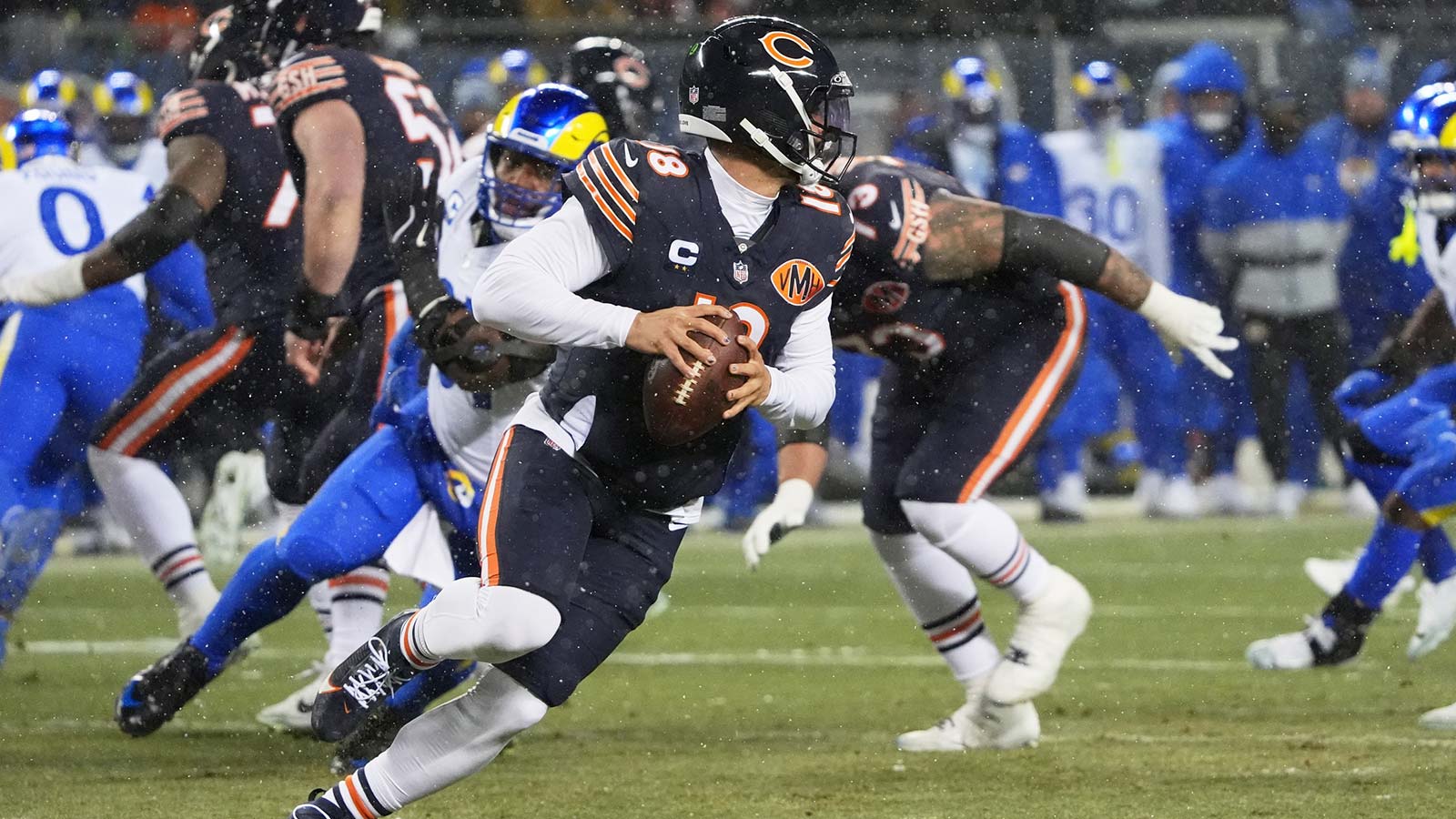
Chicago has already made its commitment. Caleb Williams is the centerpiece. The offense is being built around him, tailored to his strengths, and structured to maximize his development. Introducing another high-profile quarterback into that environment just creates noise.
Drafting Simpson would be a misallocation of resources. It would take away from positions that demand immediate attention, particularly along the defensive interior. Chicago is not a team searching for insurance. They are building around certainty.
Overvaluing Kenyon Sadiq

Kenyon Sadiq's athletic profile is undeniable. A 4.39-second 40-yard dash at his size is rare. His ability to operate as a hybrid pass-catcher makes him an attractive option in modern offensive schemes. For a creative play-caller, the possibilities are endless. Of course, football games are not won on paper.
The Bears already have a defined tight end room, featuring Cole Kmet and Colston Loveland. That position is a genuine strength. Adding Sadiq would create redundancy, not improvement.
More critically, it would ignore the realities of the division. The NFC North is built on physicality. Games are decided in the trenches, where control of the line of scrimmage dictates everything else. Investing a premium pick in a luxury position while the defensive interior remains unsettled would be a strategic misstep.
Chicago doesn’t need another weapon. The Bears need protection for its structure. They need players who can impose themselves physically, not just create mismatches in space.
The path forward
The Bears have done the hard part. They’ve built a foundation. Now, the challenge is refinement.
Avoiding players like Ty Simpson and Kenyon Sadiq is all about understanding timing. It’s about recognizing that the next step for this team isn’t adding more pieces, but adding the right ones. Chicago must remember that the difference between progress and regression often comes down to one decision. For Chicago, this draft is full of them.