Discipline, not temptation, should define the Cleveland Browns' draft. For once, the Browns aren’t scrambling to plug obvious holes or chase desperation picks. Instead, they’ve built a foundation sturdy enough to allow a “best player available” approach. Of course, that only works if discipline holds. The 2026 NFL Draft is as much about restraint as it is about selection. Every year, teams fall into the same traps of overvaluing perceived talent or chasing hype over fit. For Cleveland, avoiding the wrong picks may matter just as much as making the right ones. Because one redundant investment or ill-fitting prospect can undo the progress they’ve worked so hard to establish this offseason.
Rebuilding the trenches
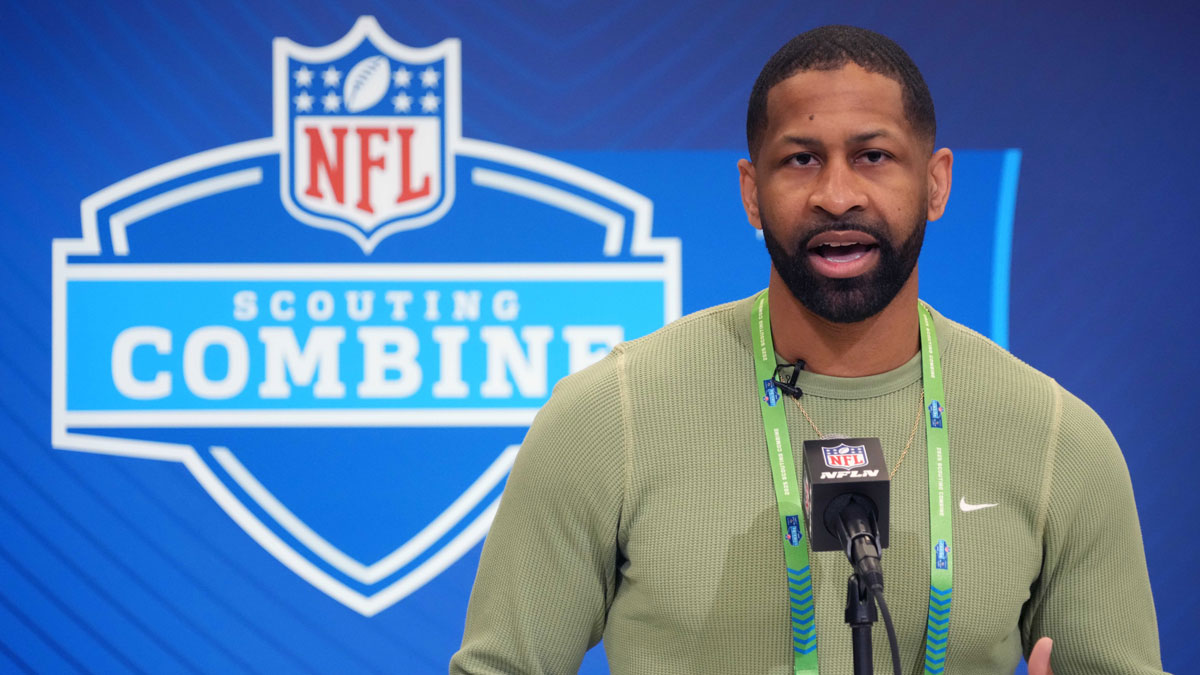
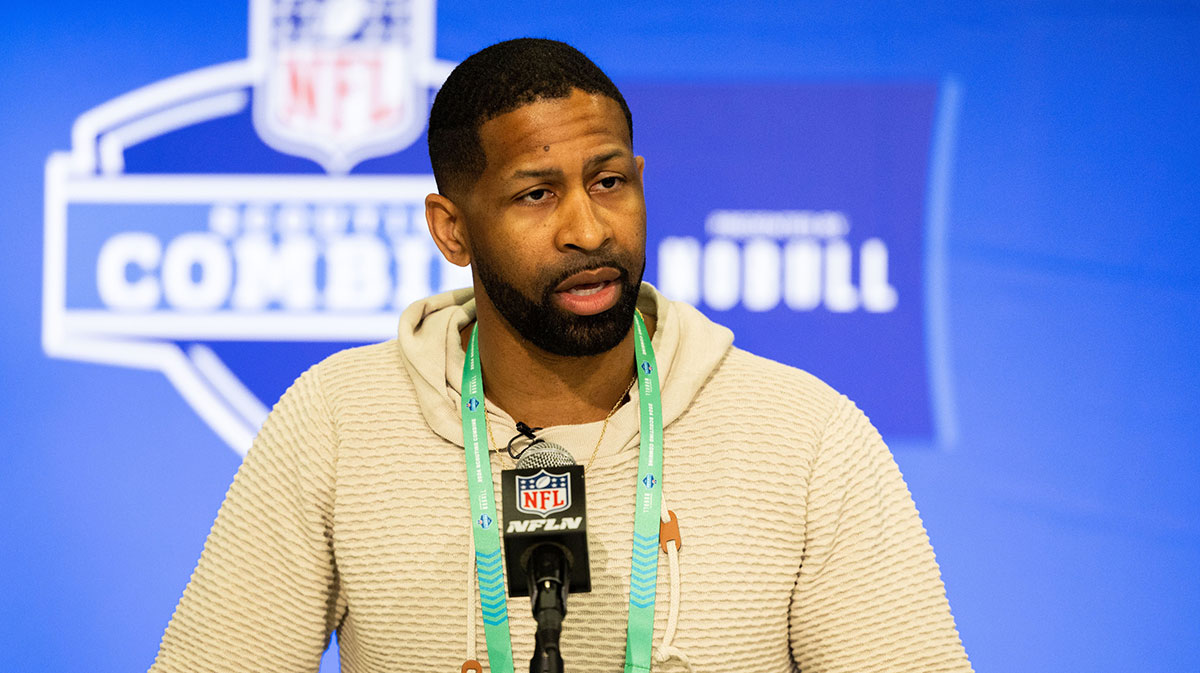
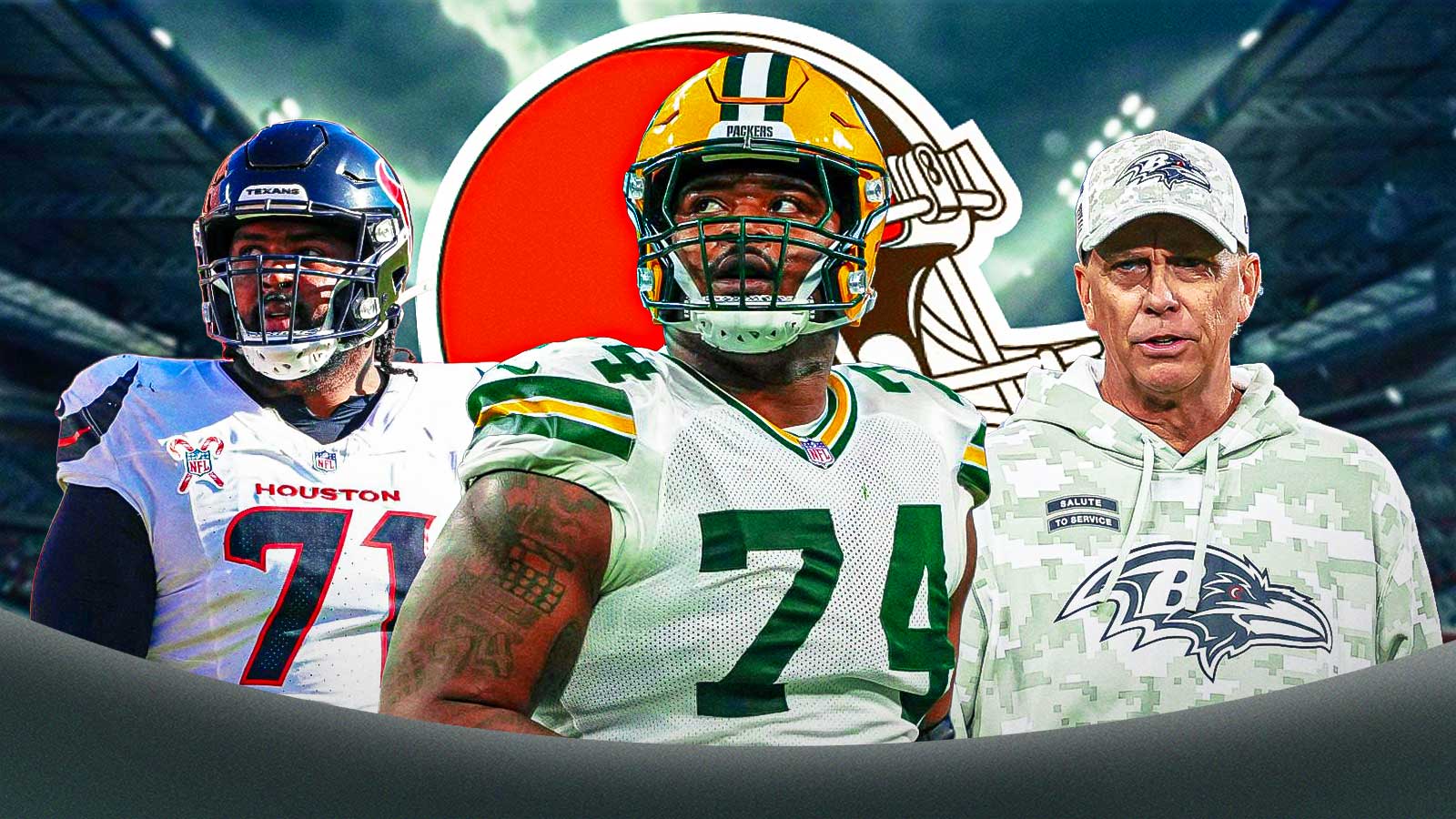
Looking back at the whirlwind of the 2026 free agency period, it is clear that GM Andrew Berry and the Browns’ brass were operating with a specific vision of veteran stabilization. The headline move of the spring was undoubtedly the aggressive overhaul of the offensive trenches. That was highlighted by a bold trade for Tytus Howard and the high-profile signings of interior stalwarts Elgton Jenkins and Zion Johnson. By also securing the return of Teven Jenkins, Cleveland has sent a resounding message that protecting the pocket is the non-negotiable foundation of their 2026 campaign.
The commitment to the offensive line reflects a philosophical shift. Cleveland is prioritizing control at the line of scrimmage as the bedrock of everything else. That approach is both logical and necessary. The Browns are no longer trying to outpace opponents but trying to outlast them.
Depth moves create flexibility
Beyond the massive bodies on the line, the Browns also moved to fortify their depth and special teams units. Bringing in wide receiver Tylan Wallace reunites him with Todd Monken. He should be a reliable target who understands the scheme. They even dipped into the secondary market with the addition of Daniel Thomas and Kalia Davis to ensure the defensive depth remains competitive.
These moves may not dominate headlines, but they matter. They allow Cleveland to approach the draft without being forced into specific positions. That freedom is invaluable, but it also increases the importance of making the right decisions. When you’re no longer drafting for need, the margin for error shifts. It becomes about fit, value, and long-term impact.
The lingering need
However, even with the offensive line looking significantly more robust, the biggest need heading into the draft remains a true, game-breaking threat in the passing game. Despite the veteran additions, the Browns still lack that undisputed number-one wide receiver. Jerry Jeudy continues to be a productive piece of the puzzle. However, he needs a running mate who demands double teams and creates room for everyone else to operate.
If Cleveland wants to truly unlock the potential of this offense under Monken’s guidance, they must find a playmaker with elite separation skills. They need someone who can dominate on the outside. The draft represents the final opportunity to secure that missing piece. Of course, it also presents several traps that could derail the progress made during free agency.
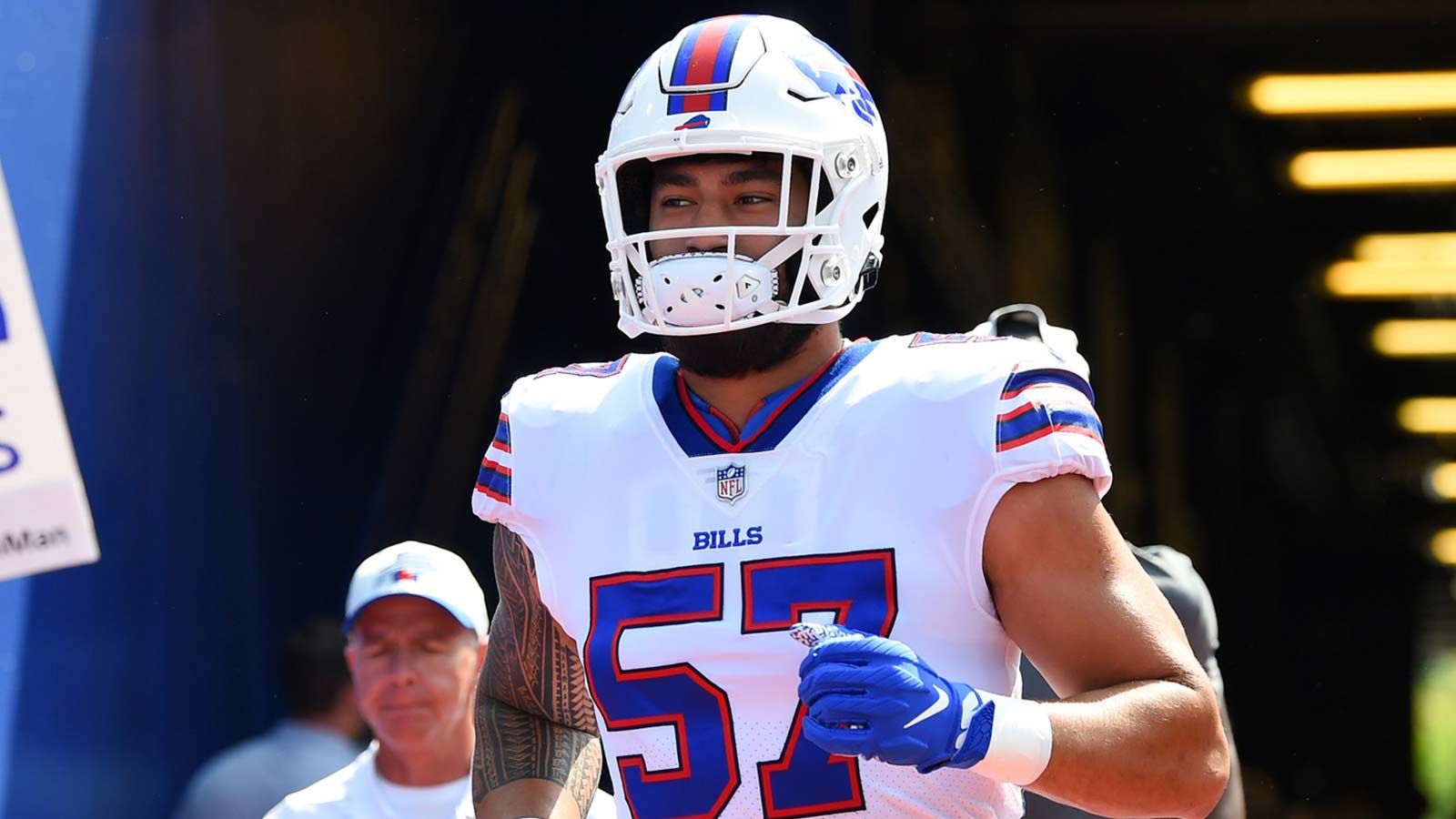
Pass on Francis Mauigoa
On paper, Francis Mauigoa checks every box you’d expect from a premium prospect. Size, strength, and the ability to anchor in tight spaces make him an appealing option for teams looking to solidify their offensive line. For Cleveland, though, that appeal is precisely why he must be avoided.
The Browns have already committed significant resources to rebuilding their trenches. The additions of Tytus Howard, Elgton Jenkins, Zion Johnson, and the return of Teven Jenkins have transformed the offensive line from a weakness into a strength. Investing another high pick in that same unit would be an inefficient use of capital that ignores more pressing needs.
There’s also a stylistic consideration. Mauigoa thrives in confined spaces, where his power can dominate. Against the elite edge rushers of the AFC North, his lateral agility becomes a question mark. Cleveland doesn’t need to take that risk, especially when the position is already stabilized. Drafting Mauigoa would be the safe move. However, safe isn’t what this team needs. They need impact and playmaking.
Steering clear of Arvell Reese
If Mauigoa represents redundancy, Arvell Reese represents risk. The Ohio State linebacker is one of the most intriguing athletes in this class. On paper, he boasts sideline-to-sideline range and the kind of physical tools that draw immediate attention. That said, tools alone don’t guarantee success.
Reese’s game is still developing, particularly in terms of processing and instincts. At the collegiate level, his athleticism allowed him to recover from misreads and still make plays. In the NFL, those margins disappear. The speed of the game punishes hesitation, and offenses in the AFC North are designed to exploit exactly that.
For Cleveland, the fit becomes even more questionable. Jim Schwartz’s defensive system prioritizes discipline and clarity. They rely on a dominant front four and a cohesive secondary. It’s not a scheme built around developing off-ball linebackers with raw traits. It's a system that demands immediate understanding and execution.
Using a high pick on Reese would be a gamble. This one doesn’t align with the Browns’ current trajectory. They’re not in a position to wait on development. They need players who can contribute now, particularly at positions that directly impact game outcomes.
Avoiding mistakes

The Browns don’t need to win the draft, but they definitely need to avoid losing it. That distinction matters. With a solid foundation already in place, the goal isn’t to overhaul the roster, but to enhance it strategically.
Passing on players like Francis Mauigoa and Arvell Reese isn’t about dismissing their talent. Rather, it's about understanding context and recognizing that fit, timing, and roster balance are just as important as raw ability.
Cleveland has done the hard work in free agency. Now comes the delicate part of staying disciplined when the draft board starts to shift. Because sometimes, the smartest move isn’t the one you make. It’s the one you don’t.