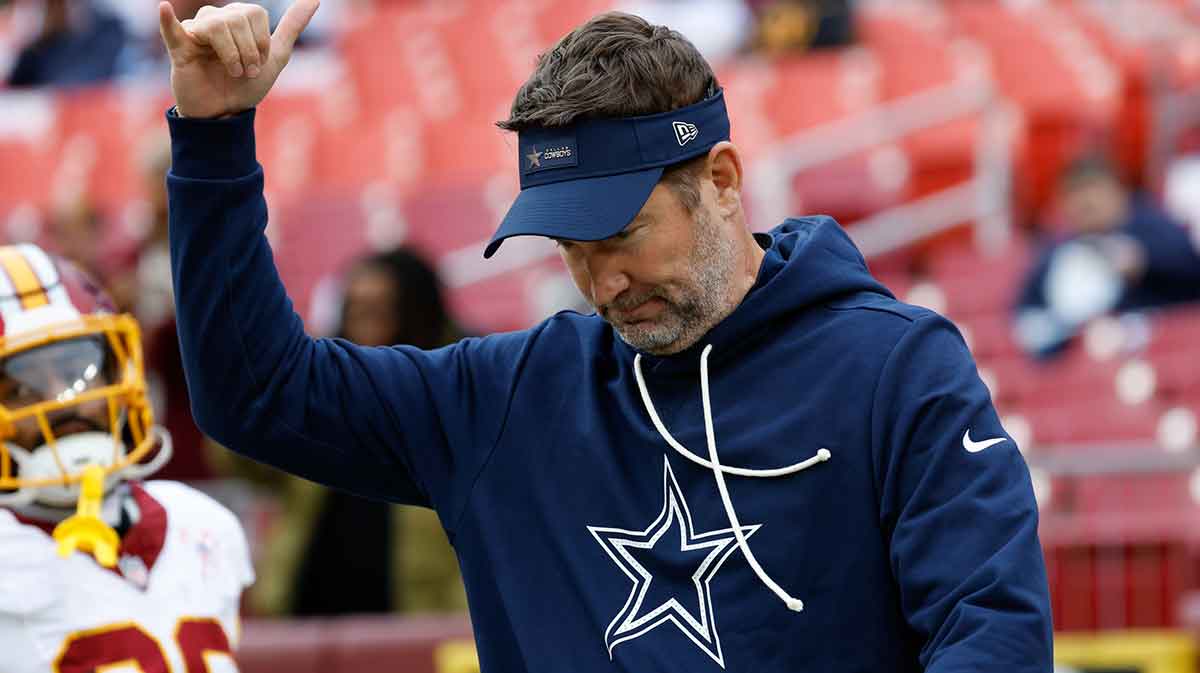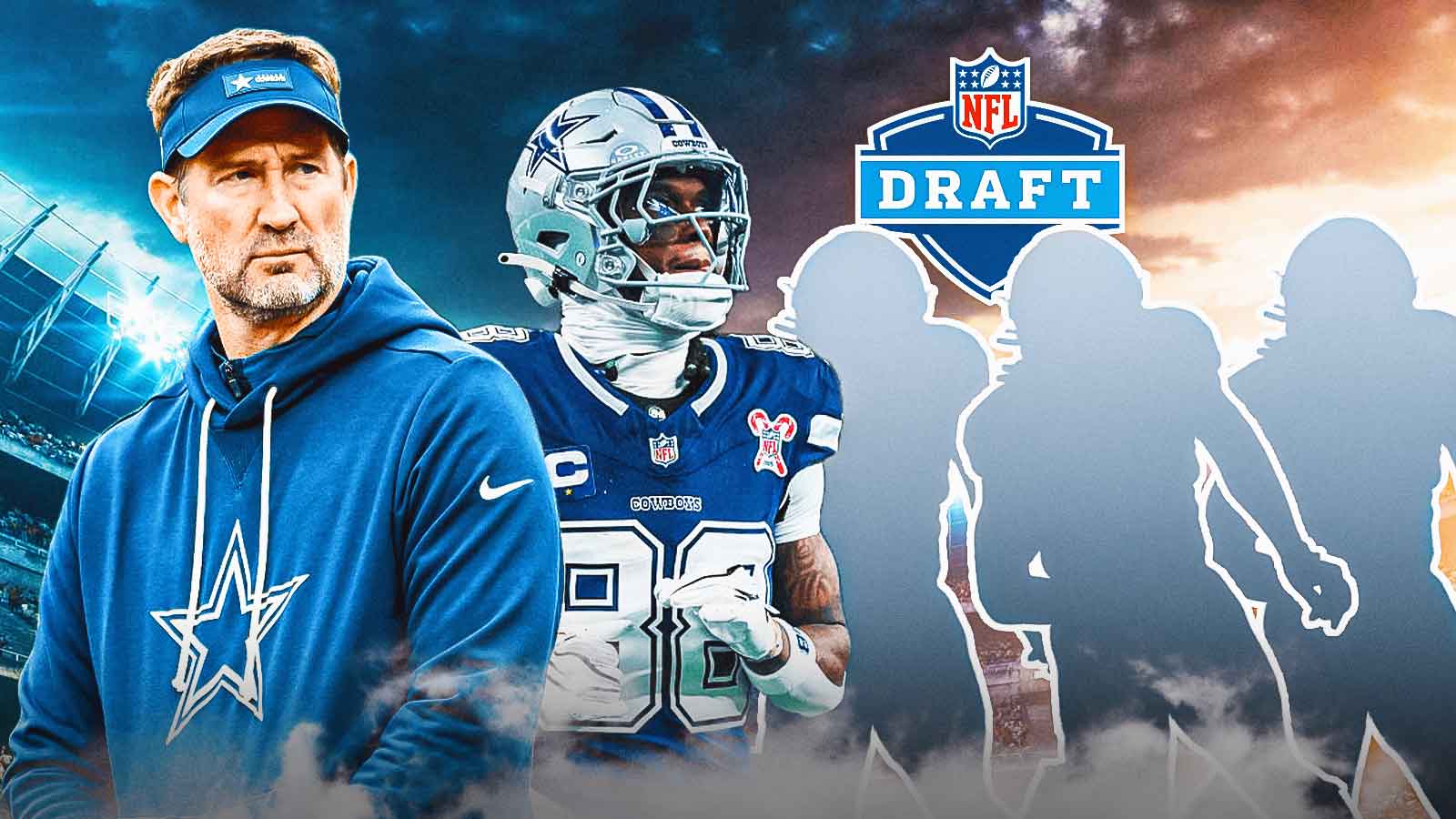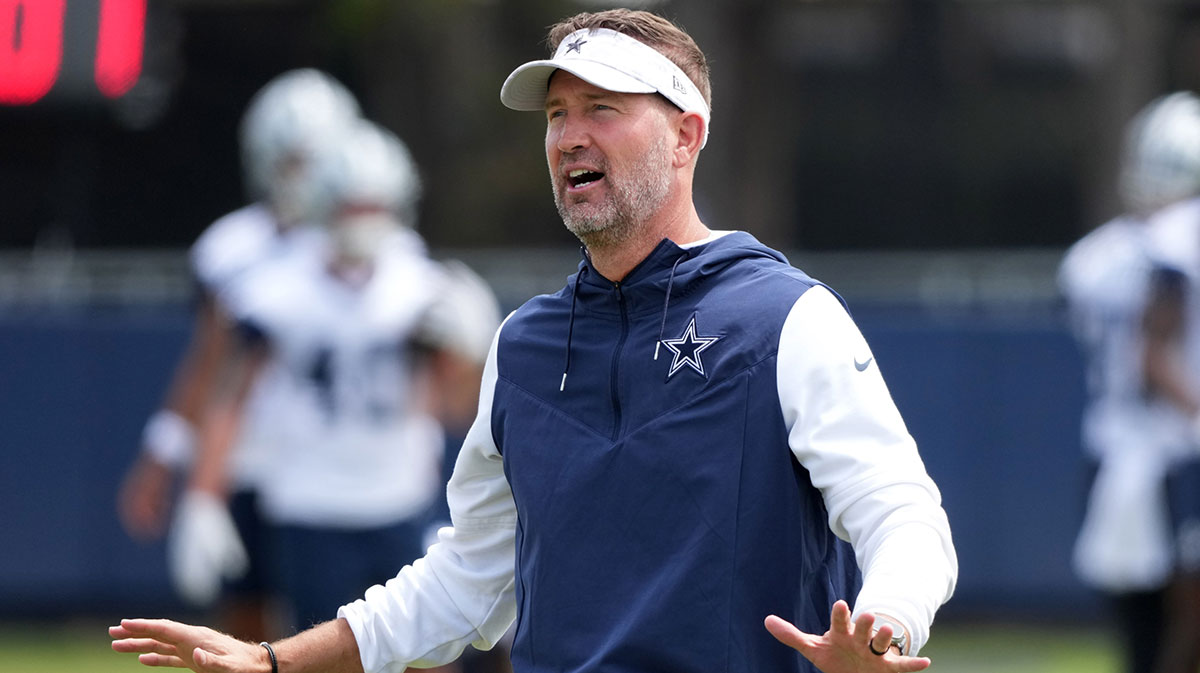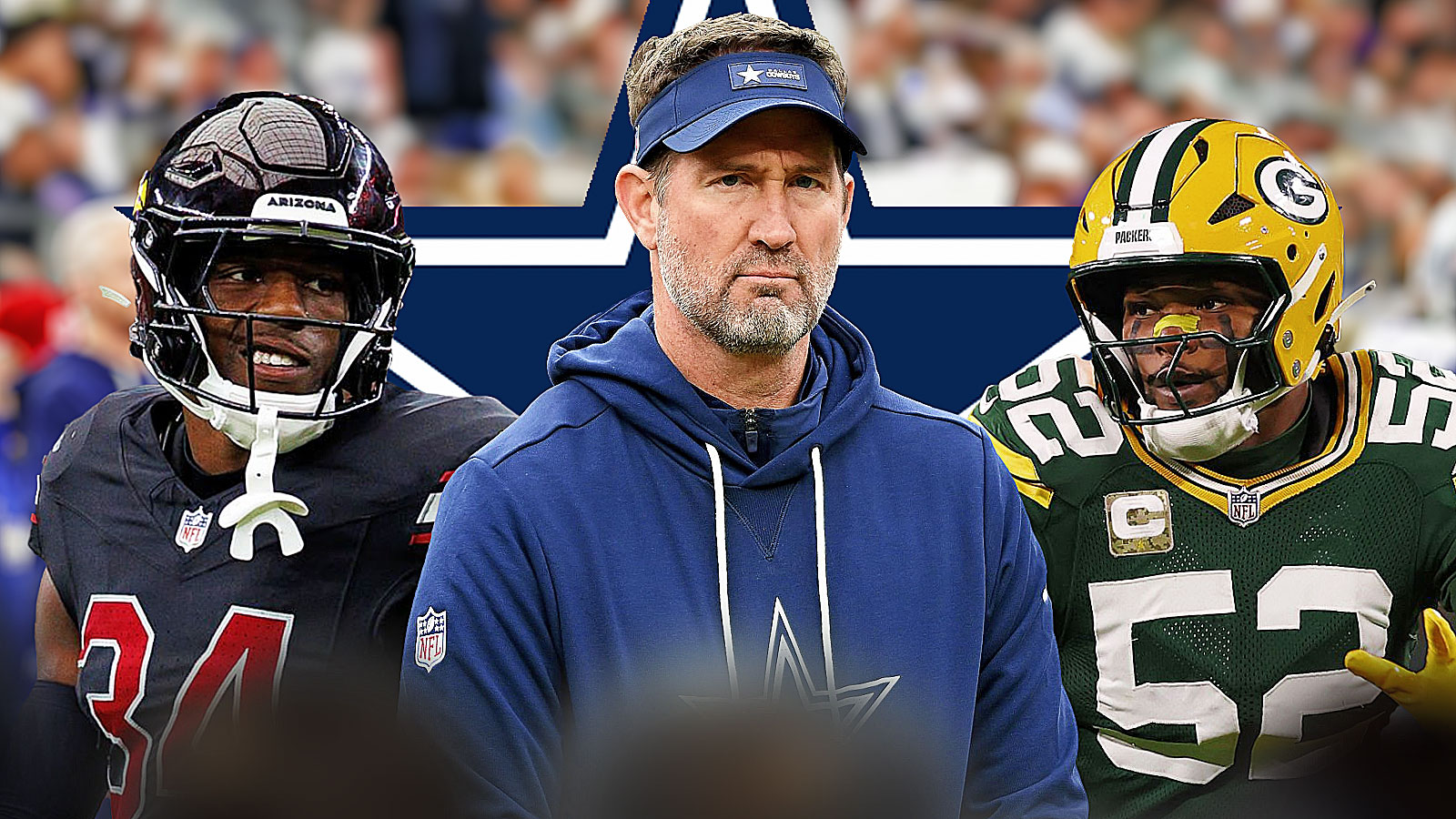
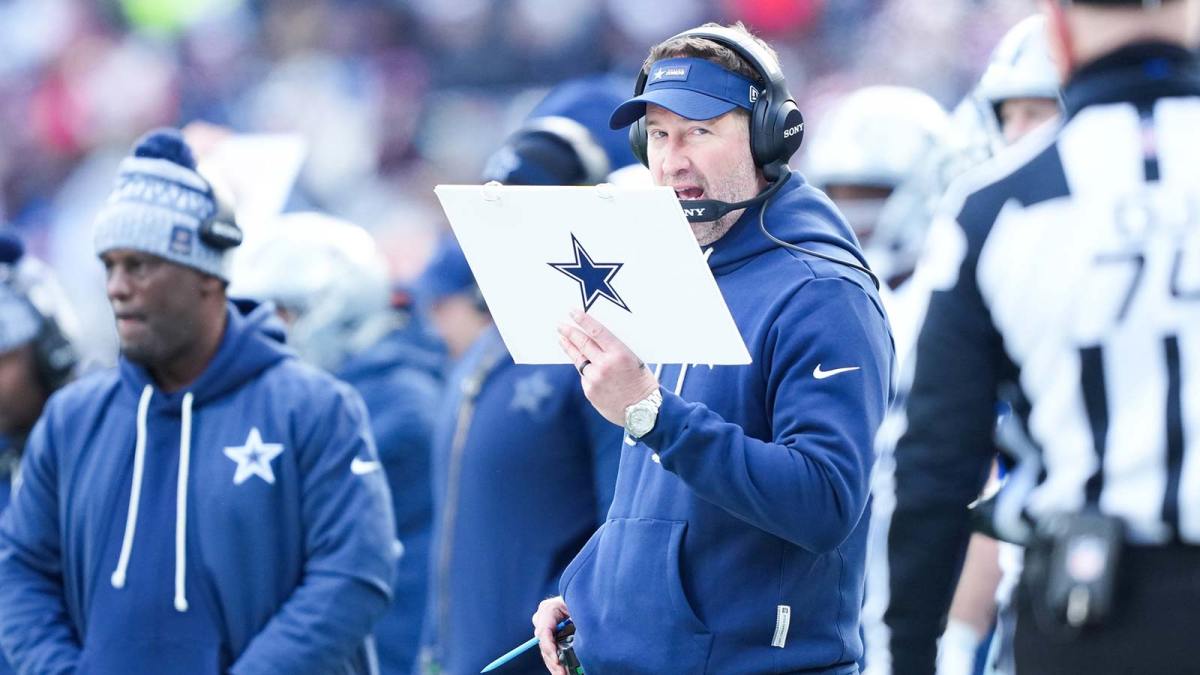
With two first-round picks and more flexibility than in recent years, the Cowboys are approaching the draft with an emphasis on patience rather than panic. Brian Schottenheimer has stated that the team is now positioned to “draft natural” and “draft pure,” reflecting the progress made during free agency, and Bruce Feldman of The Athletic even proposed a scenario where Dallas trades up from the 12th pick to the 3rd, bundling that selection with the 92nd pick to acquire Texas Tech edge rusher David Bailey.
This perspective suggests that the front office feels confident enough to avoid making hasty decisions just to create headlines.
While there has been outside speculation about making bold trades for a defensive star’s successor, a more sensible approach is to prioritize discipline over drama.
With picks at No. 12 and No. 20, the Cowboys have the opportunity to significantly improve their roster in one night. However, they risk wasting this advantage by pursuing prospects who might appear exciting in isolation but do not fit well with the team's overall needs.
Free agency highlights why this distinction is crucial, and the coaching staff has expressed increased confidence due to the offseason additions, and Schottenheimer specifically mentioned the impact of the new help on defense and other areas.
This doesn't imply that all positions are equally important, because the Cowboys should focus on using their first-round picks to reinforce areas that need attention rather than pursuing flashy options.
Essentially, the goal should be to avoid picking prospects that would duplicate previous investments, create unnecessary overlap, or divert attention from the essential work that remains.
EDGE David Bailey, Texas Tech
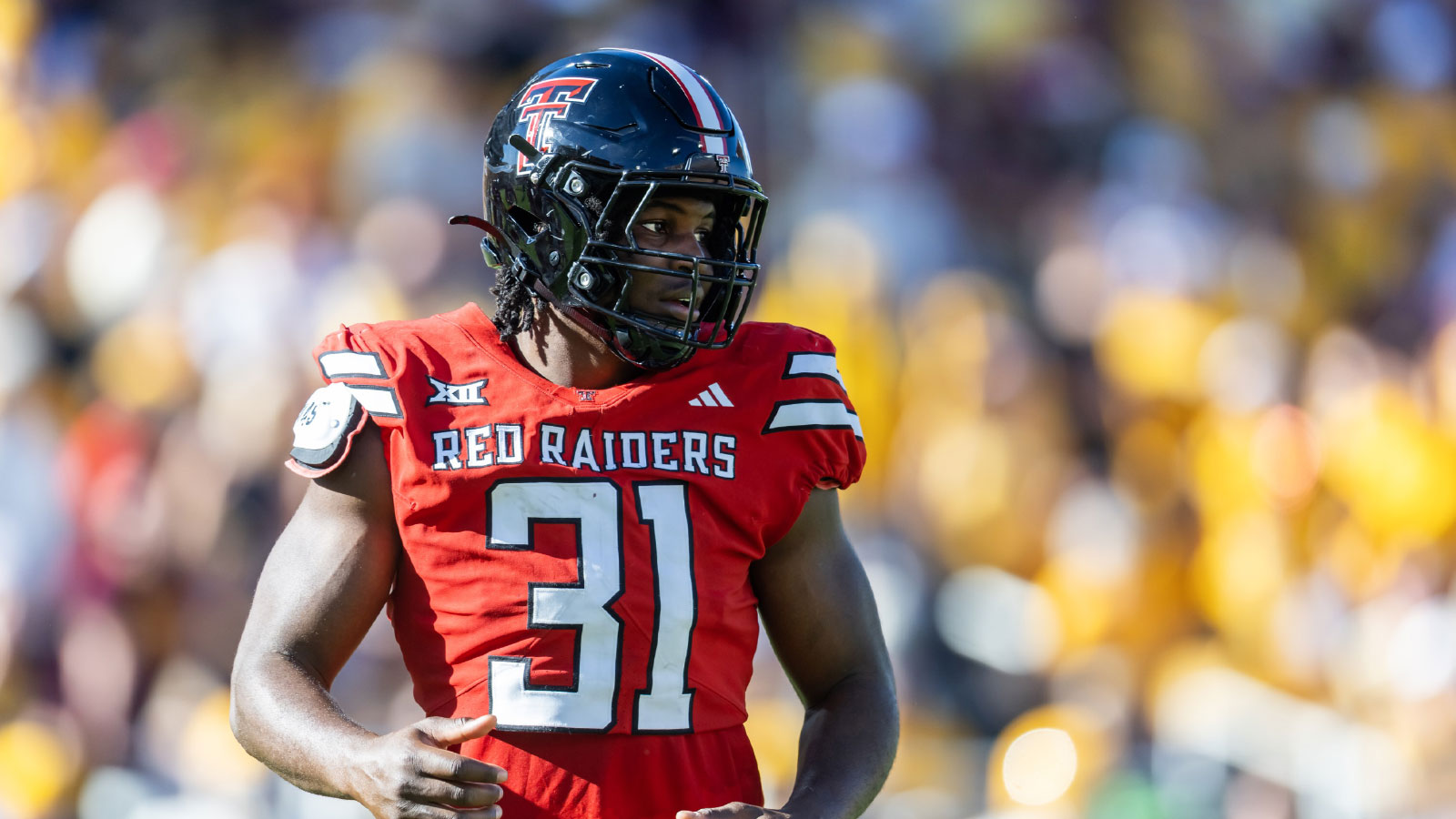
David Bailey is a prime example of a player who could become a mistake for a team due to the temptations surrounding him, and the argument for him is that he is explosive, productive, and dramatic enough to make a trade-up seem like a strong strategic move, but that is precisely why he belongs on this list. Such a move would contradict the logic that Schottenheimer has outlined.
The issue lies in the cost and timing, and when a team believes it is finally in a position to let the draft come to them, packaging premium assets to move up for one edge rusher becomes counterproductive.
This type of decision is emotional, driven by a team falling in love with a player's image while neglecting how many other areas can still be improved using their existing resources.
A team with two first-round picks should focus on maximizing its options rather than obsessing over a single prospect, and the Cowboys have enough leverage to enhance multiple key areas, which is far more valuable than making one risky move that drains a first-round and a Day 2 pick.
Schottenheimer’s comments suggest that the team understands this principle. Free agency was intended to prevent the team from making rushed decisions, and jumping up the draft board for Bailey would resemble such a rash move, even if he is a player worthy of admiration.
Additionally, the roster has already received considerable attention during free agency, so edge rusher shouldn’t be the only priority. Given this reality, a trade-up becomes even harder to justify, and in isolation, Bailey is an attractive prospect, but within the context of this roster, he could tempt the decision-makers to abandon the patience they have promoted for weeks.
QB Cade Klubnik, Clemson
Quarterback is often the easiest position to overhype, and Cade Klubnik is the kind of prospect that can lead to such mistakes.
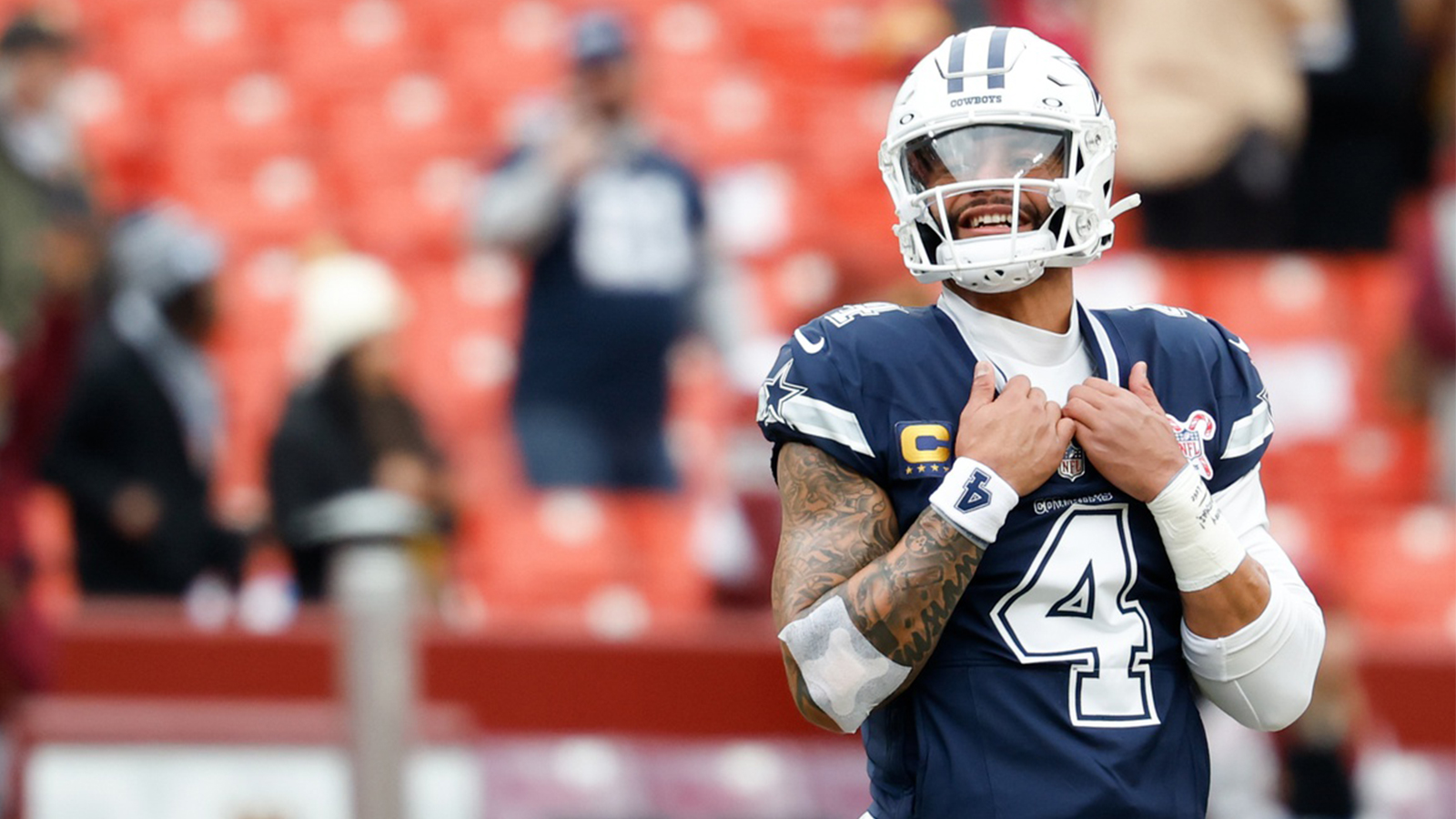
His pedigree, polish, and developmental potential might make a franchise believe it is being clever by planning for the future, but for a team built around Dak Prescott, this would be the wrong instinct.
The entire offseason has been focused on strengthening the team rather than reopening the search for a player in the most critical position, and Schottenheimer’s remarks reflect that broader strategy; the goal is to create options on the board rather than convert premium picks into insurance policies for long-term concerns.
Using one of the club's top selections on Klubnik would counter that strategy.
There is nothing about this roster that suggests spending a first-round pick on a quarterback for future development is the best use of their resources. Such a move may be sensible for a team in transition, lacking a true starter, or trying to reset entirely, and none of these situations applies to the Cowboys.
What they need is to bolster their existing core, not to draft a high-profile quarterback who would merely be a spectator and distract from the immediate goal of strengthening the current roster.
Selecting Klubnik would also lead to unwanted discussions because instead of focusing on how the roster has improved, the team would be forced to address questions about why such a valuable resource was allocated to a position that wasn’t a concern.
This is not only inefficient but also avoidable, and the Cowboys have enough pressing issues to address without inviting a secondary quarterback narrative into their operations simply because a high-profile prospect happens to be available.
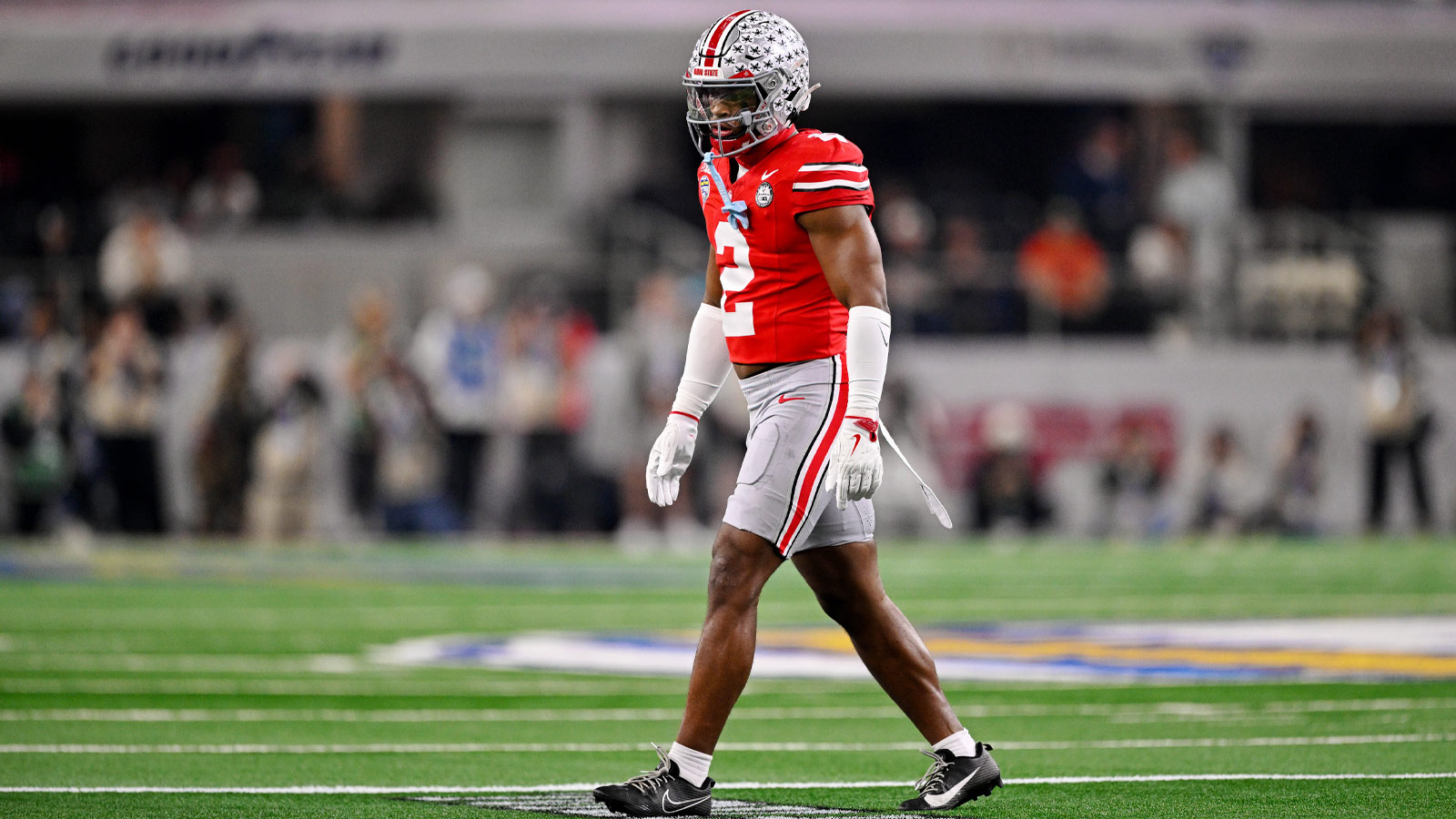
S Caleb Downs, Ohio State
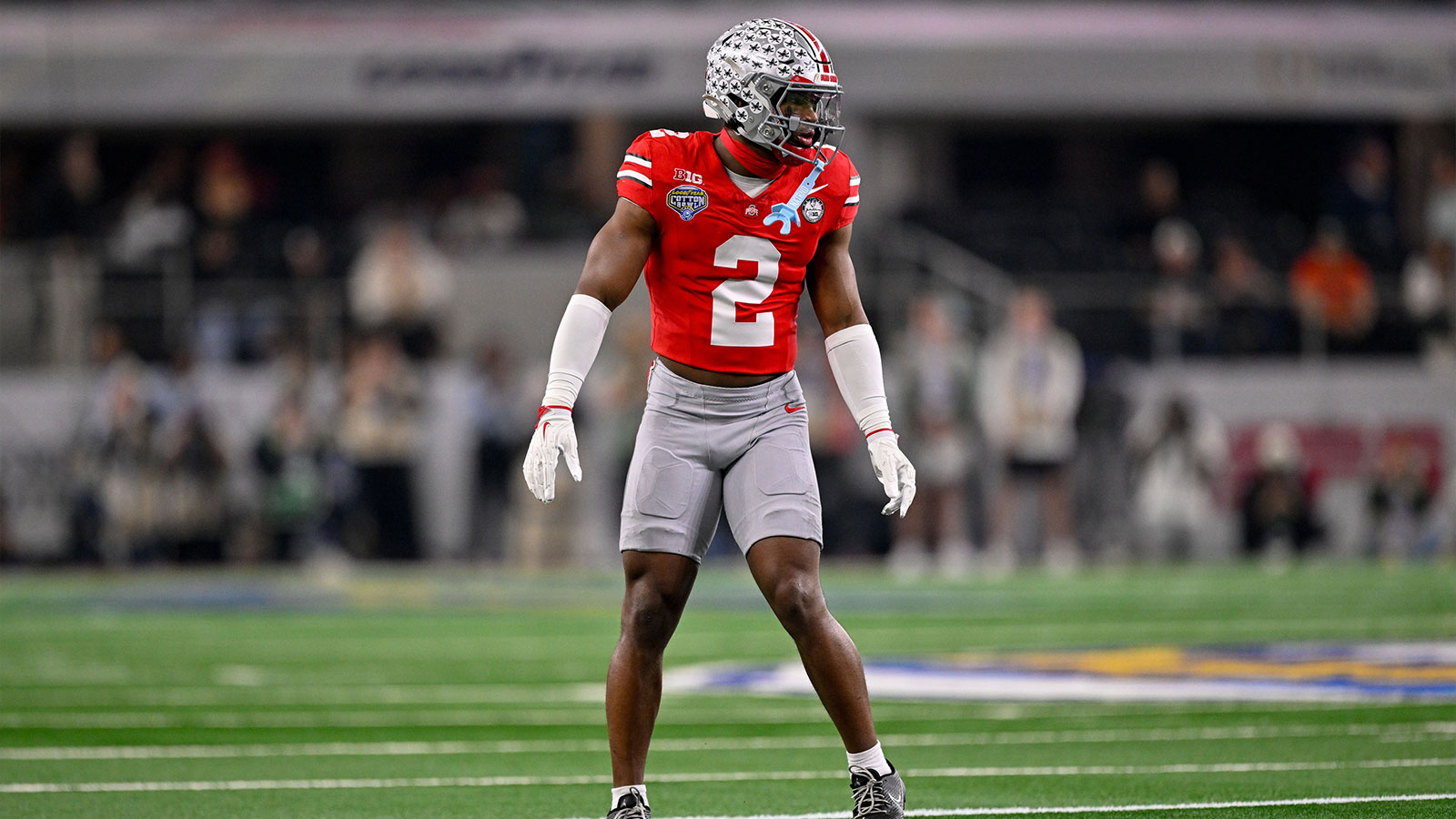
Few players in this draft class are as easy to admire as Caleb Downs, which makes him a potential risk for a team in the Cowboys' position.
He possesses enough talent that a front office can rationalize almost any decision revolving around him, especially since he plays in the secondary, and arguments for acquiring him often revolve around needing more range, playmaking, and intelligence on the back end. While these points may be valid, a compelling argument in theory doesn't always translate to a sound draft decision for the roster.
The team's free-agency moves play an important role here.
Schottenheimer has highlighted the offseason additions as evidence that the Cowboys no longer need to operate out of fear, particularly with a defense that has already received attention, and when a team allocates resources in the spring to strengthen its defense, selecting a premium safety can sometimes be seen as overextending in an area that has already been stabilized, rather than addressing positions that still require improvement.
This is the hidden cost associated with selecting Downs, as great safety can undoubtedly enhance a defense, but the real question is whether that improvement outweighs the potential benefits of using the same pick on a different position.
Schottenheimer’s “draft pure” philosophy only holds if the front office acknowledges this trade-off honestly. While a safety like Downs may be attractive, other positions might still hold greater importance. The risk lies in falsely equating these two truths.
In essence, Downs is not mentioned here because he is the wrong type of player, but he is included because he is the type of player a team could easily convince itself to pursue, and when a prospect is sufficiently talented, the distinction of fit often gets blurred.
Given the flexibility Dallas has this year, the front office should avoid making excuses.
RB Makhi Hughes, Oregon
Running back is one of the easiest positions to romanticize on draft night, and Makhi Hughes exemplifies this tendency. He brings excitement, balance, and an offensive appeal that can make a draft board appear more thrilling than it truly is, and for a team like Dallas, this is precisely why caution is essential.
The coaching staff has indicated that the roster is in a healthier position due to recent moves, and this brings about a significant draft-night trap: using newfound flexibility on a player that makes the offense more entertaining without genuinely strengthening the roster.
Selecting a premium running back would fall into this category.
Decisions like this are often justified using terms like explosiveness, depth, and the need to keep the offense dangerous throughout the season, but while there is some truth to these arguments, spending first-round resources on a player for more danger when “more completeness” can be found elsewhere is not wise.
With two picks in the top 20, the team should adopt a more strategic mindset, and Hughes may develop into a valuable professional running back, but that doesn’t necessarily justify the use of one of the team’s most prized resources on him.
Adding a running back can be helpful later in the draft, but selecting one with high-end capital before addressing more foundational aspects of the roster would send the wrong signal, a message that the team hasn't learned from past mistakes.
The Cowboys must avoid all these pitfalls if they truly believe they are as well-positioned as Schottenheimer claims.
The luxury of flexibility only holds value if the front office utilizes it wisely; otherwise, it becomes merely a means to rationalize the selection of the wrong kind of good player.