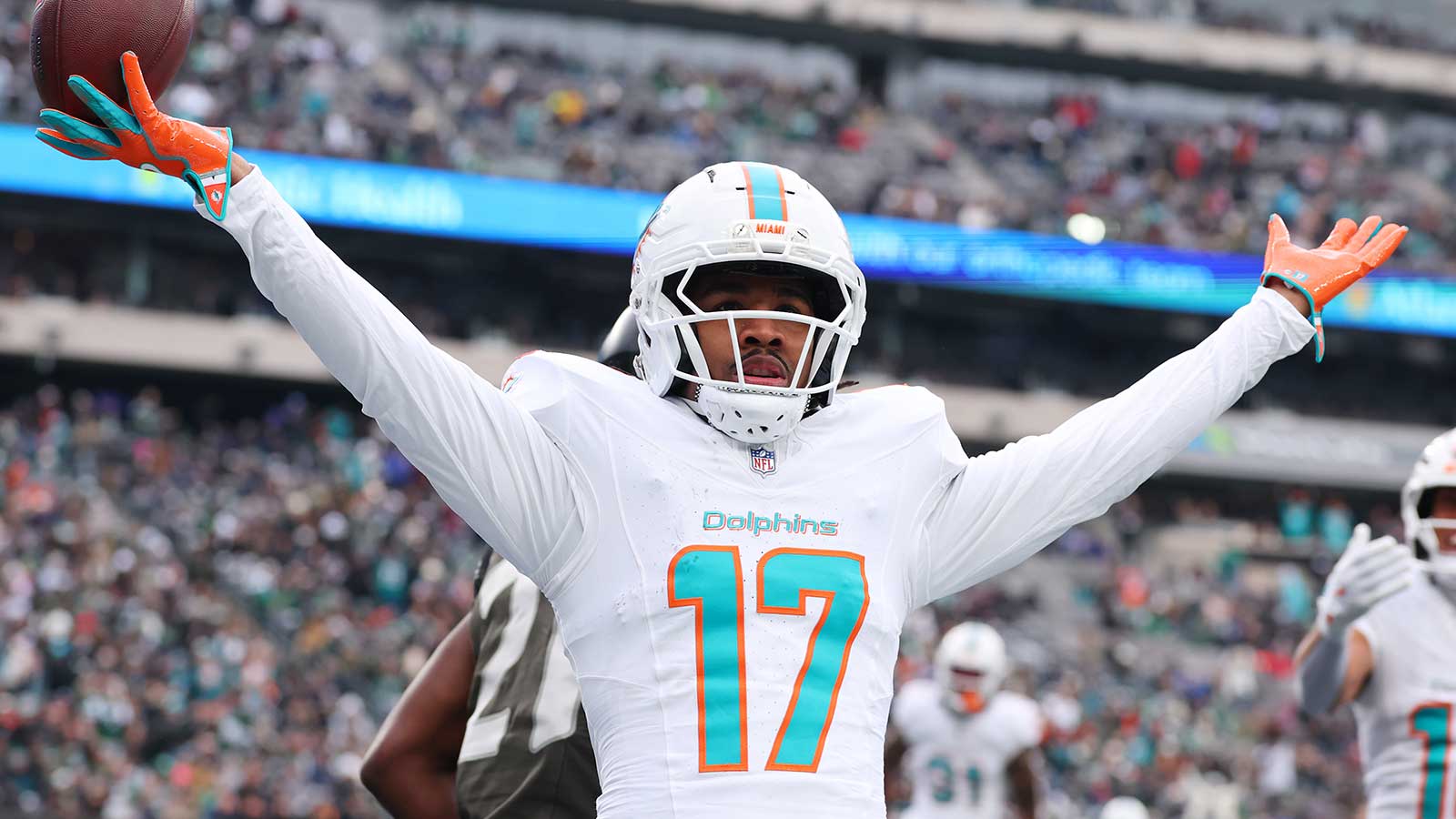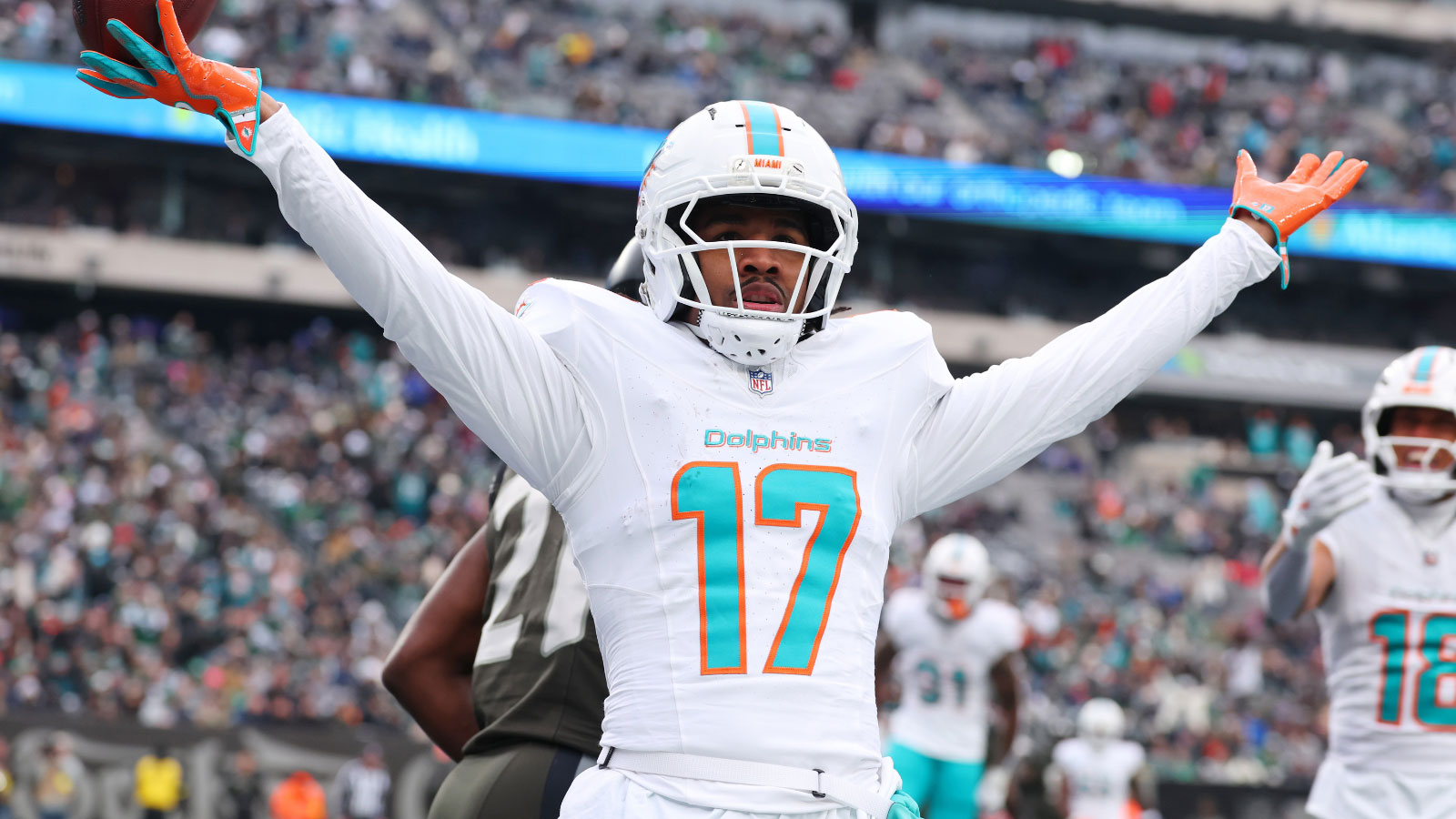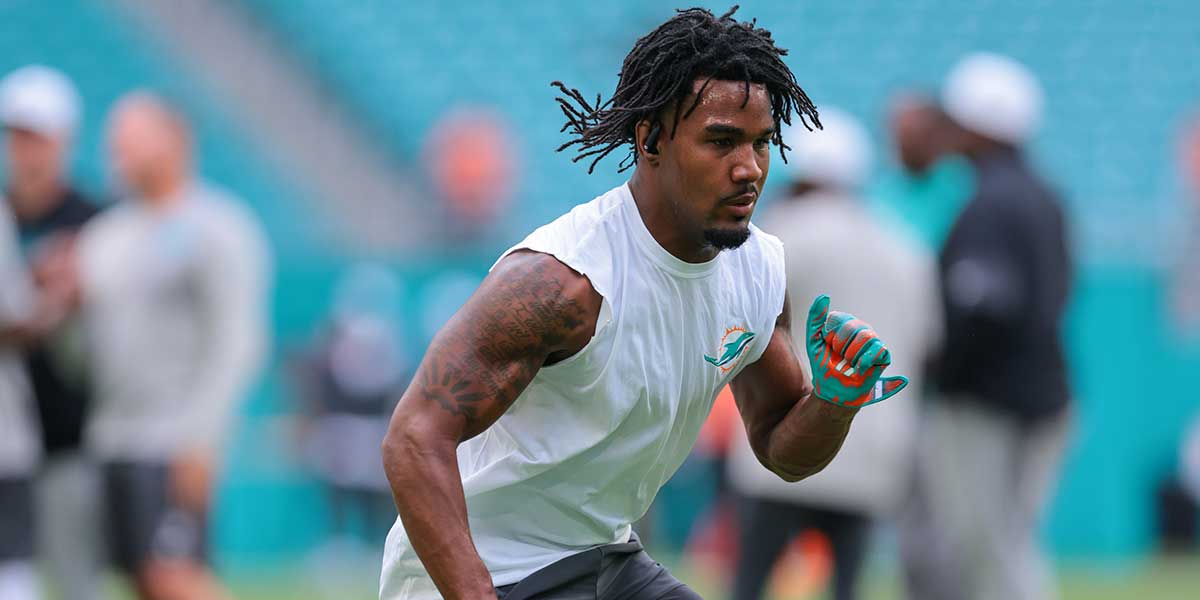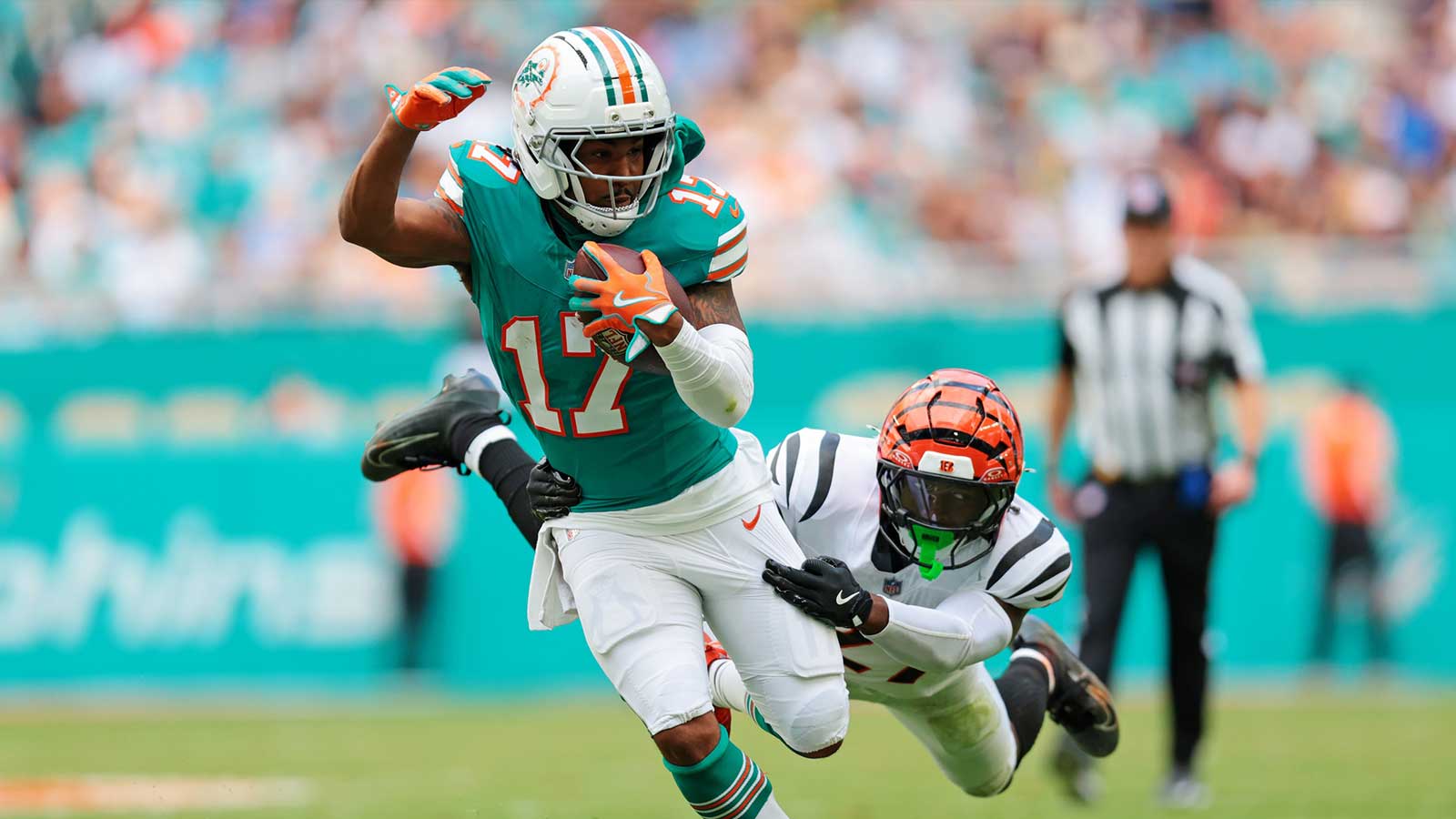
The narrative surrounding Denver's free agency changed drastically when the Broncos traded for wide receiver Jaylen Waddle. Part of the appeal of this trade was financial as much as it was football-related. According to ESPN’s Jeremy Fowler, Denver is only responsible for about $5 million of Waddle’s 2026 contract, as Miami had already paid much of his guaranteed money.
For a contender looking to acquire a game-changing receiver without absorbing the full initial salary cap hit, this detail was nearly as important as the player himself.
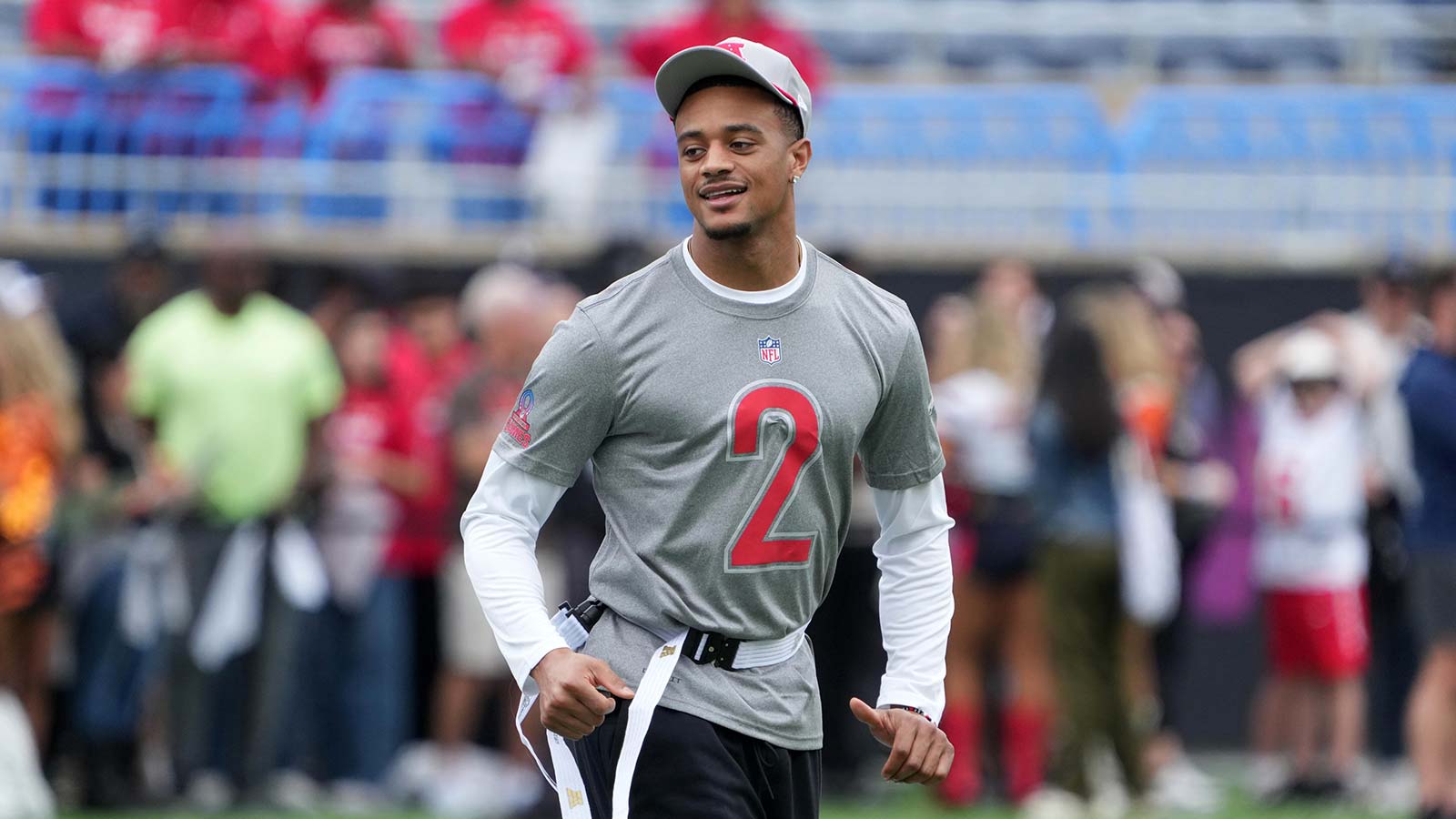
The emotional aspect of the move was also significant, and Waddle quickly reconnected with cornerback Pat Surtain II, his former teammate at Alabama and a close friend.
Both expressed their desire to share an NFL locker room one day, and Surtain described the reunion as “electric,” and Waddle mentioned that Surtain was one of the first people he called after the trade, adding a personal element that goes beyond a typical March transaction.
This major trade has also shifted the conversation around the draft practically, as Denver no longer holds the No. 30 pick it initially carried into the first phase of mock drafts.
The Broncos now have seven selections, starting at No. 62 overall, followed by picks 108, 111, 170, 246, 256, and 257; therefore, a thorough post-free-agency analysis for this team needs to be approached in two layers.
Earlier national mock drafts reflect what analysts believed Denver needed before the Waddle trade eliminated its first-round pick, and in contrast, more recent local mock drafts and simulations indicate where the focus shifts now that the Broncos are building from Day 2 and Day 3 of the draft, rather than the latter part of Round 1.
This split makes Denver’s situation more intriguing than it may initially seem, as the absence of a first-round selection does not eliminate the roster questions that need to be addressed. However, the team must now find solutions with fewer high-value picks.
LB Jacob Rodriguez, Texas Tech
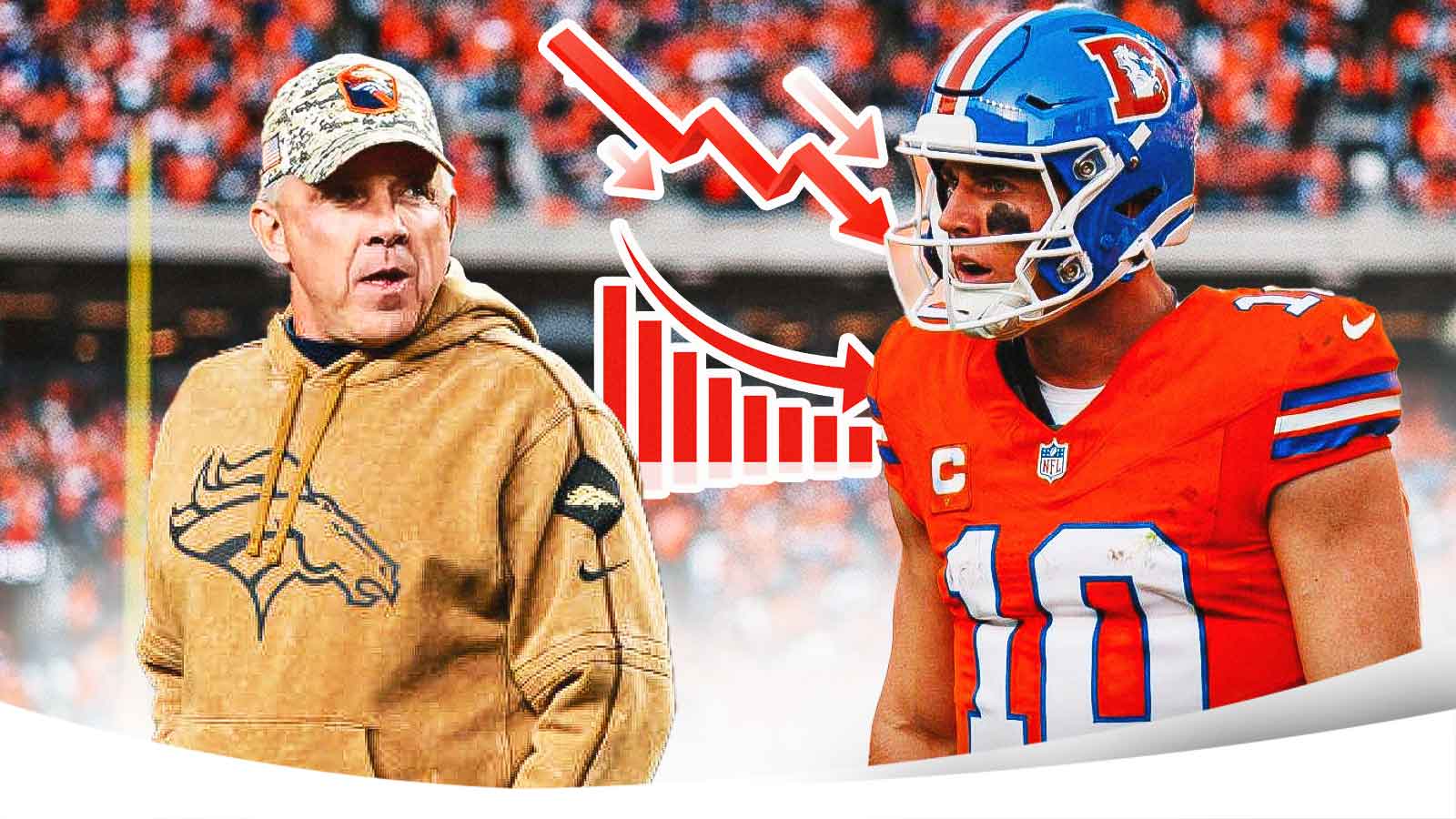
Tim Crean’s projection was made before the Waddle trade, but it illustrates how Denver was viewed by outside evaluators. In his Broncos roundup, he paired the team with Jacob Rodriguez, arguing that Sean Payton’s roster still requires a true long-term solution at linebacker.
Crean described Rodriguez as a player who creates explosive plays at Texas Tech, a linebacker who can sometimes get pushed around near the line of scrimmage but generates enough disruptive moments to project as a future starter, and this description is significant as it highlights a need that remains even with the addition of Waddle.
Denver has been working to stabilize its linebacker position, and despite retaining some players and reshuffling depth, there is still a pressing need for a young tone-setter in that area.
Rodriguez may not be a high-profile prospect, which could work to his advantage. The Broncos are currently in a position where they should prioritize substance over glamour, and what they need is a prospect who can help maintain the defense's speed and intensity for the coming years, which aligns perfectly with Crean’s insights.
S Emmanuel McNeil-Warren, Toledo
Mel Kiper Jr.’s pre-combine mock draft was also created prior to the Waddle trade, but it is useful because it provides insight into how Denver’s roster was assessed before the team changed its draft capital.
Kiper projected Emmanuel McNeil-Warren to the Broncos at No. 30, noting that the fit might not produce immediate excitement due to the presence of Talanoa Hufanga and Brandon Jones.
However, his main point was that Denver appeared to be planning for the secondary, and this insight has proven accurate as one key takeaway from the Broncos’ offseason is that, while there has been a lot of attention on the receiver position following the Waddle trade, the team is still focused on maintaining a strong defense rather than solely prioritizing offensive upgrades.
McNeil-Warren embodies this philosophy, and Kiper highlighted his size, length, and ball production, making it clear that drafting a safety like him is about creating a secondary that remains formidable and reliable, not just filling immediate needs.
Though McNeil-Warren is no longer a direct projection for Denver after losing their first-round pick, he still provides insight into the type of defensive back traits that the team valued prior to free agency and the Waddle trade.
LB C.J. Allen, Georgia
Joel Klatt made a similar projection for Denver, selecting linebacker C.J. Allen based on a more traditional rationale.
In his first 2026 mock draft, Klatt argued that as the draft progresses, teams typically start prioritizing their needs, and for the Broncos, that need is at linebacker. He pointed out Allen’s experience, All-American status, and recognition as a Butkus Award finalist, emphasizing the reputation of Georgia defenders for entering the league with a high level of polish.
This is not just draft folklore, and it matters because Denver is structured to compete now, rather than to wait for a major developmental project at linebacker.
Allen’s profile aligns well with this approach as he would not be expected to become the face of the team but would instead be tasked with keeping the unit sturdy, communicating effectively, and performing well against the modern spacing attacks that every AFC contender encounters.
Although the Broncos have since traded out of the first round, Klatt's mock confirms the broader theme that linebacker has consistently been a significant focus for Denver throughout the drafting process.
RB Mike Washington Jr., Arkansas
Following the Waddle trade, the mock conversation shifted significantly.
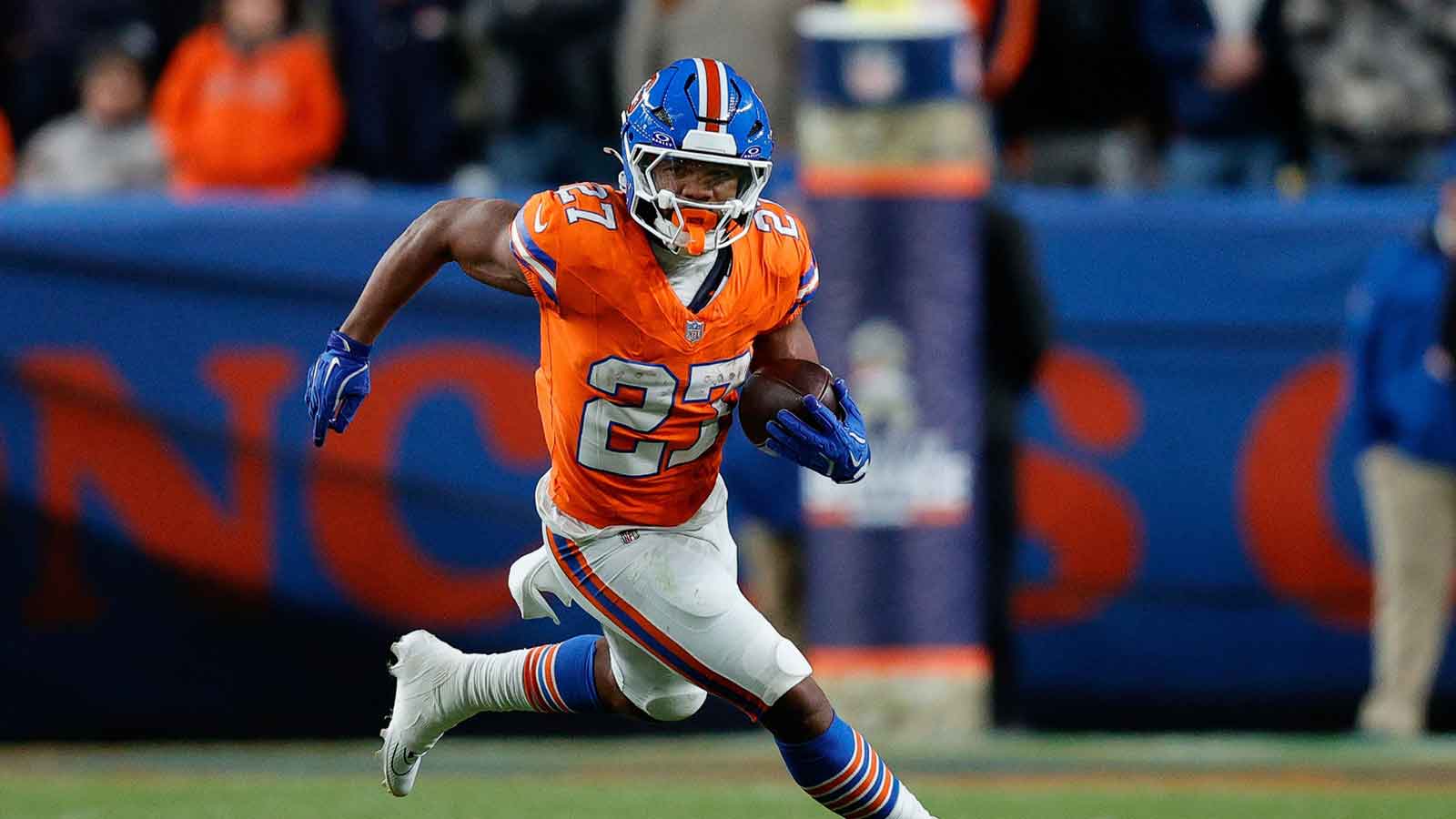
Tim Lynch’s post-trade simulation at Mile High Report reflects the Broncos’ current reality better than any lingering first-round projections, and after the reduction in Denver’s draft capital, Lynch conducted several automatic mock drafts and found himself particularly interested in a scenario where Mike Washington Jr. was selected by the Broncos in the second round.
While some may consider it a reach, he explained why this choice makes sense given Denver’s need for a running back who can manage first- and second-down responsibilities like J.K. Dobbins.
This aspect of the pick is intriguing, not because running back has suddenly become the top priority, but rather because it highlights the need for offensive balance after the Waddle trade. Adding a dynamic wide receiver alters the pressure points faced by a defense, and pairing that with a capable running back can help keep the offense on track, making it more challenging for defenses to contain Bo Nix. Lynch's mock draft holds value precisely because it accounts for the changes that have occurred since the draft board shifted.
Denver no longer has the luxury of acting as if all options are available at the end of the first round, and the current question is how the Broncos can maximize immediate impact from a limited set of picks. Drafting a productive running back in the second round is one practical solution.
This roundup reveals that the Broncos' draft strategy has evolved from focusing on one obvious headline selection to developing a support system around a roster that is already confident it can contend, and the Waddle trade was a significant move in terms of draft capital, although it may not have as heavy an impact on immediate cash flow as initially perceived.
The cost of this bold choice means that they must now be more selective, disciplined, and likely more creative once the draft begins.
A team picking at No. 30 can convince itself of various narratives, but a team starting at No. 62 must confront reality.
Denver’s reality appears to be that its roster is solid enough to seek finishing touches rather than engage in rescue missions, which usually leads to a more compelling draft than the flashy ones often discussed first.