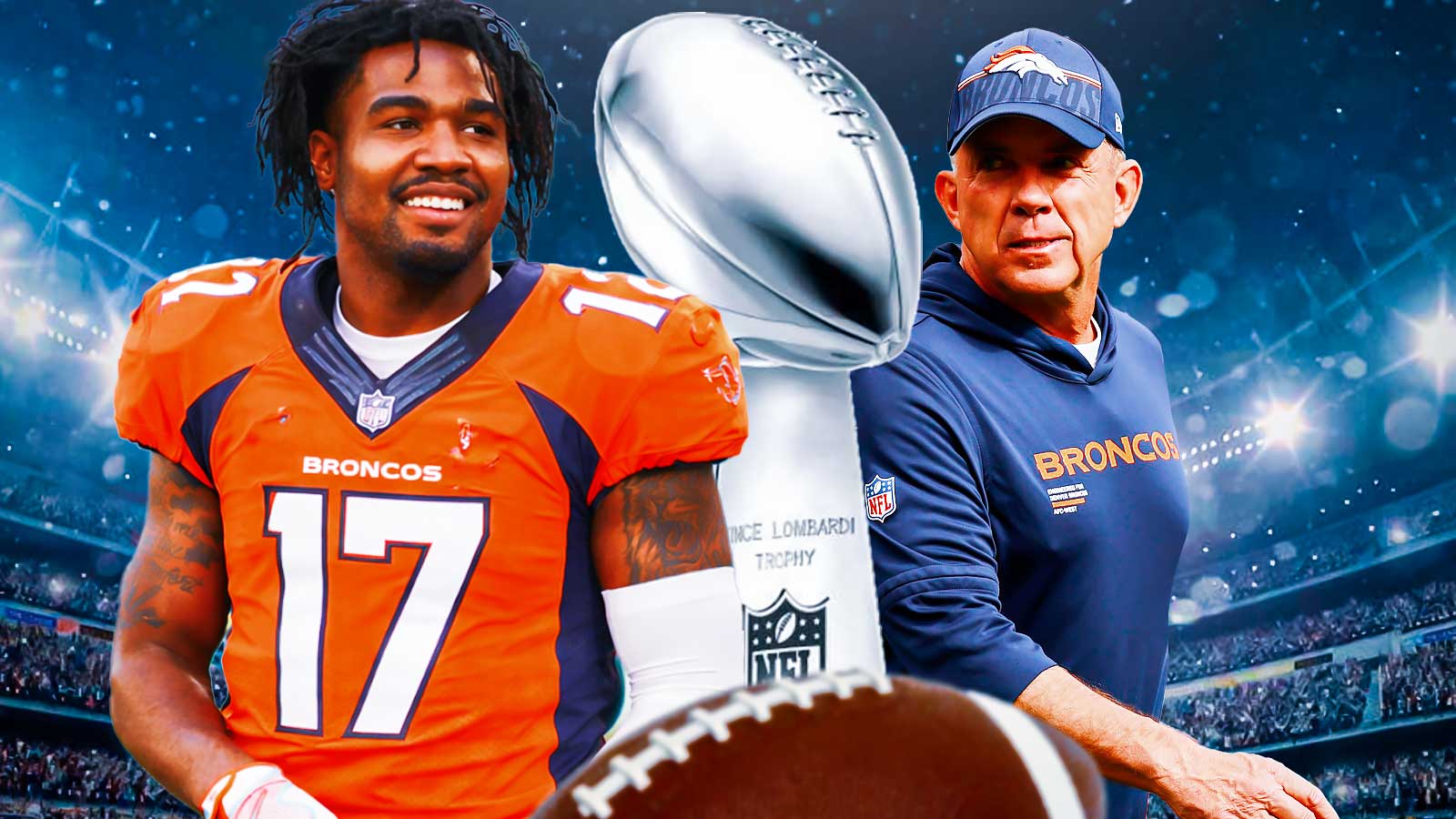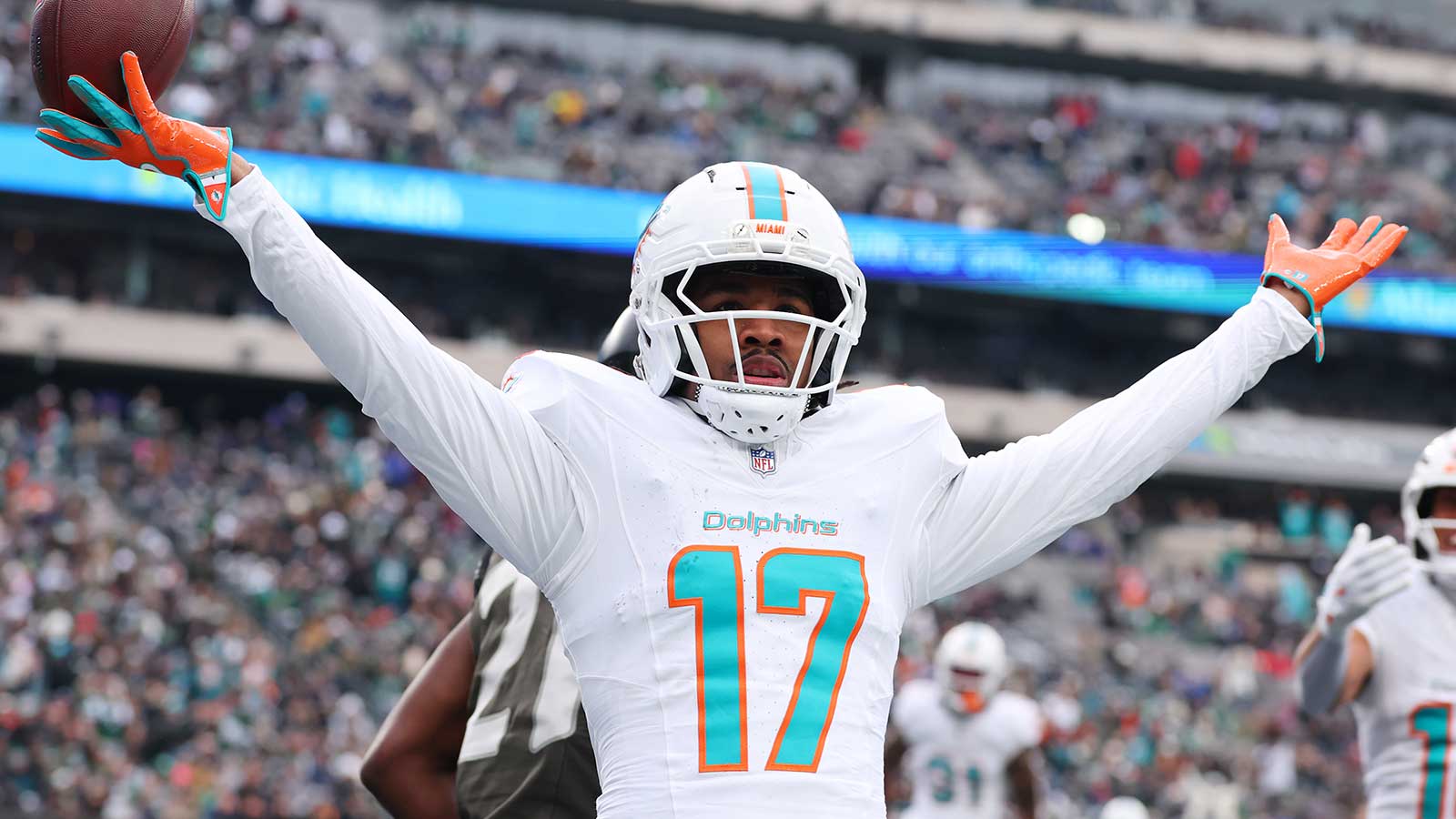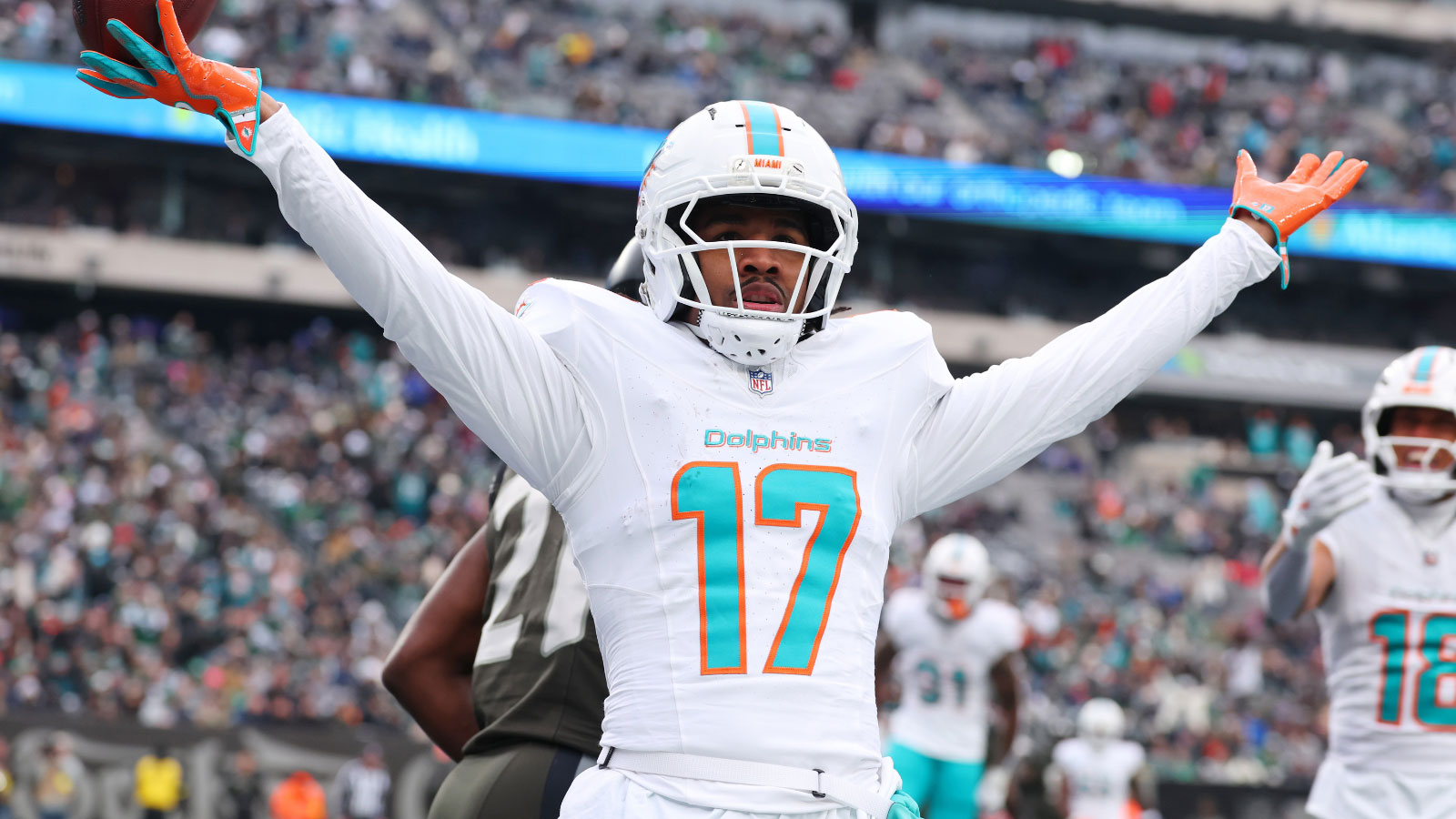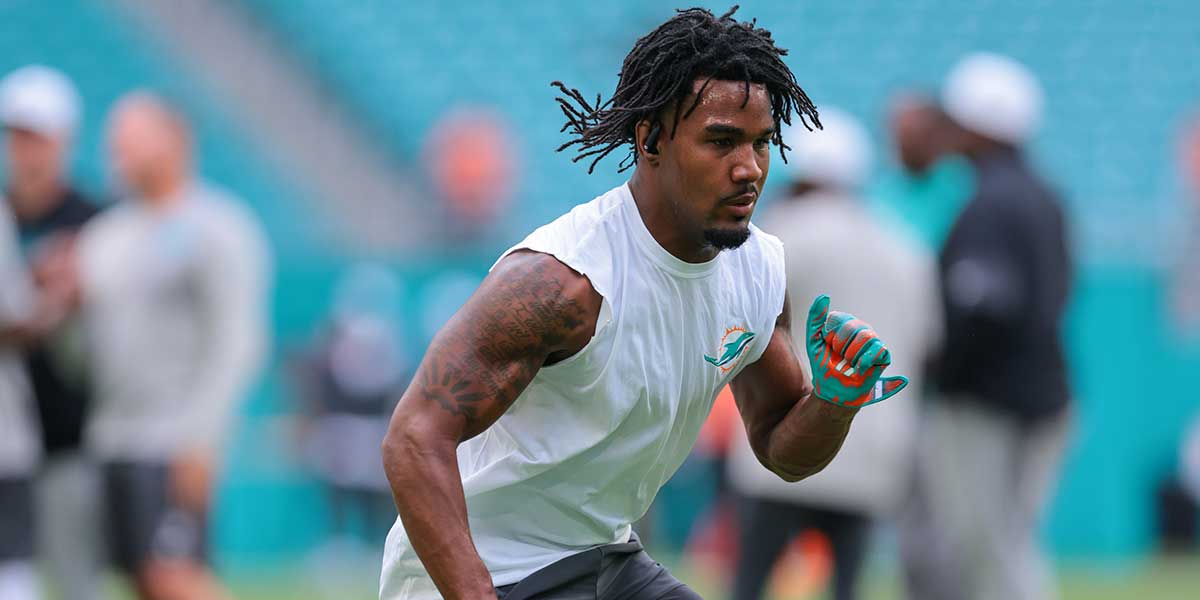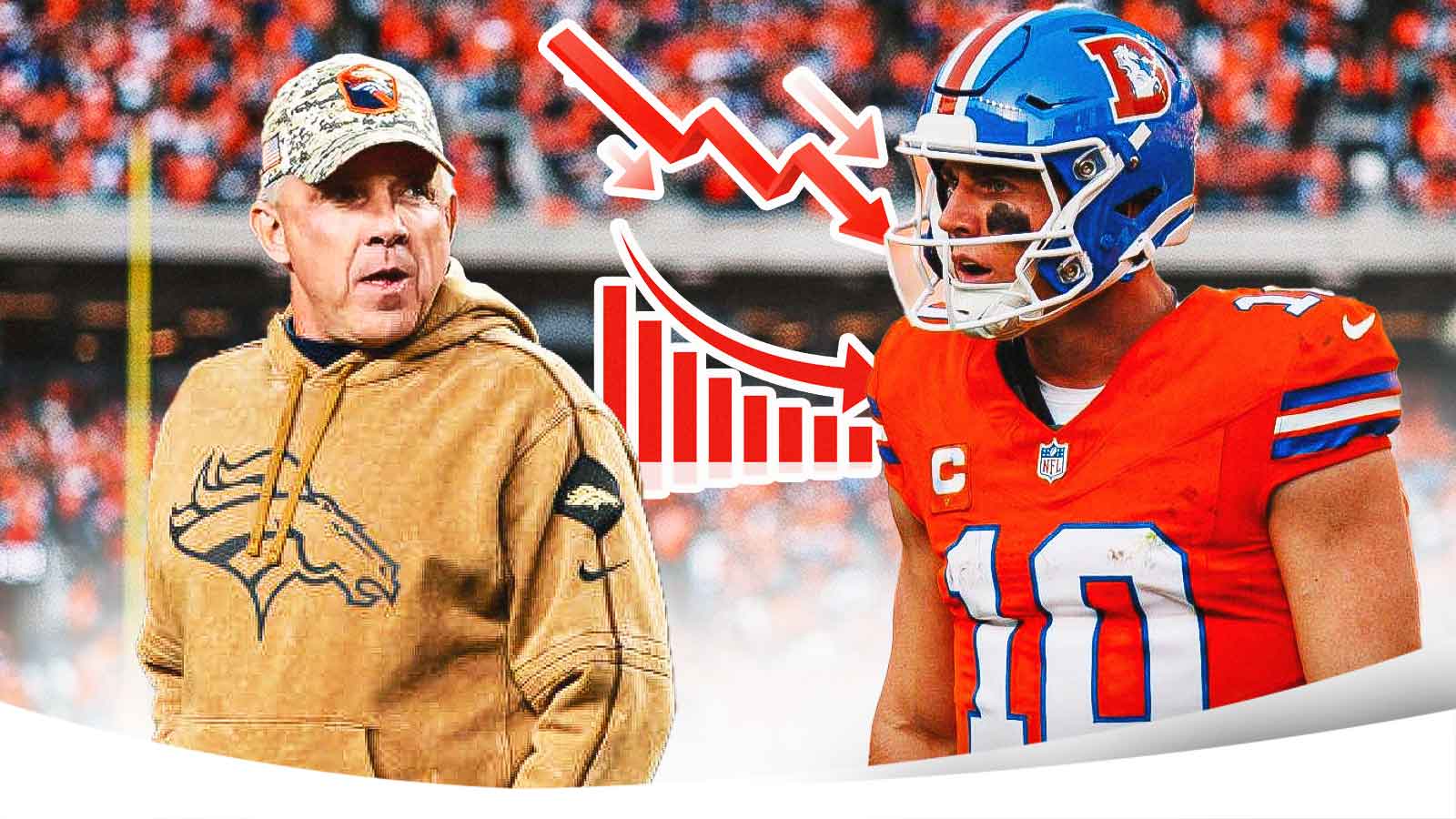
The NFL Combine did not drastically shift expectations for the Denver Broncos. Instead, it clarified them. With the 30th overall pick, Denver is competitive enough to draft late. However, they are incomplete enough to demand precision. Sean Payton and general manager George Paton are not rebuilding but refining. The 2026 NFL Draft, viewed through the PFF mock draft simulator lens, reveals a franchise attempting to deepen its secondary. It will inject versatility into the offense and quietly future-proof its roster around quarterback Bo Nix.
Draft priorities
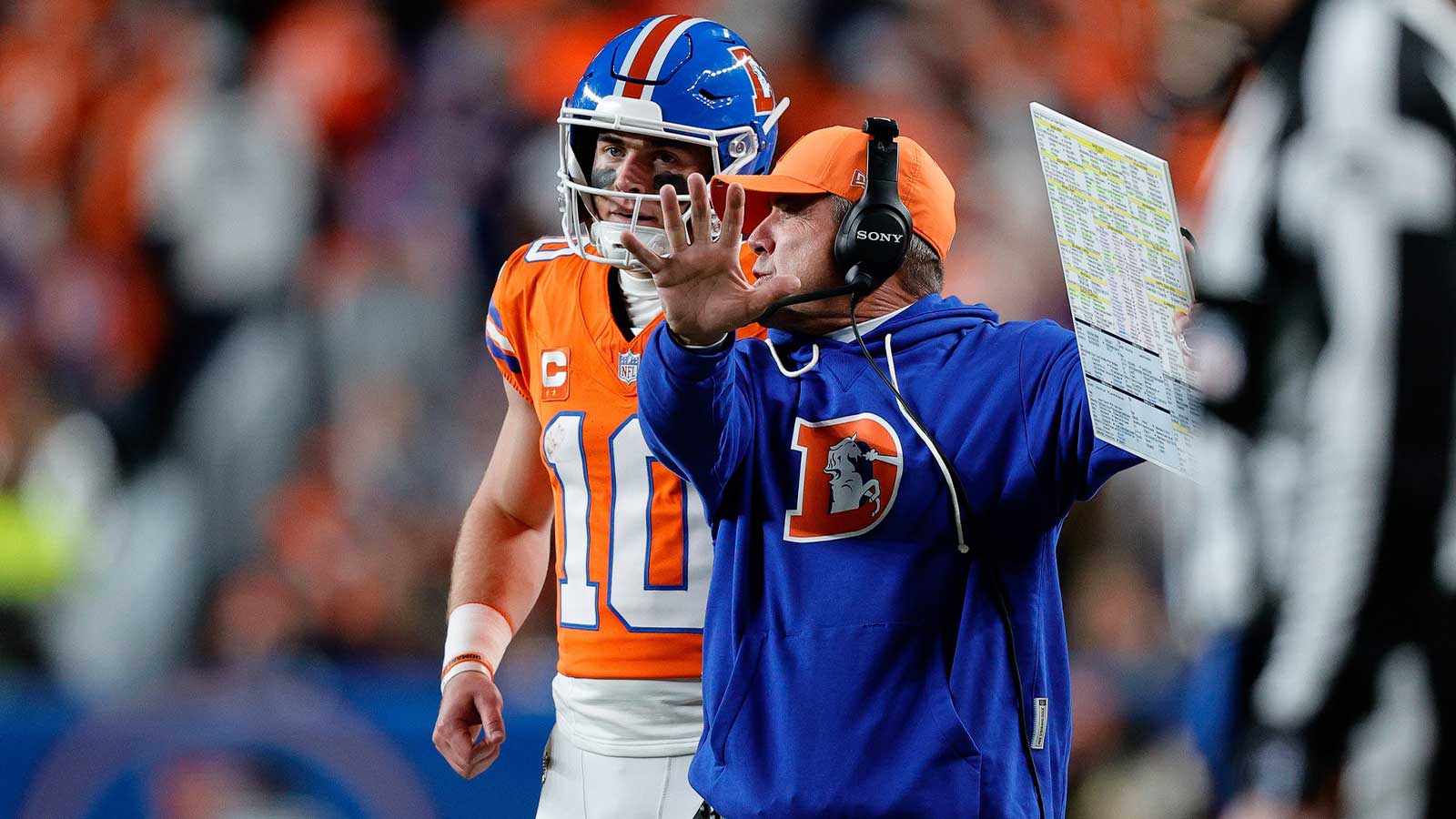
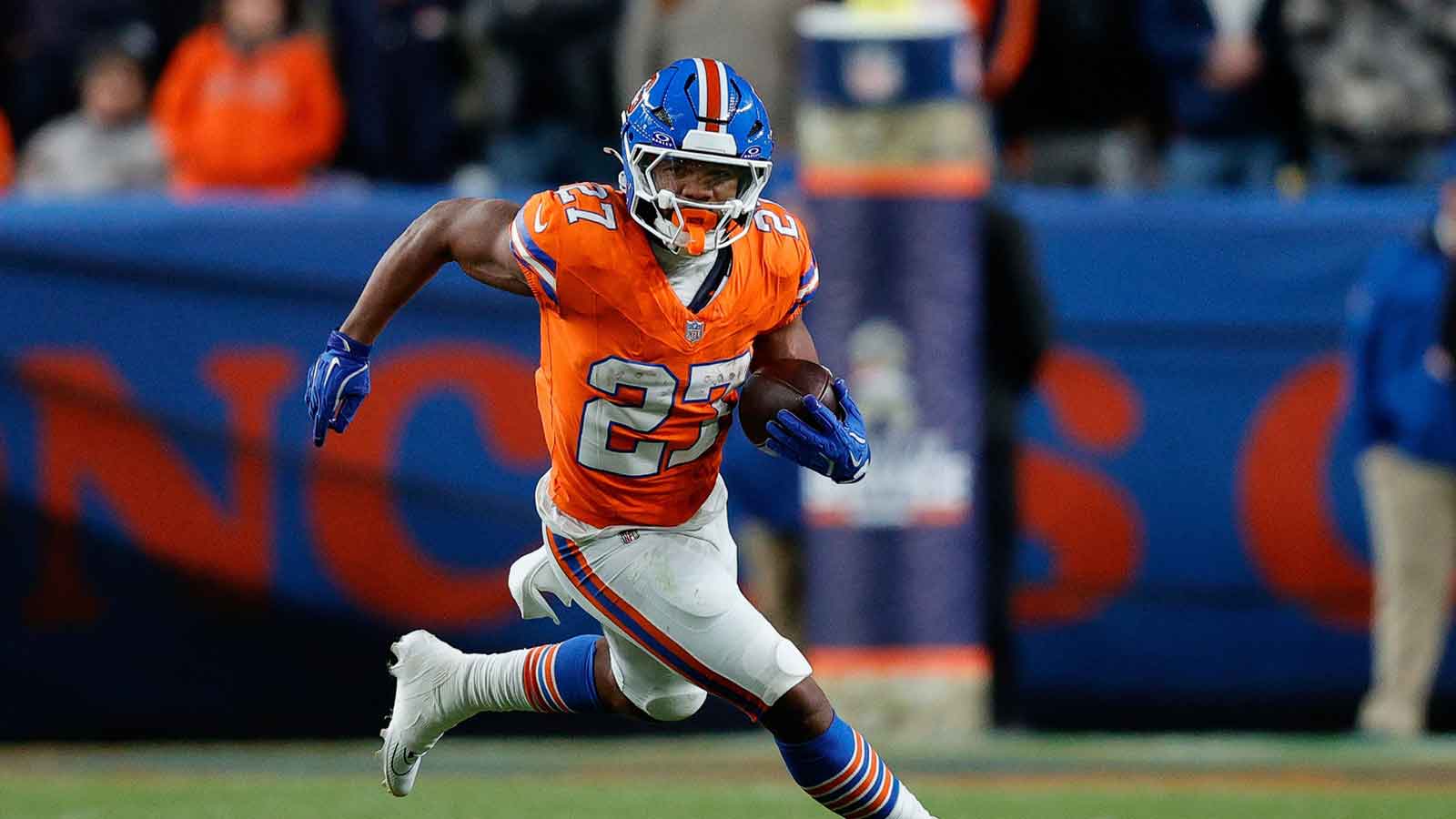
Heading into the 2026 NFL Draft, the Broncos are focused on surrounding Bo Nix with more dynamic playmakers. They also need to solidify the nerve center of their defense. After JK Dobbins’ injury-shortened season and the decision not to tender Jaleel McLaughlin, coach Payton has labeled running back a must. Of course, there are a few explosive prospects in this draft class. Tight end is another major offensive priority. Defensively, linebacker depth is critical given Dre Greenlaw’s injury history and Alex Singleton’s pending free agency. At the same time, interior offensive line depth remains a quiet focus despite Luke Wattenberg’s extension at center.
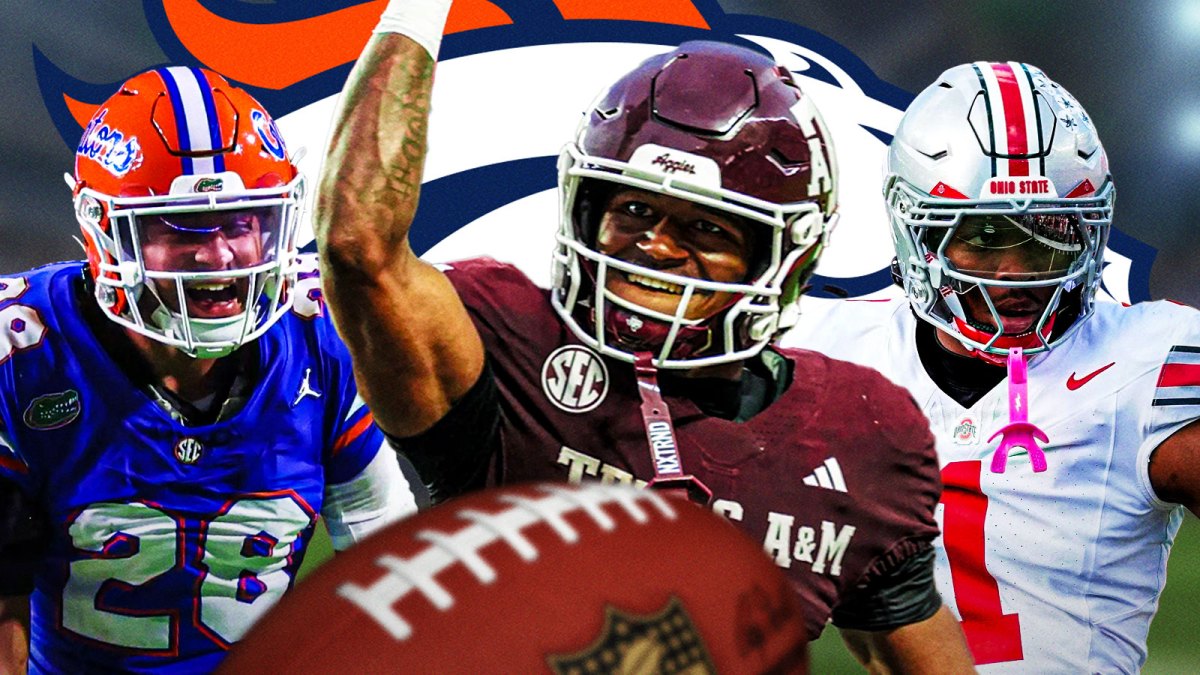
Round 1, pick 30: WR KC Concepcion, Texas A&M
Concepcion is not the conventional size-profile first-rounder. Still, he fits Payton’s preference for multipurpose weapons. Primarily a slot receiver, Concepcion thrives in motion, quick-hitting concepts, and space-oriented alignments. His change-of-direction ability and versatility create schematic stress. The areas for growth include contested catches and navigating contact after the catch. These are coachable. In Denver, Concepcion becomes an extension of the run game and a horizontal separator. He should give Nix a reliable quick-read outlet.
Round 2, pick 62: CB Davison Igbinosun, Ohio State
Igbinosun embodies the traits-over-polish selection. His length, size, and press-man background fit Vance Joseph’s defensive identity. However, penalties and anticipation lapses plagued his college tape. Denver is betting on development here. If Igbinosun cleans up his hand usage and improves route recognition, his physical profile gives him legitimate boundary starter upside.
Round 3, pick 94: CB Devin Moore, Florida
Denver doubles down at cornerback. This will reinforce a secondary built on length and physicality. Moore’s deep-ball tracking and size are strengths. However, durability and hip fluidity remain concerns. In a rotation, Moore provides matchup flexibility while continuing to refine his footwork and anticipation.
Round 4, pick 108: RB Seth McGowan, Kentucky
McGowan’s path back to prominence has been unconventional. On tape, though, he shows decisive processing and situational effectiveness.Yes, he lacks consistent explosive production and third-down polish. That said, his short-yardage reliability and maturity give him a defined role. Denver’s backfield committee approach could allow McGowan to maximize his strengths without overexposure.
Round 4, pick 130: TE Nate Boerkircher, Texas A&M
Boerkircher is the type of player Payton has long valued. He is versatile, physical, and assignment-sound. Though his stat line does not leap off the page, his willingness as a blocker and ability to align in multiple spots create real value. He may not stretch seams consistently. Still, he strengthens Denver’s structural integrity in both run and pass sets.
Round 5, pick 168: TE Miles Kitselman, Tennessee
Kitselman adds depth and reliability. His run-blocking consistency stands out. His growth as a receiver also suggests untapped ceiling. Denver investing twice at tight end underscores a commitment to versatility and physicality.
Round 7, pick 246: CB Jeadyn Lukus, Clemson
Lukus provides long-speed and man-coverage upside. Tackling inconsistency limited his snaps in 2024. His forced incompletion rate, though, highlights real coverage disruption potential. As a depth piece, he fits Denver’s size-profile preference at corner.
Round 7, pick 251: QB Luke Altmyer, Illinois
Altmyer is a developmental depth option. His comfort in timing concepts and smooth release offer functional backup potential. That said, limitations in arm strength and deep accuracy cap his ceiling. In Denver, he provides quarterback room competition and insurance.
Round 7, pick 255: TE Riley Nowakowski, Indiana
Nowakowski is a grinder. Reliable in pass protection and effective as a run-game enforcer, he projects as a culture piece. While separation against man coverage may be limited, his technique and strain translate to situational value.
Denver’s approach
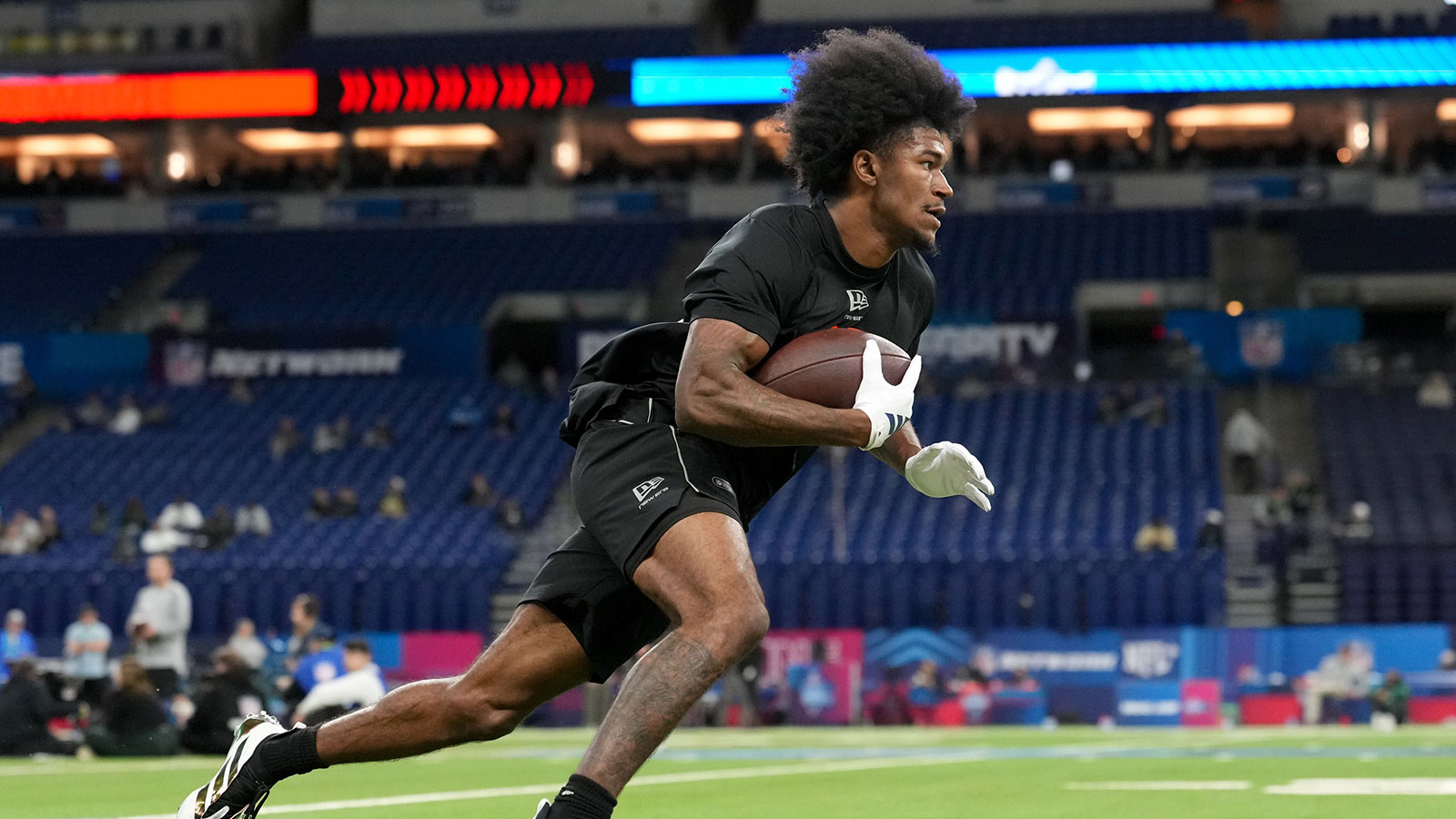
This mock draft leans heavily into defensive back depth and tight end versatility. Those are not necessarily the headline needs many expected. Denver appears to trust its internal evaluation at linebacker and center while fortifying coverage units and expanding offensive flexibility.
Concepcion’s addition signals schematic creativity. Igbinosun and Moore reinforce coverage depth in a division loaded with quarterback talent. Multiple tight ends emphasize Payton’s preference for adaptable formations and physical edges.
Depth over drama
This post-Combine PFF mock draft does not chase splash running backs or headline linebackers. Instead, it strengthens Denver’s secondary and adds offensive versatility around Bo Nix. The Broncos are not far from contention. This class reflects that reality. It is measured, layered, and quietly pragmatic. For a franchise drafting at No. 30, that may be exactly the right approach.