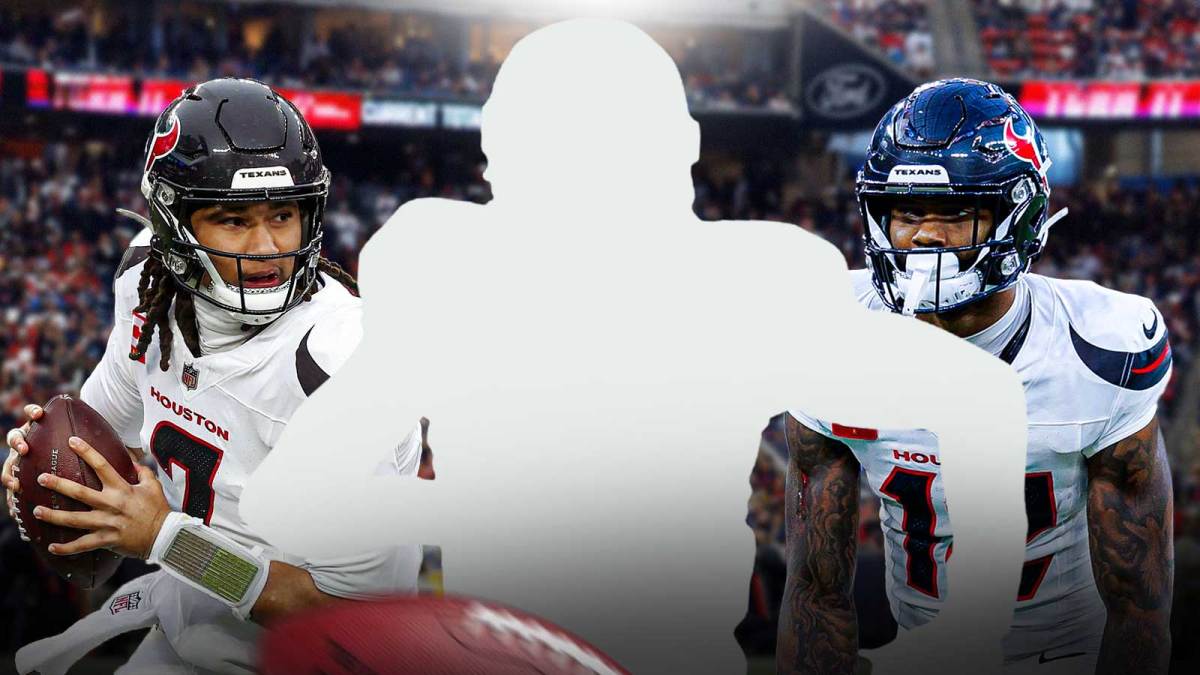
The Houston Texans' promising rise met a painful ceiling on Sunday. They entered the 2025 season determined to prove their rapid rebuild was no fluke. For much of the year, they did exactly that. They played disciplined, physical football that reflected head coach DeMeco Ryans’ vision and validated CJ Stroud’s emergence as a franchise quarterback. Yet when the lights were brightest in January, familiar playoff demons resurfaced. Now, after another Divisional Round exit, the Texans see how they can turn a contender into a true championship threat without sacrificing long-term stability.
Houston’s real growth
The Texans finished the regular season 12-5. It was an impressive achievement given their disastrous 0-3 start. Ryans steadied the ship after a brutal opening month, and the team caught fire following its Week 9 bye. They ripped off a historic nine-game winning streak to secure second place in the AFC South. The backbone of the run was an elite defense that ranked second in yards allowed and third in defensive EPA. Houston saw dominant seasons from Will Anderson Jr and Derek Stingley Jr. They didn’t just win but overwhelmed opponents with speed, discipline, and physicality.
That defensive edge translated into postseason success in the Wild Card round. The Texans demolished the Pittsburgh Steelers 30-6 on the road. It was the franchise’s first road playoff win, a milestone that felt like confirmation the rebuild had officially arrived. Confidence was high heading into the Divisional Round, with Houston believing its defense could travel anywhere.
Snowy end
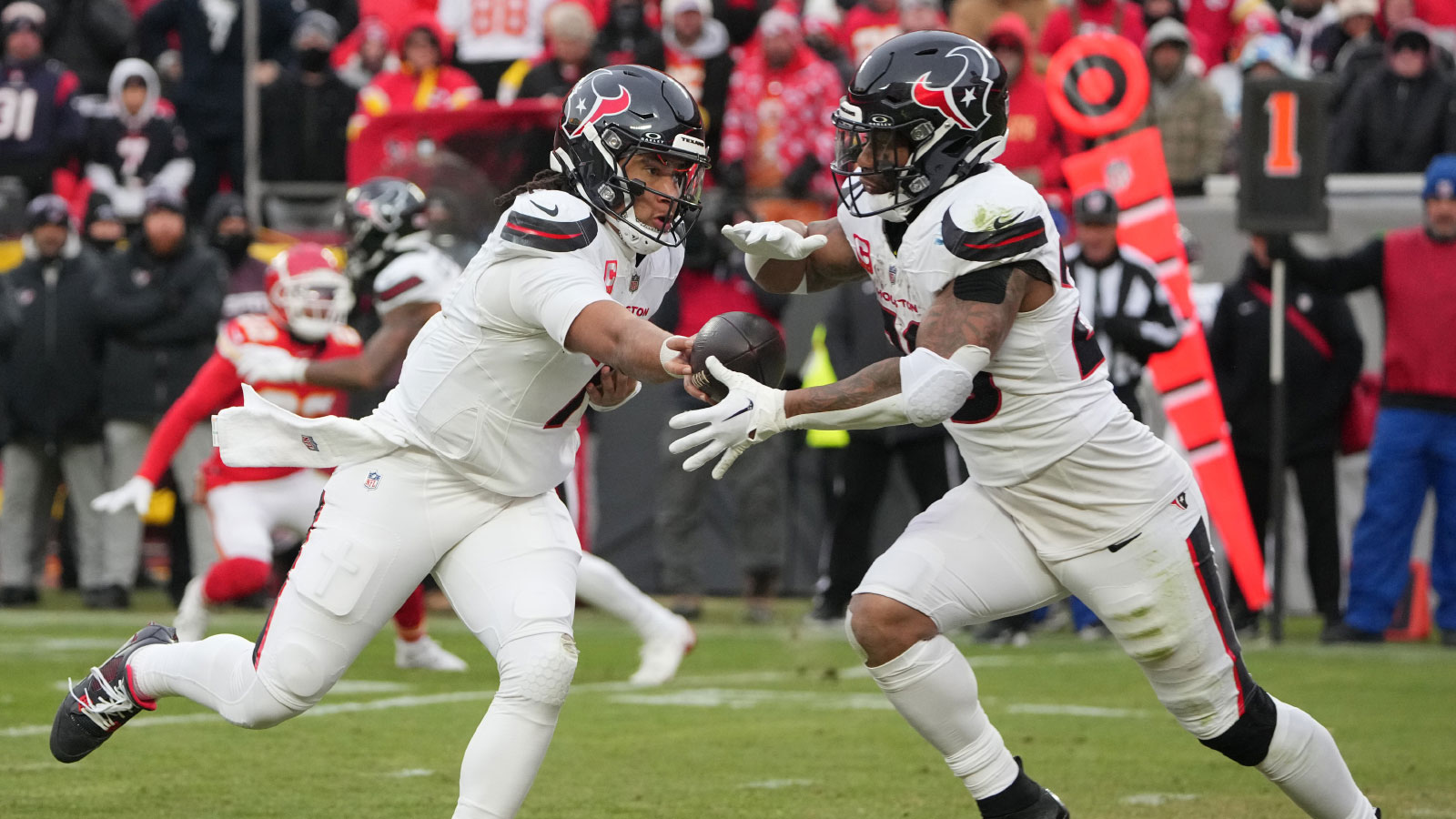
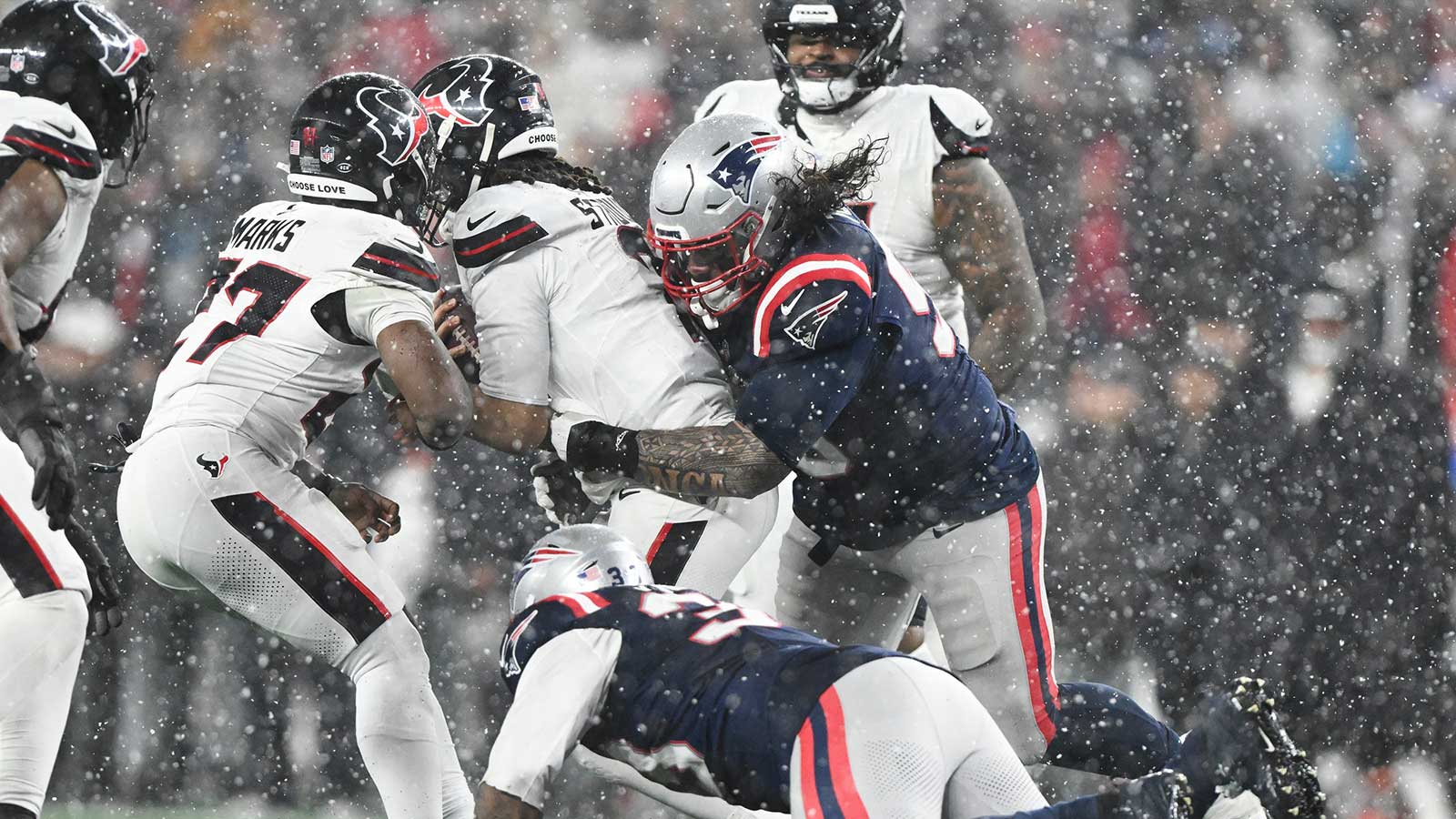
Everything unraveled in Foxborough, though. The Texans fell 28-16 to the New England Patriots in a game defined by offensive collapse. Stroud endured the one of the worst performances of his career. He threw four interceptions in the first half alone. That included a pick-six that buried Houston early. Injuries compounded the damage: Nico Collins was already sidelined with a concussion, but Dalton Schultz exited mid-game with a calf injury. With that, the offense never recovered.
Ironically, the defense did enough to keep the game within reach. They forced four fumbles from Patriots quarterback Drake Maye. That said, five total turnovers proved insurmountable. The loss dropped Houston to 0–7 all-time in Divisional Round appearances. It's an ugly statistic that underscores how narrow the margin is between ‘ascending' and ‘elite.'
Houston’s offseason approach
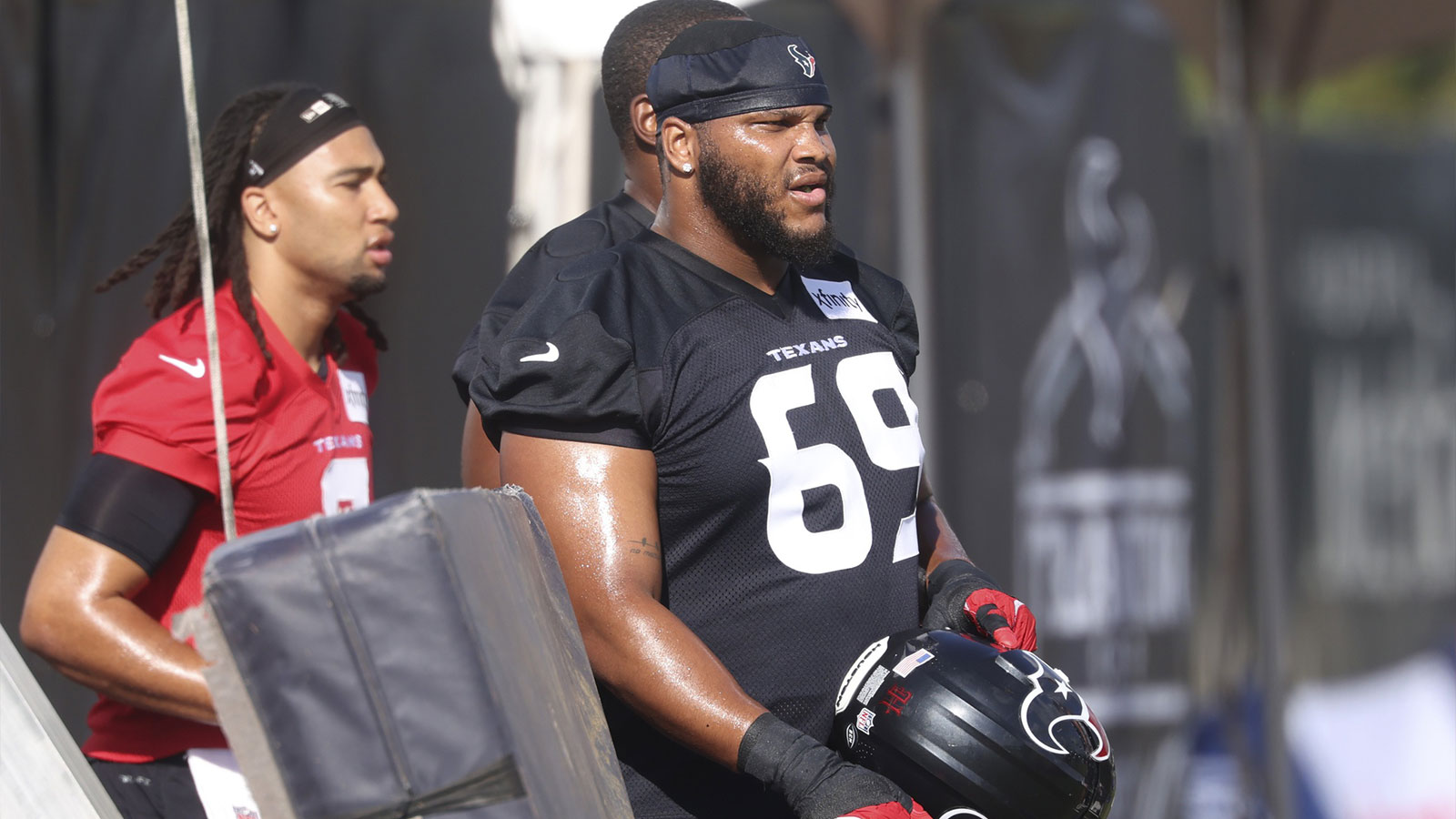
Houston enters the 2026 offseason with limited flexibility. They are projected to have just $13.3 million in cap space. General manager Nick Caserio must also think ahead. Both Stroud and Anderson become eligible for early extensions once the new league year begins. Any major free-agent splash will require creativity and/or sacrifice.
There are levers to pull, of course. Moving on from Schultz with a post–June 1 designation would free up $11.5 million. Still, it would open a hole at tight end. Cutting Joe Mixon, who missed the entire season with a foot injury, could generate another $8.5 million. Even with those moves, Houston is unlikely to chase blockbuster trades or mega-contracts. Instead, Caserio will prioritize players who fill specific needs without disrupting the long-term plan.
The biggest gaps remain along both lines of scrimmage, plus depth at linebacker and a more reliable run game. Fortunately, the 2026 free-agent class offers options that fit Houston’s timeline.
George Pickens, WR, Dallas Cowboys
The Divisional Round loss exposed Houston’s thin margin for error at wide receiver. Without Collins, the offense stalled. George Pickens would solve that problem immediately. Fresh off a 1,400-yard season in Dallas, Pickens is a classic ‘X' receiver. He is physical, explosive, and fearless at the catch point. Combining him with Collins and eventually Tank Dell would give Stroud a rare combination of size and aggression on the perimeter. That would also force defenses to pick their poison and raise Houston’s offensive ceiling overnight.
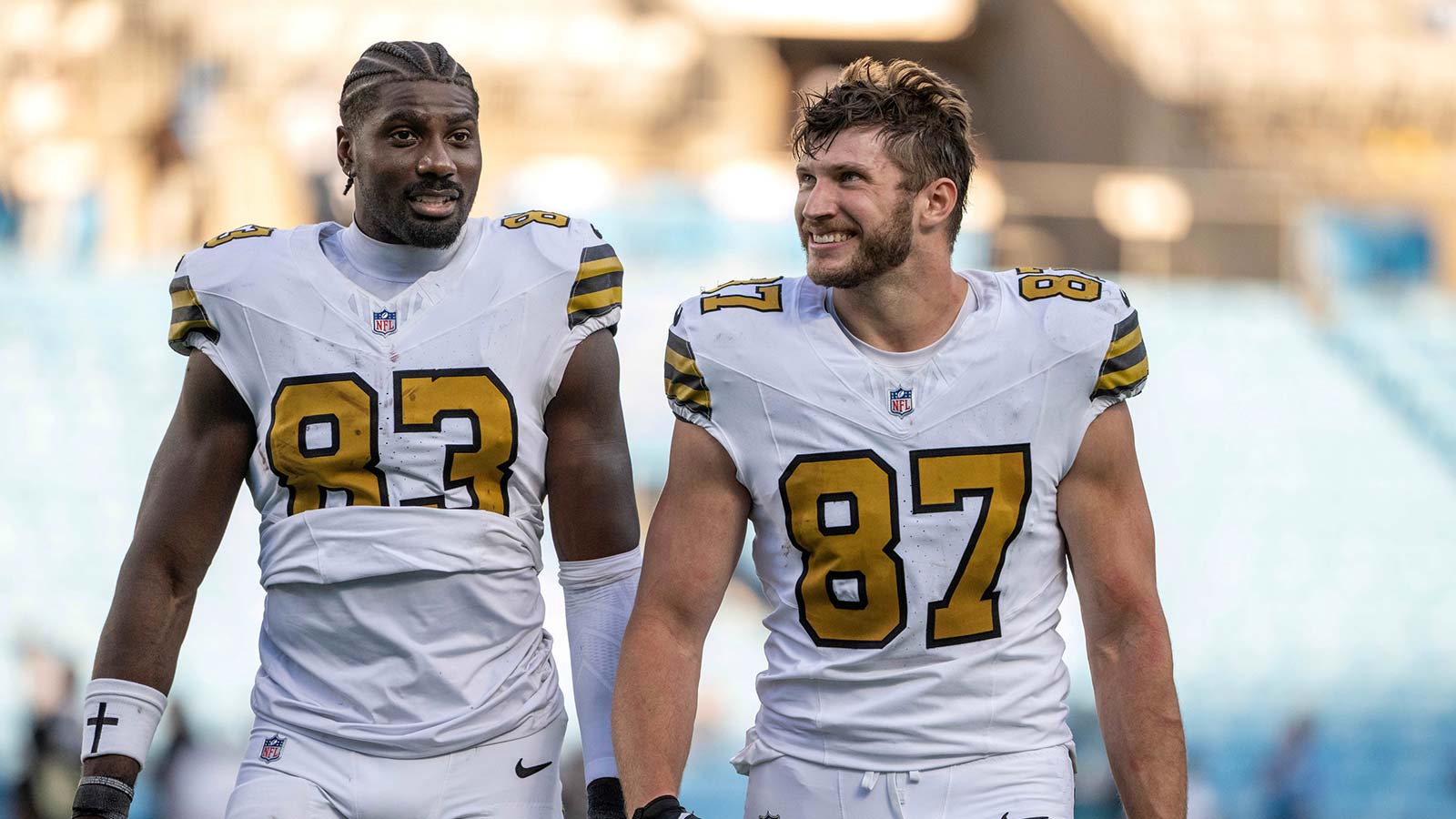
Alontae Taylor, CB, New Orleans Saints
Stingley is already one of the league’s best corners. However, the opposite side remains a rotating question mark. Alontae Taylor brings versatility and edge. He recorded 14 pass breakups in 2025 and can play inside or outside. He fits perfectly into Ryans’ aggressive, matchup-driven scheme. Adding Taylor would reduce explosive plays. That was a critical flaw exposed in past playoff losses.
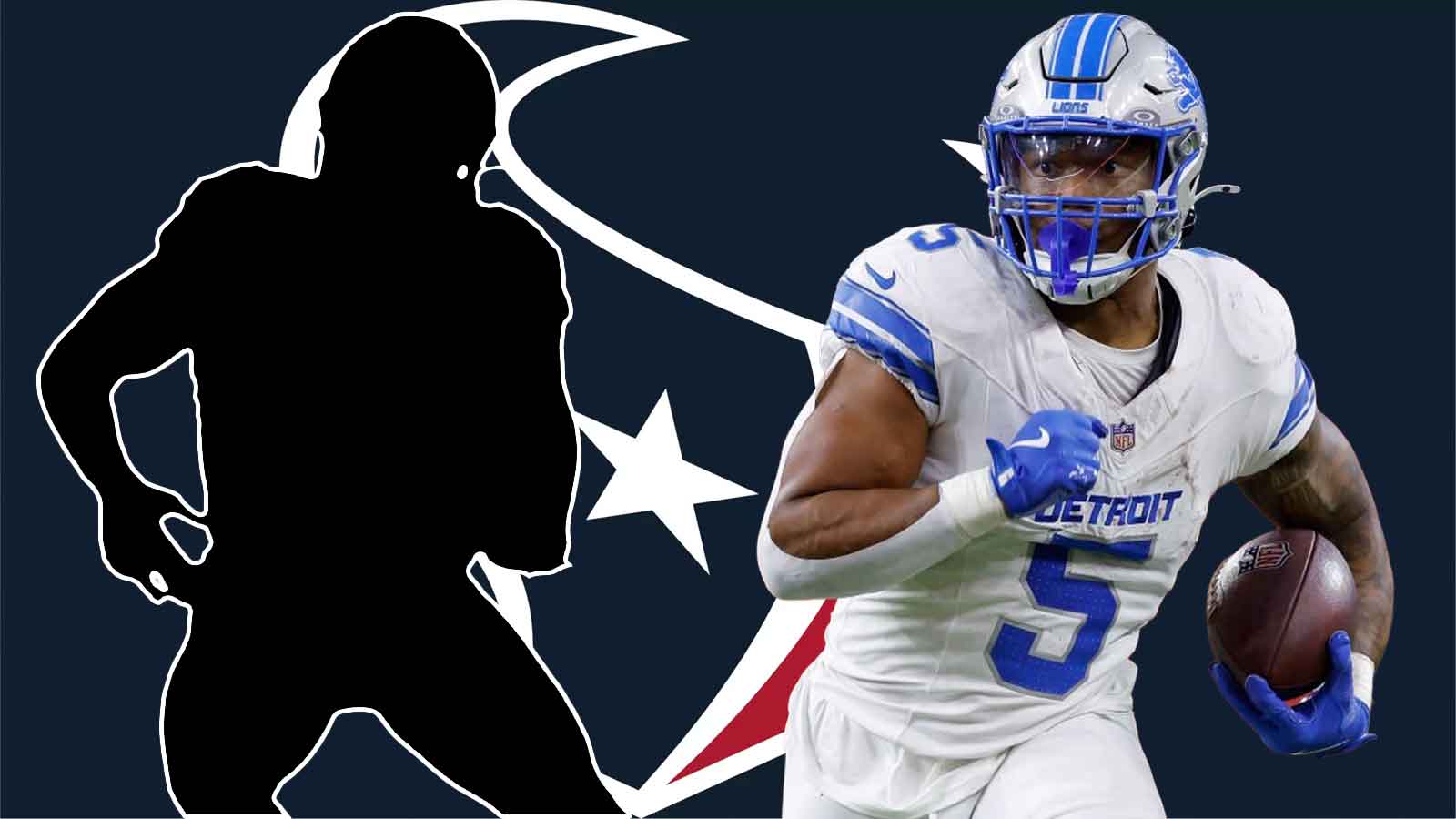
Zamir White, RB, Las Vegas Raiders
The Texans flashed potential in the run game, but lacked a true closer. Zamir White fills that role. A physical, downhill runner who averaged 4.3 yards per carry, White thrives in short-yardage and late-game situations. His presence would ease the burden on Stroud and give Houston a more balanced playoff offense. That's something they sorely lacked in Foxborough.
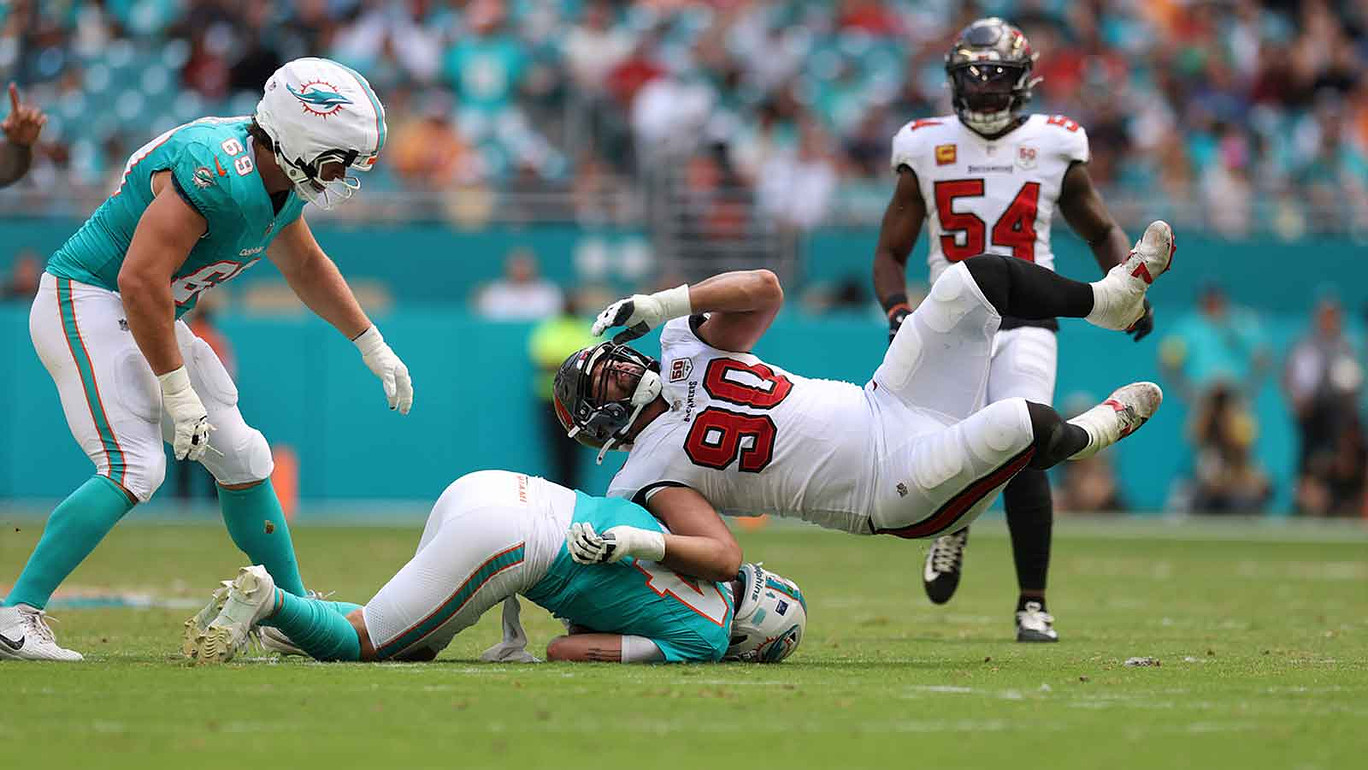
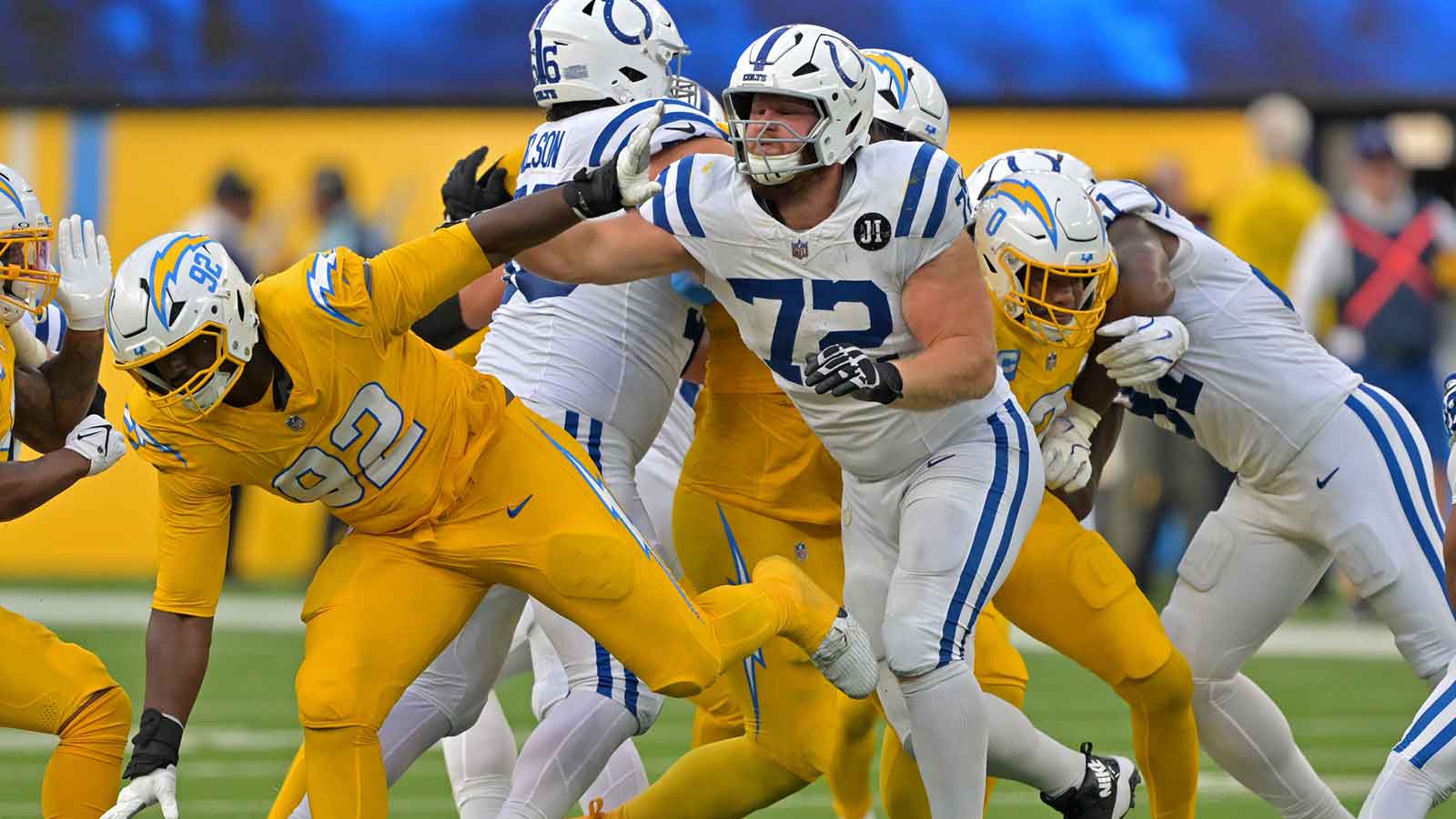
Braden Smith, OL, Indianapolis Colts
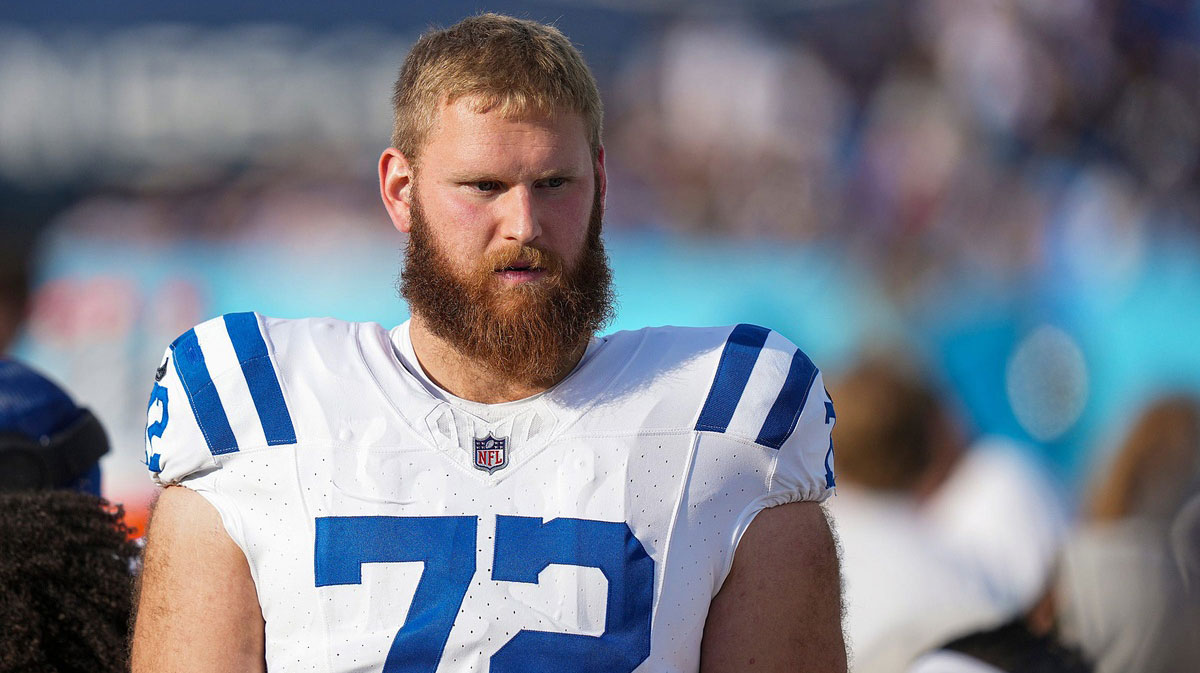
Offensive line consistency remains a quiet concern. Braden Smith comes with risk, of course. He’s missed time in each of the last three seasons. Smith also turns 30 soon. When healthy, though, he’s one of the NFL’s best right tackles. In a weak free agent line market, Smith represents a calculated gamble that could pay off immediately by keeping Stroud upright against elite pass rushes.
Open window
The Texans are no longer rebuilding but contending. Of course, the Patriots loss proved that talent alone isn’t enough in January. Smart, targeted additions instead of flashy overhauls are the path forward. If Houston nails this offseason, the next step won’t just be another playoff appearance. It’ll be breaking through the ceiling that’s haunted the franchise for far too long.