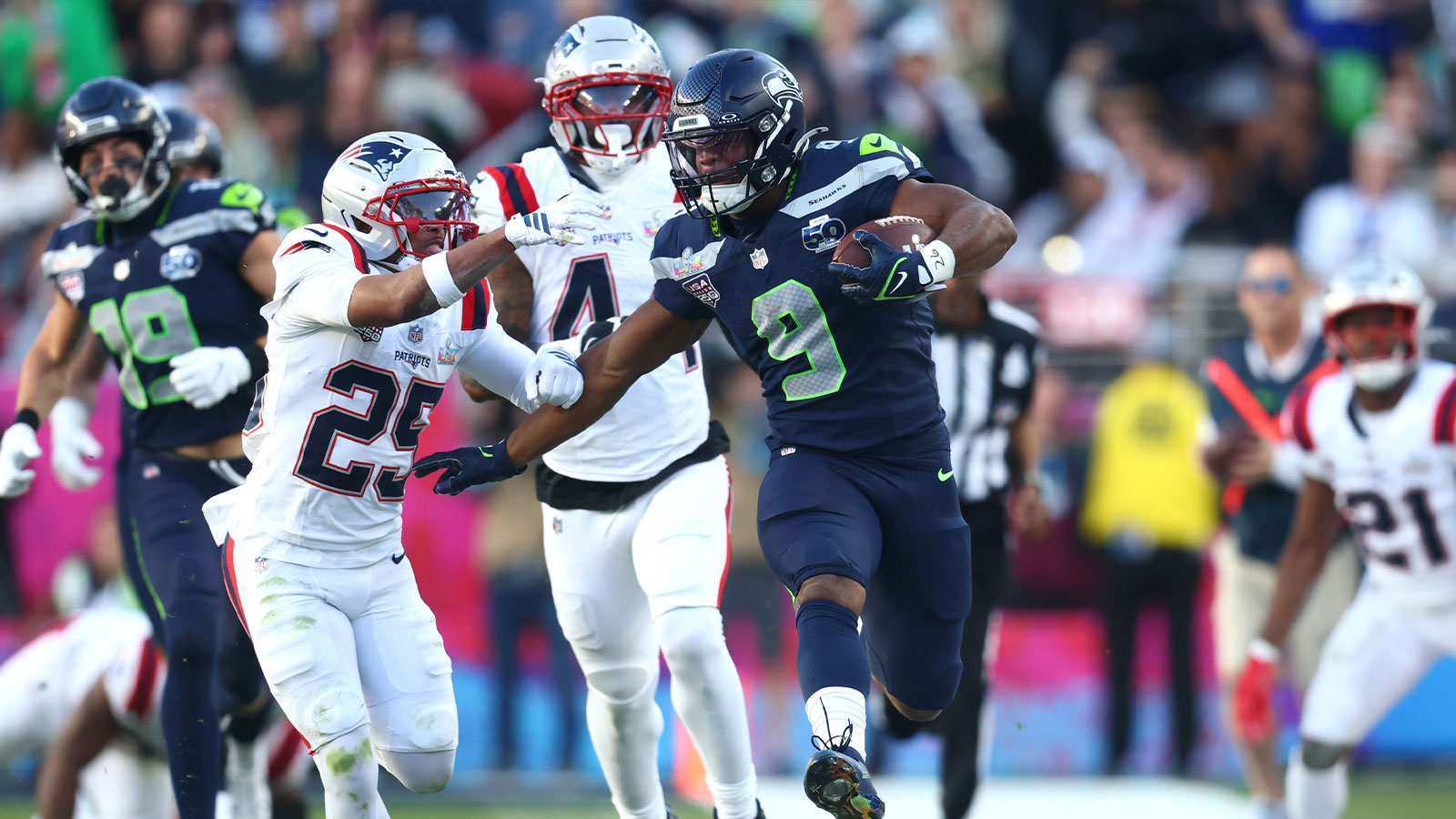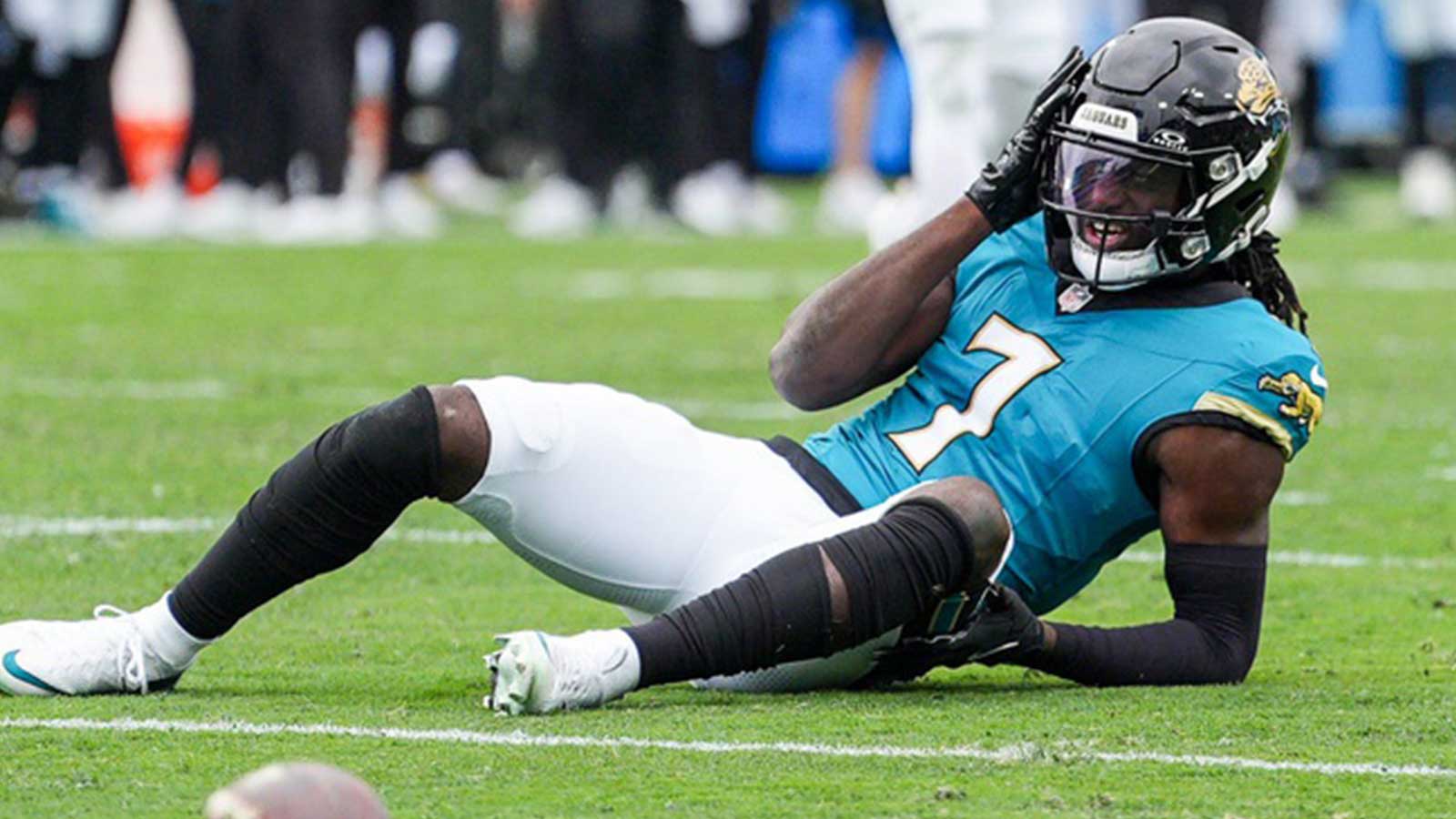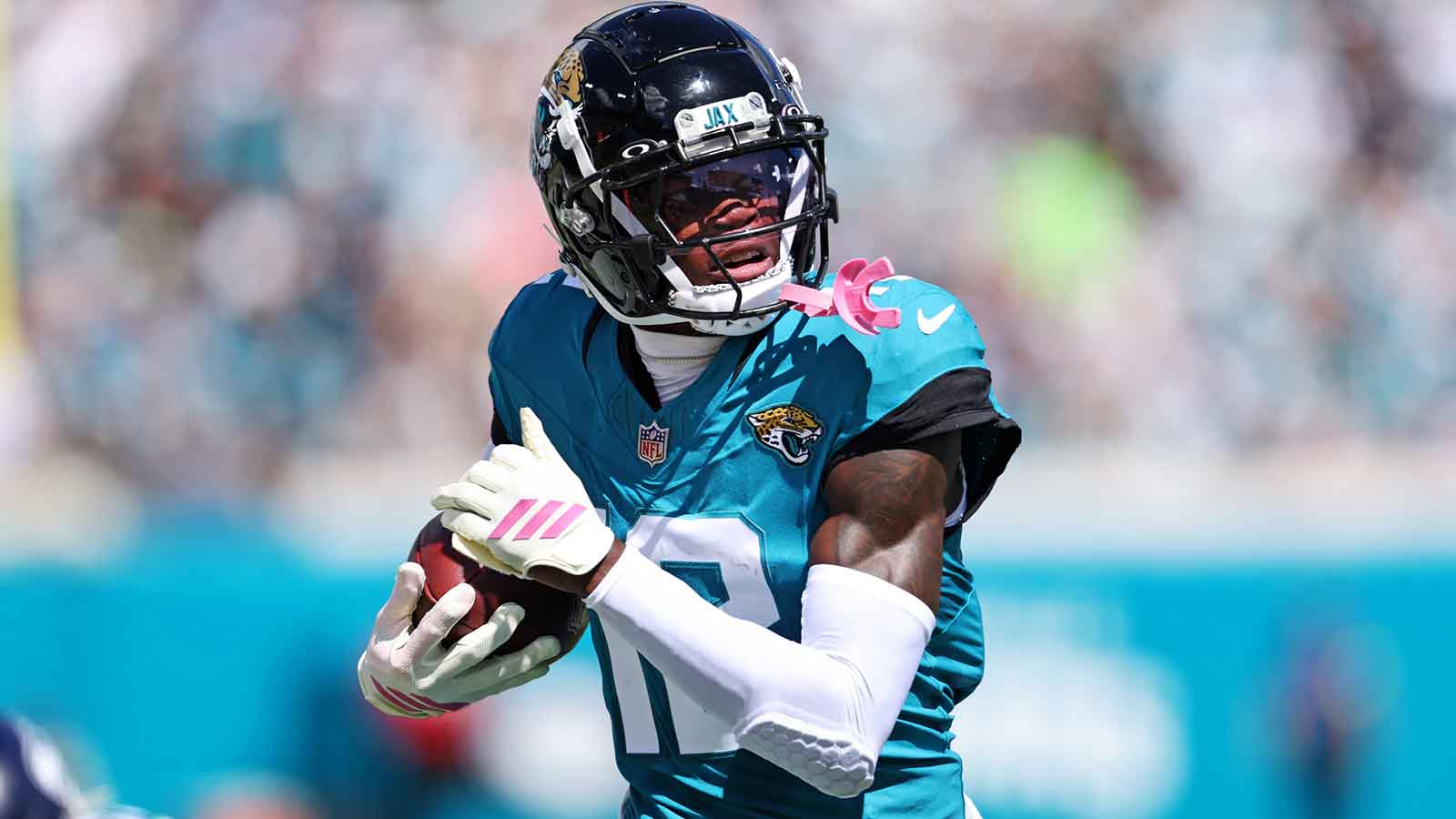
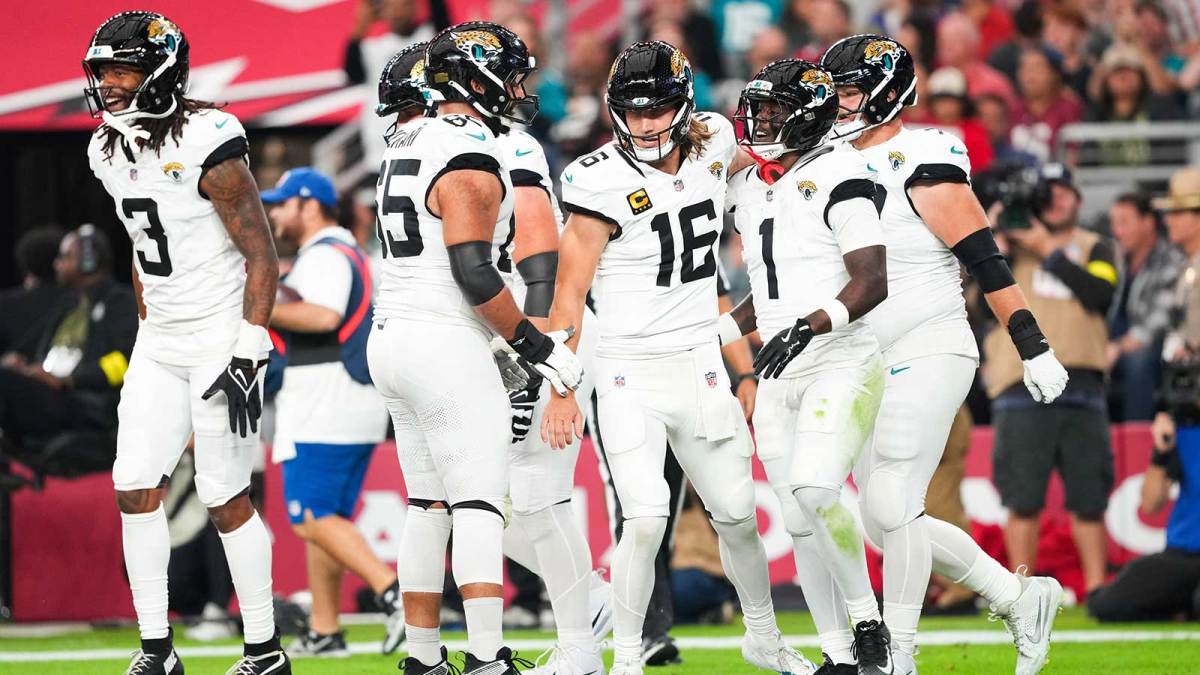
The Jaguars began free agency by retaining one of its standout defensive players, re-signing Montaric “Buster” Brown to a three-year, $33 million contract after he had an impressive season with 12 pass breakups and two interceptions, and the team then focused on strengthening the backfield following Travis Etienne’s departure by signing Chris Rodriguez Jr. to a two-year deal.
While these moves helped, they did not address all of the team's issues, and overall, the Jaguars' spring approach has been more about retaining valuable players and filling essential gaps rather than making major roster changes.
This is all because evaluating Jacksonville is challenging this offseason, and they not only do not hold a first-round pick, but they will only start selecting in the draft at No. 56 overall. However, they have a total of 11 picks, including four in the top 100, and this means it’s more of a test of whether the front office can effectively identify and select the right players in the right positions.
Despite this, general trends in mock drafts have started to emerge as the Jaguars are frequently associated with needs for edge help, interior defensive line depth, cornerback reinforcement, and potentially a skill-position player if the value is too good to pass up.
While Brown’s return secures one cornerback position, it doesn’t complete the secondary. Chris Rodriguez adds depth to the backfield, but there are still significant concerns on defense. Therefore, since Jacksonville lacks a first-round pick, its second-round choice will be more telling than usual, indicating what the coaching staff believes still needs a serious solution, rather than just filling a roster spot.
EDGE Keyron Crawford, Auburn
In his latest two-round mock draft, Field Yates projects Keyron Crawford to the Jaguars at No. 56, highlighting him as one of the more intriguing developmental pass rushers in the class.
Yates argues that Jacksonville should focus on adding depth to its pass-rushing unit with its first selection, and he describes Crawford as “electric” when turning the corner, even noting that he is more impactful than his Auburn teammate Keldric Faulk in 2025.
He is the more well-known name, and Yates effectively suggests that Crawford would be the more disruptive player in the long run. Additionally, Crawford’s pathway to this point enhances his appeal, having played only one year of high school football before moving to Arkansas State and then making the leap to Auburn.
Evaluators believe he still has room to grow technically, rather than being a finished product, and for Jacksonville, selecting Crawford represents a reasonable gamble on Day 2.
A defense can never have too many edge rushers, and the Jaguars cannot assume that a single veteran addition will fully resolve their needs in this area. According to Yates, then, that potential upside is exactly what the Jaguars should be pursuing.
CB Julian Neal, Arkansas
Jordan Reid offers a different perspective by choosing Julian Neal for the Jaguars at No. 56 in his two-round mock draft.
His rationale is closely linked to roster economics and player evaluation, and Reid points out that Montaric Brown might price himself out of Jacksonville’s plans, indicating that the Jaguars might still require another outside corner.
Though free agency has allowed the team to retain Brown, the broader logic remains intact, and Jacksonville should continue to enhance its perimeter talent, especially if Travis Hunter is expected to spend more time at receiver rather than juggling a full two-way role.
Reid’s scouting description of Neal strengthens the fit; he describes him as long, versatile in schemes, and pro-ready in his perimeter technique, and this aligns perfectly with the type of corner the team seeks, one who does not need special protection as an immediate starter.
Neal is seen as a polished defender who can adapt quickly to the pro level, possesses sufficient length for outside play, and has the flexibility to fit into a defense that likely doesn't want to simplify for a rookie.
This makes him an appealing choice for a Jaguars team that has decided to maintain continuity with Brown while still needing to reinforce its secondary.
RB Jadarian Price, Notre Dame
Gordon McGuinness, Pro Football Focus
In his three-round PFF mock draft, Gordon McGuinness pairs the Jaguars with running back Jadarian Price at No. 56. At first glance, this choice might seem like a luxury, especially after the signing of Rodriguez, but the context makes it more understandable.
With Etienne gone, the running back position still needs proper structure, and adding a Day 2 back like Price, who has explosive speed, offers something Rodriguez does not.
McGuinness doesn’t provide an extensive written explanation for every second-round pick, but the selection itself speaks volumes.
Price is the type of runner teams seek when they want big-play ability without spending a first-round pick on the position, and the Jaguars are in a position where this discussion makes sense.
Since they are not drafting from the top of the board, their focus shifts, and this pick is less about finding a blue-chip prospect and more about identifying a player who can elevate the offense once he has the ball in space.
Price excels in that regard; Notre Dame utilized him as a dangerous open-field threat, and if Jacksonville perceives Rodriguez as more of a committee option rather than a true lead back, then selecting a player like Price becomes an appealing choice.
This pick would also reflect the broader reality of the roster after free agency.
The Jaguars have already made substantial improvements on defense, allowing them to avoid dedicating every high pick to that area, and selecting a dynamic running back at No. 56 may not be the safest option, but it would certainly add another explosive element to the offense without having to overpay in free agency.
DT Rayshaun Benny, Michigan
Chad Reuter’s four-round mock draft presents a classic Jaguars projection by suggesting defensive tackle Rayshaun Benny at No. 56. This choice emphasizes the importance of a stable interior defense, which can significantly improve overall defensive performance.
Reuter doesn’t provide detailed notes for every second-round pick, but this selection aligns seamlessly with the team’s needs.
Jacksonville has been linked to interior defensive players for a reason, and while the team may manage with some uncertainty at running back or another rotational receiver, poor run defense and inconsistent interior pressure tend to exacerbate issues across the entire unit.
Benny is a suitable choice in this scenario, as he comes from a Michigan program that prioritizes leverage, gap integrity, and playing with force in tight situations, and this pick often reflects a team’s strategic approach to building a roster rather than seeking headline talent.
With enough draft picks later in the rounds, Jacksonville can pursue specialists, matchup players, or another running back if desired, and selecting a player like Benny at No. 56 could provide substantial value, as he would strengthen the defensive front rather than be a flashy selection.
Players like him often prove to be valuable over the long term, particularly in a draft where the Jaguars aim to enhance their roster through careful selection rather than relying on one standout move.
What stands out about them after free agency is that this draft doesn’t seem to focus on finding a single answer that solves every issue.
Instead, it appears the team recognizes that their first impactful move could be on defense, in the backfield, or in the secondary, and the effectiveness of this decision will depend more on fit than on making a splash.
The pick at No. 56 will be crucial, as it will reveal whether they believe their roster needs more speed on the edge, more size in the interior, more assistance in the secondary, or more explosiveness in the backfield.
For a team drafting outside of Round 1, this is a promising position to be in.