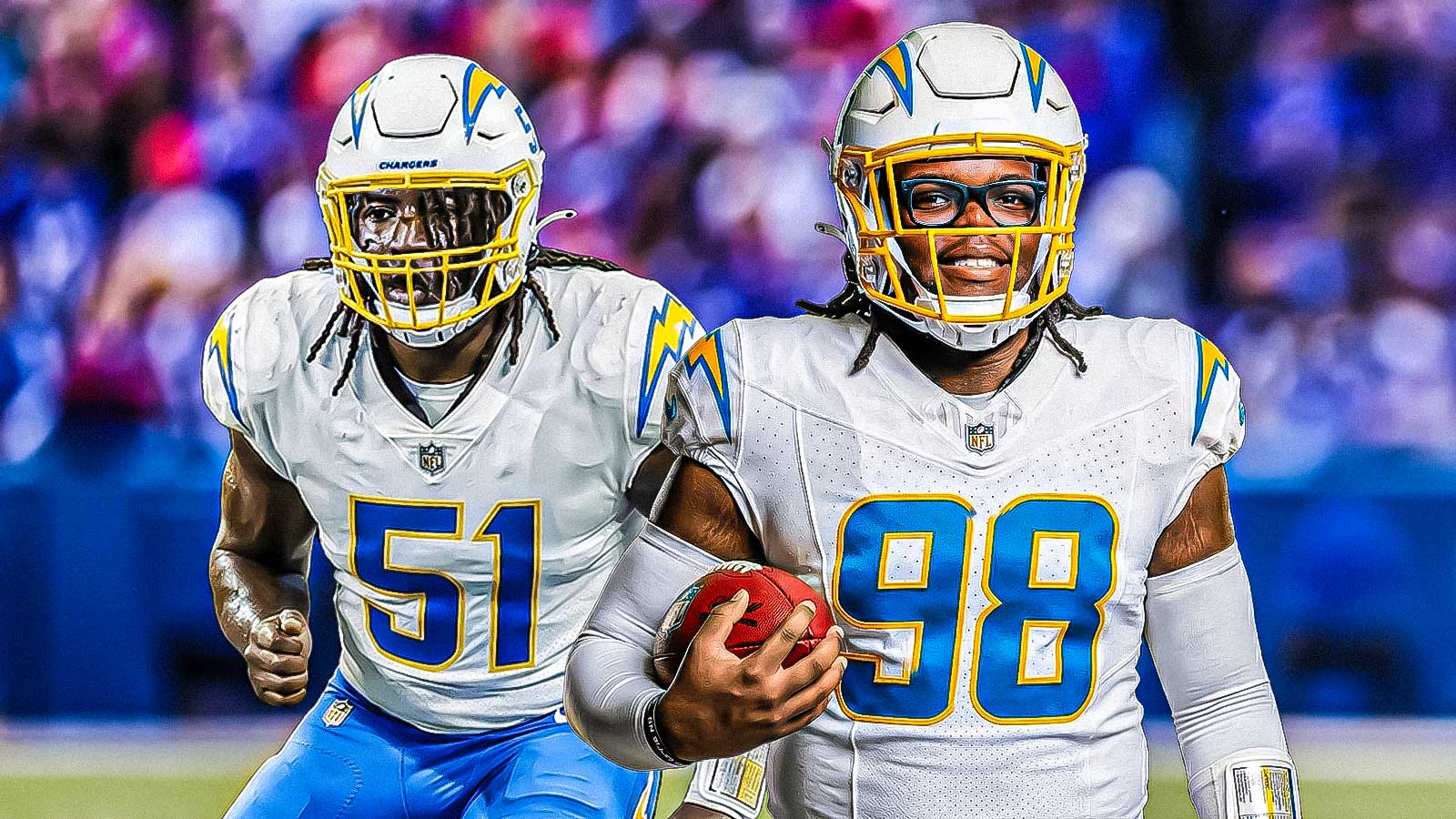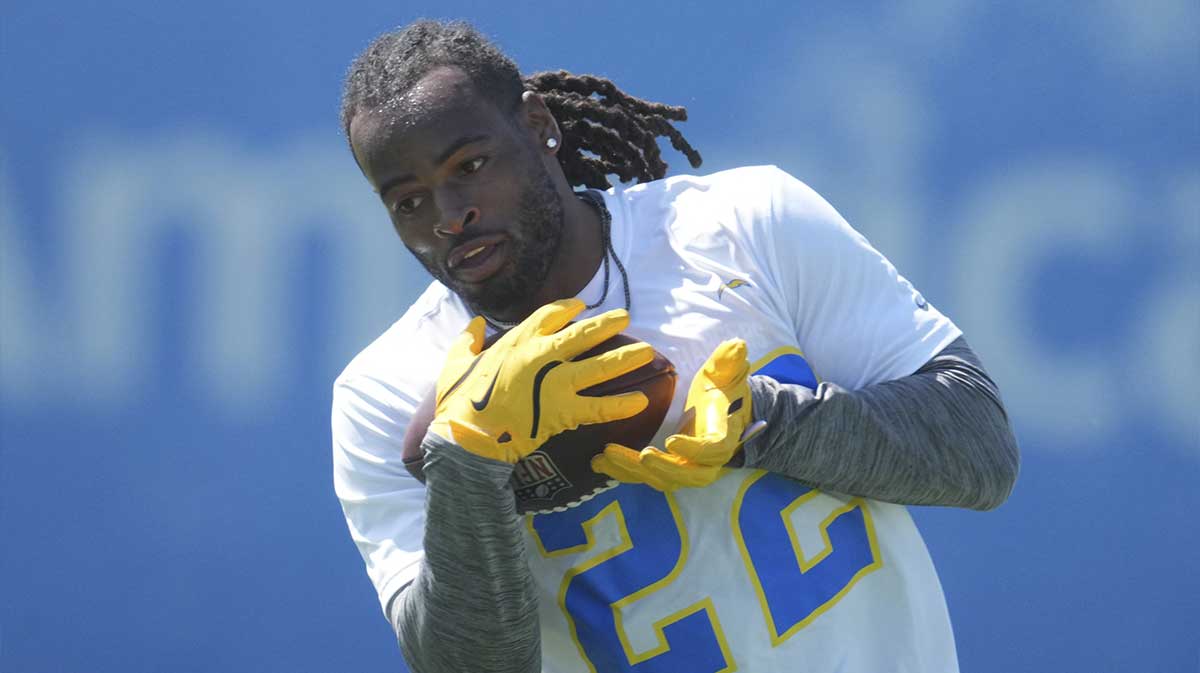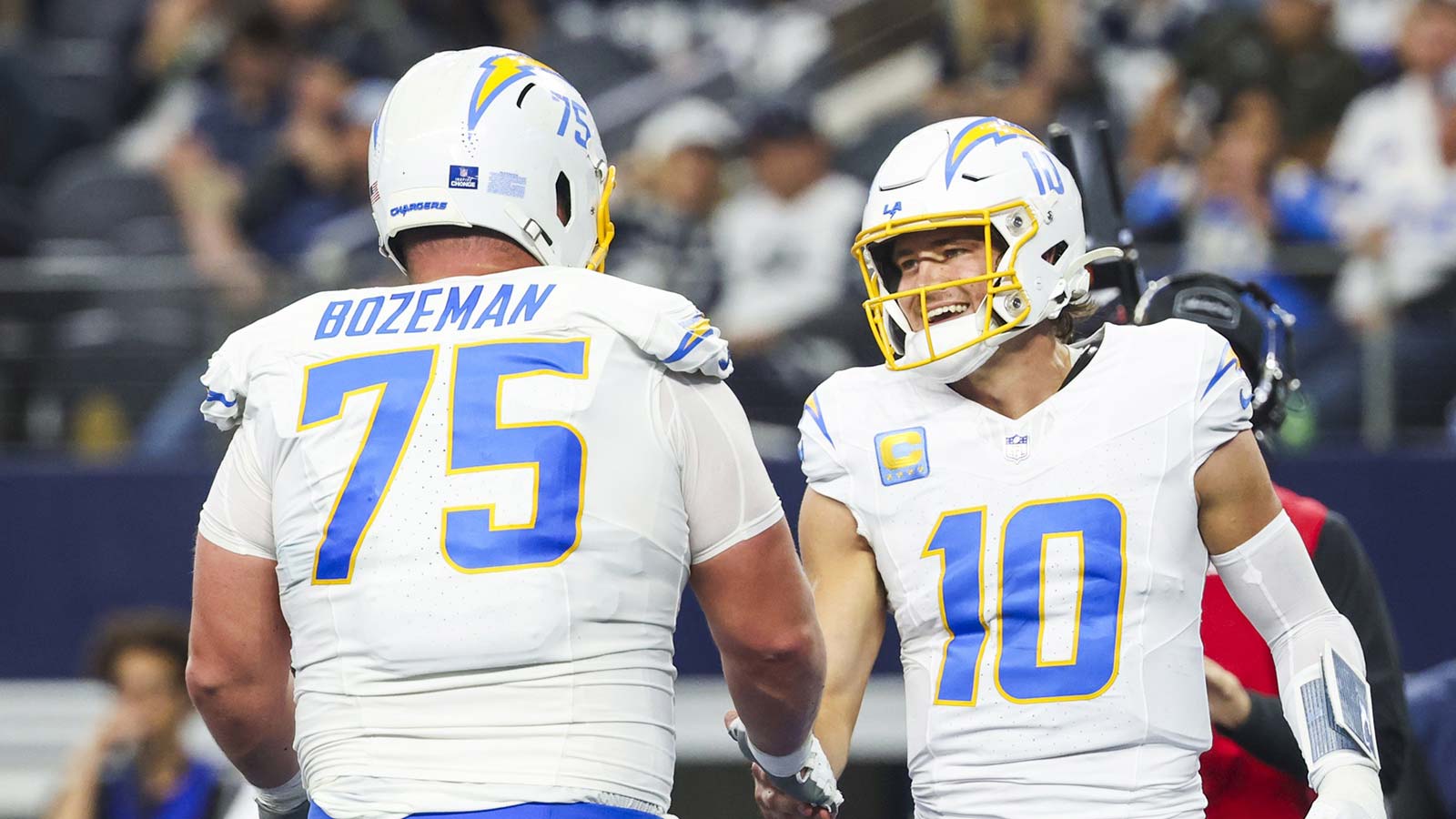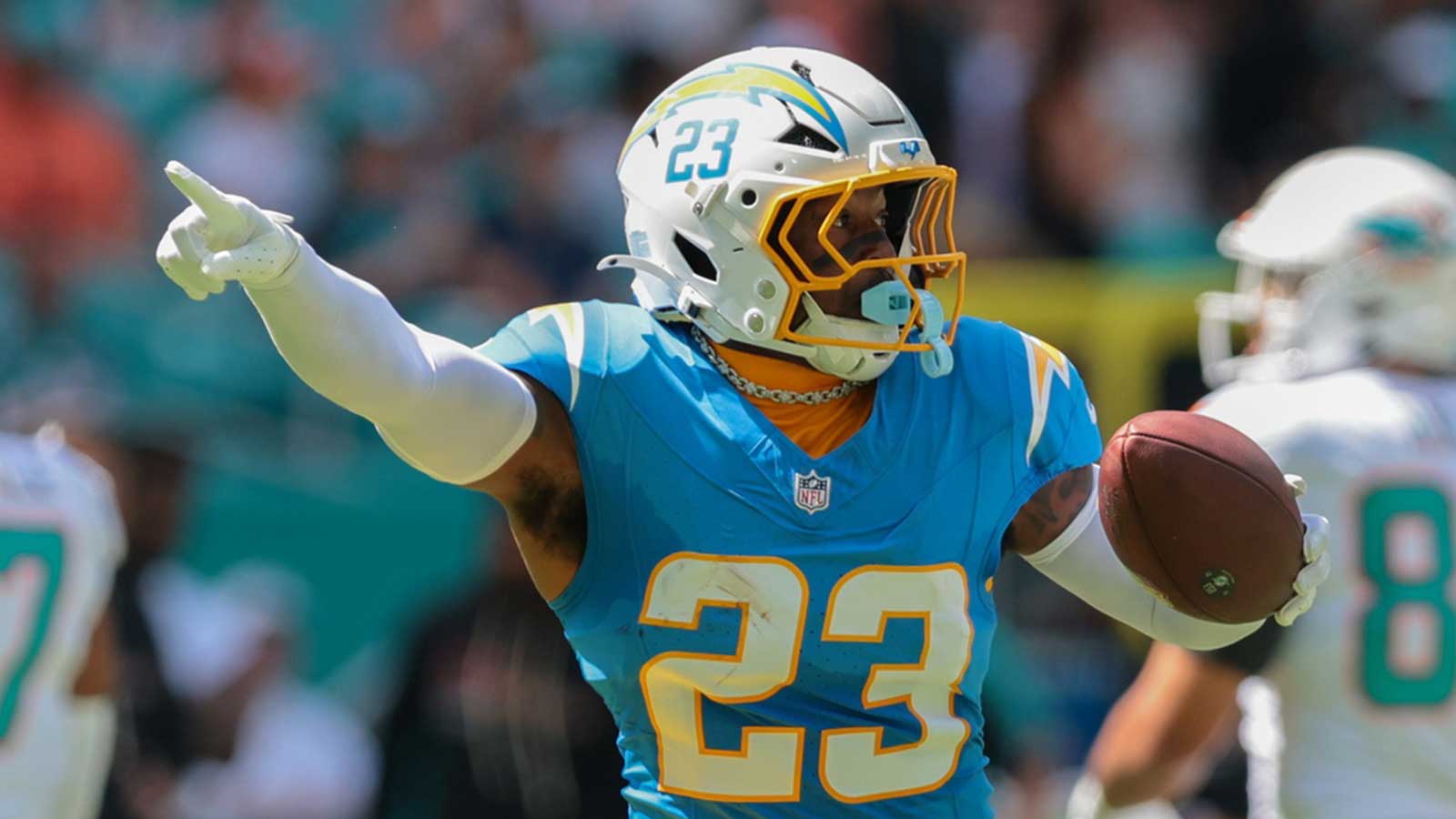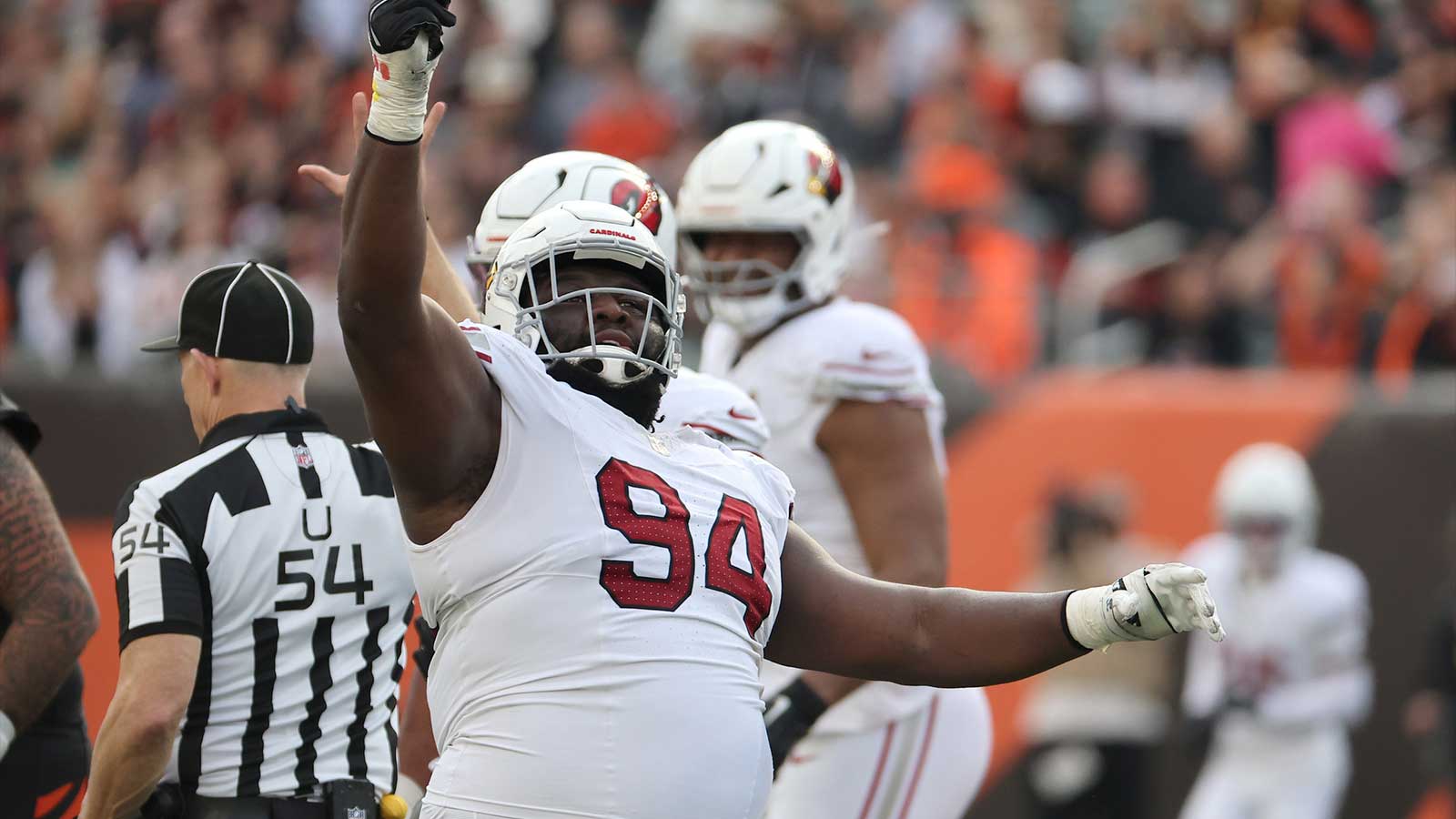
Los Angeles spent the initial phase of free agency making supplementary moves, as they signed Dalvin Tomlinson to a one-year, $7.5 million deal to add veteran presence to their defensive front.
Additionally, they brought back Trey Lance on a one-year contract worth up to $6.75 million to provide a familiar backup behind Justin Herbert. These decisions were made because Tomlinson brings a reliable rotational player with an extensive track record, while Lance offers continuity in the quarterback room, but the issue lies not in these individual moves but in the overall approach the Chargers took during free agency.
The biggest mistake the Chargers made in Week 1 was being too comfortable with the notion of preserving value rather than aggressively closing the gap between being a “good” team and a “dangerous” one. This oversight is particularly evident in one specific area: they allowed premium talent to leave at critical positions, opting instead for bargain solutions.
Odafe Oweh departed for Washington on a four-year, $100 million contract after contributing 7.5 sacks during his brief time in Los Angeles, and the Chargers also lost guard Zion Johnson to Cleveland and cornerback Benjamin St-Juste to the Packers.
While these individual losses are not catastrophic, they collectively create weaknesses in three vital areas for them: pass rush, interior protection, and boundary depth.
In response, they focused on acquiring lower-profile players, with Tyler Biadasz at center being a smart addition, while Cole Strange was a reasonable buy-low option at guard. Alec Ingold fits the team’s offensive strategy, Charlie Kolar aligns with Jim Harbaugh's run-heavy philosophy, and Keaton Mitchell adds speed.
Tomlinson provides another veteran presence up front, and there's a legitimate football rationale for each of these moves, but the problem is that the Chargers approached the most crucial shopping period of the offseason as if mid-tier improvements could compensate for top-tier losses.
This strategy might succeed if the roster were already complete, with only minor tweaks needed, but that is not the case here.
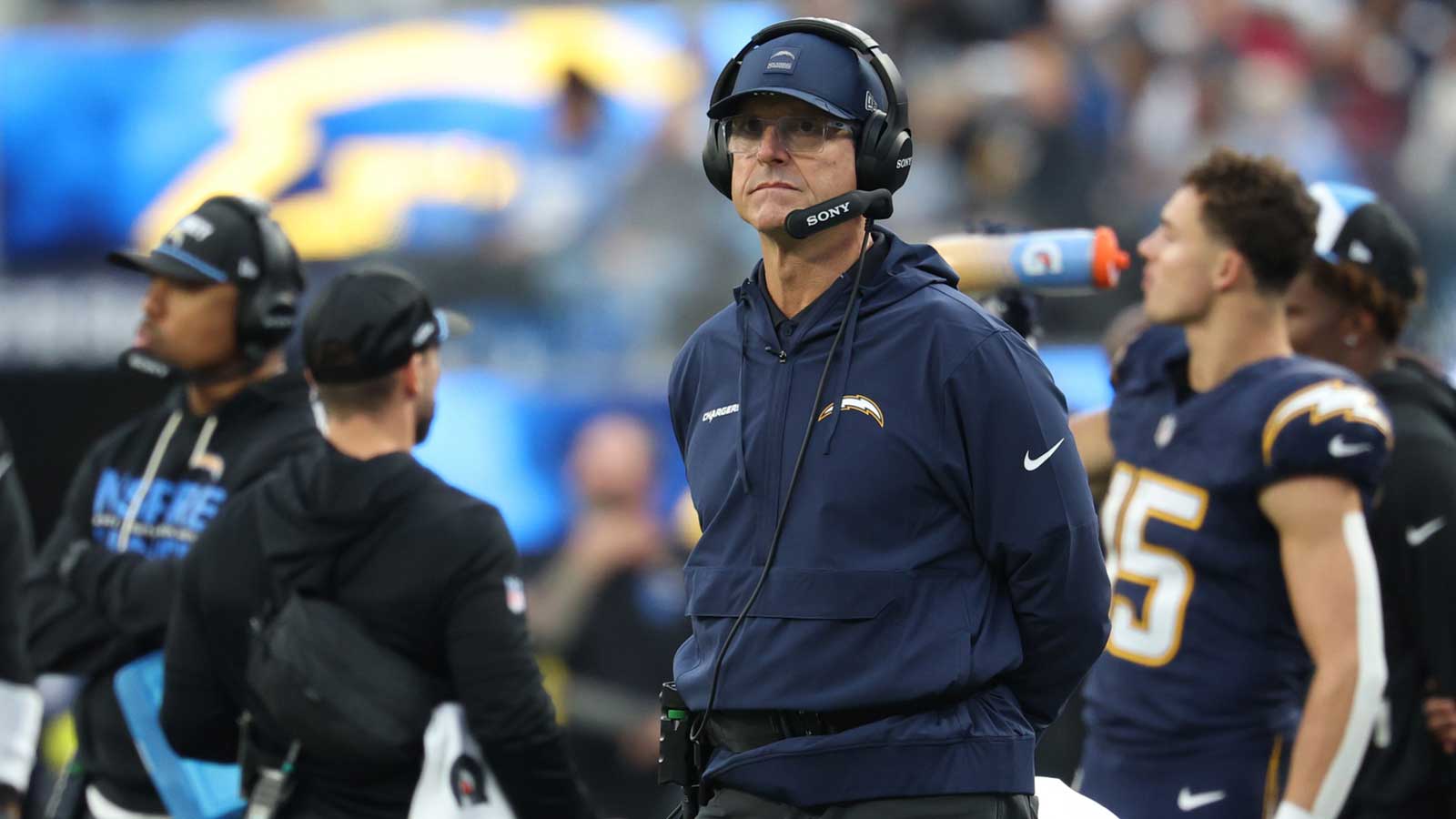
The Chargers find themselves in a unique position because they have a franchise quarterback, a competent head coach, and enough talent to be competitive. Yet, this is precisely why their conservative approach seems misplaced.
This was not a week to treat free agency like a mere exercise in preserving future compensatory picks, but an opportunity to determine whether the team wanted to become harder to block, harder to cover, or harder to push around.
Instead, they chose to focus on depth and cost-effectiveness, and even local coverage around the Chargers framed the week as following a restrained strategy aimed at retaining future compensatory picks, which might be acceptable for a rebuilding team. For a team with Herbert and ample cap space, such caution felt excessive.
But if I had to pinpoint one critical error in their strategy, it would be this: they did not take the loss of Oweh seriously enough.
What is the true error the Chargers made?
Khalil Mack's return is significant, as he remains productive and is a key player on defense, but his presence should not serve as an excuse for the team to allow its edge rusher depth to diminish.
The Chargers were already aware they were entering the offseason with only one of their three primary edge rushers signed beyond 2025, and ESPN’s offseason preview explicitly cautioned that failing to retain Mack and Oweh or not replacing them with comparable talent would leave the new defensive staff with substantial challenges.
When Oweh left, the team failed to pursue a suitable replacement, and Tomlinson does not play the edge position, nor does adding depth at linebacker or another special teams player resolve that issue.
I do not believe the response to this criticism should simply be, “Oweh cost too much.”
While a four-year, $100 million commitment is significant, and I understand the hesitance in investing that kind of money in a second-tier pass rusher if his production isn't seen as repeatable, that point is valid, but once the Chargers chose to move on from Oweh, the accountability shifted.
The front office needed to find another way to ensure the pass rush did not become overly reliant on Mack and Tuli Tuipulotu, and unfortunately, that solution was not forthcoming in Week 1. When a team loses a 27-year-old edge rusher who had just been effective and replaces him with a defensive tackle on a short-term deal, that response is inadequate.
The situation with the offensive line tells a similar story, albeit with a different perspective.
This situation indicates that the Chargers recognize the need for further improvements and have not yet achieved the level of excellence it aims for, and while Burford may still sign and contribute, the fact that the Chargers are still seeking additional help at guard after a series of moves focused on the offensive line suggests that their project remains unfinished.
This isn’t a fatal flaw, to be honest, but it simply reflects the incomplete work expected from a team with significant resources available.
Additionally, the quarterback room is part of the narrative, though it plays a quieter role.
Bringing back Trey Lance is reasonable as a one-year depth option, and it aligns with a broader trend from the week: the Chargers consistently opted for comfort and familiarity over boldness.
While there’s nothing inherently wrong with prioritizing players who suit the system, the risk comes when the fit begins to take precedence over difference-making. This week, there was too much of the former, and they added players who fit well, but they did not secure enough players who can instill fear in opponents.
Thus, I wouldn’t characterize the Chargers’ week as bad. Rather, they had a coherent week, though it felt smaller than it could have been.
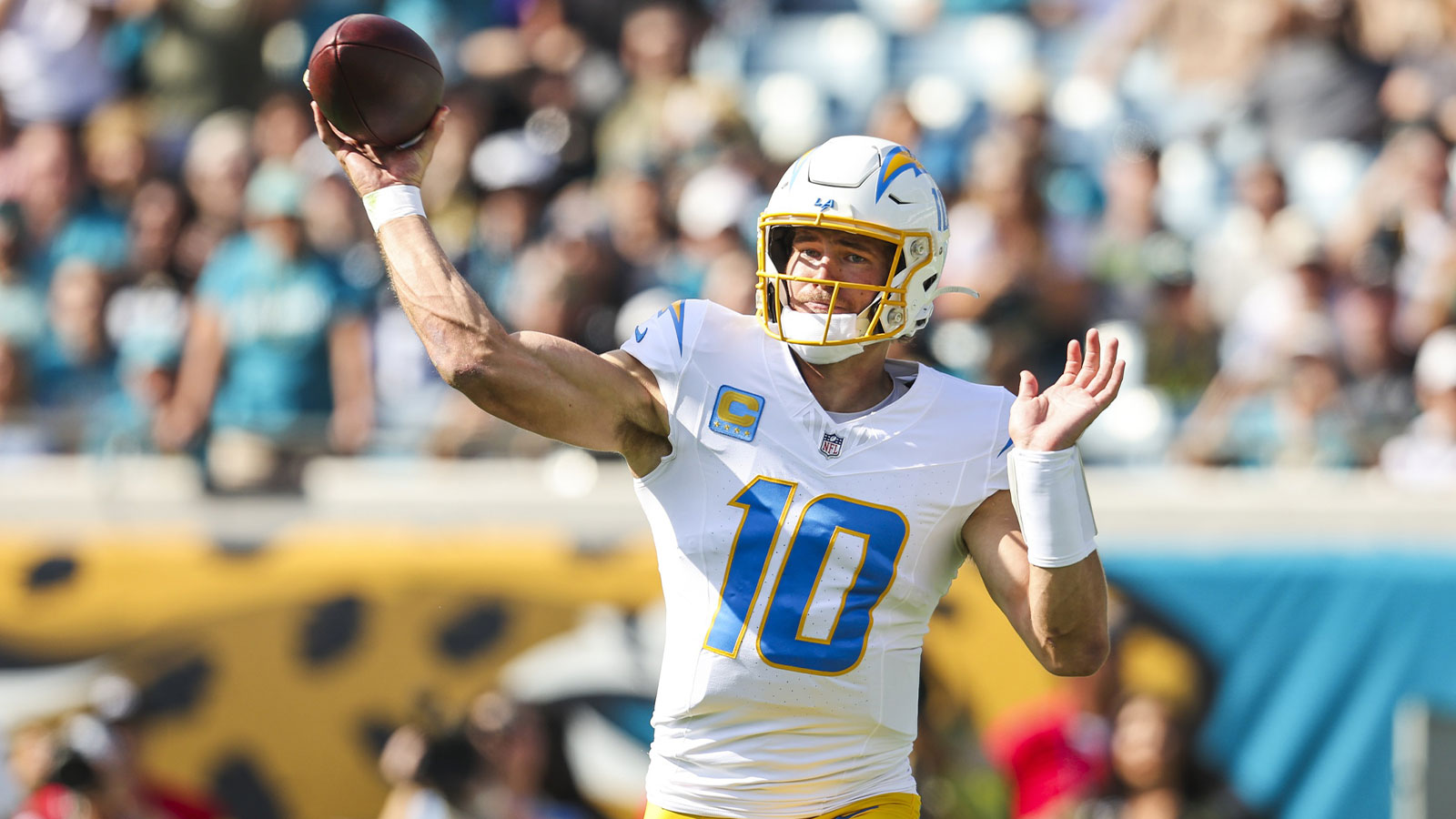
This is significant because of who they are, and teams with fewer quarterbacks can justify a patient approach to roster-building, but teams with Justin Herbert do not have that luxury indefinitely.
Herbert is not a quarterback who should be surrounded by just “good enough” infrastructure and left to resolve numerous issues on his own, as he requires a roster that can share the load. Coming out of Week 1, the Chargers were slightly more organized and deeper, yet still too reliant on him being the solution to too many challenges.
That is the real mistake, not the decisions related to Tomlinson, Lance, or any particular contract. The true error was treating the market as if it could afford to be conservative in premium positions, and losing Oweh, Johnson, and St-Juste should have driven Los Angeles toward making a more aggressive move, whether that involved acquiring another edge rusher, finding a more effective guard, or making a substantial upgrade in another position.
Instead, the Chargers spent the week constructing a roster that feels more orderly but lacks the toughness needed. This was a great difference and could lead to a bad start, but with the NFL draft nearby, who knows?