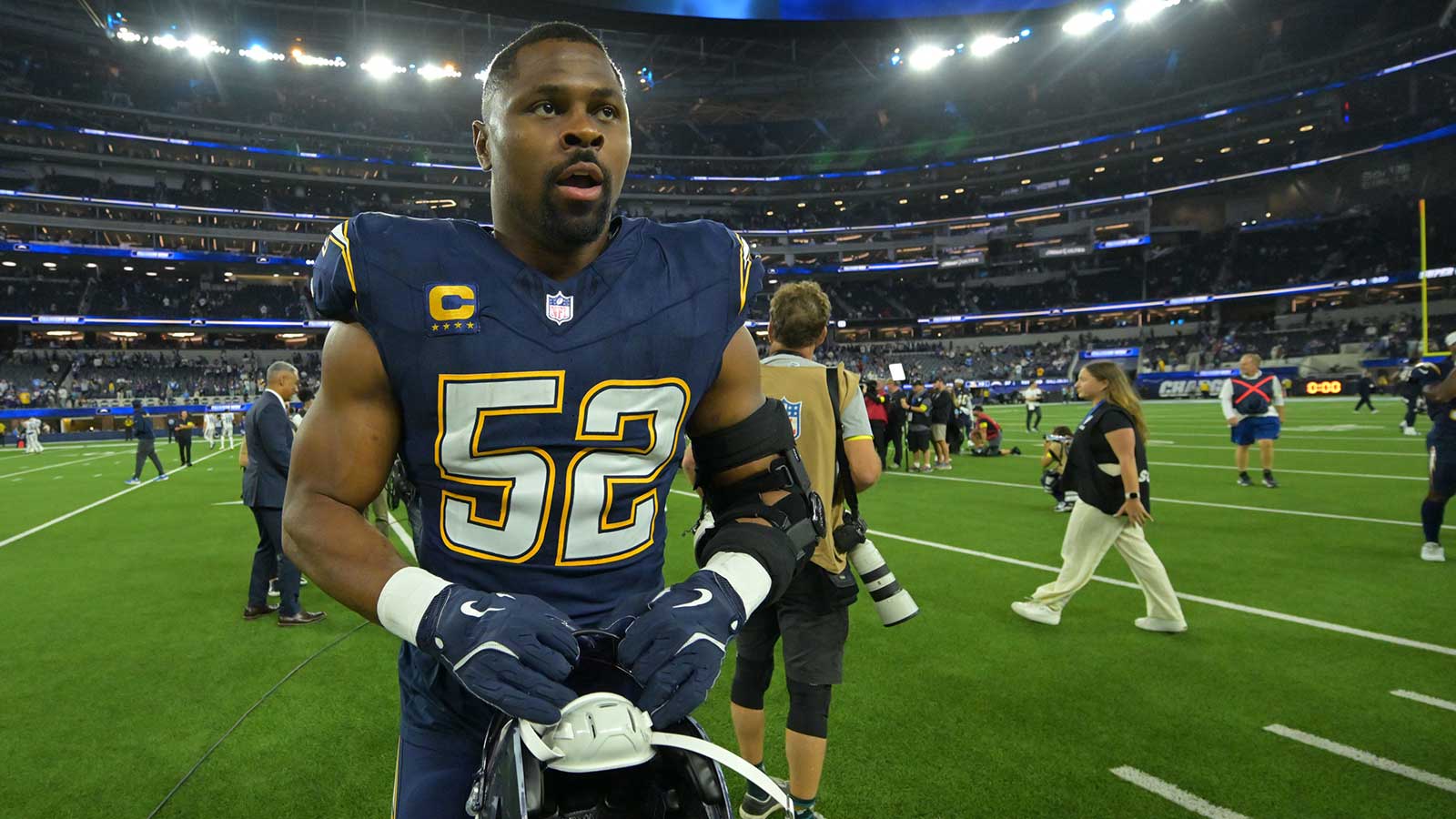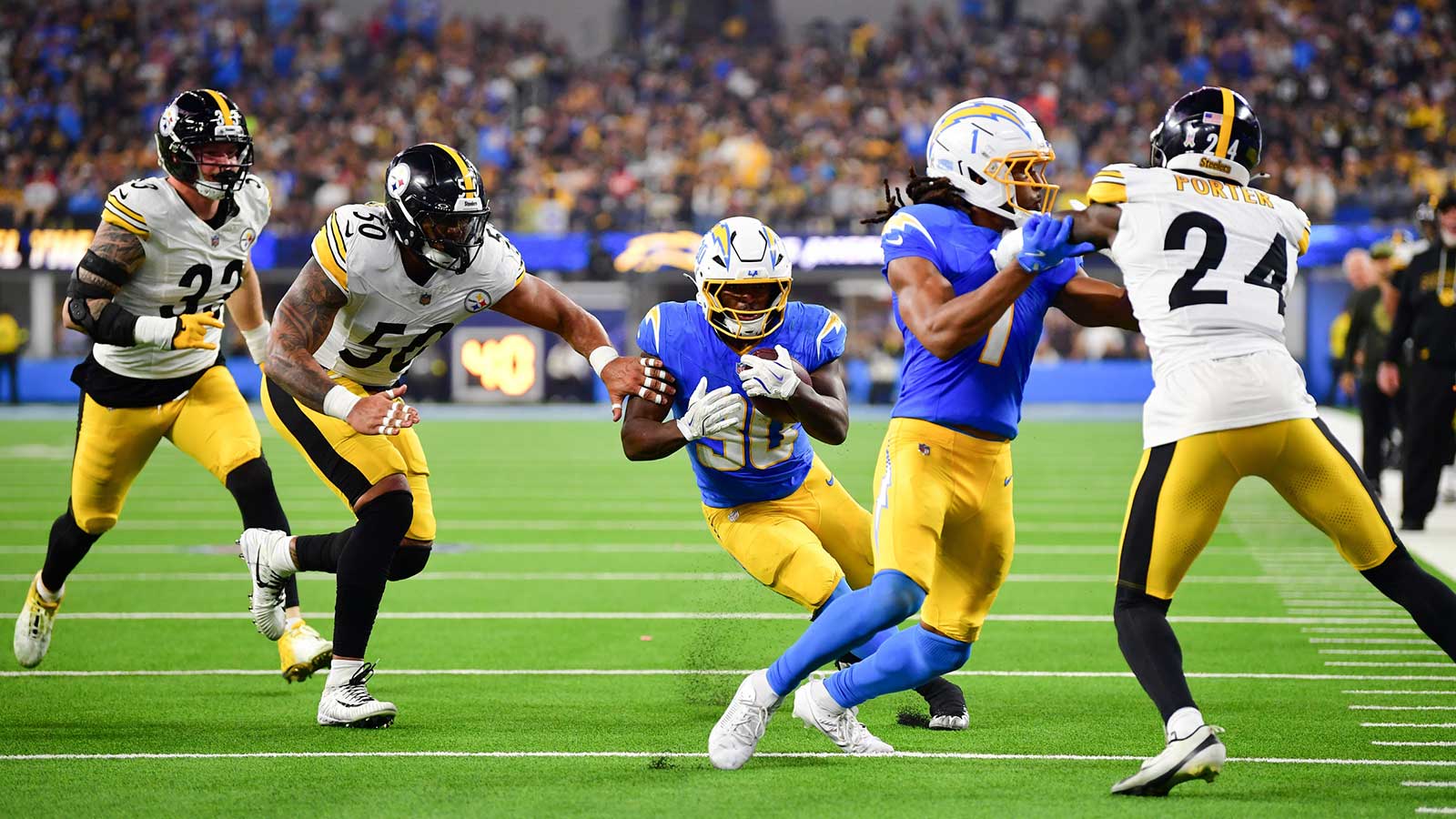
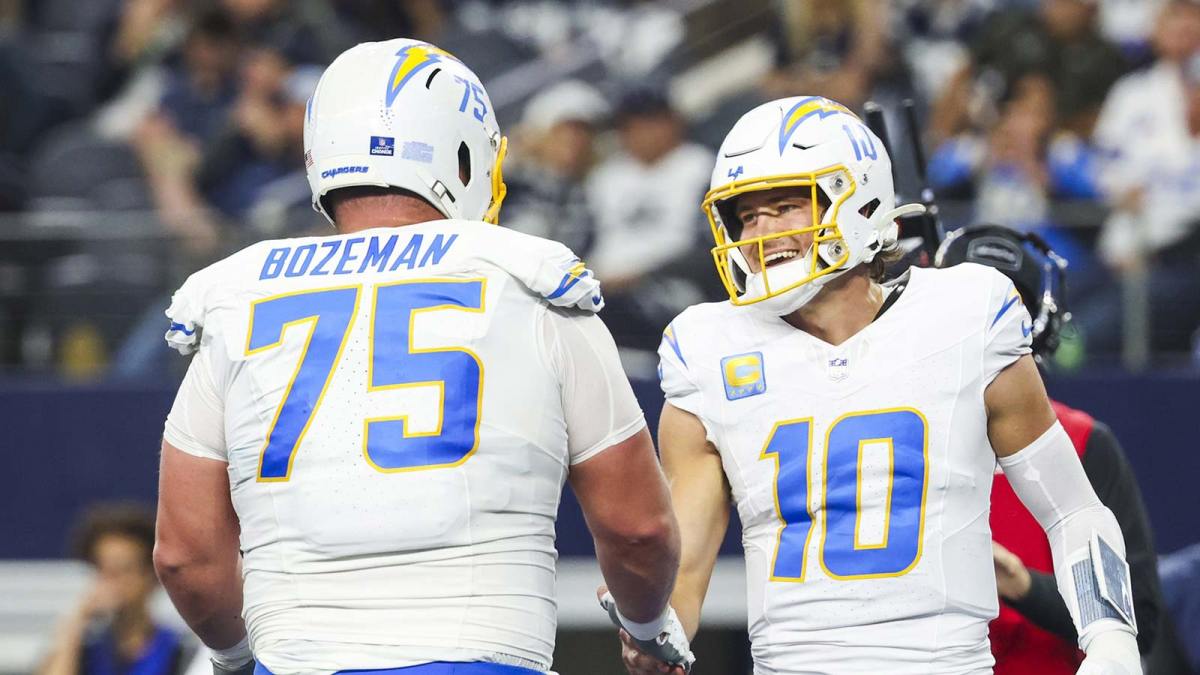
The Chargers wrapped up free agency by retaining two experienced defenders: linebacker Denzel Perryman, who signed a one-year deal, and safety Tony Jefferson, who returned on a one-year, $2 million contract following his resurgence in Los Angeles.
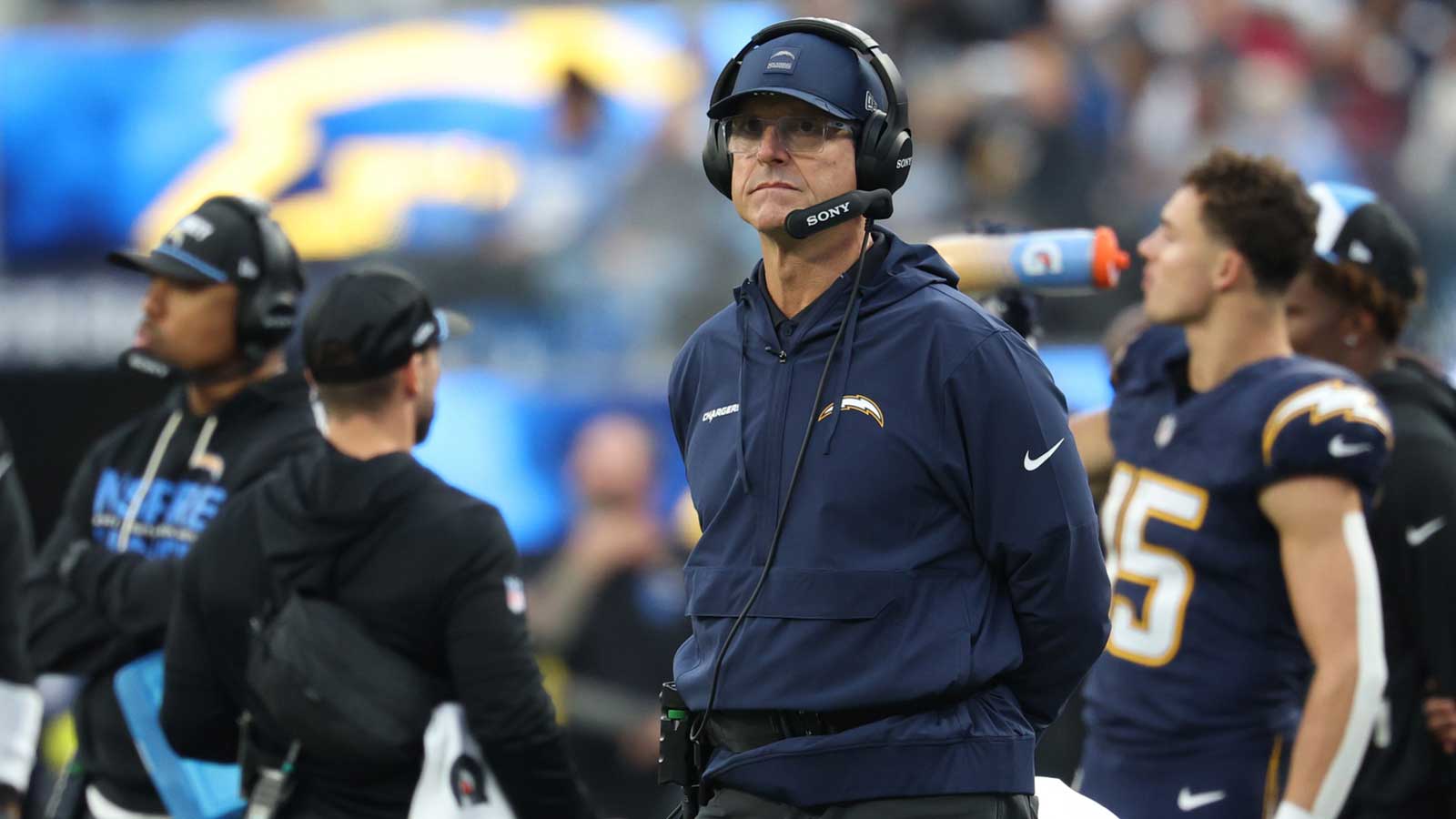
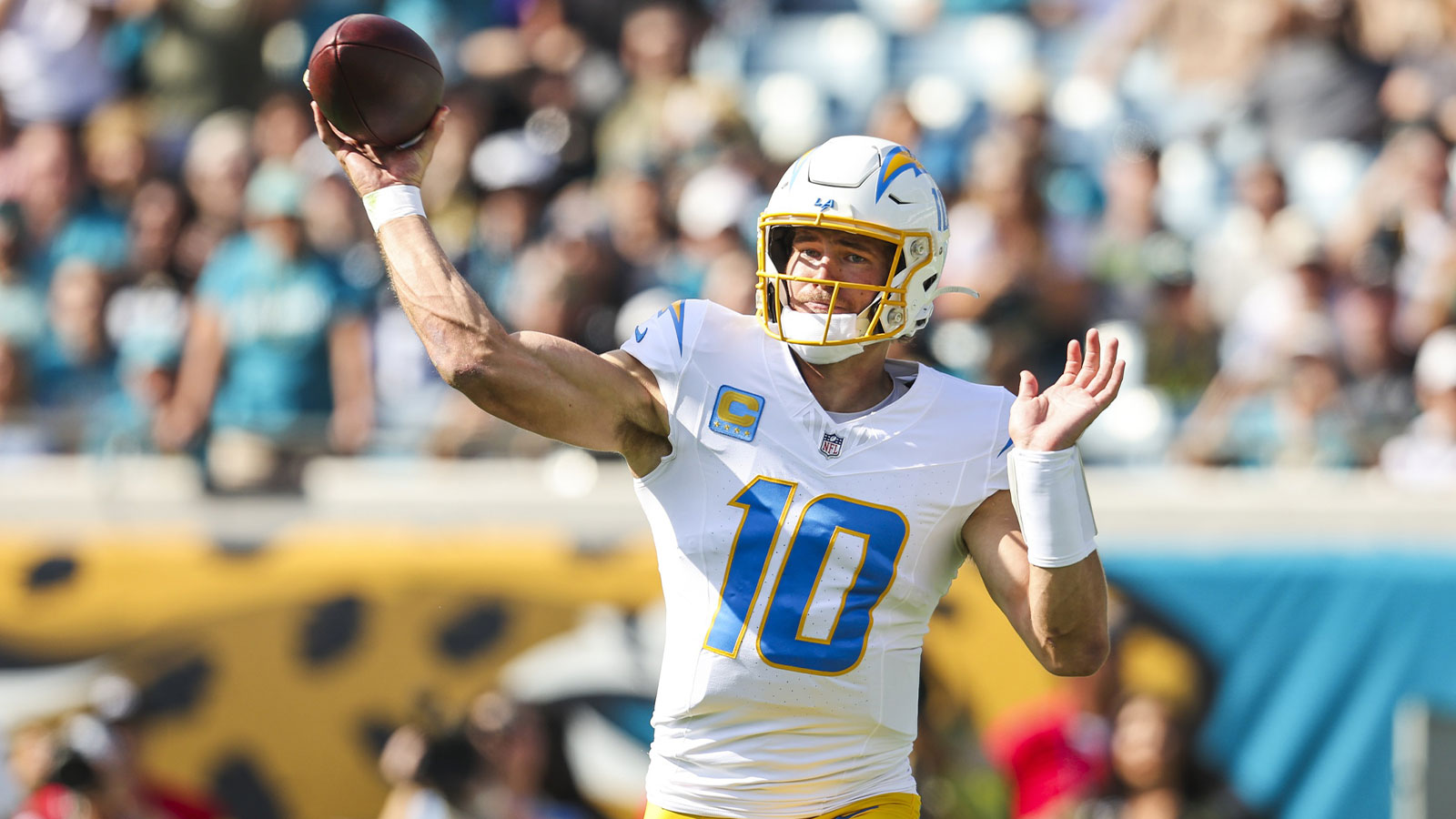
While these moves did not dramatically alter the team's draft strategy, they reinforce the front office's ongoing belief that the roster needs smart reinforcements around quarterback Justin Herbert rather than a complete overhaul. Head coach Jim Harbaugh is looking for a defense he can trust.
This perspective is crucial for the Chargers as they approach the draft with the 22nd overall pick.
The team is not in a state of disorder, as Los Angeles possesses five selections in the 2026 draft, including their own picks in each of the first four rounds and a sixth-round selection, and there seems to be a consensus that this is not the time for a flashy, vanity pick. Instead, the priority is to strengthen the roster in meaningful ways that will impact the team by December.
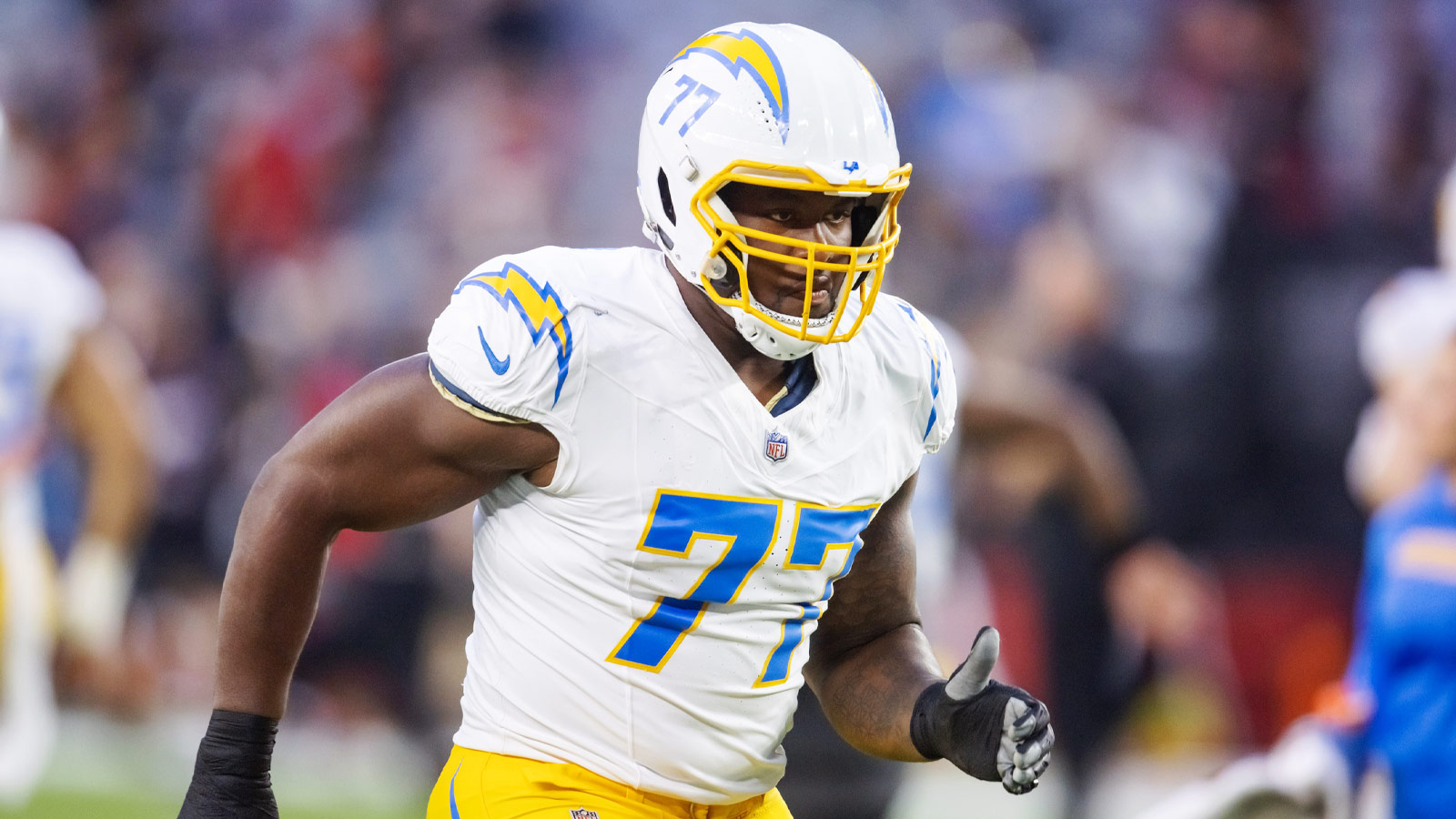
G Olaivavega Ioane, Penn State
One suggestion comes from Tim Crea, who projects that the Chargers will select Olaivavega Ioane at No. 22. Crean's reasoning is that Los Angeles needs interior offensive line help, and Ioane is considered the best guard available in the draft class.
The Chargers have also invested significantly in their offensive front, yet anyone who observed their interior struggles last season knows there is more work to be done. A line may appear solid from afar, but if it breaks down at critical moments, it can derail an entire offense, especially when interior pressure forces the quarterback to make hurried decisions.
Crean believes that Harbaugh requires a reliable player who can dominate in the run game and provide enough power to keep Herbert from feeling constant pressure.
This makes Ioane a natural fit, as he would have a legitimate chance to earn a starting role right away. For a team that understands the impact of a stable environment on Herbert’s performance, this is a compelling argument.
DT Peter Woods, Clemson
Mel Kiper Jr. shifts the focus to the defensive front and selects Peter Woods for the Chargers.
This choice reflects his understanding of the team's offseason strategy, as Kiper notes that Los Angeles addressed the interior offensive line before free agency began, giving them the flexibility to focus on the defensive side and consider a player with exceptional potential at the three-technique position.
He acknowledges a significant concern: Woods' modest sack total from the previous season, but Kiper still emphasizes Woods' upside due to his impressive physical attributes.
The Chargers don't necessarily need immediate statistical dominance from a rookie for this pick to be justified.
What makes this projection intriguing is that Woods is being mocked to Los Angeles not as a refined player but as a disruptive talent who can generate pressure from the inside, complicate quarterback pockets, and provide a different dynamic to the defensive front.
This is important for a Harbaugh-led team, as a defense benefits from having diverse contributions rather than everyone pursuing the same statistics, and the goal is to have players who make the defensive line more robust, aggressive, and challenging to block consistently throughout the game.
Kiper’s projection represents a belief that the Chargers can afford to focus on potential rather than immediate returns, especially after investing heavily in their offense. Essentially, this is the type of selection a stable team makes when opting for impact over urgency.
EDGE Keldric Faulk, Auburn
Garrett Podell takes a more analytical approach to the roster and suggests Keldric Faulk as a highly plausible choice. His reasons position Faulk as a solution to the loss of Odafe Oweh in free agency and also highlight Faulk's ability to line up in various positions across the front due to his size and overall skill set, and this versatility is crucial in the Chargers' defense.
While the team knows what to expect from Khalil Mack, they cannot afford to rely solely on one established edge rusher and a mix of unproven players for an entire season. Faulk's selection makes practical sense, as he doesn't need to be an immediate star or lead the team in sacks for his fit to be effective.
He simply needs to be a component of the front seven who can learn from Mack, contribute early on, and evolve into a more significant role as the season progresses.
Additionally, the timing of this pick is noteworthy. Re-signing Perryman and Jefferson has ensured that the second and third levels of the defense are not too thin, allowing the Chargers to focus on enhancing the areas of the unit that still require youth and energy.
Podell’s perspective suggests that while continuity in the linebacker and safety positions is important, there is still a pressing need for fresh talent and long-term potential on the edge.
DT Caleb Banks, Florida
Caleb Banks, a defensive tackle from Florida, has drawn the attention of Lance Zierlein, who projects him as a potential pick for the Los Angeles Chargers.
Zierlein emphasizes Banks' impressive physical attributes, noting that his durability raises questions about his overall value, and this is the type of prospect that many strong teams often take a chance on, especially when obvious top-tier players are off the board.
The Chargers are in a position to take that gamble, as they do not need Banks to be the sole solution for their defensive front immediately. Instead, they would be acquiring a player with size and movement skills, along with the potential for growth once he settles into a stable environment.
Zierlein's outlook on Banks is markedly different from that of another prospect, Ioane, who offers a clear solution to an immediate need. While Ioane is a clean pick to address a specific problem, Banks represents a risk that could lead to significant rewards if his talent is fully developed.
Both strategies hold value.
For Los Angeles, the appeal of Banks lies in the opportunity to introduce exceptional physical talent to their defense, which already boasts enough veteran players to ease the rookie's transition.
A common thread in these evaluations is not just a focus on one position, but a shared recognition of the Chargers' status following free agency.
With good players providing familiarity and depth, and the offensive line having been sufficiently addressed, they can approach the draft with clarity rather than panic. As a result, the decision at No. 22 appears to revolve around either further enhancing quarterback Justin Herbert's surroundings or strengthening the defensive front to improve their performance come January.
This scenario is preferable to many other teams drafting in the same range, as it indicates that the Chargers are not searching for a quick fix but are instead exploring which part of their roster deserves to be upgraded.
Another aspect of this draft scenario is that each potential pick conveys different insights into what head coach Jim Harbaugh and the front office envision as essential for championship-caliber football.
The organization possesses enough stability to avoid making desperate picks, enough needs to keep the draft board competitive, and enough veteran talent to ensure that the right rookie could elevate a strong roster into a more complete team.