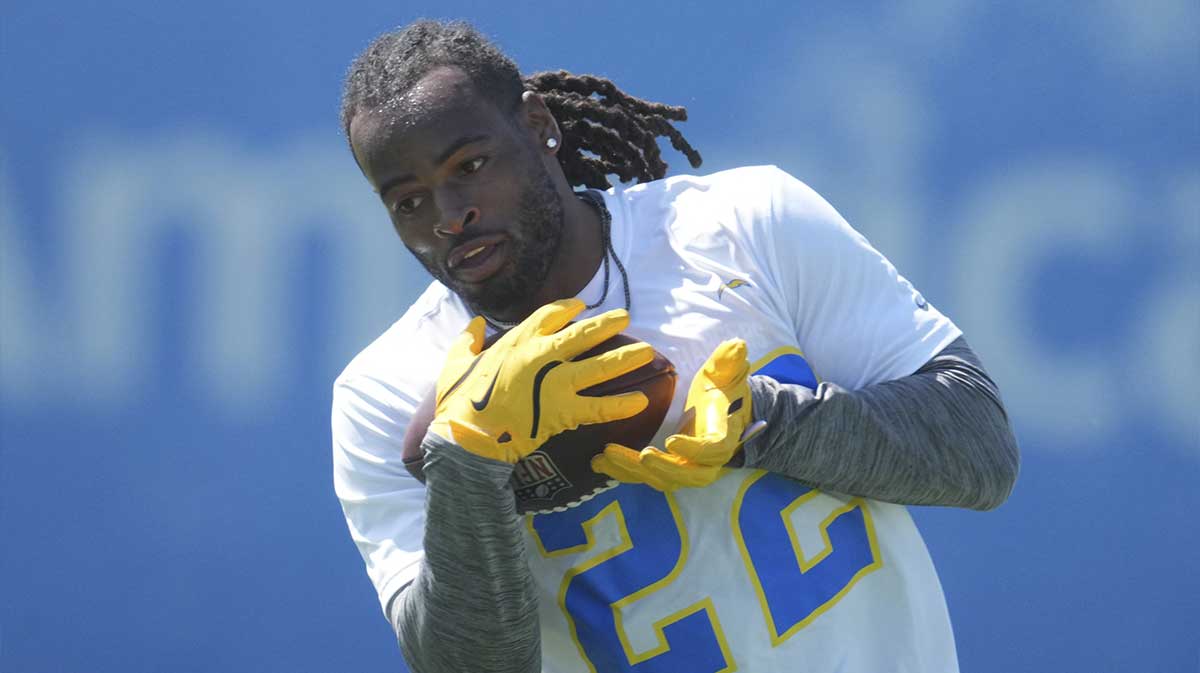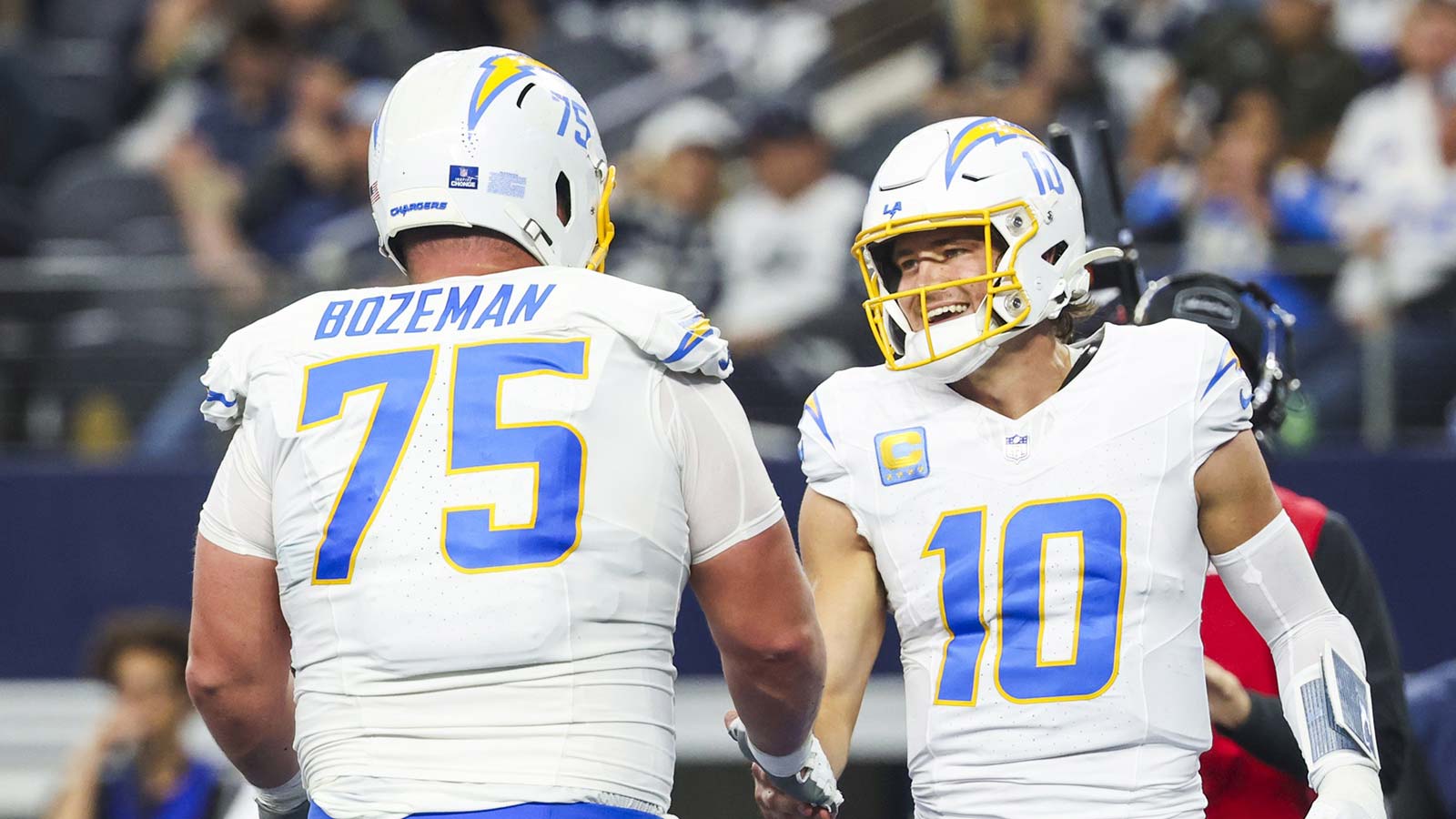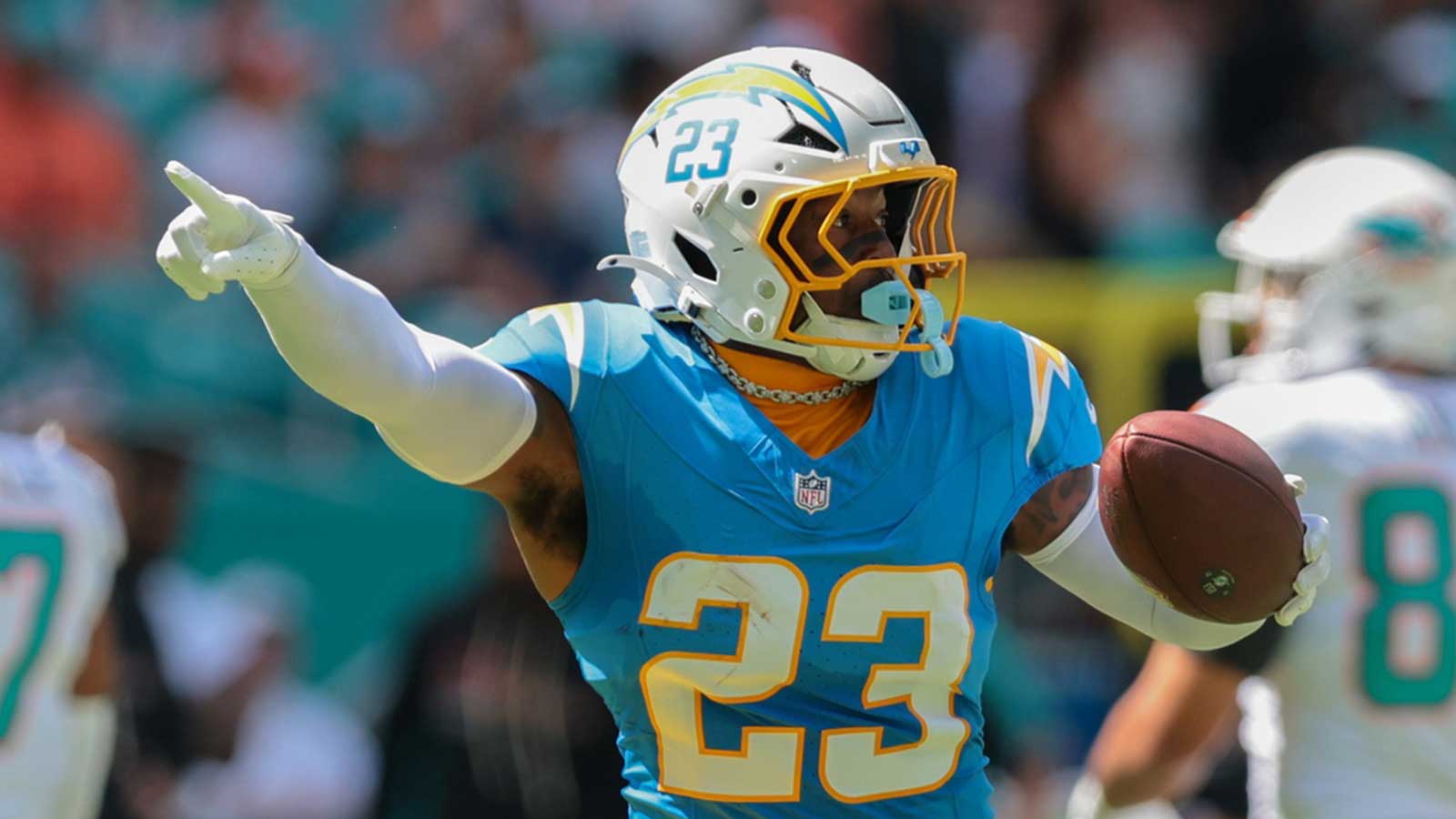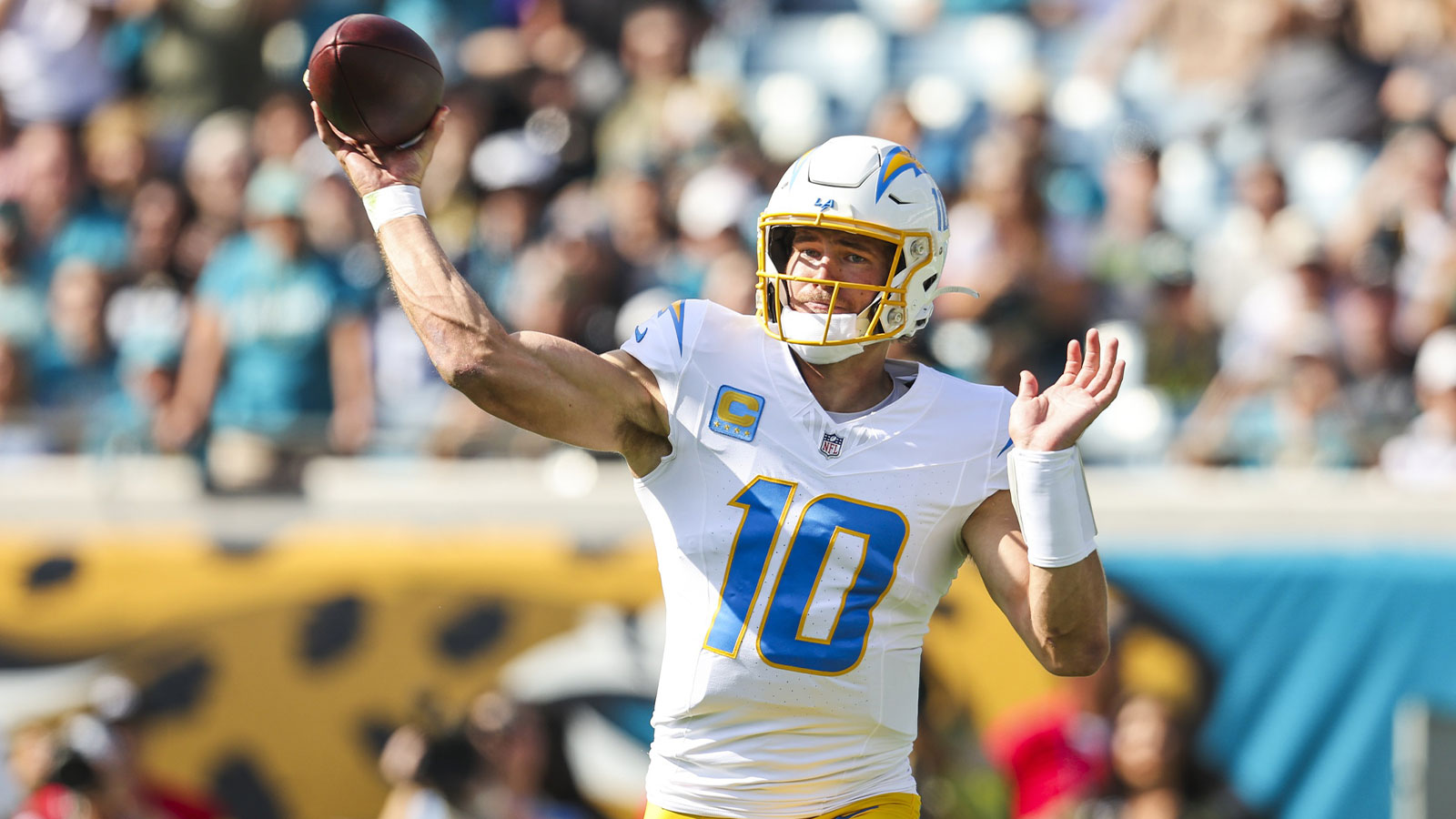
The Chargers finds itself in a peculiar situation during the offseason, and despite the return of Tony Jefferson and a few moderate veteran signings, ESPN has ranked the Chargers dead last. To address some of their protection issues, the team added guard Kayode Awosika, another addition to an offensive line that still appears unstable in front of quarterback Justin Herbert.
This scenario sets the stage for the upcoming draft, and while the roster is not entirely bare, it is far from complete. The main concern now is not simply selecting a bad player, but rather investing valuable draft capital in the wrong type of good player.
Identifying the team's priorities is no longer difficult right now. ESPN's post-free-agency draft needs analysis for the Chargers highlighted right guard, left guard, and defensive tackle as the top three gaps in the roster.
The analysis even referred to the interior offensive line as the team’s Achilles’ heel over the last two seasons, and it pointed out that Los Angeles will feature a new interior line after the retirements of Bradley Bozeman, the release of Mekhi Becton, and the departure of Zion Johnson in free agency. Even with the addition of Tyler Biadasz, the guard positions still appear uncertain, and this is the roadmap the Chargers should follow.
Once this understanding is established, it becomes easier to compile a list of what to avoid.
A team with significant unresolved issues at both guard positions and on the interior defensive line should refrain from using its top draft resources on flashy distractions, and it should not draft for novelty or convince itself that it can prioritize positions that may be helpful but are far less urgent than what is directly in front of Herbert or opposing the center on defense.
QB Haynes King, Georgia Tech

Haynes King is the type of quarterback who can make a team feel intellectually advanced because he is experienced and easy to envision as a developmental passer who could be groomed behind a veteran starter. On a different roster, that might be a harmless strategy, but on this one, it represents a misuse of resources.
The Chargers do not need to invest premium draft capital in creating another quarterback conversation. Justin Herbert is the centerpiece of the offense, and the main offseason criticism surrounding the team has not been about uncertainty at the quarterback position.
Instead, it has focused on whether the front office is doing enough to protect him and whether the offensive line can withstand a demanding season.
Adding another young quarterback near the top of the draft board would not address these issues; it would only divert attention away from the significant problems that still need resolution.
There’s also a broader perspective to consider regarding team building, and while backup quarterbacks have their importance, a roster with substantial issues on the interior offensive line shouldn't act as if it has the luxury to spend a premium pick on a developmental reserve.
A quarterback like King might be appealing later in the draft as a depth project if the situation allows it, but selecting him with one of the top picks would suggest a denial of the actual state of the offensive line. That would be wishful thinking, not effective roster management.
The Chargers are focused on winning with Herbert, not on creating a second quarterback storyline to keep the offseason narrative interesting, and a team can only address so many issues in one draft class. For Los Angeles, quarterback is far too low on the urgency list to justify using a top pick on a player like King.
RB Darius Taylor, Minnesota
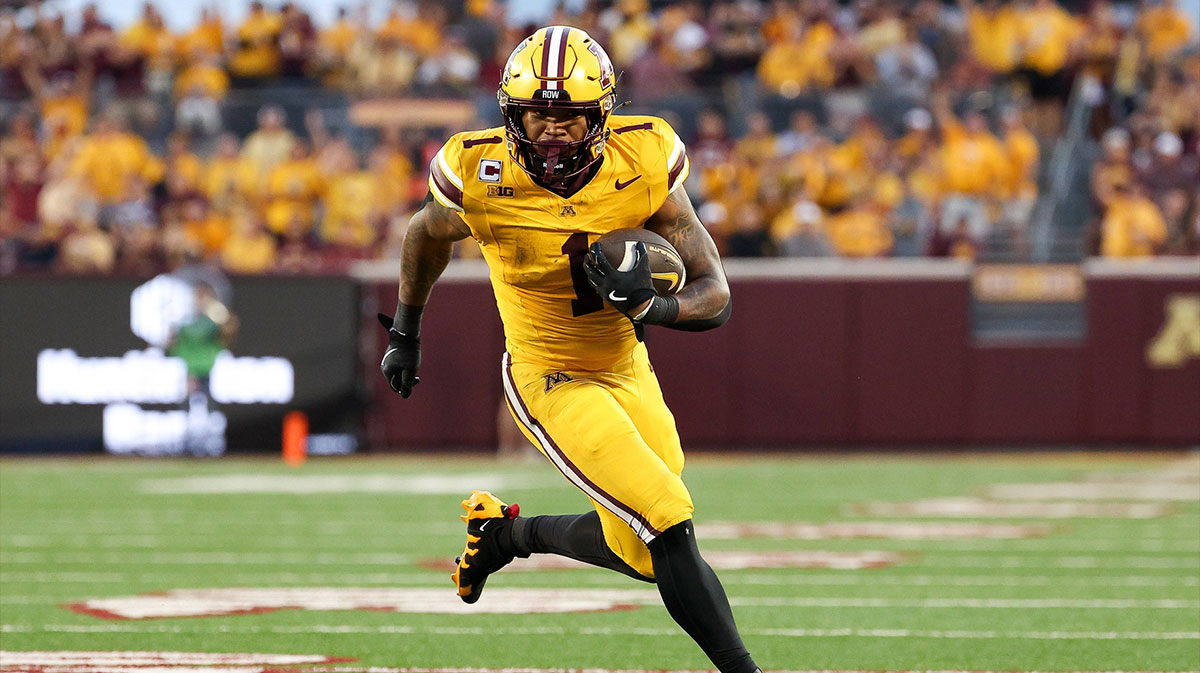
Running back is one of the easiest positions to over-romanticize during draft weekend, and a player like Darius Taylor is a perfect example of this tendency. He is dynamic enough to instantly make an offense seem more dangerous, and adding him would provide a boost, freshness, and more options, but that does not mean he is the right choice for one of the Chargers’ top picks.
The main issue for them is not the lack of interesting additions to the backfield, but the real problem is that the offensive interior appears shaky enough to undermine the entire operation.
A more exciting runner won’t solve that, but a more reliable guard will, with a stronger, more dependable interior line is essential. A defensive tackle capable of preventing games from being lost in the trenches is also vital, and for this reason, selecting a running back in this range would be difficult to justify. It's another case of pursuing an exciting option before addressing fundamental problems.
Teams often rationalize such moves by claiming they are helping the quarterback with a better running game, and the logic sounds acceptable until the season begins and the same pressure continues to disrupt plays before the running back can have an impact. Herbert doesn’t require another flashy offensive player as much as he needs fewer snaps with immediate pressure in the pocket.
A player like Taylor may thrive in a different situation, and that’s not the point.
The key takeaway is that the Chargers should allocate high-value picks to address the parts of the offense that have been most damaging, and until those fundamental issues are resolved, investing premium resources in the backfield should be considered a luxury, one this roster cannot afford at the moment.
TE Tanner Koziol, Wisconsin
Tanner Koziol is the type of prospect that coaches typically enjoy drafting.
As a pass-catching tight end with the movement skills to create matchup problems, he seems useful, especially for an offense looking to become less predictable, but this is precisely the kind of pick that the Chargers should avoid.
The issue lies in identifying where the roster needs the most help, and with significant questions at right guard, left guard, and defensive tackle, the team should not reach for another offensive accessory before addressing these fundamental areas.
The Chargers can find valuable tight end help later in the draft if they want to add versatility, but they cannot continue postponing work on the offensive and defensive lines.
This situation illustrates how good teams can trick themselves into making subtle mistakes because they see a talented player and convince themselves that adding “more weapons” is always a winning strategy. But often, it is not.
Frequently, it results in adding another attractive option to an offense that still struggles to protect the quarterback effectively, and a pass-catching tight end is far more impactful once the offensive line is stable, or he often becomes just a decorative choice.
Koziol may develop into a very useful NFL player, but that still does not justify him being an early pick for the Chargers.
They have two guard spots still in question, and the defensive line needs serious attention, especially with Justin Herbert entering another season where the most critical issue surrounding him remains unresolved.
S Zakee Wheatley, Penn State
Zakee Wheatley is the kind of safety that could attract any team that values speed, range, and modern coverage skills.
He would be easy to explain in a draft room, particularly for a franchise that recently re-signed Tony Jefferson and strives to keep its secondary competitive, but this shouldn’t elevate him on the Chargers’ priority list.
There are other concerns that the team has been too cautious, lacking impactful additions, and too willing to leave Herbert exposed. Selecting a premium safety would only exacerbate that criticism, indicating that the front office still hasn’t fully recognized where the team's real vulnerabilities lie.
While Wheatley could improve the defense, the question remains whether he would enhance this roster in the ways it critically needs, and that answer is far less convincing.
The Chargers should not allocate top resources to a position that can still function adequately when other parts of the team are far more likely to determine the season’s success or failure. He is not the right choice.
The broader lesson with all four of these prospects is that the Chargers need to steer clear of them because each choice would divert the draft away from addressing the areas that most urgently require repair and with this, they neet to strengthen the interior offensive line, add more substance to the defensive line, and stop pretending that another intriguing name in a lower-priority position is equivalent to making the necessary improvements.
This roster needs to become more resilient.