If you wanted a microcosm of the Philadelphia Eagles’ maddening 2025 slide, Monday night at SoFi Stadium delivered it in excruciating high definition. In a game they had every right to win—and perhaps, given the yardage disparity, should have won—the Eagles found new, creative ways to hand the Los Angeles Chargers a 22-19 overtime victory.
The loss drops Philadelphia to 8-5, marking their third defeat in four games and placing their NFC East aspirations on life support. While the Chargers (9-4) deserve credit for their resilience, particularly Cameron Dicker’s automatic leg and a gritty performance from a one-handed Justin Herbert, the story of this game wasn’t Los Angeles taking it. It was Philadelphia giving it away.
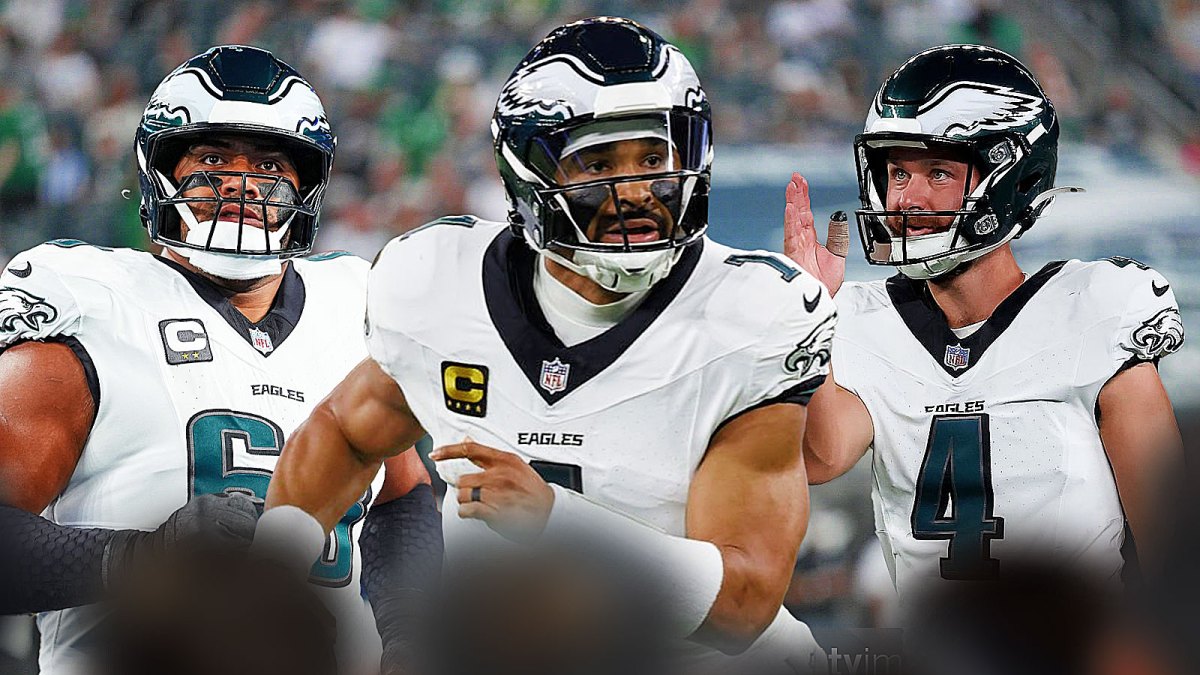
When the dust settled and the Eagles trudged off the field after Jalen Hurts’ overtime interception, the blame pie was large enough to feed the entire Delaware Valley. But some slices were significantly larger than others. Here are the Eagles most responsible for Monday night’s disaster.
Jalen Hurts’ Turnover Troubles Resurface

There is no escaping the reality of the final play. In overtime, needing only a field goal to extend the game or a touchdown to win, Jalen Hurts committed the cardinal sin of quarterbacking: he forced a ball late over the middle.
Tony Jefferson’s interception at the 1-yard line wasn’t just a great defensive play; it was a catastrophic decision by the Eagles’ $255 million quarterback. Hurts had time. He had Saquon Barkley check-releasing into the flat. Instead, he tried to fit a hero ball into a window that had long since closed, seemingly not seeing the safety driving on the route.
Hurts finished the night with pedestrian passing numbers, but it was his situational awareness that crippled the offense. Earlier in the game, he took a sack on third down that pushed the Eagles out of comfortable field goal range, forcing Jake Elliott into a tougher attempt. While Hurts made plays with his legs—including extending drives that kept the Chargers' offense cold—his inability to protect the football in crunch time has become the defining anxiety of this late-season collapse. You simply cannot turn the ball over in the red zone in overtime and expect to be taken seriously as a Super Bowl contender.
Jordan Mailata and the Discipline Deficit
If Hurts was the architect of the final failure, Jordan Mailata built the foundation for the loss in the second quarter. The Eagles had engineered a beautiful, rhythm-establishing drive that culminated in a Jalen Hurts touchdown pass to A.J. Brown. It would have put the Eagles up 14-10 and completely shifted the momentum before halftime.
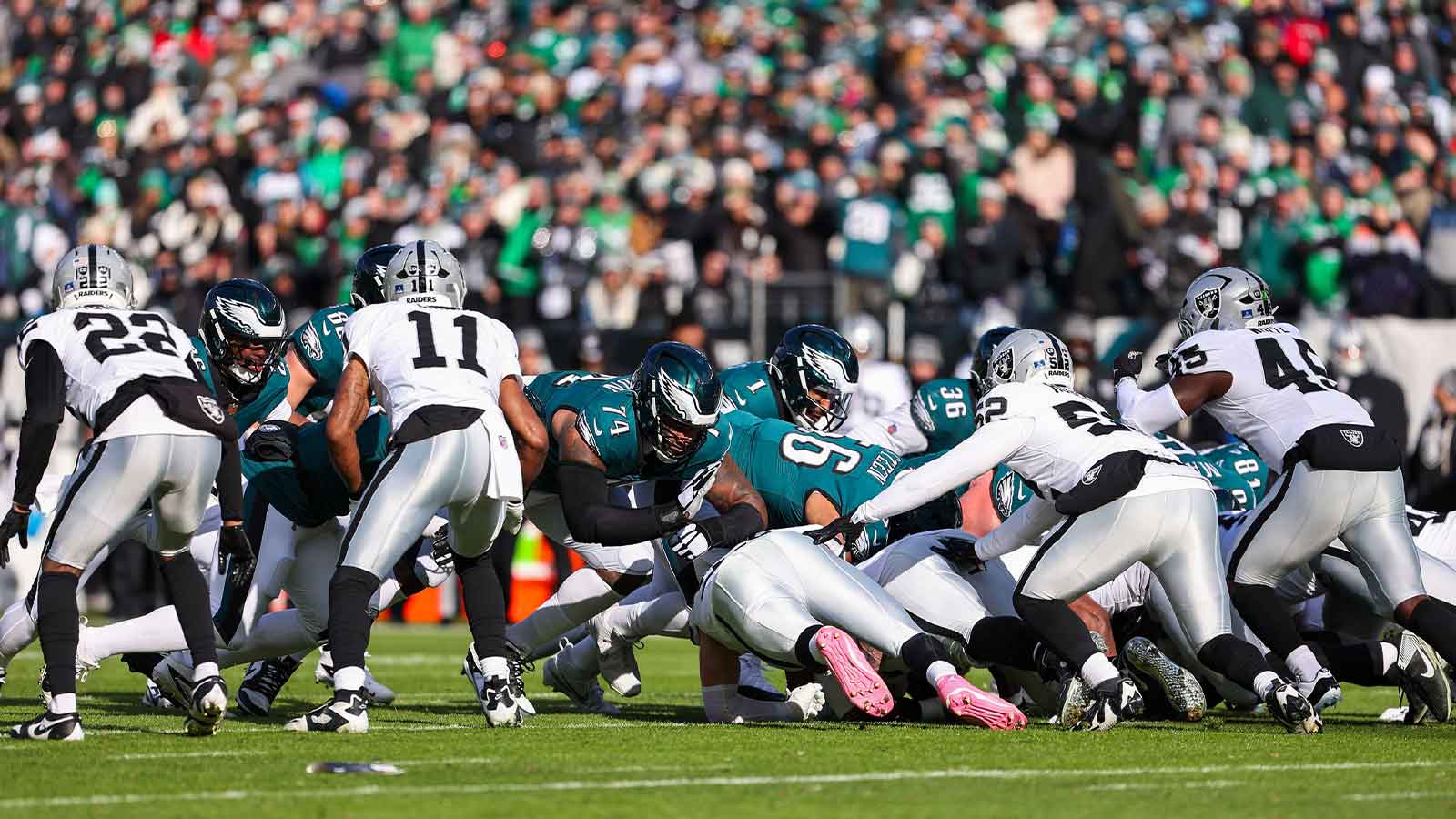
Instead, yellow linen hit the turf. Mailata was flagged for holding Khalil Mack, nullifying the touchdown. The drive subsequently stalled, the Eagles settled for a field goal, and a four-point swing was etched onto the scoreboard. In a game decided by three points in overtime, that penalty is the difference between a regulation win and a heartbroken flight home.
Mailata is usually a rock, but this penalty was symptomatic of a sloppy, undisciplined performance by the offensive line. They allowed pressure in key moments and committed pre-snap penalties that put the offense behind the sticks. When you are playing a defense as opportunistic as the Chargers’, you cannot volunteer to erase your own points.
Jake Elliott’s Rare Miss
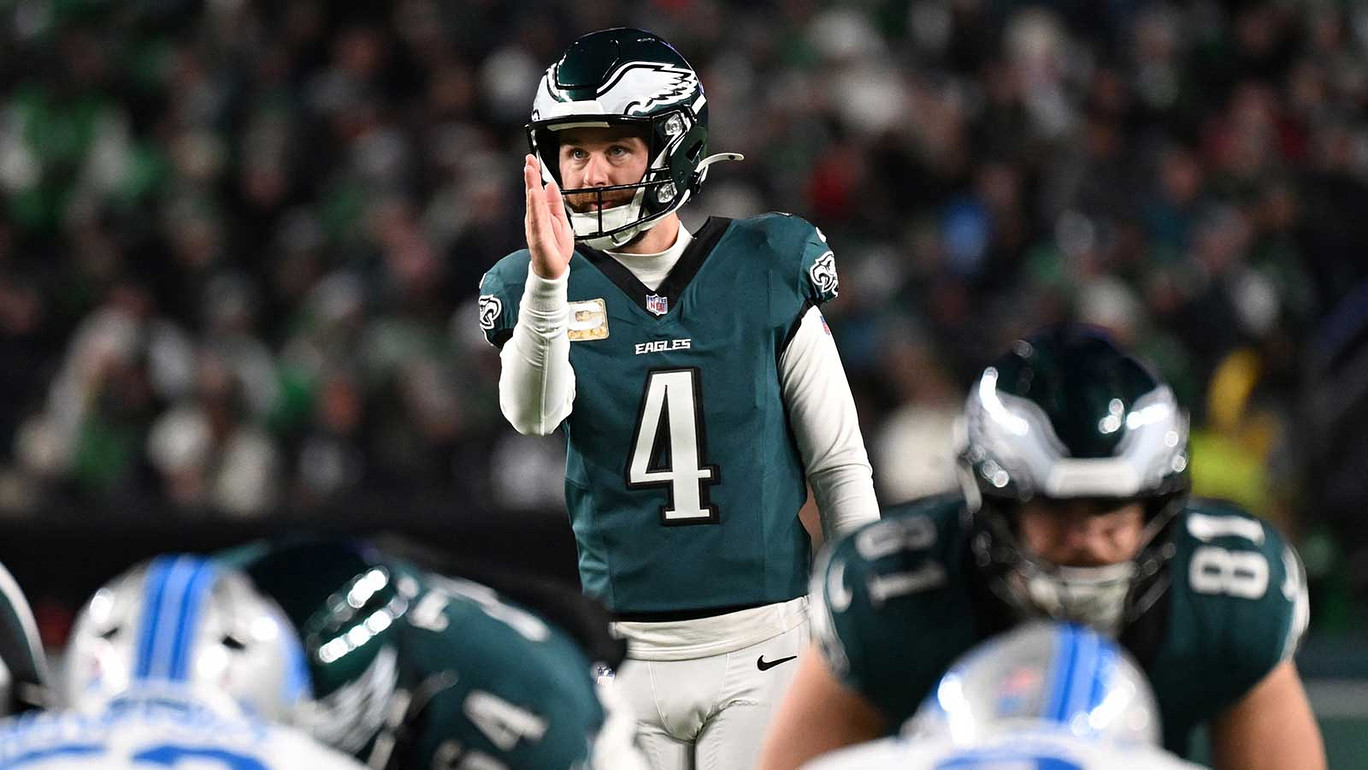
It feels harsh to pin a loss on one of the most reliable kickers in franchise history, but in a game with razor-thin margins, Jake Elliott’s second-quarter miss looms large. Elliott pulled a 48-yard attempt wide left just before halftime—a kick he makes in his sleep 99 times out of 100.
Jake Elliott : 4/5 FG's & made his only extra point attempt (Missed a 48-yard FG on the final play of the 1st half) pic.twitter.com/s95TAMPgbv
— Lee Harvey (@Sayian_Warrior) December 9, 2025
That empty possession was a killer. Had Elliott converted, the dynamic of the fourth quarter changes entirely. Instead of chasing the game or being tied 16-16 late, the Eagles might have been protecting a lead, forcing the Chargers to be one-dimensional. In a defensive struggle where points are at a premium, leaving three on the field is inexcusable.
The Eagles are not a bad football team, but right now, they are a dumb one. They are 8-5 not because they lack talent, but because they lack the killer instinct and discipline required to close out tight games against playoff-caliber opponents.
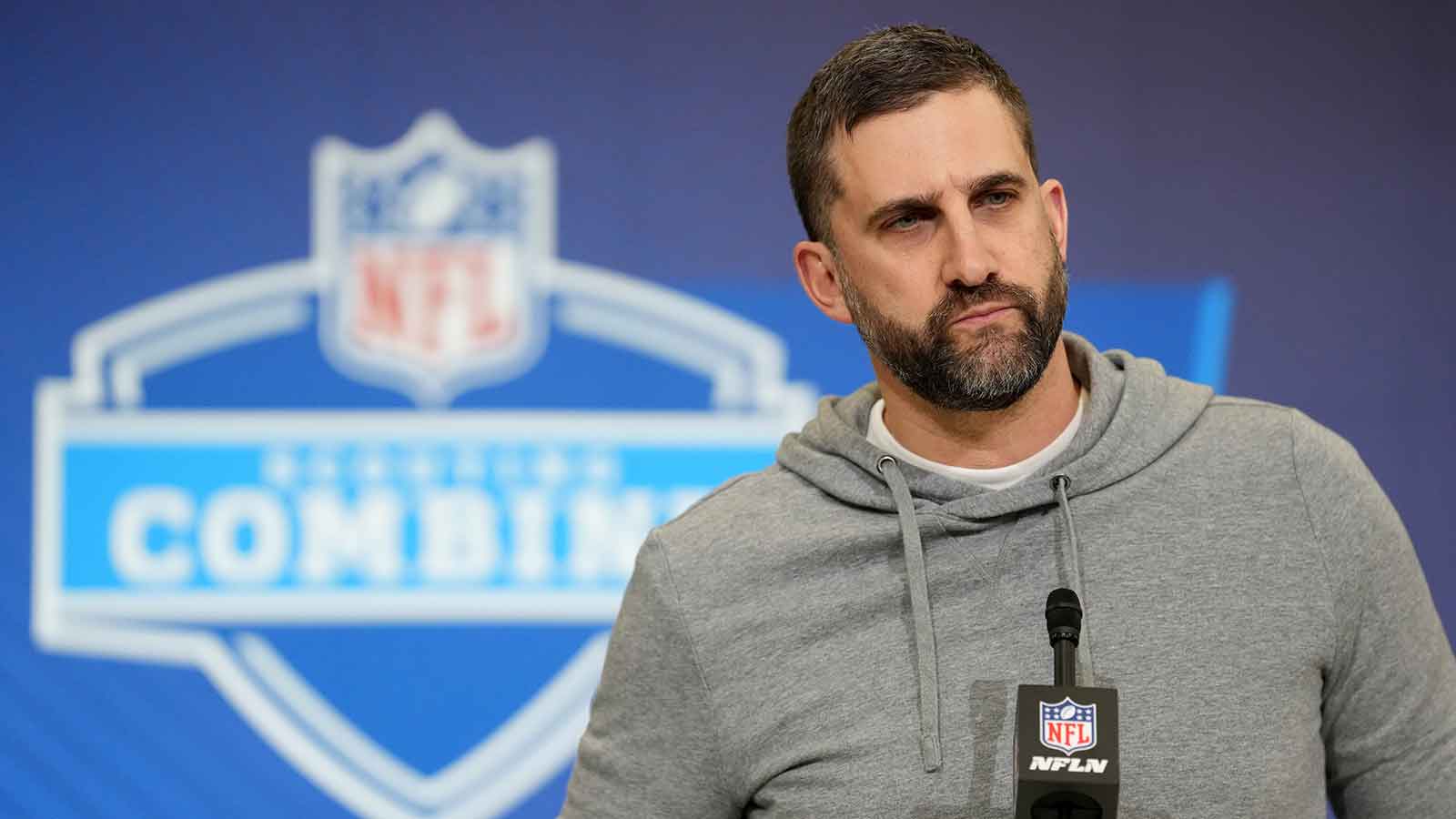
Head coach Nick Sirianni will undoubtedly talk about “cleaning things up” and “accountability” in his presser this week. But we are in Week 14. If the mistakes aren’t cleaned up by now—the red zone turnovers, the holdings that wipe out touchdowns, the special teams gaffes—they aren’t mistakes anymore. They are who you are. And right now, the Eagles are a team that beats themselves.