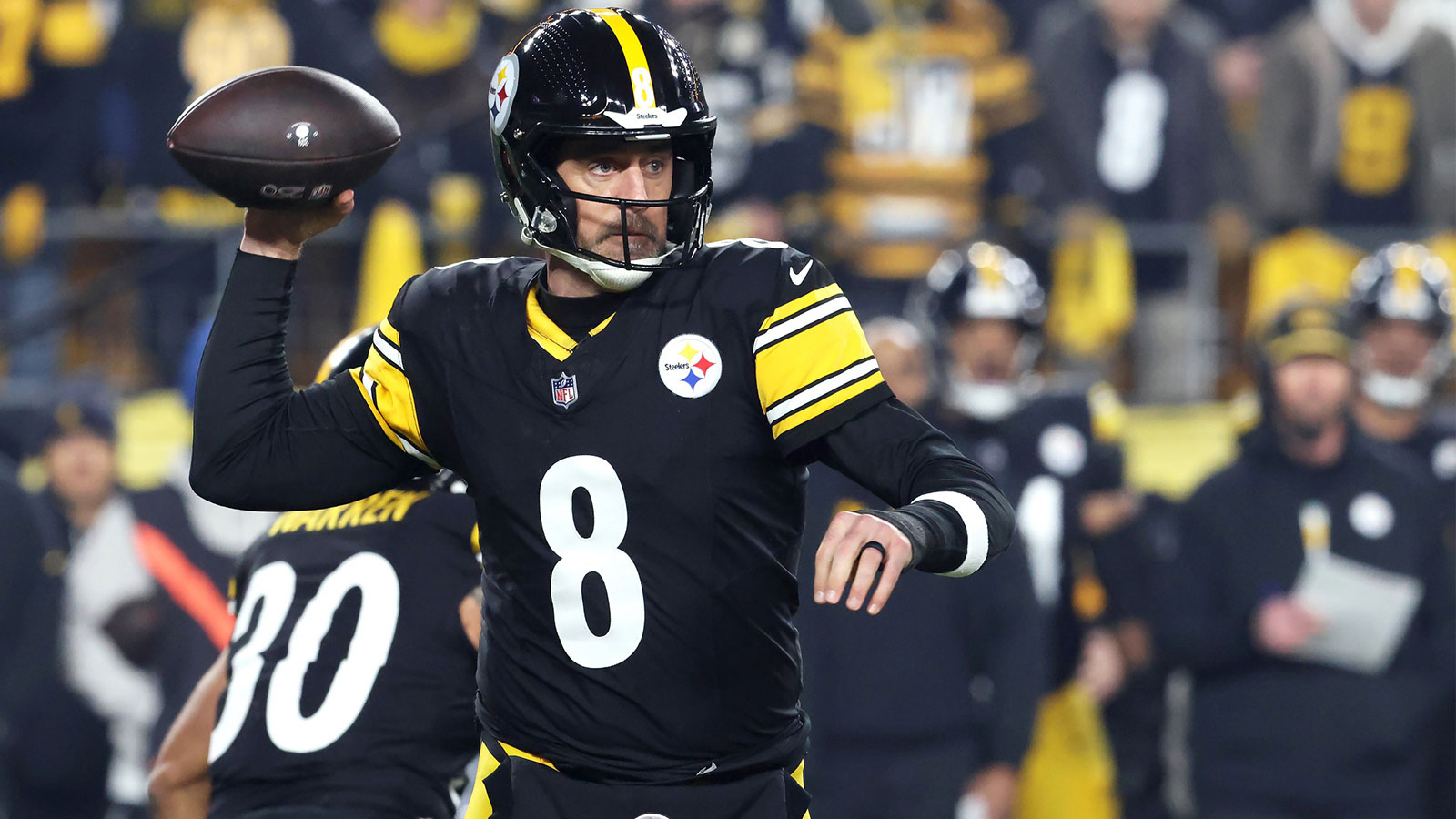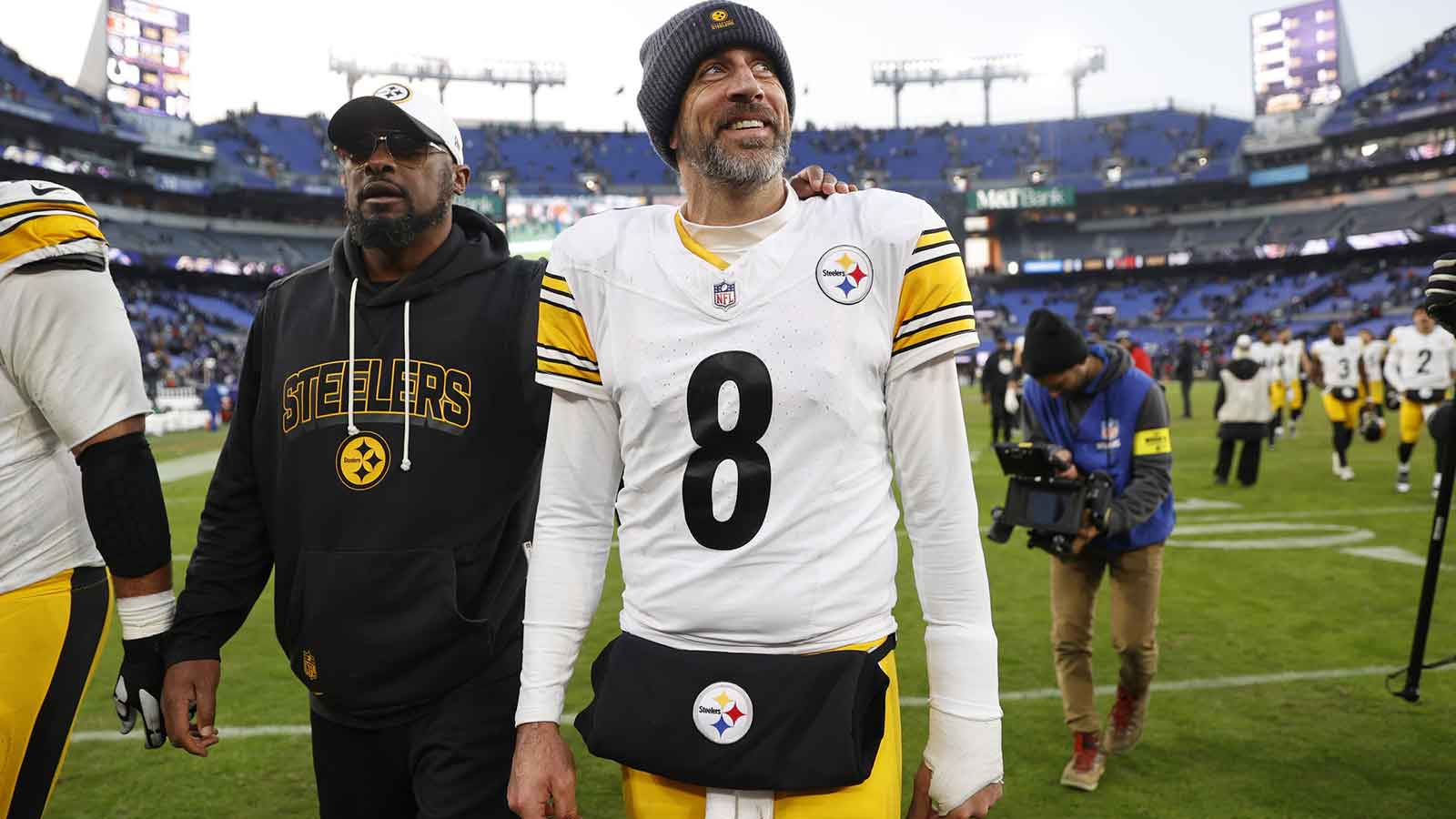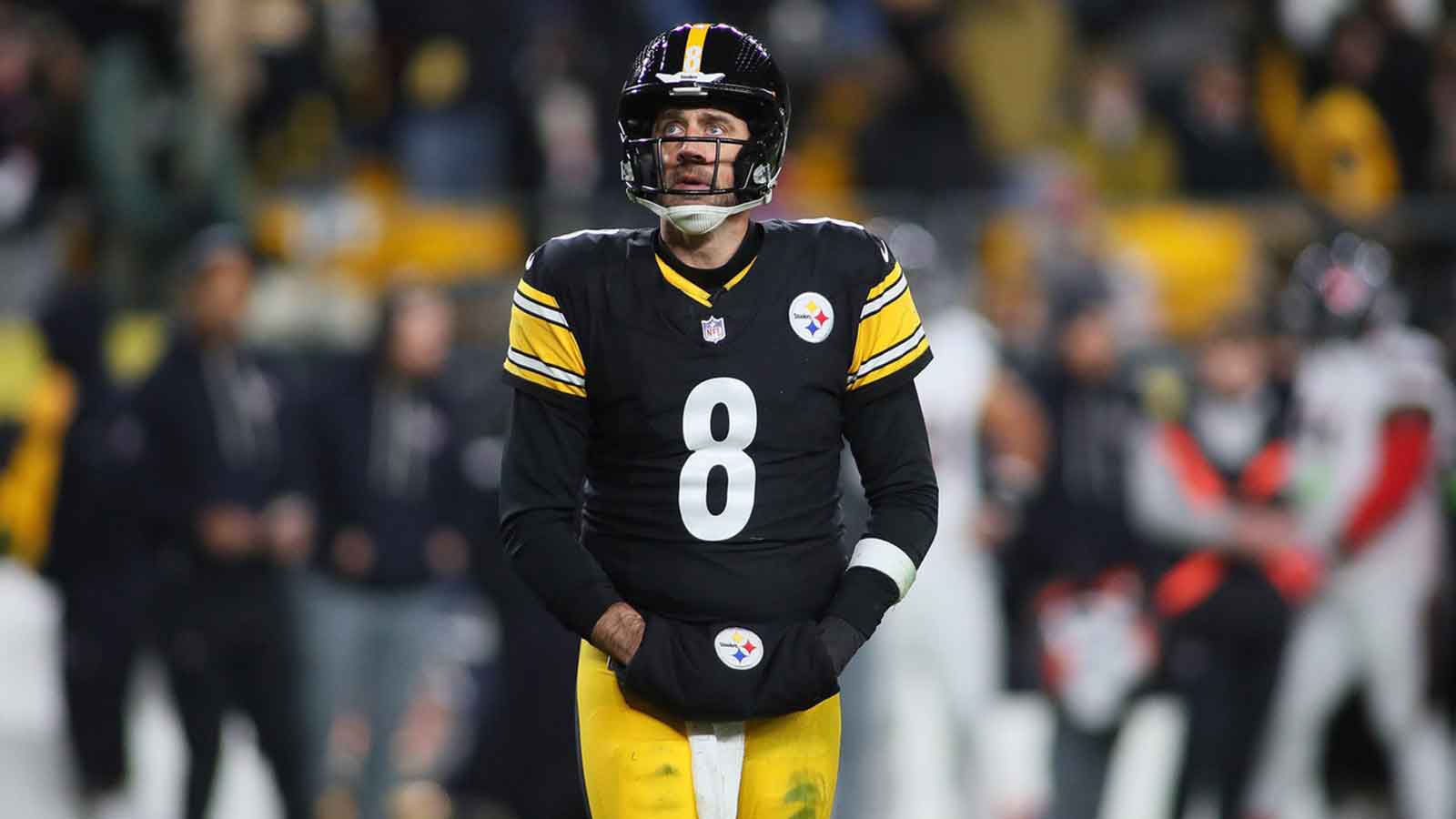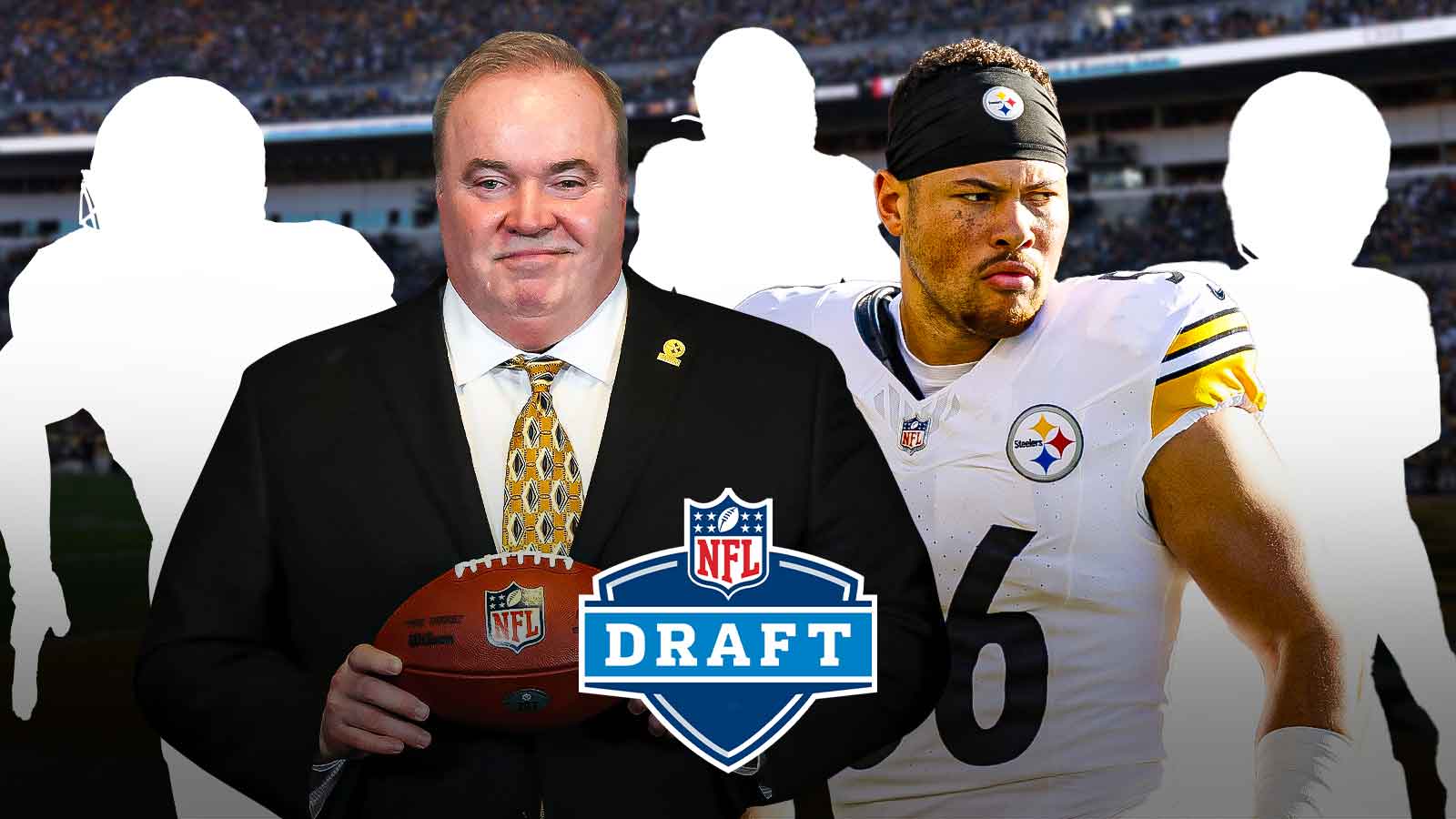
The Steelers are entering the 2026 offseason with a unique blend of optimism and uncertainty, starting at the top with a significant coaching change. Mike Tomlin's 19-year tenure has come to an end, and Mike McCarthy is stepping in. This shift has transformed the conversation about the quarterback position to a maybe. Aaron Rodgers has yet to inform Pittsburgh if he will return for a 22nd season.
Still, league talk suggests the odds are improving after several discussions with McCarthy, who played a vital role in Rodgers' early development. Additionally, D.K. Metcalf has been encouraging Rodgers to take one more shot, which is why the Steelers are eager for an answer before free agency begins in mid-March.
If Rodgers decides to come back, a new contract structure will likely be necessary, and even with approximately $44.94 million in projected cap space, Pittsburgh will seek additional room to build a competitive roster around a 42-year-old quarterback.
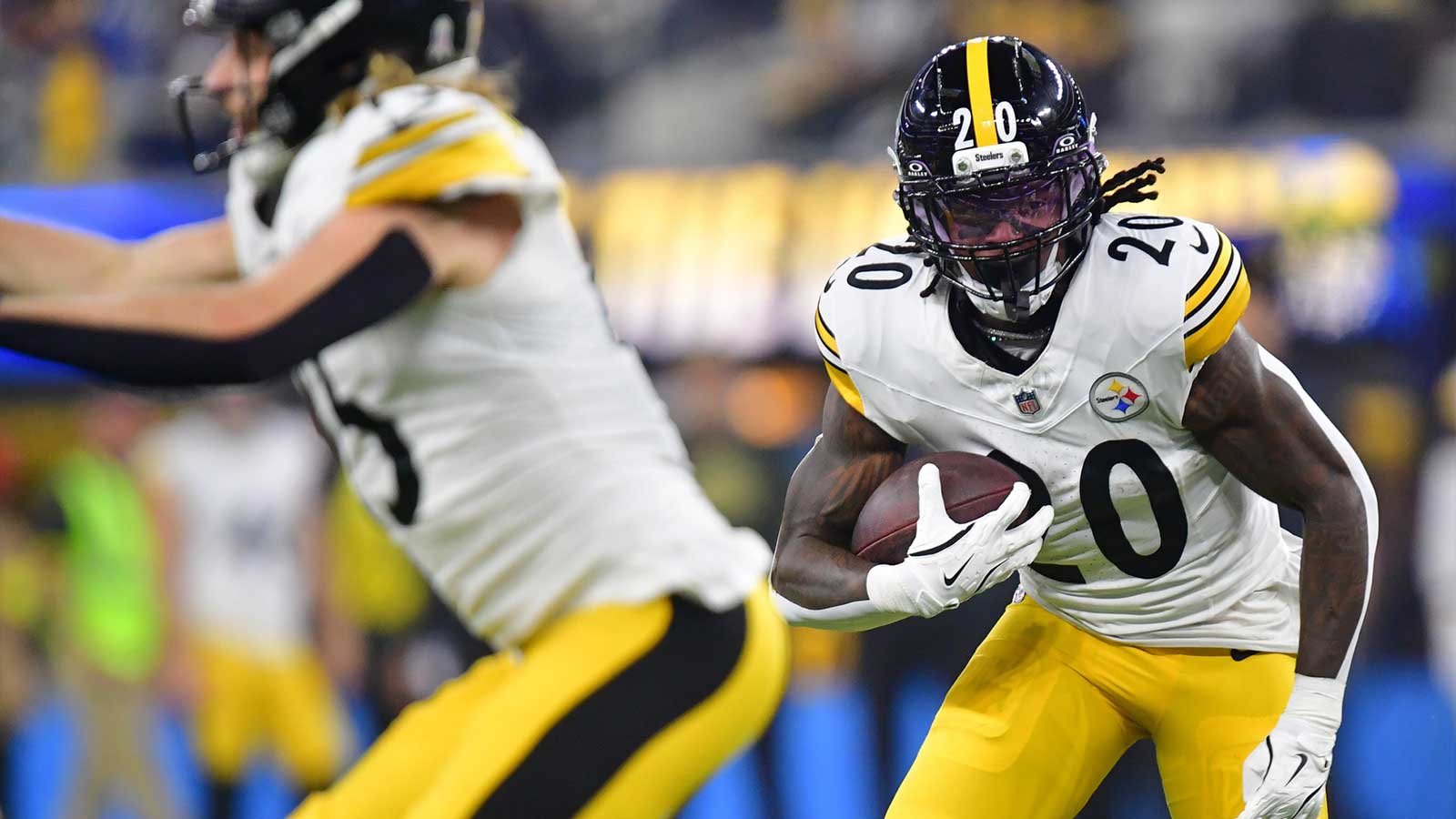
The motivation for clearing cap space in 2026 is not due to financial strife, but because complacency can lead to severe cap penalties. A viable solution at quarterback, even if it's temporary, requires protection and contingency plans. McCarthy will need functional tackles, a dependable run game system, and at least one more reliable receiving option. Aaron Rodgers leaving will definitely give the salary cap a fresh start, but let's see about other players that could do the same.
D.K. Metcalf
If the Steelers are serious about bringing Rodgers back, they should not weaken their appeal by releasing their most prominent weapon. Instead, they should make the cap situation work in their favor. Metcalf’s contract could be restructured. Converting base salary into a signing bonus and spreading out the financial hit is a classic move for contenders, and that’s exactly what Pittsburgh aims to be.
Restructuring Metcalf’s deal is also politically experienced: it provides flexibility in March, all without cutting a productive star.
Cameron Heyward
This represents a tough, traditional Steelers decision, one the franchise usually postpones until necessary. Heyward is a respected leader, but the salary cap rewards on-field performance, not speeches. In this new coaching era, it’s essential to assess whether a beloved veteran remains a core asset or is simply a respected presence.
If he wants to continue playing, the ideal scenario would involve a pay cut and a role adjustment that reflects his current reality, fewer snaps but more targeted usage, still valuable. If he’s uncertain, retirement could be a cleaner exit. Either way, making this decision is one of the quickest ways to create meaningful cap space that can be redirected toward improving the offensive line or enhancing cornerback speed, two critical areas that can determine the outcome of seasons when the games become more competitive.
Alex Highsmith
Trading Highsmith is a painful but logical move. The edge position is valuable, and Pittsburgh generally prioritizes building talent there. However, this approach can lead to overpaying at one position while neglecting others, specially If you already have a marquee pass rusher shaping the defense’s identity and face real cap challenges, Highsmith becomes a chip from which you can trade.
The return from a trade is important, but so is the flexibility it offers: moving a significant contract could help fund multiple starters in other areas. This is particularly relevant if the Steelers are looking to rebuild a functional offense. Regardless of whether Rodgers stays, the Steelers cannot continue to patch together offensive lines with makeshift solutions.
Pat Freiermuth
Not every cap-clearing move has to be dramatic. Freiermuth is the type of player you want to keep. Tight ends who contribute significantly to the passing game are valuable safety nets, especially for a quarterback looking to get rid of the ball quickly and minimize unnecessary hits.
Restructuring his deal is a professional move. With Aaron playing again, having a reliable tight end will help him operate effectively in the quick game. If he doesn’t return, having a dependable tight end can aid any young quarterback in navigating the challenges ahead. Either way, this is a sensible contract to adjust for cap relief without creating a new gap in the roster.
With all these, the Steelers can manufacture the kind of team that separates competitiveness. With March almost there, the team will need to act, and you can’t act if you’re waiting on a quarterback decision while your cap is tied up in contracts you refuse to touch out of sentiment or inertia.
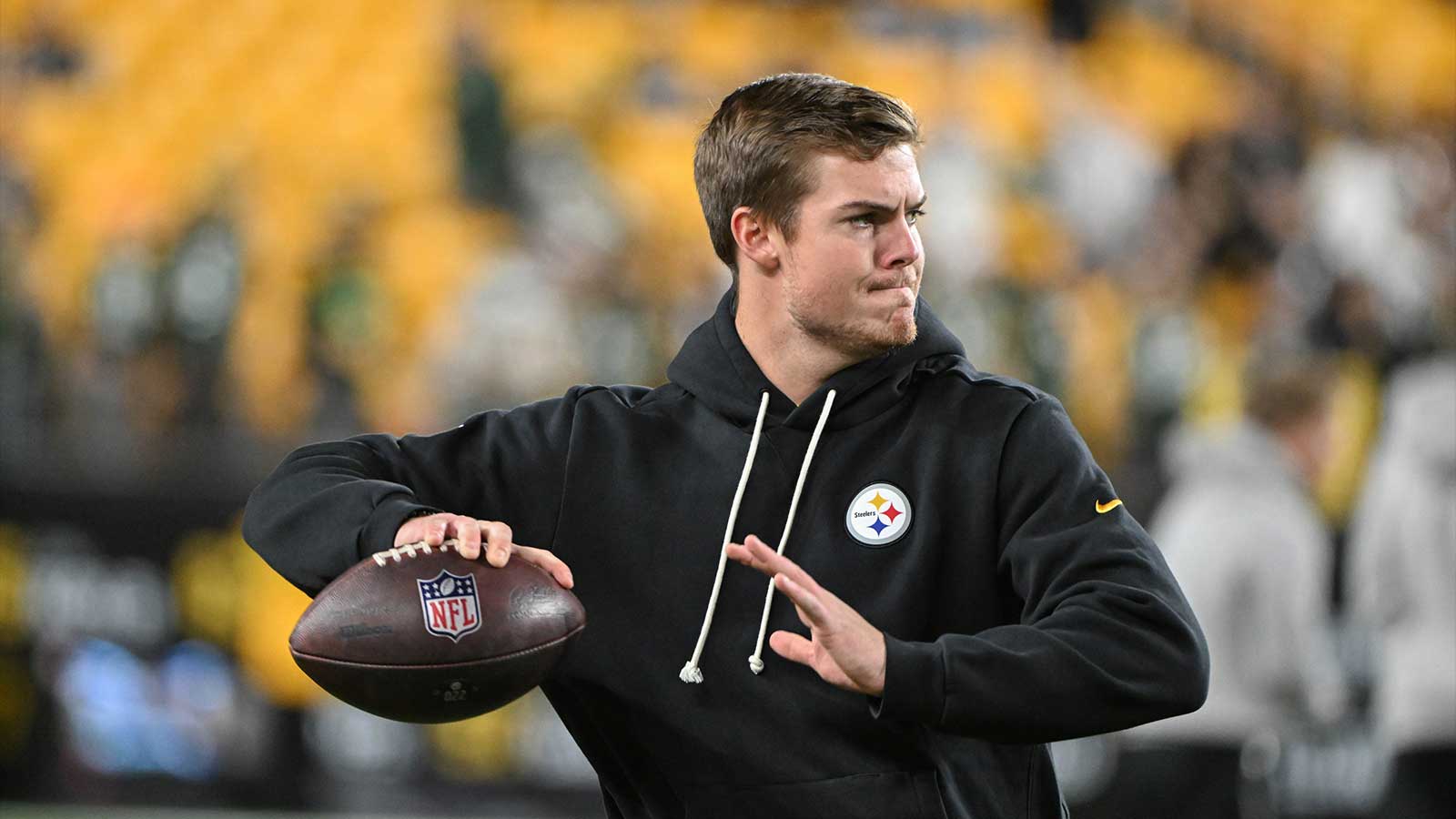
While Rodgers is the main focus, the Steelers would be remiss to consider him the only option. This is where the discussion around a second quarterback starts, particularly as rumors start to circulate. Philadelphia is known for being one of the league's most aggressive teams in trade negotiations. Recently, a mock trade proposal suggested the Eagles could send Tanner McKee to Pittsburgh in exchange for a third-round pick in 2026 and a conditional third-round pick in 2027.
The reasoning is that McKee has demonstrated enough potential during the preseason and in limited play to be a reasonable investment. The mock even pointed out a Total QBR comparison that slightly favored him over Rodgers in that limited sample size.
The best approach for the Steelers would be to view any McKee-like acquisition as insurance rather than the primary strategy.
The real plan should be to generate enough cap space to build a roster capable of supporting any quarterback who takes the field, whether it's a veteran star or a younger prospect.