
The Pittsburgh Steelers' 2025 AFC North division title was great, but it still felt incomplete. They extended their streak of non-losing seasons to 22-an NFL record. They watched Mike Tomlin secure his 200th career victory. On paper, it looked like another chapter of sustained organizational excellence. And yet, the ending felt painfully familiar.
The Steelers’ seventh consecutive playoff defeat was a lopsided 30-6 Wild Card loss to the Houston Texans. It underscored how Pittsburgh’s ceiling remains capped. With Tomlin stepping down and Mike McCarthy ushering in a new era, the franchise now stands at a crossroads. The roster was good enough to win a division but not good enough to compete for a championship. Of course, that means difficult decisions are coming in free agency.
Resilience meets frustration

The Steelers’ 2025 season was a journey of historic milestones and significant change. It concluded with a 10-7 record and an AFC North title. The campaign was was another entry in a remarkable standard of stability during an era of volatility.
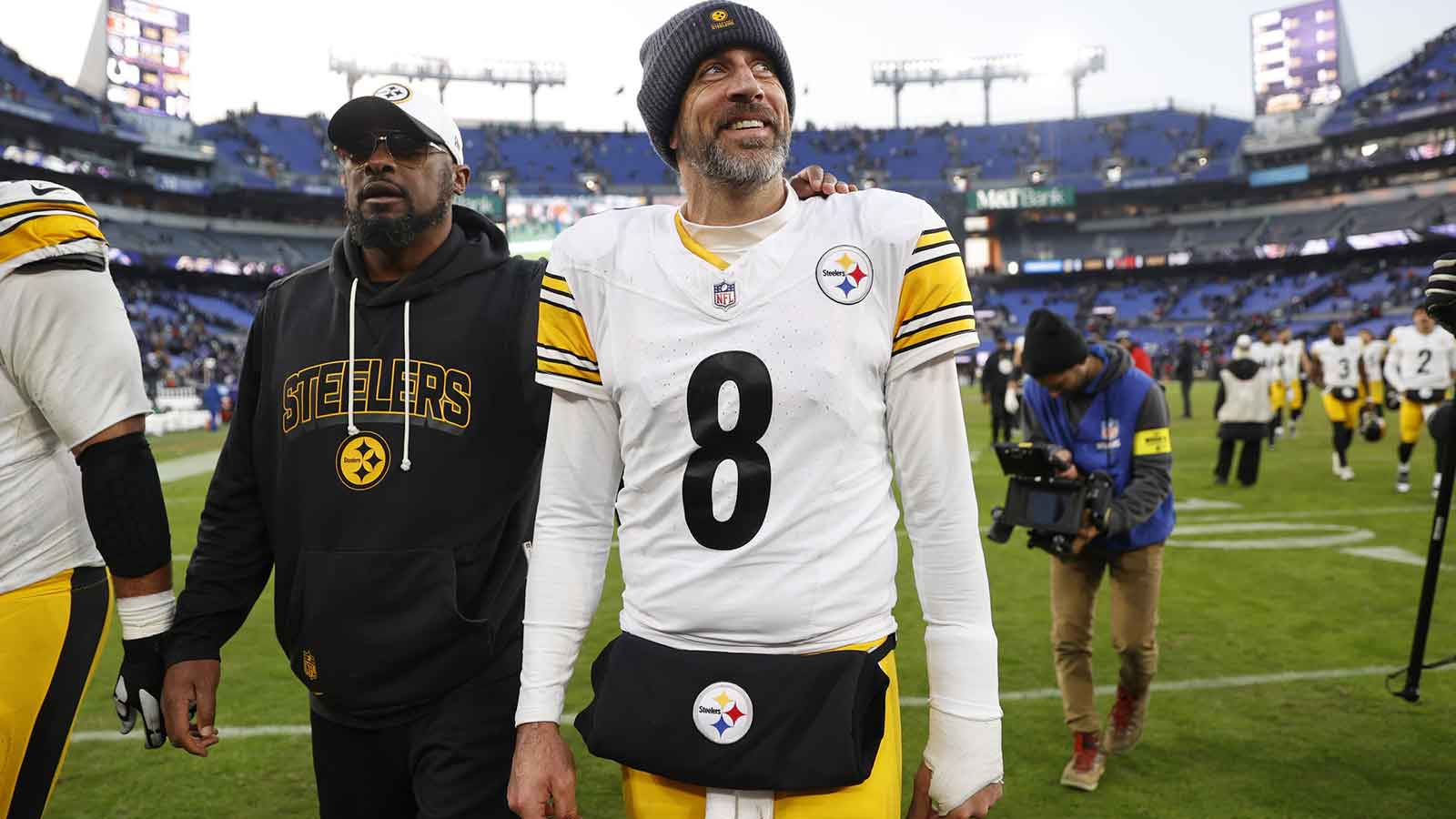
On the field, Pittsburgh leaned on a reshaped offense featuring Aaron Rodgers at quarterback and DK Metcalf as the primary perimeter weapon. The defense remained anchored by TJ Watt, while linebacker Payton Wilson emerged as a dynamic playmaker. A dramatic Week 18 victory over Baltimore clinched the division and briefly reignited championship aspirations.
January, though, told a different story. The Steelers’ offense stalled against Houston. The defensive unit struggled to contain explosive plays. The Wild Card defeat extended a painful playoff skid. Stability was just no longer enough.
Transformative offseason
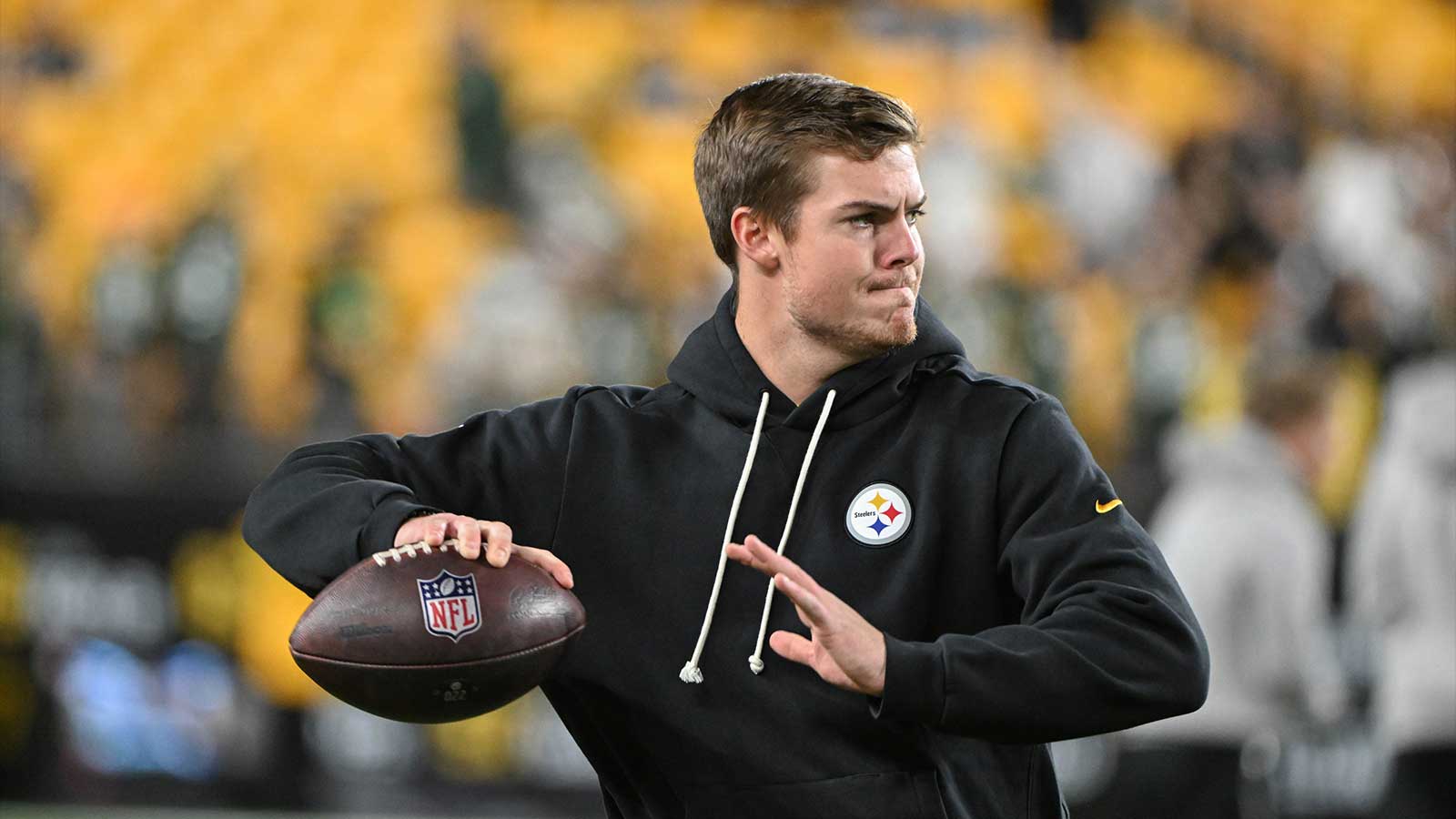
Looking ahead to 2026, Pittsburgh enters a major transition with approximately $45 million in cap space. The possible departure of Rodgers leaves the quarterback position unsettled. Whether the future lies with Will Howard or in the upcoming draft, identifying a long-term answer under center is the franchise’s top priority.
Beyond quarterback, the roster requires reinforcement along the perimeter. Metcalf cannot operate as a one-man show. A legitimate WR2 must emerge to prevent defensive schemes from suffocating the offense. Defensively, the secondary remains vulnerable opposite Joey Porter Jr. Safety depth behind DeShon Elliott must also be fortified to compete in a pass-heavy AFC.
The offensive line cetainly still requires refinement. On defense, the shift toward speed and coverage versatility will shape personnel decisions. With flexibility available, Pittsburgh’s front office must choose wisely not emotionally.
Here are the tough cuts they need to make.
QB Aaron Rodgers
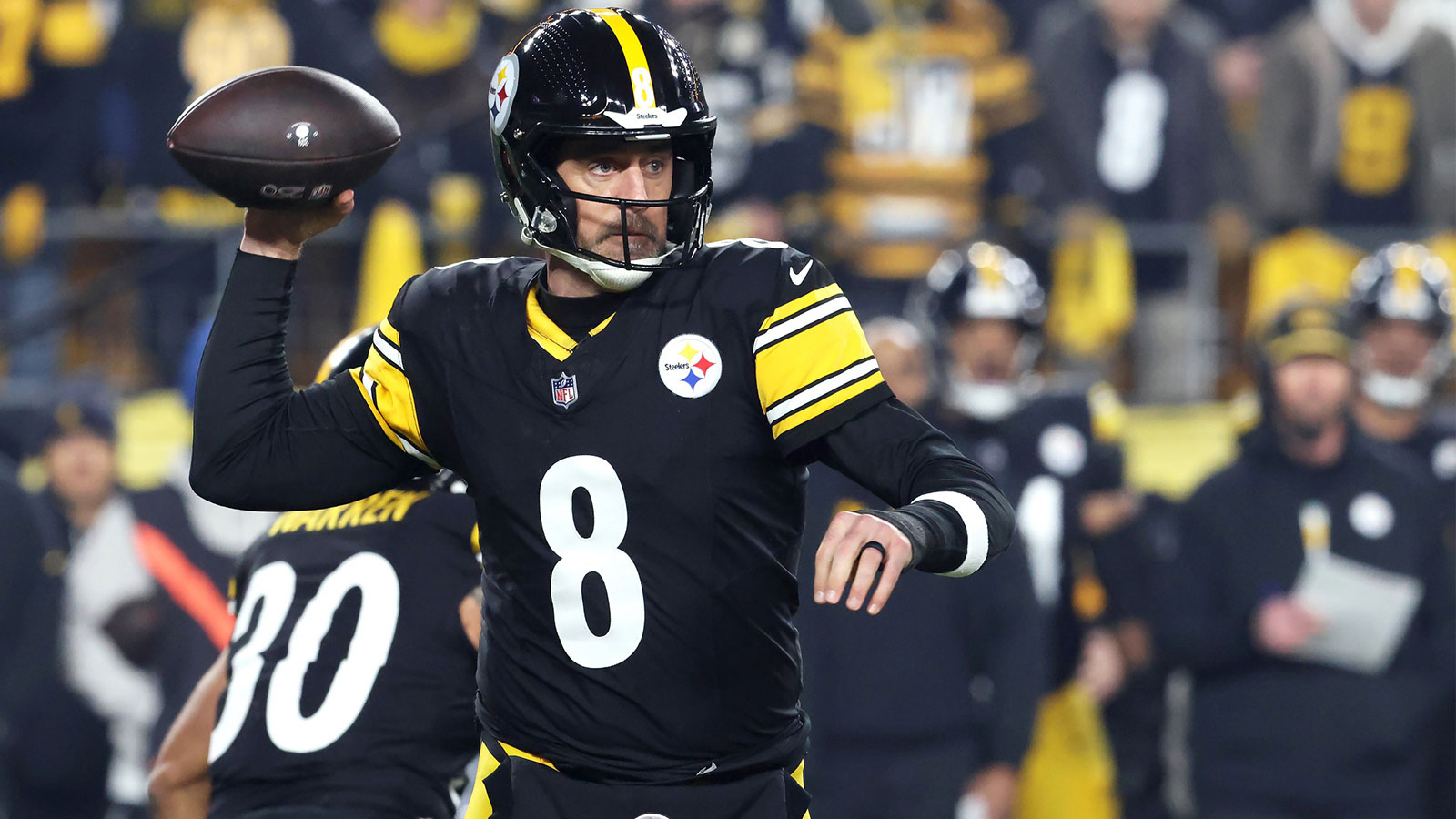
Rodgers’ arrival in 2025 was a calculated gamble. He delivered 26 touchdown passes and guided the Steelers to a division crown. For stretches, he provided veteran calm in late-game situations. Still, at 42 years old entering the 2026 season, Rodgers represents a bridge that has reached its endpoint.
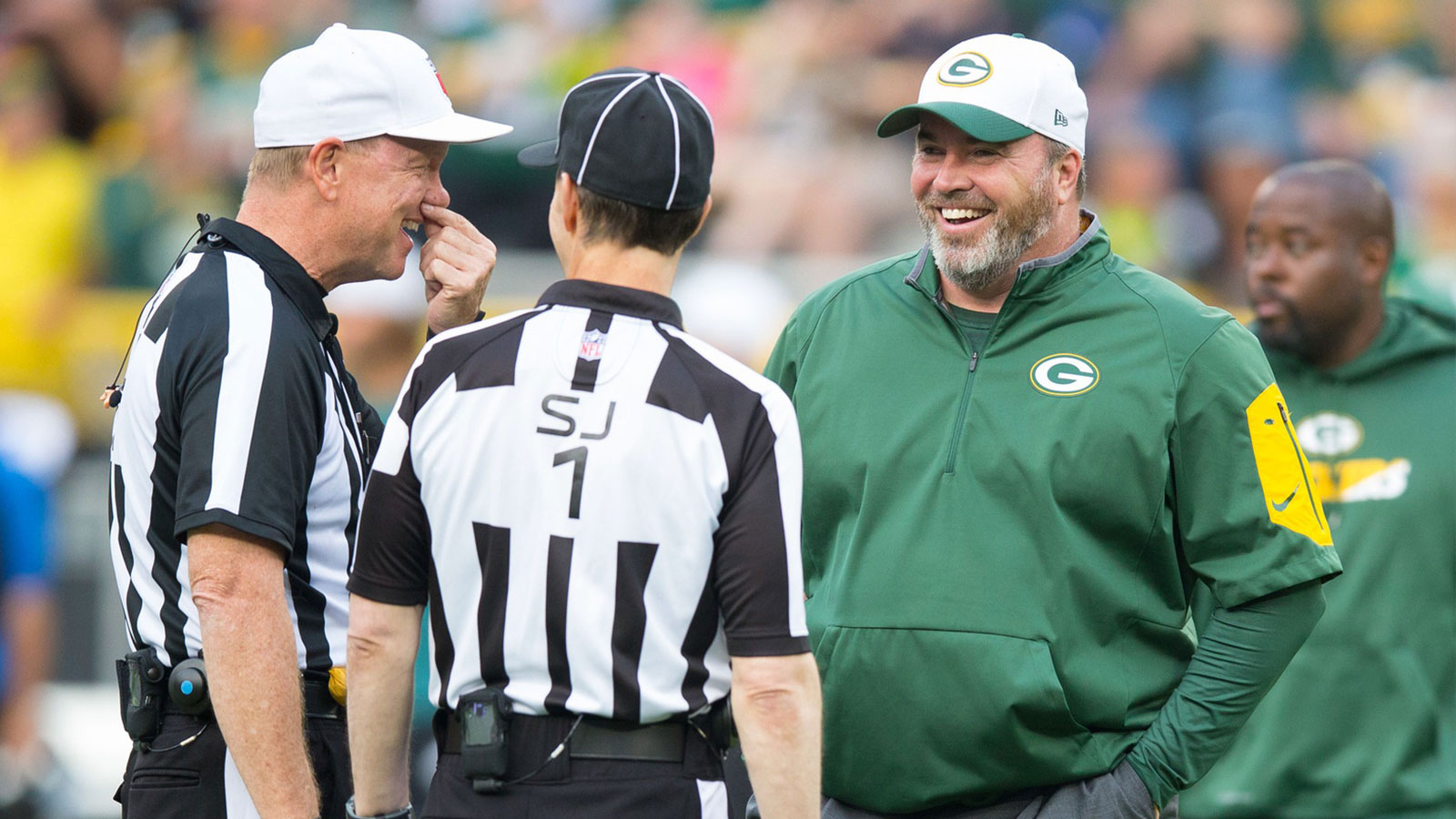
The complication lies in familiarity. McCarthy and Rodgers share championship history in Green Bay. That history will tempt continuity. The problem is that continuity in this case delays clarity. Pittsburgh must evaluate whether Howard can evolve into a franchise cornerstone or whether significant draft capital must be deployed for a blue-chip prospect.
Retaining Rodgers allocates premium cap space toward diminishing returns. The smarter investment is constructing infrastructure for the next quarterback era. Pittsburgh needs to build a roster that supports youth, not insulate twilight seasons. Letting Rodgers walk is a necessary acknowledgment of what the Steelers must become.
OL Isaac Seumalo
Isaac Seumalo has been a stabilizing presence at left guard. However, the realities of roster construction are unforgiving. Entering his age-33 season, Seumalo battled a lingering pectoral issue throughout 2025. Durability concerns are well-documented.
Pittsburgh’s offensive line is also trending younger. Zach Frazier has emerged as a foundational center. Troy Fautanu profiles as a long-term tackle cornerstone. Spencer Anderson flashed also promise when called upon last season. The trajectory points toward youth alignment, not veteran retention.
Seumalo’s market value will remain respectable. However, committing multi-year money to a player exiting his prime contradicts Pittsburgh’s reset strategy. A younger free agent or draft investment would better match the timeline of a developing offensive core.
LB Cole Holcomb
Cole Holcomb’s tenure in Pittsburgh has been defined by resilience. His toughness and leadership resonated in the locker room. Yet his catastrophic knee injury in late 2024 and extended recovery into 2025 altered his trajectory.
The Steelers’ linebacker room has evolved in his absence, too. Patrick Queen has cemented himself as the alpha presence. Wilson’s emergence as a sideline-to-sideline force adds speed and playmaking. Depth options like Carson Bruener further compress Holcomb’s pathway back to a meaningful role.
Under a new coaching alignment, defensive philosophy should prioritize range and coverage flexibility. Holcomb, returning from major health hurdles, may no longer project as an every-down fit in that framework. Financially, retaining him at veteran value limits flexibility in addressing more urgent needs.
The cost of contention
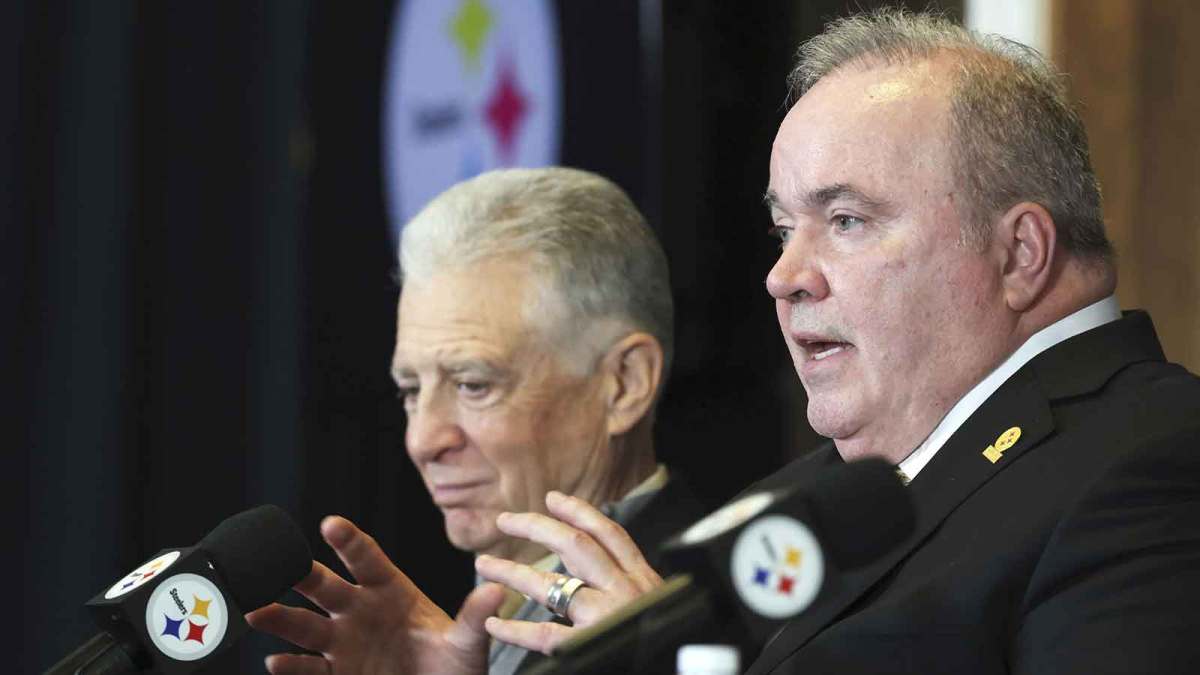
Pittsburgh’s identity has long centered on stability, loyalty, and measured change. That kind of sustainable contention in today’s NFL demands calculated turnover. Letting Aaron Rodgers, Isaac Seumalo, and Cole Holcomb depart would free financial flexibility while accelerating generational transition.
The Steelers don’t need a teardown. They just need to recalibrate. That begins with embracing youth at quarterback, aligning the offensive line’s timeline, and modernizing defensive speed.
Winning the AFC North in 2025 proved Pittsburgh remains competitive. The playoff loss proved competitive isn’t enough. The next era begins should not begin with splashy additions but with disciplined subtractions.