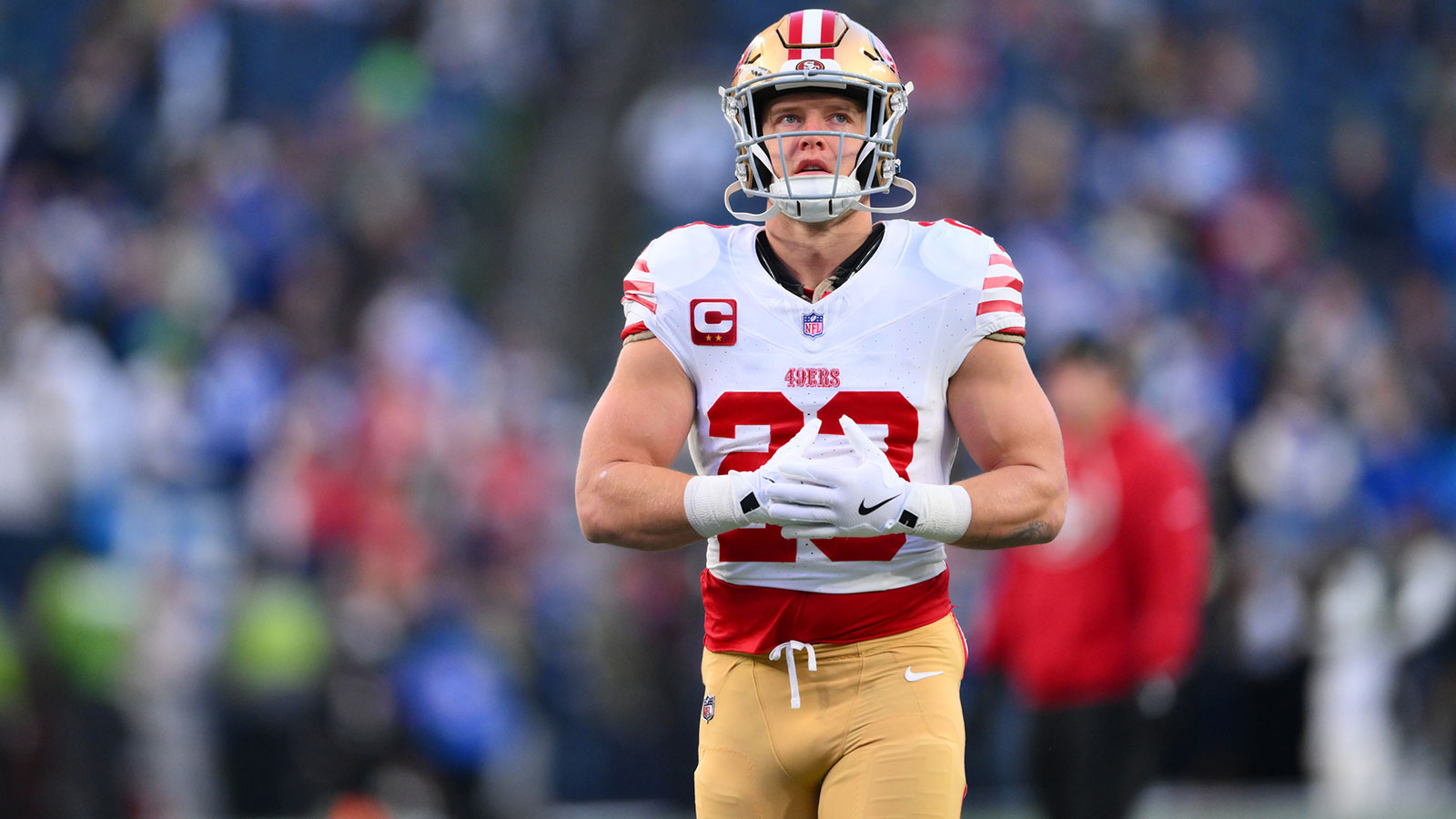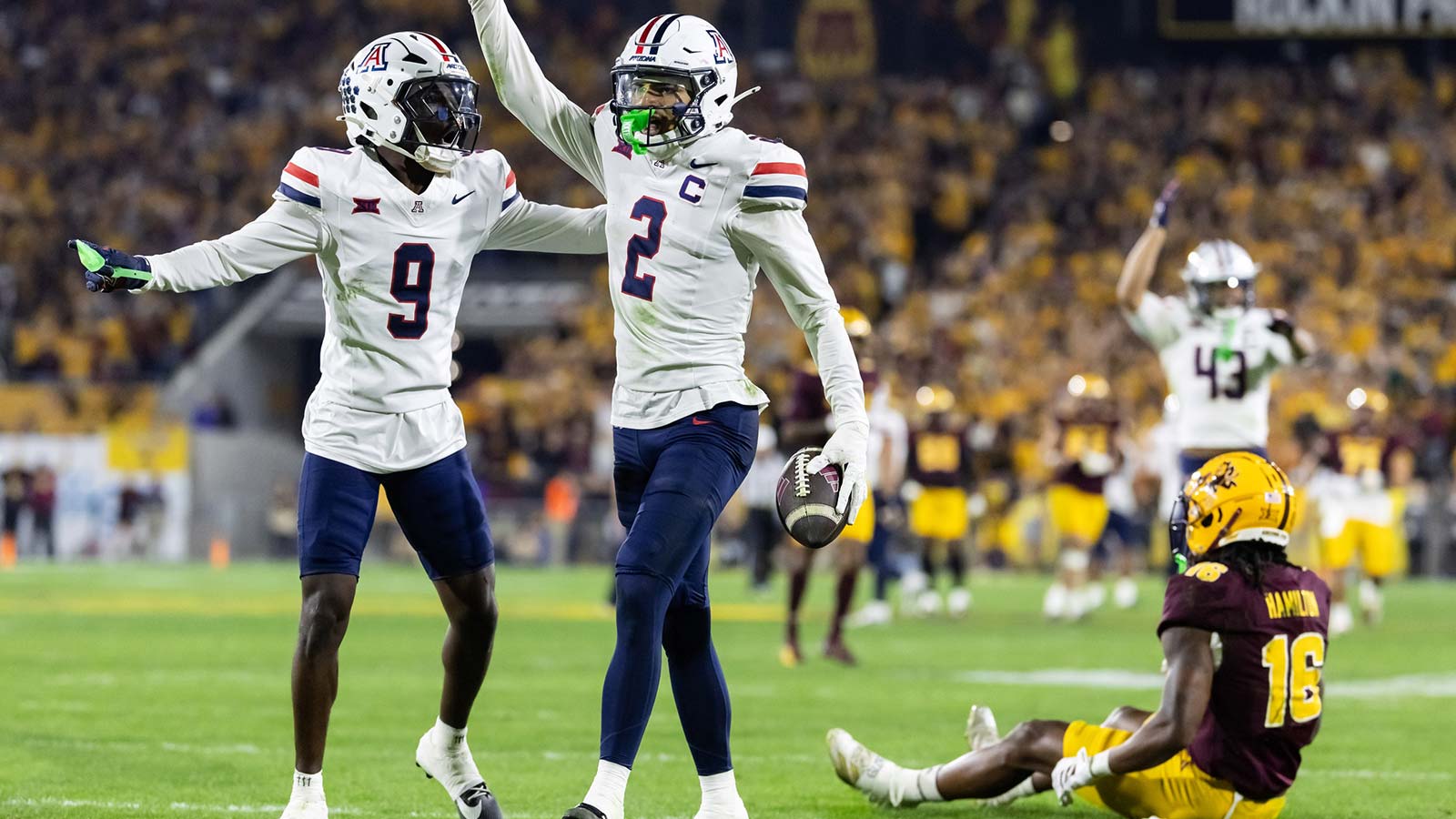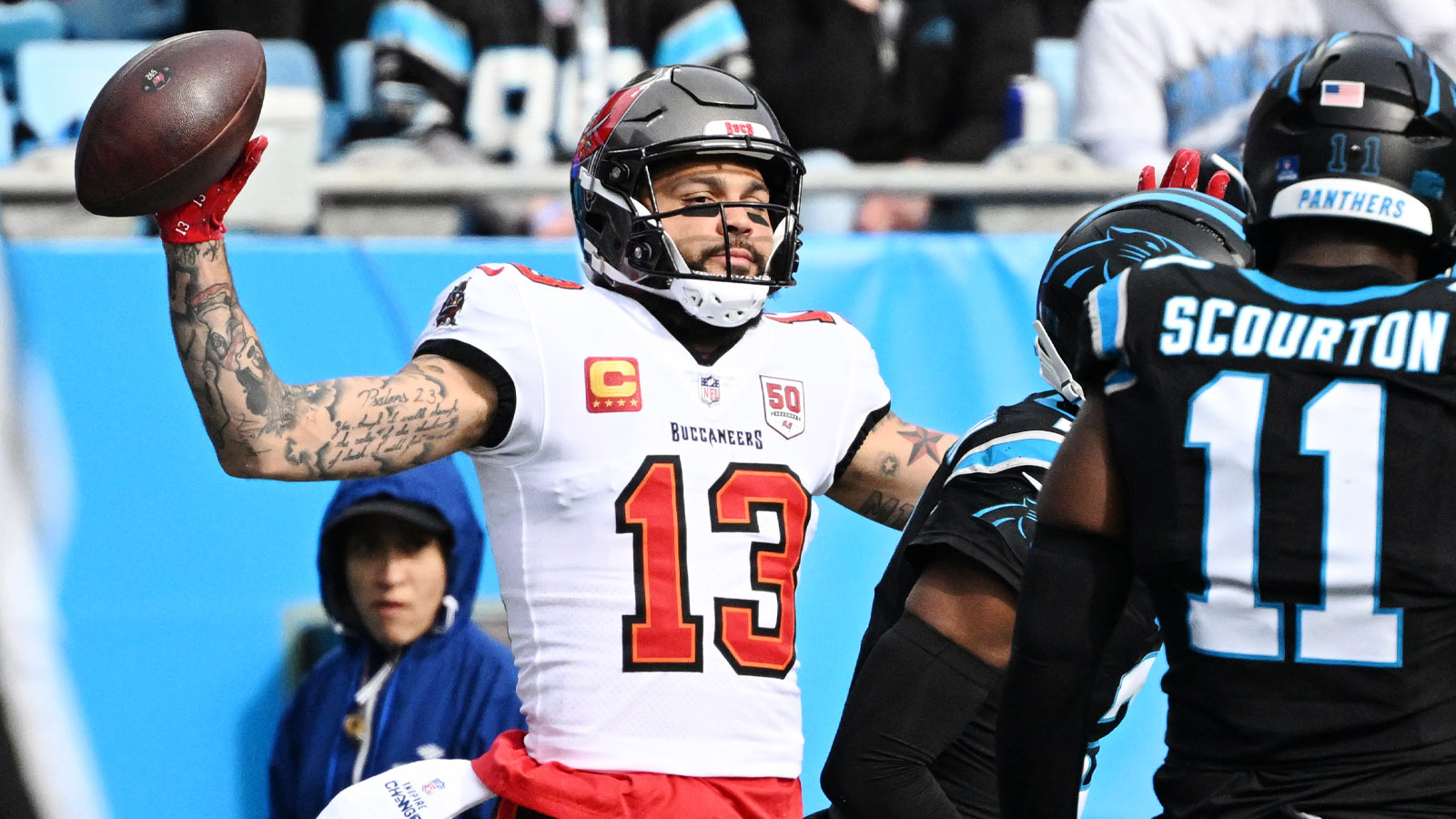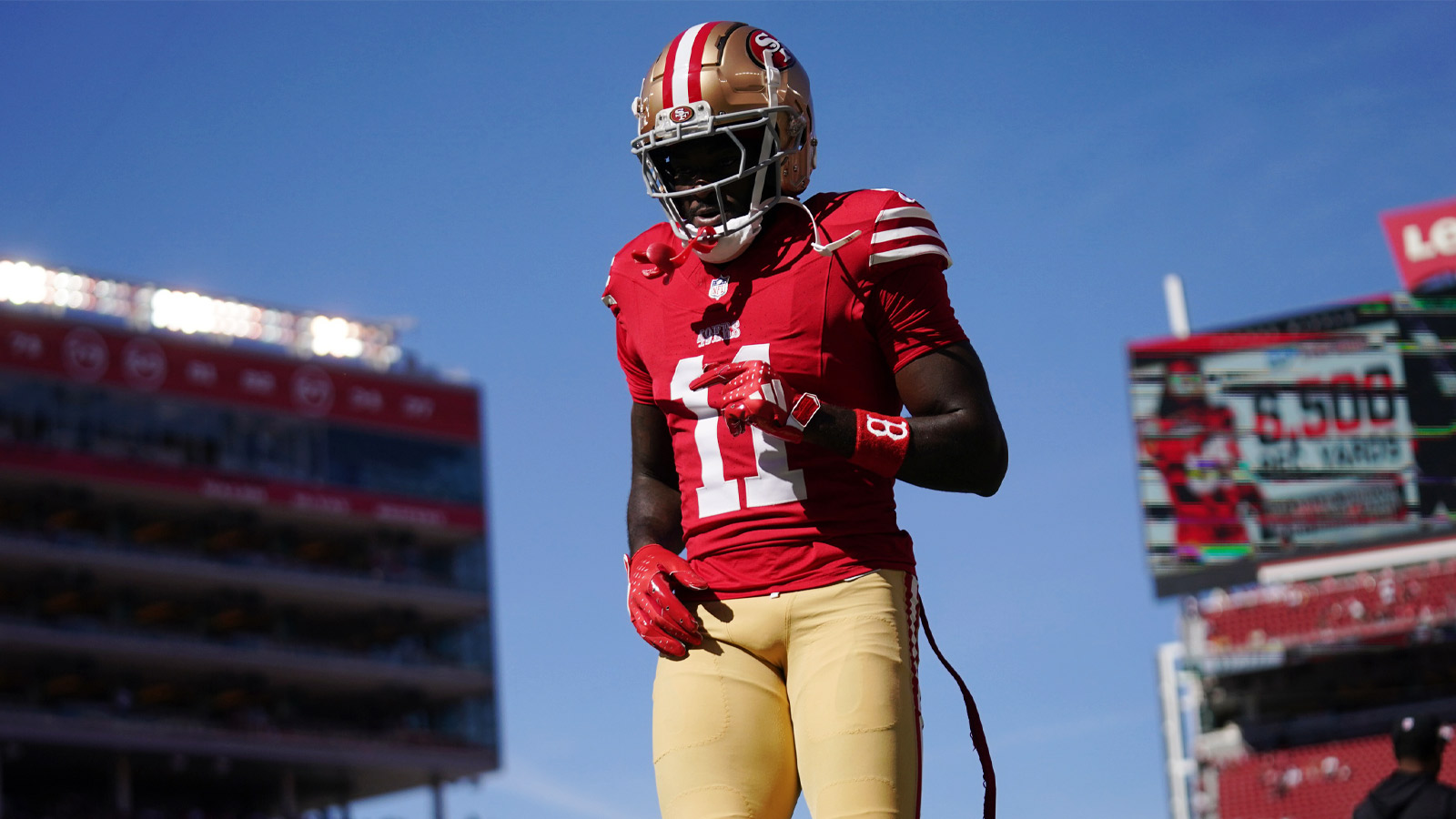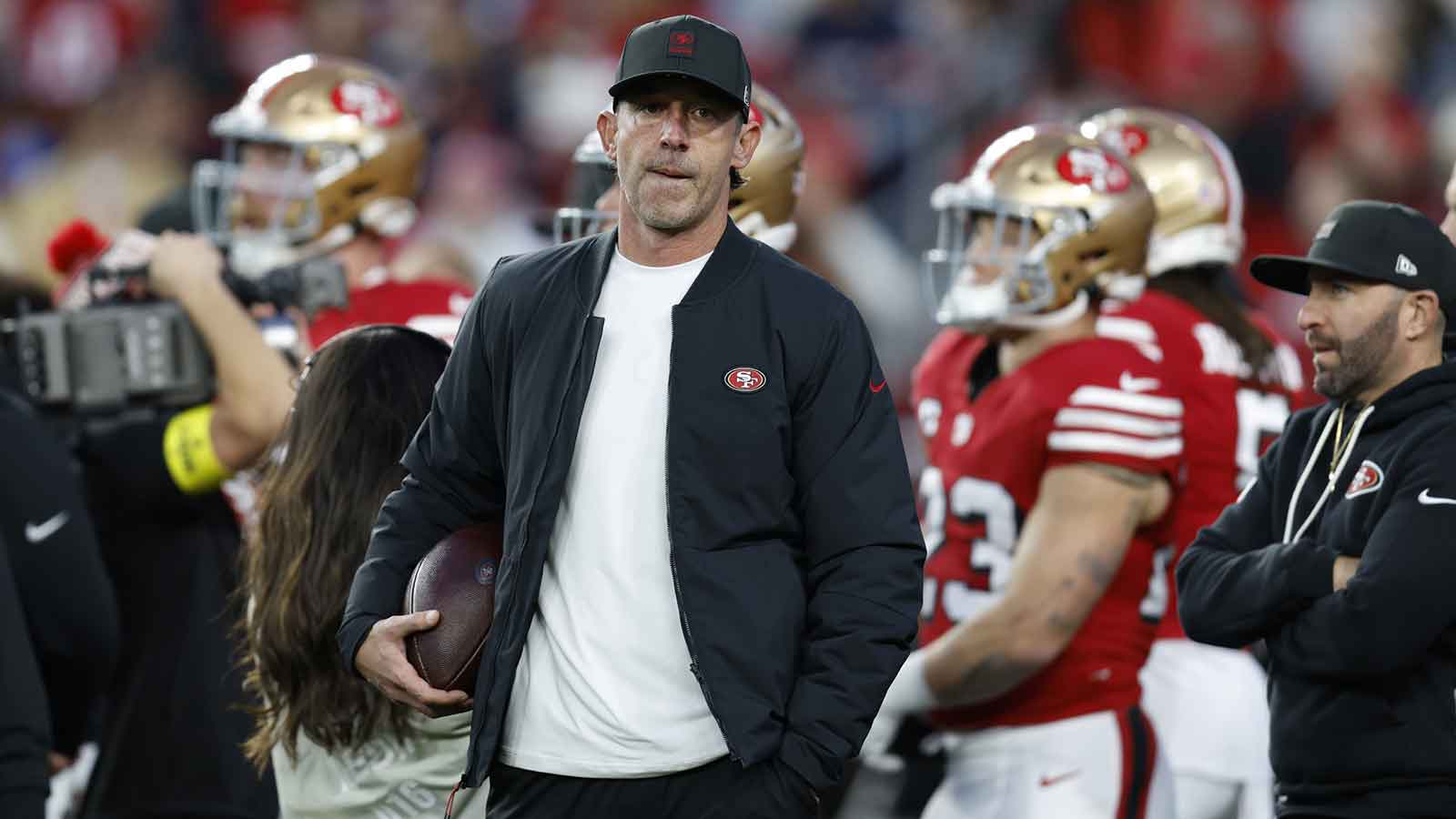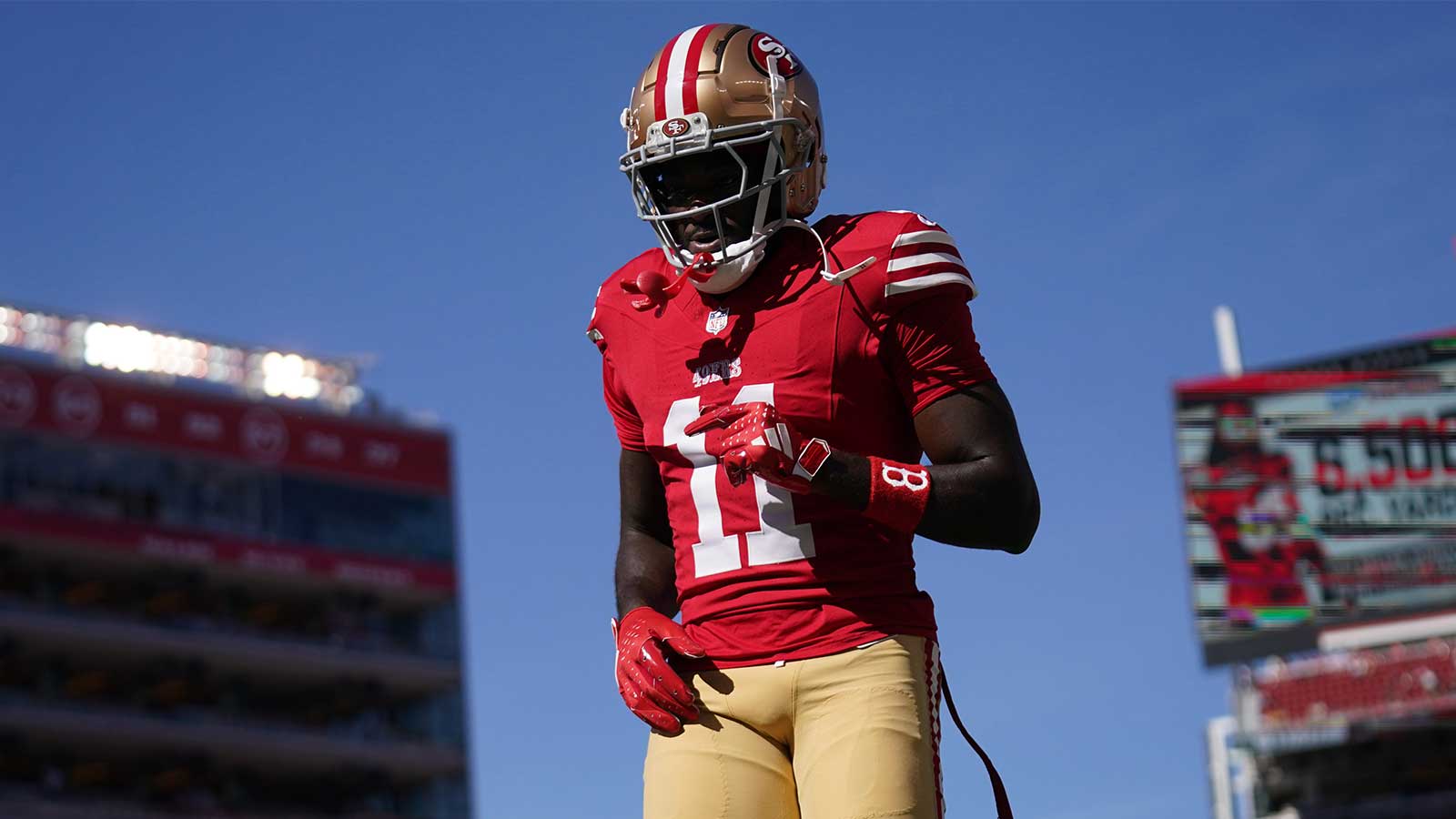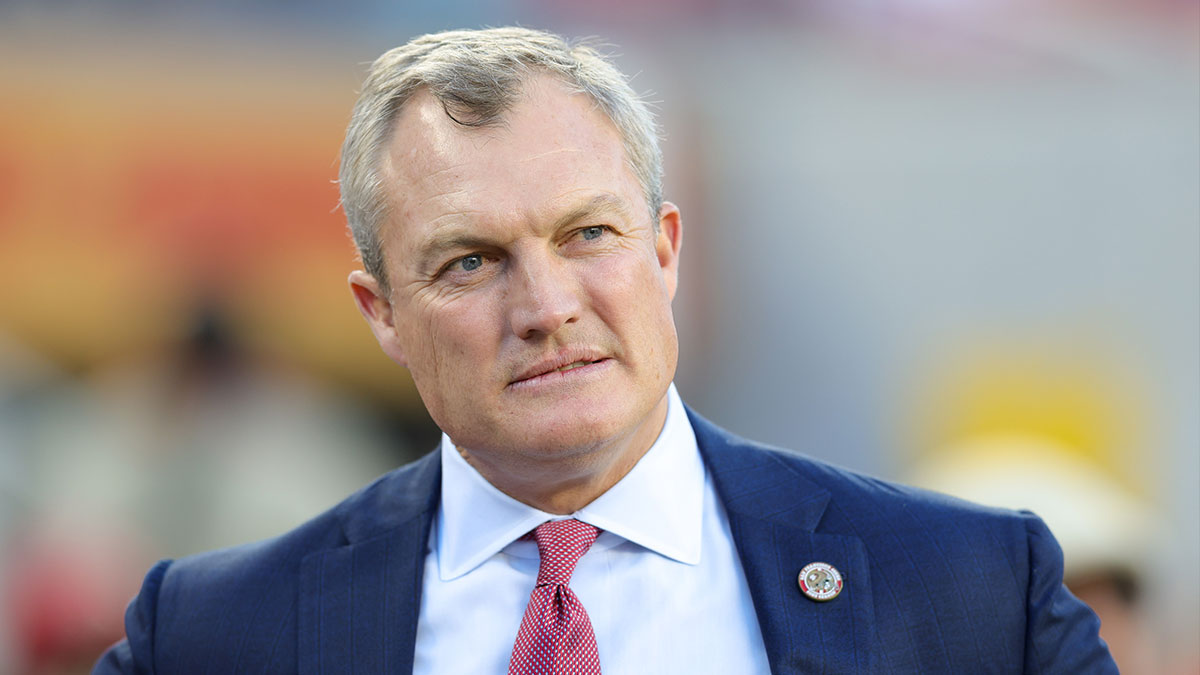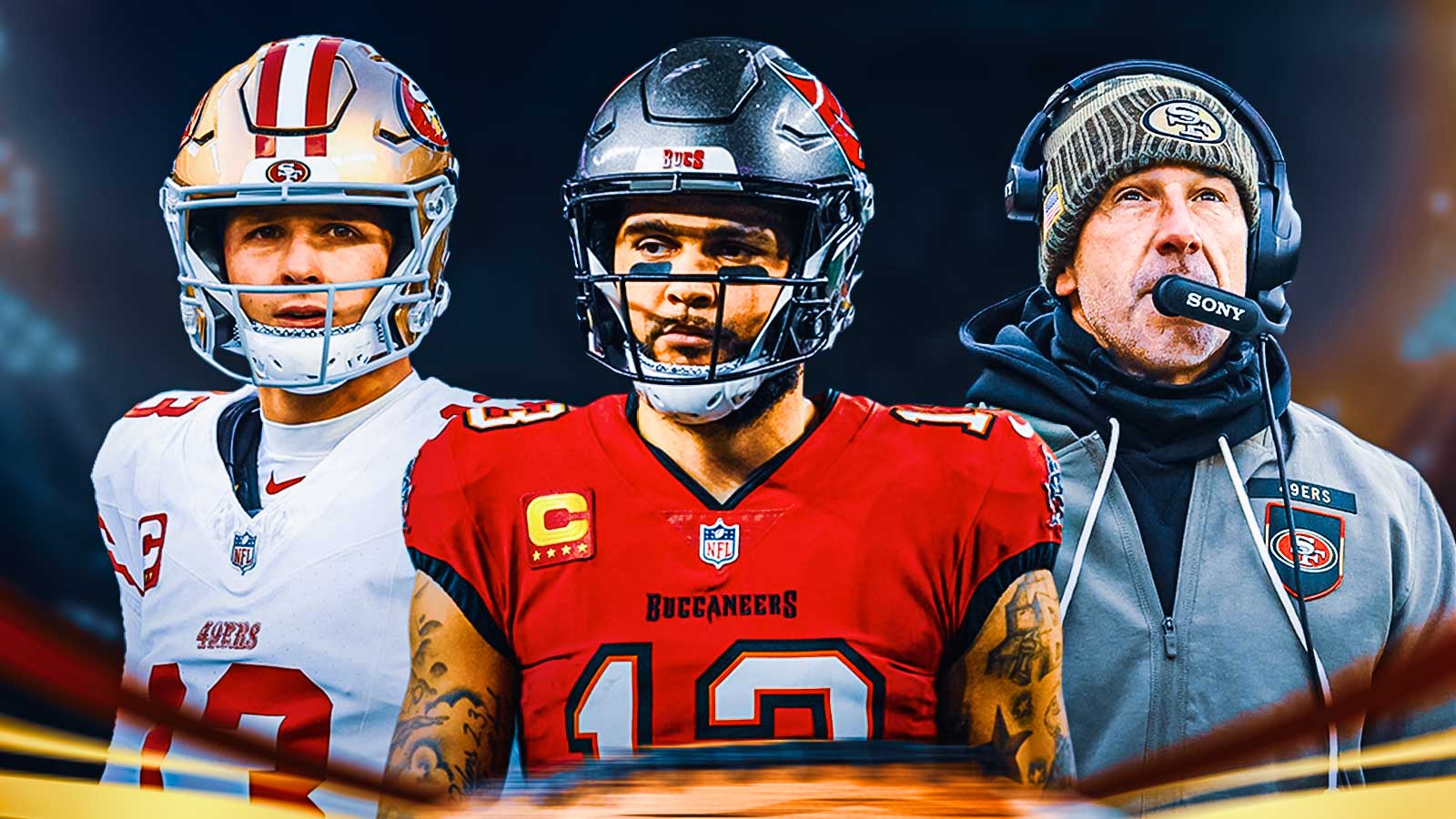

San Francisco enters the 2026 NFL Draft with a more complicated offensive situation than a typical contender would prefer. Mike Evans has joined the team on a three-year deal, and Christian Kirk is now part of the receiving corps. However, rival executives are divided on whether Evans truly fits Brock Purdy's playing style. Simultaneously, owner Jed York has left open the possibility of Brandon Aiyuk returning, despite months of indications pointing in the opposite direction.
While there is plenty of discussion surrounding the pass catchers, the more pressing issue is that the 49ers have only six draft picks and no longer possess a third-round pick due to the trade for Osa Odighizuwa. Official team draft coverage has consistently focused on needing help on the offensive line and defensive front with the 27th pick.
This situation is critical because Kyle Shanahan’s roster doesn’t lack for innovative ideas, but it does require careful resource management.
John Lynch emphasized at the combine that the draft is vital for the organization and highlighted the necessity of making smart decisions with a smaller draft class.
The 49ers' mock drafts have consistently indicated the need for tackles, edge defenders, and other help in the trenches. In simpler terms, San Francisco cannot afford to turn this thin draft into a quest for flashy new players.
This is where the temptation can become problematic. Shanahan has a knack for making offensive prospects sound appealing, and when a dynamic athlete is in front of him, half of the football world begins to envision creative plays like jet motion, slot fades, angle routes, and red-zone strategies before the player even steps into rookie minicamp.
Great coaches deserve that kind of creative freedom, but effective front offices must protect coaches from their own enthusiasm. For the 49ers, 2026 appears to be one of those pivotal years.
TE Kenyon Sadiq, Oregon

Few prospects embody the phrase “Shanahan pick” as perfectly as Kenyon Sadiq. Daniel Jeremiah already mocked him to San Francisco, describing him as an “amazing new toy.” At a 4.39 in the 40-yard dash, coupled with receiver-like movement skills, Sadiq possesses an athletic profile that excites offensive coaches before the call is even made.
However, the 49ers should consider staying away from him.
A first-round tight end would represent a luxury selection masked as an innovative choice, and George Kittle remains a cornerstone of the offense, Christian McCaffrey is a matchup nightmare, and the addition of Evans gives Purdy a new target in the red zone.
Meanwhile, Kirk adds another veteran presence in a room already housing Ricky Pearsall, Jacob Cowing, and Jordan Watkins under contract. Moreover, draft tracking has consistently pointed toward addressing the offensive line and defensive front. Spending the No. 27 pick on another offensive accessory seems indulgent rather than bold.
There’s also a philosophical issue underlying this discussion because San Francisco has thrived in the past by prioritizing structure, blocking angles, timing, and the ability to generate yards after the catch. Investing a premium pick in a tight end late in April would not resolve the protection issues surrounding an aging Trent Williams, nor would it address the need to bolster a defensive front that continues to appear in team draft projections.
While Sadiq may become an excellent professional elsewhere, they should not use their best draft asset on a player whose primary appeal is how much fun he would be to integrate into their plans.
WR KC Concepcion, Texas A&M
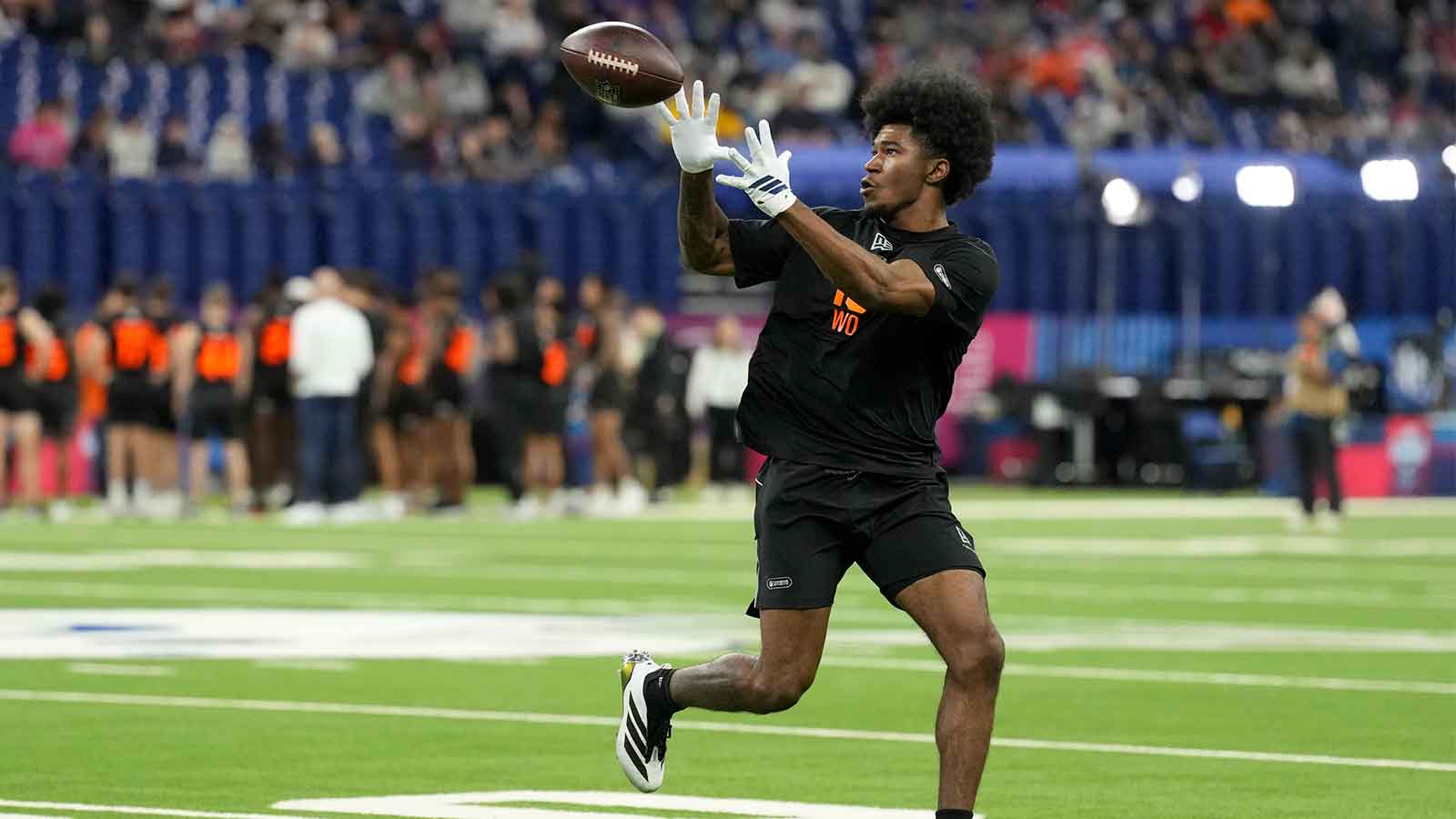
Selecting a receiver is easier to justify, which makes it an even more tempting trap. Dalton Wasserman described KC Concepcion as a great fit for the 49ers' offense on the team’s official site, and it's clear why. He is electric with the ball in his hands, has experience in various alignments, offers return value, and possesses a run-after-catch profile that has long been appealing in Shanahan's system. With Jennings gone, Aiyuk's situation uncertain, and mixed reviews regarding Evans' fit, the argument for Concepcion almost builds itself.
Still, taking Concepcion at No. 27 would send the wrong message about the actual needs of the roster.
A contender with an abundance of draft picks might justify spending significant capital on another skill player while addressing future questions at receiver.
However, San Francisco does not have that luxury, and the 49ers currently hold six selections, lack a third-round pick, and draft projections consistently steer the conversation toward tackle and edge rusher.
In this context, investing another first-round pick in a receiver feels more like an attempt to manage anxiety than a disciplined approach to team building.
Furthermore, the additions of Evans and Kirk have already reshaped the receiver room.
One signing provided Purdy with a larger target on the boundary, while the other added veteran depth and route-running competence, and if the organization feels compelled to draft another receiver at No. 27 after these signings, it would effectively be admitting that it resolved nothing in March.
That reflects poor decision-making, and a better strategy would involve allowing the veterans to stabilize the room, letting Pearsall and the younger receivers compete for roles, and directing early draft capital to areas where the current roster is thinner and in greater need of reinforcement.
Concepcion may ultimately become a strong professional, especially in an offense that prioritizes spacing and touch distribution, but San Francisco has more pressing needs than adding another player who excels in motion and space. There is already enough sparkle on that side of the ball.
RB Jadarian Price, Notre Dame
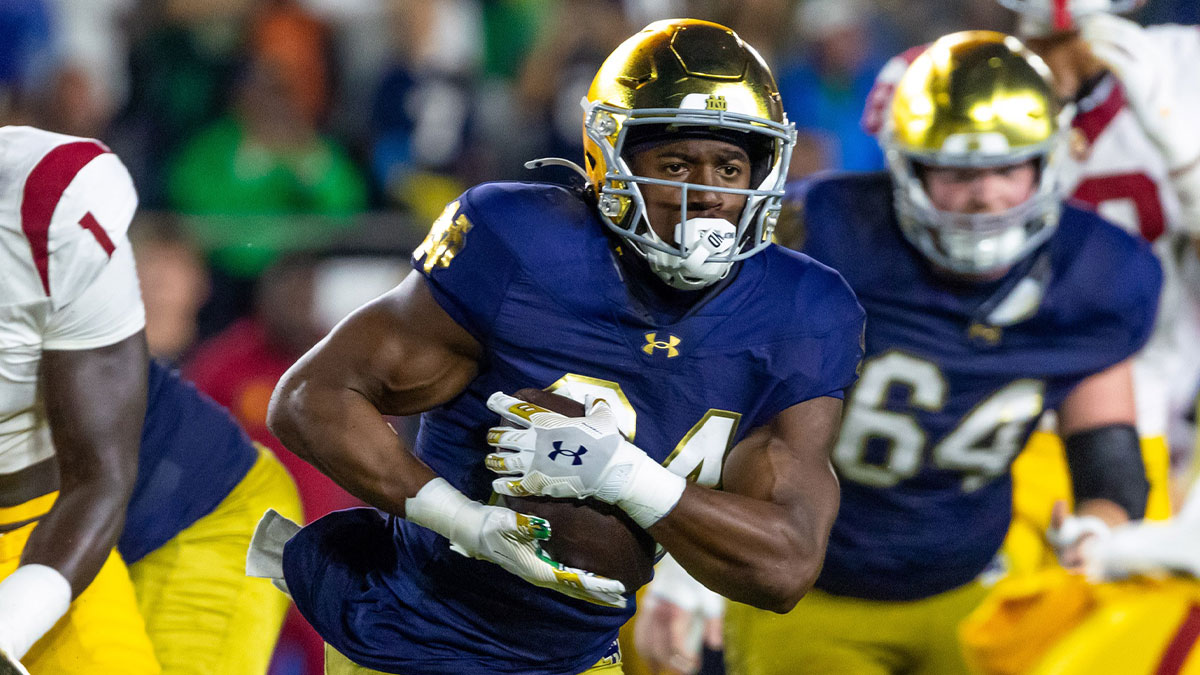
Running back is where things get interesting in the draft conversation.
The main argument against selecting one is not that the position lacks a need, and Kyle Shanahan has openly stated that Christian McCaffrey “definitely needs help” after shouldering a heavy workload, and outside discussions have raised concerns about whether spending a second-round pick on a running back would be excessive given the team's more urgent structural issues.
Price exemplifies how a reasonable football thought can lead to a draft mistake, and San Francisco clearly needs a more reliable complement for McCaffrey, being someone who can keep the offense functional without narrowing the playbook significantly.
This need cannot be denied, of course; however, using the 58th pick on a running back in a draft class with only six picks, especially after sacrificing a third-round pick for Odighizuwa, would be leaning too heavily into comfort. Historically, Shanahan has found useful running backs without escalating costs. He can do it again.
Drafting a back in the second round also contradicts the broader context of the 2026 draft class.
Both team and league draft analysts have repeatedly emphasized that talent on the defensive front is deep, and help for the offensive line is closely linked to San Francisco.
The optimal value areas align with where the 49ers are likely to feel the impact of a 17-game season, and while it might be defensible to take a running back that early in isolation, drafts are interconnected.
Each early choice limits another opportunity, and on a roster focused on protecting Brock Purdy and strengthening the trenches, selecting a running back early would be a poor decision.
The smartest approach for San Francisco is to keep the draft board honest, resist the impulse to add more offensive flair to a roster that has already made aggressive veteran signings, and trust that a Shanahan offense can still function without one additional gadget or flashy player.
And of course, the key takeaway is that a contender does not safeguard its Super Bowl window by selecting the most exciting option. Rather, it protects its window by choosing what is most necessary, even when a glamorous player is available and enticing.